WORLDEF ISTANBUL 2026 - Early Bird Registration Ends Soon

Register Now

Africa Warehouse Occupancy Hits 83%

According to the Knight Frank Africa Industrial Market Report 2025, the continent’s modern warehousing occupancy rate reached 83 percent, showing a significant increase of 10.7 percent year-on-year. This growth highlights Africa’s rising importance as a logistics and trade hub, driven by booming e-commerce, technological adoption, and regional trade expansion (Zawya).

Factors Driving the Increase in Warehouse Occupancy

Several factors have contributed to the surge in modern warehouse occupancy in Africa. The first and most important is the rapid growth of e-commerce. Online retail is becoming a key driver of warehouse demand. By 2025, Africa’s e-commerce market is projected to exceed 75 billion dollars. Nigeria alone is expected to reach 8.53 billion dollars with a compound annual growth rate of 11.8 percent, while South Africa’s e-commerce market is forecasted to grow from 35.23 billion dollars in 2024 to 74.79 billion dollars by 2033. This strong growth in online retail is creating a continuous demand for warehousing and distribution centers to support faster delivery times and expanded product offerings.

The second factor is the development of agro-industrial sectors. Agriculture contributes approximately 32 percent of Africa’s GDP and employs over 65 percent of the population. Agro-industrial growth has led to increased demand for cold storage and modern warehousing facilities. Initiatives such as Nigeria’s 538 million dollar Special Agro-Processing Zones program are expected to boost agricultural efficiency by 60 percent, creating further demand for logistics and storage solutions. Warehouses equipped for cold storage, temperature-sensitive goods, and perishable products are in high demand across countries like Nigeria, Kenya, and South Africa.

Trade expansion also plays a major role. Regional trade corridors and agreements, such as the African Continental Free Trade Area, are facilitating cross-border commerce. Increased trade volumes necessitate strategically located warehouses in key industrial hubs and port cities. Countries such as Egypt, South Africa, and Kenya have seen significant investments in warehouse infrastructure near ports and transport routes to accommodate the growing volume of goods and reduce delivery times. Companies are increasingly looking for logistics solutions that enable them to efficiently move products across borders, driving demand for modern warehousing (Zawya).

Technological adoption is another important factor. Warehouses in Africa are increasingly integrating automation, robotics, artificial intelligence, and warehouse management systems. These technologies enhance operational efficiency, reduce labor costs, improve inventory tracking, and allow businesses to scale more effectively. Tenants are increasingly seeking technologically advanced warehouses that can support complex logistics operations, including last-mile delivery and cold chain management. This trend is contributing to higher occupancy rates as modern facilities provide advantages over older, less efficient warehouses.

Country-Level Analysis

Certain countries in Africa are leading in warehouse development and occupancy rates. South Africa remains the dominant market for industrial real estate, with Johannesburg, Cape Town, and Durban seeing the highest rental rates and occupancy. Warehouses in these regions are strategically located near urban centers and transport corridors, facilitating efficient distribution. Egypt is also experiencing strong growth, particularly in 6th of October City and the Suez Canal Economic Zone, where warehouse occupancy has reached 95 percent. Government investments, including a 120 million dollar pharmaceutical manufacturing facility, are further stimulating demand in the industrial real estate sector.

Nigeria continues to expand its warehouse infrastructure, especially in Lagos and Abuja, driven by e-commerce growth and agro-industrial development. Kenya’s Nairobi region is seeing a surge in modern warehouse demand due to regional trade, infrastructure improvements, and logistics requirements for multinational corporations. The strategic location of warehouses near highways, ports, and airports is crucial for reducing transportation costs and improving delivery efficiency. These key markets are setting the benchmark for industrial property development across the continent.

Sector-Specific Demand

Different sectors are contributing to increased warehouse demand. E-commerce remains the primary driver, followed by retail distribution, pharmaceuticals, and agro-processing. Companies are increasingly seeking warehouses that provide flexible storage, advanced security, and climate control. The need for specialized storage for temperature-sensitive goods, particularly in pharmaceuticals and food, has led to a growth in cold storage facilities. This trend is expected to continue as consumer demand for faster delivery and a wider range of products grows.

Retail and logistics companies are investing in automation and smart warehouse systems to improve efficiency and reduce operational risks. Inventory management solutions, such as AI-based demand forecasting, are being adopted to ensure optimal stock levels and reduce waste. The integration of digital tools in warehouse management is attracting tenants willing to pay premium rents for modern facilities.

Sustainability and ESG Considerations

Sustainability and environmental, social, and governance (ESG) compliance are increasingly important for warehouse tenants and investors. Many tenants are prioritizing buildings with green certifications, energy-efficient systems, and renewable energy solutions. For example, Kenya’s Tatu City cold storage facility is among the first in Africa to achieve LEED Gold certification. South African companies, including Woolworths, have invested in clean energy solutions for their distribution centers, and Botswana is exploring electric vehicle adoption for logistics operations. Incorporating sustainability measures improves operational efficiency, reduces costs, and aligns with global ESG standards, attracting a wider pool of tenants and investors.

Investment and Market Opportunities

The growing demand for modern warehouses presents numerous investment opportunities. Africa’s industrial real estate market is maturing, attracting both local and international investors. However, there is a continued shortage of Grade A warehouse facilities in urban centers and along major trade corridors. This supply-demand imbalance creates opportunities for developers to invest in high-quality warehouses equipped with advanced technology and sustainability features.

Investors are particularly interested in multi-use facilities that can accommodate e-commerce, retail distribution, and cold storage operations. Strategic locations near ports, industrial zones, and major highways are highly sought after. Joint ventures between local developers and international investors are becoming more common, allowing for the transfer of expertise and technology while meeting the growing demand.

Future Outlook

Looking ahead, warehouse occupancy rates in Africa are expected to remain strong. The combination of e-commerce growth, agro-industrial development, trade expansion, and technological adoption will continue to drive demand for modern warehouses. Countries such as South Africa, Nigeria, Egypt, and Kenya are likely to remain key markets, but there is also potential in emerging markets such as Ghana, Morocco, and Tanzania.

Sustainability will play an increasingly important role, as tenants and investors demand energy-efficient buildings, ESG compliance, and smart warehouse solutions. Developers who incorporate these elements into their facilities are expected to gain a competitive advantage. Additionally, the expansion of regional trade agreements and infrastructure improvements will further support warehouse demand across the continent.

Conclusion

Africa’s modern warehouse sector is experiencing significant growth, with occupancy rates reaching 83 percent in 2025. The surge is driven by e-commerce, agro-industrial development, trade expansion, and technological integration. Key markets such as South Africa, Egypt, Nigeria, and Kenya are leading this growth, while sustainability and ESG considerations are shaping future developments. The demand for high-quality, technologically advanced, and strategically located warehouses presents significant opportunities for investors and developers. As Africa’s logistics and industrial real estate sectors continue to evolve, modern warehouses will play a crucial role in supporting economic growth, trade efficiency, and technological adoption.

MENA Startup Funding Drops to $337.5M

Startup investment in the MENA region experienced a notable decline in August 2025, totaling $337.5 million, according to data from Tech in Asia (Tech in Asia). This represents a decrease of nearly 25% compared to July 2025, reflecting a period of reduced investment activity in the region. While the MENA startup ecosystem has shown impressive growth over recent years, this slowdown highlights both market challenges and emerging opportunities for investors and entrepreneurs.

Reasons Behind the Investment Decline

Several factors have contributed to this drop in funding:

  1. Global Economic Uncertainty – Volatility in international markets, rising interest rates, and inflation concerns have made investors more cautious. Many venture capitalists are focusing on sustainable investments and carefully evaluating risk before committing capital.

  2. Investor Risk Perception – High-risk startups, particularly in early stages, face challenges in securing funding as investor appetite shifts towards more stable, revenue-generating ventures.

  3. Sectoral Saturation – Certain verticals, such as ride-hailing or basic e-commerce, have become increasingly saturated, reducing the perceived attractiveness of new investments in these areas.

  4. Regulatory and Policy Changes – Emerging regulations and taxation policies in some MENA countries may have temporarily slowed investor activity.

This combination of factors suggests that the current funding environment is favoring later-stage startups and businesses with proven traction rather than early-stage speculative projects.

Country-Level Investment Distribution

August’s funding was unevenly distributed across MENA countries:

  • United Arab Emirates (UAE): Approximately 40% of the total funding, led by fintech and SaaS startups in Dubai and Abu Dhabi.

  • Saudi Arabia: About 30%, reflecting the Vision 2030 strategy to diversify the economy and foster entrepreneurship.

  • Egypt: Around 15%, with Cairo and Alexandria remaining central hubs for health tech and logistics startups.

  • Qatar and Kuwait: The remaining 15%, with growing interest in e-commerce and AI-driven solutions.

The UAE continues to dominate the MENA startup ecosystem due to its well-established tech hubs, international connectivity, and investor-friendly regulations. Saudi Arabia’s recent policy reforms and funding initiatives have also significantly strengthened its startup landscape (Tech in Asia).

Sectoral Breakdown of Funding

Funding distribution by sector shows which industries are attracting investor attention despite the slowdown:

  • Fintech: 35% – Digital payment solutions, blockchain applications, and neobanks remain highly attractive due to strong demand across MENA.

  • HealthTech: 25% – Telemedicine, health monitoring apps, and biotech startups have gained traction, particularly following the pandemic’s emphasis on healthcare innovation.

  • E-Commerce: 20% – Online retail platforms, logistics tech, and marketplaces continue to attract interest, though competition remains high.

  • Artificial Intelligence & Data Analytics: 15% – Startups focusing on AI-driven insights and big data solutions are increasingly being recognized for their scalability potential.

  • Other Sectors: 5% – Including travel tech, edtech, and cleantech startups.

Fintech’s dominance is partly due to growing financial inclusion and government-backed digital payment initiatives across MENA countries. HealthTech’s rising share reflects increasing healthcare digitization and investment in medical infrastructure.

Investor Profiles

August’s funding trends also highlight who is investing:

  • Angel Investors – High-net-worth individuals continue to support early-stage startups, often through seed funding rounds.

  • Venture Capital Firms (VCs) – VC activity remains concentrated on fintech and health tech, seeking startups with strong growth potential.

  • Government-Supported Funds – National development funds and government-backed programs play a significant role in nurturing startups aligned with economic diversification goals.

  • Corporate Venture Arms – Established companies are exploring strategic investments in tech-driven startups to foster innovation and potential partnerships.

These investor profiles indicate a shift toward measured, strategic investments in startups with clear revenue models and market traction, reducing exposure to high-risk ventures.

Key Deals in August

Some of the notable deals in August 2025 include:

  • Fintech startup “PayWave ME” raising $45 million in a Series B round in the UAE, aiming to expand its digital payment solutions across the Gulf region.

  • HealthTech platform “MedAI” securing $25 million in funding to scale AI-based diagnostics and telemedicine services in Saudi Arabia.

  • E-commerce logistics startup “QuickShip” receiving $20 million to enhance last-mile delivery solutions across Egypt and neighboring markets.

These deals underline investor confidence in scalable business models addressing real market needs, even amid broader market caution.

Implications for MENA’s Startup Ecosystem

While August’s figures reflect a slowdown, the long-term outlook remains positive:

  1. Selective Investment Approach – Investors are becoming more selective, leading to higher-quality funding and sustainable growth for startups.

  2. Increased Focus on Profitability – Startups are emphasizing revenue generation and operational efficiency over rapid expansion.

  3. Diversification of Funding Sources – Emerging alternative financing, including corporate partnerships, crowdfunding, and government grants, is supplementing traditional venture capital.

  4. Sectoral Shifts – HealthTech, fintech, and AI-driven solutions are poised to lead the next wave of innovation in MENA.

The slowdown also provides startups an opportunity to refine business models, strengthen operational infrastructure, and build investor confidence ahead of future funding rounds.

Future Outlook

Experts expect a rebound in investment activity in the final quarter of 2025. Key factors driving this recovery include:

  • Government Initiatives – Incentive programs, innovation hubs, and startup accelerators in the UAE, Saudi Arabia, and Egypt are expected to stimulate investment.

  • International Investor Interest – Global venture funds are likely to return with a focus on MENA’s most promising startups, particularly in fintech, AI, and health sectors.

  • Strategic Mergers and Acquisitions – Consolidation in certain sectors may lead to increased investment in scalable, high-potential startups.

Nevertheless, the global economic landscape and regional policy changes will continue to influence investment trends. Startups with strong fundamentals, revenue streams, and innovative solutions are likely to remain attractive to investors.

Conclusion

August 2025’s funding slowdown in MENA, totaling $337.5 million, signals a temporary cooling in the region’s startup ecosystem. However, it also highlights a maturing market where quality, sustainability, and strategic growth take precedence. Investors are now prioritizing startups with proven scalability, revenue potential, and sectoral relevance.

Despite the short-term decline, MENA’s startup ecosystem continues to demonstrate resilience, supported by fintech innovation, healthcare digitization, and AI-driven solutions. With government initiatives, international interest, and sector-specific growth, the region remains a promising hub for entrepreneurial activity and strategic investment (Tech in Asia).

As the year progresses, monitoring funding trends and sectoral shifts will be crucial for understanding the trajectory of MENA’s dynamic startup landscape. For investors, entrepreneurs, and policymakers alike, the August data serves as both a cautionary signal and an opportunity for long-term strategic planning.

7X Launches NXN National Logistics Network

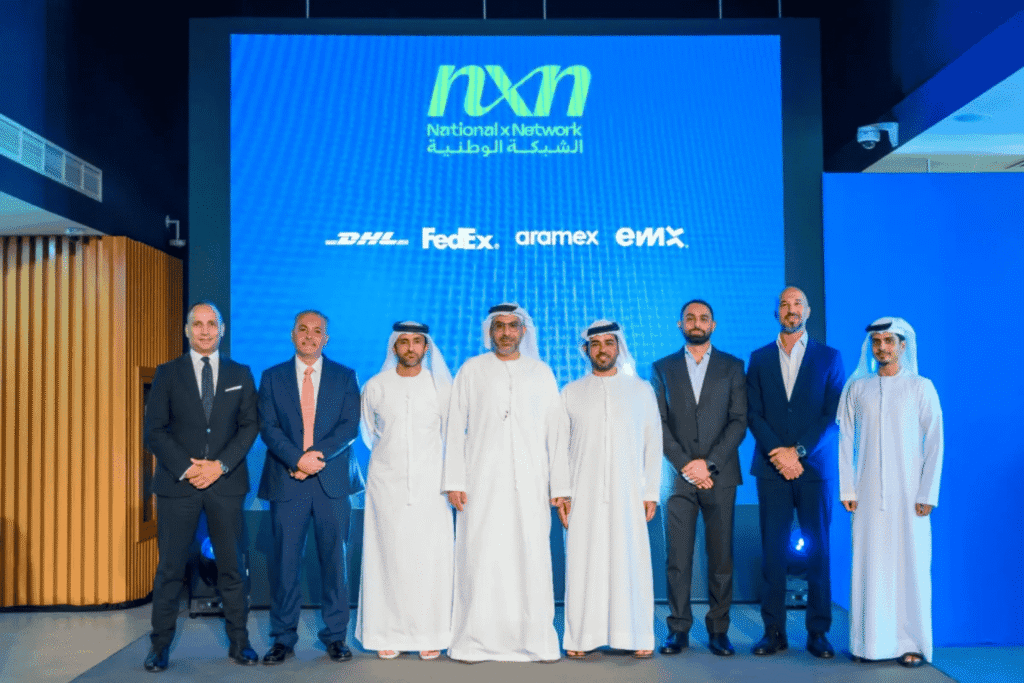
7X, the UAE’s leading logistics and postal service provider, has officially launched NXN – the National Network for Logistics, marking a transformative step in the country’s logistics sector. The announcement coincided with the 28th Universal Postal Congress, highlighting the UAE’s strategic focus on enhancing logistics infrastructure and e-commerce support (Zawya).

What is NXN?

NXN is a digital logistics platform designed to integrate both local and international logistics providers under a single, cohesive ecosystem. Supported by 7X’s digital infrastructure, Waslah, and integrated with the UAE’s digital mailbox system WAYN, NXN delivers a unified logistics experience for individuals, small and medium enterprises, and e-commerce companies.

The network currently encompasses over 87 branches, more than 1,000 last-mile delivery points, and smart lockers, providing customers with flexible and secure delivery options. NXN enables same-day or next-day deliveries, offering multiple drop-off and pick-up points, while providing full visibility through digital channels (Zawya).

Supporting E-Commerce and SMEs

NXN is particularly significant for the e-commerce sector and SMEs. It offers dark store solutions and comprehensive logistics support that allow businesses to optimize their operations. By providing access to an integrated logistics network, NXN helps reduce operational costs for SMEs and allows e-commerce businesses to scale efficiently.

The platform also supports the growing online retail market in the UAE, which has seen a rapid surge in demand over the past few years. With digital commerce expected to contribute significantly to the country’s GDP, initiatives like NXN are critical to sustaining this growth and improving service quality.

Aligning with UAE’s Digital Transformation Goals

The launch of NXN aligns closely with the UAE’s broader digital transformation initiatives, including the “We the UAE 2031” strategy and the Zero Bureaucracy program. These initiatives aim to empower businesses through digital solutions, enhance operational efficiency, and solidify the UAE’s position as a leading trade and logistics hub in the region.

NXN leverages advanced technology, including real-time tracking, AI-powered routing, and smart locker systems, to streamline delivery operations and provide a seamless customer experience. These innovations also reduce manual errors, improve operational efficiency, and ensure timely delivery of parcels (Zawya).

Strategic Partnerships and Collaborations

7X has established strategic partnerships with global and regional logistics providers such as DHL, Aramex, and FedEx. These partnerships form the backbone of NXN, expanding its network reach, optimizing delivery routes, and enhancing service quality for businesses across the UAE.

By collaborating with these partners, NXN ensures that both domestic and international shipments are processed efficiently and cost-effectively. This integration is crucial for SMEs and e-commerce platforms seeking reliable logistics solutions without incurring excessive costs.

NXN’s Four Core Pillars

NXN operates on four foundational pillars that define its service framework:

  1. Send: Offers local and international shipment solutions through a wide-reaching network.

  2. Receive: Provides flexible pick-up options, including home delivery, smart lockers, and return management.

  3. Store: Incorporates smart lockers, dark stores, and specialized logistics centers for efficient storage and handling.

  4. Enable: Supports SMEs and businesses with digital infrastructure, analytics, and tailored logistics solutions.

These pillars ensure that NXN delivers not only parcels but also a comprehensive logistics ecosystem for all types of customers.

Enhancing Last-Mile Delivery

One of NXN’s key strengths lies in last-mile delivery optimization, a critical component for the UAE’s booming e-commerce sector. The platform provides fast, reliable, and trackable deliveries, which are essential for high-value or time-sensitive products.

Smart locker deployment and automated routing reduce delivery times and improve customer satisfaction. Additionally, NXN’s technology ensures transparency, allowing customers and businesses to monitor shipments in real-time, thereby enhancing trust and reliability (Zawya).

Economic and Sectoral Impacts

The launch of NXN is expected to generate economic benefits by creating jobs, improving operational efficiency, and supporting SMEs. By streamlining logistics and reducing costs, the platform enhances the competitiveness of e-commerce businesses in the UAE.

NXN also contributes to the UAE’s ambition of becoming a regional logistics hub, setting benchmarks for innovation, sustainability, and operational excellence. The network’s integration of digital solutions and partnerships with global carriers positions the UAE as a model for modern logistics ecosystems.

Sustainability and Technological Innovation

Sustainability is embedded into NXN’s operations. Smart routing algorithms reduce fuel consumption, while electric vehicle integration in the delivery fleet is being explored to minimize carbon emissions.

Moreover, NXN’s digital infrastructure supports data-driven decision-making, enabling predictive analytics for route optimization, warehouse management, and resource allocation. This approach ensures not only operational efficiency but also reduces the environmental impact of logistics activities (Zawya).

Future Outlook

NXN represents a long-term strategic vision for 7X and the UAE’s logistics sector. By creating a unified, technology-driven network, NXN aims to support the rapid growth of e-commerce, enhance SME capabilities, and provide residents with a superior delivery experience.

Looking ahead, 7X plans to expand NXN’s services, incorporating more advanced AI features, integrating regional logistics partners, and extending the network to cover remote areas in the UAE. This expansion will ensure nationwide coverage and reinforce the UAE’s position as a global logistics hub.

Conclusion

The launch of NXN – the National Network for Logistics – by 7X is a game-changer for the UAE’s logistics and e-commerce sectors. By uniting local and international logistics providers under a single platform, NXN offers seamless delivery, storage, and operational support to SMEs, e-commerce businesses, and consumers alike.

The network exemplifies how technology, strategic partnerships, and digital transformation initiatives can revolutionize logistics operations, ensuring faster, safer, and more sustainable delivery services. NXN not only meets the current demands of the UAE’s growing e-commerce market but also sets a benchmark for future innovation in the region (Zawya).

With NXN, 7X demonstrates its commitment to empowering businesses, enhancing customer experiences, and advancing the UAE’s logistics capabilities on both national and international levels.

Temu Partners with Horoz Lojistik for Turkey Deliveries

Chinese global e-commerce platform Temu has announced a strategic partnership with local logistics giant Horoz Lojistik to enhance its operations in Turkey. The agreement is set to ensure the fast, secure, and efficient delivery of Temu’s large and over-30-kilogram products across the country. In a rapidly growing Turkish e-commerce market where logistics infrastructure plays a critical role, this Temu-Horoz collaboration marks an important milestone (Paratic).

The Growth Potential of E-Commerce in Turkey

Turkey presents an attractive market for e-commerce due to its young population and rapid digital adoption. In recent years, increased internet penetration and mobile device usage have accelerated online shopping. According to official statistics, Turkey’s e-commerce volume reached approximately 520 billion TL in 2024, with an expected annual growth rate exceeding 20% in the coming years.

This growth creates significant opportunities for companies providing efficient logistics and distribution solutions. The Temu-Horoz partnership is strategically designed to leverage these opportunities and improve customer satisfaction in the Turkish market (Ekonomist).

Horoz Lojistik’s Role and Expertise

Horoz Lojistik is one of Turkey’s leading logistics companies with a widespread distribution network. It offers warehousing, transportation, and last-mile delivery services with proven expertise. Through this partnership, Horoz Lojistik will utilize its extensive infrastructure to ensure Temu’s products are delivered quickly and safely to customers across Turkey.

This collaboration is particularly critical for large-volume products exceeding 30 kilograms, which require more coordination and specialized handling than standard packages. Horoz Lojistik’s experience and infrastructure will allow Temu to seamlessly manage these complex deliveries.

Temu’s Growth Strategy in Turkey

Temu is rapidly growing as a global e-commerce brand. In Turkey, the company aims to respond quickly to customer demands and strengthen its logistics infrastructure through its partnership with Horoz Lojistik. This strategic move is intended to increase operational efficiency, improve customer satisfaction, and expand market share.

Temu continues to optimize its technological infrastructure and logistics partnerships to offer faster delivery times and a wider product range. This approach ensures a smooth, reliable, and convenient shopping experience for Turkish customers (Yandex).

Innovations in Last-Mile Delivery

Horoz Lojistik will provide Temu with end-to-end services, including last-mile delivery, warehouse management, and logistics tracking. Delivering large-volume products directly to consumers requires specialized expertise, and Horoz Lojistik’s network across Turkish cities ensures this process is efficient and secure.

Additionally, technology-driven delivery tracking will allow Temu customers to monitor their orders in real-time. This transparency enhances the overall customer experience, reduces delivery uncertainties, and builds trust.

Impact on the E-Commerce Sector

The Temu-Horoz collaboration could set a new benchmark in Turkish e-commerce logistics. Efficient large-volume product delivery solutions may inspire other platforms to enhance their logistics capabilities.

Moreover, this partnership contributes to the strengthening of Turkey’s logistics infrastructure while increasing competition in the e-commerce sector. As the market expands, innovative solutions like this one will be critical in meeting customer expectations and maintaining service quality (Paratic).

Customer Experience and Operational Efficiency

This partnership not only provides faster deliveries but also boosts Temu’s operational efficiency. Horoz Lojistik’s expertise in warehouse management, transportation, and optimization ensures smoother and more sustainable operations for Temu in Turkey.

Customers will receive orders faster and more reliably, while Temu can optimize logistics costs and increase profitability. This improvement directly strengthens Temu’s competitive position in the Turkish e-commerce market.

Future Outlook

The rapid growth of e-commerce in Turkey continues to drive demand for logistics and delivery solutions. The Temu-Horoz partnership aims to meet this demand while establishing a long-term impact in the sector.

In the coming years, Temu will reach a wider customer base, reduce delivery times, and enhance customer satisfaction. Horoz Lojistik’s expertise ensures logistics processes are managed efficiently and sustainably, supporting Temu’s broader growth strategy in the Turkish market.

Conclusion

Temu’s decision to entrust its Turkish deliveries to Horoz Lojistik represents a major development for both the e-commerce sector and the two companies involved. This strategic partnership ensures that large-volume products are delivered more quickly, safely, and efficiently, helping Temu expand its market share in Turkey.

The collaboration also sets an example for the future of e-commerce logistics in Turkey, potentially establishing new industry standards and encouraging other global platforms to invest in the market. By combining Temu’s growing e-commerce capabilities with Horoz Lojistik’s logistics expertise, this partnership is poised to reshape the Turkish e-commerce landscape.

Arvato and ATC Launch Strategic Data Center Logistics Hub in the UAE

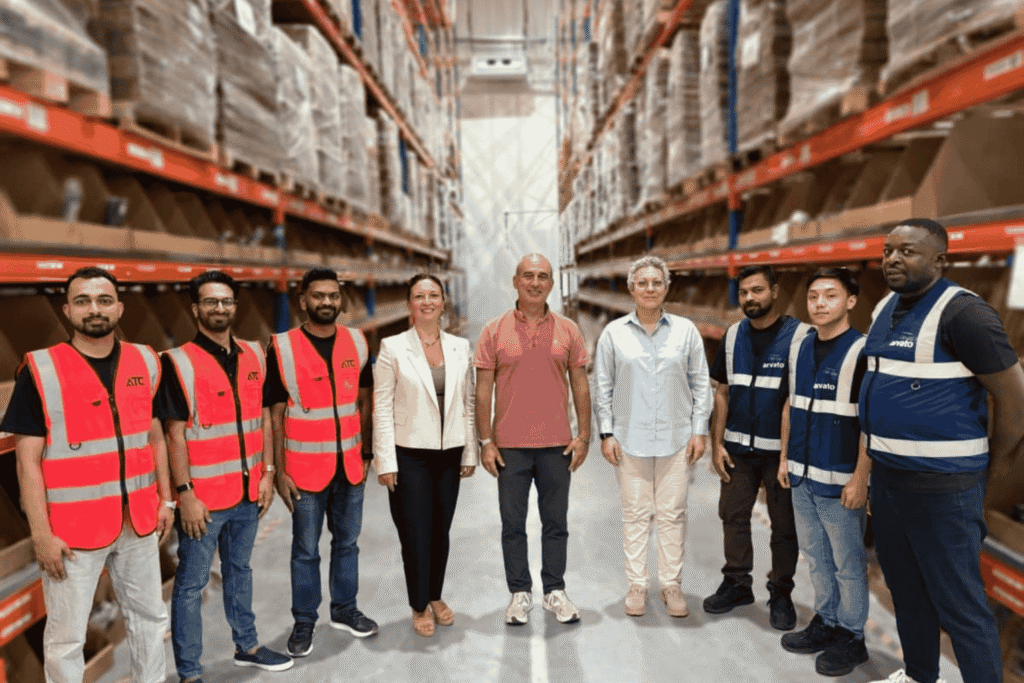
German-based global logistics provider Arvato and Ireland-based data center logistics specialist ATC Computer Transport & Logistics (ATC) have jointly opened a new data center logistics hub in Dubai, United Arab Emirates. This collaboration aims to address the rapidly growing digital infrastructure demands in the region and establish a strong position in the data center services market across the Middle East (logisticsmiddleeast.com).

Increasing Digital Infrastructure Investments in the Middle East

The Middle East, especially the UAE, Saudi Arabia, and other Gulf countries, have been placing significant emphasis on digital infrastructure investments in recent years. The region’s technological infrastructure is rapidly advancing through projects such as data center developments and international submarine fiber optic cable initiatives. For instance, Saudi Arabia’s “Vision 2030” program prioritizes digital transformation with substantial investments. Similarly, Dubai’s digital transformation initiatives aim to position the region as a global technology and data center hub (logisticsmiddleeast.com).

Within this context, data center logistics plays a critical role. Since data centers consist of highly sensitive and secure equipment, expert handling is essential during transport. The partnership between Arvato and ATC is a strategic move to meet this growing need.

Arvato’s Expanding Presence in the Region

Arvato is a global player with strong expertise in e-commerce and logistics. Recently, the company expanded its Middle East operations by opening a new 3,300 square meter regional headquarters in Dubai CommerCity. This facility focuses on regional logistics and digital commerce services, offering comprehensive solutions to customers (logisticsmiddleeast.com).

Arvato’s new venture into data center logistics will further strengthen its role in the Middle East’s digital commerce ecosystem. The company’s extensive global network continues to support the logistics infrastructure for e-commerce and digital services in the region.

ATC’s Expertise and the Importance of the Partnership

ATC Computer Transport & Logistics is renowned for its specialization in data center transportation and technical installations. The company provides precise handling, assembly, and technical support services needed during data center setup. The partnership with Arvato helps both companies solidify their positions in the data center logistics market across the Middle East (logisticsmiddleeast.com).

This collaboration brings together expertise in both technical and logistical fields. As a result, integrated solutions will be offered to customers during the setup, maintenance, and expansion of data centers. Considering the increasing digital infrastructure investments in the region, the importance of such comprehensive services is rising.

The Challenges and Importance of Data Center Logistics

Data centers are complex structures that use high-tech equipment and require sensitive energy and cooling infrastructure. Therefore, equipment transportation demands extreme care, and logistics services must be timely and flawless. Any error in transport or installation can lead to losses worth billions.

The new logistics hub established by Arvato and ATC will support customers through every phase of logistics processes. Especially as major data centers and cloud service providers increase their investments in the region, the importance of integrated logistics solutions grows.

The Role of Logistics in UAE’s Digital Transformation

The UAE, particularly Dubai and Abu Dhabi, is a regional leader in digital transformation. The country’s digital infrastructure, data centers, and cloud services are growing rapidly. Government initiatives such as “Smart Dubai” and “UAE Digital Government” aim to expand digital services widely. This, in turn, increases the importance of data centers and their logistics (UAE Government Portal).

The logistics center established by Arvato and ATC in Dubai will operate to support these goals. The companies will play a critical role in ensuring the smooth operation of digital infrastructure in the region.

Regional Competition and Future Outlook

The Middle East competes with Asia and Europe in data center investments. Regional governments and private sectors are allocating substantial resources to strengthen digital infrastructure. The partnership between Arvato and ATC will increase the quality of logistics services in the region, providing a competitive edge.

Experts predict the data center logistics market in the Middle East will grow annually by more than 20% over the next five years.

Conclusion: Logistics and Data Centers in the Digital Age

The data center logistics hub launched by Arvato and ATC in the UAE is a significant milestone in the region’s digital transformation journey. The partnership aims to set new standards in logistics while aligning with the increasing digital infrastructure investments.

Such collaborations are crucial for enhancing the Middle East’s competitiveness in the digital economy and securing a strong position in the global data center market.

Malaysia to Host First ASEAN E‑Commerce Conference in November

Malaysia is gearing up to host the inaugural ASEAN E-Commerce Conference on November 24–25, 2025, at the prestigious Grand Hyatt Kuala Lumpur. This event aligns with Malaysia’s current ASEAN Chairmanship and represents a critical step toward accelerating digital transformation and fostering collaboration among Southeast Asia’s rapidly growing economies. The conference is jointly organized by the Ministry of Domestic Trade and Cost of Living (KPDN) and the Malaysia E-Commerce Chapter under the Malaysian International Chamber of Commerce and Industry (MICCI) (Business Today).

This high-profile gathering will convene more than 350 participants from government, private sector, and civil society, including policymakers, regulators, business leaders, e-commerce platforms, and entrepreneurs from across the 10 ASEAN member states. Themed “ASEAN E-Commerce Transformation: Bridging Gaps, Enhancing Competitiveness,” the two-day conference features 14 sessions with 33 expert panellists discussing pressing issues and opportunities within the digital economy.

The Growing Importance of ASEAN’s Digital Economy

Southeast Asia’s digital economy has emerged as one of the fastest-growing regions globally, driven by increasing internet penetration, smartphone adoption, and evolving consumer behavior. According to data from the Department of Statistics Malaysia, Malaysia’s domestic e-commerce revenue reached RM1,230.6 billion in 2024. The first half of 2025 alone saw RM625 billion in revenue, marking a year-on-year growth of RM13.5 billion (Business Today).

On a regional scale, ASEAN’s digital economy generated US$11 billion in profits in 2024 almost triple the 2022 figure. Experts project that by 2030, ASEAN’s digital economy could surpass US$1 trillion, with e-commerce as a key growth driver (The Vibes).

These statistics underscore the urgency of coordinated regional efforts to build a sustainable and inclusive digital ecosystem. The ASEAN E-Commerce Conference aims to facilitate dialogue on harmonizing regulations, strengthening consumer protection, and tackling challenges such as digital piracy, counterfeit goods, and last-mile logistics  issues that significantly impact cross-border online trade.

Key Themes and Stakeholders

The conference will focus on several critical themes, including creating a trusted e-commerce marketplace that fosters transparency and safety for consumers and businesses alike. Enhanced consumer protection policies will be discussed to empower buyers and sellers with confidence in digital transactions.

Digital finance solutions, particularly innovations like Buy Now Pay Later (BNPL), will also be examined for their potential to improve affordability and expand market access, especially for micro, small and medium enterprises (MSMEs). MSMEs remain the backbone of ASEAN economies, and their inclusion in the digital economy is vital for equitable growth.

Minister of Domestic Trade and Cost of Living, Datuk Armizan Mohd Ali, will officiate the conference, highlighting the Malaysian government’s commitment to supporting digital trade. The keynote address will be delivered by James Dong, President of International Marketplace at Alibaba International Digital Commerce Group, emphasizing the role of global platforms in driving regional e-commerce growth (Business Today, The Sun).

Additional notable speakers include representatives from Shopee, Alibaba, the Federation of Malaysian Consumers Associations (FOMCA), and Thailand’s Consumer Protection Board, ensuring diverse perspectives from across the public and private sectors.

Strengthening Regional Cooperation and Digital Inclusion

Malaysia’s hosting of this event reflects its broader strategy to position itself as a digital hub for ASEAN. Deputy Minister Datuk Dr Fuziah Salleh emphasized that building regional partnerships and aligning regulatory frameworks are essential to maximizing the benefits of digital trade (The Sun).

By promoting cooperation, the conference aims to reduce barriers for businesses engaging in cross-border e-commerce, streamline customs processes, and encourage knowledge sharing about best practices. This collaborative approach is expected to accelerate digital transformation across ASEAN, enabling more inclusive participation from rural communities, women entrepreneurs, and startups.

Christina Tee, President of the Malaysian International Chamber of Commerce and Industry, underlined the importance of creating trust between industry players and regulators to foster an enabling environment for innovation and sustainable growth.

Contextualizing the Conference Within ASEAN’s Digital Initiatives

The ASEAN E-Commerce Conference builds upon prior regional initiatives such as the ASEAN Online Sales Day (AOSD) 2025 webinar hosted by Malaysia earlier this year. This event focused on cross-border e-commerce promotion and highlighted the digital economy’s potential to exceed USD 300 billion by 2025 (Malaysia SME, MATRADE).

In addition, Malaysia has been actively involved in the ASEAN Digital Content Summit and the ASEAN AI Business Summit, events that foster digital creativity, entrepreneurship, and technological innovation within the region. These efforts collectively demonstrate Malaysia’s leadership in advancing ASEAN’s digital agenda (MDEC, Malaysia SME).

Economic Implications and Future Prospects

The rapid growth of e-commerce has significant implications for the ASEAN economy. Expanding digital trade can create jobs, increase GDP contributions, and provide consumers with access to a broader range of products and services at competitive prices. It also encourages innovation in logistics, payment systems, and customer service.

However, challenges remain. Last-mile delivery inefficiencies, digital payment adoption gaps, cybersecurity threats, and uneven regulatory standards can hinder the full potential of e-commerce in the region. The ASEAN E-Commerce Conference will serve as a platform to address these issues by bringing together stakeholders to share experiences, collaborate on solutions, and develop actionable roadmaps.

Registration and Participation

The conference is open to all interested stakeholders, with registrations currently underway on the official event website. Early bird registration offers discounted rates and closes on October 15, 2025. Organizers encourage participation from e-commerce businesses, policymakers, digital innovators, and representatives from MSMEs to foster diverse and productive discussions (Business Today).

Indonesia Becomes TikTok Shop’s 2nd Biggest Market

TikTok Shop has achieved a gross merchandise value (GMV) of $6.2 billion in Indonesia, making the country its second-largest market worldwide after the United States, according to Tech in Asia. This milestone highlights how the fusion of social media content and e-commerce has reshaped consumer behavior across Southeast Asia.

Indonesia’s Place in the Global Ranking

Data from Momentum Works, cited by CoinCentral, shows that the United States leads TikTok Shop’s global GMV with $9 billion, followed by Indonesia at $6.2 billion and Thailand at $5.7 billion. These numbers confirm that Indonesia is now a central pillar in TikTok’s international growth strategy.

TikTok Shop’s Share in Indonesia’s Expanding E-Commerce Market

Indonesia’s e-commerce sector grew to approximately $56.5 billion in 2024. Within this booming industry, TikTok Shop captured nearly 11 percent of the total market, positioning itself as a rising challenger to established local players such as Shopee, Tokopedia, and Lazada, as reported by ContentGrip. Shopee still holds the top spot thanks to its logistics infrastructure and strong customer loyalty, but TikTok’s rapid expansion is reshaping competitive dynamics.

Shoppertainment and the Rise of Social Commerce

One of the main drivers of TikTok’s growth is the concept of shoppertainment, where entertainment and commerce merge. Instead of browsing static listings, users interact with videos, influencer campaigns, and live shopping sessions. According to Zorilla Marketing, 83 percent of Indonesian consumers participated in live shopping events in 2024, with conversion rates up to three times higher than traditional e-commerce.

This trend also empowers small sellers. Vendors who struggled to compete on large marketplaces can now use viral content to reach audiences directly, benefiting from TikTok’s algorithm and content-first approach.

Competition With Local Giants

Shopee and Tokopedia remain the strongest competitors. Shopee leverages an extensive delivery network and aggressive discount campaigns, while Tokopedia benefits from its integration with Indonesia’s Gojek ecosystem. TikTok Shop differentiates itself by embedding commerce into entertainment, which resonates strongly with Gen Z and millennial audiences who prefer discovery-led shopping.

Yet, the battle is intensifying. Local platforms are introducing their own live shopping features to defend market share, and analysts argue TikTok will need to keep innovating to sustain its momentum.

Government Regulations and Policy Challenges

TikTok Shop’s rise has faced hurdles from regulatory authorities. In late 2023, the Indonesian government temporarily suspended TikTok Shop, citing concerns over fair competition and consumer protection, as reported by Tech in Asia. Authorities required the separation of TikTok’s social media platform from its marketplace operations. To comply, TikTok partnered with Tokopedia, creating a hybrid structure that satisfied regulators.

More recently, in August 2025, TikTok voluntarily suspended its live shopping feature due to escalating political tensions. While the government did not force this move, the company said the decision was based on safety concerns. This episode underlines the unpredictable risks foreign platforms face in Indonesia.

Strategic Balance and Long-Term Plans

TikTok has emphasized that it will carefully monitor Indonesia’s social and political environment before relaunching live shopping. Experts note that TikTok should diversify its revenue streams, strengthening video-based shopping and building partnerships with logistics firms, reducing dependence on a single format.

By broadening its strategy, TikTok could insulate itself from sudden regulatory changes and ensure business continuity for sellers and users.

Opportunities for Sellers and Consumers

For sellers, TikTok Shop is more than just a marketplace. It combines payments, influencer marketing, and audience targeting into one system. Many small and medium-sized businesses have reported rapid growth, benefiting from TikTok’s recommendation engine that connects them with highly engaged consumers.

For buyers, TikTok Shop offers an immersive experience that makes product discovery fun and organic. However, some critics warn that this model may encourage impulsive spending, raising questions about consumer protection in the long term.

Global Implications Beyond Indonesia

The Indonesian case provides a blueprint for TikTok Shop’s global expansion. The United States remains its largest market, but replicating the Indonesian success in Europe or Latin America could be more difficult due to regulatory scrutiny and stronger local competitors. Nevertheless, analysts see Indonesia as proof that TikTok can succeed as both a social media giant and an e-commerce powerhouse.

Future Outlook

Indonesia will continue to be a critical test market for TikTok Shop. The $6.2 billion GMV achieved in 2024 demonstrates how quickly the platform can scale. Whether this momentum will last depends on political stability, consumer trust, and TikTok’s ability to innovate.

If it successfully navigates these challenges, TikTok Shop could solidify its role as a disruptive global force in e-commerce.

Conclusion

TikTok Shop’s rise in Indonesia is not only about impressive numbers but also about cultural and behavioral change. The platform has redefined how Indonesians shop online, turning it into an engaging and social experience. Yet, government policies, political uncertainties, and fierce competition will determine if this $6.2 billion success is a stepping stone toward global dominance or just one chapter in TikTok’s evolving experiment in e-commerce.

India’s Venture Capital Grows to ₹4.9 Lakh Crore

India’s venture capital (VC) landscape has experienced unprecedented growth over the last decade, with total assets under management (AUM) rising to ₹4.9 lakh crore. This surge has been largely driven by a significant increase in domestic capital participation and the rise of smaller, locally managed VC funds, according to recent data published by Fibonacci X.

The report indicates that India’s venture capital ecosystem is entering a new phase, marked by a transition from heavy reliance on foreign investment to one where domestic institutions and individual investors play a more influential role. As the country continues to nurture its innovation economy, this structural shift in capital flow is expected to have lasting implications.

Historically, India’s VC industry was dependent on international capital inflows, with foreign limited partners (LPs) such as U.S. university endowments, pension funds, and sovereign wealth funds contributing to the majority of fund-raising. However, the current environment shows a marked increase in domestic LPs, including family offices, Indian corporations, government-backed initiatives, and high-net-worth individuals.

According to Entrepreneur India, the share of domestic LPs has risen from 20% to 39% in just two years. This trend is attributed to improved fund performance, increased financial literacy among Indian investors, and a growing desire to back local startups. It also reflects a strategic move by Indian investors to gain more control over capital allocation and reduce dependence on foreign funding cycles.

One of the most notable trends highlighted in the Fibonacci X report is the growing impact of smaller funds. Over the past three years, an average of 10 new funds with a size of ₹300 crore or more have been launched annually. These funds, often managed by first-time managers with operational or sector-specific expertise, are contributing significantly to the ecosystem. The report notes that dry powder capital available for deployment—has increased from ₹100 crore in 2015 to over ₹5,000 crore by March 2025.

While the overall capital base has expanded, performance across funds remains uneven. Out of 169 funds analyzed, only 48 have returned at least 50% of the capital invested by their LPs. The top quartile of funds achieved a distributed-to-paid-in (DPI) multiple of 3x, while the median DPI remains at just 0.4x. This highlights the high-risk, high-reward nature of venture investing and the importance of selecting capable fund managers.

This growth in venture capital is taking place alongside a broader transformation in India’s financial markets. The country’s mutual fund industry has reached ₹74.4 lakh crore in AUM by June 2025, growing more than seven times in a decade. Passive investing is gaining momentum, with passive funds now making up 17% of the total mutual fund AUM, according to a report by Economic Times.

Retail investor participation has also soared. Equity mutual funds attracted a record ₹4.17 lakh crore in net inflows during FY2025, helping to boost the overall AUM of the mutual fund industry to ₹65.74 lakh crore by March. This level of retail participation in public markets is creating a culture of long-term investing that also benefits the private markets, including venture capital.

Policy support has played a critical role in shaping this shift. Government initiatives such as the SIDBI Fund of Funds have helped seed dozens of local VC funds. However, industry experts argue that such support needs to become more structured and long-term. Rather than one-time allocations, recurring capital commitments from the government could provide much-needed stability for emerging fund managers.

In addition, recent tax reforms related to unlisted equity investments have improved post-tax returns for domestic investors, making venture capital a more attractive asset class. These reforms are expected to accelerate domestic participation in early-stage funding.

Despite these positive trends, some challenges remain. Growth-stage and late-stage funding gaps still exist, and while early-stage capital is becoming more accessible, many startups struggle to secure follow-on funding to scale. This could limit the long-term potential of otherwise promising ventures.

According to Outlook Business, the deepening of domestic capital pools will be critical in solving this bottleneck. Encouragingly, family offices and corporate venture arms are stepping in to fill some of this gap, providing flexible capital to startups in sectors like healthtech, cleantech, agritech, and SaaS.

India’s unique demographics its large youth population, expanding middle class, and rapid digital adoption offer long-term tailwinds for the venture ecosystem. With local investors now playing a more central role, startups can potentially benefit from capital that is more patient, sector-aligned, and better attuned to regional market dynamics.

Analysts believe that over the next five to ten years, India’s venture ecosystem will move closer to the self-sustaining models seen in countries like the United States and China. This means more domestic LPs, more homegrown VC firms, and greater reinvestment of capital generated from successful exits back into the startup ecosystem.

Ultimately, the rise of small, agile VC funds, the growth of domestic limited partners, and the alignment between capital and national priorities suggest that India is not just growing it is maturing. The country is gradually building a venture capital engine that is more resilient, more inclusive, and more capable of supporting innovation at scale.

Kapital Bank Raises $100M in Series C Funding

Kapital Bank, one of the largest banks in Azerbaijan, has successfully raised $100 million in its Series C funding round, signaling a major leap forward in its ambition to become a leading player in the digital banking and financial technology space. The funding will be used to accelerate the development of its digital banking services and expand its presence across the region. With this new round of funding, Kapital Bank aims to enhance its technology infrastructure and introduce new financial products that meet the evolving needs of its customers (TechCrunch).

A Strong Investment to Drive Digital Transformation

Kapital Bank, which has long been a cornerstone of Azerbaijan’s banking industry, has made significant strides in modernizing its services and transitioning to a digital-first model. The bank’s focus has been on providing seamless and accessible digital financial services, particularly for the unbanked and underserved segments of the population. With the influx of Series C funding, Kapital Bank plans to build on these efforts, leveraging the capital to enhance its existing offerings and introduce new solutions that incorporate cutting-edge financial technology.

This funding round comes at a time when financial technology (fintech) is seeing explosive growth in emerging markets, particularly in Central Asia and the Caucasus region. With a growing number of consumers turning to digital banking solutions for their everyday financial needs, banks like Kapital Bank are looking to capitalize on the shift and establish themselves as leaders in the fintech revolution.

Who Are the Investors?

The $100 million funding was led by a group of prominent investors, including Global Ventures, a venture capital firm known for supporting high-growth startups in the fintech sector. Also participating in the round were existing investors, including Access Capital and Gulf Capital, both of whom have been backing Kapital Bank’s journey as it moves toward digital transformation.

The involvement of these investors highlights Kapital Bank’s strong market potential and the confidence that venture capital firms have in its ability to execute its vision for growth. The funds raised will be instrumental in accelerating the bank’s expansion plans and further developing its fintech ecosystem, which will benefit consumers across Azerbaijan and beyond (TechFundingNews).

Kapital Bank’s Vision for the Future

Kapital Bank has long been recognized for its forward-thinking approach to banking in Azerbaijan. It is one of the first banks in the country to adopt modern digital tools and platforms, providing its customers with easy access to mobile banking, e-wallets, and other digital financial products. The $100 million funding will allow Kapital Bank to accelerate its transformation into a more digitally-centric institution, enhancing its product offerings with advanced features such as AI-driven customer service, instant payment systems, and seamless cross-border transactions.

The bank’s digital banking efforts are expected to cater to the needs of the younger, tech-savvy demographic that is increasingly looking for user-friendly and efficient financial services. By investing in next-generation technology, Kapital Bank plans to provide an enhanced banking experience for its customers, solidifying its position as a leader in the region’s rapidly evolving fintech landscape (VentureBeat).

Addressing Regional Financial Needs

While Azerbaijan’s banking sector has made significant progress in recent years, many challenges still remain, particularly in terms of financial inclusion. According to recent reports by the World Bank, nearly 30% of the population in Azerbaijan remains unbanked, with many individuals and businesses lacking access to essential financial services. Kapital Bank’s digital banking strategy is aimed at addressing these gaps by offering easy-to-use financial products that allow individuals to manage their finances, make payments, and access credit—all through a mobile device.

By focusing on financial inclusion and expanding access to digital banking services, Kapital Bank is poised to bridge the gap and ensure that a greater portion of the population can take advantage of modern financial tools.

Competitive Edge in the Fintech Market

Kapital Bank’s digital-first approach, coupled with its regional knowledge and strong brand, positions it well to compete in the crowded fintech market. The $100 million Series C funding will allow the bank to differentiate itself by offering tailored services to local markets while leveraging global fintech innovations. By doing so, Kapital Bank aims to not only expand within Azerbaijan but also establish a foothold in neighboring regions.

The increasing popularity of mobile payment solutions, online banking, and digital lending platforms across Central Asia presents a significant opportunity for Kapital Bank. As more consumers in these markets adopt digital services, Kapital Bank plans to leverage its digital transformation to meet their evolving needs and offer a range of solutions that include digital wallets, instant money transfers, and investment services (TechCrunch).

The Path Ahead

Looking to the future, Kapital Bank is focused on utilizing its Series C funds to enhance its fintech infrastructure and continue expanding its customer base. The funding will be directed toward research and development, as well as marketing efforts aimed at raising awareness of Kapital Bank’s digital offerings. The bank is also expected to form strategic partnerships with technology providers and other financial institutions to further strengthen its position in the market.

Conclusion

The successful completion of the $100 million Series C funding round marks an exciting chapter for Kapital Bank as it continues its journey to become a leader in digital banking and financial technology. With the backing of top investors, Kapital Bank is well-positioned to expand its digital services, enhance financial inclusion, and drive innovation in Azerbaijan and the broader Central Asian region.

By focusing on customer-centric products and embracing new technologies, Kapital Bank is setting the stage for sustained growth in the rapidly evolving fintech market, providing both consumers and businesses with the tools they need to thrive in the digital economy.

Corient Acquires Stonehage Fleming and Stanhope Capital

US-based wealth management firm Corient has taken a major step in global expansion by acquiring multi-family office Stonehage Fleming and London-based wealth management firm Stanhope Capital. This acquisition brings Corient’s total assets under management to $430 billion, positioning the firm as one of the largest independent wealth management providers serving ultra-high-net-worth and high-net-worth individuals globally (fnlondon.com).

Strategic Global Expansion

Founded in 2020 in Miami, Corient rapidly grew to manage $216 billion in US assets. Stonehage Fleming manages $175 billion, while Stanhope Capital manages $40 billion in assets. By combining these firms, Corient significantly strengthens its presence in the EMEA region, diversifying its portfolio and enhancing its global reach. Analysts note that this move reflects a growing trend among US wealth management firms seeking to establish a stronger footprint in Europe and the Middle East, where demand for comprehensive financial advisory services is increasing (fnlondon.com).

Leadership and Governance

Post-acquisition, Giuseppe Ciucci, Executive Chairman of Stonehage Fleming, will join Corient as a partner and chairman of the combined firm. Daniel Pinto, founder of Stanhope Capital, will serve as CEO of Corient’s international operations, overseeing global strategy and growth initiatives. Stuart Parkinson, CEO of Stonehage Fleming, will become president of Corient’s international business. These executives will also hold significant ownership stakes in Corient, ensuring continuity and stability in leadership during integration (fnlondon.com).

The leadership structure is designed to integrate local expertise with global strategy, facilitating seamless client service and operational efficiency across multiple regions. Experts suggest that combining Corient’s US experience with Stonehage Fleming’s European operations and Stanhope Capital’s UK-Middle East presence creates a diversified platform capable of delivering a broad spectrum of services to high-net-worth individuals.

Financial Structure and Closing

The acquisition will be financed through equity contributions, with the transaction expected to close in the first half of 2026. Financial terms have not been publicly disclosed. Corient received advisory support from Jefferies and Goldman Sachs, while Stonehage Fleming and Stanhope Capital worked with Spencer House, Macfarlanes, Rothschild & Co, Dechert, and Borel & Barbey for legal and financial guidance.

This structured approach reflects Corient’s strategy of careful due diligence and measured integration, minimizing risk while maximizing synergies between the firms.

European and Middle Eastern Market Presence

Stanhope Capital, founded in 2004 by former UBS banker Daniel Pinto, has established itself as a key player in the European and Middle Eastern wealth management sectors. The firm has built a strong presence in high-net-worth markets, focusing on bespoke investment advisory and family office services. Stonehage Fleming brings decades of experience and a reputation for trust and reliability in managing multi-generational wealth. By combining these firms with Corient, the company gains access to new client segments and cross-border investment opportunities.

Impact on Global Wealth Management

The acquisition positions Corient to compete more effectively in the global wealth management sector. By managing a diverse range of assets across multiple continents, the firm can offer a wider array of investment products, estate planning solutions, and advisory services. Analysts anticipate that this move will enhance client retention, attract new ultra-high-net-worth clients, and set a benchmark for independent wealth management consolidation (fnlondon.com).

Strategic Advantages

Key advantages of the acquisition include:

  • Expanded client base across the Americas, Europe, and the Middle East

  • Enhanced investment advisory capabilities with global insights

  • Diversified portfolio offerings tailored to ultra-high-net-worth and high-net-worth individuals

  • Stronger operational resilience through combined expertise and resources

  • Opportunities for cross-border financial planning, estate management, and philanthropic advisory (fnlondon.com)

Leadership Perspectives

Kurt MacAlpine, CEO of Corient, stated: “This acquisition establishes Corient as the largest independent firm focused on meeting the comprehensive needs of ultra-high-net-worth clients. Our expanded presence allows us to provide broader services and a global perspective, enhancing our ability to serve clients effectively.” Daniel Pinto added that joining Corient accelerates Stanhope Capital’s mission to deliver objective, client-focused advisory services on an international scale.

Future Outlook

Looking ahead, Corient plans to integrate the operations of Stonehage Fleming and Stanhope Capital while maintaining high standards of client service. The firm aims to leverage combined expertise to expand its global footprint, optimize operational efficiency, and innovate in wealth management solutions. Analysts believe this acquisition signals a trend of consolidation in the independent wealth management sector, with US-based firms increasingly targeting high-growth international markets.

Conclusion

Corient’s acquisition of Stonehage Fleming and Stanhope Capital marks a pivotal moment in the global wealth management industry. By combining US, European, and Middle Eastern expertise under a single independent platform, the firm strengthens its leadership position, expands service offerings, and provides a more comprehensive solution for ultra-high-net-worth clients worldwide. This strategic move reflects Corient’s long-term commitment to growth, innovation, and delivering exceptional client experiences.