WORLDEF ISTANBUL 2026 - Early Bird Registration Ends Soon

Register Now

UP Fintech Reports Record Q2 Growth

UP Fintech Holding Limited , a global digital brokerage platform serving investors worldwide, has reported its unaudited financial results for the second quarter ended June 30, 2025. The company achieved its highest quarterly revenue and net income to date, driven by continued customer growth, higher asset inflows, and rising investor activity across its core markets (GlobeNewswire, 2025).

The company announced revenue of $138.7 million, up 13.1 percent from the previous quarter and a substantial 58.7 percent increase year-over-year. Net income attributable to ordinary shareholders stood at $41.4 million, which is a 36.2 percent increase over Q1 and more than 15 times higher than in Q2 of 2024. On a non-GAAP basis, net income reached $44.5 million, rising 23.5 percent quarter-over-quarter and nearly eightfold from the same period last year. Cumulatively, the first half of 2025 has already surpassed the company’s total net income for all of 2024 (GlobeNewswire, 2025).

CEO Wu Tianhua described the quarter as one of exceptional progress, fueled by a combination of product innovation, regional expansion, and operational focus.

During the quarter, UP Fintech added 39,800 new depositing customers, bringing its total number of deposit-holding clients to 1,192,700. This puts the company on track to meet its goal of acquiring 150,000 new depositors in 2025. In terms of capital, total account balances climbed to a record $52.1 billion. This growth was fueled by $3 billion in net new asset inflows and $3.2 billion in mark-to-market gains resulting from favorable market conditions (GlobeNewswire, 2025).

The company also reported that average net asset inflow per new client exceeded $20,000. In major markets such as Hong Kong and Singapore, the number was closer to $30,000, contributing to double-digit quarter-over-quarter asset growth in those regions.

In addition to expanding its retail customer base, UP Fintech introduced new features for its Singapore clients, allowing them to invest using CPF and SRS accounts. These tools enable investors to use their retirement savings for equity investments while benefiting from tax advantages, enhancing the company’s appeal in the region (GlobeNewswire, 2025).

Institutional services also saw strong growth. UP Fintech underwrote seven Hong Kong IPOs and four U.S. IPOs during the quarter, including two U.S. listings where it acted as the sole bookrunner. The company’s ESOP (Employee Stock Ownership Plan) business continued expanding, with 30 new enterprise clients added, bringing the total to 663 by the end of June.

Revenue breakdowns reveal strength across all core business lines. Commission revenue reached $64.8 million, a 90.1 percent increase year-over-year. Interest income totaled $58.7 million, up 32.8 percent, while other income including IPO distribution, wealth management, and foreign exchange doubled to $12.5 million. These figures indicate the company’s growing diversification beyond traditional brokerage operations (FinanzNachrichten, 2025).

Meanwhile, operating expenses remained relatively stable at $71 million, a modest increase of 2.8 percent from the same period last year. Higher trading volumes led to increased clearing and execution fees, along with incremental marketing and compensation costs. However, general and administrative expenses dropped significantly due to lower bad debt provisioning, which helped maintain healthy operating margins (FinanzNachrichten, 2025).

Wu Tianhua emphasized that the company’s focus on acquiring high-quality customers and building long-term client value continues to pay off. He also noted that ongoing product development and expansion into high-potential markets remain central to the firm’s strategy.

Looking ahead, UP Fintech plans to deepen its presence in its current core markets and explore new regions with emerging investor demand. The company is also looking to expand its wealth management offerings and pursue further institutional opportunities, particularly in the IPO and ESOP spaces.

A conference call to discuss these results in more detail will be hosted by company management later today.

PayNearby Plans to Go Public Next Year Amid India’s Booming IPO Market

Indian fintech company PayNearby has announced plans to launch an initial public offering (IPO) in the next financial year, aiming to raise capital to support its rapid expansion and capitalize on India’s growing IPO market. According to CEO Anand Kumar Bajaj, the IPO is intended to strengthen PayNearby’s position in the fast-growing digital financial services sector and provide the necessary funding to expand operations across urban and rural India (Reuters).

Expansion Strategy and Financial Performance

Founded to provide digital financial services to small and medium-sized businesses, PayNearby has partnered with over 1.2 million retailers nationwide. The company offers a variety of services, including cash withdrawals, money transfers, bill payments, and other financial solutions aimed at improving financial inclusion in underserved communities. By targeting smaller merchants and leveraging local networks, PayNearby has managed to carve out a niche in India’s highly competitive fintech ecosystem.

As of March 2025, PayNearby reported approximately 3 billion Indian rupees (around $34.9 million) in gross revenue and a net profit of 120 million rupees. The company plans to expand its retailer base by an additional 500,000 members over the next two years and increase its workforce by 550 to 600 employees by the end of the current fiscal year. This strategic expansion is expected to enhance service delivery and increase the company’s footprint in key urban and semi-urban areas (Reuters).

Strategic Importance of the IPO

The planned IPO will provide PayNearby with additional capital to enhance its technology infrastructure, expand its service offerings, and strengthen its competitive position within India’s fintech market. Analysts believe that the raised funds could enable PayNearby to enter new financial services sectors and potentially expand into neighboring markets across Southeast Asia. The IPO is also expected to bolster investor confidence in the company’s growth trajectory and long-term profitability.

Experts note that the IPO will allow PayNearby to scale operations efficiently and improve its digital platform’s capabilities. With the capital, the company plans to invest in AI-driven fraud detection systems, enhance digital wallets, and implement more secure and streamlined payment solutions for retailers. These investments are designed to maintain the company’s competitive edge and ensure sustainable growth in the evolving fintech landscape.

India’s Thriving IPO Market

India has emerged as one of the largest IPO markets globally, ranking second in the world during the first half of 2025 and contributing nearly 12 percent of total global IPO proceeds. This dynamic environment presents an ideal opportunity for fintech companies such as PayNearby to raise funds and expand their operations. Recent successful IPOs, including MobiKwik’s oversubscribed listing and PhonePe’s preparations for a $1.5 billion public offering, highlight strong investor confidence in India’s digital payments sector (Reuters).

The favorable IPO climate reflects the increasing demand for digital financial services among Indian consumers and businesses. PayNearby’s extensive retail network and targeted approach place it in a strong position to benefit from this surge in market interest. The company’s strategic alignment with India’s digital economy goals further strengthens its appeal to both institutional and retail investors.

Future Outlook

As PayNearby prepares for its IPO, the company aims to solidify its status as a leading provider of digital financial services in India. Its focus on empowering local retailers and enhancing financial inclusion aligns with national objectives for economic growth and digital transformation. The successful completion of the IPO could pave the way for accelerated expansion, technological innovation, and increased market penetration. Furthermore, PayNearby’s approach may serve as a model for other fintech companies seeking to balance profitability with social impact in emerging markets (Reuters).

The company’s strategic roadmap includes further investment in technology, growth of its retail network, and exploration of regional opportunities. If successful, the IPO will not only provide immediate capital but also strengthen PayNearby’s long-term market position, ensuring its ability to compete effectively in India’s rapidly evolving fintech sector.

QNB Pioneers Unified Digital Wallet Integration in the GCC

Qatar National Bank (QNB) has become the first bank in the Gulf Cooperation Council (GCC) to enable the acceptance of digital wallets through a single, unified integration using the Mastercard Gateway Hosted Checkout platform. This milestone simplifies the integration process for both web and mobile environments, streamlining operations for merchants across the region.

This new setup reduces technical complexity and accelerates time-to-market, particularly benefiting small and mid-sized enterprises by offering a ready-to-deploy payment infrastructure. Any new merchant onboarded to the Hosted Checkout platform will automatically gain access to digital wallet acceptance, and existing merchants will be upgraded seamlessly without incurring additional development time or costs.

Enhancing Merchant Convenience and Digital Payment Reach

QNB’s unified digital wallet integration empowers merchants to offer a modern, secure, and seamless payment experience. Senior banking executives emphasized the bank’s leadership in delivering advanced payment solutions and reinforcing its commitment to scalable, next-generation digital commerce. The move supports QNB’s broader objective of expanding digital acceptance across its merchant base.

From Mastercard’s perspective, this collaboration exemplifies its mission to advance digital payments by equipping merchants with cutting-edge and streamlined solutions. The partnership aligns with efforts to foster a digital economy that prioritizes both convenience and security.

QNB, already recognized as Qatar’s largest acquirer, continues to solidify its role as an innovation leader within the payments landscape. By enabling unified digital wallet integration, the bank is establishing a blueprint for simplified digital commerce implementation across the GCC.

JD.com Strengthens Hong Kong Foothold with Kai Bo Supermarket Acquisition

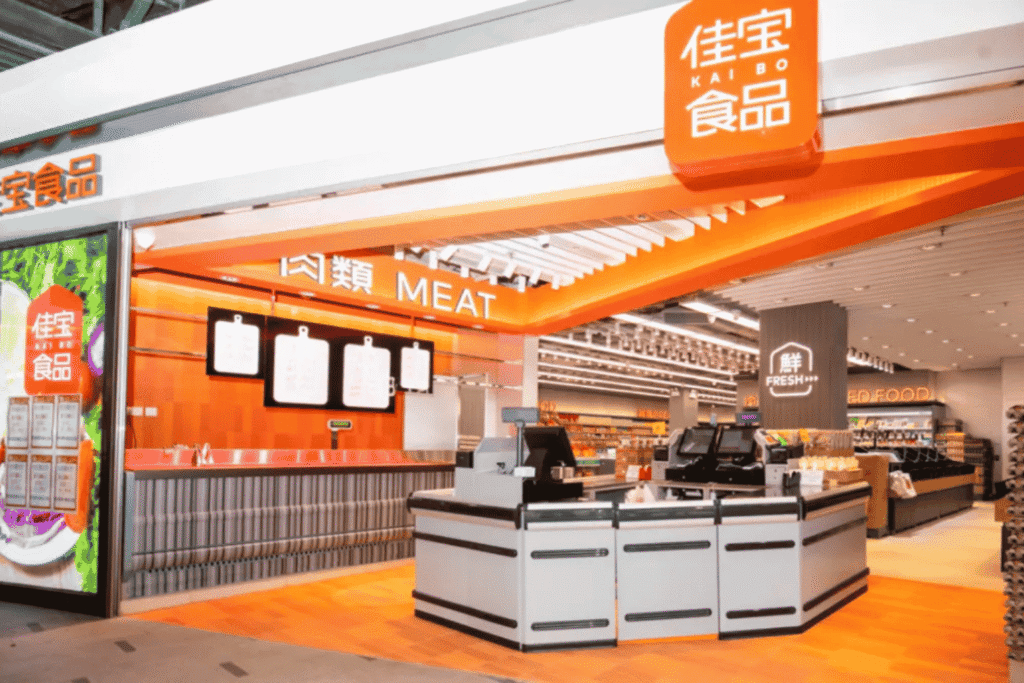
JD.com has completed the acquisition of Kai Bo Food Supermarket, a well-established grocery chain in Hong Kong, marking a strategic entry into physical retail within the region. The deal consolidates JD.com’s omnichannel ambitions, merging its robust logistics capabilities with Kai Bo’s local presence.

Seamless Omnichannel Integration Paves the Way for Hong Kong Retail Innovation

Founded in 1991, Kai Bo Food Supermarket has grown into a familiar name across Hong Kong, operating approximately 90 outlets and employing over 1,000 people. Through the acquisition, JD.com gains immediate access to Kai Bo’s network, enabling a swift expansion of its brick-and-mortar operations. The supermarket chain will now become part of JD.com’s “Innovative Retail” division, with Kai Bo’s founder appointed to lead the transition, preserving local expertise and continuity.

To celebrate the acquisition, JD.com is launching a three-day, store-wide 20% discount event across all Kai Bo outlets, offering both loyalty to existing customers and a strong launchpad for new offerings via the integrated supply chain.

This move signals JD.com’s intensified push into the Greater Bay Area. By combining its digital-first, supply chain-driven approach with Kai Bo’s physical footprint, JD aims to deliver fresh produce and everyday goods to consumers faster and more efficiently. The synergy opens the door to replicating its successful mixed-model retail formats—such as its SEVEN FRESH hypermarkets—across Hong Kong, bridging the gap between online convenience and physical accessibility.

Market analysts see this acquisition as a crucial step in reshaping Hong Kong’s retail sector, offering competitive pressure and raising standards in food retail through efficient delivery and product variety. As JD.com brings its technology into stores, merchants and consumers alike stand to benefit from innovation in pricing, inventory, and service levels.

Kaufland Expands Its Online Marketplace to France

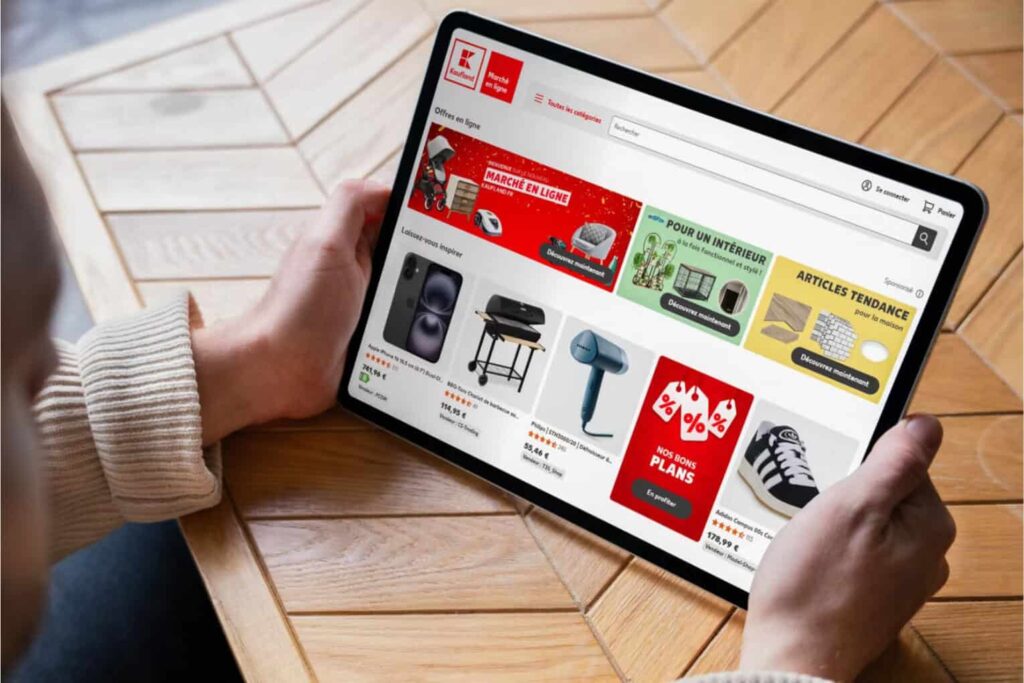
Kaufland, the German retail giant and part of the Schwarz Group, has officially launched its online marketplace in France. This move brings the platform’s total active markets to six and marks a strategic leap in its mission to establish the largest pan-European e-commerce presence.

French consumers can now access over three million items across 6,400+ categories, ranging from electronics and home appliances to sports, baby products, fashion, and accessories. At launch, more than 2,800 online sellers have already joined the platform. This expansion enables French merchants not only to sell domestically via Kaufland.fr but also to tap into existing markets in Germany, the Czech Republic, Slovakia, Poland, and Austria—and soon, Italy.

A European Marketplace Alternative for Sellers and Shoppers

The expansion into France is part of Kaufland’s broader strategy to become a leading European alternative to global e-commerce giants. By integrating France and soon Italy into its ecosystem, the marketplace now potentially reaches up to 140 million customers across Europe. This growth opens up tremendous opportunities for sellers and provides consumers with an extensive, locally compliant shopping experience.

Kaufland’s marketplace leverages its proprietary “Global Marketplace” solution, allowing merchants to manage their inventory, orders, and product data across all supported countries through a single registration portal. The platform offers automated services in product translation, local currency payment processing, and multilingual customer support—simplifying international expansion for SMEs and large brands alike.

Citing its success in earlier expansions into Austria and Poland, as well as its established presence in Germany and Central Europe, the company sees the French launch as a logical and highly promising next step. The platform’s user-focused approach—ranging from comprehensive product range to trusted European standards—aims to win both consumer trust and merchant loyalty.

As Kaufland continues its roll-out into Italy later this summer, the company emphasizes that its “Europe for Europe” philosophy underpins every strategic decision—prioritizing data protection, fairness, and close collaboration with partners to reshape the regional e-commerce landscape.

Nedbank Acquires iKhokha to Expand SME Digital Services

Nedbank Group has announced the acquisition of South African fintech company iKhokha in a cash deal valued at approximately $93 million. This move marks a significant step in Nedbank’s broader strategy to empower small and medium-sized enterprises (SMEs) through digital innovation and inclusive financial services.

Founded in 2012, iKhokha has gained recognition for providing affordable payment solutions and digital tools tailored for small businesses. With services ranging from mobile point-of-sale (mPOS) devices and business management apps to working capital support, the company has supported thousands of entrepreneurs across South Africa. Its digital platform processes over R20 billion in payments annually and has disbursed more than R3 billion in business funding to merchants.

Combining Fintech Agility with Banking Infrastructure

Through this acquisition, Nedbank aims to integrate iKhokha’s agile fintech model into its traditional banking ecosystem, creating a seamless service offering for SMEs. iKhokha will continue to operate under its brand as a wholly owned subsidiary, with its existing leadership team remaining in place to ensure continuity and innovation.

Nedbank officials emphasized that this partnership will enable the bank to serve small businesses more effectively, providing them with faster, smarter, and more accessible financial tools. The bank sees the acquisition as a long-term investment not only in digital transformation but also in economic development, by helping local entrepreneurs scale and sustain their businesses.

The deal also marks a successful exit for iKhokha’s investors, including major venture capital and development finance institutions. With this new backing, iKhokha is expected to expand its reach, enhance its technology offerings, and potentially explore markets beyond South Africa.

This acquisition positions Nedbank as a key player in Africa’s growing fintech ecosystem, signaling its commitment to digital financial inclusion and to building future-ready solutions for the continent’s most dynamic business segment—its SMEs.

Digital Coaching Emerges as a Key Driver in GCC Workforce Transformation

Gulf Cooperation Council (GCC) countries are accelerating workforce transformation efforts as part of broader national development goals — and at the center of this shift is digital coaching. Unlike traditional leadership development tools, digital coaching is no longer limited to senior executives. It is now being integrated across all levels of organizations, transforming how talent is nurtured and retained.

AI-Powered Coaching Supports Nationalisation, Productivity, and Inclusive Growth

Advanced digital coaching platforms, powered by artificial intelligence, offer personalized feedback, real-time progress tracking, and culturally tailored content. These tools are helping companies in the GCC align with nationalisation strategies by accelerating the growth of local talent and preparing them for leadership roles. In particular, initiatives like Emiratisation in the UAE are benefiting from these scalable and data-driven solutions.

Digital coaching also promotes inclusive leadership by enabling greater participation from women, youth, and individuals from diverse backgrounds. Beyond traditional performance metrics, it contributes to employee engagement, well-being, and long-term career development.

Market trends suggest significant growth in this sector. In the UAE alone, the digital coaching market is projected to quadruple by 2034, driven by increasing investment from both public and private sector stakeholders. This upward trajectory reflects a broader recognition of coaching as a strategic investment rather than a supplementary HR function.

Looking ahead, leadership development programs in the GCC are expected to be increasingly integrated with Environmental, Social, and Governance (ESG) goals. This marks a major shift in how digital coaching is positioned — not just as a learning tool, but as a foundational pillar in workforce and business transformation.


The UAE Poised to Become a New Global Logistics Hub Linking Asia to the World

The United Arab Emirates (UAE) elevated its position in global aviation and logistics in 2025, thanks to a powerful combination of Emirates SkyCargo’s Asia-focused air freight strategy and Abu Dhabi Airports’ infrastructure expansion. Together, these developments are redefining the country’s role in international trade.

The increasing volume of cargo flowing from East and Southeast Asia is transforming the UAE from a mere transit point into a strategic logistics hub. With fast air connectivity, digitized infrastructure, and strategic partnerships, the UAE is positioning itself at the heart of global supply chains.

Emirates SkyCargo’s Intense Asia Operations and Abu Dhabi Airport’s Record Cargo Volume Signal Regional Power Shift

Emirates SkyCargo has ramped up operations across Asia, now offering a total weekly capacity of 21,000 tonnes. The recent launch of new flights to Hangzhou has enabled the airline to operate departures from East and Southeast Asia every 30 minutes—an unprecedented frequency that directly addresses the speed demands of modern global commerce.

Meanwhile, Abu Dhabi Airports recorded a major achievement in the first half of 2025, handling 344,795 tonnes of air cargo. This growth is supported by a strategic partnership with Chinese e-commerce giant JD Property, which will see the construction of a 70,000 m² advanced logistics facility at Zayed International Airport. The facility will feature automated systems, smart warehousing, and technology-driven logistics solutions aimed at managing high volumes of e-commerce goods.

Together, these two developments mark a significant shift in regional logistics dynamics. Emirates SkyCargo’s extensive flight network, paired with Abu Dhabi’s robust ground infrastructure, is enabling the UAE to emerge as an indispensable node in the global logistics map—bridging Asia and the rest of the world with unprecedented efficiency and scale.

Google Launches Commerce Media Suite to Boost Festive Season Sales

Google has introduced the Commerce Media Suite, a new advertising solution designed to help brands and merchants increase their sales on quick commerce and e-commerce marketplaces during the festive season. The suite integrates Google Ads to connect brands with high-intent shoppers across various platforms such as Search, Shopping, YouTube, Display, Discover, and Gmail. These ads direct users to product listings on popular marketplaces like Blinkit, Swiggy, Zepto, and Myntra.

AI-Driven Performance Tools for Enhanced Transparency

Powered by Google’s AI-driven performance tools, the Commerce Media Suite offers enhanced transparency, self-service capabilities, and access to first-party data from marketplaces. Brands can track the impact of their ad spend against product and category-level sales, enabling them to make data-driven decisions and optimize their advertising strategies.

The suite was launched ahead of the festive season to capture rising consumer demand. Early adopters have already reported positive results. For instance, ITC’s Aashirvaad Select reported a 4x return on ad spend using the solution on Blinkit. Similarly, RENÉE Cosmetics recorded an 11.5% sales increase and a 48% reduction in cost per order.

Google positions the Commerce Media Suite as a tool for brands to drive profitability and expand reach in competitive online marketplaces. By leveraging Google’s extensive advertising ecosystem and advanced AI capabilities, brands can effectively engage with consumers and drive sales during the high-demand festive season.

Nuport Launches E-commerce Fulfillment Center in Dhaka

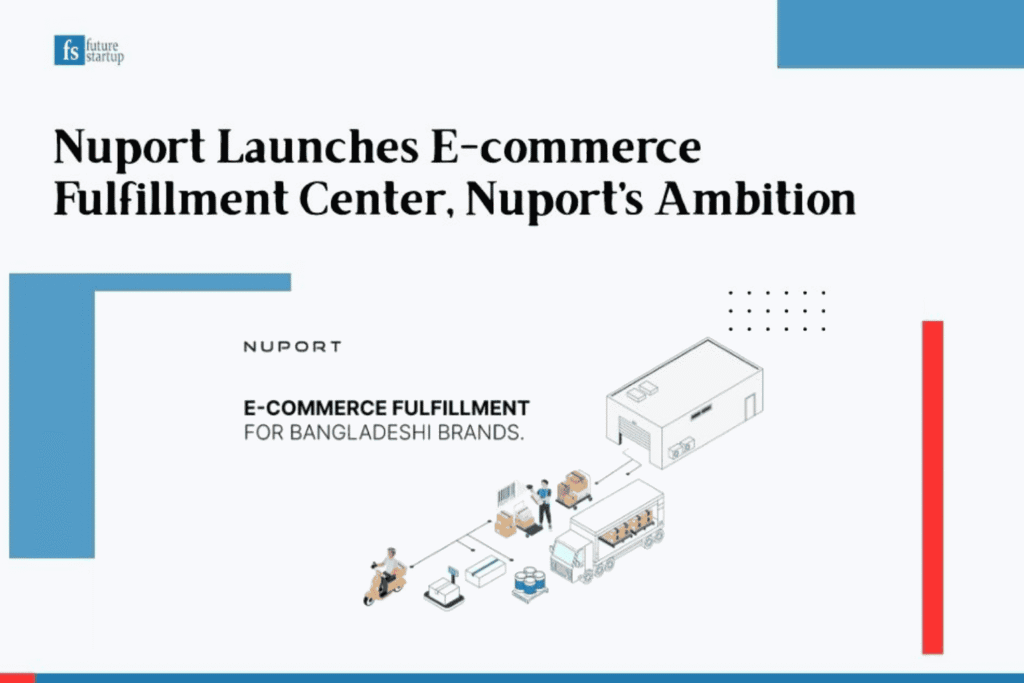
Nuport, a Dhaka-based automated e-commerce fulfillment platform, has launched its first fulfillment center in Mirpur, Dhaka. The 1,000-square-foot facility aims to provide end-to-end solutions for order management, inventory control, and shipping, catering to online businesses looking to scale efficiently.

Strategic Expansion to Meet Growing Demand

Founded in 2021 by Fahim Salam and Christopher Li, Nuport initially focused on automating supply chain operations for e-commerce businesses through its SaaS platform. Over time, the company recognized the need for integrated fulfillment services as customer demand grew. This led to the establishment of the fulfillment center, which offers services such as smart storage with custom racking systems, tailored packaging, quick picking processes, and integrated shipping across multiple couriers.

The facility is designed to serve businesses processing at least 20 orders daily, with products valued at ৳1,000 or higher. Pricing starts at ৳35 per order, with storage options ranging from ৳250 to ৳1,000 monthly. This move allows Nuport to control quality, reduce costs through economies of scale, and capture more value from each customer relationship.

Nuport’s expansion into fulfillment services also enables the company to serve international clients. For instance, it now handles complete import and distribution operations for a Dubai-based client with no physical presence in Bangladesh, acting as a comprehensive e-commerce infrastructure provider.

The launch of the fulfillment center marks a significant step in Nuport’s vision to build Bangladesh’s largest e-commerce supply chain network. The company plans to replicate this model in other major cities like Chittagong and Khulna, aiming to streamline operations for thousands of merchants and enhance the efficiency of the e-commerce ecosystem in Bangladesh.