WORLDEF ISTANBUL 2026 - Early Bird Registration Ends Soon

Register Now

Kenyan Fintech HoneyCoin Secures $4.9 Million to Power Stablecoin-Powered Payments

Kenyan fintech startup HoneyCoin has raised $4.9 million in seed funding to drive its international expansion across Africa, Asia, and Latin America. Founded in 2020 by David Nandwa at just 19 years old, the Nairobi-based company is building a cross-border payment infrastructure powered by stablecoins, aiming to make money movement faster, cheaper, and more accessible for both businesses and individuals.

HoneyCoin’s platform connects mobile money systems, banks, and international payment networks, providing seamless and low-cost transactions in markets that traditionally face high remittance fees and currency volatility. This innovative model has gained rapid traction, positioning HoneyCoin as a rising force in the African fintech landscape.

Building the Operating System for Money

With this new investment, HoneyCoin plans to grow its leadership team, expand into new territories, and secure the necessary regulatory licenses to operate at scale. The company is currently processing over $150 million in monthly transaction volume and serves more than 350 enterprise clients and over 326,000 direct users.

Expansion plans are focused on Mozambique, Zambia, Rwanda, and Francophone African countries, along with select markets in Asia and Latin America. The company aims to make its stablecoin-powered solution a global standard in emerging economies where traditional banking services are often limited or expensive.

Founder and CEO David Nandwa has described HoneyCoin as the “operating system for money,” suggesting that the company’s platform has the potential to redefine how financial infrastructure works—similar to how companies like Apple redefined computing. With this funding round, HoneyCoin is poised to take a leading role in the next generation of financial services across the Global South.


Etihad Rail to Establish New Commercial Hubs Across the UAE

The United Arab Emirates’ (UAE) national railway project, Etihad Rail, aims not only to transform transportation but also to reshape the economy. Plans are underway to develop new commercial hubs around strategic stations across the country. This initiative is expected to create significant opportunities in logistics and supply chain sectors. Early observations have already shown up to a 15% increase in the value of commercial lands surrounding these stations.

Transforming Logistics and Supply Chains

Etihad Rail is constructing a 1,200-kilometer railway network connecting all seven emirates of the UAE. Scheduled to commence passenger services in 2026, the project will also strengthen the nation’s logistics infrastructure. Trains are expected to reach speeds of up to 200 kilometers per hour, reducing the travel time between Abu Dhabi and Dubai to just 57 minutes. This enhanced speed will improve business travel efficiency and accelerate trade activities.

The project aims to create more than 9,000 new jobs by 2030, spanning sectors such as engineering, construction, train operations, logistics, and maintenance. Moreover, with the introduction of environmentally friendly electric trains, carbon dioxide emissions are anticipated to decrease by 70 to 80 percent.

Within the UAE’s economic diversification strategy, Etihad Rail is not only upgrading transportation infrastructure but also redefining commercial and logistics centers. This transformation is set to make a substantial contribution to the country’s future economic growth.

The Era of Artificial Intelligence and Data Begins in Africa’s Retail Sector

Africa’s retail sector is rapidly transforming through digitalization and the opportunities technology offers. Artificial intelligence (AI) and data-driven solutions are reshaping business models across the continent and elevating the customer experience to a whole new level. Consumers in Africa are becoming more active on digital channels, highly price-sensitive, and have greater expectations for their shopping experience. These new consumer behaviors reduce brand loyalty and push retailers to act faster and more efficiently.

Integrated Systems and Data Management Determine Success

One of the biggest challenges retailers face is the lack of harmony and integration between different digital and physical channels. When a customer tries to buy a product from an online store, inconsistencies in stock availability, pricing, and delivery information harm customer satisfaction. Furthermore, the absence of integration between various systems used by retailers makes it difficult to make informed decisions. Studies show that more than half of retail companies in Africa report that poor data quality negatively impacts their business processes.

Currently, AI is mostly in experimental stages and not fully integrated into business operations. However, AI-powered solutions can help understand customer behavior, optimize inventory management, and increase operational efficiency. Integrated platforms offered by major software providers like SAP give retailers significant advantages in data analysis and automation. Companies using such platforms can increase customer retention rates by 20 to 30 percent and reduce stockouts by 30 to 50 percent.

Africa’s retail sector is evolving into a more competitive and customer-centric structure by embracing AI and data-driven technologies. Yet, investing in technology alone is not enough for successful transformation. Integrating processes, improving data management, and perfecting customer experience at every stage are essential. This way, Africa’s retail industry can meet the demands of the digital age and achieve sustainable growth.

Boodil and Transaction Junction Introduce Innovative E-Commerce Payment Solution in Africa

UK-based fintech company Boodil has announced a strategic partnership with South Africa’s leading payment infrastructure provider Transaction Junction. Through this collaboration, Shopify-based e-commerce businesses operating in South Africa and Sub-Saharan Africa will gain access to faster, more secure, and regionally tailored payment solutions.

This partnership holds the potential to reshape the future of digital commerce across the African continent. By combining their respective areas of expertise, the two companies aim to eliminate common challenges faced during the payment process. Key focus areas include improving customer experience, reducing cart abandonment rates, and streamlining transaction efficiency.

Seamless Multi-Channel Payment Experience for Shopify Merchants

Boodil’s innovative payment technology, integrated with Transaction Junction’s deep regional banking infrastructure, has resulted in a multi-channel payment system designed specifically for Shopify merchants. The solution enables seamless transactions across both online stores and physical retail outlets. Supported payment methods include card payments, instant bank transfers (EFT), digital wallets, and regionally preferred options like RCS and Zapper.

One of the standout features of this solution is its simplified interface and high authorization rates, which allow customers to complete purchases quickly and easily. As a result, merchants benefit from higher conversion rates, while customers enjoy a smoother, more reliable checkout experience.

This strategic move by Boodil and Transaction Junction is set to fill a major gap in Africa’s growing digital economy. With a flexible and scalable platform built around local needs, the partnership empowers regional e-commerce businesses to compete more effectively on a global scale.

AnyMind Extends AI Customer Service to WhatsApp via AnyChat Integration

In a strategic move to enhance customer engagement and operational efficiency, AnyMind Group has expanded its AI-driven customer service agent from LINE to the ubiquitous WhatsApp platform. Now, businesses across markets like India, Indonesia, the Philippines, Malaysia, and Singapore can leverage AnyChat’s intelligent agent to better handle customer inquiries through the world’s most widely used messaging app.

AnyChat’s AI customer service agent, powered by large language models (LLMs), is capable of interpreting natural-language messages—despite their irregularities—while staying within brand-approved response frameworks. The system intelligently extracts essential customer details, such as order IDs and names, and escalates conversations to human agents when necessary. Additionally, it logs conversation histories, empowering brands to proactively refine response templates and keep product information, including seasonal offerings, updated in real time.

WhatsApp Integration Delivers Efficiency to Overloaded Support Teams

The introduction of WhatsApp support comes at an opportune time, with the platform boasting over 3 billion monthly users and dominating key markets in the Asia-Pacific region. For brands managing high customer volumes, this integration promises transformative efficiency gains.

In a recent three-month pilot implemented on the LINE platform with Waterpik, a global oral care brand, AnyChat’s AI agent successfully addressed 25% of all inquiries autonomously—signaling meaningful capacity relief for human support staff. By extending these capabilities to WhatsApp, AnyMind opens the door for broader automation, offering businesses a scalable way to maintain seamless customer service without overtaxing their teams.

According to company leadership, WhatsApp often serves as the primary or even sole point of brand contact for many consumers. By equipping teams with AI-powered tools that facilitate fast, meaningful interactions, AnyMind is positioning itself as a key enabler for smarter, borderless customer experiences.

Dr. Bronner’s Sees 55 % Surge in Australian Revenue Following Amazon Makeover

Dr. Bronner’s, the beloved organic soap and personal care brand, has experienced a dramatic boost in its Australian marketplace performance after partnering with the ecommerce accelerator Pattern. Between January and May 2025, the monthly revenue of the brand on Amazon surged by 55 %, accompanied by a notable 38 % increase in units sold.

Pattern worked closely with Lateral Food Corporation—the exclusive importer of Dr. Bronner’s products into Australia and New Zealand—to overhaul the brand’s Amazon storefront. Previously, product listings suffered from inconsistent imagery, disorganized formatting, and unpredictable pricing driven by unauthorized resellers. The collaboration launched a refreshed, more polished store presence featuring structured product categories, SEO-optimized titles, and immersive lifestyle content. Subpages for different scents were introduced to enhance navigation and product discovery.

Stronger Brand Visibility and Strategic Control Return to the Fore

These enhancements nearly doubled storefront traffic, evidencing improved customer engagement and interest. Pattern’s initiatives also helped reclaim control over listings by addressing unauthorized resellers—boosting the brand’s Amazon Buy Box win rate from 66 % to 90 %. Advertising played a significant role in the performance turnaround, with Pattern’s targeted campaigns accounting for 93 % of Dr. Bronner’s Amazon sales in Australia as of May.

By aligning the brand’s digital presentation with its integrity and heritage, Pattern has enabled Dr. Bronner’s to stand out meaningfully in marketplace environments. The immersive shopping experience and consistent brand narrative now resonate more powerfully with consumers, turning visibility into tangible sales growth.

This success story underscores how thoughtful optimization—spanning from catalog structure to promotional tactics—can propel heritage brands forward in a digital-first retail landscape. Dr. Bronner’s journey exemplifies the value of purposeful brand elevation in driving lasting, measurable growth.

Faire Expands Its Wholesale Marketplace to 14 New European Countries

Faire, a global wholesale marketplace designed to support independent retailers and brands, has significantly expanded its European footprint by entering 14 additional countries across Eastern and Southern Europe. With this move, the company is reinforcing its ambition to build a borderless wholesale network that empowers local retail communities.

Having already established a presence in key Western European markets since 2021, the platform now reaches retailers in countries such as Poland, Czech Republic, Romania, Hungary, Greece, and the Baltic states, among others. This expansion brings Faire’s reach to cover nearly 70% of the European economy, opening new opportunities for small retailers and regional brands to connect without the traditional limitations of wholesale trade.

Retailers Show Strong Demand for Digital Wholesale Solutions

The platform’s expansion has been met with enthusiastic demand. Over 35,000 retailers from these newly added markets have already signed up to join the platform, highlighting a clear appetite for more flexible, tech-driven wholesale solutions. Simultaneously, more than 115,000 products have been listed by brands from the same regions, reflecting a dynamic and growing ecosystem of local creators eager to reach broader retail audiences.

Faire’s business model is built around helping independent retailers compete with larger chains. By offering features like flexible payment terms, curated product discovery, and simplified logistics, the platform removes traditional barriers that often make wholesale inaccessible to smaller businesses.

The recent expansion is not limited to Europe alone. Faire has also launched its services in New Zealand, pushing its total global reach to 35 countries. As e-commerce and hybrid retail models continue to grow, Faire positions itself as a vital link between unique local brands and independent shops that want to differentiate their product offerings.

With new markets opening up and strong early interest, Faire is poised to play an increasingly central role in reshaping the way wholesale commerce works for the modern, digitally connected retail world.

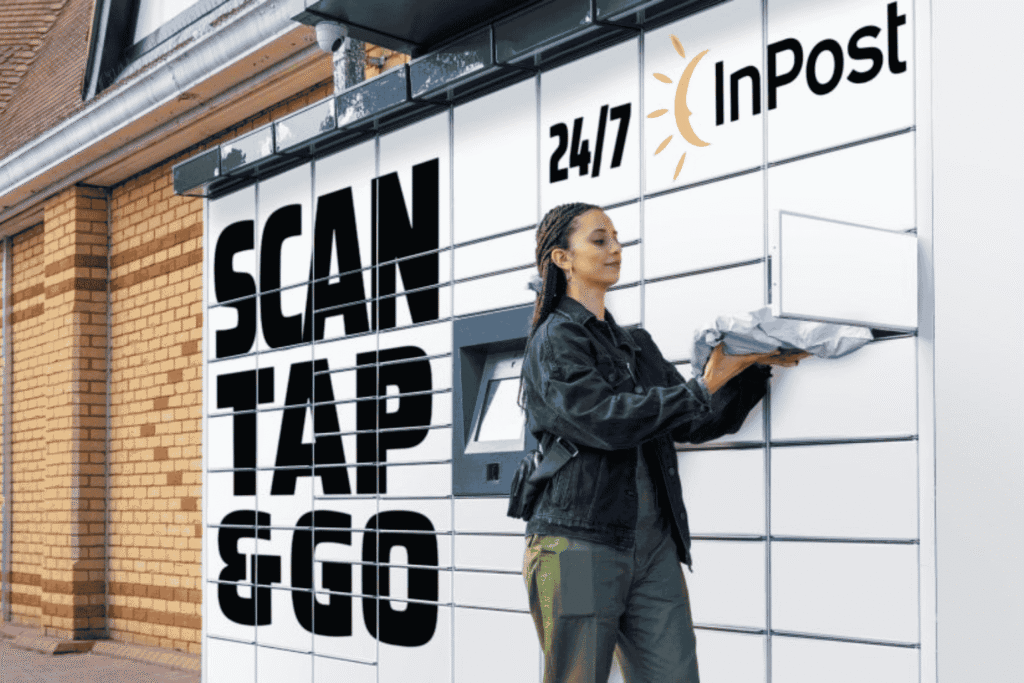
Parcel Lockers Gain Ground in the UK: Two in Five Adults Now Use Them

As online shopping continues to dominate the retail landscape in the UK, the way consumers receive their parcels is undergoing a significant transformation. Recent data shows that 41% of UK adults — around 21 million people — have used parcel lockers at least once in the past 12 months.

Parcel lockers offer a convenient, secure, and contact-free delivery option that allows consumers to pick up their online orders at any time, often 24/7. These self-service delivery points help solve the long-standing issue of missed deliveries and eliminate the need to be at home to receive packages. Many users cite security and flexibility as their top reasons for preferring lockers over traditional home delivery.

Companies like InPost have rapidly expanded their networks in response to growing demand. In the first quarter of 2025 alone, InPost handled 24 million parcels through its UK lockers, marking a 39% increase compared to the same period last year. The company now operates over 10,000 locker locations across the UK, while the total number of out-of-home (OOH) delivery points in the country has exceeded 16,000.

Younger Shoppers Drive Locker Adoption

The rise of parcel locker usage is particularly strong among younger consumers. 66% of Gen Z shoppers and 54% of Millennials reported using lockers within the past year. Among adults under 45, more than half use parcel lockers at least once a month. Additionally, one in three middle-income shoppers plans to use them more frequently in the next year.

Environmental concerns are also contributing to their popularity. By reducing the need for individual home deliveries, parcel lockers help lower traffic congestion and carbon emissions — making them an attractive option for eco-conscious shoppers.

What was once seen as a niche solution is now becoming a mainstream delivery method, reshaping how the UK receives its online purchases.

JD.com Expands to Open Five Discount Stores in China

JD.com has announced its expansion into the competitive e-commerce market by opening five discount supermarkets in Hebei and Jiangsu provinces. These stores will target budget-conscious shoppers by offering a wide range of products at discounted prices. The first store, located in Zhuozhou, will cover an area of 5,000 square meters and offer a variety of products, from cleaning items to chocolates, with prices set below market levels.

Transformation in Retail with New Discount Stores

This launch is part of JD.com’s strategy to boost sluggish consumer spending and attract customers seeking budget-friendly shopping options. The company had previously opened two smaller-format discount stores in Beijing in 2024. JD.com’s move shows that it plans to expand not only in online retail but also in physical retail. The company’s entry into physical stores is seen as a significant step in gaining a larger share of the retail market, especially among younger consumers whose shopping habits are increasingly shaped by digital platforms. JD.com aims to enhance the shopping experience with a customer-centric approach, integrating in-store layout and services with its digital platforms. This model seeks to merge traditional retail with online shopping experiences, offering consumers a seamless digital and physical experience.

JD.com has also made strides in the international market by acquiring Germany-based Ceconomy for 2.2 billion euros to boost its global presence. Moreover, this expansion signals a major shift in China’s retail sector, with industry giants adjusting their strategies in response to changing consumer demands and increasing competition. JD.com’s strategy is seen as a pivotal moment in the evolution of China’s retail market, signaling its growing influence in both local and international markets.

Amazon Expands to Used Vehicles in Los Angeles Market

On August 4, 2025, Amazon took a significant step in automotive e-commerce by launching the sale of used and certified pre-owned (CPO) vehicles in Los Angeles. This expansion follows the platform’s introduction of new car sales with Hyundai in December 2024, enabling Amazon Autos to operate in over 130 cities across the U.S.

Enhanced Shopping Experience and Consumer Protection Features

Amazon Autos allows users to explore vehicles online, complete financing transactions, and finalize payments in a way that aligns with Amazon’s shopping experience. All vehicles are listed with transparent pricing, no hidden fees, and comprehensive vehicle history reports. Additionally, each vehicle is backed by a 3-day/300-mile return policy and a minimum 30-day/1,000-mile limited warranty for consumer protection.

This move reflects Amazon’s approach to digitalize traditional vehicle buying and selling processes. Consumers can view and purchase vehicles online while still conducting test drives at local dealerships. This model integrates physical dealerships with digital platforms to reach a broader customer base.

Amazon’s entry into used vehicle sales underscores the increasing importance of digitalization and online shopping in the automotive sector. It also highlights how traditional retailers’ integration with digital platforms will become even more critical in the future. The expansion into Los Angeles is seen as the first step in a strategy to spread across other U.S. cities.