WORLDEF ISTANBUL 2026 - Early Bird Registration Ends Soon

Register Now

Shopify Unveils AI-Powered Universal Cart for Agentic E-Commerce

In 2025, Shopify introduced a new “Universal Cart” system that enables a shopping experience driven by conversational AI agents, replacing traditional websites. This innovation makes “agentic e-commerce” possible, allowing consumers to complete the entire process from product discovery to checkout through AI-powered chats. This enables retailers to reach broader audiences and adapt to changing consumer behaviors.

AI-Powered Shopping Experience and a New Era for Retailers

Shopify’s Universal Cart allows users to explore products and add them to their cart through AI-driven chat interfaces. This system makes shopping possible on chat-based platforms instead of traditional websites. For example, large language models-powered chatbots enable users to search for products, analyze reviews, and create shopping carts. This approach makes the shopping experience more interactive and user-friendly. Shopify’s innovation provides small and medium-sized businesses with a powerful tool to compete with larger rivals. With AI-powered tools, retailers can offer more personalized shopping experiences and increase customer satisfaction. Additionally, by presenting their products on third-party AI platforms, retailers can reach a wider customer base. This strategy enables retailers to make more sales without additional marketing expenses.

As AI-powered shopping experiences grow, consumer data privacy becomes a significant concern. Shopify aims to address these concerns by securing user data with encrypted protocols. However, some users and experts have raised awareness about potential risks, such as algorithmic bias and data breaches. Despite this, Shopify’s Universal Cart and AI-powered tools are shaping the future of e-commerce and initiating a significant transformation in digital retail.


Genetic AI Revolutionizes Online Checkout: A 2025 Shift in Internet Shopping

As of 2025, Genetic Artificial Intelligence (Gen AI) technology is dramatically transforming the online shopping experience, particularly in the payment process. This seismic shift is bringing significant changes for both consumers and retailers alike.

The Role of Gen AI in Payment Processes

Gen AI analyzes user shopping habits and preferences, making the payment process faster and more personalized. The technology streamlines tasks such as automatically filling shopping carts, managing payment information securely, and speeding up transaction approvals. As a result, the shopping experience becomes more seamless and efficient.

Moreover, with the integration of Gen AI, fraud detection and prevention during payment processes are becoming more effective. By analyzing shopping behaviors, AI can detect suspicious transactions, enhancing security.

Retailers are using Gen AI to enhance the customer experience, improving inventory management, pricing strategies, and customer service. This, in turn, leads to more efficient operations and higher customer satisfaction.

The integration of Gen AI into the checkout process is shaping the future of online shopping. Consumers benefit from a faster, more secure, and personalized shopping experience, while retailers gain a competitive advantage. These advancements are seen as a key step in the evolution of digital commerce.

TikTok Shop Doubles GMV to $26 Billion in 2025, Challenging Amazon

TikTok Shop has reached a global gross merchandise volume (GMV) of $26 billion in the first half of 2025, making it a significant player in the e-commerce arena. This growth was driven by the platform’s live selling strategy, boosting its competitive edge against traditional retailers like Amazon.

TikTok’s Rise with the Live Selling Model

TikTok Shop’s success is largely based on its live selling model, where content creators and brands promote products through real-time videos. This model has quickly gained popularity by offering authentic and interactive shopping experiences, particularly among young consumers. In the United States, TikTok’s algorithm has turned live content into a tool for converting viewers into impulsive buyers, driving up sales.

TikTok has built a comprehensive e-commerce ecosystem for creators and sellers, following the success of its Chinese counterpart, Douyin. This strategy has solidified the platform’s goal to lead in social commerce.

TikTok Shop’s rapid rise is changing the competitive landscape of traditional e-commerce giants. Platforms like Amazon are now trying to adopt TikTok’s live selling and content-focused approach, recognizing the growing importance of social commerce. However, TikTok’s model, which allows content creators to directly drive sales, has created a more dynamic sales channel for sellers.

TikTok Shop’s rapid growth highlights the crucial role of social interaction and live selling in the future of e-commerce. These developments mark an important milestone in the evolution of digital retail.

Countries Most Obsessed with Online Shopping: 2025

Online shopping has become a rapidly growing sector worldwide in 2025. According to data from CEOWORLD magazine, the countries with the highest online shopping spending are leading the global trend of digital commerce. In 2025, online shopping will continue to be a significant part of retail sales growth.

Countries with the Highest Online Shopping Spending

The United States holds the largest share of online shopping, accounting for 47.54% of its retail spending on digital platforms. This figure highlights how large e-commerce has become as a sector. China follows closely with 45.72%, benefiting from its vast population and digital infrastructure that contribute to the growth of online shopping. Japan ranks third with 40.11%, while other Asian countries also contribute significantly to the online shopping market.

India, Hong Kong, and South Korea are also noteworthy for their strong online shopping participation. These countries have seen substantial growth in e-commerce, driven by technological advancements and increasing internet usage. In India, the growing interest of the younger population in digital shopping plays a major role in the expansion of e-commerce.

Globally, online shopping has evolved from just a shopping method into a lifestyle. With the impact of digitalization, these countries are shaping the future of commerce and making online shopping culture even more widespread. This trend suggests that emerging markets, including developing countries, will also have a growing share in online shopping in the future.

“Pakistan Mart” in Dubai Set to Transform Export Opportunities for Pakistani Businesses

Pakistan is preparing to launch a transformative initiative, “Pakistan Mart”, a dedicated export hub designed to elevate the presence of Made-in-Pakistan products on the global stage. Strategically located near Jebel Ali in Dubai, this project is being collaboratively developed by Pakistan’s National Logistics Corporation (NLC) and the UAE’s logistics giant DP World. Notably, DP World will fund the construction of the facility entirely, ensuring no upfront cost for Pakistani businesses.

A high-level delegation comprising NLC’s Director General, commerce officials, and senior figures from DP World presented the project to the Federal Minister for Commerce, Jam Kamal Khan. Also present were Fakhr Alam, Vice Chairman of DP World and CEO of the Pakistan Mart Project, as well as coordinating officials from Pakistan’s Ministry of Commerce and the Prime Minister’s Office. Their collective vision centers on creating a one-stop, world-class export platform to showcase Pakistani goods directly to buyers across the Middle East, Africa, and beyond.

Pakistan Mart is designed to include modern warehousing, retail outlets, showrooms, and e-commerce fulfilment centers, all operating under a streamlined, cost-efficient framework. This integration aims to eliminate traditional logistical barriers, reduce dependency on intermediaries, and offer exporters—particularly small and medium enterprises—direct access to international markets. By doing so, it promises to boost export volumes, increase visibility for local producers, and support economic stabilization through export-driven growth.


A Strategic Leap for Pakistan’s Export-Led Growth

This initiative aligns with Pakistan’s broader strategy of achieving export-led economic development following stabilization efforts supported by global financial institutions. The Gulf, especially the UAE, presents an ideal launch pad due to its geographic advantage, efficient trade infrastructure, and strong Pakistani business networks.

Commerce Minister Jam Kamal Khan described Pakistan Mart as a “transformational project”, particularly beneficial for key sectors like textiles, garments, surgical instruments, sports goods, perishable food items, and nutraceuticals. He emphasized the integration of e-commerce and digital fulfilment capabilities as essential for meeting the evolving demands of global buyers.

The government, through its Ministry of Commerce and allied agencies such as the Trade Development Authority of Pakistan (TDAP), is expected to facilitate the project’s rollout via exporter selection, awareness campaigns, and logistical coordination. By linking public-sector leadership with private-sector execution, the initiative embodies a strategic push to reshape how Pakistani goods are exported and perceived internationally.

In the long term, Pakistan Mart is poised to increase foreign exchange earnings, strengthen the Pakistan brand, and pave the way for lasting economic diplomacy and trade partnerships. If executed effectively, it could mark a new era in Pakistan’s global trade outreach.

TikTok’s Viral Economy Puts Retailers on the Clock

TikTok’s algorithm enables users to quickly discover a wide range of products, from toys and chocolates to cosmetics and fashion. Products that go viral on the platform suddenly experience massive demand, causing rapid stock depletion and significant price increases. For example, Pop Mart’s Labubu plush toys gained huge popularity through viral unboxing videos on TikTok, boosting the company’s market value to $40 billion — twice the combined market value of industry giants Hasbro and Mattel.

TikTok Shopping Is Changing Consumer Behavior

The food and beverage sectors are also feeling TikTok’s influence. Wellness trends have driven matcha tea shortages worldwide, pushing prices up by more than 80%. Japanese tea houses have had to limit wholesale orders due to surging demand. Similarly, sales of peanut chocolate in the U.S. have increased by 30%. These rapid spikes in demand put pressure on supply chains, challenging retailers in managing inventory and pricing strategies.

TikTok’s shopping platform, TikTok Shop, is projected to generate over $30 billion in advertising revenue in the U.S. alone in 2025. This growth outpaces Instagram and other social media platforms. TikTok Shop’s annual shopping revenue has reached $10 billion, matching the level of the long-established TV shopping giant QVC. This demonstrates how social media and e-commerce integration is revolutionizing the retail sector.

However, TikTok’s rapid rise is disrupting traditional retail forecasting and planning methods. While overall U.S. online sales growth is slowing, viral shopping frenzies on TikTok require retailers to adapt quickly. Brands must restructure their inventory and logistics to respond instantly to viral products.

In conclusion, TikTok’s viral economy is fundamentally changing consumer behavior and retail dynamics. Retailers need to develop more flexible, data-driven, and agile decision-making structures to keep up with this new era.

Shein and Temu Rapidly Gain Ground in South Africa’s Fashion Market

Chinese e-commerce giants Shein and Temu are experiencing remarkable growth in South Africa’s fashion sector. Together, these platforms reached total sales of 7.3 billion rand (approximately $405 million) in 2024, capturing 3.6% of the market and strengthening their strong presence in the region.

Rising E-Commerce in South Africa

Shein entered the South African market in 2020, followed by Temu in 2024, and both have grown rapidly since. Their aggressive pricing strategies and effective marketing efforts have allowed them to surpass traditional local and international retailers. This shift caused local retailers’ market share to decrease from 75.3% in 2011 to 74% in 2024.

Shein holds a significant 28% share in the online women’s apparel segment and dominates 37.1% of the overall e-commerce fashion market. Meanwhile, international brands such as H&M, Zara, and Cotton On maintain a combined market share of only 3.4%.

The rapid growth is driven by strong consumer appeal through competitive pricing and fast delivery services. However, after the South African government ended the “de minimis” tax exemption last year, these companies faced partial reductions in cost advantages. Local retailers have reported resulting price increases and a rise in customer complaints.

In conclusion, the rise of Shein and Temu in South Africa is reshaping the local retail market, underscoring the growing importance of digital transformation and innovative business models.

Pinduoduo Accelerates AI Talent Recruitment to Drive E-Commerce Innovation

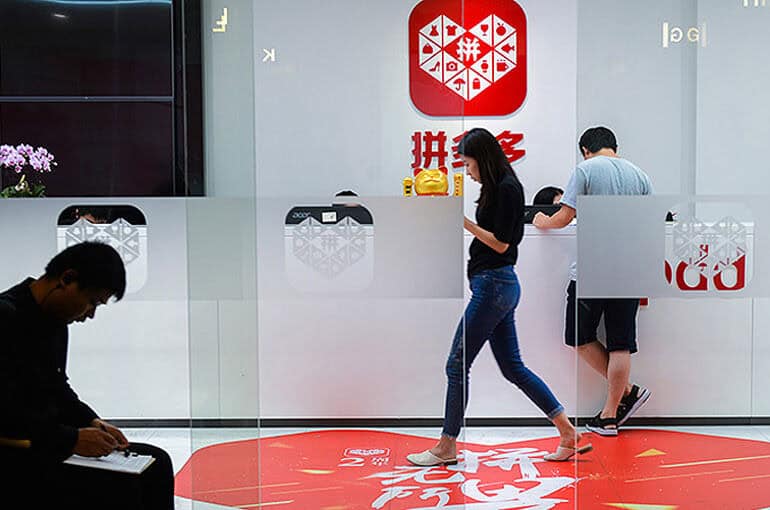
Chinese e-commerce giant Pinduoduo has significantly ramped up its recruitment of artificial intelligence (AI) talent. The company is actively hiring experts in large language models (LLMs), multimodal algorithms, and infrastructure engineering roles. This move reflects Pinduoduo’s strategic shift from a price-competition-focused business model toward becoming a technology leader in the e-commerce sector.

Pinduoduo’s AI Hiring Signals a New Era in E-Commerce

Recent job postings reveal key positions such as Large Model Infrastructure Architect, Multimodal Algorithm Engineer, and Algorithm Engineer. These roles are designed to build AI infrastructure within e-commerce operations, leveraging AI for multimodal tasks such as product recognition and descriptions. To accelerate development, the company applies a competitive “horse-racing” style management approach, fostering rapid innovation internally.

Pinduoduo aims to enhance AI applications across recommendation systems, search optimization, advertising targeting, and customer service. The company is strengthening its R&D teams by attracting specialists from established tech firms, offering salaries that often surpass previous employers.

This strategy not only supports traditional e-commerce functions but also strives to make the platform smarter and more efficient. Through AI-driven improvements, Pinduoduo expects to reduce costs, improve user experience, and speed up transaction processing.

As major firms increase investments in AI, Pinduoduo’s initiative marks a clear push to compete technologically with rivals like Alibaba and JD.com. Amid a soaring demand for AI talent in China, companies like Pinduoduo are aiming to revolutionize both domestic and cross-border markets (including platforms like Temu) with intelligent e-commerce solutions.

In conclusion, Pinduoduo’s rapid and comprehensive expansion of AI hiring signals the dawn of a new era in e-commerce. Competition is no longer just about price but increasingly shaped by technological capabilities. With this approach, Pinduoduo aspires to become a strong tech leader both in China’s domestic market and global cross-border operations.

Shein and Temu Disrupt South Africa’s Fashion Industry

Chinese fast fashion giants Shein and Temu are rapidly reshaping the landscape of South Africa’s fashion retail sector. With ultra-low prices and an efficient delivery model, these platforms have quickly captured the attention of consumers—especially younger generations—while placing intense pressure on local manufacturers and traditional retailers.

By 2024, the two platforms had claimed an estimated 3.5% share of the country’s fashion, textiles, footwear, and leather market. Their sharp rise in popularity has challenged long-established customer loyalty toward local and physical brands, turning the tide of the retail environment in a matter of just a few years.

E-Commerce Growth Threatens Local Fashion Jobs

Shein and Temu’s aggressive pricing strategies have created a market where local brands struggle to remain competitive. The low cost of imported products has pushed many small businesses to cut staff, reduce production, or in some cases, shut down entirely. Thousands of retail jobs are believed to have already been lost in 2024 alone, with projections suggesting that tens of thousands more could disappear by 2030 if current trends continue.

At the same time, consumer behavior is evolving. Younger shoppers, in particular, are increasingly choosing online platforms where they can order the latest trends in just a few clicks, bypassing traditional malls and local boutiques altogether. This shift has significantly reduced foot traffic in brick-and-mortar stores.

Some domestic e-commerce platforms have attempted to push back by building distribution networks tailored to rural areas and underserved communities. While these efforts show promise, they remain limited in scope compared to the massive product selection and low prices offered by international players.

The rapid rise of Shein and Temu in South Africa is no longer just a commercial issue—it has become a socio-economic challenge. Local retailers, policymakers, and industry stakeholders will need to reevaluate their strategies if they hope to maintain relevance in an increasingly global and price-driven fashion market.

Ahold Delhaize Achieves Profitability in E-Commerce

International retail giant Ahold Delhaize has reached a major milestone in its digital transformation journey by announcing that its e-commerce operations have become profitable for the first time. This development signals that the company’s online business is now generating not only revenue but also net income.

Automation and Delivery Models Drive E-Commerce Efficiency

With a strong presence in both European and North American markets, Ahold Delhaize has begun to reap the benefits of its strategic investments in digital infrastructure. The company has successfully reduced operational costs while improving customer satisfaction through innovative order fulfillment and delivery solutions. In the U.S., the adoption of a “store-first fulfillment model” has significantly enhanced logistical efficiency. Meanwhile, in Europe, advanced automation systems have helped optimize labor and distribution expenses.

While e-commerce saw a major boom in the wake of the pandemic, turning that growth into profitability has been a challenge for many retailers. Ahold Delhaize has managed to overcome this hurdle by modernizing its delivery systems and improving the online customer experience. The company also reports an increase in the number of users on its online platforms and a higher average basket size, both of which have contributed to steady growth in digital revenues.

Financial data reveals double-digit growth in e-commerce sales and a positive shift in operational profitability. This indicates that Ahold Delhaize is approaching its digital strategy not just with a growth mindset, but with a strong focus on sustainable profitability.

This achievement reinforces the company’s confidence in its future digital investments and clearly demonstrates that e-commerce is no longer just a complementary channel, but a viable and profitable business model in its own right.