WORLDEF ISTANBUL 2026 - Upcoming Event

Register Now

WORLDEF PRIME Matchmaking Summit Brings Together Global Leaders of E-Commerce in Antalya

WORLDEF PRIME

Leading figures of the global e-commerce sector are preparing to come together at the WORLDEF PRIME Matchmaking Summit to be held in Antalya.

The WORLDEF PRIME Matchmaking Summit will take place on October 19–21, 2026 at the Kremlin Palace in Antalya. The event will bring together decision-makers, investors, and technology leaders of the global e-commerce ecosystem on the same platform.

Within the scope of the organization, industry representatives from 82 different countries are expected to gather in Antalya. The event will offer an important platform for the development of international collaborations and the evaluation of new trade opportunities.

What Does the WORLDEF PRIME Matchmaking Summit Promise?

The WORLDEF PRIME Matchmaking Summit aims to be a strategic meeting point especially for companies that want to grow on a global scale. Participants will have the opportunity to establish business connections that can help them expand into new markets throughout the event.

High-level business meetings to be organized within the program will lay the groundwork for the establishment of new partnerships between companies. Representatives of companies operating in e-commerce, logistics, payment systems, technology, and digital trade will be able to establish direct contact during the event.

Networking and Business Opportunities Together

The organization, which will last for three days and two nights, aims to go beyond being an event consisting only of panels and meetings. The program designed for participants will offer an environment that allows real business opportunities to be evaluated.

One of the most remarkable parts of the event will be the special gala night to be held under the stars. In this networking-focused event, participants will have the opportunity to communicate more closely with industry professionals from different countries. A live concert will also be organized as part of the program.

The Future of the E-Commerce World Will Be Discussed

The WORLDEF PRIME Matchmaking Summit is expected to contribute to the formation of new collaborations and strategic partnerships regarding the future of the global e-commerce sector. The summit, where industry leaders will come together, will be an important meeting point for expanding international trade networks and strengthening the digital trade ecosystem.

OpenAI Defers Its Plan for Direct Shopping via ChatGPT

OpenAI

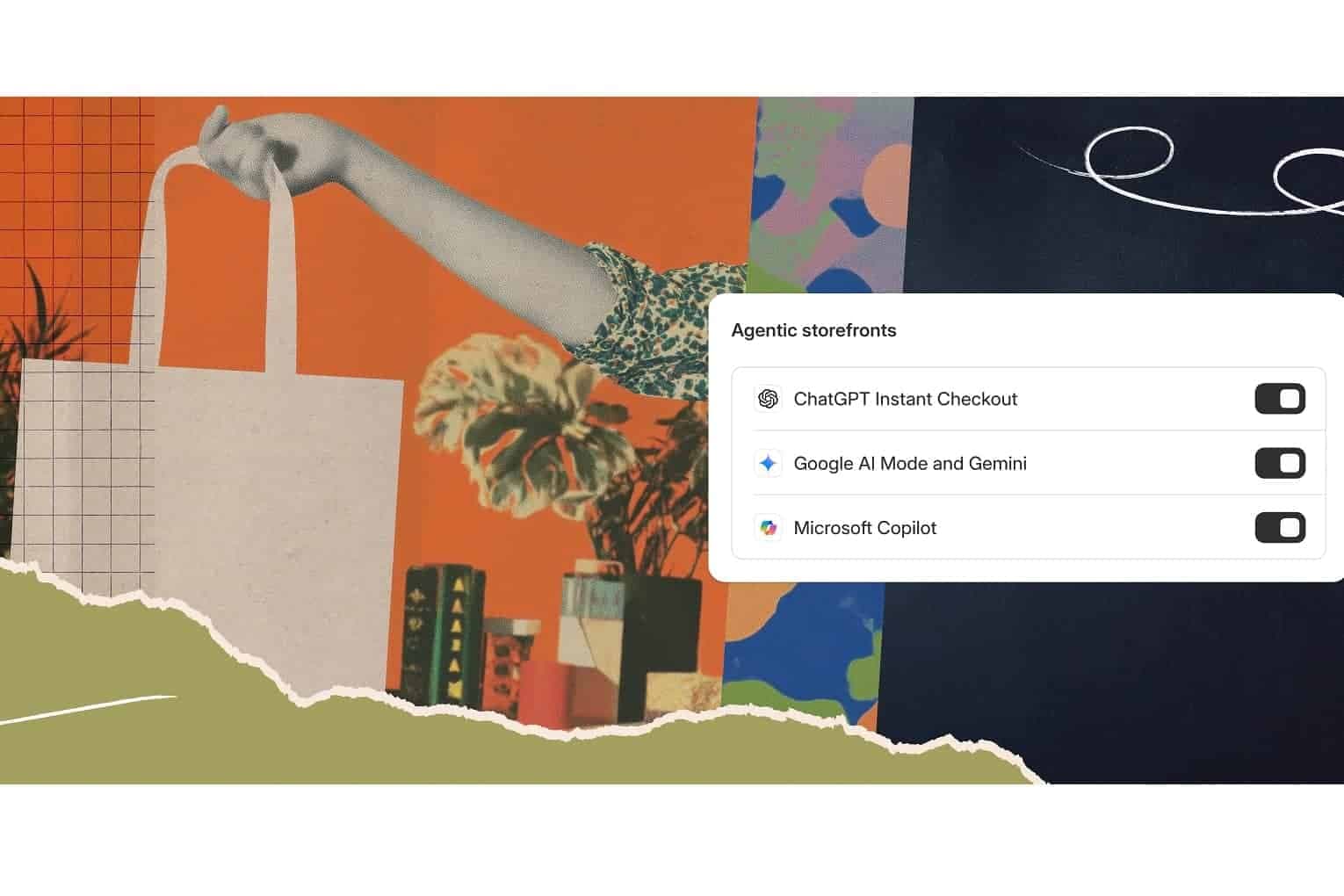
OpenAI is making a significant strategic shift at a time when AI-powered shopping experiences are increasingly being discussed. The company has temporarily suspended the system that would enable direct payments through ChatGPT. Instead, it is reported that the company is focusing on a model that redirects users to brands’ or retailers’ own platforms.

Despite the rapid emergence of the AI-mediated shopping model known as “agentic commerce” in the technology world, OpenAI is said to be reassessing its plans in this area.

ChatGPT Will Remain a Discovery Tool

Rather than launching the integrated payment system planned for ChatGPT, OpenAI prefers to position artificial intelligence as a product search and recommendation engine. In this model, users will be able to discover products through ChatGPT, but they will complete the purchase process through the brands’ or e-commerce platforms’ own applications.

The “Instant Checkout” feature that the company tested last year was developed particularly for Etsy and Shopify sellers. However, it is stated that the system did not attract the expected interest and was used by only a limited number of merchants in the United States.

User Habits Became a Barrier at the Purchase Stage

Studies analyzing user behavior by OpenAI show that the product research and comparison phase within ChatGPT is quite active. However, it has emerged that users are more cautious about completing the purchase process within the AI interface.

A study published by Adobe also presents a similar picture. According to the report, 70 percent of consumers are comfortable with artificial intelligence assisting in shopping processes. However, only 13 percent of respondents trust AI tools to complete purchases on their behalf.

Collaboration Between OpenAI and Stripe Continues

It is reported that OpenAI has not completely abandoned payment processes, but plans to carry out these transactions through different systems rather than within its own platform. Through the infrastructure called the Agentic Commerce Protocol, which the company developed together with Stripe, transactions are expected to be carried out more smoothly. This approach may also open the door for OpenAI to move toward different areas within its revenue model. In particular, advertising and sponsorship-based revenue models built around product discovery and recommendation processes are expected to come to the forefront.

Competition in AI-Powered Commerce Is Intensifying

Competition in the field of AI-based commerce is steadily increasing. While Google is working on a new infrastructure aimed at standardizing e-commerce data on a global scale, Meta is also testing AI-powered shopping features within its social media platforms.

According to experts, although AI-powered shopping technologies are developing rapidly, it will take time for consumer habits to adapt to this transformation. For this reason, the sector is expected to shift toward hybrid models in the short term that strengthen product discovery and decision-making processes, rather than enabling direct purchases through artificial intelligence.

WORLDEF DUBAI 2026 opened its doors: 18 thousand participants from 80 countries met in Dubai for e-commerce!

WORLDEF DUBAI 2026

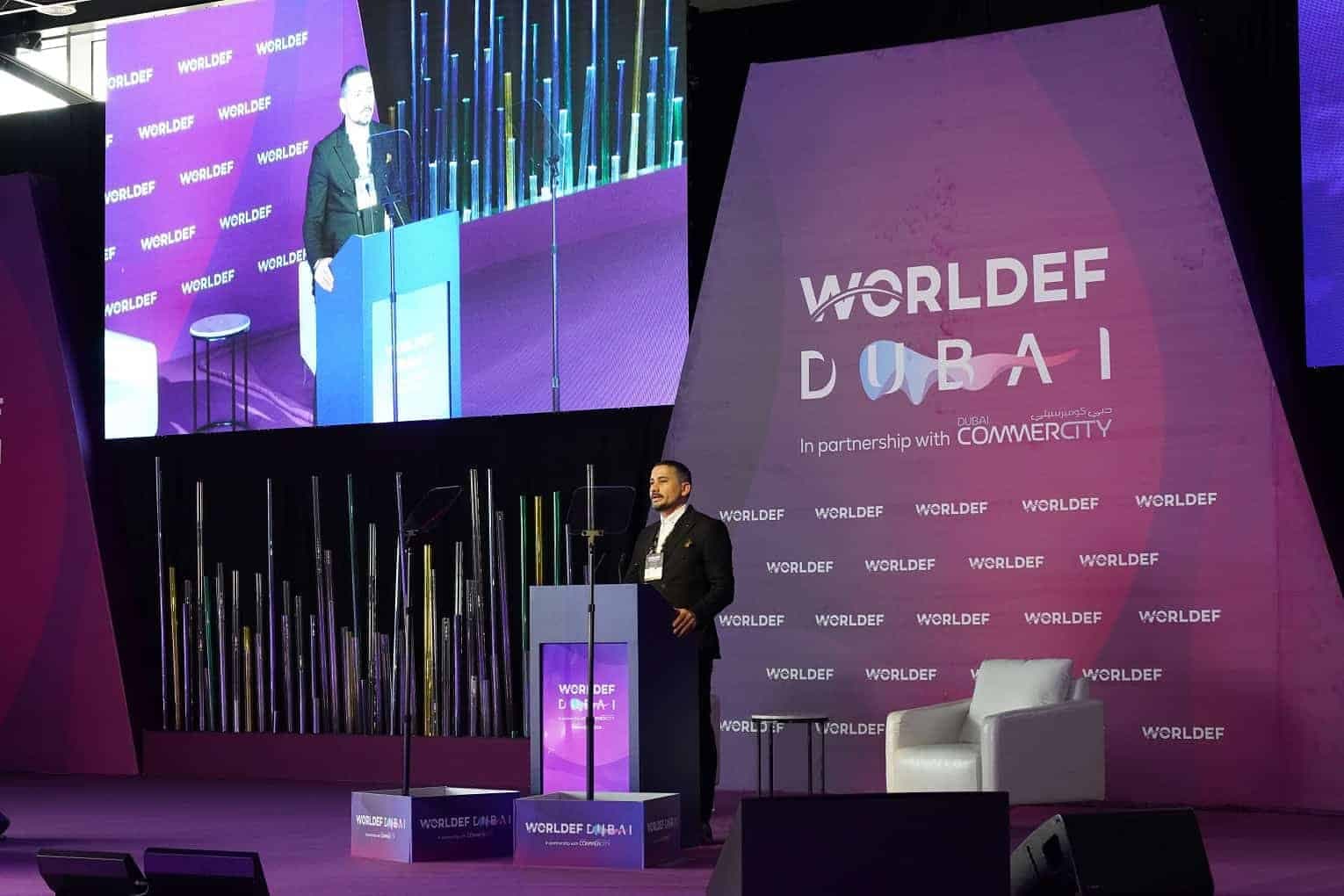
WORLDEF DUBAI 2026, led by the international e-commerce platform WORLDEF, started with a magnificent ceremony. Recognized as the largest e-commerce event in the MENA region, WORLDEF DUBAI brings together more than 18,000 visitors and participants from over 80 countries between February 12–14. His Highness Sheikh Mansoor bin Mohammed bin Rashid Al Maktoum, President of the United Arab Emirates (UAE) National Olympic Committee said, that digital trade has become a strategic pillar of the UAE’s economic development and a vital driver of Dubai’s global competitiveness.

Omar Nart, CEO of WORLDEF said, “The Dubai Economic Agenda D33 has a clear vision; to grow Dubai’s economy, to become a leader in global digital trade, and to connect markets, talent, and innovation. WORLDEF is part of this vision.”

WORLDEF DUBAI 2027

WORLDEF DUBAI 2026, the largest e-commerce gathering of the Middle East and North Africa (MENA) region, opened its doors. Organized in cooperation with Dubai CommerCity, the region’s first and leading digital trade-focused free zone, the event brought together many companies and initiatives ranging from e-commerce marketplaces to logistics companies, from artificial intelligence startups to sellers. Held for the second time this year, the event is being organized at the Dubai CommerCity campus under the patronage of His Highness Sheikh Ahmed bin Saeed Al Maktoum, Chairman of the Dubai Integrated Economic Zones Authority (DIEZ).

WORLDEF DUBAI 2026 was organized in cooperation between Dubai CommerCity, a joint venture of DIEZ and Wasl Properties, and WORLDEF, the international platform focused on supporting the global growth and expansion of cross-border e-commerce and digital trade companies. Bringing together more than 18,000 participants from over eighty countries, the event aims to create commercial opportunities, strengthen strategic partnerships, encourage knowledge sharing, and advance sustainable growth in the global digital economy.

An opening ceremony was held on the event’s main stage “Future Commerce” for WORLDEF DUBAI 2026. The opening ceremony was also attended by His Excellency Dr. Thani bin Ahmed Al Zeyoudi, UAE Minister of State for Foreign Trade; His Excellency Dr. Mohammed Al Zarooni, Executive Chairman of DIEZ; Her Excellency Amna Lootah, Director-General of Dubai CommerCity and Dubai Airport Freezone (DAFZ); Omar Nart, Chief Executive Officer of WORLDEF; and several Ambassadors, Consuls General and representatives from government entities and leading international digital commerce companies.

Sheikh Mansoor bin Mohammed: Strategic initiatives announced at WORLDEF DUBAI reflect Dubai’s firm commitment

His Highness Sheikh Mansoor bin Mohammed stated that the strategic initiatives announced within the scope of WORLDEF DUBAI 2026 reflect Dubai’s firm commitment to developing a future-ready, digitally enabled economic model through artificial intelligence, advanced technologies, strengthened international partnerships, and an integrated innovation ecosystem that enables businesses to grow confidently in regional and global markets.

Dr. Thani bin Ahmed Al Zeyoudi: The UAE has established a leading position in e-commerce

Speaking at the opening of the forum, His Excellency Dr. Thani bin Ahmed Al Zeyoudi, UAE Minister of State for Foreign Trad,e stated that Dubai has strengthened its position as a global trade, innovation, and digital commerce hub. HE Zeyoudi expressed that the city’s role will become even more important in today’s transforming global economy, and stated that the UAE is progressing towards developing a digital, data-driven, and globally integrated economy and has established a leading position in e-commerce in this direction.

Emphasizing that the UAE sees e-commerce as a fundamental pillar of the global trade system, HE Zeyoudi stated that efforts are ongoing to establish a network of digital trade corridors that seamlessly facilitate the flow of goods, services, and data between countries.

Dr. Mohammed Al Zarooni: WORLDEF DUBAI directly supports D33

His Excellency Dr. Mohammed Al Zarooni, Executive Chairman of DIEZ, stated that hosting WORLDEF DUBAI is an indication of Dubai’s forward-looking vision and its commitment to promoting cooperation and advancing digital trade. He stated that the Dubai Economic Agenda D33 provides a strategic framework to strengthen global connectivity, enhance international competitiveness, and position Dubai among the world’s leading city economies.

He emphasized that the forum directly supports this agenda by enabling companies to grow internationally through world-class digital capabilities and integrated trade infrastructure. HE Dr. Al Zarooni also stated that the discussions at the forum revealed the accelerating impact of artificial intelligence, fintech, advanced logistics, and next-generation payment solutions in reshaping global trade ecosystems and strengthening market connectivity.

Omar Nart: WORLDEF is part of the D33 vision

Omar Nart, CEO of WORLDEF said, “WORLDEF DUBAI is not only an event; it is a meeting point of ideas, people, and futures. Digital trade is changing the world. It is no longer the future, it is today itself. Trade is now digital, growth is now cross-border, and success requires cooperation. Dubai understands this reality. We are proud to organize this event in close cooperation with our main strategic partner Dubai CommerCity. This forum is aligned with the Dubai Economic Agenda D33. D33 has a clear vision; to grow Dubai’s economy, to become a leader in global digital trade, and to connect markets, talent, and innovation. WORLDEF is part of this vision.”

Emphasizing that the future of digital trade will be discussed at WORLDEF DUBAI, Nart stated: “At the forum, we will address policy, logistics, e-commerce, payments, artificial intelligence, and trust. We are bringing together leaders from government, business, and technology. People from more than 80 countries are here. This shows a simple truth: The digital economy has no borders. The participation of leading companies specialized in e-commerce and related logistics sectors has enabled strategic discussions to take place throughout the forum. It has contributed to shaping the future direction of these sectors and identifying emerging opportunities.”

Nart emphasized that a “Startup Zone” was opened for the first time at WORLDEF this year and that more than 50 startups were brought together in this area, stating, “These startups are global by design. They bring new ideas, new energy, and new solutions. We also have country and ecosystem pavilions. These bring together markets, institutions, and companies. At the same time, we are launching the WORLDEF Growth Network (WGN). This is not just a community, it is a long-term platform. A platform that connects people.”

Omar Nart stated, “I am pleased to announce that WORLDEF DUBAI 2027 is already being planned. Next year we will be bigger, stronger, and even more global.”

The announcement of the UAE’s first Applied Artificial Intelligence Innovation Center was made

Within the scope of the event, the establishment of the UAE’s first Applied Artificial Intelligence Innovation Center within Dubai CommerCity was also announced by the IIT Madras Global Research Foundation, which facilitates market access and investment opportunities for ventures across the Gulf Cooperation Council (GCC). The center aims to position Dubai as a regional and global launch hub for applied artificial intelligence innovation by establishing a structure where solutions are developed, implemented, and scaled through a long-term platform focused on sustainable innovation and value creation.

At the event, the launch of the economic research report published by Dubai CommerCity was also held, which addresses the transition from traditional trade models to integrated, technology-based digital trade ecosystems supported by e-commerce, digital payments, smart logistics, fintech innovation, and data-driven cross-border services. The report addresses the development of secure digital trade corridors that strengthen regional and global economic integration through the establishment of digital trade corridors, the integration of digital infrastructure, and the establishment of reliable frameworks that will facilitate seamless cross-border transactions.

In addition to these, the launch of the joint initiative between Dubai CommerCity and Dubai Customs was also held, which aims to strengthen cooperation in digital trade and support the development of an integrated business environment that facilitates trade flows and increases the efficiency of Dubai’s trade ecosystem.

WORLDEF DUBAI 2027

AI-Powered E-Commerce: Meta’s Move into Agentic Commerce

AI-Powered E-Commerce: Meta’s Move into Agentic Commerce

Meta is preparing to revolutionize online shopping through AI-powered shopping agents, a concept it refers to as “agentic commerce.” With significant investments in AI tools, the company aims to enhance user experiences and increase advertising revenue.

Meta CEO Mark Zuckerberg stated that the company’s focus is shifting towards “agentic commerce.” Zuckerberg explained that this new approach would offer AI-powered shopping agents that help users find the right products based on their personal preferences and behaviors. These personalized AI agents will analyze Meta’s extensive user data, including past interactions, preferences, and social connections, to provide tailored product recommendations for each user.

Zuckerberg mentioned that Meta had rebuilt its AI infrastructure over the past year and would begin rolling out new models and products in the coming months. In his statement to investors, he said, “This year will be a big year for delivering personal superintelligence.” The company aims to go beyond traditional static product listings and search bars, with AI offering instant, personalized product recommendations for users.

Meta’s Strategy in the Competitive AI Shopping Space

Meta’s vision for AI-powered commerce is taking shape at a time when “agentic commerce” is gaining increasing attention in the tech world. OpenAI and Google have already introduced AI-powered shopping agents. OpenAI is enhancing shopping experiences with GPT-4, while Google has started integrating AI tools into its Search and Shopping platforms. Meta believes it has a unique advantage due to its access to vast user data, which enables the creation of even more personalized AI assistants.

In December 2025, Meta strengthened its position in this space by acquiring Manus, an AI agency developer. By integrating Manus technology, Meta plans to create shopping agents that interact with users across multiple platforms and ultimately transform product discovery into shopping.

Key Insights for Marketers About Meta’s AI Investment

Meta’s move toward “agentic commerce” raises important questions for marketers. As AI-powered shopping experiences gain momentum, brands may need to adjust their approach to advertising and product promotions on Meta platforms.

  • New shopping formats: Marketers should be prepared for new AI-powered shopping formats and adapt their product feeds and creative strategies to align with new conversational interfaces.
  • More granular ad targeting: With AI agents utilizing personal data, ads will become more contextual and tailored to real-time preferences. Brands may need to explore how to provide relevant data or signals to these agents.
  • AI-oowered product discovery: Just as SEO adapted to algorithmic curation, commerce brands may need to develop new strategies for AI-first product discovery.
  • Testing AI-driven tools: Meta plans to invest $135 billion in AI-related capital expenditures. Marketers should quickly test AI tools integrated with Meta’s Shops, Business Suite, and advertising platforms to understand how these tools work.

Meta’s focus on agentic commerce and AI-powered shopping tools promises to revolutionize e-commerce. This new personalized shopping experience will provide users with a more efficient shopping process while creating new opportunities and challenges for marketers in the digital world.

Agentic Commerce: The Future of AI Shopping

Sahibinden.com Integrates AI Technologies Under “sahiAI”; Natural Language Search Feature Introduced!

Türkiye’s leading classifieds, second-hand, and e-commerce marketplace, Sahibinden.com, has combined all of its AI-based products developed over eight years in its R&D center under the “sahiAI” brand. With sahiAI, a search feature has been developed that allows users to find listings in seconds using daily conversational language. This new feature is part of the AI advancements the company has gathered under the sahiAI brand.

Natural Language Search Now Available!

This innovation allows users to search for properties and vehicles using everyday expressions instead of complex filters. For example, users can now search using phrases like “apartment near the metro with a master bathroom” or “fuel-efficient, hybrid, white SUV.”

Previously, users had to select a series of filters to narrow down their searches, which was a time-consuming and complex process. However, with this new feature, the platform understands the user’s intent, significantly simplifying the process. The system does not just match words; it uses large language models in the background to understand the user’s intent, providing an experience similar to conversing with a real estate agent or car dealer.

“We Established the sahiAI Department with Over 300 Turkish Engineers”

Sahibinden.com CEO Burak Ertaş emphasized that this new technology was not sourced from external packages but was developed entirely in-house. Ertaş pointed out that the company made significant investments in research and development, establishing the sahiAI department with more than 300 Turkish engineers. He also highlighted that this local approach ensures the technology is more suitable for local needs and nuances, offering a more effective solution for Turkish users.

Ertaş stated, “AI is on everyone’s agenda, but there are not many companies that widely offer it in their products and services. Since our establishment, we have achieved many firsts. In 2000, we took the classifieds industry digital, and in 2011, we launched the first mobile app in our sector. While no one in Türkiye was talking about AI, we made it our company focus in 2018. Today, we are proud to bring all the AI products we have developed over the last eight years, which our users experience every day, under our umbrella brand, sahiAI.”

The Foundations of sahiAI Were Laid in 2018!

sahiAI is not just a search feature but the umbrella brand for a wide range of AI-based products, from visual recognition to natural language processing. The sahiAI product range was first established in 2018 with “Vehicle Recognition from Photos” and has since expanded to include products like Fotobot, which enhances the quality of listing images, Virtual Tour, which allows users to navigate through homes in 3D, and SahiDeko, which changes the decoration of a home in seconds. Now, with the addition of the AI-powered listing search feature, sahiAI offers an unparalleled experience to all users, developed entirely by Turkish engineers within Sahibinden.com.

As AI continues to shape the future of e-commerce and digital services, Sahibinden.com’s integration of natural language search positions the platform as a forward-thinking leader in the Turkish online marketplace.

sahibinden.com: “Every Listing is the First Step of a Dream”

Regional and Global E-Commerce Players Come Together at WORLDEF DUBAI 2026

The countdown has begun for WORLDEF DUBAI 2026, the largest e-commerce fair in the Middle East and North Africa (MENA) region. Dubai will host the second edition of WORLDEF from 12–14 February 2026. WORLDEF DUBAI is being held under the patronage of His Highness Sheikh Ahmed bin Saeed Al Maktoum, Chairman of the Dubai Integrated Economic Zones Authority (DIEZ).

The second edition of WORLDEF DUBAI 2026, the largest e-commerce gathering in the MENA region, will take place from 12–14 February 2026 at Dubai CommerCity, Dubai’s first free zone dedicated to the digital commerce sector. Organized in cooperation with WORLDEF and Dubai CommerCity, the event aims to support companies, entrepreneurs, and investors operating in cross-border e-commerce and digital commerce, as well as government entities and digital solution providers, in growing at an international scale.

WORLDEF DUBAI 2026 aims to create business opportunities, strengthen cooperation and partnerships, encourage the exchange of knowledge and experience, and explore the latest trends in the digital commerce sector, thereby expanding the boundaries of global trade and supporting the growth of a sustainable digital economy.

Amna Lootah: The Forum Acts as a Strategic Catalyst to Open New Horizons for Companies

Her Excellency Amna Lootah, Director General of Dubai CommerCity and Dubai Airport Freezone (DAFZ), said: “Hosting the WORLDEF DUBAI 2026 forum reflects Dubai CommerCity’s commitment to supporting the global digital commerce ecosystem and strengthening Dubai’s position as a global leader in trade and digital commerce. The expected increase in the number of participants and countries symbolizes the scale of international confidence in Dubai’s investment environment and advanced infrastructure.”

Lootah added, “The forum serves as a strategic catalyst for strengthening international partnerships and opening new horizons for companies. It also supports the goals of sustainable economic growth, in line with the emirate’s vision for the future, and contributes to enabling companies to expand globally and benefit from the growing opportunities within the digital commerce ecosystem.”

Omar Nart: We Are Proud to Organize This Event in Cooperation with Dubai CommerCity

WORLDEF CEO Omar Nart said: “The forum, in its first edition, succeeded in exceeding expectations in terms of turnout and interactive sessions, and we are confident in the success of its second edition with a focus on presenting a comprehensive agenda that meets the aspirations of digital commerce companies at the local, regional, and global levels, in addition to specialists in digital and cross-border commerce, digital transformation, and other related fields. We are proud to organize this event in cooperation with Dubai CommerCity, which plays a pivotal role in developing the digital commerce sector at the regional level.”

WORLDEF DUBAI Strengthens Dubai’s Critical Role in Digital Commerce Transformation

The global e-commerce event WORLDEF DUBAI 2026 focuses on taking digital commerce in the MENA region even further. Aligned with the “Dubai Economic Agenda D33,” which aims to enhance the Emirate’s competitiveness, reinforce its position as a global hub for smart trade, and support the business ecosystem and cross-border trade, the event contributes to accelerating the growth of the digital economy and shaping its future on a regional and global scale.

The first edition of WORLDEF DUBAI 2026 was held in December 2024. Hosted at Dubai CommerCity, the inaugural event welcomed more than 5,000 participants from over 40 countries. Following the outstanding success of the previous edition, the event is being held for the second time. This year’s edition is expected to witness a qualified expansion in terms of scale and international reach. The event targets markets across the Middle East, Africa, Europe, the United Kingdom, India, and Central Asia.

At WORLDEF DUBAI 2026, 200 speakers specialized in the digital commerce sector, leading institutions, companies, and organizations; more than 10,000 visitors from over 80 countries; more than 150 participating companies; and 120 retail brands will take part. The event will address key topics focused on the future of digital commerce and cross-border e-commerce, highlighting the role of artificial intelligence, advanced digital technologies, payment solutions, fintech, and logistics in supporting industry growth and increasing efficiency.

UNCTAD Emphasized Saudi Arabia’s Early Leadership in E-Commerce Measurement

Officials from the United Nations Conference on Trade and Development (UNCTAD) stated that Saudi Arabia is among the first countries in the world to develop a scientific and reliable methodology to measure the size and value of e-commerce.

This assessment was shared during a workshop highlighting the Kingdom’s efforts to align digital trade measurement with international standards. The meeting was held as part of the 68th regular session of the E-Commerce Council and brought together representatives from 25 public institutions. The session was chaired by Minister of Commerce Majed Al-Qasabi, with council members also in attendance. The discussions addressed both strategic policy initiatives and operational measures aimed at supporting the rapidly growing e-commerce sector in Saudi Arabia.

UNCTAD: A Measurement Framework Aligned With International Standards

UNCTAD officials stated that Saudi Arabia has made significant progress in developing a comprehensive framework to assess the scale, value, and structure of e-commerce and digital trade. It was noted that the methodology was designed to be aligned with globally accepted definitions and best practices and enables accurate measurement across different classifications of e-commerce activities.

UNCTAD experts reported that close cooperation is being carried out with Saudi authorities to develop the framework. It was noted that the initiative aims to assess the level of digital trade adoption in the Kingdom, measure transaction volumes and sectoral growth, and enhance the competitiveness of the e-commerce ecosystem. In addition, strengthening digital economy policies and improving the efficiency of public services provided to the business sector were also listed among the objectives.

To oversee the implementation of the project, a working group was established within the E-Commerce Council under the chairmanship of its secretariat and with the participation of 11 public institutions. It was stated that this group is responsible for implementing the framework in coordination with UNCTAD.

Seasonal Demand and Service Performance

During the meeting, information was also provided on preparations by the Transport General Authority to manage increased seasonal demand, particularly during the Ramadan period. Officials stated that online orders rise sharply during religious holidays and national occasions, creating additional pressure on postal and delivery services.

According to official data shared, e-commerce shipments during Ramadan increased by 18 percent last year, reaching 26 million shipments. During the same period, the number of registered complaints declined significantly, falling from 4,330 to 1,700. Officials attributed this improvement to more effective coordination, service planning, and oversight mechanisms.

The Transport General Authority emphasized that the seasonal plan aims to increase service efficiency during peak periods, improve the quality of postal services, raise customer satisfaction, and strengthen governance through coordination with all relevant stakeholders.

The Role of the E-Commerce Council

Established in 2018, the E-Commerce Council plays a central role in shaping Saudi Arabia’s digital trade ecosystem. The council’s responsibilities include developing policy and legislative proposals, overseeing the E-Commerce Stimulation Program, ensuring coordination among public institutions, and addressing obstacles faced by the sector.

The meeting also reviewed cooperation with international organizations and relevant public institutions to facilitate e-commerce, as well as the necessary regulatory and procedural reforms. UNCTAD officials stated that the e-commerce measurement initiative could position Saudi Arabia as a global reference point in data and analysis and contribute to evidence-based policymaking and the sector’s long-term growth.

UNCTAD, Launched the First Global Database To Track E-Commerce Value

German Companies Developed a Joint E-Commerce Ecosystem: German Digital Commerce Operation Model

Three Germany-based software companies jointly brought to life a new e-commerce solution in which all data and digital processes remain in Europe. Developed through the collaboration of cloud provider STACKIT, e-commerce platform specialist Empiriecom, and IT services company Adesso, this structure called the “German Digital Commerce Operation Model” aimed to offer online sellers an end-to-end alternative and to ensure data sovereignty in accordance with European Union legislation.

The new solution called the “German Digital Commerce Operation Model” envisaged that all customer data, transactions, and operational processes would be kept in Germany. The system was designed in compliance with the requirements of the European Union General Data Protection Regulation (GDPR).

Developed as a Response to Regulatory and Geopolitical Pressures

The companies stated that the German Digital Commerce Operation Model project was shaped in the face of stricter data protection regulations and increasing geopolitical uncertainties. Many online retailers in Europe began to reassess their dependence on international cloud and software providers, particularly those located outside the European Union.

According to the partners, retailers are demanding greater control over where their data is stored and how it is processed. The German Digital Commerce Operation Model aimed to respond to this need by ensuring that data does not leave Europe and that all processes are carried out within the framework of EU law.

Empiriecom Managing Director Ralf Männlein stated that the collaboration offered a reliable alternative to global hyperscale cloud providers and software companies. Männlein emphasized that the solution meets the growing demand for data security, performance, and legal compliance in digital commerce.

Integrated Software Structure Hosted in Europe

The German Digital Commerce Operation Model ecosystem brought together the core areas of expertise of the three companies. STACKIT ensured that all applications and data are hosted in data centers in Germany and Austria. Thanks to the company’s “zero-access” security model, full control over the data remained with the customer, while the provider had no access to the data.

Adesso, with its implementation experience in e-commerce projects, was responsible for adapting the solution to the business models of retailers in different sectors. The company undertook the implementation of the technology in alignment with operational and commercial needs.

The e-commerce platform itself was provided by Empiriecom. The company stated that the software was designed to support different business models, sales channels, and markets. The platform enables multi-store and omnichannel structures to be managed under a single technological framework. According to Empiriecom, the platform is also used by companies with annual revenues exceeding 400 million euros.

European Online Retailers Are Targeted with the German Digital Commerce Operation Model

The partners positioned the German Digital Commerce Operation Model primarily for medium-sized and large online retailers operating in Europe. The model, which offers infrastructure, platform, and implementation services within a single integrated structure, aimed to strengthen compliance with European data protection standards while reducing operational complexity for retailers.

The launch was evaluated as part of a broader trend among European technology companies and retailers toward reducing dependence on providers outside Europe. Although the companies did not initially share details regarding pricing or customer acquisition, they stated that the model is ready for immediate use.

At a time when data sovereignty is increasingly becoming a more strategic issue for e-commerce companies, this collaboration stood out as an important step toward strengthening Europe-based digital commerce infrastructure.

About STACKIT

STACKIT is the cloud provider of Schwarz Group. External partners and customers in Europe can also rely on the cloud services that Schwarz Group companies have been benefiting from for years for their digital transformation. On the way to becoming the first European hyperscaler, STACKIT offers digital sovereignty that goes far beyond the market standard and individual approaches to the implementation and operation of cloud solutions. STACKIT currently operates four data centers – one of which is in Austria – and is building a fifth in Lübbenau. Based in Neckarsulm, Germany, the team is paving the way for an independent Europe – digital, leading. As part of Schwarz Digits, STACKIT GmbH & Co. KG is part of the IT and digital division of Schwarz Group.

www.stackit.com

About empiriecom

empiriecom, better e-commerce, develops and operates one of the largest e-commerce platforms in europe. With over 100 e-commerce experts in agile teams, empiriecom implements technologically sophisticated and innovative solutions and has comprehensive service expertise. empiriecom is part of the BAUR-Gruppe and a member of the Otto Group – a global retail and service group with around 41,000 employees and a revenue of 16.2 billion euros in the 2022/2023 financial year. The BAUR Group’s B2B service providers also include BAUR Studios for photography and videography, and BAUR Retail Media for onsite and offsite promotion.

www.empiriecom.com

About adesso

adesso is one of the leading IT service providers in the German-speaking area and focuses its consulting and software development activities on the core business processes of companies and public authorities. adesso’s strategy is based on three pillars: the comprehensive industry-specific know-how of its staff, extensive expertise in technology that is independent of manufacturers and the application of reliable methods in software implementation projects. adesso delivers the right IT solutions to increase the ability of companies and organisations to compete in the core sectors of insurance/reinsurance, banking and financial services, healthcare and life sciences, energy supply, public administration, automotive and manufacturing industry, trade, transport, media, entertainment, lottery and sports.

adesso was founded in Dortmund in 1997 and currently employs more than 11,100 people in the adesso Group (converted to full-time equivalents/FTE), which corresponds to more than 11,800 employees in terms of headcount. adesso’s shares are listed on the Prime Standard/SDAX. Customers in Germany include Commerzbank, BayernLB, Munich Re, Provinzial, Bitmarck, amedes, RWE, E.ON, Mercedes-Benz, thyssenkrupp, Bosch, Otto, Markant, Borussia Dortmund, the Deutsche Fußball Liga, the Westdeutsche Lotterie, the Deutsche Bundesbank, the Procurement Office of the Federal Ministry of the Interior and the Federal Ministry of Finance. In addition, there are numerous international customers, including Swisscom, AXA Switzerland, Alpitour, the Austrian Football Bundesliga and Swiss Federal Railways.

www.adesso.de

AI-Powered Search Is Expected to Influence €500 Billion in Retail E-Commerce by 2028

AI-powered search and discovery tools are expected to influence up to €500 billion in retail e-commerce by 2028. These tools have become an integral part of consumers’ product search and purchasing decisions through generative artificial intelligence. A new analysis published by Euromonitor International revealed that AI-based platforms have fundamentally transformed the ways in which brands are discovered, evaluated, and trusted in the online environment.

According to the “Euromonitor International Voice of the Consumer: Lifestyles Survey 2025,” more than half of global consumers use generative AI tools to obtain information and recommendations. This finding points to a structural transformation in digital commerce behavior.

From Search Results to AI-Powered Conversations

Rabia Yasmeen, global insight manager for e-commerce at Euromonitor International, stated that AI-powered search has created a deeper transformation than previous digital trends such as social commerce or livestream shopping. Yasmeen said that artificial intelligence is “reshaping how consumers discover brands, evaluate choices, and make online purchasing decisions.”

In traditional search models, visibility depended on search engine optimization, paid advertising, and retail media investments. However, in AI-generated responses, there is no guaranteed visibility slot, even for market leaders. Yasmeen emphasized that the impact has now shifted from “share of views” to “share of conversations.”

Euromonitor data show that this transformation will have a significant impact on the global e-commerce market and that the market is expected to exceed USD 595 billion by 2028.

Risk to Brand Visibility in AI-Powered Discovery

The analysis also points to significant risks for established brands. Euromonitor examined more than 8,700 brands operating in the US online skin care category and found that as consumer attention increasingly shifts toward AI-generated recommendations, up to half of existing brands could face the risk of a gradual loss of relevance over time.

In traditional digital shopping journeys, strong brands benefited from advantages such as scale, advertising budgets, and category placement. In AI-powered responses, however, visibility changes dynamically depending on the user’s context and query. This situation creates opportunities not only for established brands but also for new and smaller players.

Yasmeen noted that while this shift involves risks, it also makes the emergence of new winners possible. She said that brands offering product relevance, clear positioning, and trustworthy signals could stand out in AI-generated responses.

Faster Decisions, Shorter Shopping Journeys

AI-powered search is also significantly shortening the online shopping journey. Traditionally, consumers went through many stages such as searching, browsing category pages, reading reviews, and comparing alternatives. According to Euromonitor, in AI-mediated interactions these steps often merge into a single conversation.

Consumers now ask questions in natural language instead of browsing product listings and expect short, context-aware answers. While this reduces friction in shopping, it concentrates the decision-making process largely on outputs provided by artificial intelligence.

Euromonitor concluded that retailers and brands need to rethink their digital strategies in order to remain visible in AI-powered environments. According to the report, future competitiveness will depend less on traditional ranking tactics and more on how well brands align with consumer intent, context, and trust signals.

UAE-Based Yozo.ai Raised USD 1.7 Million in Pre-Seed Funding to Develop an AI-Powered E-Commerce Revenue Engine

UAE-based startup Yozo.ai raised USD 1.7 million in pre-seed funding to develop an AI-powered revenue engine for e-commerce sellers. The round was co-led by Access Bridge Ventures and Disruptech Ventures, while a number of regional venture capital funds and angel investors also participated in the round.

Founded in early 2025, Yozo.ai develops an AI agent that autonomously manages email, WhatsApp, and SMS campaigns for online retailers. The company announced that it will use the new investment to support product development and its goals of expanding into markets outside the Middle East.

Investors Supported the AI-Native Approach

The investment round was completed under the co-leadership of Access Bridge Ventures and Disruptech Ventures. Arzan VC, Oraseya Capital, Plus VC, Suhail Ventures, Glint Ventures, and M-Empire Angels also participated in the round.

Issa Aghabi of Access Bridge Ventures stated that the Yozo.ai team demonstrated strong execution capability and stood out with its approach of practically integrating artificial intelligence into daily e-commerce workflows. Aghabi expressed that the company has the potential to build a scalable and meaningful platform in this field.

The strong interest from regional investors revealed growing demand for AI-based commerce solutions developed for sellers operating in digital markets characterized by fragmentation and intense competition.

An Autonomous Growth Agent Is Being Built

Yozo.ai positions itself as an “AI growth agent” rather than a traditional marketing software. After sellers connect their e-commerce accounts to the system, they approve campaigns, and the system autonomously carries out marketing activities across email, WhatsApp, and SMS channels.

The company stated that its technology takes on tasks such as segmentation, timing, experimentation, and performance optimization, which are typically handled by growth and customer retention teams. In this way, it aims to reduce the need for specialized teams that are costly or difficult to find, particularly for small and medium-sized e-commerce businesses.

Yozo.ai founder Hossam Ali said that conversion and retention marketing involves many variables such as data, timing, and continuous optimization, and that most teams struggle to manage this complexity in a sustainable way. Ali emphasized that Yozo.ai was designed to take on this complexity and operate continuously without manual intervention.

Yozo.ai’s Global Growth Targets

With the new investment it has received, the company aims to build an AI-native revenue engine that automates customer retention and revenue growth processes in a scalable manner. Yozo.ai identified global e-commerce markets where growth teams are expensive, overly manual, or difficult to hire as its primary targets.

Initially focusing on the Middle East, Yozo.ai announced that it has international expansion plans to also serve sellers in other regions facing similar operational challenges. The company aims to become the “default revenue engine” for digital sellers by closing the gap between users who show purchase intent but do not complete a transaction and actual buyers.

Yozo.ai argues that this gap leads to a significant amount of revenue remaining uncaptured in the e-commerce sector. By establishing automated customer engagement at the right time and through the right channel, it states that conversion and customer loyalty rates can be increased in a meaningful way.

The pre-seed investment round is considered an important milestone in Yozo.ai’s transition from the product development stage to broader market adoption. While the company did not share details regarding revenue or customer numbers, it stated that the investment will be used primarily for engineering, data infrastructure, and expansion into new markets.