WORLDEF ISTANBUL 2026 - Upcoming Event

Register Now

PayPal to Embed Digital Wallet in ChatGPT via OpenAI Partnership

PayPal Holdings announced a landmark partnership with OpenAI to integrate its digital wallet into the ChatGPT platform, enabling users to make purchases directly through the chatbot starting in 2026. The news, first reported by CNBC and confirmed via a regulatory filing, sent PayPal shares surging by approximately 13 % in early U.S. trading. Reuters+1

Under the deal, ChatGPT users will be able to tap into PayPal’s wallet infrastructure to pay for goods and services recommended or enabled by the AI interface. At the same time, PayPal’s merchant network will gain exposure within ChatGPT’s user base, allowing sellers to list their products and enable integrated checkout. CEO Alex Chriss described the arrangement as a key step toward “agentic commerce”, where conversational AI mediates shopping from discovery to checkout with minimal friction.

What the Integration Entails

According to the announcement, the integration involves embedding PayPal’s wallet directly into ChatGPT’s checkout flows. Users who engage with ChatGPT to explore product recommendations will see an option to “Pay with PayPal,” tapping into their existing wallet balance, stored payment methods or bank-account links. It also enables PayPal merchants to be accessible via ChatGPT’s interface without needing a separate setup. Reuters

PayPal will provide merchant routing, payment-validation and back-end orchestration, while OpenAI will surface relevant product offers and handle conversational flows. The collaboration is built on the concept of “agentic commerce protocol”, which enables AI-driven decision-making and checkout coordination — essentially, products discovered in chat can be bought in a few taps. bankless.com+1

Strategic Importance

For PayPal, the tie-up represents a strategic pivot toward embedded payments in AI-mediated commerce, beyond its traditional digital-wallet and P2P transfers business. By positioning itself at the intersection of AI and e-commerce, PayPal aims to capture a new growth vector and deepen engagement with its consumer and merchant base. The company also raised its full-year earnings guidance in tandem with the announcement, signaling renewed confidence in its growth trajectory.

From OpenAI’s perspective, the deal strengthens its vision of turning ChatGPT into a multi-functional platform beyond chat one that can facilitate discovery, advice and direct commerce within the same interface. The partnership with PayPal helps streamline the payment piece, a key gap for AI-based shopping experiences.

Market Implications

This collaboration may accelerate a broader shift in how consumers purchase goods online. If conversational AI platforms can control both discovery and checkout, they may rival traditional e-commerce sites, search engines and marketplaces. Payment companies such as PayPal, by becoming integrated, stand to capture value at the moment of transaction rather than simply processing it.

Merchants and marketplaces alike will need to reconsider their channel strategies being accessible via ChatGPT could become a competitive differentiator. Meanwhile, the move adds momentum to so-called “agentic commerce” where AI agents act on behalf of users to buy products, renew subscriptions or fulfil household needs. The Economic Times

Challenges and Considerations

Despite the promise, there are hurdles ahead. Ensuring the integration is smooth across different geographies, payment-methods and regulatory regimes will be complex. Data-privacy, payment security and consumer-protection frameworks will need to keep pace with the new paradigm. Additionally, the merchant and seller experience must be robust enough to handle the new channel without fragmenting inventory or support flows.

Another risk is consumer adoption: while AI-driven chat commerce is gaining attention, user behaviour change takes time. Payment usage patterns and trust must shift before volumes become significant. Monetising the channel meaningfully will require scale, and both PayPal and OpenAI must demonstrate that this new path adds material value beyond existing channels.

Outlook

Starting in 2026, PayPal wallet users will gain the ability to complete transactions within ChatGPT; merchants will gain access to a new discovery channel. Over time, the partnership may broaden into subscription services, recurring-payments, digital-goods and even global commerce flows. Analysts will watch key metrics such as transaction volume through ChatGPT, merchant adoption rates and the incremental revenue PayPal achieves through the new channel.

If successful, the model could become a template for other payment providers and AI platforms, driving further convergence between conversational interfaces, commerce and payments.

Conclusion

The PayPal-OpenAI deal stands at the forefront of the next evolution in e-commerce — where chat, discovery and payment converge in the same experience. For PayPal, it’s a bet on embedded payments within AI-powered commerce; for OpenAI, it’s a step toward transforming ChatGPT into a full-fledged transactional platform. While execution risks remain, the partnership signals a meaningful shift in how and where consumers will buy in the future.

Doha Bank and PayTabs Partner to Boost Qatar’s Digital Commerce

Doha Bank, one of Qatar’s leading commercial banks, has entered a strategic partnership with PayTabs Group, a prominent payments-orchestration solutions provider in the Middle East and North Africa, aiming to accelerate the development of the country’s e-commerce ecosystem and advance the shift toward a cashless economy. The announcement was made on 21 October 2025.

Under the collaboration, Doha Bank and PayTabs will jointly develop value-added digital payment services tailored to support small and medium-sized enterprises (SMEs), e-commerce platforms and larger corporate merchants across Qatar. These services are designed to provide secure, efficient and cost-effective payment infrastructure aligned with the objectives of Qatar National Vision 2030, notably in promoting financial inclusion, innovation and economic diversification.

Strategic Aims and Market Relevance

Doha Bank’s Deputy Chief Executive Officer, Dimitrios Kokosioulis, described the partnership as a tangible manifestation of the bank’s commitment to supporting the growth of the digital economy in Qatar. “At Doha Bank, we are committed to empowering businesses with secure, efficient, and innovative financial solutions that support the growth of Qatar’s digital economy,” he said. Doha Bank Qatar

From PayTabs’ perspective, the alliance supports the company’s broader regional expansion into the Levant and Southern Gulf markets. Eyad Musharbash, Regional Head and Operating Partner at PayTabs, stated: “This partnership is a strategic milestone in our MENA expansion. PayTabs Group will collaborate with Doha Bank to help build Qatar’s cashless economy by enabling SMEs, e-commerce platforms and corporate enterprises with secure, innovative and cost-effective digital payment solutions that align with the nation’s vision for a connected, inclusive future.” Doha Bank Qatar

Key Features of the Collaboration

The partnership will deliver several core capabilities to merchants in Qatar:

  • Implementation of PayTabs’ payment-gateway and orchestration infrastructure, including support for Visa, Mastercard and local schemes such as QPay and Himyan. FinTech Futures

  • Real-time merchant dashboards and settlement tools to enhance transaction tracking, reconciliation and data transparency. FinTech Futures

  • Tailored onboarding and integration support for SMEs and start-ups, allowing quicker access to digital payment services and enabling participation in the formal digital economy.

  • Alignment with the nation’s vision of a cashless society, enabling a broader push toward digital payment adoption, e-commerce growth and economic diversification.

Competitive and Economic Impact

This strategic tie-up places Doha Bank and PayTabs at the centre of Qatar’s evolving e-commerce and fintech landscape. As consumer behaviour shifts toward online purchasing and digital services, efficient payment infrastructure becomes a key enabler for growth. The partnership may help accelerate digital-commerce penetration, reduce transactional friction and raise service standards.

For SMEs and merchants, access to advanced payment-gateway services and digital settlement tools may lower costs, reduce barriers to entry and expand their ability to serve customers digitally. For Doha Bank, the collaboration strengthens its merchant-services proposition and positions it as a fintech-savvy financial institution. For PayTabs, the deal deepens regional presence and enhances credibility in a mature Gulf market.

Challenges and Considerations

While the partnership is promising, several critical factors will determine its success:

  • Ensuring seamless implementation and system integration across merchant platforms may pose operational and technical challenges—especially for smaller enterprises lacking digital maturity.

  • Maintaining cybersecurity and payment compliance standards in line with banking and payment-industry regulations will be essential in a rapidly digitising environment.

  • Achieving broad merchant adoption and meaningful scale may take time; the value proposition must be clearly communicated and realised in workflow improvements and cost savings.

  • The broader e-commerce ecosystem, including logistics, consumer trust and digital-marketing readiness, will influence how effectively faster, smoother payments translate into growth.

Outlook for Qatar’s Digital Economy

Qatar’s economy continues to invest heavily in digital transformation under its national vision, with ambitions to become a regional hub for innovation, fintech and e-commerce. The Doha Bank–PayTabs partnership is emblematic of the private-sector contribution to that ambition. As payment systems become more sophisticated and inclusive, they may unlock broader participation by local businesses in digital commerce.

Analysts expect payment-gateway advancements, combined with improved logistics and seller-services, to drive an uptick in merchant onboarding, cross-border commerce and mobile-first consumer behaviour in Qatar. Over the next 12-18 months, key indicators will include merchant activation rates, transaction volumes on the joint platform and measured improvement in SMEs’ digital-commerce conversion.

Conclusion

The strategic partnership between Doha Bank and PayTabs Group highlights a pivotal moment in Qatar’s financial-technology and e-commerce journey. By combining banking experience, fintech orchestration and digital-commerce ambition, the two organisations aim to provide a smoother payment landscape for Qatar’s merchants, contribute to the cashless transition and support the growth of a digitally enabled economy. How quickly and broadly these payment solutions are adopted will shape the next phase of Qatar’s e-commerce evolution.

ChatGPT Traffic Underperforms Google in E-commerce Study

ChatGPT Traffic Underperforms Google Search in E-Commerce

New research analysing 973 e-commerce websites with combined annual revenues of about US$20 billion finds that referral traffic from ChatGPT significantly underperforms that from Google Search in conversion rates and revenue per session. The study was published on 24 October 2025 by marketing intelligence site PPC Land.

The analysis, conducted by researchers at the University of Hamburg and the Frankfurt School of Finance & Management, covered data from August 2024 through July 2025. The dataset included over 50 000 transactions from ChatGPT referrals, and 164 million transactions originating from traditional channels. ChatGPT Traffic

Key Findings

  • ChatGPT-driven traffic accounted for less than 0.2 % of all sessions in the dataset.

  • Organic search traffic from Google captured roughly 41.9 % of sessions.

  • Conversion rates for ChatGPT referrals were the lowest among major channels only outperforming paid social media in this respect. In contrast, organic search out-performed ChatGPT by approximately 13 points.

  • Revenue per session for ChatGPT also trailed significantly behind direct traffic, paid search, email and organic search channels.

  • On the positive side, bounce rates for ChatGPT referrals were lower compared with many channels, suggesting that although ChatGPT traffic volume is small, the users who arrive engage with content rather than drop immediately.

Interpreting the Gap

While ChatGPT’s growth in users and AI-driven discovery has generated excitement, this study suggests that high volume does not immediately translate into high value for e-commerce conversion. Several factors may explain the performance gap:

  • User intent differs: Traffic from Google search often represents users actively seeking products or services, while ChatGPT users may be at the exploratory or research phase rather than ready to purchase. PPC Land

  • Shopping infrastructure is still emerging: The referral architecture from AI platforms into e-commerce sites may not yet offer the same seamless experience—features like deep-linking, up-to-date catalogues and purchase funnels are less mature.

  • Attribution limitations: Standard last-click attribution models may undervalue the role ChatGPT plays in earlier stages of the customer journey, potentially under-reporting its contribution. The study’s authors highlighted this limitation. PPC Land

Strategic Implications for E-commerce Businesses

For retailers, agencies and marketing teams, the findings suggest caution in assuming that AI-powered referral traffic will instantly replace traditional search or channels with proven conversion strength. Key take-aways include:

  • Maintain investment in high-conversion channels like organic search, email and paid search while experimenting with AI referral optimisation.

  • Refine content and technical infrastructure to support AI discovery: ensure product metadata is structured, inventory links from AI tools are accurate, mobile-experience is optimised and landing pages cater to conversational traffic.

  • Develop multi-touch attribution frameworks to capture the full value of AI-based referrals, especially for brand-awareness and early-funnel activity.

  • Monitor trend changes: the study observed gradually improving conversion rates from ChatGPT over the 12-month period — suggesting that AI-driven e-commerce performance may improve over time with platform maturity. PPC Land

Outlook

The gap between ChatGPT referrals and search-based traffic is expected to narrow gradually if:

  • AI platforms enhance commerce-specific features (checkout integration, product catalogues, deep-linking).

  • Consumer behaviour evolves such that users move from discovery via AI to conversion within the same session.

  • E-commerce sites and marketers adapt to the new traffic source by optimising experience for conversational interface referrals.

However, the research projects that parity with organic search is unlikely within the next year under current conditions. PPC Land

Conclusion

While ChatGPT offers new possibilities for discovery and engagement, this latest study underscores that traffic volume alone does not guarantee business outcomes. For now, traditional search remains the dominant driver of e-commerce conversion and revenue. Businesses should view AI referrals as a supplementary channel—capable of growth, but not yet a replacement for established traffic sources. ChatGPT Traffic

103 Million Orders Delivered in Saudi Arabia in 3Q 2025

The Transport General Authority (TGA) of Saudi Arabia announced that more than 103 million delivery orders were executed in the Kingdom during the third quarter of 2025, marking a 40 percent year-on-year increase compared to the same period in 2024.

The data highlights the Riyadh region as the top performer, contributing 42.96 percent of all executed orders in the quarter. This was followed by the Makkah region at 22.42 percent and the Eastern Province at 15.77 percent. Smaller contributions were recorded in Madinah (4.91 percent), Asir (4.07 percent), Qassim (2.82 percent), Tabuk (1.84 percent), Hail (1.73 percent), Jazan (1.18 percent), Al-Jouf (0.74 percent), Najran (0.69 percent) and the Northern Borders region (0.55 percent). The Al-Baha region recorded the smallest share at about 0.27 percent. saudigazette

Driving Factors Behind the Surge

The substantial growth in the delivery-order sector is attributed to a combination of rising e-commerce demand, improved logistics infrastructure and regulatory reforms. The TGA noted that consumer behaviour is shifting rapidly, with greater reliance on online shopping and accelerated last-mile fulfilment services. Efforts to enhance digital platforms, optimize delivery routes and strengthen service quality across the logistics chain have contributed significantly to the uptick.

Technological advancements such as real-time tracking, automated dispatch systems and predictive inventory models have helped logistics providers improve responsiveness and expand capacity. Meanwhile, regulatory support has aimed to streamline operations—reducing bottlenecks, improving service standards and encouraging investment across the delivery ecosystem. saudigazette

Regional Breakdown and Implications

The concentration of delivery activity in the Riyadh, Makkah and Eastern provinces reflects both population density and economic scale. Riyadh’s dominance is due to its role as the country’s administrative and business hub, while Makkah’s performance is influenced by urban growth, retail development and tourism-related commerce. The Eastern Province’s share aligns with its industrial base and logistic connectivity via ports and infrastructure.

Smaller regions with lower percentages reflect the geographic and infrastructure challenges inherent in lower-density or remote areas. Nevertheless, the national average growth underscores the logistics sector’s resilience and adaptability.

Sectoral Significance and the Broader Economy

This growth in the delivery sector aligns with Saudi Arabia’s broader economic transformation agenda, including the Saudi Vision 2030, which emphasises digital-economy growth, logistics efficiency and support for e-commerce expansion. As the Kingdom targets a logistics hub role in the region, the volume of transactions processed by delivery networks becomes an important economic indicator.

The fact that the delivery order volume increased by 40 percent year-on-year suggests that both consumer activity and business-to-consumer logistics are scaling rapidly. For retailers, e-commerce platforms and logistics providers, this may translate into increased investment in fulfilment centres, courier fleets and service-level improvements.

Challenges and Strategic Considerations

Despite the strong headline numbers, the delivery-sector growth presents operational and strategic challenges. Maintaining high service standards while scaling rapidly requires robust infrastructure, resilient supply chains and workforce capacity. Remote regions with low percentage shares may struggle with cost-efficiency due to long distances, lower order density and more complex routing.

Furthermore, as delivery volumes rise, service-providers must continuously optimise routing, enhance driver productivity and manage returns and reverse logistics efficiently. The speed of fulfilment may become a differentiator, increasing pressure on firms to reduce delivery windows and improve reliability.

From a regulatory perspective, increased volume also raises the stakes for consumer-protection frameworks, data-security compliance and fair-delivery practices. Ensuring transparency in pricing, accurate fulfilment promises and consistency of service across regions are likely to become priorities.

Looking Ahead

Analysts expect the Kingdom’s delivery-order volume to continue its upward trajectory, driven by mobile-commerce growth, improved digital payment adoption and consumer expectations of rapid fulfilment. As e-commerce penetration deepens beyond urban centres, smaller regions may begin to register higher shares of order volume.

Investment in micro-fulfilment hubs, electric courier fleets and AI-driven routing optimisation are likely to accelerate. Logistics firms that harness data analytics to forecast demand, manage inventory closer to locations and dynamically route deliveries will be well placed to benefit.

Conclusion

The 103 million orders executed in Saudi Arabia during the third quarter of 2025 reflect not only strong consumer demand, but also the region’s maturing logistics ecosystem. As the transport- and e-commerce sectors evolve rapidly, the delivery-order metric stands out as a signal of structural change.

For businesses across retail, logistics and technology, the surge offers opportunities — but also underscores the need for operational excellence, scalable infrastructure and strategic investment. If current trends persist, Saudi Arabia could strengthen its position as a regional e-commerce and delivery hub.

MercadoLibre to Sell Casas Bahia Products in Brazil Partnership

MercadoLibre, Latin America’s leading e-commerce firm, announced a long-term commercial partnership with Brazilian retailer Casas Bahia, under which Casas Bahia’s product portfolio will be sold on MercadoLibre’s platform starting November 2025. The collaboration aims to strengthen MercadoLibre’s presence in Brazil’s electronics and household-appliances segments, while providing Casas Bahia with broader digital exposure.

Under the agreement, Casas Bahia will manage the logistics of delivering larger items such as televisions and refrigerators to take advantage of its extensive experience in bulky-goods fulfilment, while MercadoLibre will provide its marketplace infrastructure and network of sellers. The companies did not disclose financial terms or sales projections. Reuters+1

Strategic Motives Behind the Partnership

For MercadoLibre, Brazil remains its largest market and also the most competitive. Despite its dominant regional position, it has faced challenges gaining traction in heavy-electronics retail and large-appliance categories. As MercadoLibre’s Brazilian e-commerce head Fernando Yunes noted, “Casas Bahia has enormous leadership and scale in home appliances, electronics and furniture.”

From Casas Bahia’s perspective, the partnership grants immediate access to MercadoLibre’s digital platform and user base at a time when the retailer is managing operational and debt restructuring. Its CEO Renato Franklin described the move as “entry into a channel that has been growing significantly and is projected to grow well into the coming years.”

Market Impact and Competitive Landscape

The partnership comes amid increased pressure across Brazil’s online-retail sector. E-commerce competitors such as Shopee and Amazon have ramped up investments, promotions and warehouse capacity, driving faster fulfilment and heavy discounting.

By integrating Casas Bahia’s category strength into its marketplace, MercadoLibre is positioning itself to capture higher-margin segments and expand its ecosystem beyond its existing strengths in marketplaces and fintech. For Casas Bahia, the partnership may unlock growth as its traditional physical-store model faces pressure from digital disruptors.

Operational Synergies and Logistics Considerations

The two firms expect to benefit from complementary strengths. Casas Bahia’s logistics competence for large-item delivery will support MercadoLibre’s ambition to improve service in product categories where it under-performs. MercadoLibre, in turn, provides a wide seller-and-buyer network, marketplace technology and digital cash-flow solutions. Integration of logistics and marketplace services will be key to achieving improved customer experience.

In Brazil, large appliances and electronics involve complex logistics warehousing, distribution, installation and returns which have historically been a weaker area for pure online marketplaces. By partnering with Casas Bahia, MercadoLibre leverages local supply-chain maturity while scaling its platform.

Risks and Challenges Ahead

Even with strong intent, this partnership faces several execution risks. Aligning the logistics operations and marketplace workflows of two large companies is complex. Casas Bahia’s ongoing debt restructuring presents a background of financial burden that may limit its flexibility. Additionally, consumers’ price and delivery expectations remain high, and any failure in execution could damage reputation for both companies. sepe.gr

Regulatory and competitive risks are also present. Brazil’s e-commerce market is subject to intensifying scrutiny regarding marketplace practices, delivery claims, pricing transparency and cross-border competition. The partnership may accelerate the need for compliance and governance readiness.

Outlook and Implications

If executed successfully, the collaboration could shift the balance in Brazil’s e-commerce marketplace and elevate MercadoLibre’s position in high-value product categories. For physical-retail incumbents like Casas Bahia, the arrangement may serve as a hybrid model combining online reach with traditional fulfilment strength.

Analysts believe this deal could prompt further consolidation or partnerships as other large retailers and platforms seek competitive advantage. As the Brazil e-commerce market continues to mature, the winners will likely be those that combine platform scale, category depth and fulfilment efficiency.

Conclusion

The partnership between MercadoLibre and Casas Bahia signals a strategic pivot in Latin America’s largest digital commerce market. By merging marketplace strengths with physical-retail logistics, both companies aim to address each other’s weaknesses and capture a broader slice of Brazil’s electronics and appliances segment. The success of this alliance will depend on seamless execution, effective integration and sustained customer-centric service.

Australian Retailers Under Pressure from Temu & Shein Surge

Traditional Australian retailers are experiencing significant sales declines as ultra-low-cost, fast-delivery Chinese e-commerce platforms Temu and Shein rapidly gain traction among consumers, according to an investigative report by The Australian. Retailers cited plummeting key-season revenues, mounting operating cost pressures and an uneven competitive landscape driven by digital disruptors.

Many small and medium-sized bricks-and-mortar businesses say they cannot match the aggressive pricing and logistics speed of the offshore platforms, while larger retailers face declining foot traffic and rising vacancies in shopping centres. The retail upheaval is spilling into the commercial property market, superannuation sector and broader regional economies.

The Retail Decline at a Glance

A costume shop owner in Brisbane, Alfred Mercury of Janina’s Costumes, reported a 48 percent drop in Halloween sales year-on-year, citing Temu and Shein’s ultra-cheap product offering and fast delivery as key factors in the decline. “It’s absolutely destroying small bricks-and-mortar businesses and family businesses all across Australia,” Mercury said.

At a macro level, analysts at market research firm Roy Morgan estimate that Temu and Shein collectively added more than AUD 1 billion in annual sales in Australia, intensifying pressure on incumbent retailers. Retailers such as Mosaic Brands owner of Millers, Rivers and other chains have reported significant financial distress in this environment.

Competitive Displacement and Consumer Shift

Temu and Shein’s business models rely on ultra-low pricing, fast international fulfilment, and aggressive user acquisition via mobile apps and social media. This value proposition has resonated with Australian shoppers facing cost-of-living pressures and inflated retail prices.

In mid-2025 data, Temu’s Australian customer base grew by 24 percent to approximately 4.7 million shoppers, while Shein grew by 27 percent to about 2.6 million. Retail Asia+1 The numbers reflect a broader shift away from domestic retailers, particularly those unable to compete on price or delivery speed.

Retail-property advisors report rising vacancy rates in major shopping precincts as chains retrench, and landlords face increasing difficulty leasing space anchored by weakening tenancy pipelines.

Regulatory and Structural Concerns

Retail executives such as the CEO of Wesfarmers, Rob Scott, have publicly called for policy interventions, arguing the regulatory and tax frameworks favour overseas platforms and disadvantage Australian businesses. “Competition benefits business and customers, but when regulation and taxes unfairly disadvantage some businesses, it leads to higher prices and puts Australian jobs at risk,” Scott stated. The Australian

Issues raised include:

  • The tax-status and duty obligations of offshore sellers.

  • The speed and origin of delivery offering a competitive edge.

  • Intellectual-property and knock-off concerns, especially in fashion.

  • Long-term implications for domestic manufacturing and retail employment.

Implications for the Retail Landscape

The displacement of physical retail and rising online alternatives may have cascading effects. Analysts warn of:

  • Greater risk of “ghost malls” as tenants shrink and closures rise.

  • Negative impact on superannuation funds that own retail property assets.

  • Reduced diversity in brand offerings and diminished Australian design/manufacturing presence.

For Australian retailers to remain viable, they will need to rethink value propositions beyond price emphasising local supply chains, experiential retail, trusted brands, fast fulfilment and digital engagement. Retailers that lean heavily on discounting risk being squeezed between ultra-cheap global platforms and cost-conscious domestic players.

Sector Outlook

The report posits that unless adjustments are made by both industry and policymakers more store closures are likely. Small retailers, in particular, will continue to suffer without support in areas like logistics, returns management and online competitiveness.

Meanwhile, large-scale Australian retail groups are under pressure to accelerate omni-channel integration, streamline operations and reduce reliance on large-format stores. For the fast-growing Chinese platforms, growth is likely to continue but may invite regulatory scrutiny, especially around local fulfilment claims, import duties and consumer protections.

Conclusion

The rise of Temu and Shein in Australia is not simply a retail trend but a structural shift. Established retailers are being forced to compete against platforms that combine global scale, low pricing and high convenience. The result is a challenging outlook for bricks-and-mortar retail, local brands and retail property owners.

As one retailer put it bluntly: “How can the Australian government keep this open playing field fair?” The question underscores the urgency for strategic adaptation across the sector — and for policymakers to consider the wider implications of rapid global e-commerce growth on domestic industry.

Amazon Develops Smart Glasses for Delivery Drivers

Amazon is developing smart-glasses technology to enable its delivery associates to work hands-free, enhance safety, and streamline the last-mile experience, according to a news release published on its corporate website. About Amazon

Hands-Free Delivery Innovation

The wearable system is designed specifically for delivery associates (DAs) employed by Delivery Service Partners (DSPs). By integrating advanced computer-vision processing, artificial-intelligence (AI)-powered sensing, and a heads-up display, the smart glasses allow drivers to receive turn-by-turn navigation, package barcode scanning, hazard detection and proof-of-delivery capture all without needing to look down at a phone.

According to the announcement, hundreds of DAs participated in the development process, providing feedback on ergonomics, display clarity and all-day wear-comfort. One DA described the experience: “I felt safer the whole time because the glasses have the info right in my field of view.”

Technology at Work

The glasses are activated when a delivery driver parks the van and begins the “last-hundred-yards” portion of the route. At that moment, the system identifies the vehicle location, selects relevant packages from the van, and guides the driver via walking navigation to the correct doorstep. If the environment is complex for example, an apartment block or low-light conditions the glasses detect hazards and adjust accordingly.

From inside the vehicle, the system uses cameras and sensors to assist with package selection: driver simply glances at the display to identify the correct box, then walks the shortest route. The glasses are controlled via a small device mounted on the driver’s vest, and include features such as swappable batteries for full-day operation, prescription-lens compatibility and a dedicated emergency button.

Strategic Importance and Operational Impact

For Amazon, this innovation forms part of a broader investment in its DSP ecosystem. Since its launch in 2018, the programme has absorbed more than USD 16.7 billion in support for delivery associates, infrastructure and technology. The smart-glasses initiative is positioned as a way to improve safety, reduce delivery errors, shorten delivery times and free driver focus from screen-based navigation.

The move also signals Amazon’s ambition to further automate and digitize the last-mile process, a key cost centre in e-commerce operations. By reducing reliance on handheld devices and enabling hands-free operation, the company aims to make delivery workflows more efficient, less error-prone and easier to scale. Analysts suggest that wearable technology could reduce the time drivers spend handling the device and orienting themselves, thereby increasing productivity and lowering labour costs.

Broader Industry Implications

Wearable delivery devices are still relatively rare in the logistics industry, but Amazon’s announcement may accelerate adoption across the sector. As e-commerce volumes continue to rise globally, and delivery density becomes increasingly important in urban and suburban areas, technologies that improve efficiency and visibility will become competitive differentiators.

Other carriers, logistics firms and technology providers may now advance similar hardware-and-software solutions including augmented reality (AR) glasses, smart headsets and integrated wearable consoles — to support high-velocity fulfilment and delivery networks. The integration of AI with optics and sensors, as demonstrated by Amazon, points toward a future where humans and machines collaborate seamlessly in last-mile environments.

Challenges Ahead

Despite the promise, there are several operational and feasibility challenges. Deploying wearables at scale in the field requires robust device management, driver training, and integration with existing delivery workflows. The glasses must perform reliably in varied weather and lighting conditions, support different eyewear prescriptions, and maintain data security and privacy.

Amazon’s press release acknowledges ongoing development work: future versions of the glasses may include defect detection (such as wrong-package placement), pet-and-person-detection in delivery zones, and even ambient-light adjustment. About Amazon Additionally, wearable devices raise questions around durability, cost-effectiveness, battery life, maintenance and return-on-investment — particularly in large-scale delivery fleets.

Outlook

Amazon expects the smart-glasses system to roll out gradually across its delivery partner network as the technology matures. The pilot phase is already underway, and full deployment will likely require continued hardware refinement and software iteration.

For the delivery ecosystem, this innovation may mark the beginning of a shift away from handheld phones and tablets toward truly wearable, hands-free systems. Over time, the efficiency gains — and customer-service improvements achieved by reduced friction in the delivery process could become critical advantages for logistics firms operating in dense and competitive regions.

Conclusion

Amazon’s development of smart glasses for delivery drivers reflects a deeper commitment to technological innovation in e-commerce fulfilment. By embracing wearable AI and computer-vision systems, the company aims to make delivery safer, more intuitive and more efficient delivering value not just to customers but also to the people who power the logistics network.

Whether this wearable approach becomes standard across the industry remains to be seen, but Amazon’s move positions it at the forefront of next-generation last-mile delivery innovation.

Landmark Group Chairwoman Highlights Retail Transformation at Reuters NEXT Gulf 2025

Renuka Jagtiani, Chairwoman of Landmark Group, underscored the company’s digital transformation and consumer-centric strategy during her appearance at the Reuters NEXT Gulf 2025 summit. Speaking on a panel titled “The New Corporate Playbook: Adapting to Shifting Consumer Behaviour,” Jagtiani joined industry leaders Ahmed El Sheikh, President & General Manager for MENAPAK Foods at PepsiCo; Khatija Paruk Haque, Chief Economist EEMEA at Mastercard Economics Institute; and Phillip J. Jones, Chief Tourism Officer of The Royal Commission for AlUla.

The discussion explored how businesses across the Middle East are recalibrating strategies to meet evolving consumer expectations in an increasingly digital and experience-driven economy. Jagtiani’s remarks highlighted Landmark’s journey from a regional retail chain to a fully integrated omnichannel powerhouse serving millions of customers across 11 countries.

Omnichannel Transformation and Digital Ecosystem

Renuka Jagtiani noted that Landmark Group has evolved from a traditional brick-and-mortar retailer into a dynamic omnichannel ecosystem. “Today, 20 percent of our business comes from online channels,” she said, emphasizing how digital adoption has become a key growth engine for the Group.

The company’s omnichannel model integrates physical stores with e-commerce platforms, mobile apps, loyalty programs, and real-time customer insights. This integration enables shoppers to browse, purchase, and return products seamlessly across physical and digital touchpoints. With its extensive network, Landmark now serves more than 100 million customers annually.

The Group’s brands including Centrepoint, Home Centre, Max Fashion, Babyshop, and Lifestyle leverage shared logistics and data infrastructure to maintain consistency in experience and service across markets.

Technology-Driven Efficiency

Jagtiani also highlighted how advanced technologies such as artificial intelligence, robotic automation, and blockchain are driving operational efficiency and transparency throughout Landmark’s value chain.

“Our logistics and supply-chain backbone is one of the largest in the region,” she said. “We’ve built a system where AI and automation work together to improve forecasting, inventory management, and last-mile delivery.”

Landmark Group’s supply-chain digitization extends across regional distribution centers, enabling faster replenishment and end-to-end visibility. Blockchain applications help track the movement of goods while ensuring compliance and sustainability.

In addition, RFID-enabled stores and self-checkout technologies are redefining the in-store experience, allowing customers to make purchases with minimal friction. These innovations, combined with automated furniture delivery now exceeding 4,500 orders daily have significantly improved service speed and accuracy.

Data, Loyalty, and Consumer Insight

Jagtiani described customer data as one of Landmark’s most valuable assets. The company’s loyalty platforms, Shukran and Landmark Rewards, serve over 85 percent of the Group’s customer base. Through these programs, shoppers enjoy personalized recommendations, exclusive rewards, and gamified experiences tailored to their preferences and purchase history.

She noted that the integration of data analytics with customer relationship management (CRM) enables Landmark Group to understand customer journeys in real time. “We have transitioned from transactional retail to relational retail,” Jagtiani explained. “Our platforms empower us to predict what our customers want before they ask for it.”

The Group’s investment in data infrastructure has allowed it to maintain consistent engagement across 11 markets, adapting offers and communications to cultural and economic differences while maintaining the same brand promise.

Regional Leadership in Logistics and Scale

Landmark Group’s vast logistics network underpins its regional leadership in omnichannel retail. The company operates advanced fulfillment centres and warehouses strategically located across the Gulf, the Levant, and North Africa. This infrastructure supports both e-commerce orders and in-store stock replenishment, ensuring high service levels.

Jagtiani emphasized that the Group’s regional scale serving 100 million plus customers enables it to negotiate favorable supplier terms, reduce costs, and invest in technology. “We see logistics not just as a cost centre but as a growth engine,” she said. “Our ability to deliver quickly and efficiently gives us a competitive advantage.”

The Broader Panel Discussion

The Reuters NEXT Gulf 2025 session gathered corporate leaders from multiple industries to discuss how regional companies can remain agile amid global economic volatility and evolving consumer expectations.

Ahmed El Sheikh of PepsiCo MENAPAK emphasized the importance of sustainability and portfolio diversification as consumer preferences shift toward health-focused products. Khatija Paruk Haque of Mastercard Economics Institute provided macroeconomic context, noting that the Middle East’s consumer spending growth remains resilient despite global headwinds. Phillip J. Jones from AlUla Tourism highlighted the link between experiential travel and consumer trust in brand authenticity.

Together, the panelists outlined a “new corporate playbook” based on adaptability, digital acceleration, and purpose-driven leadership.

Innovation, Resilience, and Customer-Centricity

For Jagtiani, innovation and customer-centricity remain at the heart of Landmark Group’s success. She described how the company’s digital tools empower frontline employees to personalize interactions, respond faster to customer feedback, and maintain service excellence across channels.

“Innovation is not just about technology; it’s about mindset,” she remarked. “Our teams are encouraged to experiment, fail fast and learn faster. This culture of agility keeps us relevant to today’s customer.”

The Chairwoman added that Landmark’s focus on data-driven decision making has helped the company navigate challenges ranging from supply-chain disruptions to shifting consumer behaviour during the pandemic. The company’s commitment to continuous innovation, she said, ensures its brands remain integral to the everyday lives of its customers.

A Vision for the Future of Retail

Looking ahead, Jagtiani outlined three core priorities for Landmark Group’s future: enhancing digital capabilities, accelerating sustainability initiatives and strengthening regional collaboration.

The Group plans to expand AI-driven personalization, deepen blockchain integration for supply-chain traceability and introduce new self-service formats across key markets. It also aims to embed environmental and social goals into its growth strategy, focusing on energy-efficient logistics, sustainable packaging and community engagement programs.

“The future belongs to organizations that balance purpose and profit,” Jagtiani said. “At Landmark, our mission is to improve everyday living for our customers while creating shared value for society.”

Outlook for Regional Retail Ecosystem

The Middle East’s retail sector is entering a new phase of digital maturity. Driven by a young, mobile-savvy population and supportive government policy, regional players are increasingly integrating technology and customer data into operations. Landmark Group’s transformation serves as a case study in how legacy brands can adapt without losing their core identity.

Industry analysts say Landmark’s leadership in omnichannel logistics and AI-driven efficiency sets a benchmark for others in the region. Its combination of scale, local knowledge and technology adoption positions it well for continued growth as consumer behaviour in the GCC and beyond evolves toward personalization and convenience.

Conclusion

Renuka Jagtiani’s remarks at Reuters NEXT Gulf 2025 reaffirmed Landmark Group’s status as one of the region’s most innovative and customer-centric retail conglomerates. By investing in technology, data and logistics while preserving a human-focused approach to retail, the company continues to set new standards for omnichannel excellence.

As the panel concluded, Jagtiani summed up the essence of the discussion: “The future of business is about connection connecting channels, technologies and, above all, people. At Landmark, that connection is our purpose.”

ENOC and Amazon Collaborate for Retail Innovation in UAE

Emirates National Oil Company (ENOC) Group and Amazon UAE have announced a strategic collaboration designed to transform the retail experience across the United Arab Emirates through advanced technology and improved delivery infrastructure. The partnership was formalised via a memorandum of understanding (MoU) signed on 23 October 2025 in Dubai.

Under the agreement, ENOC’s extensive network of convenience stores and fuel-service stations will serve as quick-fulfilment hubs for Amazon’s growing e-commerce operations in the UAE. Amazon plans to repurpose select ENOC sites located in urban neighbourhoods to bring “everyday essentials and high-demand products” closer to customers, with the aim of reducing delivery distances and easing traffic congestion.

In parallel, ENOC’s “ZOOM” convenience-store concept is set to explore Amazon’s “Just Walk Out” technology a cashier-free shopping experience that allows customers to make purchases without stopping at checkout counters. The two companies also plan to make ENOC’s product portfolio available directly on the Amazon.ae marketplace for the first time. Entrepreneur

A Shift Toward Hyper-Local Fulfilment

Retail analysts note that the ENOC–Amazon tie-up epitomises a broader trend in the Gulf region: global digital commerce leaders partnering with local bricks-and-mortar networks to accelerate fulfilment efficiency and improve customer experience. By converting ENOC’s locations into micro-fulfilment centres, Amazon can reduce last-mile delivery times, a key differentiator in a market where convenience and speed are increasingly important.

The strategic move aligns with the UAE government’s digital-commerce and urban-mobility policies, which emphasise reducing vehicle traffic, enhancing local services and supporting sustainable urban infrastructure. Amazon’s delivery optimisation through ENOC sites is expected to support this agenda.

Implications for Retail and Logistics

For Amazon UAE, the collaboration strengthens its logistics footprint without major new construction by leveraging an existing national network. This provides an opportunity to scale rapidly, tapping into ENOC’s neighbourhood service-stations and petrol-station convenience stores. For ENOC, the partnership represents a step beyond traditional fuel-retail operations into e-commerce and digital fulfilment, enhancing its non-fuel retail channel.

Together, the companies may implement tiered fulfilment options, including ultra-fast delivery zones, click-and-collect at service stations and joint promotions. Over time, the collaboration could evolve into seamless omnichannel models where fuel, convenience-store purchases and online retail merge into a unified customer experience.

Consumer Experience and Technology Integration

Customers can expect new features such as faster delivery of small goods and groceries, enhanced product availability via Amazon.ae and friction-free in-store experiences at ENOC ZOOM locations. The introduction of Just Walk Out technology means users may soon shop at select ENOC-Amazon locations without queueing scanning in on arrival and simply walking out after collecting items. The system automatically charges the customer’s Amazon wallet or linked payment method.

From a technology standpoint, the initiative will require integration of Amazon’s real-time inventory and fulfilment systems with ENOC’s network, as well as deployment of sensors and cameras for cashier-less operation. The use of neighbourhood fulfilment hubs also demands sophisticated routing algorithms and dynamic stock placement to optimise delivery metrics.

Strategic and Sustainable Outcomes

The collaboration is strategically timed as the UAE intensifies efforts to bolster its digital economy and position itself as a regional hub for trade and logistics. By enhancing last-mile delivery efficiency and repurposing existing urban assets, the partnership aligns with sustainability objectives such as reducing vehicle miles travelled and utilising existing infrastructure-footprint more effectively.

As Hussain Sultan Lootah, Acting CEO of ENOC Group, stated: “This collaboration with Amazon allows us to bring world-class technology to our customers in the UAE. It not only enhances convenience and efficiency but reshapes the way customers shop while solidifying our role in shaping the future of UAE’s retail industry.”

Ronaldo Mouchawar, Vice President of Amazon Middle East, Africa and Turkey, added: “We are proud to join forces with ENOC, a household name and pioneer in the UAE. This collaboration reflects our shared vision to make digital retail innovation even more convenient… while supporting the UAE’s digital transformation and sustainable urban-development goals.”

Challenges and Considerations

While the initiative is promising, implementing neighbourhood-fulfilment networks and cashier-less convenience stores carries operational challenges. Converting petrol-station-centred sites into retail fulfilment hubs requires infrastructure upgrades, inventory management enhancements and customer-service training. Balancing fuel-retail operations with fast-moving consumer-goods fulfilment will require careful planning.

The integration of Amazon’s global data systems with ENOC’s national network also has cybersecurity, privacy and logistics-control implications. Ensuring that fulfilment nodes operate reliably across hundreds of sites and that delivery commitments are met in crowded urban locations will be critical to maintaining customer trust.

Outlook

The ENOC-Amazon partnership could serve as a blueprint for how energy and retail service players pivot toward digital commerce in the Gulf region. As urban density grows and delivery expectations increase, micro-fulfilment hubs embedded in community locations could become standard. The pilot phase in the UAE may lead to replication in other Gulf states where both companies operate.

For consumers, the outcome may be faster deliveries, more product choice and a smoother in-store digital experience. For the broader retail sector, the shift reinforces the necessity of omnichannel and fulfilment innovation even in traditionally offline segments.

Conclusion

The strategic collaboration between ENOC Group and Amazon UAE marks a significant milestone in the evolution of retail and logistics in the UAE. By merging ENOC’s widespread network with Amazon’s digital retail and fulfilment technologies, the partnership aims to deliver faster and more convenient shopping experiences while supporting the country’s sustainable urban-development objectives. How swiftly and effectively both companies execute joint initiatives will determine their success in reshaping the UAE retail landscape.

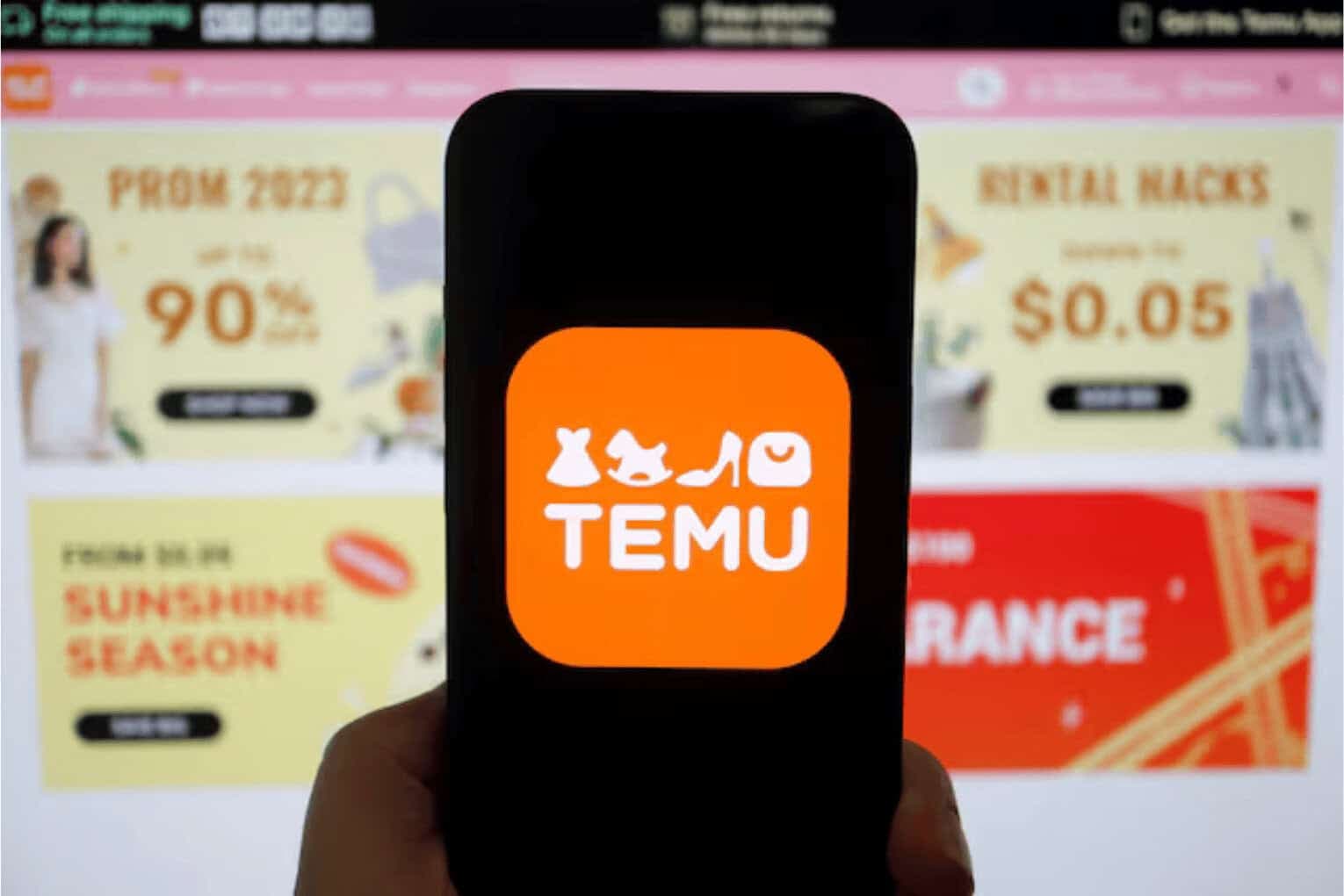
Temu Faces Government Oversight in South Africa

The South African government has announced new scrutiny of the Chinese online marketplace Temu, as concerns grow over its claims of operating local fulfilment infrastructure and its impact on domestic retail. The announcement was made by Park Tau, Minister of Trade, Industry and Competition, in response to parliamentary questions regarding Temu’s market conduct in South Africa. IOL+1

Minister Tau said his department has noted media reports that Temu recently launched what it describes as a “local warehouse” in South Africa. The facility is marketed as enabling faster delivery times in some cases under two days which has attracted attention from regulators and local stakeholders. He added that the country’s National Consumer Commission (NCC) will monitor the development and assess whether Temu’s operations comply with the Consumer Protection Act (Act 68 of 2008) and other relevant fair trading laws.

While the NCC has not yet received formal complaints specifically against Temu, the minister acknowledged that concerns raised in other jurisdictions including product quality, safety, and misleading marketing practices warrant closer examination. The NCC’s upcoming 2025/26 scoping of the e-commerce sector will evaluate these risks and determine whether further investigation is required.

Impact on Domestic Retail and Employment

The government’s focus on Temu comes amid mounting evidence of competitive pressure on South Africa’s local manufacturing and retail sectors. A report by the Localisation Support Fund estimated that Chinese platforms Temu and Shein achieved around R7.3 billion in sales in 2024, accounting for approximately 3.6 % of the total clothing retail market and 37 % of sectoral e-commerce sales. The same study estimated that up to 8,000 employment opportunities were either lost or never realised in local manufacturing and retail because of offshore e-commerce competition.

Minister Tau emphasised that developing a level playing field is a key goal: “Our e-commerce regulatory framework must safeguard domestic production without stifling innovation,” he said. The NCC’s planned review will seek to identify areas where offshore platforms may be undermining local competition, either through pricing practices, undisclosed import arrangements or misleading “local warehouse” claims.

Regulatory Response and Oversight

In his parliamentary address, Minister Tau outlined several regulatory avenues under review. First, the department is preparing to update the Consumer Protection Act and the Competition Act to better reflect digital-commerce realities, including cross-border imports, digital marketplaces and local fulfilment claims.

Second, the NCC will map the country’s e-commerce landscape during the 2025/26 financial year. The mapping will focus on the extent of local fulfilment, advertising claims, return policies, and payment protection for consumers. If sufficient evidence emerges, the NCC may launch formal investigations into offending platforms. “While no formal complaints have been received yet against Temu, the scoping process could lead to investigations where reasonable suspicion exists,” noted the minister.

The Temu Proposition and Local Claims

Temu entered the South African market in 2024, offering deeply discounted merchandise via mobile app and cross-border logistics. In mid-2025, the company introduced a labelled “local warehouse” feature that promised faster deliveries. However, the minister’s department clarifies that the facility is not Temu-owned but operated via third-party logistics providers. This distinction matters to regulators, who view transparency of local claims as a key compliance issue. BRICS Competition+1

Analysts in South Africa note that while Temu’s pricing model appeals to cost-conscious shoppers, the long-term sustainability of job creation and local value-chains remains open to question. The government’s concern is not only consumer protection but also the impact of “ultra-low-cost import models” on local industry.

Challenges Ahead for Regulation and Business

Regulating cross-border e-commerce platforms presents several challenges. Identifying effective local fulfilment, tracing true import value, and enforcing marketing standards across jurisdictions are complex tasks. The planned update of the Consumer Protection Act and Competition Act will require collaboration between customs, consumer affairs and trade ministries.

For Temu, the heightened regulatory risk adds another dimension to an already competitive market. Local retailers and platforms have raised concerns about price undercutting, labour displacement and unfair competition. If investigations proceed, Temu may face penalties, reputational damage or operational restrictions in South Africa.

Outlook for South Africa’s E-Commerce Sector

The government’s move signals a broader shift in how South Africa views e-commerce: not only as a growth engine but also as a regulatory challenge. As local digital adoption rises, South African policymakers are increasingly emphasising market fairness, local value-creation and consumer protection.

Platforms such as Temu, Shein and others will likely face closer scrutiny, especially concerning their claims of local fulfilment, price transparency and employment impact. In response, local platforms may gain regulatory advantage, while international newcomers will need to demonstrate adherence to South African laws and standards.

Conclusion

The announcement by Minister Park Tau marks a turning point in South Africa’s approach to offshore e-commerce platforms. While Temu continues to expand, the government is laying the groundwork for tighter oversight of online marketplaces, with the twin aim of safeguarding consumers and protecting domestic industry.

How Temu and similar platforms respond to this regulatory signal may determine their long-term viability in South Africa’s evolving digital economy. As the scope of oversight expands, the balance between global e-commerce growth and local competitive fairness will shape the future of the country’s retail landscape.