WORLDEF ISTANBUL 2026 - Early Bird Registration Ends Soon

Register Now

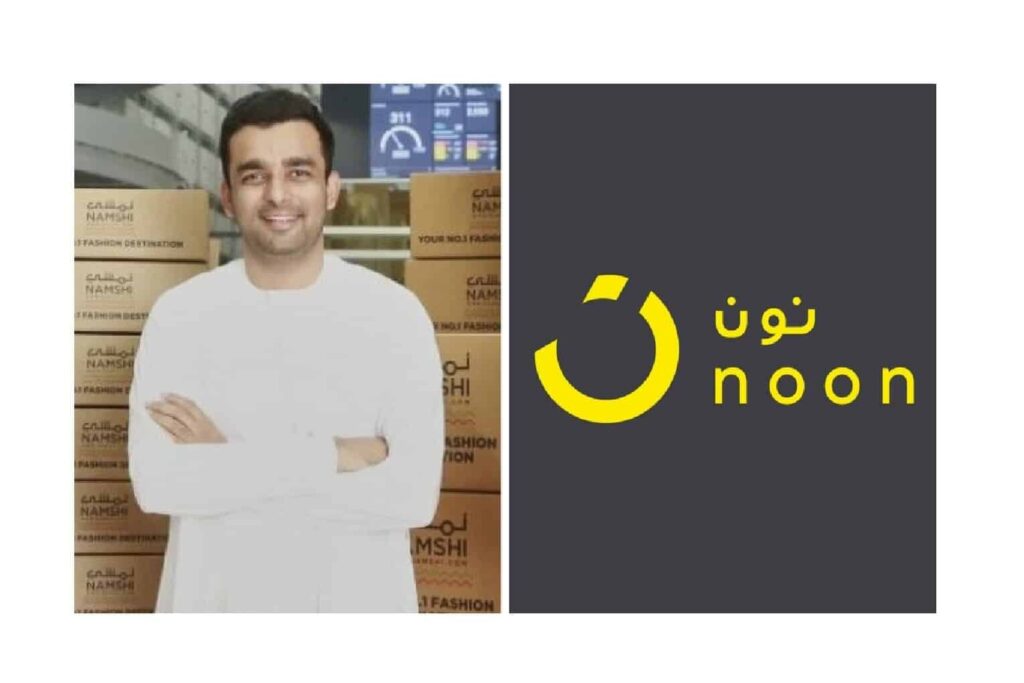
Swiggy Strengthens Board by Appointing Noon CEO Faraz Khalid

India’s leading online food delivery and quick commerce platform, Swiggy, has made a significant move to reinforce its board of directors. The company appointed Faraz Khalid, CEO of the prominent Middle Eastern e-commerce platform Noon, as an independent board member. This appointment comes as part of Swiggy’s transition to a more independent and strategic governance structure following its public listing in 2024.

Faraz Khalid is recognized as a seasoned leader with extensive experience in e-commerce and quick commerce sectors. As CEO of Noon, he has driven the company’s growth and helped establish it as a strong player in the regional market through innovative strategies. Additionally, Khalid played a key role as a co-founder of Namshi, a fashion platform that was acquired by Noon in 2023 through a significant investment. His broad expertise and vision are expected to contribute substantially to Swiggy’s future goals.

“Faraz Khalid’s involvement marks a critical turning point”

Swiggy’s founder and CEO, Sriharsha Majety, highlighted that Khalid’s addition to the board marks a crucial milestone in the company’s growth and innovation journey. He emphasized that Khalid’s strategic and operational experience will enhance Swiggy’s competitive edge in the industry.

Furthermore, to support sustainable long-term growth, Swiggy has reappointed Shailesh Haribhakti as an independent board member starting 2026 and appointed former Tata Group executive Cauveri Sriram as company secretary and compliance officer. These governance measures reinforce Swiggy’s commitment to improving corporate governance standards and boosting investor confidence as a publicly traded company.

These steps are key elements of Swiggy’s strategy to maintain its dynamic structure while strengthening its leadership position in the market.

Walmart Discloses Salary Data

Walmart is working to transform itself from a “grocery chain” into a “global tech giant.” In this process, the company is reshaping its workforce and placing greater emphasis on e-commerce. The disclosed salary data shows that the company is heavily investing in its tech employees. It also suggests that Walmart is enhancing its workforce to compete with rivals such as Amazon, AliExpress, and Google. The data particularly highlights the salary ranges for roles in software development and project management.

According to Walmart’s employee data, a software engineer can earn a base salary of up to $286,000. Company filings submitted to the U.S. Department of Labor show that Walmart aimed to hire around 1,750 foreign workers through the H-1B visa program in the first half of this year. This represents a significant increase compared to approximately 1,100 workers during the same period two years ago. Of Walmart’s 45,000 open positions worldwide, more than two-thirds are in Walmart stores and Sam’s Club warehouses, while approximately 550 are in tech and analytics roles.

How Much Do Walmart Employees Earn?

Here is a breakdown of Walmart salary data:

Software Engineers
• Software Engineer III: $99,244 – $234,000
• Senior Software Engineer: $115,167 – $234,000
• Staff Software Engineer: $127,292 – $286,000
• Principal Software Engineer: $152,027 – $286,000

IT Project Managers
• Senior Product Manager: $121,000 – $286,000
• Staff Product Manager: $136,500 – $286,000
• Principal Product Manager: $145,332 – $286,000

Data Scientists
• Data Scientist III: $108,000 – $234,000
• Senior Data Scientist: $127,304 – $234,000
• Staff Data Scientist: $138,333 – $286,000
• Principal Data Scientist: $158,642 – $286,000

Senior UX Designers
• Senior Design Researcher: $142,002 – $234,000
• Senior Product Marketing Manager: $154,357 – $234,000
• Director of Advertising Sales: $229,477
• Senior UX Designer: $155,000 – $234,000
• Senior Manager of UX Design: $183,227 – $286,000

Team Leaders
• Director of Software Engineering: $190,486 – $312,000
• Director of Data Science: $188,885 – $338,000
• Distinguished Architect: $184,827 – $338,000
• Director of Product Management: $201,323 – $338,000
• Senior Director of Product Management: $208,000 – $416,000

A Walmart spokesperson stated that the company’s compensation packages include base salary, bonus opportunities, and stock awards, and that Walmart invests in the career development of its employees. Walmart’s total global workforce stands at 2.1 million people, approximately 1.6 million of whom are based in the United States.

Chinese Ministry of Commerce Meets with Walmart

Lazada Philippines Empowers Sellers with AI-Driven Solutions

With advanced technology and ongoing learning opportunities, Lazada enables Filipino brands to become more competitive and better prepared for the digital marketplace. Many brands on the platform are leveraging AI in key areas such as inventory management, demand forecasting, and customer engagement to optimize their operations.

AI also offers significant benefits for small businesses. Tools that streamline time-consuming tasks—such as writing product descriptions and enhancing images—help sellers work more efficiently.

Lazada Launches Training Programs for Sellers

Lazada is also taking major steps in education. Through “Lazada University,” the platform regularly provides its sellers with training on marketing strategies, content creation, and platform innovations. These efforts help sellers adapt quickly to shifting market dynamics.

To broaden global perspectives, Lazada Philippines recently sent 11 high-performing sellers to the Lazada-Alibaba E-Commerce Executive Training Program at Alibaba Campus in Hangzhou, China. Participants received expert-led training on digital marketing, AI applications, and international brand management. They also visited the Alibaba Museum and other innovation hubs to witness cutting-edge technologies shaping the future of retail.

“Our Sellers Are the Cornerstone of Our Platform”

Carlos Barrera, CEO of Lazada Philippines, stated, “Our sellers are the cornerstone of our platform. Through our investments in technology and education, we are building a sustainable and inclusive e-commerce ecosystem where anyone in the Philippines can succeed.”

Pauline Castro, Head of User Product Operations at Lazada Philippines, added, “Our investments in AI aim to empower both established brands and aspiring entrepreneurs.”

Sellers on Lazada emphasize that AI also enhances the customer experience. Accurate demand forecasting improves inventory management and reduces delivery times. Targeted marketing and engaging product presentations help consumers find what they need more quickly and shop with greater confidence.


Marketplaces Account for 40% of Global E-Commerce Growth

Marketplaces Account for 40% of Global E-Commerce Growth

According to a new report published by Cymbio, a marketplace and social commerce infrastructure provider, marketplaces accounted for more than 40% of global e-commerce growth as of 2024. The same report states that direct-to-consumer channels contributed only 25% to this growth.

Marketplaces to Drive 53% of E-Commerce Growth by 2030

Cymbio’s analysis, supported by data from Capital One and eMarketer, forecasts that marketplaces will drive 53% of e-commerce growth by 2030. Daniel Hillyer from Cymbio’s Sales and Marketing Division emphasizes that the rapid increase in the number of brands today makes it difficult for consumers to find the right product, and that digital marketplaces serve as a search engine in this context.

Recently, many major retailers have turned to this model. Last year, Nordstrom launched its digital marketplace platform, while Walmart included the Premium Beauty category under its Marketplace. In March, Ulta Beauty announced a marketplace strategy to accelerate its online growth, and in April, Saks Fifth Avenue launched the “Saks on Amazon” initiative to sell selected luxury brands via Amazon.

According to Hillyer, the adoption of the marketplace model by these big names has changed the perception of this structure, which was previously viewed negatively by some brands. “Half of the brands we speak to clearly state that they want to be on the Nordstrom Marketplace,” he says.

New Brands Face Giants as They Enter the Market

However, joining this competition is not easy. As of 2025, new brands entering the market are up against giants like Amazon and TikTok Shop, which pursue aggressive pricing strategies. Amazon’s four-day Prime Day event could generate approximately $23.8 billion in online sales this year—a 28.4% increase compared to the previous year.

Since many brands are listed on the same marketplaces, offering discounts has become almost inevitable in order to stand out. Some platforms even absorb the cost of these discounts to attract consumers. Hillyer notes that players like TikTok Shop are implementing this strategy.

However, not all retailers can bear such financial burdens. For example, in its April financial presentation, LVMH stated that Amazon’s aggressive discounting strategy had negatively impacted Sephora’s digital growth. Therefore, many retailers prefer to step aside during major discount periods rather than trying to compete with Amazon.

Bol Opens to Non-EU Sellers

Bol.com has opened its doors to e-commerce sellers outside the European Union (EU). Accordingly, the first 100 sellers are expected to join the platform in 2025. The company emphasizes that it will apply strict quality controls, especially for products coming from countries such as China. Products must be stored within Europe.

Unlike the five largest e-commerce markets in Europe, Amazon is not the market leader in the Netherlands and Belgium. Bol has maintained its leadership in both countries for years. The platform has a trade volume of €5.9 billion, revenues of €3.1 billion, and an operating profit (EBITDA) of €185 million. However, Amazon is closing the gap.

Bol Opened to EU Sellers in 2011

Bol opened its platform to third-party sellers in 2011. The number of partners—first from the Netherlands and Belgium, then from other European countries—exceeded 50,000. At one point, about two-thirds of Bol’s total trade volume came from these third-party sellers. In recent years, this ratio dropped to half, along with a slight decline in the number of partners. Like Amazon, Bol also offers services in areas such as logistics and advertising.

On the other hand, Bol is increasingly facing pressure from international e-commerce competition, especially from China. In response, the market leader is now opening its platform to non-EU sellers.

“We Don’t See a Major Direct Impact from Foreign Competitors’ Growth”

Oscar Hundman, Bol’s Director of E-Commerce, said in a statement, “We are doing quite well.” He added: “When we look at ourselves, we don’t currently see a major direct impact from the growth of foreign competitors. However, we do notice that there is a change in the market, and we want to be part of this change.”

Regarding the broader expansion of the platform, Hundman said: “We see that consumer needs are changing. People are increasingly aware that great products are available all around the world. We want to respond to this and eliminate any reason for consumers to turn to other platforms—especially those that sell poor-quality products.”

“Quality Is Not a Promise—It Is a Requirement”

Hundman stated that Bol is not aiming to add a large number of new products or sellers all at once. Instead, the company wants to expand its range with products not currently available on the site. He emphasized the importance of the quality of both sellers and products, noting that storing products in Europe is mandatory: “For us, quality is not a promise—it is a requirement. That’s why we can’t open the platform completely at this stage.”

According to Hundman, opening to high-quality sellers outside the EU will help Bol “remain as local as possible in the eyes of consumers.” “As long as customers keep coming to us to shop, we can keep much larger competitors at bay.”

Nolsa.com: A Digital Success Story Shaped by Innovative Vision and Powerful Leadership

In the rapidly evolving world of e-commerce shaped by digital transformation, standing out requires more than robust infrastructure—it also calls for compelling leadership stories. Nolsa.com, one of Türkiye’s emerging e-commerce brands, is a prime example of this principle. Behind the company’s success stands General Manager Sevda Akçaoğlu, a visionary leader whose approach blends innovation, strategy, and human focus.

A Vision-Driven Transformation

Nolsa.com was launched in 2022 as a marketplace focused on the electrical and electronics category. From the beginning, the company’s mission was clear: to support small businesses. By offering lower commission rates and faster payment terms, they provided a solution to manufacturers burdened by high fees and long payment cycles.

  • “One of our biggest goals is to strengthen the competitiveness of small businesses. Supporting them means contributing to the national economy.” – Sevda Akçaoğlu

This local focus was soon reinforced through collaborations with major brands. The next strategic goal was global expansion—leading Nolsa to develop digital infrastructures and export panels aimed at introducing Turkish manufacturers to international markets.

Leadership Philosophy: Embracing Technology, Staying Human-Centered

With a background spanning finance, marketing, and operations management, Akçaoğlu has cultivated a forward-thinking leadership style. For her, success is not solely measured by sales volume but by delivering value to customers and building long-term trust.

  • “Success is not just about managing today—it’s about foreseeing the future and starting to build it now.”

In team management, she emphasizes transparency, fairness, and responsibility. Her ability to think solution-oriented during crises sets her apart as a modern and adaptive leader.

An AI-Powered E-Commerce Ecosystem

At Nolsa, artificial intelligence is not seen as a mere tool but as the core of the business model. From customer experience to operations, AI is integrated into every facet of the company’s processes:

  • Enhancing product descriptions with unique, AI-generated content
  • Generating visual blog summaries using AI
  • Adding frequently searched questions to category pages
  • Optimizing Excel-based reporting processes
  • Developing intelligent recommendation engines

These technological investments not only improve customer satisfaction but also enhance operational efficiency and support sustainable growth.

  • “We don’t see AI as just a tool—we see it as an inseparable part of our business processes.” – Sevda Akçaoğlu

Sources of Inspiration and Lifestyle

Akçaoğlu draws inspiration from visionary leaders like Elon Musk and finds motivation in the success stories of Turkish entrepreneurs. Despite a busy schedule, she prioritizes exercise and spending time with her family.

Her daily routine includes morning planning sessions, managing various company operations throughout the day, and keeping up with industry developments in the evenings. Thinking about new business ideas has become a personal passion.

Future Plans and Global Vision

In the short term, Akçaoğlu aims to strengthen her brands’ position in Türkiye by enhancing customer satisfaction and delivering innovative solutions. Her long-term goals include expanding Onvec globally and investing in high-value technology projects, especially in areas like artificial intelligence and IoT.

  • “Our biggest goal ahead is to take the success we’ve achieved in Türkiye and replicate it in international markets. We’re developing localized strategies tailored to each region’s dynamics.”

A Leader at the Intersection of Technology, People, and Vision

Sevda Akçaoğlu’s leadership is more than a company success story—it represents a holistic management model that fuses technology, customer experience, and human focus. Under her vision, Nolsa.com is not just keeping up with industry trends; it’s actively shaping them.

Who is Nolsa.com CEO Sevda Akçaoğlu?

Sevda Akçaoğlu studied at both Kocaeli University and Anadolu University, gaining knowledge and experience across multiple disciplines. From her university years onward, she showed a keen interest in commerce and entrepreneurship—experiences from that period played a pivotal role in shaping her career path.

Her first professional experience began at Next & Nextstar, where she learned the importance of building a strong brand in the technology sector. The knowledge she gained there provided valuable insights that would later guide her as she founded her own ventures.

Akçaoğlu has worked across various industries, including e-commerce, smart home systems, and electronics. These diverse experiences helped her build a broad and adaptable skillset.

One of her most transformative experiences was founding the brand Onvec. The challenges she faced in both production and sales enhanced her ability to manage operations and develop strategic solutions. A major milestone in her career was when Onvec began selling on Amazon US—marking a significant step toward global competitiveness.
Axian Telecom Plans to Acquire Jumia Technologies

Axian Telecom announced its plan to acquire Jumia Technologies. To finance this acquisition, the company recently raised $600 million by restructuring its debt. Although no final decision has been made yet, the company sees this potential acquisition as a strategic move to support its growth across Africa.

Headquartered in Mauritius, Axian Telecom operates in markets such as Tanzania, Madagascar, Comoros, Senegal, and Togo. The potential acquisition of Jumia Technologies aligns with the company’s strategy to expand and diversify its presence in the rapidly growing African fintech sector through acquisitions and joint ventures.

Jumia to Be Delisted

Known as the “Amazon of Africa,” Jumia has a market capitalization of around $500 million. The company, which has been publicly traded on the New York Stock Exchange since 2019, may be delisted following the acquisition.

In an interview, Jumia CEO Francis Dufay stated that the company is working to regain investor confidence. The company’s share price has fallen by more than 90% since its peak six years ago and by 60% in the past year alone.

The company is struggling to compete with Chinese rivals like Temu. Dufay noted that following cost-cutting measures and decisions to exit certain markets, Jumia aims to reach break-even by 2027.

Jumia Opens Largest Integrated Warehouse in Egypt

Meanwhile, Jumia has opened its largest integrated warehouse in Egypt, located on the Suez Road in Cairo. Covering an area of over 27,000 square meters, the facility serves as an integrated logistics hub aimed at improving storage and distribution efficiency, particularly in underserved regions like Upper Egypt.

Through its ecosystem, Jumia is expected to generate thousands of direct and indirect jobs in the coming years. This latest investment reflects Jumia’s ongoing pursuit of growth and innovation in e-commerce and strengthens its mission to enhance accessibility, affordability, and economic inclusion across Africa.


Africa’s Largest Marketplace: Jumia

Amazon UAE Launches “Amazon Bazaar” Focused on Affordable Products

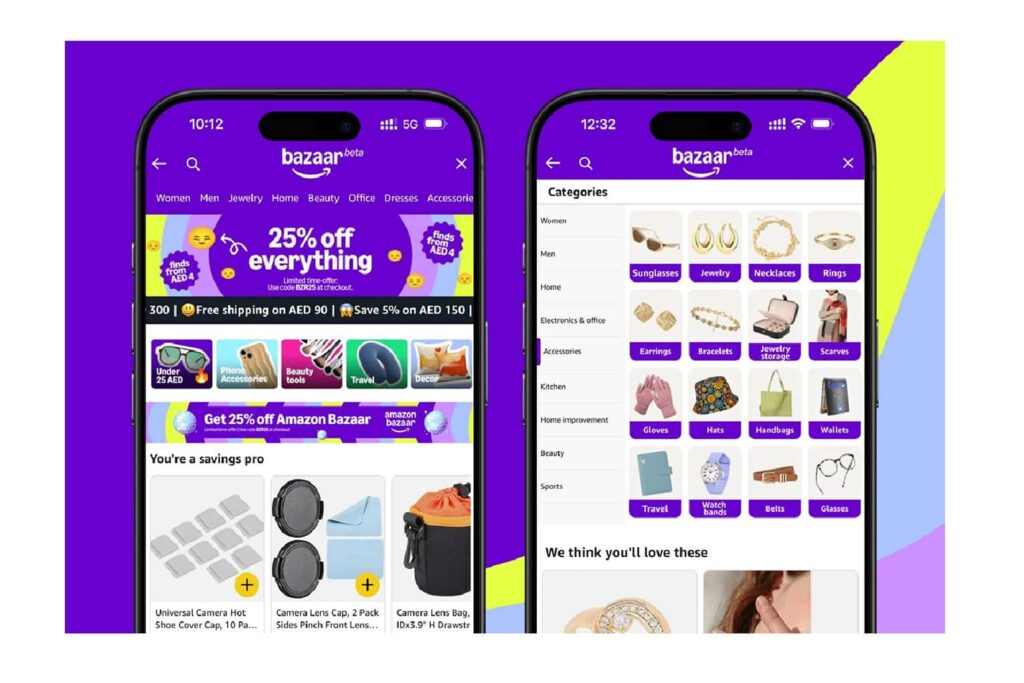
Amazon Bazaar has been rolled out in the United Arab Emirates (UAE). Products are offered starting from AED 4, and as a special launch promotion, a 25% discount is applied to all orders during the first month. Amazon Bazaar is currently in beta and accessible only to selected users in the UAE, with a full rollout expected in the coming weeks.

Amazon Bazaar offers a new shopping experience that allows users to conveniently explore affordable and trendy products across categories such as fashion, home, and lifestyle. It is featured as a dedicated section within the Amazon.ae app and includes its own search, cart, and checkout features. The platform has a vibrant, user-friendly, and intuitive interface. Customers can purchase items priced at AED 25 (approx. $7) or less, with some items starting at AED 4 (approx. $1.09).

“Amazon Bazaar Will Make Shopping Enjoyable”

Stefano Martinelli, Vice President of Amazon MENA, said: “Amazon Bazaar offers Amazon.ae customers a fun, easy, and engaging experience from discovery to checkout. Customers can enjoy shopping from the comfort of their homes while exploring great deals. With Bazaar, we offer a wide range of products starting from as low as AED 4. Throughout July, we’re providing additional discounts while continuing to deliver the reliable service and convenience Amazon is known for.”

15-Day Free Returns for Most Products

Amazon Bazaar features affordable and trendy products. Most items are priced at AED 25 or below, with some available for just AED 4. A 25% discount is applied to all orders in the first month, while orders above AED 150 receive a 5% discount and orders over AED 300 receive a 10% discount. The integrated platform promises a colorful and engaging user experience with reliable delivery and returns. Free shipping is offered on orders above AED 90 (delivery within 6–12 days), and most items are eligible for 15-day free returns.

Full Rollout Coming Soon

Customers can access Amazon Bazaar by tapping the new “Bazaar” icon in the Amazon.ae app or by searching for “Bazaar.” The platform is also accessible via mobile browsers at amazon.ae/bazaar. While the service is currently available in beta to a limited number of users, it is expected to be fully launched in the near future.


Amazon Expands Fast Delivery Network in Rural Areas of the U.S.

Amazon Expands Fast Delivery Network in Rural Areas of the U.S.

The company plans to offer same-day or next-day delivery services to more than 4,000 small cities, towns, and rural regions across the U.S. by the end of the year.

Previously, the company announced that it would spend $4 billion by the end of 2026 to triple its rural delivery network. In a statement made by Amazon, the following was said: “This expansion is not just about speed; it’s about transforming daily life for rural customers who live far from physical stores, have fewer product and brand choices, and limited delivery alternatives when shopping online.”

$233 Million Delivery Investment in India

Meanwhile, Amazon also announced that it will invest in shortening delivery times in India. The company stated that it will invest $233 million to strengthen its operations across the country.

This investment includes the modernization of delivery infrastructure, safety and welfare programs for delivery personnel, and the development of new technologies.
With these investments, Amazon will establish delivery centers closer to customers. It will utilize technologies that enable faster movement of products. These steps will also make the work of sellers, delivery staff, and logistics operators easier.

$54 Billion Investment Plan in the UK

On the other hand, Amazon plans to invest approximately $54 billion in the United Kingdom over the next three years. With this investment, the company will expand its warehouse network and artificial intelligence infrastructure to strengthen its e-commerce and cloud operations. The UK government interpreted this decision as a sign of confidence in its economic policies.

The UK is Amazon’s third-largest market after the U.S. and Germany. It is stated that this expansion in the UK will create thousands of new jobs. The company currently employs 75,000 people in the country. According to these figures, Amazon is among the largest private sector employers in the UK.


Amazon VP Marseglia: E-commerce and Physical Retail Will Coexist

Amazon VP Marseglia: E-commerce and Physical Retail Will Coexist

Predicting a future “where e-commerce and traditional commerce will coexist,” Marseglia stated, “Customers don’t prefer only physical stores or only e-commerce; they use both.”

Marseglia: Online Stores Are a Complementary Service to Traditional Retail

Emphasizing that consumers need both online and physical store options, Marseglia said that the industry should address both sides. She noted that online stores like Amazon offer a perfect way to access special or rare products that physical stores cannot stock due to space limitations. She continued:
“When I started working at Amazon, I was leading the books division. We offered millions of books on our endless shelves, including foreign language books and rare books. A regular bookstore cannot accommodate these products. So this is a complementary service to traditional retail.”

Citing the example of UK-based supermarket chain Morrisons, which offers delivery services via Amazon, Marseglia said, “This model has been successfully run alongside physical stores and their own online delivery services.”

“Customers Are Delaying Purchases”

Marseglia noted that rising living costs have had a significant impact on customers’ spending habits: “What we observe is that people are becoming a bit more conscious in their spending. They focus more on basic needs and act more cautiously when deciding on long-lasting products. For example, they used to replace a washing machine every 10 years; now they are delaying this even further. They are postponing such purchases. Also, they are showing much more interest in promotional campaigns. They wait for these periods to seize opportunities and save money.”

“More Than 127,000 European SMEs Operate on Amazon”

Marseglia stated that more than 127,000 European-based SMEs operate on Amazon and added: “We are not a disruptive force. On the contrary, we are a catalyst for their growth, an ally. Thanks to a company like Amazon, the job of SMEs becomes easier. Because we, for example, allow them to export abroad very easily.” She also noted that Amazon has contributed €41 billion to the European Union economy — a figure equivalent to the entire economy of Latvia or Estonia.

Underlining that the business environment in Europe is more challenging compared to the United States, Marseglia continued: “The U.S. market consists of a single large common market. In Europe, we must do more to make it a single market because it still functions like 27 different markets. As a large and established company, we can handle this. But for small businesses selling on our platform, it is much more difficult. Dealing with complex regulations and legislation is much more burdensome for them.”

Amazon Employs Around 230,000 People Across the Continent

Amazon is the market leader in the largest e-commerce markets in Europe. Last year, its revenue in Germany increased by 8.7%, while its revenue in the United Kingdom grew by 12.7%. An increasing portion of its revenue comes from advertising sales, as the company continues to leverage its wide reach in this way. Last year, Amazon invested €55 billion in the European economy. It employs approximately 230,000 permanent workers across the continent.