WORLDEF ISTANBUL 2026 - Upcoming Event

Register Now

Code Error at Amazon Causes Disruption in E-Commerce Infrastructure

Amazon

During a meeting held by Amazon engineers, code written for testing purposes accidentally affected the live system and caused disruptions in some e-commerce services.

It was stated that some of the outages were linked to Amazon’s artificial intelligence coding assistant Q. Following the outage, a 90-day code security reset was initiated across critical engineering systems. The disruption was detected and resolved in a short time. However, the incident once again demonstrated that even a small code change on large-scale e-commerce platforms can affect millions of users.

Amazon is preparing to launch a comprehensive internal review regarding artificial intelligence–assisted software development processes and potential system outages that have recently come to the agenda. The company’s engineering teams and senior executives are planning a series of meetings, particularly to address the impact of AI-assisted code generation on system security and operational continuity.

Code Generation Tools Are Increasing at Amazon

In recent years, Amazon has rapidly increased the use of artificial intelligence–based code generation tools in its software development processes. While these tools help developers write code more quickly, some experts point out that automatically generated code could pose risks if it is integrated into live systems without sufficient testing.

At the center of the discussions are certain technical outages experienced within Amazon’s infrastructure and the question of whether these outages are related to AI-assisted development processes. During internal meetings, engineers are expected to examine the possible causes of system disruptions in detail and conduct evaluations particularly on testing processes, code verification mechanisms, and the security of automation tools.

Millions of Sellers and Hundreds of Millions of Customers in the E-Commerce Infrastructure

Amazon’s technology infrastructure supports a massive e-commerce ecosystem that serves millions of sellers and hundreds of millions of customers. For this reason, even a small software error can create impacts on a global scale. Therefore, the company aims to establish stronger control mechanisms and security layers in artificial intelligence–assisted software development processes.

According to experts, although code generation with artificial intelligence accelerates software development processes, human oversight, comprehensive testing procedures, and secure deployment policies remain critically important. It is stated that the evaluation process initiated by Amazon could serve as an important reference for how AI-assisted software development practices should be managed across the technology sector.

Amazon: It Was Not Caused by Code Written by AI

Amazon stated that some claims reported in the media do not fully reflect the reality and said that the comments suggesting the outages were caused by code written by artificial intelligence are not correct. The company emphasized that it continuously improves infrastructure security and system resilience and that its engineering teams regularly review system performance.

German Competition Authority Banned Amazon’s Price Controls Over Sellers

Germany’s competition authority ruled that Amazon would no longer be allowed to influence the prices of third-party sellers on its local marketplace and stated that this practice distorted competition. Bundeskartellamt also decided that approximately 59 million euros in economic benefits linked to the practice would be clawed back from Amazon.

Germany’s national competition authority Bundeskartellamt announced that it had decided that the methods long used by Amazon to steer the prices of third-party sellers on its German marketplace were unlawful. The decision, taken in coordination with the European Commission, required the U.S.-based e-commerce giant to change its policies and refrain from interfering with prices except in limited exceptions.

Amazon operates a marketplace on Amazon.de that hosts both its own retail business and hundreds of thousands of independent sellers. According to the competition authority, these sellers account for approximately 60 percent of sales on the platform; they set their own prices and also bear the financial risk of their activities.

Amazon Restricted the Visibility of Offers With Prices That Did Not Meet Its Own Expectations

Bundeskartellamt President Andreas Mundt said that the investigation found that Amazon used mechanisms that restricted the visibility of offers with prices that did not meet its own expectations. These practices included excluding such offers from the Buy Box, which was presented to customers as the default purchasing option, or removing them entirely from the platform.

Mundt stated that this approach could distort competition and lead to the “manipulation of the price level on the platform,” adding that Amazon could gain an unfair advantage over other online retailers in this way. He emphasized that restricting the visibility of legitimate sellers solely because their prices were considered “high” was unacceptable.

59 Million Euros to Be Recovered

According to the decision, Amazon would be required to revise its system and would only be allowed to intervene in seller pricing in exceptional cases such as clear price gouging. Such interventions would need to comply with detailed rules set by Bundeskartellamt.

As a notable step, the competition authority exercised its power to recover economic benefits obtained from practices that violated competition law. Since the infringement was found to be ongoing, the amount to be recovered was initially set at approximately 59 million euros. Amazon has one month to appeal the decision.

Mundt also stated that Amazon did not have to control prices in order to offer low prices. He said that reducing the fees and commissions paid by sellers to Amazon could encourage retailers to offer more competitive pricing.

Total Sales Volume on Amazon.de Exceeded 50 Billion Euros

Amazon.de is by far the clear leader in Germany’s e-commerce market. According to sector data, e-commerce revenues in the country reached approximately 40 billion euros in 2024, partly driven by strong growth in online advertising. Figures for 2025 had not yet been published at the time the decision was announced.

Bundeskartellamt stated that total sales volume on Amazon.de had exceeded 50 billion euros and that the majority of this volume was generated by third-party sellers.

Drawing attention to the fact that approximately 60 percent of all online sales in Germany were conducted through this platform, the authority emphasized that Amazon’s impact extended beyond digital commerce and was also felt in the physical retail sector. The decision showed that scrutiny of pricing practices by dominant platforms was increasing and that competition authorities were prepared to take stronger action against practices they believed undermined fair competition.

German Court Strikes Down Amazon’s Unilateral Prime Price Rise

Amazon Reports Record Q4 Sales; Forecasts $200 Billion Capital Expenditure for 2026

Amazon has released its fourth-quarter (Q4) earnings report for 2025. The e-commerce giant set a record with $213.4 billion in revenue, surpassing Wall Street expectations. However, the company’s shares declined after it announced that it expects to increase its capital expenditures by 50% to $200 billion in 2026 as it seeks to ramp up its competition in the AI space.

Amazon closed the final quarter of the year with a strong 14% increase in net sales. The company’s net income for the quarter was $21.2 billion, reflecting a 5.9% year-over-year increase and translating to $1.95 per share. Despite these positive figures, earnings slightly missed analyst expectations.

The e-commerce giant’s advertising revenues grew by 23% in the quarter, reaching $21.32 billion, slightly exceeding projections. This revenue includes ads on Prime Video and various other digital advertising products. Additionally, Amazon’s subscription services, including Prime memberships and digital content offerings, grew by 14%, reaching $13.12 billion for the quarter.

Amazon’s Capital Expenditure Increase and Layoffs

Amazon CEO Andy Jassy announced that the company plans to significantly increase its capital expenditures for 2026, forecasting a 50% increase to $200 billion. A large portion of this investment will be directed toward Amazon Web Services (AWS), the company’s cloud computing division, to expand in AI, robotics, and other high-tech innovations.

“We expect to invest $200 billion in capital expenditures across Amazon in 2026 and anticipate strong long-term returns on these investments,” Jassy stated. In 2025, Amazon reported a total capital expenditure of $131.82 billion, with a significant portion allocated toward expanding its AI infrastructure.

However, this ambitious expansion plan comes after major layoffs. A week ago, Amazon announced it had laid off 16,000 corporate employees following a previous round of 14,000 job cuts. These 30,000 layoffs represent nearly 10% of Amazon’s previous corporate workforce.

Prime Video, NFL, and Delivery Milestones

Amid these changes, Amazon continues to make significant investments in content and services. The company highlighted that Prime Video now reaches 315 million monthly viewers globally, up from 200 million in mid-2024. Ads on Prime Video are now active in 16 countries.

In the world of sports, Amazon announced that its fourth season of NFL streaming on Prime Video has achieved the highest viewership to date. The Packers-Bears wildcard playoff game became the most-watched NFL game on Prime Video, reaching 31 million viewers.

Additionally, Amazon reported that its delivery times for Prime members reached their fastest levels ever in 2025. This marks the third consecutive year of improvements in delivery speed. In the U.S., over 8 billion items were delivered to Prime members the same or next day in 2025, showing a 30% increase compared to 2024.

Focusing on AI, robotics, and satellite technologies, Amazon continues to pursue growth and innovation despite challenges in its workforce and market expectations.

Amazon Q3 2025 Revenue Up 13% as AWS and AI Drive Profit Growth

Takealot Expanded Its Instant Delivery Service to Durban

Takealot announced that TakealotNOW has launched in selected neighborhoods of Durban, including Morningside, Berea, Westville, and parts of Durban North. Users in these areas can access a wide range of products, including technology, books, DIY products, beauty items, and household goods, delivered within minutes.

The company stated that this expansion reflects changing expectations around speed and convenience. According to Takealot, the service is positioned for consumers with busy lifestyles who prefer fast delivery over traditional delivery timelines.

Users can access the service by selecting the “Get it Now” option on eligible products in the Takealot app. Orders are fulfilled by logistics partner Mr D, which handles last-mile deliveries. In addition, users can also view the TakealotNOW store via the “Shops” section in the Mr D app.

From Pilot Project to Nationwide Expansion

TakealotNOW was launched as a pilot project in 2023 and scaled rapidly alongside rising demand for instant shopping in South Africa. The service had previously expanded to the greater Cape Town metropolitan area, Johannesburg, and Pretoria; Durban became the latest addition to this expansion chain.

Takealot stated that this expansion is part of a broader strategy to strengthen its position in the globally growing fast commerce segment. Consumers’ increasing preference for faster delivery for both essential goods and high-value products has been among the key factors supporting this strategy.

Takealot Subscription Model and User Benefits

Subscription users also directly benefited from the expansion. Users subscribed to TakealotMORE, priced at 99 Rand per month, receive unlimited free TakealotNOW deliveries, along with exclusive discounts and coupons. The company emphasized that this model offers access to products within minutes while enabling savings on delivery fees.

Data shared by Takealot revealed a diversification in consumer behavior on the platform. Over the past three months, the most popular TakealotNOW products by sales volume consisted mainly of everyday essentials, such as pet food, laundry detergent, health supplements, beauty gift sets, and wireless earbuds.

However, analyses based on gross merchandise value (GMV) showed that users also utilized the instant delivery service for higher-priced products. Smartphones, gaming consoles, tablets, and small home appliances such as digital air fryers stood out among the leading products in this category.

According to the company, this picture demonstrated growing consumer trust in instant delivery for both routine purchases and high-budget items.

As Takealot continues to expand TakealotNOW into new urban centers, it positions the service as a response to the South African e-commerce market, where speed, flexibility, and convenience increasingly influence purchasing decisions.

Walmart Becomes the First Traditional Retailer to Reach a $1 Trillion Market Value

Walmart’s market value exceeded the $1 trillion mark after its stock price rose more than 3% on Tuesday. The recent surge in the stock price, gaining momentum in recent months, was driven by strong demand from price-sensitive consumers in a period of persistent inflation and signs of a cooling labor market.

The shift in consumer behavior, with higher-income consumers turning to lower-priced products, has strengthened Walmart’s core value proposition. Additionally, its fast and reliable home delivery services attracted households from different income groups, reinforcing the company’s position in both physical and digital retail.

Walmart Reports Strong Sales Growth in November

In its most recent financial results published for November, Walmart reported strong sales growth in key categories including food and apparel. Company executives noted that Wal mart’s scale provided protection against economic pressures, which were challenging smaller competitors.

John David Rainey, Walmart’s Chief Financial Officer, highlighted in a statement made at the time that the company’s pricing approach had “better protected it than almost anyone else,” emphasizing resilience in a tough consumer environment.

AI Investments and Digital Transformation Shift Perception

The positive sentiment on Wall Street also reflected Wal mart’s aggressive investments in artificial intelligence and digital capabilities. Investors began to view the company not just as a traditional retailer but as a tech-enhanced player.

Wal mart’s e-commerce sales in the U.S. rose by 28% in the three-month period ending on October 31, driven by growth in online orders and digital advertising. This performance positioned Walmart as a stronger competitor to Amazon. However, Amazon’s market value still remains around $2.6 trillion.

In October, Walmart announced a partnership with OpenAI, enabling customers and Sam’s Club members to use chat-based tools to plan meals, replenish essential items, and discover new products. Company executives positioned AI as a key driver of efficiency and customer engagement moving forward.

Wal mart’s decision late last year to move its shares from the New York Stock Exchange to the tech-heavy Nasdaq also strengthened its goal of being perceived as a digitally focused company. This historic milestone was surpassed in the first week of John Furner’s leadership at the company. Furner, who previously managed Walmart’s U.S. operations, is known as a strong advocate for technology investments.

Walmart Joins an Elite Club

Wal mart became the first traditional retailer to reach a $1 trillion market value. This club remains largely composed of technology giants, although Berkshire Hathaway reached this level in 2024. Pharmaceutical company Eli Lilly briefly surpassed the $1 trillion mark late last year but later fell below this level. For Walmart, this valuation stands out as a significant indicator of how a decades-old retail giant is reshaping itself in a period of changing consumer habits and accelerating technological transformation.

Walmart CEO Doug McMillon to Retire in 2026; New CEO John Furner to Take Over

Saks Global Decided to End Its Partnership With Amazon

Saks Global took a step toward closing its luxury store on Amazon, one of the high-profile partnerships aimed at expanding its digital reach.

According to a Reuters report, this decision was taken as part of the comprehensive restructuring process carried out by the US luxury retailer following its Chapter 11 bankruptcy filing at the beginning of January.

While the move was considered a setback for Amazon’s goals of gaining a stronger position in high-end retail, it also brought renewed attention to luxury brands’ concerns about being present on mass-market e-commerce platforms.

Saks Plans to Redirect Traffic to Its Own Platform

According to a source close to the matter who spoke to Reuters, Saks plans to redirect online traffic back to its own website, saks.com, by closing the online store called “Saks on Amazon.” The same source stated that brand participation on the Amazon store remained limited and conveyed that some leading luxury brands expressed concerns that selling on a mass-market-oriented platform could weaken their brand positioning.

While Saks did not make a public statement on the matter, a brief statement from Amazon said that beyond the Saks experience, Amazon’s luxury store continues to offer a broad range of high-end brands and regularly adds new luxury brands.

The partnership between the two companies had already been under pressure after Saks Global filed for bankruptcy on January 14. The company had announced that it was reassessing its operational footprint, but had not made a clear statement on whether it would cancel the Amazon agreement as part of the bankruptcy process. Recent developments, however, revealed a shift in strategic direction.

Bankruptcy Pressure and Withdrawal From Off-Price Sales

The decision to end the Amazon partnership came immediately after other major downsizing steps by Saks. According to a separate Reuters report published a day earlier, the company was preparing to shut down most of its off-price-focused operations. This included the majority of Saks Off 5th stores and the entirety of the Neiman Marcus Last Call brand.

In its bankruptcy filing, Saks stated that the off-price division had become a significant financial burden for the company, noting that Saks Off 5th, including both physical stores and e-commerce operations, was expected to incur a loss of USD 139 million in fiscal year 2025.

Saks Global had been formed about a year earlier through the combination of Saks Fifth Avenue, Bergdorf Goodman, and Neiman Marcus. While attempting to stabilize its financial structure, the company clearly shifted its focus back to full-price luxury sales.

Amazon’s Investment and Legal Objection

Amazon had made an equity investment in Saks Global during the company’s formation in 2024. After the bankruptcy process began, Amazon filed an objection in court, arguing that its investment had become “presumptively worthless.” It also claimed that certain terms of the USD 1.75 billion financing secured by Saks were unfavorable to creditors.

Despite this, Amazon stated that it remains committed to its own luxury retail offerings independent of the Saks store and continues to work with selected brands.

Broader Implications for Luxury Retail

Industry observers noted that Saks’ decision to withdraw from Amazon reflected the structural pressures facing traditional department stores. As consumer traffic increasingly shifts to digital channels, the number of luxury stores is expected to decline, while the resulting vacancies may create new expansion opportunities for off-price and beauty retailers.

For Saks, the move away from Amazon represents a transition to a digital strategy that prioritizes direct customer relationships and brand control. As the company seeks to redefine its position in a rapidly changing retail environment, this step is regarded as a significant strategic shift.

The Biggest Layoff Wave in Recent Years at Amazon: 16,000 People Will Be Affected!

The Biggest Layoff Wave in Recent Years at Amazon: 16,000 People Will Be Affected!

Amazon plans to layoff approximately 16,000 positions globally, primarily within Amazon Web Services (AWS). The plan came to light after an internal email that informed employees in advance about the upcoming layoffs was mistakenly sent. It was stated that this plan is part of a broader restructuring process aimed at reducing bureaucracy and reshaping the corporate workforce.

The internal email in question was mistakenly sent on Tuesday night. The email message, which was understood to be erroneous, caused confusion among teams before Amazon made its official announcement on Wednesday morning. Amazon did not provide a detailed explanation regarding which teams or countries would be affected by the layoffs. However, it was noted that this step is a continuation of a comprehensive corporate downsizing plan that had been previously signaled.

The Mistakenly Sent Email Created Confusion Within AWS

According to information reviewed by Reuters and the BBC, the confusion began when a draft email signed by “Colleen Aubrey” was mistakenly sent to employees. Aubrey’s message, who is the Senior Vice President responsible for Applied Artificial Intelligence Solutions at AWS, had been embedded in a calendar invitation sent to employees. The title of the invitation was “Send Project Dawn email.” This phrase referred to the internal code name used by Amazon for the layoffs.

The email stated that some employees in the United States, Canada, and Costa Rica had been informed that they had been laid off. However, at that time, no official notification had yet been made to the affected employees. Employees who received the message stated that the related meeting planned for Wednesday was canceled shortly afterward and that the uncertainty increased even further.

The message emphasized that the layoffs were part of ongoing efforts to strengthen the company. It also stated that such changes were difficult but necessary for the future success of Amazon and AWS. Amazon did not initially respond to requests for comment regarding the erroneous sending.

Amazon Enters a Broad Restructuring and Strategic Change

Early on Wednesday, Amazon officially announced that it would carry out layoffs of approximately 16,000 people in order to streamline operations and reduce organizational layers. This announcement came after the elimination of approximately 14,000 corporate positions in October. In addition, the company had also reported that it made additional layoffs this week as part of its plan to close Amazon Fresh and Amazon Go branded stores or convert some of them into Whole Foods stores.

Sources close to the matter who spoke to Reuters stated that some roles within AWS, retail operations, Prime Video, and human resources units would be affected. However, the full scope of the cuts was not shared with the public. Although these layoffs constitute a small portion of Amazon’s global workforce of approximately 1.5 million people, they correspond to about 10 percent of corporate employees.

These steps are considered part of the cost-cutting policies carried out under the leadership of Andy Jassy, who took office after founder Jeff Bezos stepped down from the CEO position four years ago. During this period, Amazon introduced a requirement to work from the office five days a week and began implementing stricter controls over corporate spending.

Beth Galetti Addressed Employees Regarding the Layoffs

Beth Galetti, Amazon’s Senior Vice President of People Experience and Technology, confirmed the scope of the layoffs and explained the company’s rationale in a message she shared with employees on Wednesday. Galetti stated that this step is a continuation of the efforts announced in October to reduce layers within the organization, increase ownership, and eliminate bureaucracy.

Galetti said that the changes would affect approximately 16,000 roles across Amazon and stated that they were working to provide support to affected employees. She noted that the majority of U.S.-based employees would be given 90 days to find a new position within the company, while international processes would vary according to local regulations. She added that employees who are unable to find a new role within Amazon or who choose not to pursue this option would be provided with benefits such as severance pay, career transition support, and, where applicable, health insurance.

Galetti also addressed concerns that the company would carry out broad layoffs every few months, stating that this was not Amazon’s plan. However, she emphasized that teams would continue to evaluate their speed and capacity to innovate for customers. Galetti also added that Amazon would continue hiring and investing in strategically important areas.

The Ongoing Transformation Process

Amazon had previously linked the layoffs to the increased use of artificial intelligence and the improvement of operational efficiency in its earlier statements. In Galetti’s blog post published in October, it was also stated that the company was likely to make additional adjustments in line with changing market conditions and technological transformation.

While the mistakenly sent email revealed disruptions in internal communication during a sensitive period, Amazon’s official statement demonstrated that the company continues to reshape its corporate structure in line with its cost control, innovation, and long-term growth objectives.

Amazon Decided to Close All Amazon Fresh and Go Stores!

Amazon Decided to Close All Amazon Fresh and Go Stores!

Amazon announced that it would close all Amazon Fresh markets and Amazon Go stores. The company thus took another step back from one of its physical retail models. The decision, covering approximately 70 stores, was taken as the company redirected its physical retail strategy toward the expansion of Whole Foods Market.

Seattle-based e-commerce giant Amazon stated that it had not found a suitable economic model to scale its “Amazon”-branded market concepts. While the company did not share a clear timetable for the closures, it was reported that some stores had already ceased operations.

58 Amazon Fresh and 14 Go Stores Are Closing

Amazon announced that it planned to close approximately 58 Amazon Fresh supermarkets and 14 Amazon Go stores across the United States. The company stated that it had received some positive signals in its Amazon-branded stores but had not been able to offer customers a sufficiently distinctive and strong experience.

Amazon said that some of the closed stores would be converted into Whole Foods Market stores; however, it did not disclose how many locations would fall within this scope. Whole Foods, which Amazon acquired in 2017, stands out as the company’s most successful physical investment in grocery retail.

It Had Announced the Closure of All Amazon Fresh Stores in the UK

Amazon executives have frequently emphasized in their public statements that they are not afraid to try different concepts and take the risk of failure. This decision came after the company’s previous retreats in physical retail. In March 2022, Amazon closed 68 stores belonging to the Amazon Books, Amazon 4-star, and Amazon Pop Up brands in the United States and the United Kingdom. In September of last year, it announced that all Amazon Fresh stores in the United Kingdom would be closed.

More Than 100 Whole Foods Market Stores to Open

Amazon emphasized the performance of Whole Foods Market and announced that it planned to open more than 100 new stores over the next few years. According to information shared by the company, Whole Foods has achieved over 40 percent sales growth since the acquisition and expanded to more than 550 locations. Customer traffic and comparable store sales growth were stated to be above the industry average.

Amazon also announced that it would continue to invest in new physical store concepts. The company confirmed a large-scale 229,000-square-foot store project planned outside Chicago and stated that it was working on a supermarket-like concept that brings together fresh food, household essentials, and general merchandise.

In addition, Amazon plans to expand the small-format Whole Foods Market Daily Shop concept that it launched in 2024. For this format, which currently has five operating stores, the goal is to open five more new stores by the end of the year.

Amazon stated that while closing Amazon Fresh and Go stores, it would continue to test hybrid retail experiences that include Amazon products within Whole Foods stores. The company said that this approach aims to make it easier for customers to access a broad range of grocery products from a single point.

DET and Dubai Chambers partner with Tradeling to accelerate SME digital growth

DET and Dubai Chambers partner with Tradeling to accelerate SME digital growth under Dubai Traders Initiative. Partnership to expand Dubai Traders into B2B and wholesale markets. Initiative enables SMEs to digitise wholesale operations, access institutional buyers, and scale across regional and global markets. Partnership builds on collaborations with noon and Amazon and supports the goals of the Dubai Economic Agenda D33.

The Dubai Department of Economy and Tourism (DET) and Dubai Chambers have announced a strategic partnership with Tradeling, the MENA region’s largest B2B digital ecosystem, under the Dubai Traders initiative. Tradeling, a Dubai Integrated Economic Zones Authority (DIEZ) entity, will support Dubai-based SMEs in accelerating their transition into digital wholesale and B2B trade.

This Partnership Represents The Next Phase in The Evolution of Dubai Traders

The partnership agreement was signed in the presence of His Excellency Helal Saeed Almarri, Director General of the Dubai Department of Economy and Tourism, and His Excellency Dr. Mohammed Al Zarooni, Executive Chairman of the Dubai Integrated Economic Zones Authority (DIEZ). It was signed by His Excellency Hadi Badri, CEO of the Dubai Economic Development Corporation (DEDC), the economic development arm of DET, and Alastair Croker, CEO of Tradeling.

The partnership marks the next phase of Dubai Traders’ evolution, building on the strong momentum generated through anchor partnerships with leading B2C platforms noon and Amazon. This new partnership expands the initiative’s scope to B2B and wholesale markets, unlocking new growth pathways for traders, manufacturers, distributors, and exporters.

Launched in 2024, Dubai Traders is a cornerstone of the Dubai Economic Agenda D33, which aims to double the size of Dubai’s economy by 2033 and further consolidate its position as a premier global hub for business and innovation. By partnering with Tradeling, Dubai Traders is addressing a critical gap in SME enablement: helping businesses digitise their wholesale operations, access large institutional buyers, and scale efficiently across regional and international markets.

“It Marks A Turning Point in Enabling Smes To Leverage The Benefits Offered By a Digitally Driven Economy”

His Excellency Hadi Badri, CEO of the Dubai Economic Development Corporation (DEDC), the economic development arm of DET, said: “Under the guidance of our visionary leadership, the Dubai Traders initiative reinforces our mission to cultivate the most dynamic, accessible and beneficial environment for SMEs.

This partnership with Tradeling marks an important chapter in empowering SMEs in the city to harness the benefits and seize the opportunities of a digitally driven economy, advances our commitment to the Dubai Economic Agenda D33, and strengthens the city’s role as a leading destination for entrepreneurship and innovation. Through Dubai Traders, we are transforming entrepreneurial ambition into competitive advantage and creating new pathways for businesses to scale regionally and internationally.”

“It Will Provide Businesses With Clearer Visibility into Performance and Buyer Demand”

Saeed Al Gergawi, Vice President of Dubai Chamber of Digital Economy, one of the three chambers operating under the umbrella of Dubai Chambers, said: “With this collaboration, we are strengthening the practical support available to SMEs that want to grow through B2B channels, from digitising processes to building the capabilities needed to operate at scale.

The focus is on making adoption easier and more cost-effective, while giving businesses clearer visibility on performance and buyer demand so they can make faster, better-informed decisions. By expanding the enablement journey beyond consumer e-commerce, Dubai Traders is helping more SMEs compete for larger opportunities and grow sustainably as the digital trade landscape continues to evolve.”

“It Advances Dubai’s Vision of Building a Digitally Enabled Business Environment”

Alastair Croker, CEO of Tradeling, said: “As MENA’s largest B2B digital ecosystem serving thousands of businesses across the region, Tradeling is proud to collaborate with the Dubai Department of Economy and Tourism and Dubai Chambers through the Dubai Traders initiative. We witness first-hand the ambition and resilience of Dubai’s SME community and understand the powerful role that digital infrastructure plays in enabling sustainable growth. By equipping traders with access to the right digital tools and support, this partnership advances Dubai’s vision of building a globally competitive, digitally enabled business environment.”

Participating Businesses Will Gain Access to a Comprehensive Package of Incentives and Enablement Tools

Through the partnership, participating businesses will gain access to a comprehensive suite of incentives and enablement tools designed to reduce friction, accelerate onboarding, and drive sustainable B2B growth. Benefits include reduced Tradeling commissions and fulfilment fees, discounted advertising packages to boost product visibility among buyers, and dedicated onboarding support with personalised account management providing hands-on operational guidance.

Participants will also get access to regular educational webinars and training on B2B best practices, advanced data and analytics tools to support business planning and performance monitoring, enhanced platform-wide visibility through homepage banners and targeted promotional campaigns, and off-platform marketing support including digital campaigns and email marketing to drive buyer traffic.

Emirati sellers will receive additional tailored support, including bespoke content and branding assistance, customised growth roadmaps with expert advisory, prioritised placements on the platform, and exclusive opportunities to activate offline sales channels.

Tradeling Connects More Than 50,000 Business Buyers With 120,000 Sellers

Founded in 2019 and headquartered in Dubai, Tradeling has rapidly grown into MENA’s largest B2B ecosystem. Tradeling’s digital marketplace connects more than 50,000 business buyers with 120,000 sellers across 14 industry categories, offering millions of competitively priced wholesale products online. This marketplace is supported by the wider Tradeling B2B ecosystem, including integrated logistics, secure payment solutions, and a growing network of regional distribution channels.

Tradeling’s affiliation with DIEZ further reinforces its role as a trusted ecosystem partner aligned with Dubai’s digital economy and trade ambitions, with deep institutional credibility and a strong understanding of the region’s SME landscape. By combining Tradeling’s robust B2B infrastructure with DET’s and Dubai Chambers’ extensive SME networks, policy frameworks, and market access capabilities, the partnership creates a powerful end-to-end enablement model, from onboarding and digitisation to demand generation and cross-border expansion.

Dubai Traders Has Onboarded More Than 2,600 New E-Commerce Sellers

Since its launch, Dubai Traders has onboarded more than 2,600 new e-commerce sellers and supported over 410 Emirati-owned businesses, driving measurable impact in SME digital adoption. Through strategic partnerships with leading platforms including noon and Amazon, the initiative has enhanced access to marketplaces, fulfilment services, and advertising tools, cementing Dubai’s reputation as the smartest launch-pad for entrepreneurs eyeing regional and international customers.

The partnership with Tradeling extends this impact into wholesale, procurement, and institutional trade, reinforcing Dubai’s leadership in shaping the future of digital commerce across both B2C and B2B markets.

Shein Halted Its Sales in Türkiye!

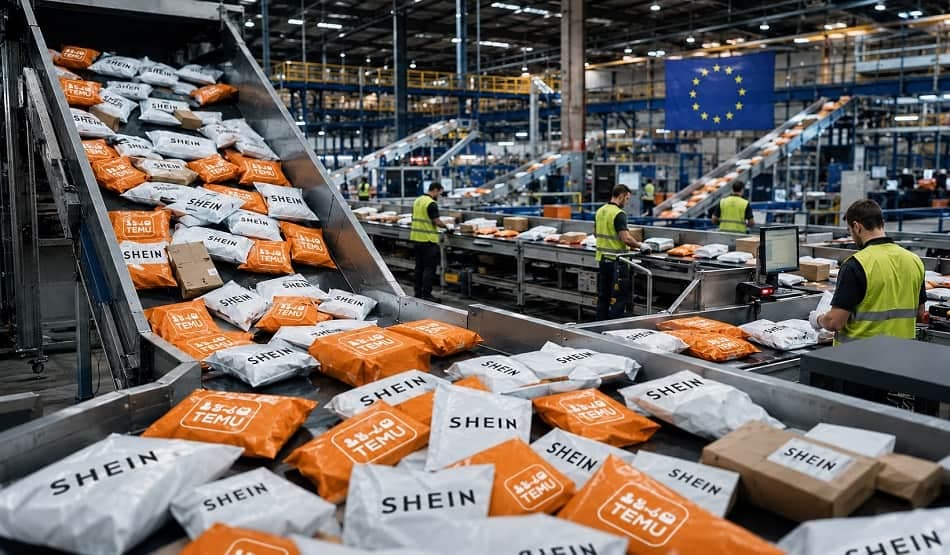
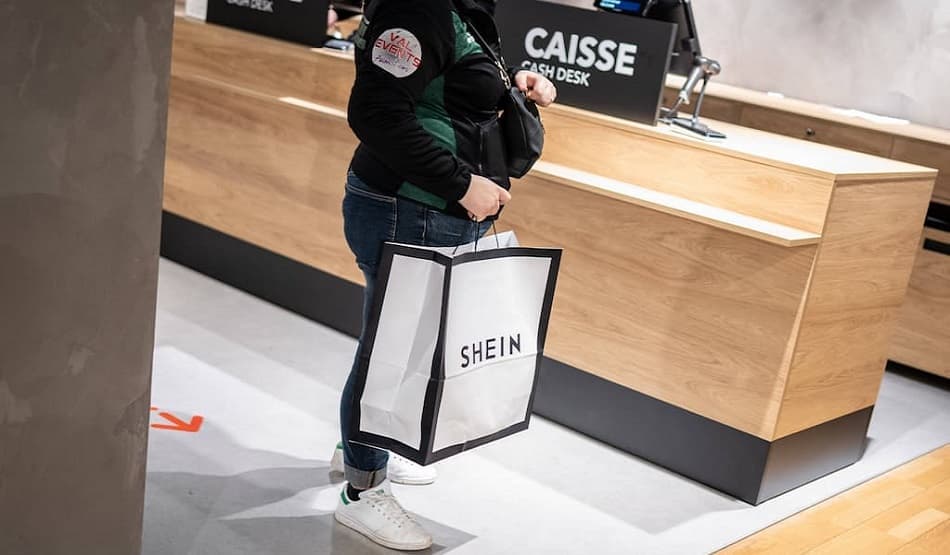
Shein announced that it has temporarily halted its online sales in Türkiye. The company cited upcoming local regulatory and legislative changes as the reason for this decision. The Turkish Ministry of Trade had announced that, effective as of February 1, 2026, the “simplified customs procedure” applied to products under 30 euros for individual overseas purchases would be abolished. The company stated that, rather than completely withdrawing from the Türkiye market, it is carrying out efforts to overcome the process and resume services.

Shein: We Hope to Resume Our Services in Türkiye in the Near Future

Shein made the following statement on its official website; “Due to recent changes made to local legislation, we regret to inform you that we have had to temporarily suspend our sales in Türkiye. We understand the disappointment this situation may cause you. However, in order to continue offering you the latest fashion and lifestyle trends, we would like you to know that we are working with all our strength to overcome any obstacles that may be encountered. We hope to resume our services in Türkiye in the near future. We extend our endless thanks to you for your continued support. If you have any questions, please contact our customer service team.”

In the statement, while attention was drawn to the efforts being carried out to return to the Türkiye market, no clear date was shared regarding when sales would resume.

With the “30 Euro Law,” All Orders Will Be Subject to Customs Duty

With the regulation known to the Turkish public as the “30 euro law” coming into force, the practice of users paying low customs duty on low-value purchases has been abolished.

According to the regulation, which will be effective as of February 1, overseas orders under 30 euros will be subject to a stricter customs process, the costs of items such as customs brokerage fees and full taxation will increase, and the era of “buying cheap products from abroad” for individual users will come to an end. The decision was taken following the detection of toxic and carcinogenic substances in tests conducted on imported products and complaints of unfair competition from domestic manufacturers.

Temu Shut Down Cross-Border Sales to Türkiye