WORLDEF ISTANBUL 2026 - Early Bird Registration Ends Soon

Register Now

UAE Announces Comprehensive VAT Reforms

The United Arab Emirates has announced new Value Added Tax (VAT) regulations that will come into effect on January 1, 2026. The changes, issued through a federal decree by the Ministry of Finance, aim to simplify compliance for businesses, enhance transparency, and align the country’s tax framework with international best practices.

The Ministry of Finance stated that the reforms form part of the UAE’s long-term strategy to modernize its tax structure and improve regulatory efficiency. “These updates reflect our commitment to building a world-class tax system. The goal is to simplify procedures for taxpayers while strengthening transparency and compliance with international standards,” the Ministry said.

Simpler VAT Filing and Reduced Administrative Burden

One of the most notable changes removes the requirement for businesses to issue self-invoices under the reverse charge mechanism. Under the new rules, companies will only be required to retain standard supporting documents such as invoices, contracts, and related records.

The Ministry emphasized that this measure will reduce administrative burdens for businesses while still ensuring that the Federal Tax Authority (FTA) has access to the documentation necessary for audits.

“The amendments stipulate that taxpayers will no longer need to issue self-invoices under the reverse charge mechanism; instead, they must retain supporting documents as outlined in the Executive Regulation. This enhances administrative efficiency and reduces procedural burdens,” the statement added.

New Five-Year Deadline for VAT Refund Claims

As part of the reforms, businesses will have a fixed five-year deadline to submit VAT refund claims after accounts have been reconciled. Refund requests made after the five-year period will no longer be valid. This measure is intended to prevent the accumulation of outdated claims and provide businesses with greater clarity regarding their tax position.

Stricter Measures Against Tax Evasion

To prevent misuse of the system, the FTA will now have the authority to deny input tax deductions if a transaction is found to be linked to a tax evasion scheme. Businesses must therefore verify the legitimacy of the goods and services they receive before claiming input VAT.

“Taxpayers must verify the legitimacy of supplies before deducting input tax, in accordance with the procedures established by the FTA. This approach strengthens governance across the supply chain and protects public revenue,” the Ministry noted.

Enhancing Transparency and Supporting the Business Environment

The Ministry of Finance stated that the new reforms are designed not only to safeguard public revenue but also to support a fair, predictable, and competitive business environment. Clearer procedures and stronger compliance standards are expected to boost confidence among companies and investors operating in the UAE.

The Ministry added that these updates will contribute to the long-term sustainability of the UAE’s financial system and reinforce the country’s position as a global business hub.

UAE Expands VAT Refund Service to Online Shopping

MENA M&A Surges: 649 Deals Worth $69.1 Billion

The Middle East and North Africa (MENA) region recorded a strong surge in mergers and acquisitions (M&A) activity in the first nine months of 2025, reaching 649 deals valued at US$69.1 billion, according to the latest EY MENA M&A Insights 9M 2025 report. The GCC accounted for 500 of these transactions, representing US$65.9 billion of total deal value.

Cross-border deals remained the main engine of growth, accounting for 54% of total deal volume and 76% of total value. The period marked the highest level of cross-border activity in the past five years, reflecting increasing appetite for international expansion and portfolio diversification.

UAE consolidates its position as the region’s top investment hub

The UAE remained the preferred destination for both inbound and outbound investors:

Saudi Aramco’s US$3.5 billion acquisition of Primax S.A. added further momentum, underscoring the region’s strength in the energy and petrochemical sectors.

Outbound Activity Shows Strong Momentum

Outbound M&A transactions accounted for the largest share of total deal value, with 189 deals worth US$28.5 billion. Canada attracted the highest value, while the UK remained the preferred destination by volume.

Sovereign Wealth Funds (SWFs) continued to play a central role, executing 22 deals, mainly in technology, consumer products, and professional services.

Technology (US$12.2 billion) and chemicals (US$23.9 billion) were the top contributors to overall deal value. Domestic M&A also gained traction, with 300 deals worth US$16.8 billion, fueled by mid-sized transactions in tech, healthcare, and financial services. The robust deal momentum in 2025 signals strong investor confidence in the region’s economic trajectory. The UAE and KSA’s proactive diversification strategies continue to attract high-growth sectors and strengthen the region’s global competitiveness.

Tech Led M&A Primary Engine in the Region

Beyond headline megadeals, the latest EY report reveals a deeper trend that directly affects the e-commerce and digital economy landscape: technology-led M&A has become one of the primary engines of regional transformation.

This positions technology as the second-largest M&A sector in MENA, outpacing traditional industries and showing investors’ growing confidence in:

  • e-commerce enablement technologies

  • digital logistics

  • AI-driven retail and CX platforms

  • fintech and paytech ecosystems

  • cloud, cybersecurity, and data infrastructure

These categories directly mirror the core pillars shaping the future of digital commerce across the GCC. More than half of total deal activity came from cross-border transactions, indicating that global investors view the region as a scalable digital economy hub. UAE and KSA-based technology firms were particularly active in acquiring strategic capabilities abroad, suggesting a shift toward global digital expansion strategies.

UAE emerges as the digital economy magnet

With 171 inbound deals worth US$29 billion, the UAE continues to attract:

  • digital infrastructure players

  • global e-commerce platforms

  • cloud and data center operators

  • logistics tech companies

  • AI-powered enterprise solution providers

These investments reinforce the UAE’s ambition to become the region’s digital capital. The M&A momentum in technology, logistics, and consumer product sectors signals:

  • Growing demand for regional fulfilment solutions

  • Accelerated adoption of AI, automation, and digital retail tools

  • Expansion of cross-border e-commerce corridors

  • Increasing appetite for scaling GCC-based tech startups

This ecosystem shift aligns directly with the Dubai 2033 vision, which places e-commerce growth, digital trade facilitation, and AI-enabled market development at the core of the regional agenda. The 2025 M&A landscape confirms that the MENA digital economy is transitioning from accelerated growth to structural consolidation. Technology-driven acquisitions are setting the foundation for a more competitive, integrated, and innovation-led e-commerce ecosystem—placing the GCC firmly among the world’s most dynamic digital markets.

Coupang Faces the Largest Data Breach in Its History, Nearly 34 Million Users Affected

South Korea’s largest e-commerce platform Coupang has apologized to the public and its users after a major data breach affecting 33.7 million customer accounts. The fact that the breach occurred despite the country’s strict data protection laws has raised questions about the overall cyber security framework.

Coupang announced that it detected unauthorized access to several accounts on November 18; however, investigations revealed that the breach dated back to June and affected a total of 33.7 million accounts. The leaked information includes user names, phone numbers, email addresses, shipping addresses and certain order histories. The company emphasized that payment information and login credentials remain secure. With this incident, the number of affected users represents more than half of South Korea’s population.

Suspects and Government Investigation Deepen

Local media reported that a former Coupang employee of Chinese nationality is suspected of being behind the breach. The company filed a complaint about the individual and the police investigation is ongoing. The Ministry of Science and ICT is examining whether the company violated data protection laws. The government held an emergency meeting and warned users to remain cautious against fraud and phishing attacks.

The Korea Internet and Security Agency (KISA) issued warnings to millions of users, advising them to be alert to fake celebration messages, delivery notifications and scammers impersonating the company.

What It Means for Coupang and the Industry

Coupang had previously experienced data leaks affecting 460,000 users; however, this incident has been recorded as the largest breach in the company’s history. In addition, recent breaches affecting millions of users at SK Telecom, the country’s largest mobile operator, and Lotte Card have increased concerns about data security in South Korea.

Local newspapers criticized Coupang for causing what they called “the worst personal data leak in history” and highlighted urgent shortcomings in the company’s data protection practices. Experts say such an extensive breach could seriously damage the company’s reputation and user trust.

The massive data breach at Coupang serves as a critical warning not only for the company itself but also for South Korea’s entire e-commerce and technology sector. Strengthening internal security systems, enforcing stricter regulatory oversight and increasing user awareness have now become essential.

Dubai Duty Free Breaks All-Time Monthly Sales Record

Dubai Duty Free has set a new benchmark in global travel retail, reporting AED 876.56 million (US$240.16 million) in sales for November 2025, its highest monthly performance in 42 years. The figure represents a 16.77% year-on-year increase, surpassing the previous record of AED 821 million set in December 2024.

Crossing the US$2 billion threshold by mid-November, the retailer confirms another record-breaking year, with year-to-date sales reaching AED 7.75 billion (US$2.13 billion), a 9.57% rise compared to the same period last year. This growth notably outpaced passenger traffic by an estimated 10%, underscoring the strength of Dubai Duty Free’s penetration and conversion strategies.

Managing Director Ramesh Cidambi highlighted the strategic effort behind these results, noting that nine months of 2025 have already hit all-time highs. High-value transactions dominated performance: purchases above AED 500 accounted for 75% of total sales in November, growing 20.54% in value.

Dubai Duty Free Category Highlights

  • Perfumes led with AED 160.58 million (+13.29%)

  • Liquor reached AED 103.59 million (+4.55%)

  • Gold posted AED 87.67 million (+16.68%)

  • Tobacco increased to AED 85.99 million (+11.44%)

  • Confectionery achieved its highest result ever at AED 83.29 million (+42.93%)

  • Electronics rose to AED 67.22 million, driven by record iPhone 17 sales

Luxury categories remained a strong growth driver. Luxury Fashion surged 40.32%, supported by new Louis Vuitton and Cartier boutiques in Concourse A.

Dubai Duty Free Regional Performance

All passenger regions posted positive growth.

  • Europe: +23.57%

  • Russia: +27.60%

  • Africa: +16.53%

  • Middle East: +18.09%

  • Far East: +14.28%

Travellers heading to the Americas, Africa, and Russian-speaking countries remained the highest spenders, averaging over AED 800 per shopper.

Operational Excellence

On 30 November, the retailer recorded its highest ever single-day shop-floor replenishment: 1,057 pallets, comprising 12,000 unique items and 650,000 pieces of merchandise, a testament to Dubai Duty Free’s supply chain strength during peak travel demand.

Creator Economy Advertising Gains Momentum

The creator economy continues its rapid growth, and new industry data reveals a strong shift in how brands are reshaping their marketing budgets. Creator economy spending is expected to reach 37 billion dollars. According to the new report by IAB, influencer advertisements are showing double digit growth across all sectors.

The latest analysis by the Interactive Advertising Bureau (IAB) estimates that advertising spending directed at content creators in the United States will reach 37 billion dollars in 2025. This figure represents a 26 percent annual increase and clearly surpasses the overall media market, which is expected to grow only 5.7 percent in 2025.

Marketing leaders emphasize that working with content creators is no longer an experimental method, but has become a fundamental strategy for brands seeking more authentic engagement and measurable results in a competitive digital environment.

Retail Sector Leads Creator Economy Advertising

The retail sector continues to lead creator economy advertising by a wide margin. Spending in the sector is expected to reach 12.3 billion dollars in 2025, representing a 38 percent increase compared to last year. Analysts note that retail brands are increasingly turning to creator economy collaborations for real time consumer engagement and sales focused storytelling.

Consumer goods companies are expected to spend 5.5 billion dollars (24 percent increase), while financial institutions will spend 2.2 billion dollars (31 percent increase). The apparel sector is projected to allocate 2.1 billion dollars (14 percent increase) and technology companies 1.9 billion dollars (26 percent increase).

Other categories are also showing strong growth. Automotive will spend 1.6 billion dollars, telecom 1.5 billion dollars, and travel 1.3 billion dollars, each with double digit increases. The home category is projected at 1.2 billion dollars (16 percent increase), health and wellness at 1 billion dollars (40 percent increase), and media and entertainment at 0.4 billion dollars (39 percent increase).

Spending and growth by sector

  • Retail – 12.3 billion dollars (38 percent annual increase)
    • CPG – 5.5 billion dollars (24 percent annual increase)
    • Financial – 2.2 billion dollars (31 percent annual increase)
    • Apparel – 2.1 billion dollars (14 percent annual increase)
    • Tech – 1.9 billion dollars (26 percent annual increase)
    • Auto – 1.6 billion dollars (11 percent annual increase)
    • Telecom – 1.5 billion dollars (19 percent annual increase)
    • Travel – 1.3 billion dollars (31 percent annual increase)
    • Home – 1.2 billion dollars (16 percent annual increase)
    • Health and wellness – 1 billion dollars (40 percent annual increase)
    • Media and entertainment – 0.4 billion dollars (39 percent annual increase)

Creator Economy Faces Structural Challenges

Despite its strong growth trend, the creator economy faces structural challenges. Marketers state that collaborations still progress in a fragmented way, budgets are separated, and the lack of standardized measurement tools makes the process difficult.

Many teams struggle to evaluate the credibility of content creators, audience alignment, and long term value at scale. One third of industry leaders identify finding the right content creator as the biggest challenge. Retail and consumer goods brands state that maintaining control over content quality is their biggest problem.

As part of the report, one third of the 453 industry leaders interviewed by IAB ranked finding the right creator partner as the biggest problem in influencer marketing. Meanwhile, retail and CPG brands stated that controlling content quality is their number one challenge.

Companies Turn to AI Powered Discovery Platforms

For this reason, companies are increasingly turning to AI powered discovery platforms, creator verification tools, and analytical systems. Venture capital investments are also increasing in platforms focused on creator scoring, fraud prevention, and workflow automation. Analysts predict that these technologies will play a major role in reducing fragmentation in the ecosystem and helping brands carry out creator economy collaborations more strategically in the future.

As brands shift away from traditional advertising and move toward creator driven storytelling, the creator economy appears to be entering a new era. Partnerships with content creators are no longer an optional marketing choice; they are becoming a foundational pillar of growth strategies across many industries.

“Reaching Audiences Through the Creator Economy Is a Necessity”

IAB CEO David Cohen said, “Reaching audiences through the creator economy is no longer experimental for marketers, it is a necessary requirement. The significant growth we are seeing reflects the increasing commitment of brands to invest in creator driven strategies.”

Experience Center Vice President Zoe Soon added, “The creator economy marketing ecosystem is still highly fragmented. Different partnership models, separated budgets and limited standardization make it difficult for marketers to evaluate elements such as audience alignment or creator credibility at scale. The result is an environment where strategic matching is often more art than science, and where brands are calling for better discovery tools to guide their investment decisions.”

European Retail Media Market Set to Double This Year

Future Cities Symposium Held in Dubai

The Future Cities Symposium 2025 was organized under the leadership of the Prosit Philosophiae Foundation on 14 to 15 November 2025 in Hong Kong and on 17 November in Dubai.

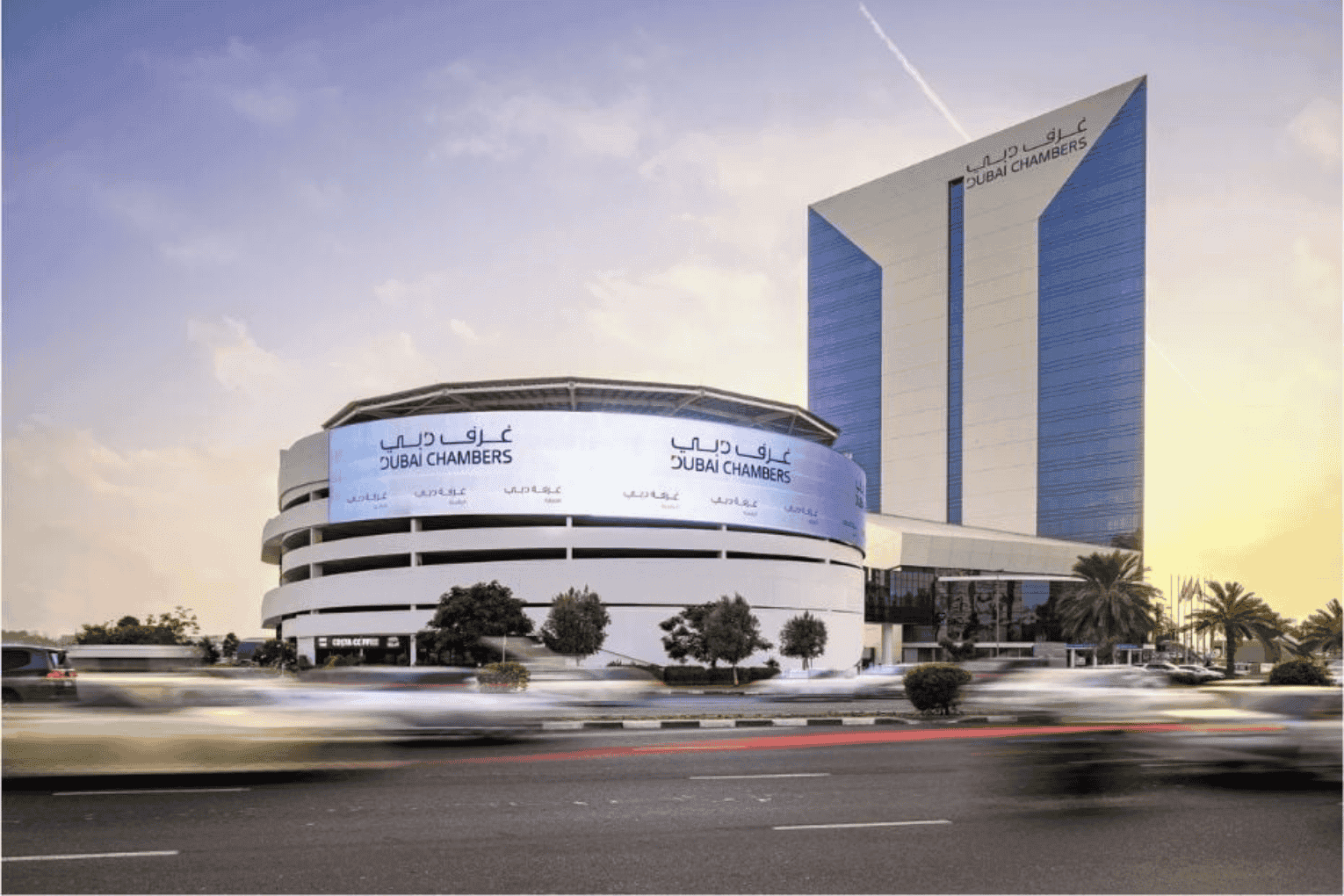
The symposium, held under the theme “Innovate to Elevate Through Digital Transformation,” is based on the collaboration between the Joint Lab on Future Cities of the University of Hong Kong (HKU), the Future Cities Lab of the Royal College of Art, Dubai Chambers and its strategic partners.

The symposium showcases applied outcomes of research on sustainable transportation and mobility, data driven sustainability and resilient infrastructure, healthy cities and urban well-being, and speculative urban futures under computational intelligence and data science. The symposium aims to facilitate and explore the development of future cities from Hong Kong, the GBA and China to the GCC countries, as well as the United Kingdom and the European Union, as part of the Belt and Road Initiative.

Digital Transformation Discussed at the Dubai Session

At the symposium, approximately 300 international guests from government, academia and the business community discussed innovative solutions and strategies for creating sustainable and resilient urban environments. The symposium featured more than 40 renowned international speakers and 30 engaging exhibition participants.

At the Dubai session of the symposium, more than 15 expert speakers focused on the theme “Innovate to Elevate Through Digital Transformation.” Through targeted exhibitions, presentations and networking forums, the symposium brought these innovators together with a global audience of policymakers, industry leaders and investors. It also showcased the tangible value and commercial potential of interdisciplinary academic collaboration.

WORLDEF VP Orxan Isayev Also Attended

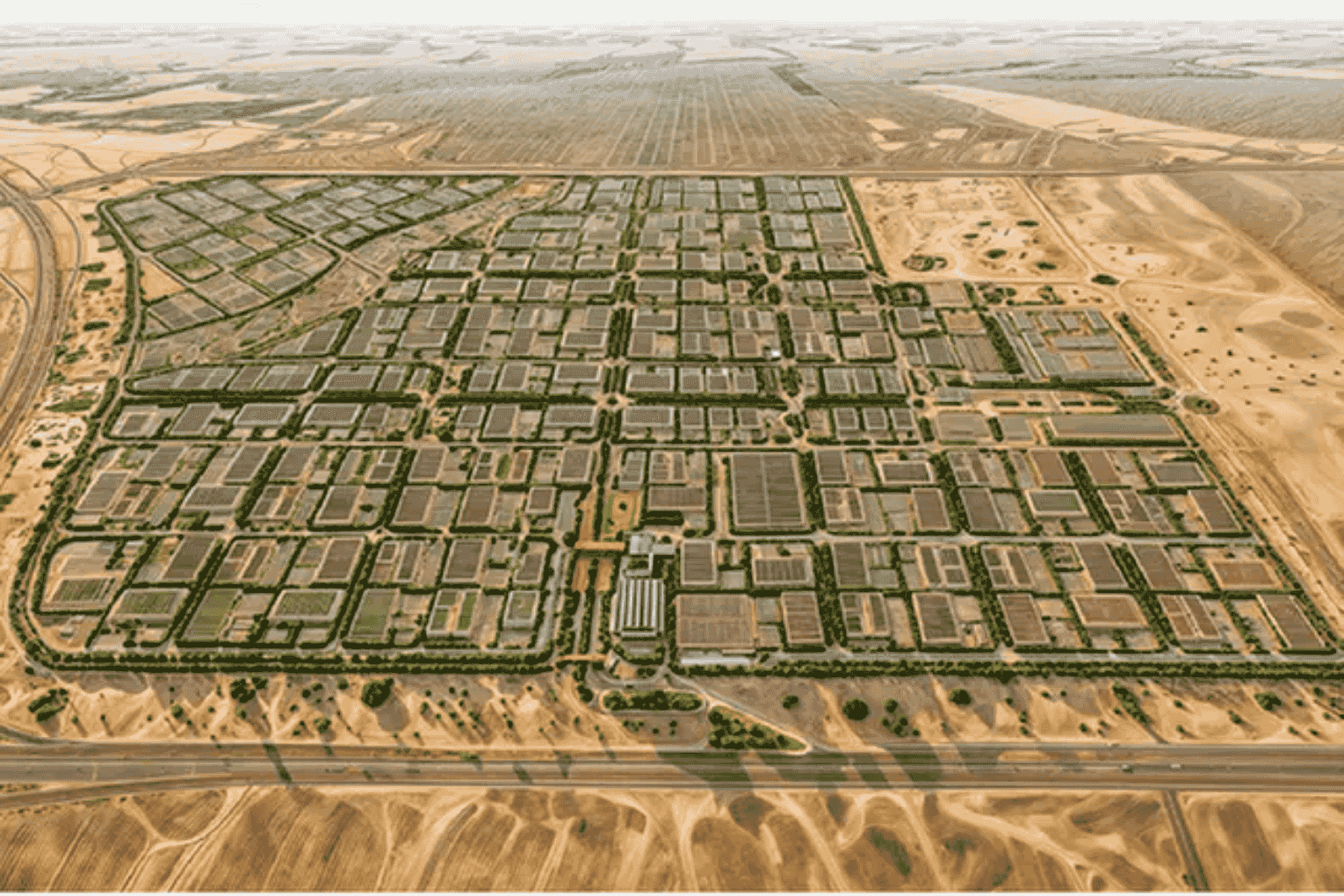
WORLDEF Vice President Orxan Isayev also attended the Future Cities Symposium 2025. Orxan Isayev held discussions with Hong Kong investors and academics regarding the establishment of a Hong Kong pavilion at the WORLDEF DUBAI 2026 event. The mission of Dubai CommerCity, WORLDEF’s partnership, was also addressed during the symposium.

Letter of Intent Worth 3.5 Billion Dollars from the United Kingdom for Al Maktoum International Airport

International investment momentum for the expansion of Dubai World Central – Al Maktoum International Airport continues to strengthen. The UK Export Finance (UKEF) has issued a Letter of Intent worth 3.5 billion dollars.

A major boost for Dubai’s aviation future was announced today at Dubai Airshow 2025. The UK Export Finance (UKEF) issued a 3.5 billion dollar Letter of Intent to support the participation of UK companies in the 35 billion dollar expansion project of Dubai World Central – Al Maktoum International Airport (DWC).

The Letter of Intent Was Presented by the UK Minister of Trade Bryant

The Letter of Intent prepared for Al Maktoum International Airport was presented at a ceremony held at the Dubai South stand during the Dubai Airshow. The document was handed over by the UK Minister of Trade Sir Chris Bryant to H. E. Eng. Khalifa Al Zaffin, Executive Chairman of Dubai Aviation City Corporation and Dubai Aviation Engineering Projects, and Paul Griffiths, CEO of Dubai Airports. The ceremony was attended by the British Ambassador to the UAE Edward Hobart, senior executives from Dubai Airports, DACC, DAEP and Dubai South, officials from the British Embassy in the UAE, visiting ministerial delegations, aviation sector stakeholders and members of the international media.

This development marks the first international letter of intent of its kind issued for the DWC mega project and demonstrates strong global confidence in Dubai’s long-term aviation strategy and economic vision. It also reflects the increasing international interest in one of the most significant airport infrastructure projects of this generation.

Bryant: Al Maktoum International Airport Creates Significant Opportunities for British Suppliers

Speaking at the ceremony, Sir Chris Bryant said: “This Letter of Intent for up to 3.5 billion dollars issued by UK Export Finance represents an important milestone that once again strengthens the longstanding partnership between the United Kingdom and Dubai and its pioneering world-class infrastructure projects. Al Maktoum International Airport is set to redefine the future of global aviation, creating significant opportunities for British suppliers to showcase their advanced technologies.”

Zaffin: Our Focus is to Strengthen the Vision of Making Dubai the Aviation Capital of the World

H.E. Eng. Khalifa Al Zaffin stated: “The expansion of Al Maktoum International Airport is being carried out through a structured programme integrating advanced engineering, resilient design and long-term planning. This step provides valuable international support to a project built on technical standards and a disciplined implementation framework. Our focus is to strengthen the vision of making Dubai the aviation capital of the world by creating the infrastructure that will unlock the next stage of Dubai’s aviation growth.”

Anani: We Welcome the Participation of UK Suppliers in the Process

Suzanne Al Anani said: “This Letter of Intent reflects strong international confidence in the engineering-led and disciplined delivery of the Al Maktoum International Airport expansion. As the master developer and engineering authority for the project, DAEP is focused on clear technical specifications, modular construction, sustainability and resilient infrastructure that will serve Dubai for decades. As we move into the next phases, we welcome the participation of qualified UK suppliers through our procurement frameworks.”

Griffiths: The Letter of Intent Adds International Momentum and Will Connect Communities

Dubai Airports CEO Paul Griffiths described this development as an important milestone for the project and stated: “The expansion of Al Maktoum International Airport represents a once-in-a-generation opportunity to rethink how an airport should function and how the journey of the future should feel. This Letter of Intent adds international momentum to a project that will transform capacity, connect communities and provide a new level of experience for hundreds of millions of passengers. The long-term vision for Al Maktoum International Airport is clear and the support announced today strengthens our ability to realise it.”

An Airport Designed for the Next 50 Years of Aviation Growth

The expansion of Al Maktoum International Airport will deliver an airport designed for the next 50 years of aviation growth. The initial phase, expected to be operational in the early 2030s, will have an annual capacity of 150 million passengers, with long-term plans to increase this figure to 260 million. The project’s emphasis on innovation, sustainability and integrated transport systems will further strengthen Dubai’s position as a global gateway for people, commerce and the future of mobility.

Abu Dhabi Hosts $55 Billion Infrastructure Roadshow for Turkish Investors

Abu Dhabi Hosts $55 Billion Infrastructure Roadshow for Turkish Investors

Abu Dhabi introduced over $55 billion worth of infrastructure projects to Turkish investors at a major roadshow event held in Ankara. Organized as part of the Abu Dhabi Infrastructure Summit (ADIS), the event showcased more than 600 projects across housing, transportation, education, and agricultural sectors.

The roadshow, organized by the Abu Dhabi Projects and Infrastructure Center (ADPIC), aims to establish long-term partnerships and collaborations between Abu Dhabi and Turkish companies. The event focused particularly on modular construction, transportation infrastructure, and complex engineering projects. A delegation from AbuDhabi, led by Eng. Maisara Mahmoud Salim Eid, participated in the event, symbolizing the strong desire for collaboration between the two regions.

40,000 Homes to Be Built Using Modular Construction in Abu Dhabi

One of the key announcements at the event was AbuDhabi’s plan to build 40,000 homes using modular construction techniques over the next five years. Mohammed Yousef Al Hosani, Executive Director of ADPIC, emphasized the critical role of public-private partnerships (PPPs) in realizing this major project and highlighted the significant opportunities it presents for Turkish expertise in construction and engineering.

Al Hosani also noted that AbuDhabi’s leadership views infrastructure development as a key tool for creating identity and culture, aligning with the UAE’s Net Zero 2050 Strategy. He emphasized that infrastructure projects are not just about asset creation, but also about building sustainable, efficient communities that support long-term prosperity.

Strong Presence of Turkish Companies in the UAE’s Infrastructure Sector

Müfit Eren, President of the Turkish Contractors Association, emphasized the strong presence of Turkish companies in the UAE, stating that Turkish contractors have completed 150 projects worth $19 billion in the UAE alone. These projects span a wide range of sectors, including tourism, housing, roads, bridges, tunnels, and airports.

Turkish companies have completed approximately 13,000 projects in 137 countries, with a total value of nearly $547 billion. Eren pointed out that Turkish firms have carried out around 2,400 projects worth $139 billion in the Middle East, reflecting the high demand for their expertise in the region.

Turkish Companies Well-Positioned to Play a Key Role in Abu Dhabi’s Future

Eng. Maisara Mahmoud Salim Eid called for joint investment opportunities, advocating for the establishment of long-term partnerships based on mutual benefit and sustainable development. The roadshow emphasized that Turkish companies are well-positioned to play a key role in Abu Dhabi’s future housing, infrastructure, and urban development projects.

The Abu Dhabi Infrastructure Summit roadshow will continue in Istanbul on November 19–20, where further discussions on potential collaborations will take place. This event marks a significant milestone in strengthening the ties between AbuDhabi and Türkiye, paving the way for shared growth and innovation in the infrastructure sector.

About the Roadshow

The Abu Dhabi International Roadshow for Capital Projects and Infrastructure is taking place on 17–20 November. Türkiye İMSAD is among the partner institutions of the “Abu Dhabi International Roadshow for Capital Projects and Infrastructure,” which will be held in Türkiye between 17–20 November 2025.

Aimed at showcasing Abu Dhabi’s infrastructure projects, developments in the construction sector, and large-scale investment opportunities, as well as establishing strong collaborations and partnerships between companies in Abu Dhabi and Türkiye, the roadshow is led by His Excellency Engineer Maysarah Mahmoud Salim Eid, Director General of the Abu Dhabi Projects and Infrastructure Centre.

A distinguished delegation composed of senior officials from various Abu Dhabi Government entities and executives of leading companies will participate in the roadshow. The delegation will meet with industry representatives in Ankara on 17–18 November and in Istanbul on 19–20 November.

Building on the momentum of the inaugural Abu Dhabi Infrastructure Summit (ADIS 2025)—which drew 4,000+ attendees from 100+ countries and saw 15 partnership agreements signed—the AbuDhabi International Roadshow for Capital Projects & Infrastructure brings Abu Dhabi’s vision and opportunities to three strategic hubs in Asia and Europe.

Hosted by ADPIC, the roadshows highlight major projects, government initiatives, and future plans, while enabling direct engagement with developers, contractors, infrastructure providers, architects, consultants, financiers, and investors. By bringing Abu Dhabi’s vision to Singapore, Ankara, and Istanbul, the series invites global industry leaders to co‑create the emirate’s next phase of smart, sustainable growth.

Erdogan’s Gulf Tour: Ankara’s Renewed Focus on the Gulf’s Strategic Axis

Petal Group Raises $18M to Expand in UAE and Ireland

The floral-gifting and e-commerce platform Petal Group has announced a significant equity investment of US $18 million by UAE-based Quintas Capital, designed to accelerate its operations across the UAE and Ireland. The deal marks the first Managed Equity investment by Quintas Capital and highlights the growing strength of the Ireland-Middle East investment corridor. Wamda+1

Founded by entrepreneur Garreth Knowd, Petal Group operates a group of leading online flower brands — including Flowers.ie, FlowersDirect.ie, BloomMagic.ie, and Flowers.ae — combining premium floral design, same-day delivery services and a proprietary technology-enabled fulfilment platform. Wamda+1

Kevin MacSweeny, Head of Managed Equity at Quintas Capital, described the investment as “a landmark first investment” and praised Petal Group as “a high-growth, scalable and technology-led business with significant international reach.” Wamda+1

Investment Highlights & Strategic Rationale

Funding Metrics & Structure

The injection of US $18 million by Quintas Capital into Petal Group is significant for several reasons:

  • It represents Quintas Capital’s first deal under its Managed Equity strategy, signalling the firm’s escalation into direct growth-capital investments. Wamda+1

  • The investment enables Petal Group to accelerate its expansion plans across two distinct but complementary geographies: the UAE, as a hub for Middle East growth, and Ireland, as a mature e-commerce market.

  • The funding will be used for strategic acquisitions, international market entry, and scaling of Petal’s technology platform and fulfilment operations. Wamda+1

Market Opportunity

Petal Group’s dual-market focus positions it well to capitalise on global shifts:

  • The UAE is a high-growth e-commerce and consumer market in the Gulf Cooperation Council (GCC) region, offering high mobility, disposable income and rapid digital-commerce adoption.

  • Ireland provides a base in the European Union with established logistics, robust digital infrastructure and access to EU-wide markets.

  • The combination creates an Ireland-Middle East investment corridor, referenced by Quintas Capital in its investor commentary. Wamda+1

Business Model & Competitive Edge

Petal Group differentiates itself through:

  • A collection of premium flower-delivery brands targeted at high-value gifting occasions.

  • Same-day delivery capability across its markets, enhancing customer service and convenience. Wamda+1

  • A proprietary fulfilment and customer-experience technology platform — enabling scale and operational efficiency.

  • Strong brand recognition in its home markets (Ireland and UAE), which provides a solid foundation for international growth.

Kevin MacSweeny’s commentary emphasised that Petal Group is not just a regional player but “technology-led” and “international in reach” — marking an evolution in how gifting-commerce businesses operate globally. fwdstart.me

What This Means for the UAE & Ireland

For the UAE

  • The investment underscores the UAE’s increasing role as both a capital provider and growth platform for consumer-commerce businesses. Petal Group’s UAE operations (including Flowers.ae) benefit from the region’s rapid digital adoption and high-value consumer market.

  • Quintas Capital’s base in the UAE highlights how local investment platforms are seeking cross-border opportunities and leveraging the Gulf’s connectivity. Wamda+1

  • For Petal Group, the UAE provides a gateway into the broader Middle East and North Africa (MENA) region, which remains under-served in premium online gifting commerce.

For Ireland

  • Ireland remains a fertile ground for scale-ups, digital-commerce innovation and export-oriented growth. Petal Group’s roots in Irish brands like Flowers.ie and FlowersDirect.ie give it familiarity with EU regulatory, logistics and market conditions.

  • The investment by Quintas Capital into an Irish-based business validates Ireland’s continued attractiveness for growth fintech and e-commerce investment.

  • The model of merging Ireland’s digital-commerce strengths with Gulf expansion ambition sets a template that could inspire other cross-regional deals.

Broader Implications for E-Commerce & Investor Trends

1. Growth Capital in Niche E-Commerce Segments

The floral-gifting segment, often overlooked in broader e-commerce coverage, is showing signs of consolidation and scale. Petal Group’s investment reflects investor willingness to back niche e-commerce platforms that combine brand strength, fulfilment efficiency and cross-region growth.

2. Cross-Border Investment Flows

Quintas Capital’s move illustrates how Middle East-based investors are crossing into Europe (Ireland) and collaborating with digital-commerce ventures that aim for global reach. This trend extends beyond traditional energy or infrastructure deals towards consumer-tech, digital-commerce and fulfilment-led businesses.

3. Platform-Enabled Fulfilment & Tech Integration

Petal Group emphasises same-day delivery and tech-enabled fulfilment operations — critical differentiators in mature e-commerce markets. Investors are favouring companies that don’t just list products but build logistic and tech capabilities.

4. Scaling Through M&A & Market Entry

Rather than only organic growth, the funding is earmarked for acquisitions and new-market entries. This suggests Petal Group plans to replicate its model — curated, premium gifting brands + fulfilment + technology — into new geographies. Wamda+1

Challenges & Key Execution Considerations

While the opportunity is clear, there are execution risks and operational hurdles:

  • Logistics and locality: Operating across the UAE and Ireland means navigating different regulatory environments, shipping/last-mile delivery challenges, and cultural expectations in gifting.

  • Supply-chain resiliency: Premium floral delivery is perishable and time-sensitive — scaling across geographies intensifies these pressures.

  • Brand adaptation: Moving into new markets may require localisation of messaging, branding, payment methods and fulfilment expectations.

  • Investor expectations and governance: As a first Managed Equity deal for Quintas Capital, both sides will be keen to deliver strong growth metrics and governance clarity.

  • Integration risk: If Petal Group pursues acquisitions, integration of new brands and markets must preserve service levels, brand reputation and operational efficiency.

What to Watch Going Forward

  • Announcements of target markets: Petal Group’s next horizon may include new markets beyond Ireland and UAE — perhaps other GCC countries, Europe or even Southeast Asia.

  • Acquisition activity: Given the stated focus on acquisitions, look for Petal to announce brand buys or strategic partnerships in 2026.

  • Operational metrics: Metrics such as same-day delivery speed, average order value, repeat purchase rate and cross-border fulfilment cost will become key performance indicators.

  • Expansion of investor base: As the Managed Equity model scales, Quintas Capital may bring on additional investors or follow-on rounds for Petal Group.

  • Platform enhancements: Technology upgrades (mobile apps, fulfilment automation, AI-driven personalisation) will likely feature in Petal’s growth roadmap.

Conclusion

The US $18 million equity investment by Quintas Capital into Petal Group marks a substantive milestone for both the companies involved and the wider e-commerce ecosystem in the UAE-Ireland corridor. Petal Group’s blend of premium gifting brands, same-day fulfilment, technology-enabled operations and cross-region ambition makes it a compelling growth story. The deal underscores how consumer-commerce, cross-border investment and fulfilment-driven scale are shaping the next wave of e-commerce expansion.

As reported by Wamda, this deal not only accelerates Petal Group’s expansion but also signals a broader trend of Middle East-based investors backing scale-oriented, tech-driven European commerce businesses. Wamda+1 If Petal’s execution meets the ambition, the business could become a blueprint for how niche e-commerce platforms expand globally with capital, technology and fulfilment at their core.

Allegro to Support Sellers with €350M Financing

Leading Polish online marketplace Allegro (launch date: 1999) has announced a strategic financing initiative designed to support its seller base. The company, in partnership with Polish bank PKO Bank Polski, will provide up to €350 million in financing to around 20,000 sellers over the next three years. The move was detailed in a release covered by E-commerce News Europe on November 13 2025. Ecommerce News

Allegro’s financing programme, branded as Allegro Kapitał, will open before the end of this year and will include two key service components: business loans to sellers on the platform and a cashback-oriented payment method. According to the announcement, sellers will be able to apply for loans of up to €71,000 (~300,000 PLN) in the first phase, rising to up to €118,000 (~500,000 PLN) in 2026. Ecommerce News

Why This Financing Programme Matters

Marketplace platforms increasingly recognise that seller support is a critical component of platform health: helping sellers grow means stronger assortment, better prices, and enhanced buyer experience. Allegro’s initiative is especially significant for several reasons:

  • Scale: A budget of €350 million across 20,000 sellers translates into an average financing† of approximately €17,500 per seller — a meaningful injection for mid-to-small size merchants. Ecommerce News

  • Speed & transparency: The announcement emphasises that seller credit decisions will be based on their performance data on the Allegro marketplace — not on extensive paperwork. The margin is set at about 6 percent, and according to PKO BP the decision can be made in three minutes with funds disbursed within 24 hours. Ecommerce News

  • Timing & strategy: By launching this service before year-end, Allegro signals a push to strengthen its seller ecosystem ahead of upcoming peak seasons (holiday period) and increasing competition from cross-border players.

  • Competitive differentiation: Many marketplaces provide logistics or advertising support; direct financing is less common. Allegro’s initiative gives it a distinctive feature in the increasingly crowded European marketplace space.

As Allegro’s CEO **Marcin Kuśmierz put it in the announcement:

“We simplify access to attractive financing like no other. Our sellers gain access to real capital for the development of their businesses, enabling them to respond in real time to dynamically changing market needs.” Ecommerce News

How the Programme Will Work

According to the E-commerce News article, here’s how the financing scheme will be structured:

  • The programme is operated by Allegro Kapitał, a joint brand under Allegro and PKO Bank Polski.

  • Eligible sellers on the Allegro marketplace can apply for business loans based on their performance metrics.

  • For the immediate launch, loans of up to €71,000 (~300,000 PLN) will be available; in 2026, the ceiling will increase to €118,000 (~500,000 PLN). Ecommerce News

  • A target of 20,000 entrepreneurs over three years is set; the overall financing commitment: €350 million (≈ 1.5 billion PLN). Ecommerce News

  • Sellers are not required to provide extensive documentation or guarantees beyond their platform track record. Decision time: 3 minutes; funds disbursed in 24 hours. Margin: approximately 6 percent. Ecommerce News

  • A complementary payment method with cashback is also being introduced ahead of the end of the year, designed to drive buyer loyalty and seller volumes. Ecommerce News

With this structure, Allegro aims to give its sellers better access to working capital, enabling them to invest in inventory ahead of peak periods, scale operations, dive into new product categories, or improve service levels.

Strategic Implications for Allegro

For Allegro, the financing initiative is a strategic pivot that reinforces its platform play in several ways:

Strengthening the Ecosystem

By offering financing to sellers, Allegro becomes more than a sales venue — it positions itself as a growth partner for merchants. This deepens seller loyalty, lowers seller churn and potentially raises overall marketplace performance.

Mitigating Competitive Pressure

With major global players increasing their focus on Central and Eastern Europe, Allegro’s move helps it maintain a competitive edge. By enhancing its seller proposition now, it builds barriers to entry for new competitors.

Leveraging Data-Driven Finance

The programme’s underwriting model — using seller performance data rather than traditional credit criteria — aligns with the emerging “embedded finance” trend in e-commerce. Allegro is leveraging its own platform data (sales history, ratings, fulfilment performance) to streamline the process.

Fiscal & Risk Considerations

While the margin (6 percent) is modest, the rapid decision time and low documentation burden imply risk. Allegro and PKO will need controls to manage defaults. That said, the decision to tie financing to platform performance may reduce certain risks.

Marketplace Growth Engine

By enabling sellers to invest in growth (inventory, marketing, new SKUs), the financing can lead to more listings, higher fulfilment volumes, and ultimately better customer experience. That creates a virtuous circle: better seller performance → better buyer experience → stronger marketplace brand → more sellers.

What This Means for Sellers & Buyers

Sellers:

  • Easier access to funds: Sellers who may have previously struggled to secure working capital or bank loans can now tap into financing based on their Allegro track record.

  • Growth enablement: With loans available quickly, sellers can stock up for high-demand seasons, expand product range, or invest in upgrading operations.

  • Competitive edge: Being on Allegro with financial backing may give top-performing sellers a chance to scale more rapidly than peers on other platforms.

Buyers:

  • Expanded selection: With sellers better capitalised, buyers may see greater product variety on the Allegro platform — particularly from emerging merchants.

  • Potential supply-chain improvements: Financed sellers may invest in stronger logistics, faster shipping, better service, which benefits buyers.

  • Cashback payment method: The rollout of a new payment/funding product with cashback may improve user experience and loyalty.

Broader Market Context

The financing move by Allegro comes at a time when European marketplace competition is intensifying, and sellers are seeking support beyond just listing services. Embedded finance — offering credit, payments, and insurance through e-commerce platforms — is increasingly viewed as an additional value layer.

Poland, in particular, remains a key battleground for both local and global platforms, thanks to its large digitally savvy population and rising e-commerce maturity. Allegro has long dominated Polish online marketplace share, but newer entrants and cross-border platforms are aggressively targeting the region. This financing initiative might therefore help protect and extend Allegro’s leadership.

The European e-commerce market is also characterised by significant growth in Eastern Europe, making seller-focused growth levers increasingly important. Platforms that help sellers succeed often reap the benefit of stronger platform-wide growth and retention.

Challenges and Considerations

While the programme is ambitious, several risks or operational challenges should be noted:

  • Credit risk: Even if underwriting is data-driven, borrower default remains a possibility — especially if market conditions worsen for sellers (e.g., supply chain disruptions, inflation).

  • Metrics & governance: The financing model depends on accurate performance data. Allegro must ensure transparency and fairness so that all sellers have an equal chance.

  • Scalability: Processing 20,000 loans over three years in a fast, low-touch way will require significant operational capacity and robust risk infrastructure.

  • Regulatory scrutiny: As embedded finance expands, regulatory oversight (consumer protection, lending laws) may increase in Poland and the EU.

  • Seller exposure: Some sellers may borrow just ahead of peak season and be over-leveraged if demand fails to materialise — Allegro may need to monitor default rates and potential reputational risk.

Conclusion

Allegro’s announcement of a €350 million financing programme for sellers over the next three years (in partnership with PKO Bank Polski) signals a significant shift in the marketplace model: platforms are becoming full-service growth partners, not just transactional venues. The initiative — outlined in the E-commerce News Europe report — offers sellers faster access to capital, simpler processes and better alignment with platform performance metrics, while helping Allegro build a stronger ecosystem and defend market position in Poland and beyond. Ecommerce News

For sellers, the opportunities are appealing: rapid access to funds, growth enablement and improved competitive positioning. For buyers, the likely outcome is better selection, improved service and enhanced platform experience. And for Allegro, this strategy could deepen its marketplace moat and position it for the next phase of European expansion.

If the execution lives up to the ambition, Allegro’s financing model might become a template for other marketplaces in Europe and globally — where platform-enabled financing becomes a core service rather than a fringe offering.