WORLDEF Prime Antalya 2026 - Upcoming Event

Register Now

E-Commerce Boom in South Africa Brings New Challenges for Sellers

As South Africa—the largest economy in Sub-Saharan Africa—experiences a rapid surge in e-commerce activity, the sector’s growth is accompanied by a range of complex challenges for sellers. Rising volumes of online orders are placing increased pressure on logistics, payment systems, security infrastructure, and regulatory compliance.

The Double Burden of Digital Transformation

The acceleration of online commerce is forcing sellers to scale operations at an unprecedented pace. However, infrastructure limitations—particularly in logistics—pose a significant obstacle to the “instant delivery” expectations of today’s consumers. Delivery delays, high costs, and risk of damage are common issues, especially in rural areas or regions lacking structured address systems.

Payment systems present another hurdle. While the market is gradually shifting toward digital payments, many consumers still prefer cash-on-delivery methods. This transition, combined with returns and order cancellations, creates operational inefficiencies for sellers attempting to manage fulfillment and cash flow effectively.

Security concerns further complicate last-mile delivery. There has been a noticeable rise in thefts targeting delivery vehicles, particularly those carrying high-value goods. These incidents disrupt supply chains, increase operating costs, and undermine trust for both sellers and buyers. A lack of robust last-mile security infrastructure continues to be a weak point in the broader e-commerce ecosystem.

On top of that, evolving tax regulations and legal frameworks are adding to the pressure. The tightening or removal of tax exemptions can significantly impact pricing structures and reshape the competitive landscape.

Ultimately, South African sellers must do more than simply meet consumer demand—they need to invest in resilient infrastructure, ensure compliance with changing regulations, and adapt to both technological and logistical demands. Those who succeed will be the ones who approach these multi-layered challenges with strategic foresight, innovation, and adaptability.


Boodil and Transaction Junction Introduce Innovative E-Commerce Payment Solution in Africa

UK-based fintech company Boodil has announced a strategic partnership with South Africa’s leading payment infrastructure provider Transaction Junction. Through this collaboration, Shopify-based e-commerce businesses operating in South Africa and Sub-Saharan Africa will gain access to faster, more secure, and regionally tailored payment solutions.

This partnership holds the potential to reshape the future of digital commerce across the African continent. By combining their respective areas of expertise, the two companies aim to eliminate common challenges faced during the payment process. Key focus areas include improving customer experience, reducing cart abandonment rates, and streamlining transaction efficiency.

Seamless Multi-Channel Payment Experience for Shopify Merchants

Boodil’s innovative payment technology, integrated with Transaction Junction’s deep regional banking infrastructure, has resulted in a multi-channel payment system designed specifically for Shopify merchants. The solution enables seamless transactions across both online stores and physical retail outlets. Supported payment methods include card payments, instant bank transfers (EFT), digital wallets, and regionally preferred options like RCS and Zapper.

One of the standout features of this solution is its simplified interface and high authorization rates, which allow customers to complete purchases quickly and easily. As a result, merchants benefit from higher conversion rates, while customers enjoy a smoother, more reliable checkout experience.

This strategic move by Boodil and Transaction Junction is set to fill a major gap in Africa’s growing digital economy. With a flexible and scalable platform built around local needs, the partnership empowers regional e-commerce businesses to compete more effectively on a global scale.

ShopsBUY.com Acquires Brazilian Tech Firm, Doubling Its Engineering Capacity

Global e-commerce player ShopsBUY.com, with a rapidly growing footprint in Brazil, has announced the acquisition of a Brazilian e-commerce technology company—effectively doubling the size of its engineering team. This strategic move signals the platform’s ambition to accelerate innovation, build deeper personalization into its services, and reduce dependence on third-party software.

The integration of the acquired firm brings a wealth of technical expertise and local know-how, allowing ShopsBUY to scale its backend systems more flexibly. By bringing development capabilities in-house, the company is better positioned to optimize platform performance, speed up feature delivery, and craft a more agile user experience tailored to the Brazilian market and beyond.

Building a Stronger, More Autonomous Tech Backbone

With this acquisition, ShopsBUY is taking control of its tech stack—moving away from externally sourced modules and toward a unified, proprietary architecture. This shift not only accelerates time-to-market for new features but also gives the company greater agility in responding to user trends, operational needs, and competitive pressures.

A company spokesperson highlighted the strategic advantage: “This acquisition allows us to move faster, personalize user experiences more deeply, and build the future of commerce on our own terms.” By embedding technical muscle closer to its core operations, ShopsBUY is signaling its intent to push innovation at a foundational level.

For Brazilian customers, this development could result in smoother browsing, faster checkout flows, and a more intuitive, locally relevant interface. On the global front, a stronger engineering foundation positions ShopsBUY to experiment with emerging technologies—such as AI-powered personalization, advanced logistics coordination, or seamless omnichannel experiences—with greater control and efficiency.

As ShopsBUY continues to establish itself in a highly competitive e-commerce landscape, this move underscores a broader trend among digital-first platforms: scaling technical infrastructure in-house to own the full customer journey, increase flexibility, and unlock sustained innovation.

AnyMind Extends AI Customer Service to WhatsApp via AnyChat Integration

In a strategic move to enhance customer engagement and operational efficiency, AnyMind Group has expanded its AI-driven customer service agent from LINE to the ubiquitous WhatsApp platform. Now, businesses across markets like India, Indonesia, the Philippines, Malaysia, and Singapore can leverage AnyChat’s intelligent agent to better handle customer inquiries through the world’s most widely used messaging app.

AnyChat’s AI customer service agent, powered by large language models (LLMs), is capable of interpreting natural-language messages—despite their irregularities—while staying within brand-approved response frameworks. The system intelligently extracts essential customer details, such as order IDs and names, and escalates conversations to human agents when necessary. Additionally, it logs conversation histories, empowering brands to proactively refine response templates and keep product information, including seasonal offerings, updated in real time.

WhatsApp Integration Delivers Efficiency to Overloaded Support Teams

The introduction of WhatsApp support comes at an opportune time, with the platform boasting over 3 billion monthly users and dominating key markets in the Asia-Pacific region. For brands managing high customer volumes, this integration promises transformative efficiency gains.

In a recent three-month pilot implemented on the LINE platform with Waterpik, a global oral care brand, AnyChat’s AI agent successfully addressed 25% of all inquiries autonomously—signaling meaningful capacity relief for human support staff. By extending these capabilities to WhatsApp, AnyMind opens the door for broader automation, offering businesses a scalable way to maintain seamless customer service without overtaxing their teams.

According to company leadership, WhatsApp often serves as the primary or even sole point of brand contact for many consumers. By equipping teams with AI-powered tools that facilitate fast, meaningful interactions, AnyMind is positioning itself as a key enabler for smarter, borderless customer experiences.

Over 35,000 New Businesses Join Dubai Chamber in First Half of 2025

Dubai continues to brand itself as a global magnet for enterprise, welcoming more than 35,000 new companies into the fold of the Dubai Chamber of Commerce during the first six months of 2025. This surge spotlights the emirate’s ever-growing allure as a friendly hub for trade, investment, and entrepreneurship in the Middle East.

With such explosive membership growth, the chamber’s total client base now stands at a remarkable scale—bringing together businesses across industries ranging from technology and logistics to retail and finance. This influx reflects not only the vibrancy of Dubai’s economic environment but also its adaptability in a post-pandemic world where digital sophistication and global access define competitive advantage.

The chamber’s expanded network plays a vital role in supporting businesses through a suite of services: trade documentation, international matchmaking, business advocacy, and regulatory guidance. Through these offerings, both new entrants and established firms gain strategic advantages—from smoother export processes to policy-influencing dialogues with public authorities.

Sustained Momentum in Dubai’s Business Ecosystem

Indeed, this uptrend follows significant mid‑2024 growth, when over 34,000 new companies joined the chamber—already marking a healthy year-over-year increase. Now, with even stronger momentum, Dubai demonstrates its continued success in attracting foreign direct investment, fostering SME development, and enabling seamless market entry for multinational brands.

This expansion reinforces Dubai’s broader economic ambitions under its “D33” development framework. By cultivating a resilient business environment, streamlining administrative access, and offering robust support infrastructure, the city aims to strengthen its global position and diversify non-oil trade—pushing the boundaries of innovation, sustainability, and entrepreneurial opportunity.

As 2025 unfolds, the chamber’s latest figures underscore a thriving business era in Dubai: one in which aspiration, institutional backing, and strategic vision align to fuel growth at every level.

Rakuten Embeds ‘Brain Twin’ AI Across Its Ecosystem to Deliver Omotenashi-Level Service

Japanese e-commerce giant Rakuten is revolutionizing its digital landscape with the rollout of an advanced “agentic AI” platform—branded as its “Brain Twin”—designed to unify and enhance user experiences across services like shopping, fintech, travel, telecom, and entertainment. Built to intuit needs and act proactively, this AI system aims to redefine service through true personalization.

Scheduled to debut on the Rakuten Ichiba marketplace this autumn, the Brain Twin will allow customers to interact naturally—via voice, image, or text—to find products, refine searches, and explore services tailored to their behaviors and purchase history. For example, a shopper could snap or submit a photo of a pair of pants, and the AI would recommend similar items in the desired price range without a single keyword search. It anticipates preferences, learns from interactions, and becomes smarter with each user touchpoint.

Empowering Small Merchants While Elevating User Experiences

Beyond improving customer journeys, this AI platform offers a suite of tools that support small and medium-sized businesses. The beta tools currently available include chat-based assistants for handling customer inquiries, AI-driven image editors for professional product visuals, and AI analysis tools that distill sales data into actionable insights. These services help sellers manage operations more efficiently even with limited technical resources.

Rakuten’s agentic AI architecture combines its own language models—deeply tuned for Japanese context—with optimized third-party AI systems, striking a balance between cultural fluency and computational efficiency. By enabling intuitive, multimodal interactions and protecting user and merchant trust, Rakuten positions the Brain Twin as more than a digital assistant—it’s a personalized, intelligent gateway into a seamless ecosystem.

Dr. Bronner’s Sees 55 % Surge in Australian Revenue Following Amazon Makeover

Dr. Bronner’s, the beloved organic soap and personal care brand, has experienced a dramatic boost in its Australian marketplace performance after partnering with the ecommerce accelerator Pattern. Between January and May 2025, the monthly revenue of the brand on Amazon surged by 55 %, accompanied by a notable 38 % increase in units sold.

Pattern worked closely with Lateral Food Corporation—the exclusive importer of Dr. Bronner’s products into Australia and New Zealand—to overhaul the brand’s Amazon storefront. Previously, product listings suffered from inconsistent imagery, disorganized formatting, and unpredictable pricing driven by unauthorized resellers. The collaboration launched a refreshed, more polished store presence featuring structured product categories, SEO-optimized titles, and immersive lifestyle content. Subpages for different scents were introduced to enhance navigation and product discovery.

Stronger Brand Visibility and Strategic Control Return to the Fore

These enhancements nearly doubled storefront traffic, evidencing improved customer engagement and interest. Pattern’s initiatives also helped reclaim control over listings by addressing unauthorized resellers—boosting the brand’s Amazon Buy Box win rate from 66 % to 90 %. Advertising played a significant role in the performance turnaround, with Pattern’s targeted campaigns accounting for 93 % of Dr. Bronner’s Amazon sales in Australia as of May.

By aligning the brand’s digital presentation with its integrity and heritage, Pattern has enabled Dr. Bronner’s to stand out meaningfully in marketplace environments. The immersive shopping experience and consistent brand narrative now resonate more powerfully with consumers, turning visibility into tangible sales growth.

This success story underscores how thoughtful optimization—spanning from catalog structure to promotional tactics—can propel heritage brands forward in a digital-first retail landscape. Dr. Bronner’s journey exemplifies the value of purposeful brand elevation in driving lasting, measurable growth.

Bol.com Remains the Netherlands’ Leading Online Retailer

Bol.com continues to dominate the Dutch e‑commerce landscape, securing its position as the number one online retailer for 2024 by gross merchandise value. Despite increasing competition from both domestic and international players, Bol.com’s sales surpassed €5 billion, maintaining a substantial lead over its nearest rival.

According to the latest industry data, Dutch consumers spent approximately €5.17 billion on Bol.com last year. In comparison, the second-place Amazon.nl generated around €3.70 billion, leaving a nearly €1.5 billion gap between the two. When combined, the online sales of Albert Heijn, Coolblue, and AliExpress still barely match the volume achieved by Bol.com alone. This underscores the platform’s unmatched strength in the market.

Foreign Platforms Accelerating, But Bol Holds Firm

While Bol.com’s growth is steady, other platforms are catching up quickly. Amazon.nl posted notable growth, while marketplaces such as AliExpress, Zalando, Shein, Temu, and Vinted all recorded strong increases in trading volume, catering to shifting consumer behaviors and preferences.

Still, Dutch brands like Albert Heijn and Coolblue showed moderate progress, reinforcing Bol.com’s continued grip on the top spot. Its consistent performance is a testament to strong brand recognition, logistics infrastructure, and customer loyalty.

Bol.com’s dominance reflects both its historical prominence and evolving marketplace dynamics. Though the competitive landscape is shifting with the swift growth of foreign platforms, Bol.com’s robust performance suggests it remains the benchmark for online retail in the Netherlands. If you’d like, I can expand the article to include insights into consumer trends, comparisons with other markets, or potential strategic moves by Bol.com going forward.

Faire Expands Its Wholesale Marketplace to 14 New European Countries

Faire, a global wholesale marketplace designed to support independent retailers and brands, has significantly expanded its European footprint by entering 14 additional countries across Eastern and Southern Europe. With this move, the company is reinforcing its ambition to build a borderless wholesale network that empowers local retail communities.

Having already established a presence in key Western European markets since 2021, the platform now reaches retailers in countries such as Poland, Czech Republic, Romania, Hungary, Greece, and the Baltic states, among others. This expansion brings Faire’s reach to cover nearly 70% of the European economy, opening new opportunities for small retailers and regional brands to connect without the traditional limitations of wholesale trade.

Retailers Show Strong Demand for Digital Wholesale Solutions

The platform’s expansion has been met with enthusiastic demand. Over 35,000 retailers from these newly added markets have already signed up to join the platform, highlighting a clear appetite for more flexible, tech-driven wholesale solutions. Simultaneously, more than 115,000 products have been listed by brands from the same regions, reflecting a dynamic and growing ecosystem of local creators eager to reach broader retail audiences.

Faire’s business model is built around helping independent retailers compete with larger chains. By offering features like flexible payment terms, curated product discovery, and simplified logistics, the platform removes traditional barriers that often make wholesale inaccessible to smaller businesses.

The recent expansion is not limited to Europe alone. Faire has also launched its services in New Zealand, pushing its total global reach to 35 countries. As e-commerce and hybrid retail models continue to grow, Faire positions itself as a vital link between unique local brands and independent shops that want to differentiate their product offerings.

With new markets opening up and strong early interest, Faire is poised to play an increasingly central role in reshaping the way wholesale commerce works for the modern, digitally connected retail world.

Parcel Lockers Gain Ground in the UK: Two in Five Adults Now Use Them

As online shopping continues to dominate the retail landscape in the UK, the way consumers receive their parcels is undergoing a significant transformation. Recent data shows that 41% of UK adults — around 21 million people — have used parcel lockers at least once in the past 12 months.

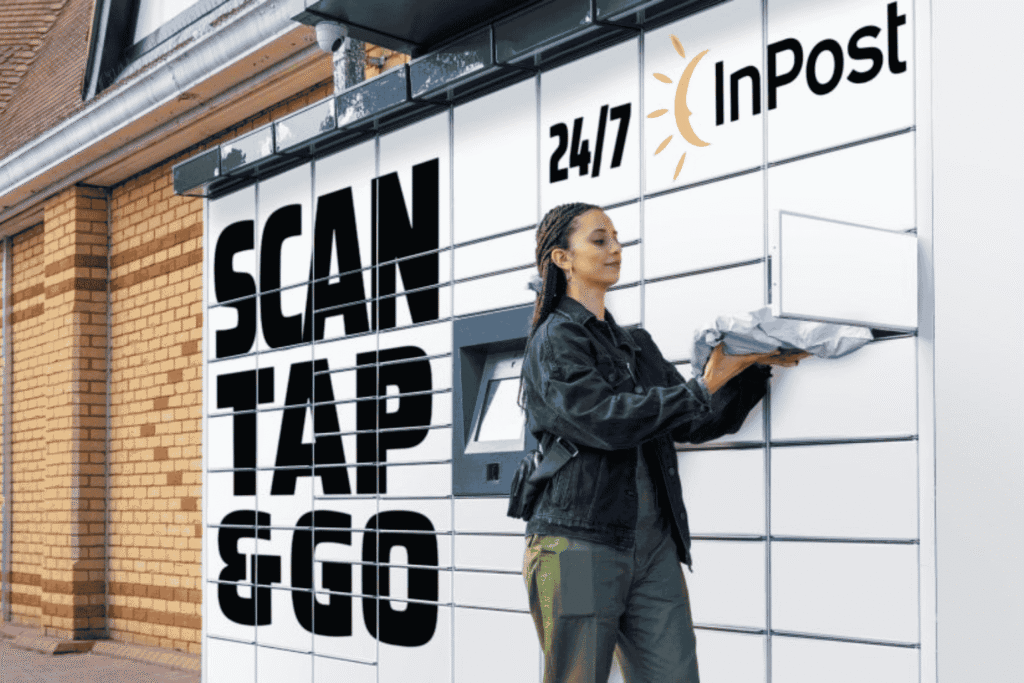
Parcel lockers offer a convenient, secure, and contact-free delivery option that allows consumers to pick up their online orders at any time, often 24/7. These self-service delivery points help solve the long-standing issue of missed deliveries and eliminate the need to be at home to receive packages. Many users cite security and flexibility as their top reasons for preferring lockers over traditional home delivery.

Companies like InPost have rapidly expanded their networks in response to growing demand. In the first quarter of 2025 alone, InPost handled 24 million parcels through its UK lockers, marking a 39% increase compared to the same period last year. The company now operates over 10,000 locker locations across the UK, while the total number of out-of-home (OOH) delivery points in the country has exceeded 16,000.

Younger Shoppers Drive Locker Adoption

The rise of parcel locker usage is particularly strong among younger consumers. 66% of Gen Z shoppers and 54% of Millennials reported using lockers within the past year. Among adults under 45, more than half use parcel lockers at least once a month. Additionally, one in three middle-income shoppers plans to use them more frequently in the next year.

Environmental concerns are also contributing to their popularity. By reducing the need for individual home deliveries, parcel lockers help lower traffic congestion and carbon emissions — making them an attractive option for eco-conscious shoppers.

What was once seen as a niche solution is now becoming a mainstream delivery method, reshaping how the UK receives its online purchases.