WORLDEF Prime Antalya 2026 - Upcoming Event

Register Now

Graas AI Secures $9 Million to Boost E-commerce Automation

Singapore-based e-commerce technology startup Graas AI has raised $9 million in a funding round led by Tin Men Capital. Other investors in the round include Incred Wealth, Orzon, Integra Partners, and Yuj Ventures. The capital will be used to expand the company’s multi-agent automation platform, “Agent Foundry,” across the Indian market.

A New Era in E-commerce with Agent Foundry

Graas AI’s Agent Foundry consists of intelligent agents that autonomously manage critical e-commerce operations such as pricing, inventory management, and customer acquisition. The company also strengthens its operations with solutions like “Chattr,” a natural language processing-powered customer support tool, and “Extract,” which automates data transfers.

Co-founders Prem Bhatia and Ashwin Puri aim to provide brands with real-time performance analysis and rapid action capabilities through Agent Foundry. Bhatia emphasized that in e-commerce, decision-making agents are becoming more important than just attractive dashboards.

Since its inception, Graas AI has served over 2,000 brands, processed more than $1 billion in gross merchandise value, and operates across seven countries. This new funding will accelerate the company’s growth in India and Southeast Asia.

Amna Rashed Lootah Appointed as General Manager of Dubai CommerCity!

When it comes to “digital commerce” in the Gulf region, Dubai holds a unique position! Dubai CommerCity stands out for its contributions to the region’s digital trade. As the first and only free zone focused solely on digital commerce, Dubai CommerCity continues its growth journey with this important appointment.

About Amna Lootah

Amna Lootah is a key leader in Dubai’s economic zone sector, with over 20 years of expertise spanning finance, innovation, customer experience, and business development. As a Director General and Board Member of Dubai CommerCity, she has played a crucial role in shaping its strategic vision, establishing it as the region’s premier hub for e-commerce and digital trade.

Her leadership has been instrumental in developing Dubai CommerCity’s investment into a world-class ecosystem that enables global and regional brands to thrive in the MENASA market. She has also contributed to innovative initiatives such as Tradeling, a B2B e-commerce marketplace, and the Halal Trade and Marketing Centre, reinforcing Dubai’s role in global trade.

Amna’s forward-thinking approach continues to enhance Dubai’s position as a business-friendly destination, offering seamless solutions for companies looking to expand in the region. With a strong background in leadership development and business strategy, she remains committed to driving growth and innovation within Dubai’s economic zones.

About Dubai CommerCity

Dubai CommerCity is the first dedicated free zone for digital commerce in the Middle East, Africa, and South Asia (MEASA) region. Strategically located in Dubai, we provide a fully integrated ecosystem designed to accelerate the success of e-commerce businesses, from startups to global enterprises. With world-class infrastructure, advanced logistics solutions, and a thriving business environment, Dubai CommerCity offers an unparalleled platform for companies to expand and thrive in the digital economy.

DCC provides flexible offices and co-working spaces designed for e-commerce, advanced logistics centers, and end-to-end digital commerce support. The region’s largest e-commerce fair, WORLDEF, is held at DCC.

Dubai CommerCity: The ideal hub for digital commerce businesses

Salasa Raises $30 Million in Series B to Expand AI-Powered Logistics Operations

Riyadh-based e-commerce logistics company Salasa has successfully closed a $30 million Series B funding round, aiming to accelerate both its domestic and international expansion. With this new capital, the company plans to strengthen its distribution network within Saudi Arabia, enhance global reach, and invest heavily in AI-driven planning and inventory optimization tools. The funding round was led by Artal Capital, with participation from SVC, Wa’ed Ventures, 500 Global, Alsulaiman Group, and other strategic investors.

From Last-Mile Delivery to Global Fulfillment: A Tech-Driven Logistics Model

Since its founding in 2017, Salasa has positioned itself as a key fulfillment partner for online retailers in the region, offering services such as warehousing, order processing, last-mile delivery, and cross-border logistics. Today, the company partners with over 1,000 merchants and has fulfilled more than 50 million items. With the new investment, Salasa plans to expand its network of dark stores and introduce bonded zone facilities, allowing international brands to distribute products within Saudi Arabia without having to establish a local legal entity.

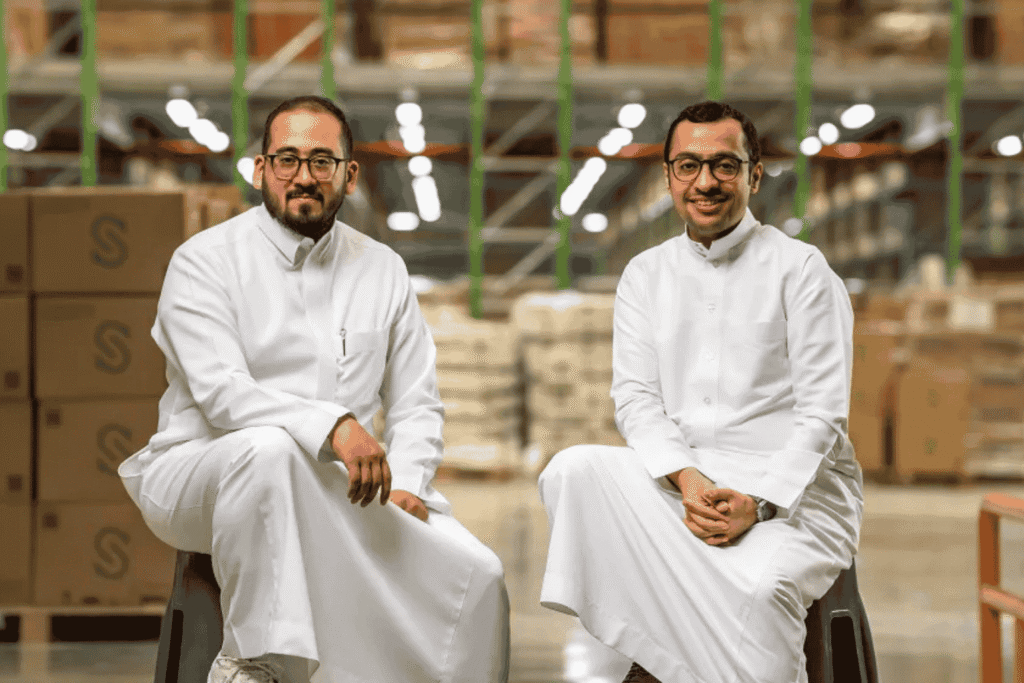
Co-founder and CBO Hasan Alhazmi highlighted the company’s intention to leverage AI in planning, stock control, and operational optimization, building predictive, self-learning logistics systems that increase delivery speed and minimize errors. CEO Abdulmajeed Alyemni also noted that the funding will not only boost infrastructure but also support talent acquisition, R&D, and technology development.

With e-commerce rapidly growing in the Gulf region, Salasa is positioning itself as a logistics tech leader, aiming to support regional businesses with fast delivery, reliable stock management, and cost-effective international shipping. Through a combination of AI integration, smart warehousing, and innovative cross-border logistics solutions, Salasa is building a logistics ecosystem tailored to the modern digital economy — both in the Kingdom and across the GCC.

Alibaba Launches Loyalty Drive to Reclaim E-Commerce Leadership

China’s leading tech and e-commerce company Alibaba is launching an innovative cross-service loyalty program in a strategic effort to reclaim its dominance in the country’s highly competitive e-commerce market. The new initiative, centered around its flagship platform Taobao, goes beyond traditional shopping by integrating services like food delivery and travel into a unified user experience.

A Seamless Ecosystem for Every Consumer Need

Alibaba’s new strategy is based on offering users a consolidated experience across different platforms. As part of this plan, the food delivery service Ele.me and travel booking platform Fliggy have been integrated into Alibaba’s core e-commerce unit. This unified ecosystem allows users to benefit from exclusive discounts and privileges across shopping, dining, and travel — all within a single loyalty framework.

The company’s existing loyalty program, 88VIP, will serve as the foundation for this expanded service model. Already boasting millions of members, 88VIP currently offers perks such as free shipping, hassle-free returns, exclusive deals, and dedicated customer support. With the new updates, the membership program is evolving into a comprehensive lifestyle package that encourages deeper user engagement and longer-term loyalty.

With this move, Alibaba aims not only to retain its current user base but also to re-engage younger, digitally savvy consumers who are active across multiple platforms. The broader goal is to transform Alibaba from a traditional e-commerce platform into a holistic digital lifestyle provider — one that meets the daily needs of modern consumers through a single, integrated experience.

Otto Withdraws from the Dutch Market

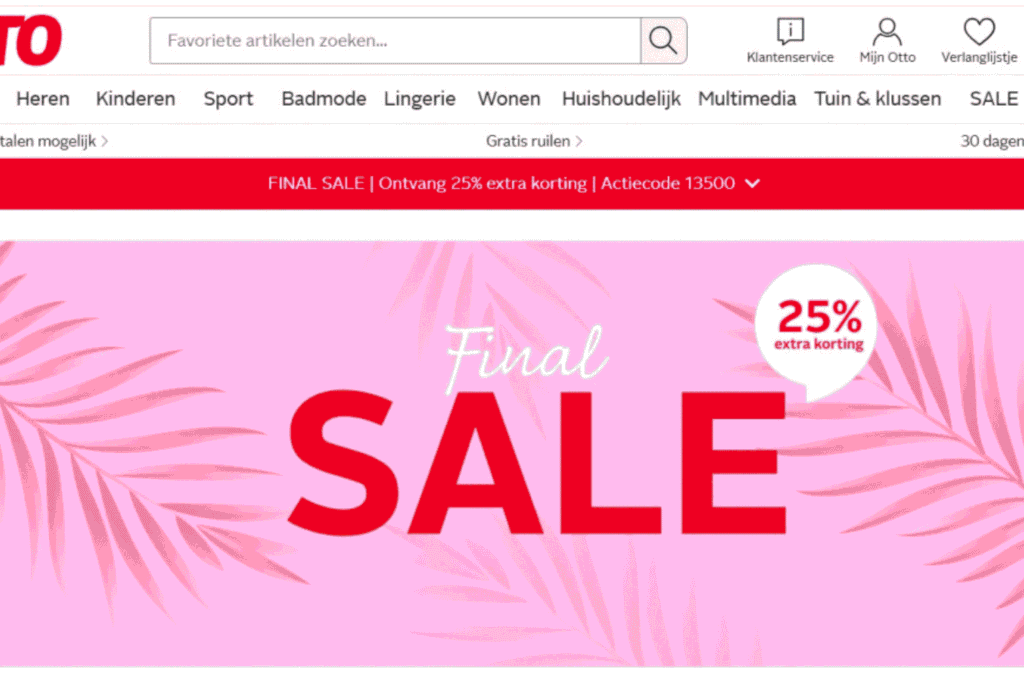
German-based e-commerce and retail giant Otto has decided to completely withdraw from the Dutch market, where it has operated for nearly half a century. The company has taken this strategic step due to ongoing economic difficulties, low profit margins, and the failure to achieve sustainable growth expectations. As a result of the decision, approximately 70 employees working at the Dutch office will be laid off.

Digital Transformation Was Not Enough

Otto began operations in the Netherlands in 1979. Initially functioning through a traditional catalogue-based sales model, the company adapted over the years by shifting to e-commerce as part of its digital transformation. However, the digital success it achieved in Germany was not replicated in the Netherlands. Even after transitioning to a marketplace model that allowed third-party sellers to offer their products, Otto struggled to perform in the highly competitive Dutch e-commerce market.

The company’s decision to exit this market reflects a broader reassessment of its strategy across European markets. Rising operational costs and changing consumer behavior in the region have made it increasingly difficult for Otto to establish a sustainable future. This move also highlights that e-commerce success depends not only on digital infrastructure but also on tailored strategies that align with local market dynamics.

Otto’s departure from the Netherlands may cause minor shifts in the European e-commerce landscape. The company now aims to concentrate its resources and efforts on markets where it maintains a stronger presence and better long-term prospects.

“Pakistan Mart” in Dubai Set to Transform Export Opportunities for Pakistani Businesses

Pakistan is preparing to launch a transformative initiative, “Pakistan Mart”, a dedicated export hub designed to elevate the presence of Made-in-Pakistan products on the global stage. Strategically located near Jebel Ali in Dubai, this project is being collaboratively developed by Pakistan’s National Logistics Corporation (NLC) and the UAE’s logistics giant DP World. Notably, DP World will fund the construction of the facility entirely, ensuring no upfront cost for Pakistani businesses.

A high-level delegation comprising NLC’s Director General, commerce officials, and senior figures from DP World presented the project to the Federal Minister for Commerce, Jam Kamal Khan. Also present were Fakhr Alam, Vice Chairman of DP World and CEO of the Pakistan Mart Project, as well as coordinating officials from Pakistan’s Ministry of Commerce and the Prime Minister’s Office. Their collective vision centers on creating a one-stop, world-class export platform to showcase Pakistani goods directly to buyers across the Middle East, Africa, and beyond.

Pakistan Mart is designed to include modern warehousing, retail outlets, showrooms, and e-commerce fulfilment centers, all operating under a streamlined, cost-efficient framework. This integration aims to eliminate traditional logistical barriers, reduce dependency on intermediaries, and offer exporters—particularly small and medium enterprises—direct access to international markets. By doing so, it promises to boost export volumes, increase visibility for local producers, and support economic stabilization through export-driven growth.


A Strategic Leap for Pakistan’s Export-Led Growth

This initiative aligns with Pakistan’s broader strategy of achieving export-led economic development following stabilization efforts supported by global financial institutions. The Gulf, especially the UAE, presents an ideal launch pad due to its geographic advantage, efficient trade infrastructure, and strong Pakistani business networks.

Commerce Minister Jam Kamal Khan described Pakistan Mart as a “transformational project”, particularly beneficial for key sectors like textiles, garments, surgical instruments, sports goods, perishable food items, and nutraceuticals. He emphasized the integration of e-commerce and digital fulfilment capabilities as essential for meeting the evolving demands of global buyers.

The government, through its Ministry of Commerce and allied agencies such as the Trade Development Authority of Pakistan (TDAP), is expected to facilitate the project’s rollout via exporter selection, awareness campaigns, and logistical coordination. By linking public-sector leadership with private-sector execution, the initiative embodies a strategic push to reshape how Pakistani goods are exported and perceived internationally.

In the long term, Pakistan Mart is poised to increase foreign exchange earnings, strengthen the Pakistan brand, and pave the way for lasting economic diplomacy and trade partnerships. If executed effectively, it could mark a new era in Pakistan’s global trade outreach.


Amazon’s Exit from Google Shopping Ads Triggers Major Shift in MENA Digital Advertising

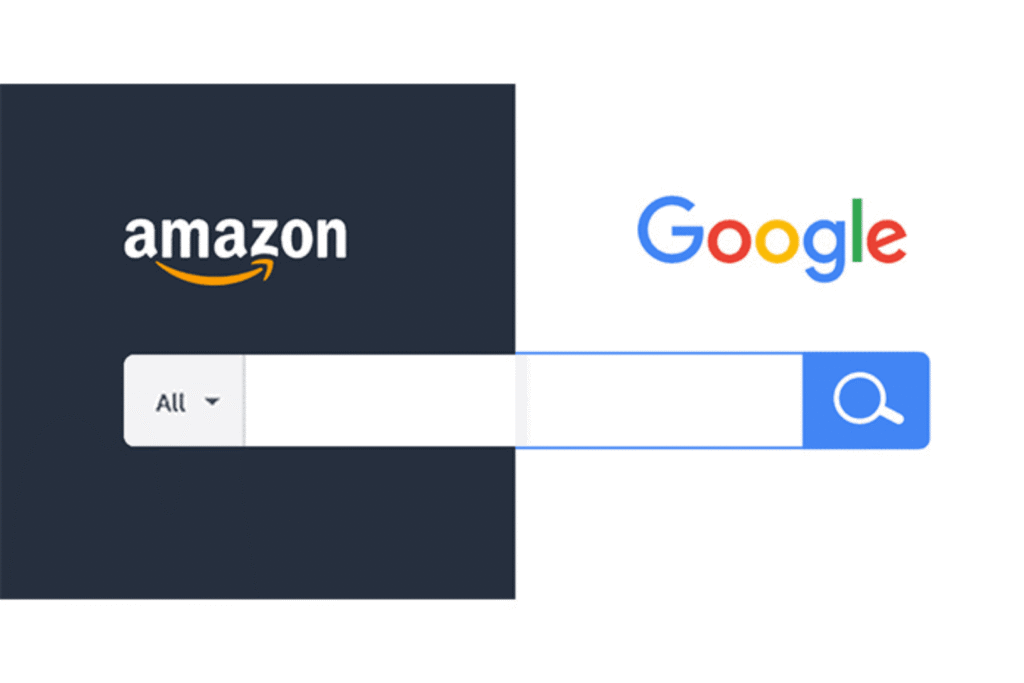
In a surprising move, Amazon recently pulled out of Google Shopping Ads across several key global markets, leading to ripple effects in the MENA region’s retail media and e-commerce ecosystems. The abrupt withdrawal, which took place almost overnight, has caused a significant reshuffling in ad auctions, cost dynamics, and brand strategies across digital platforms.

Previously holding a dominant share of Google Shopping impressions, Amazon’s sudden disappearance has left a vacuum that many regional brands are now racing to fill. This shift is more than a temporary disruption—it signals a possible long-term strategic realignment by one of the world’s largest e-commerce players. While Amazon has yet to release an official statement, industry experts speculate the move may be aimed at driving more product discovery within its own ecosystem, bypassing third-party platforms entirely.


Opportunities Emerge as CPC Drops and Impressions Shift in MENA Market

With Amazon out of the auction landscape, cost-per-click (CPC) rates have noticeably dropped—some estimates suggest decreases of 20% to 40% in certain categories. As a result, other retailers are seeing increased visibility and higher impression shares without significantly raising their ad spend. This presents a rare opportunity for both regional giants and agile local brands to gain market presence at a lower cost.

Many marketers in the MENA region view this as a turning point. The exit has encouraged brands to rethink their paid media strategies, diversify their acquisition channels, and invest more in first-party data. It also highlights a broader trend in digital commerce: the growing tension between platform dependency and brand autonomy.

In a region where consumers are increasingly beginning their shopping journeys directly on retailer platforms rather than search engines, Amazon’s strategy might be ahead of the curve. Whether this signals a wider move away from Google’s advertising infrastructure remains to be seen—but one thing is clear: the digital advertising landscape in MENA is entering a new, unpredictable phase.

E-Commerce App Installs Decline While Sessions Rise: Mobile Shopping Faces a Challenging Phase

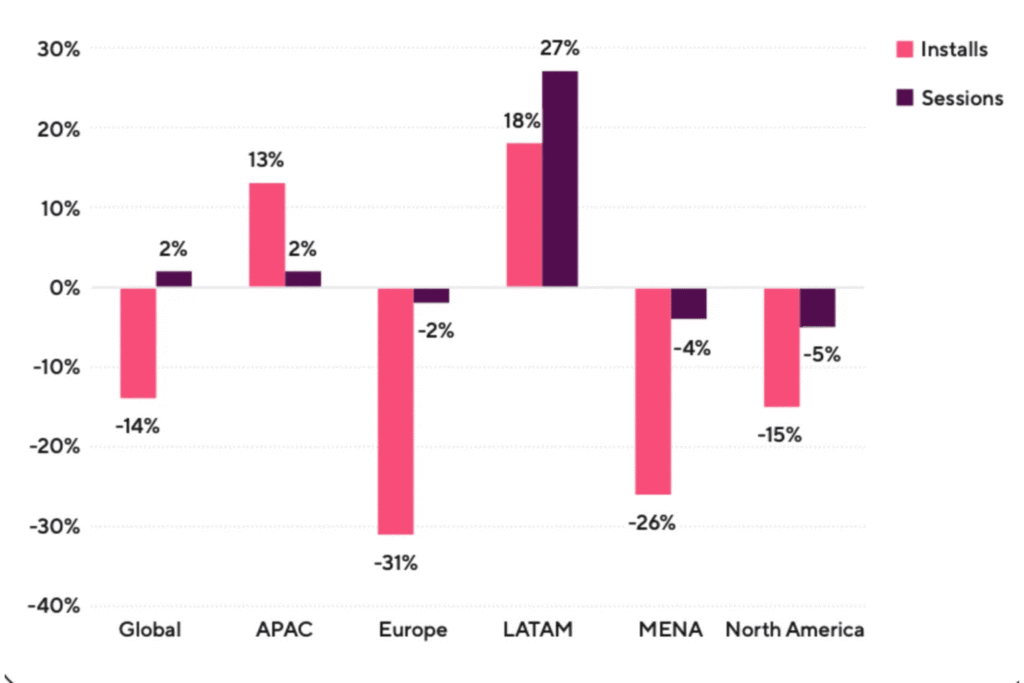
The first half of 2025 has presented a mixed picture for the global e-commerce sector on mobile platforms. According to Adjust’s “Shopping App Insights Report: 2025 Edition,” e-commerce app installs dropped by 14% globally compared to the previous year, while user sessions rose by 2%. These contrasting figures suggest that acquiring new users is becoming increasingly difficult, yet engagement among existing users continues to grow.

The report predicts that global e-commerce spending will reach $6.42 trillion by the end of 2025, with around $2.5 trillion of that expected to come from mobile commerce. Despite this significant potential, the decline in app installs indicates that the industry is struggling to fully capitalize on mobile growth. For e-commerce brands, this underscores the importance of improving user retention and creating long-term engagement.


LATAM and APAC Show Strong Growth, While North America and Europe Decline

Looking at regional trends, Latin America (LATAM) stands out as a rising star in mobile e-commerce. App installs in LATAM increased by 18%, while user sessions surged by an impressive 27%. This growth highlights the region’s rapid digital adoption and untapped market potential.

The Asia-Pacific (APAC) region also recorded steady growth, with installs up by 13% and sessions increasing by 2%. In contrast, mature markets like North America and Europe faced declines. In North America, app installs dropped by 15% and sessions by 5%, while Europe and the MENA region saw similar downward trends.

These findings suggest that e-commerce businesses must reassess their regional strategies and focus more on high-growth markets to remain competitive in the evolving digital landscape.

Descartes Makes a Strategic Move with $40 Million Acquisition of Finale Inventory

Supply chain software leader Descartes Systems Group has taken a significant step forward in its e-commerce growth strategy by acquiring Finale Inventory for approximately $40 million. According to the company’s official announcement, the deal also includes a potential earnout of up to $15 million, which will be paid in fiscal years 2027 and 2028, based on revenue performance.

Based in California, Finale Inventory is a cloud-based inventory management platform that helps multichannel e-commerce businesses automate core processes such as inventory tracking, order management, shipping, and accounting integrations. The platform is particularly well-known for enabling scalable growth in complex inventory environments by providing operational visibility and control.

Mikel Richardson, General Manager of E-Commerce Solutions at Descartes, emphasized Finale Inventory’s strategic value, particularly for scaling e-commerce brands:

“As inventory complexity and the risk of overselling increase, Finale gives merchants the transparency and control they need to grow confidently.”

Descartes’ second major move within a year

This acquisition marks Descartes’ second major investment within a year. Earlier this year, the company acquired 3GTMS, a provider of cloud-based transportation management solutions, for $115 million. That deal was aimed at strengthening Descartes’ capabilities in truckload, less-than-truckload (LTL), and parcel shipping optimization.

Ed Ryan, CEO of Descartes (NASDAQ: DSGX), described the Finale Inventory acquisition as a key addition to the company’s e-commerce strategy:

“Together with Sellercloud, Finale enables us to support e-commerce businesses at every stage of growth—from early-stage startups to global, multi-channel enterprises. We’re thrilled to welcome Finale’s customers, partners, and expert team into the Descartes family.”

The acquisition was funded using Descartes’ existing cash reserves and is expected to further enhance the company’s global vision for integrated inventory, warehousing, and delivery solutions.


Takealot Group Transforms South African Logistics with the Launch of TFS

Esports World Cup Joins Forces with Amazon & AWS to Deliver Groundbreaking Fan Experience

Riyadh, Saudi Arabia — In a bold move set to redefine the esports viewing landscape, the Esports World Cup Foundation (EWCF) has unveiled a new partnership with Amazon and Amazon Web Services (AWS). The collaboration aims to merge competitive gaming, shopping, and entertainment into one seamless experience for global audiences.

Immersive Tech-Powered Fan Engagement

By integrating Amazon’s retail platforms with AWS’s advanced cloud and AI capabilities, fans will enjoy features like automated highlights, player heat maps, win probability insights, and real-time interactive dashboards — all embedded in livestreams and companion apps. This integration is expected to bring the tournament closer to viewers than ever before.

Expansion of Digital Platforms & Content

Building upon their initial 2024 collaboration, EWCF and Amazon are expanding across several channels:

  • Twitch: Live broadcast coverage of matches.
  • Prime Video: Exclusive docuseries and original storytelling.
  • Alexa: Voice-activated real-time match updates.
  • Wondery: Immersive audio narratives.

Esports, Global Reach & Brand Activations

This strategic alliance extends esports content outreach to critical markets including the U.S., Europe, Brazil, Mexico, MENA, Türkiye, India, and Canada. Branded activations and Amazon ads across its platforms will engage fans while offering retail integration through Amazon’s ad tools.

2025 EWC in Full Swing

Returning to Riyadh from July 7 to August 24, 2025, the EWC is delivering esports on a grand scale:

  • Over 2,000 players from 200 clubs across more than 100 countries.
  • 25 tournaments featuring 24 game titles.
  • A record-breaking $70+ million prize pool, the largest in esports history.
  • The event also includes entertainment elements like live music, cosplay, retro arcades, and creator studios, elevating it into a cultural festival.

Tech-Fueled Storytelling

Francois Desir, Senior Manager for Sponsorships at the EWCF, remarked that technology is central to EWC’s growth strategy. The combination of storytelling and real-time engagement via AWS and Amazon promises to deliver unforgettable moments—both at the Amazon Arena in Riyadh and at home. Mike McCabe, EWCF’s COO, added that this partnership brings esports into daily life, making it “always on, accessible, and deeply social.”

This story underscores how the Esports World Cup Foundation is revolutionizing global esports culture through technological innovation and immersive media partnerships.