WORLDEF ISTANBUL 2026 - Early Bird Registration Ends Soon

Register Now

Alibaba Revenue Rises 1.7% but Misses Estimates as Profit Drops 66%

alibaba revenue rises 17percent but misses estimates as profit drops 66percent

Alibaba reported a modest 1.7% increase in quarterly revenue, reaching approximately 284.84 billion yuan ($41.28 billion), but the figure came in below analyst expectations. The results highlight continued pressure on China’s e-commerce sector, where consumer demand remains weak despite ongoing promotional efforts.

Heavy spending on discounts and faster delivery options has not been enough to significantly boost consumption. Ongoing concerns around income stability and the broader economic environment continue to weigh on consumer confidence, limiting the impact of major shopping campaigns.

Profit Declines Sharply Amid Rising Costs

While revenue showed slight growth, profitability declined sharply. Alibaba’s net income fell by 66.3%, reflecting rising operational costs and continued investments in logistics, pricing strategies, and user acquisition. The company, like many of its competitors, appears to be prioritizing market share over short-term profitability in an increasingly competitive landscape.

Cloud and AI Business Shows Strong Momentum

At the same time, Alibaba’s cloud business delivered strong results, with revenue growing 36% year-on-year. The growth is largely driven by increasing demand for artificial intelligence solutions and cloud infrastructure. As AI adoption accelerates, this segment is becoming a key pillar of the company’s long-term strategy.

Alibaba is also restructuring parts of its business to focus more heavily on AI-driven services. New initiatives are aimed at expanding its capabilities in digital assistants and enterprise solutions, signaling a broader shift beyond traditional e-commerce. However, while AI usage is growing, monetization and long-term user engagement are still developing.

Market Reaction and Outlook

Following the earnings release, Alibaba’s U.S.-listed shares fell more than 6%, reflecting investor concerns over weaker-than-expected performance and declining profitability. The reaction underscores the challenges the company faces as it navigates slower growth in its core business while investing in future technologies.

Alibaba’s latest results point to a transition phase. As its e-commerce engine faces pressure, the company is increasingly positioning itself around AI and cloud to support future growth.

Source: Reuters

Alibaba Introduced Its New AI Platform, Wukong

Alibaba

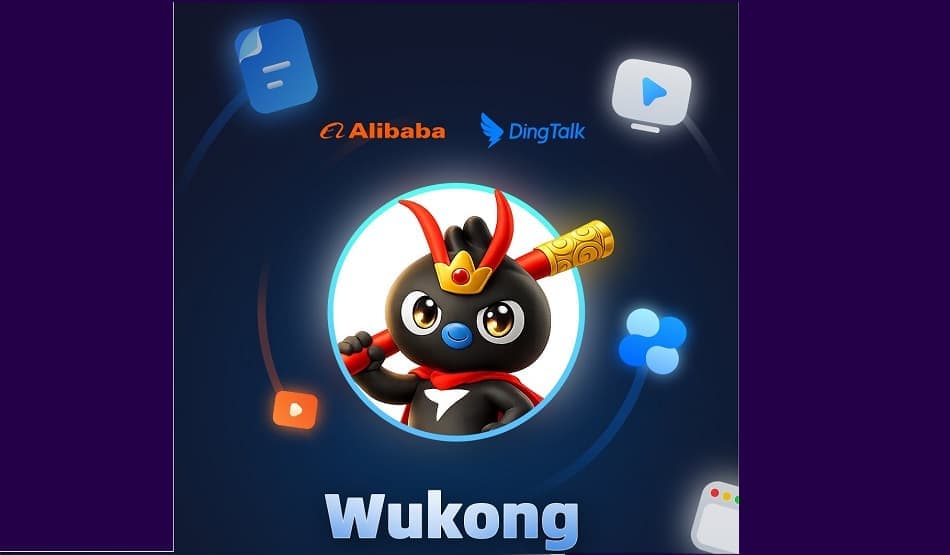
Alibaba announced Wukong, its new platform aimed at placing artificial intelligence directly at the center of corporate business processes and operations.

According to Alibaba’s statement, the platform, which is currently in an invitation-only testing phase, will be available as a standalone application and will later be integrated into Ali baba’s corporate communication and collaboration app, DingTalk. According to Reuters, DingTalk currently serves more than 20 million organizational users and a total of 800 million users.

Wukong Is Not Just an Assistant That Produces Content

The key distinction highlighted by Ali baba is that Wukong is not merely an assistant that generates content. The company states that DingTalk’s infrastructure has been rewritten from the ground up, allowing AI agents to perform tasks directly across thousands of enterprise functions within the system, rather than imitating users through an interface. This structure targets use cases such as document editing, meeting note generation, research, spreadsheet updates, and managing task flows through a single screen.

AI Teams Are Being Gathered Under Alibaba Token Hub

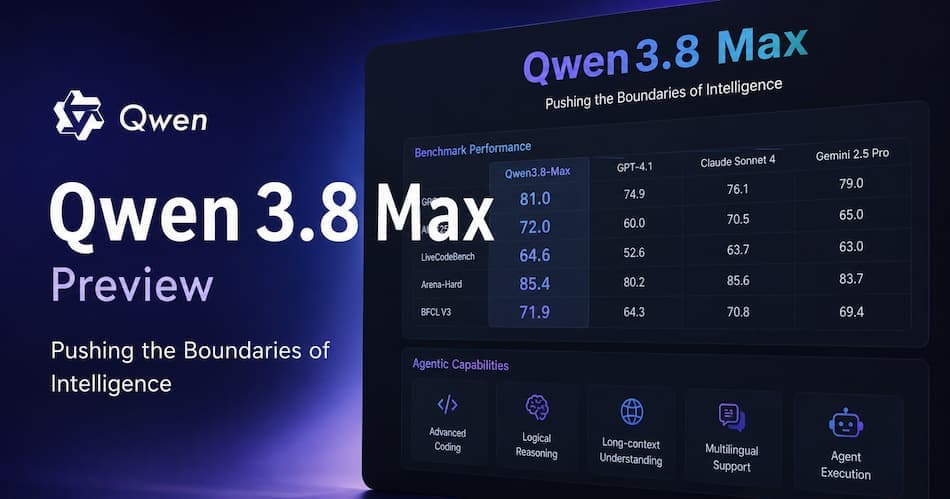
The new platform is also part of Ali baba’s broader AI restructuring, which has accelerated in recent days. The company has begun bringing together Qwen, Wukong, and other artificial intelligence teams under a new umbrella called “Alibaba Token Hub.” The fact that CEO Eddie Wu has directly taken charge of this unit indicates that Alibaba now sees artificial intelligence not only as a product area, but as one of the main axes of growth.

Wukong’s launch comes right in the middle of the accelerating “AI agent” race in China and the global market. Ali baba made this move at a time when rivals such as ByteDance, Tencent, Baidu, and Zhipu are also developing similar enterprise agent systems. Baidu’s announcement this week of a new agent package capable of performing multi-step tasks also shows how intense the competition has become.

Wukong Supports Alibaba’s Claim of Becoming an AI-Powered Business Platform

Alibaba says Wukong was designed for enterprise use with features such as security, access control, and cost tracking. The company’s approach is to transform artificial intelligence from a personal productivity tool for employees into a manageable business layer within company budgets and audit processes. In this respect, Wukong is seen not only as a new product in the enterprise software market, but also as the most concrete step in Alibaba’s ambition to become an AI-powered business platform.