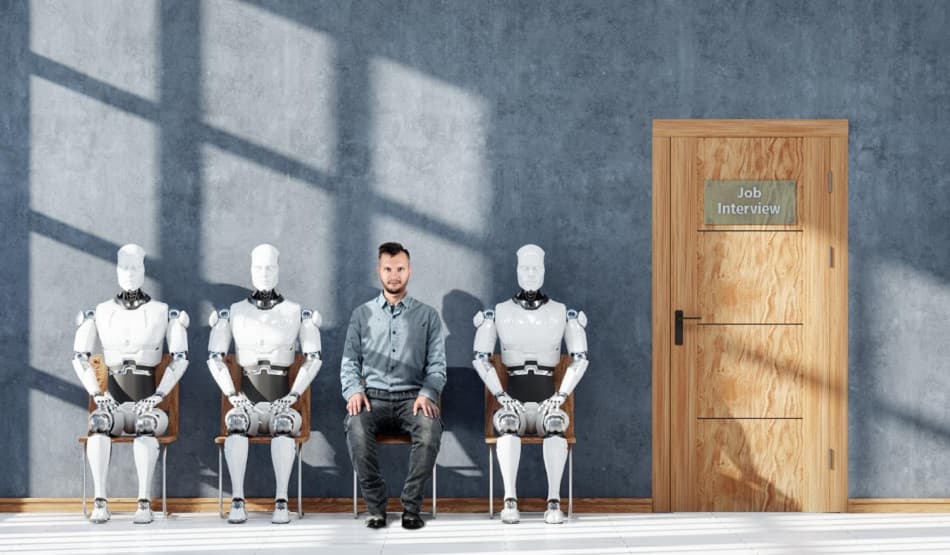
Digital transformation and artificial intelligence (AI) are reshaping workforce dynamics in the MENA region. Arda Atalay, LinkedIn’s Regional Director, evaluated the rise of new job roles, recruitment trends, and the impact of technology on recruitment processes in MENA’s digital economy for WORLDEF E-COMMERCE. Particularly, the sustained recruitment momentum and the use of artificial intelligence in the United Arab Emirates are creating a significant transformation in the region’s workforce strategies. Atalay also discussed how this transformation will adapt the workforce and shape new skill requirements. Arda Atalay’s vision provides an inspiring perspective on MENA’s digital future.
“Recruitment Momentum Continues Steadily in the UAE”
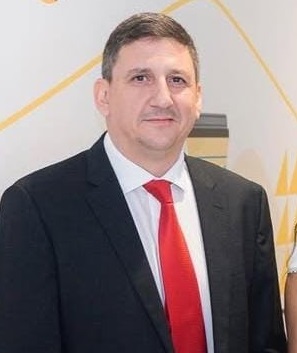
Arda Atalay referred to the structural changes brought about by the digital economy in the MENA region, stating, “The most visible structural shift is the increasing importance given to digital-centered roles, especially in markets like the UAE where recruitment momentum continues steadily. In November, recruitment in the UAE increased by 2.3% year-on-year, reinforcing the country’s position as one of the more resilient labor markets in EMEA–LATAM. This growth is driven by sectors at the heart of the digital economy and platform-based expansion.
The strongest demand is seen in Education (+15.7%), followed by Technology, Information and Media (+12.7%), Real Estate and Equipment Rental Services (+11.7%), and Retail (+10.7%). This table shows an increased demand for talent in both knowledge-based sectors and consumer-focused, e-commerce-driven ecosystems. As of November 2025, hybrid roles account for 17.9% of job listings in the UAE, but only 8.0% of applications,” he said.
“89% of C-Level Participants Trust Artificial Intelligence in the Workplace”
“As artificial intelligence, automation, and data analytics are integrated into daily operations, expectations for both leadership and mid-level talent are rising; mastery of AI is becoming a core competency for performance, decision-making, and competitiveness,” said Atalay, continuing, “In the UAE and Saudi Arabia, trust at the C-level leadership is notably high: 89% of C-level participants report feeling secure about using AI in the workplace. This shows that senior leaders are expected not only to understand AI but also to actively promote its adoption, using it to accelerate decision-making, improve strategic foresight, and enhance organizational efficiency.”
Atalay also shared, “At the mid-level, expectations are shifting from ‘awareness’ to practical competency. 86% of mid-level managers and professionals report feeling secure about using AI in the workplace; however, this confidence is more concentrated at the mid-level: 34% feel very secure, and 52% feel somewhat secure. This indicates that the workforce is generally interacting with AI, but deeper competencies are still being developed.”
“38% in the UAE are Learning In-Demand Skills like Artificial Intelligence”
Atalay noted a clear shift towards skill-focused mobility and cross-sector repositioning among job seekers in the UAE and Saudi Arabia, saying, “This reflects that talent flows in MENA are being shaped by digital transformation. In the UAE, 38% are learning in-demand skills like AI, 36% are enhancing their resumes and LinkedIn profiles; in Saudi Arabia, 29% are developing skills, and 27% are updating their professional profiles. In both markets, career strategies are expanding beyond traditional paths: 34% of job seekers in the UAE and 30% in Saudi Arabia are seeking jobs outside their current sectors.
Moreover, 32% in the UAE and 30% in Saudi Arabia are utilizing AI tools during their job search. Despite this, core behaviors remain important, such as networking (28% in the UAE; 24% in Saudi Arabia) and interview preparation (22% in both countries). In the UAE, there are signs of a shift in preferences post-pandemic; 25% of participants are considering face-to-face roles for the first time since COVID.”
“Access to Opportunities through Digital Networks is Becoming More Democratic”
Atalay mentioned that historically, recruitment in MENA has been based on both official qualifications (academic credentials and work experience) and personal relationships, stating, “However, with the transformation driven by AI, the evolution of roles is increasing the need for both AI and social skills, which has led to a growing focus on skills in recruitment processes. Notably, in both the UAE and Saudi Arabia, 74% of participants believe online professional platforms offer fairer opportunities. This indicates that digital networks are democratizing access to opportunities while preserving the relationship-building culture valued by professionals.”
Talent Intelligence, Search, and Strategic Growth
Atalay remarked, “More than 70% of HR professionals in the UAE and 80% in Saudi Arabia feel they need to make decisions faster than ever to succeed in their jobs. In contrast, 50% and 38%, respectively, say that decisions are accumulating faster than they can act on them.”
He added, “The need for speed does not eliminate the importance of thoughtful decision-making: Nearly half of HR leaders in the UAE and Saudi Arabia report spending more time on assessment than on execution. This shows they are balancing urgency with accuracy. Rather than becoming overwhelmed, HR teams in the region are turning this challenge into an opportunity. In both countries, around 80% are seeking AI training to manage the increased workload.
This indicates a strong appetite for tools that speed up routine tasks while leaving room for human judgment. In line with LinkedIn’s forecasts, the future of work is not about competition between humans and AI but collaboration between them. The real opportunity lies in creating a balanced partnership, and this is particularly evident in our region, where there is a strong focus on human decision-making and relationship-building skills while rapidly adopting AI tools.”
“Leaders Are Benefiting from AI in Recruitment Processes Without Losing the Human Touch”
“Atalay explained that the leaders he spoke with are using AI to accelerate and streamline recruitment processes, but without losing the human touch that defines the way we work.” He continued, “This is exactly why we developed LinkedIn’s newest talent agent, Hiring Assistant. This tool is designed to take over repetitive and time-consuming tasks that slow down recruiters, allowing them to focus on connecting, advising managers, and creating strong candidate experiences.
When introducing this tool to HR teams, I show how simple it is: once a job description and notes are uploaded, Hiring Assistant instantly turns it into role competencies and a candidate pool. It also incorporates past applications via the Recruiter System Connect and continuously learns from recruiter feedback. Over time, it adapts to the preferences, practices, and cultural nuances of each recruiter, instead of imposing a one-size-fits-all approach.”
“Talent is the Most Critical Competitive Advantage in Business”
Atalay concluded with this assessment: “In the MENA digital economy beyond 2026, competitiveness will depend on how well employees and organizations adopt and adapt to AI, prioritize continuous digital skill development, embrace flexible working models, and develop human competencies supported by data-driven workforce strategies.
The paradox I observe in the strong and resilient Gulf economies is not a challenge to overcome but a strength to build upon. While other regions debate whether to trust AI or intuition, we have already found the balance point. We are using technology to accelerate processes while maintaining the cultural depth that defines our way of working. Tools like LinkedIn Hiring Assistant show how this can be practically achieved.
The human-AI balance is crucial because talent decisions shape not only individual companies but also the growth of entire economies. It has become clear in recent years that talent is the most critical competitive advantage for businesses to win in the rapidly evolving business world. As global competition for skills intensifies, our ability to leverage AI without overlooking the human element could provide MENA with an advantage that few other regions can replicate.”