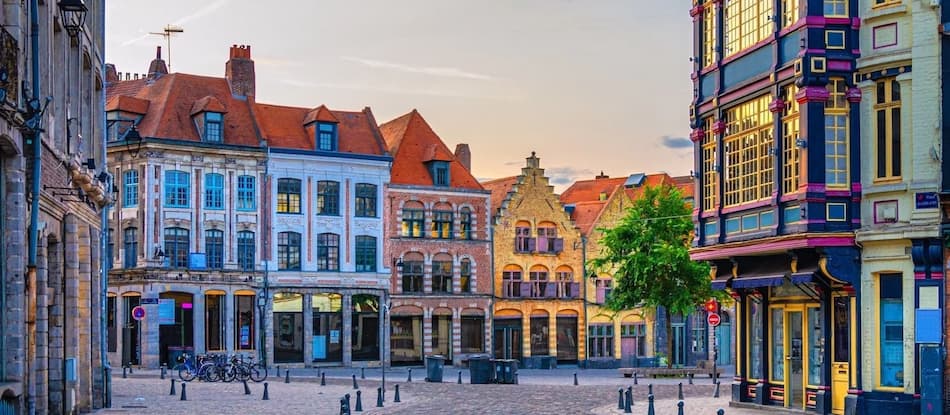
The European Union has selected the French city of Lille as the headquarters of its new Customs Authority, marking a major step in the bloc’s efforts to modernise its trade and customs systems.
The decision follows a competitive bidding process involving several European cities, including Rome, Warsaw, The Hague and Bucharest. In the final round, Lille secured the position, reinforcing France’s central role in shaping the future of EU customs operations.
The new authority is expected to be established in 2026 and could become fully operational by 2028, although timelines remain subject to final negotiations.
A Central Hub for EU Customs Reform
The creation of the EU Customs Authority is part of a broader overhaul of the EU customs framework. The reform aims to address growing challenges linked to rising trade volumes, fragmented national systems and the rapid expansion of e-commerce.
In particular, the surge in low-value shipments and cross-border online trade has placed increasing pressure on existing customs infrastructure. The new authority is expected to play a key role in improving coordination, strengthening enforcement and supporting a more unified approach across member states.
Beyond enforcement, the authority will also contribute to the development of a more digital and data-driven customs system, aligning with the EU’s wider strategy to modernise trade operations.
Why Lille Was Selected
Lille’s selection reflects both strategic and operational advantages. Located at a key crossroads of European trade routes, the city offers strong logistics connectivity and proximity to major markets, including the UK and Northern Europe.
France also highlighted its experience in managing large trade flows and its established customs infrastructure as part of its bid. The country remains one of the EU’s primary entry points for goods, handling a significant share of incoming parcels.
In addition, Lille presented a ready-to-use infrastructure plan and committed to supporting operational costs, strengthening its position in the final decision process.
What This Means for E-Commerce and Trade
The establishment of the EU Customs Authority comes at a time when global trade is becoming increasingly complex. Geopolitical tensions, shifting tariffs and the continued rise of e-commerce are forcing governments to rethink how goods are monitored and regulated.
For e-commerce businesses, the move signals a shift toward more structured and centralised customs processes. Combined with upcoming regulatory changes such as the removal of de minimis thresholds, the EU is moving toward tighter control over cross-border flows.
As previously highlighted in WORLDEF’s coverage of customs and e-commerce trends, the future of cross-border trade will be defined less by speed alone and more by compliance, data accuracy and operational resilience.
The decision to base the authority in Lille underlines the EU’s intention to build a more integrated and technologically advanced customs system. For businesses operating across borders, this marks another step toward a more regulated, but also more predictable, trade environment.
Source: Euronews