WORLDEF ISTANBUL 2026 - Early Bird Registration Ends Soon

Register Now

JD.com Launches Joybuy Across 6 European Countries in Bold Expansion

JD.com launches Joybuy e-commerce platform in Europe to compete with Amazon

Chinese e-commerce giant JD.com has launched its new online retail platform Joybuy across six European countries, marking one of the company’s most significant international expansion moves to date. The rollout signals JD.com’s ambition to challenge established players such as Amazon in one of the world’s most competitive digital retail markets.

The platform debuted in the United Kingdom, Germany, France, the Netherlands, Belgium and Luxembourg, offering a broad assortment of products ranging from consumer electronics and home appliances to beauty items and groceries. At launch, the marketplace includes more than 100,000 products from global brands including Apple and Samsung.

JD.com Accelerates Global Expansion

The European launch comes as JD.com looks beyond its domestic market for growth. Competition in China’s e-commerce sector has intensified in recent years, pushing major platforms to explore new international opportunities.

By introducing Joybuy in Europe, JD.com is positioning itself as a direct competitor to Amazon while also expanding the global reach of both Chinese and international brands through its marketplace infrastructure.

Founded by billionaire entrepreneur Liu Qiangdong, JD.com has grown into one of the world’s largest online retailers. The company generated more than $150 billion in annual revenue and has built a reputation for its integrated logistics network and fast delivery capabilities.

Fast Delivery at the Core of the Strategy

A key feature of Joybuy’s European rollout is its focus on rapid delivery. JD.com plans to leverage its logistics infrastructure to provide same-day and next-day delivery services in major cities. Orders placed earlier in the day may arrive within hours, giving the platform a competitive advantage in markets where delivery speed is increasingly critical to consumer choice.

The company has invested heavily in logistics infrastructure across Europe, including dozens of warehouses and distribution centers that support its proprietary delivery network. This integrated supply chain approach has long been a defining feature of JD.com’s operations in China and is expected to play a central role in its European strategy.

Competing in Europe’s Crowded E-Commerce Market

Europe represents one of the most developed and competitive e-commerce markets globally. Amazon currently dominates much of the region’s online retail sector, while Chinese platforms such as Temu and Shein have also been expanding aggressively across Western markets.

JD.com hopes its combination of competitive pricing, global brands and fast delivery will help the company attract European consumers looking for alternatives to existing platforms.

Industry analysts note that the move could intensify competition in the region, particularly as global e-commerce companies continue to expand logistics networks and cross-border marketplaces.

A Long-Term Bet on Overseas Growth

The Joybuy launch represents JD.com’s largest overseas expansion initiative so far and highlights the company’s long-term strategy to reduce reliance on China’s domestic market.

If successful, the platform could become a major new channel for international brands while also giving Chinese merchants broader access to European consumers.

Source: Business Standard

WORLDEF PRIME Matchmaking Summit Brings Together Global Leaders of E-Commerce in Antalya

WORLDEF PRIME

Leading figures of the global e-commerce sector are preparing to come together at the WORLDEF PRIME Matchmaking Summit to be held in Antalya.

The WORLDEF PRIME Matchmaking Summit will take place on October 19–21, 2026 at the Kremlin Palace in Antalya. The event will bring together decision-makers, investors, and technology leaders of the global e-commerce ecosystem on the same platform.

Within the scope of the organization, industry representatives from 82 different countries are expected to gather in Antalya. The event will offer an important platform for the development of international collaborations and the evaluation of new trade opportunities.

What Does the WORLDEF PRIME Matchmaking Summit Promise?

The WORLDEF PRIME Matchmaking Summit aims to be a strategic meeting point especially for companies that want to grow on a global scale. Participants will have the opportunity to establish business connections that can help them expand into new markets throughout the event.

High-level business meetings to be organized within the program will lay the groundwork for the establishment of new partnerships between companies. Representatives of companies operating in e-commerce, logistics, payment systems, technology, and digital trade will be able to establish direct contact during the event.

Networking and Business Opportunities Together

The organization, which will last for three days and two nights, aims to go beyond being an event consisting only of panels and meetings. The program designed for participants will offer an environment that allows real business opportunities to be evaluated.

One of the most remarkable parts of the event will be the special gala night to be held under the stars. In this networking-focused event, participants will have the opportunity to communicate more closely with industry professionals from different countries. A live concert will also be organized as part of the program.

The Future of the E-Commerce World Will Be Discussed

The WORLDEF PRIME Matchmaking Summit is expected to contribute to the formation of new collaborations and strategic partnerships regarding the future of the global e-commerce sector. The summit, where industry leaders will come together, will be an important meeting point for expanding international trade networks and strengthening the digital trade ecosystem.

ASEAN Negotiators Move Closer to Landmark Digital Economy Agreement in Manila Talks

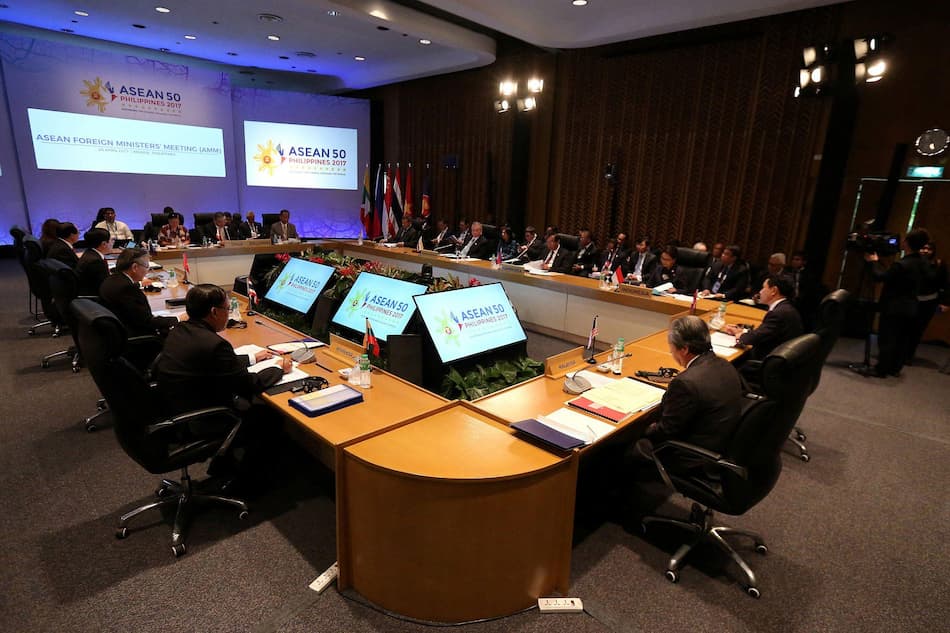
ASEAN officials meeting in Manila to discuss regional digital economy agreement

The ASEAN digital economy framework took another step forward as negotiators convened in Manila to advance a landmark regional agreement.

Officials and technical experts from the Association of Southeast Asian Nations (ASEAN) met in Bonifacio Global City from March 8 to 10 for the 18th meeting of the ASEAN Digital Economy Framework Agreement (DEFA) Negotiating Committee, alongside a second session involving legal experts reviewing the draft provisions of the agreement.

The meeting represents another step toward building a unified regional framework designed to support the growth of digital commerce, cross-border services and technology-driven innovation across Southeast Asia.

Toward a Unified ASEAN Digital Economy

The proposed ASEAN Digital Economy Framework Agreement is intended to establish common rules and standards for digital trade among the bloc’s 10 member states.

Regional policymakers say the agreement could play a critical role in accelerating digital integration, improving interoperability between national systems and reducing regulatory fragmentation that currently complicates cross-border digital transactions.

Southeast Asia has become one of the fastest-growing digital markets in the world. According to regional estimates cited by officials, the ASEAN digital market could reach $2 trillion by 2030, fueled by expanding internet access, mobile adoption and a rapidly growing e-commerce sector.

By introducing shared frameworks for digital payments, electronic documentation, cybersecurity cooperation and consumer protection, the agreement aims to create a more seamless digital marketplace across ASEAN countries.

Boosting Cross-Border E-Commerce

One of the core objectives of the digital economy agreement is to support the continued expansion of cross-border e-commerce throughout the region.

Online commerce has grown rapidly in Southeast Asia over the past decade, with millions of consumers increasingly relying on digital platforms to purchase goods and services from across borders.

Officials involved in the negotiations say the framework could make it easier for companies to operate regionally by simplifying digital trade procedures and promoting compatible regulations between countries.

The agreement is also expected to benefit micro, small and medium-sized enterprises (MSMEs), which form the backbone of many ASEAN economies. By lowering barriers to digital trade, smaller businesses could gain easier access to international markets and new customer bases.

Improved interoperability between digital payment systems and electronic documentation could also help reduce costs and improve transaction efficiency for businesses operating online.

Legal Review and Next Steps

During the Manila meetings, negotiators worked to narrow remaining differences on key provisions while legal experts reviewed sections of the agreement that have already been finalized.

This process, often referred to as “legal scrubbing,” ensures that the text of the agreement is consistent, clear and ready for final approval once negotiations conclude.

The digital trade initiative is among the Philippines’ priority economic projects during its ASEAN leadership agenda in 2026. Regional officials have expressed optimism that negotiations could be completed within the year if discussions continue progressing as expected.

If finalized, the ASEAN Digital Economy Framework Agreement would become one of the most comprehensive regional frameworks dedicated specifically to digital economic cooperation, potentially reshaping how digital trade operates across Southeast Asia.

The agreement is widely seen as a major step toward creating a more connected regional digital market capable of supporting innovation, investment and long-term growth.

Source: Philippine Information Agency (PIA)

EU E-Commerce: 35% of Consumers Face Problems When Shopping Online

Digital e-commerce shopping interface

E-commerce across the European Union continues to expand, but a growing number of consumers are encountering problems while shopping online. According to new data released by Eurostat, more than a third of online shoppers in the European Union reported encountering problems when buying products or services through websites or mobile apps.

The findings highlight ongoing challenges in the digital retail experience even as e-commerce adoption across the region continues to rise.

Online Shopping Issues Affect Over One-Third of EU Consumers

Eurostat’s latest survey on the use of information and communication technologies shows that 35.4% of online shoppers in the EU experienced at least one problem when purchasing online in 2025.

The study analyzed consumer experiences across member states and revealed considerable variation between countries. The highest shares of shoppers reporting issues were recorded in Malta, where 64% of consumers encountered problems while shopping online. The Netherlands followed with 57.9%, while Luxembourg reported 51.4%.

In contrast, several EU countries showed far lower rates of customer difficulties. Portugal recorded the lowest share, with only 4.5% of online buyers reporting problems. Greece and Latvia also saw relatively low levels of consumer complaints at 10.6% and 13.3%, respectively.

The wide differences suggest that infrastructure, logistics performance, platform quality and consumer protection mechanisms may vary significantly across national e-commerce ecosystems.

Delivery Delays Remain the Most Common Complaint

Among the various problems identified in the survey, late delivery was the most frequently reported issue. Nearly one in five EU online shoppers (19.9%) said their orders arrived later than expected.

Logistics delays can occur for several reasons, including cross-border shipping complexities, warehouse processing times and disruptions in supply chains. As e-commerce volumes increase, delivery performance has become one of the most critical factors influencing customer satisfaction.

The second most common issue was related to website usability. Around 11.5% of shoppers reported that websites or apps were difficult to use or did not function properly during the purchasing process.

Meanwhile, 10.4% of consumers reported receiving incorrect or damaged goods or services after completing their orders.

These findings highlight the importance of not only reliable logistics networks but also well-designed digital shopping interfaces.

E-Commerce Continues to Grow Across Europe

Despite these challenges, online shopping remains a dominant retail channel in Europe. Eurostat data shows that 78% of EU internet users purchased goods or services online in 2025, reflecting the continued expansion of digital commerce across the region.

The highest participation rates are typically seen among younger age groups, particularly consumers aged 25–34 and 35–44, who represent the largest share of online buyers in the EU.

Industry analysts note that while consumer adoption is strong, improving the overall reliability of delivery services and platform performance will be key to sustaining growth in Europe’s e-commerce market.

For retailers and marketplaces operating in the region, addressing logistics efficiency, improving user experience and strengthening product quality controls could play a crucial role in reducing customer complaints and building long-term consumer trust.

Source: Eurostat

Amazon Tests New Shopping Feature Showing Products From Brand Websites

User browsing products on the Amazon Shopping mobile app

Amazon is experimenting with a new feature that allows shoppers to discover products from external brand websites directly within the Amazon Shopping app.

In a blog post published on February 11, 2025, the company announced it is testing a beta program that displays selected products from other brands’ websites in search results for a limited group of U.S. customers.

Amazon Expands Shopping Experience Beyond Its Marketplace

Under the new feature, users searching in the Amazon app may see products that are not sold directly through Amazon’s marketplace. When a customer taps on one of these items, they receive a notification informing them that they are leaving Amazon and will be redirected to the brand’s official website to review pricing, shipping options and complete the purchase.

Amazon said the experiment is designed to improve product discovery and give customers access to a broader selection beyond the products currently available on its platform.

Amazon Marketplace Already Offers Hundreds of Millions of Products

The company already offers hundreds of millions of items on its marketplace, including more than 300 million products eligible for fast and free Prime delivery across over 35 product categories.

This large product catalog has helped Amazon remain one of the most dominant global ecommerce marketplaces.

Buy with Prime Still Offers Benefits for Members

In cases where brands support Buy with Prime, Amazon Prime members may still benefit from familiar services such as fast delivery, simple returns and 24/7 customer support when purchasing directly from the brand’s website.

This allows customers to enjoy many of the same advantages they receive when buying products directly from Amazon.

Amazon Plans to Expand the Beta Program

Rajiv Mehta, Amazon’s Vice President of Search and Conversational Shopping, said the company continues to explore new ways to improve convenience and expand product selection for shoppers.

The beta test is currently available to a subset of U.S. users on both iOS and Android, and Amazon said it plans to expand the feature to more customers and brands based on feedback from the trial.

The move reflects Amazon’s broader strategy to make its app a more comprehensive shopping discovery platform, even when purchases ultimately take place on external brand websites.

Source:
Amazon

For more insights on global ecommerce trends and digital commerce innovation, explore more stories on the WORLDEF.