WORLDEF ISTANBUL 2026 - Upcoming Event

Register Now

MercadoLibre Revenue Jumps 49% as E-Commerce Demand Accelerates Across Latin America

MercadoLibre Revenue Jumps 49% as E-Commerce Demand Accelerates Across Latin America

Latin American e-commerce and fintech giant MercadoLibre reported stronger-than-expected first-quarter revenue results, driven by rising online shopping activity and continued growth in its digital payments ecosystem. The company posted its fastest revenue expansion in nearly four years, reinforcing its position as one of the region’s most influential digital commerce platforms.

MercadoLibre generated $8.8 billion in revenue during the first quarter of 2026, marking a 49% year-over-year increase and surpassing analysts’ expectations of approximately $8.3 billion. The company’s performance was fueled by strong consumer demand across its marketplace operations as well as sustained momentum from Mercado Pago, its fintech and digital payments division.

Despite the strong top-line growth, profitability came under pressure as the company increased investments in logistics infrastructure, free shipping initiatives, and credit expansion strategies. Net profit declined 15.6% year-over-year to $417 million, falling below market expectations for the fourth consecutive quarter. Following the earnings release, MercadoLibre shares experienced a slight decline as investors reacted to margin pressures despite the revenue beat.

MercadoLibre Expands Its Regional E-Commerce Dominance

MercadoLibre continues to strengthen its leadership across Latin America, particularly in Brazil, Mexico, and Argentina — its three largest markets. The company has been aggressively investing in fulfillment centers, delivery capabilities, and financial services to deepen customer engagement and compete more effectively against both regional and global rivals.The company’s integrated ecosystem has become a key competitive advantage. By combining e-commerce, logistics, digital payments, and credit services under one platform, MercadoLibre has managed to create a highly interconnected commerce environment for consumers and merchants alike. Analysts increasingly view this strategy as critical to sustaining long-term growth in the region’s evolving digital economy.

Mercado Pago also remains one of the company’s strongest growth engines. The fintech division continues to expand its user base by offering digital wallets, payment processing, consumer credit, and merchant financing solutions in markets where traditional banking penetration remains relatively low. This positions MercadoLibre at the center of Latin America’s accelerating transition toward digital finance.

While short-term profitability pressures persist due to aggressive reinvestment, many investors continue to focus on MercadoLibre’s long-term expansion potential. The company’s ongoing investments in logistics efficiency, customer acquisition, and financial services are widely viewed as strategic moves designed to strengthen market share and support future scalability.MercadoLibre’s latest results also highlight the broader resilience of the Latin American e-commerce sector, where rising internet penetration, mobile commerce adoption, and digital payment usage continue to reshape consumer behavior across the region.

Source

Khwarizmi Ventures Achieves Powerful $70M First Close for GCC Tech Startups

Khwarizmi Ventures Achieves Powerful $70M First Close for GCC Tech Startups

Saudi Arabia-based venture capital firm Khwarizmi Ventures has announced the first close of its second investment fund, securing more than $70 million in commitments to support early-stage technology startups across the GCC. The move reflects growing investor confidence in the Gulf’s expanding startup ecosystem, particularly in Saudi Arabia, which continues to strengthen its position as a regional venture capital hub.

Strong First Close Signals Investor Confidence

Khwarizmi Ventures confirmed that the first close of Fund II exceeded SAR 270 million ($70 million+), backed by institutional investors and major Saudi family offices. The fund will focus primarily on Seed and Series A startups developing scalable technology-driven businesses across GCC markets.

The VC firm stated that Fund II is designed to support ambitious founders building companies with regional and global expansion potential. The investment strategy will continue targeting sectors experiencing rapid digital transformation, including fintech, e-commerce, logistics, artificial intelligence, SaaS, and enterprise technology.

The announcement also highlights the increasing maturity of the GCC startup landscape, where venture funding activity has accelerated over the past few years due to economic diversification efforts and rising private-sector participation.

Saudi Arabia Continues Expanding Its Startup Ecosystem

Saudi Arabia has become one of the Middle East’s fastest-growing startup ecosystems, supported by initiatives aligned with Vision 2030. Government-backed programs, sovereign investment activity, and growing interest from institutional investors have significantly boosted the Kingdom’s technology sector.

Venture capital activity in Saudi Arabia has steadily increased as more startups secure regional and international funding rounds. The country’s push toward digital transformation, fintech innovation, and entrepreneurship development has created favorable conditions for investors seeking long-term growth opportunities in the region.

Khwarizmi Ventures’ latest fund launch comes amid rising demand for early-stage capital across the Gulf, where startups are increasingly targeting cross-border expansion from day one.

Building on the Success of Fund I

Founded in 2018, Khwarizmi Ventures has established itself as one of Saudi Arabia’s active early-stage investment firms. Its first fund, launched in 2021 with approximately $70 million in capital, invested in more than 30 startups across the MENA region.

The firm’s portfolio includes several fast-growing regional technology companies such as Calo, Eyewa, Tamara, and HALA. Khwarizmi Ventures has also recorded multiple successful exits from Fund I, strengthening its reputation within the regional investment ecosystem.

The company said the second fund aims to build on these results by identifying high-potential startups earlier and supporting them throughout their growth journey.

Focus on Long-Term Founder Support

Khwarizmi Ventures plans to write initial investment checks ranging between $1 million and $5 million while reserving additional capital for follow-on rounds in top-performing portfolio companies.

This strategy reflects a broader shift among GCC venture capital firms toward long-term founder support and sustainable scaling rather than short-term capital deployment. Investors across the region are increasingly prioritizing startups with strong fundamentals, scalable business models, and regional expansion capabilities.

Managing Partner Abdulaziz Al-Turki previously described the regional startup environment as a “golden opportunity” for early-stage investment, citing the growing number of technology unicorns and the increasing sophistication of founders emerging from the MENA ecosystem.

GCC Startup Market Attracts Global Attention

The Gulf startup ecosystem has continued attracting both regional and international investors as governments accelerate investments in digital infrastructure, AI, financial technology, and entrepreneurship programs.

Saudi Arabia, the UAE, and other GCC markets are witnessing stronger collaboration between private investors, sovereign wealth funds, accelerators, and venture capital firms. This momentum has helped position the region as one of the fastest-growing innovation markets globally.

Industry analysts expect Khwarizmi Ventures’ Fund II to play an important role in financing the next generation of GCC startups, particularly companies using Saudi Arabia as a launchpad for regional and international growth.

Source

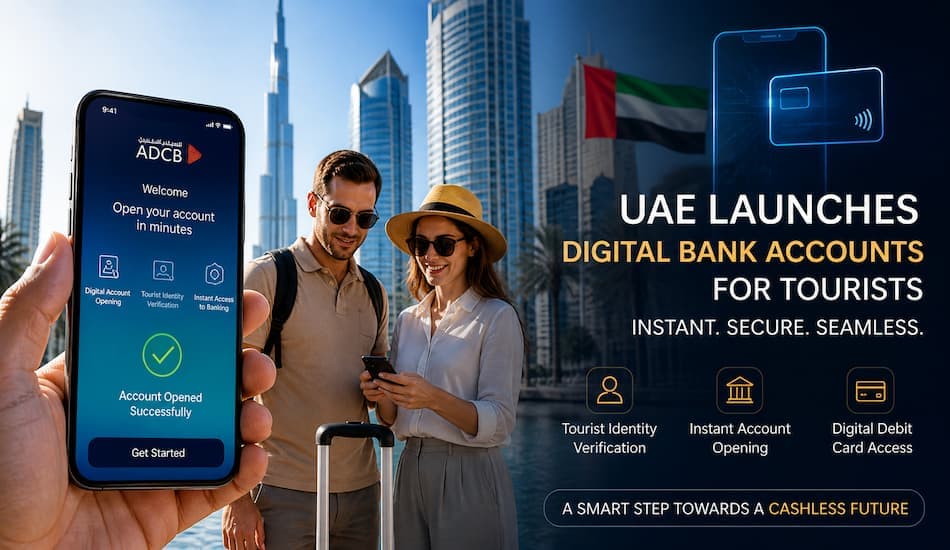
3 Powerful Gains as UAE Launches Digital Bank Accounts for Tourists via “Tourist Identity”

3 Powerful Gains as UAE Launches Digital Bank Accounts for Tourists via “Tourist Identity”

The Central Bank of the UAE (Central Bank of the UAE), in collaboration with the Federal Authority for Identity, Citizenship, Customs and Port Security and Abu Dhabi Commercial Bank, has introduced a groundbreaking digital banking service that enables tourists to open bank accounts instantly using a newly developed “Tourist Identity” system.

Announced on April 30, 2026, the initiative represents a major advancement in the UAE’s digital economy strategy, combining fintech innovation with government-led identity infrastructure to enhance the overall visitor experience.

Instant Account Opening Without Friction

At the core of the initiative is the ability for international visitors to open a fully functional digital bank account within minutes. The process is powered by a secure digital identity created through biometric verification and facial recognition technologies.

By integrating the national identity platform with ADCB’s digital banking infrastructure, the service removes traditional onboarding barriers such as physical documentation and in-branch verification. Tourists can complete the entire process remotely and gain immediate access to essential banking services.

Expanding Access to Digital Financial Services

The rollout introduces a new level of accessibility for non-resident users, allowing them to participate directly in the UAE’s financial ecosystem. Once onboarded, users can:

  • Access digital banking services instantly
  • Receive and activate virtual debit cards
  • Conduct secure cashless transactions across the country

This approach not only improves convenience but also aligns with global trends toward frictionless financial services and mobile-first banking experiences.

Accelerating the UAE’s Cashless Economy Vision

The initiative is closely aligned with the UAE’s ambition to build a fully cashless and digitally integrated economy. By extending financial access to tourists, the system supports increased adoption of digital payments across retail, hospitality, and service sectors.

At the same time, the framework strengthens regulatory compliance and consumer protection by ensuring that all accounts are created through verified and secure identity channels.

Reinforcing Global Leadership in Fintech Innovation

With this launch, the UAE further solidifies its position as a leading hub for digital finance and innovation. The collaboration between regulatory authorities and financial institutions demonstrates a scalable model for integrating public infrastructure with private-sector banking services.

The “Tourist Identity” initiative also reflects a broader strategic direction, bridging tourism, fintech, and smart government services to deliver a seamless, tech-driven experience for international visitors.

A Strategic Step Toward Seamless Travel Experiences

As global competition intensifies in both tourism and financial services, the UAE continues to differentiate itself through innovation-led policies. Enabling instant bank account access for tourists is not just a convenience feature, it is a strategic move that enhances the country’s attractiveness as a destination for both leisure and business travelers.

By combining secure digital identity with real-time banking capabilities, the UAE is setting a new benchmark for how financial services can be embedded into the travel experience.

Source

Türkiye Unveils Landmark Investment Reform Package to Reinforce Global Competitiveness

Türkiye Unveils Landmark Investment Reform Package to Reinforce Global Competitiveness

Türkiye has announced a comprehensive investment reform package aimed at strengthening its position in the global economy, signaling a decisive shift toward long-term structural transformation and investor-centric policy making.

The initiative, introduced by Finance Minister Mehmet Simsek, reflects a coordinated effort to enhance macroeconomic stability, improve the investment climate, and attract sustained foreign direct investment (FDI).

Structural Reforms Anchored in Predictability and Confidence

At the center of the reform agenda is a commitment to predictability, transparency, and institutional reliability, key pillars for international investors assessing emerging markets. The package introduces measures to streamline administrative procedures, reinforce legal frameworks, and reduce operational friction for both domestic and foreign investors.

Rather than a short-term stimulus, the reforms are positioned as part of a broader economic rebalancing strategy designed to support sustainable growth and integration into global value chains.

Targeted Incentives to Drive High-Value Investment

A defining feature of the package is its targeted approach to sectoral development. The government is prioritizing high-value industries, including advanced manufacturing, digital technologies, and export-oriented services, through a series of competitive tax incentives and regulatory advantages.

These measures are expected to significantly enhance Türkiye’s attractiveness for multinational corporations seeking regional production and service hubs, particularly amid ongoing global supply chain realignments.

Strategic Positioning of Istanbul as a Financial Center

The reform framework places strong emphasis on advancing Istanbul Financial Center as a regional and international financial hub. By aligning regulatory standards with global benchmarks and offering tailored incentives, Türkiye aims to attract leading financial institutions and deepen capital market activity.

This positioning leverages Istanbul’s geographic advantage as a bridge between Europe, Asia, and the Middle East, an increasingly valuable proposition in a fragmented global economic environment.

A Long-Term Vision for Economic Transformation

Beyond immediate investment flows, the reform package underscores Türkiye’s ambition to transition toward a more resilient, technology-driven, and export-led economic model. The focus on fiscal discipline, productivity, and institutional strengthening reflects a strategic recalibration following recent macroeconomic challenges.

Implications for Global Investors

For international stakeholders, the scale and scope of the reform signal a renewed commitment to economic orthodoxy and openness. If effectively implemented, the package could reposition Türkiye as a key destination for capital allocation across multiple sectors.

At a time when investors are actively reassessing global exposure, Türkiye’s reform agenda presents a timely and potentially transformative opportunity.

Source

Access the latest global business intelligence on WORLDEF News

Telr Enables Jaywan to Expand Payment Platform Capabilities for UAE Business

Telr Enables Jaywan to Expand Payment Platform Capabilities for UAE Business

UAE-based payment gateway Telr has expanded its platform capabilities by enabling the country’s domestic card scheme, Jaywan, across its merchant network. The move reflects a broader push to strengthen local payment infrastructure while enhancing transaction efficiency for businesses operating in the UAE’s digital economy.

Jaywan, introduced by Al Etihad Payments under the Central Bank of the UAE, is designed as a nationally operated card payment system aimed at supporting financial inclusion and reducing reliance on international payment networks.

By integrating Jaywan into its platform, Telr enables merchants to accept domestic card payments seamlessly, providing a more localized and potentially cost-efficient transaction flow.

Strengthening Local Payment Infrastructure

The integration marks a notable step in the UAE’s ongoing effort to build a more self-sufficient financial ecosystem. Domestic payment schemes like Jaywan are intended to keep transaction processing within the country, improving speed, security, and data control while lowering associated costs.

For merchants, the addition of Jaywan expands payment acceptance options without requiring additional technical integration. Telr’s platform already supports a wide range of global payment methods, and the inclusion of a local scheme enhances flexibility for businesses targeting both domestic and international customers.

From a strategic standpoint, this development aligns with the UAE’s long-term digital transformation goals, where payments infrastructure plays a central role in enabling e-commerce growth.

Enhancing Merchant Efficiency and Customer Experience

The ability to process Jaywan transactions through a single platform simplifies operations for merchants. Instead of managing multiple payment systems, businesses can centralize their payment workflows within Telr’s infrastructure.

This consolidation offers several advantages, including:

  • Faster transaction processing
  • Reduced complexity in payment management
  • Improved checkout experience for customers

As consumer expectations around speed and convenience continue to rise, seamless payment experiences have become a critical factor in online conversion and retention.

A Shift Toward Localized Payment Strategies

The introduction of Jaywan into commercial platforms signals a broader shift toward localized payment strategies in the region. While global networks such as Visa and Mastercard remain dominant, domestic schemes are increasingly being positioned as complementary solutions that address specific market needs.

Jaywan’s development is part of a wider effort to create a resilient and competitive payments ecosystem, capable of supporting both local businesses and international trade. The scheme is expected to expand further as banks and financial institutions continue rolling out Jaywan-enabled cards across the UAE.

For payment providers like Telr, early adoption of such systems allows them to remain aligned with regulatory direction while offering merchants a more comprehensive payment stack.

Outlook

As digital commerce continues to scale across the UAE, the role of integrated payment platforms is becoming increasingly central. The combination of global payment access with locally developed solutions like Jaywan reflects an evolving model where flexibility, efficiency, and localization are key priorities.

Telr’s latest move highlights how payment platforms are adapting to these shifts, positioning themselves not only as transaction processors but as essential infrastructure supporting the next phase of business growth in the region.

Source

UAE Introduces 4-Corner eInvoicing Model in Major Digital Tax Breakthrough

UAE Introduces 4-Corner eInvoicing Model in Major Digital Tax Breakthrough

The United Arab Emirates has introduced a 4-corner eInvoicing model, marking a significant milestone in the country’s transition toward a fully digital and automated financial ecosystem.

Announced by the Ministry of Finance on April 21, 2026, the new framework enables businesses to exchange electronic invoices through accredited service providers, improving efficiency, transparency, and compliance across the tax system.

A Structured and Secure Invoice Exchange System

Under the 4-corner model, invoices are no longer exchanged directly between supplier and buyer. Instead, both parties connect through approved service providers, creating a standardized and secure channel for invoice transmission.

This system ensures that invoice data is validated and reported automatically to the Federal Tax Authority via the EmaraTax platform. Businesses can select their preferred accredited service provider and begin onboarding into the system, allowing for seamless digital integration.

The model is designed to replace traditional invoice formats such as PDFs and emails with structured digital data, enabling real-time processing and reducing manual errors.

Boosting Compliance and Transparency

The introduction of the 4-corner model is part of the UAE’s broader strategy to modernize tax administration and align with global best practices.

Officials emphasize that the system will significantly enhance tax compliance by ensuring accurate and timely reporting of transactions. It also increases transparency across business operations, making it easier to monitor financial activities and reduce fraud risks.

In addition, the framework improves interoperability between businesses, service providers, and government systems, supporting a more connected and efficient financial environment.

Preparing for Mandatory Rollout

The launch of the 4-corner model comes ahead of the UAE’s planned phased rollout of mandatory eInvoicing between 2026 and 2027.

A pilot phase is expected to begin in July 2026, with businesses required to adopt structured electronic invoicing formats and integrate with accredited providers. Companies are encouraged to begin preparations early, including upgrading internal systems and selecting service providers.

Over time, the system is expected to evolve into a broader framework aligned with international standards, potentially expanding into more advanced models that include real-time tax reporting.

A Key Milestone in Digital Economy Strategy

The launch of the eInvoicing 4-corner model reflects the UAE’s ongoing commitment to digital transformation and economic modernization. By embedding compliance into transaction processes, the country aims to create a more efficient, transparent, and future-ready business environment.

As eInvoicing becomes a central component of financial operations, the initiative is expected to play a critical role in strengthening the UAE’s position as a global hub for digital commerce and innovation.

Source

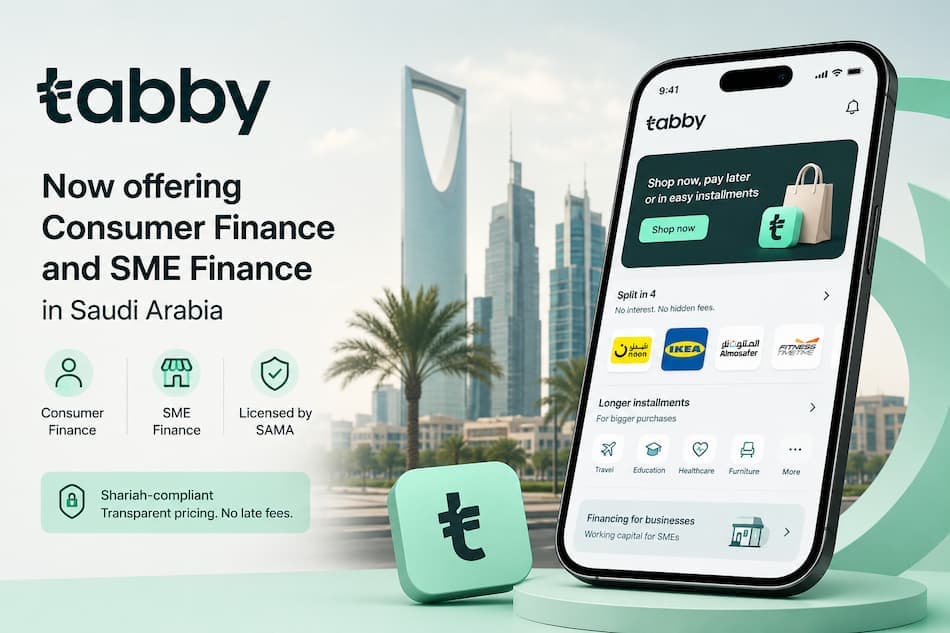
Tabby’s UAE Wallet Licence Unlocks 3 Major Fintech Growth Opportunities

Tabby’s UAE Wallet Licence Unlocks 3 Major Fintech Growth Opportunities

Middle East fintech leader Tabby has taken a major step toward becoming a full-scale financial platform after securing a Stored Value Facilities (SVF) licence from the Central Bank of the UAE.

The licence allows Tabby to hold customer funds and offer a broader range of financial services, marking a strategic shift beyond its core Buy Now, Pay Later (BNPL) model.

A shift from BNPL to full financial ecosystem

With this approval, Tabby will introduce new products including spending accounts, payment cards, and money management tools.

This move signals a clear transformation: from a payments solution into a comprehensive financial super app. Users who already rely on Tabby for flexible payments will soon be able to manage daily financial activities from spending to transfers within a single platform.

The company’s CEO, Hosam Arab, emphasized that the licence enables Tabby to “serve customers beyond credit” and redefine how users interact with money in everyday life.

Strengthening regulatory position in the GCC

The UAE licence significantly strengthens Tabby’s regulatory footprint across the Gulf region.

The company already holds a BNPL licence in Saudi Arabia and has expanded its capabilities through the acquisition of a licensed digital wallet there.

Now, with direct regulatory approvals in both key markets, Tabby is positioned to build and deploy financial services independently across the GCC, rather than relying on third-party infrastructure.

Why this matters for fintech and e-commerce

Tabby currently serves millions of users and partners with over 65,000 brands globally, including major retail and e-commerce players.

This development reflects a broader industry trend:
BNPL providers are evolving into full-service financial platforms to deepen user engagement and unlock new revenue streams.

For the UAE and wider MENA region, it also highlights the growing maturity of the fintech ecosystem, where regulators are enabling innovation while maintaining strong oversight.

Outlook

With its new licence, Tabby is expected to accelerate product innovation and intensify competition in the region’s digital finance space.

As consumer demand shifts toward integrated financial experiences, Tabby’s transition into a multi-product platform could reshape how users manage money, not just how they pay.

Source

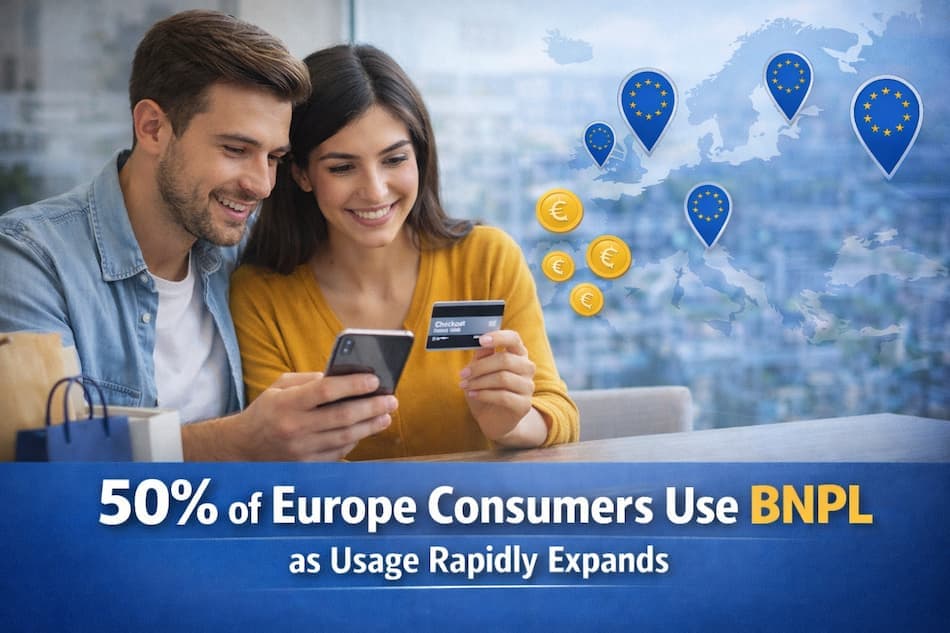
50% of European Consumers Use BNPL as Usage Rapidly Expands

50% of European Consumers Use BNPL as Usage Rapidly Expands

Half of European consumers adopt BNPL

Buy Now, Pay Later (BNPL) services are now used by 50% of consumers across Europe, according to data published by Ecommerce News Europe.

The report shows that BNPL has moved into the mainstream, with many consumers using these services multiple times per year as part of their regular online shopping behavior.

Adoption differs by market

Despite strong overall uptake, usage varies significantly between countries.

In markets such as Switzerland, BNPL penetration remains lower, with roughly one in four consumers using these services. The gap highlights the influence of local financial habits, credit culture, and regulatory frameworks across Europe.

Flexible payments reshape checkout

The growth of BNPL reflects a broader shift in payment preferences.

Installment-based options often interest-free are increasingly integrated into the checkout experience, offering consumers greater flexibility compared to traditional credit products. As a result, payment methods are playing a more central role in purchase decisions.

Regulatory scrutiny increases

The expansion of BNPL has drawn attention from regulators across the region.

Authorities are assessing the need for stricter consumer protection measures, including improved transparency, clearer terms, and stronger affordability checks. Proposed updates to consumer credit rules are expected to address gaps related to BNPL services.

Merchants respond to demand

For online retailers, BNPL is becoming a standard feature rather than an optional add-on.

Merchants are integrating these solutions to support conversion and align with evolving consumer expectations, while also navigating compliance requirements as regulatory oversight increases.

Source
Read more on WORLDEF.

Kuwait Expands Fintech Reach Across 4 Global Markets with New E-Trading Platform

Kuwait’s financial sector is taking another step toward digital transformation with the launch of a new e-trading platform by Kuwait Financial Centre (Markaz). The initiative reflects a broader shift across the Gulf, where investor expectations are rapidly evolving toward seamless, digital-first experiences.

The newly introduced iMarkaz Invest platform is designed to enhance access to both regional and global markets, including Kuwait, Saudi Arabia, the UAE, and the United States.

This move signals Kuwait’s growing ambition to position itself as a competitive fintech hub within the region.

A New Standard for Digital Trading Experience in Kuwait

The platform combines real-time data, an intuitive interface, and simplified onboarding – key features increasingly demanded by modern investors.

Users can monitor portfolios in real time, access multiple markets, and complete account setup through a streamlined digital process.

Unlike traditional trading systems, iMarkaz Invest also integrates with wealth management services, offering a hybrid model that blends self-directed investing with advisory support.

This reflects a broader industry trend where platforms are no longer just transactional tools but full-service investment ecosystems.

Expanding Access Beyond Borders

One of the platform’s most strategic elements is its cross-border reach. By enabling access to international markets, it supports portfolio diversification while maintaining a local entry point for investors.

This aligns with rising demand across the GCC for global investment exposure, particularly as regional investors increasingly look beyond domestic markets.

At the same time, the platform’s development highlights how fintech solutions are becoming essential in connecting regional capital with global opportunities.

What This Means for the Region

The launch of iMarkaz Invest is more than a product update – it reflects a structural shift in how financial services are delivered in Kuwait and across the wider Middle East.

As digital adoption accelerates, financial institutions are being pushed to:

  • enhance user experience
  • offer real-time capabilities
  • expand cross-border access

Platforms like this are setting a new benchmark, where speed, accessibility, and integration define competitiveness.

Source: MENA Fintech

Explore more fintech news and insights on WORLDEF.