WORLDEF ISTANBUL 2026 - Early Bird Registration Ends Soon

Register Now

5 Powerful Trends Driving Asia’s E-Commerce Growth Boom

5 Powerful Trends Driving Asia’s E-Commerce Growth Boom

Asia’s e-commerce landscape is entering a new phase of accelerated growth, driven by digital adoption, cross-border expansion, and evolving consumer behavior. As one of the world’s fastest-growing regions for online retail, Asia continues to reshape global commerce with new business models and technology-led transformation.

One of the most significant drivers is the rapid rise of cross-border e-commerce. With regional agreements and improved logistics infrastructure, businesses are increasingly selling beyond domestic markets. Southeast Asia, in particular, is emerging as a high-potential hub thanks to its expanding middle class and growing purchasing power.

Consumer behavior is also shifting quickly. Shoppers across Asia are becoming more digitally native, purchasing more frequently and expecting seamless online experiences. In markets like ASEAN, consumers regularly shop online and show strong openness to international brands, reflecting a broader trend toward globalized digital consumption.

Asia E-Commerce Is Entering a High-Growth, Tech-Driven Era

Another critical factor is the rise of mobile and social commerce. Platforms such as social media and messaging apps are playing an increasingly central role in product discovery and purchasing decisions. This shift is transforming how brands engage with consumers, emphasizing personalization, convenience, and real-time interaction.

Technology is also redefining the e-commerce ecosystem. From AI-driven recommendations to smart logistics and data infrastructure, businesses are investing heavily in digital capabilities. The growing demand for data services and digital infrastructure highlights how deeply integrated e-commerce has become within broader technological ecosystems.

At the same time, competition in Asia’s e-commerce market is intensifying. As more businesses enter the space, differentiation through customer experience, brand trust, and product quality is becoming increasingly important. Consumers are no longer driven solely by price, they are prioritizing authenticity, reliability, and overall value.

Finally, supply chain diversification is playing a major role. Companies are adopting new sourcing strategies across Asia, particularly in Southeast Asia, to ensure resilience and scalability. This shift is strengthening the region’s position as both a consumption and production powerhouse in global e-commerce.

Source

Latin America’s $191B E-Commerce Boom: 4 Strategic Trends Sellers Must Master

Latin America’s $191B E-Commerce Boom: 4 Strategic Trends Sellers Must Master

Latin America is rapidly emerging as one of the most attractive frontiers in global e-commerce. With projected online sales reaching $191 billion, the region is outpacing many mature markets and offering significant opportunities for brands willing to adapt to its unique dynamics.

However, success in Latin America is not simply about entering a new geography, it requires a fundamental shift in strategy, particularly across mobile, payments, logistics, and customer experience.

Mobile-First Is Not Optional – It’s Everything

In Latin America, mobile commerce dominates the landscape. Between 70% and 85% of transactions happen via smartphones, making mobile optimization a critical requirement rather than a competitive advantage.

Consumers are not just browsing on mobile, they are shopping, communicating, and completing purchases through platforms like WhatsApp and regional super apps. Businesses that fail to integrate into these ecosystems risk missing the majority of their potential audience.

Payment Localization Unlocks Growth

One of the defining characteristics of the region is its large unbanked population, estimated at around 40% of consumers.

To address this, alternative payment methods have become essential. Systems like Brazil’s Pix and Mexico’s OXXO, alongside Buy Now Pay Later (BNPL) options, are driving inclusion and significantly increasing conversion rates. Global brands entering the market must prioritize localized payment solutions to compete effectively.

Logistics Speed Defines Competitive Advantage

Logistics has historically been a major barrier in Latin America, but this is rapidly changing. The rise of micro-fulfillment centers in urban areas is transforming delivery expectations, enabling same-day shipping in major cities.

Rather than relying solely on centralized warehouses, companies are adopting decentralized models that prioritize proximity to customers. This shift not only reduces delivery times but also improves reliability, an essential factor in a region where customer loyalty can be fragile.

AI-Powered Personalization Becomes Standard

Artificial intelligence is playing an increasingly central role in shaping the customer journey. From conversational commerce via chatbots to personalized product recommendations, AI is becoming the backbone of customer engagement.

In Latin America, where messaging platforms dominate communication, AI-driven interactions are not just enhancing support, they are actively driving sales.

A Market That Rewards Localization

Latin America’s e-commerce growth is driven not by scale alone, but by adaptability. Brazil and Mexico account for over 70% of regional volume, making them the ideal entry points for international sellers.

The brands that succeed will be those that rethink their entire operating model, building for mobile-first users, integrating local payment systems, optimizing last-mile delivery, and leveraging AI to personalize experiences at scale.

For global e-commerce players, Latin America is no longer a secondary market, it is a strategic growth engine for the next decade.

Source

Chinese Sellers Gain 1 Big Advantage on Russia’s Fast-Growing Shopping Platforms

Chinese Sellers Gain 1 Big Advantage on Russia’s Fast-Growing Shopping Platforms

Chinese sellers are expanding their presence across Russia’s fast-growing shopping platforms, as cross-border e-commerce between the two countries continues to strengthen. A new CGTN report published on April 19 highlights how Chinese merchants are finding new momentum in Russia’s online retail market, supported by rising demand, improving logistics, and a broader shift in regional trade patterns.

This trend reflects more than just marketplace growth. It shows how digital trade is becoming a practical bridge between neighboring economies at a time when supply chains, payment systems, and market access are being reshaped. Russian consumers are increasingly turning to large online marketplaces for price-competitive goods, while Chinese sellers are responding with a wider product range and faster fulfillment options.

Why Every Seller Is Targeting Russia’s E-Commerce Growth

One of the key reasons behind this growth is infrastructure. As cross-border logistics routes improve, Chinese products can reach Russian buyers faster and more reliably than before. Warehousing, customs processing, and marketplace integration are becoming more streamlined, helping sellers operate at greater scale. That operational progress matters because online retail success increasingly depends not only on product pricing, but also on delivery speed, inventory visibility, and customer trust.

The development also underlines the growing strategic role of shopping platforms in international commerce. Marketplaces are no longer just sales channels; they are becoming ecosystems that connect merchants, consumers, logistics providers, and payment networks. In the Russia-China corridor, that ecosystem is giving Chinese sellers a stronger foothold in a market that continues to adapt to new trade realities.

For the wider e-commerce industry, this story is another sign that regional digital trade corridors are becoming more influential. As businesses seek growth beyond traditional Western markets, neighboring high-demand markets with scalable marketplace infrastructure are attracting greater attention. Chinese sellers thriving on Russia’s shopping platforms is therefore not just a bilateral trade story. It is also a signal of how e-commerce is evolving into a more regional, resilient, and platform-driven model of global retail.

Source

1 Strategic Boost as Bulgaria Strengthens E-Commerce Logistics Through New Partnership

1 Strategic Boost as Bulgaria Strengthens E-Commerce Logistics Through New Partnership

Bulgaria’s e-commerce logistics sector is entering a new phase of development as euShipments.com partners with Speedy, one of the country’s leading courier companies, to strengthen last-mile delivery capabilities.

The collaboration aims to enhance delivery performance and expand service coverage for online merchants operating in Bulgaria. Through this partnership, euShipments’ clients will gain access to Speedy’s full delivery portfolio, including home delivery and out-of-home (OOH) options such as parcel lockers and courier offices.

This move reflects the growing importance of efficient last-mile logistics in a rapidly evolving e-commerce landscape, where delivery speed and flexibility directly impact customer satisfaction.

Expanding Delivery Options and Performance

The integration between euShipments and Speedy is designed to provide a more seamless logistics experience for both merchants and end customers. With Speedy’s extensive infrastructure, businesses can now offer more flexible delivery choices, improving convenience and increasing successful delivery rates.

Speedy currently holds a strong position in the Bulgarian courier market, handling over 50 million parcels annually and serving more than 1 million customers.

For online sellers, this means access to a reliable and scalable last-mile network an essential component for growth in competitive e-commerce environments.

The partnership was also driven by operational challenges experienced during peak periods, particularly in late 2025, highlighting the need for stronger and more resilient delivery solutions.

Strengthening Bulgaria’s E-Commerce Ecosystem

Bulgaria is increasingly becoming an attractive market for e-commerce, supported by steady growth in online shopping and improving digital infrastructure. However, logistics remains a key differentiator in market success.

By combining euShipments’ cross-border logistics expertise with Speedy’s local delivery network, the partnership creates a fully integrated end-to-end solution for both domestic and international merchants.

Additionally, the collaboration supports features such as cash-on-delivery (COD) a widely preferred payment method in the region and efficient returns management, both critical for maintaining customer trust and operational efficiency.

A Regional Signal for Logistics Innovation

This partnership highlights a broader trend across Central and Eastern Europe: logistics providers are investing heavily in localized last-mile solutions to support cross-border e-commerce growth.

As competition intensifies, the ability to offer fast, flexible, and reliable delivery is becoming a core competitive advantage not just an operational necessity.

For retailers and logistics providers alike, Bulgaria’s latest move signals a clear direction: strong partnerships and integrated networks will define the future of e-commerce logistics.

Source

26.2% Growth Signals Strong Momentum for J&T Express in Q1 2026

26.2% Growth Signals Strong Momentum for J&T Express in Q1 2026

Strong start to 2026 for J&T Express

Global logistics provider J&T Express has reported a 26.2% year-on-year growth in parcel volume for the first quarter of 2026, reflecting strong demand across key markets and continued expansion of its global logistics network.

During the reporting period, the company handled a total of 8.326 billion parcels, with average daily volumes reaching approximately 92.5 million shipments.

This performance highlights a solid start to the year, supported by increasing e-commerce activity and improved operational efficiency across regions.

Southeast Asia leads rapid expansion

One of the strongest contributors to this growth was Southeast Asia, where J&T Express continues to dominate the market. Parcel volume in the region surged by nearly 80% year-on-year, reaching 2.768 billion parcels in Q1.

The growth was driven by:

  • Strong demand from e-commerce platforms
  • Seasonal shopping peaks such as Ramadan
  • Continued investment in logistics infrastructure

The company also expanded its operational capacity, increasing line-haul vehicles and automated sorting systems to support rising demand.

Global markets accelerate beyond China

While China remains a core market, J&T Express is seeing rapid expansion in other regions. Non-China parcel volumes now account for over 35% of total shipments, indicating a shift toward a more globally diversified business model.

In emerging markets, including Latin America and the Middle East, parcel volumes more than doubled year-on-year. The company has been actively partnering with major e-commerce platforms such as TikTok, Temu, SHEIN, and AliExpress to capture cross-border growth opportunities.

Additionally, J&T expanded its network by adding new service outlets and sorting centers, further strengthening its international logistics capabilities.

E-commerce continues to drive logistics growth

The company’s performance reflects the broader momentum of global e-commerce, which continues to fuel demand for fast and efficient delivery solutions. As online retail expands, logistics providers like J&T Express are investing heavily in automation, infrastructure, and cross-border capabilities.

Industry trends suggest that Southeast Asia and emerging markets will remain key growth drivers in the coming years, supported by increasing internet penetration and digital adoption.

Outlook remains positive

J&T Express’ strong first-quarter results indicate continued growth potential for 2026. With a focus on operational efficiency, infrastructure expansion, and strategic partnerships, the company is well-positioned to capitalize on the next wave of e-commerce growth.

Source

Stay updated with global logistics and e-commerce insights on WORLDEF.

Wildberries Enters Ethiopia in 2026 as Digital Trade Growth Surges

Wildberries Enters Ethiopia in 2026 as Digital Trade Growth Surges

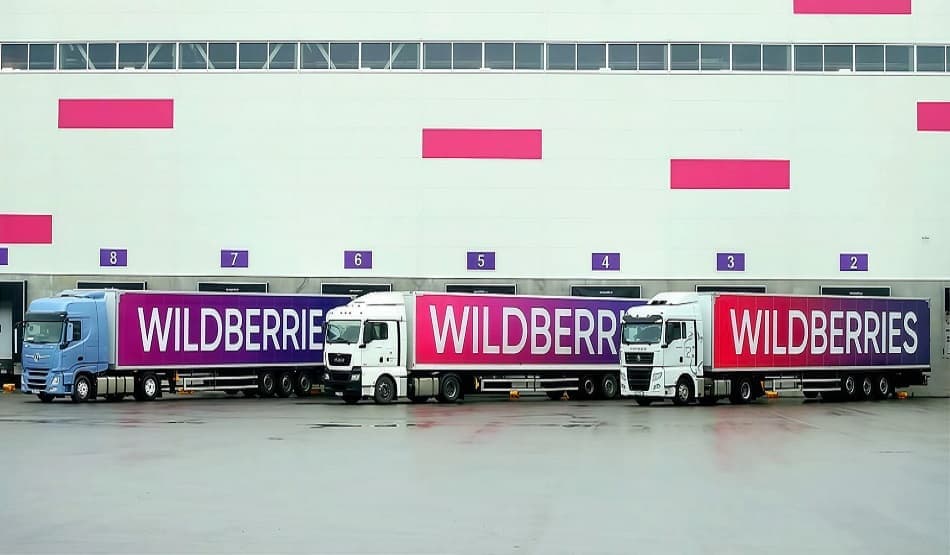
Wildberries has officially launched operations in Ethiopia, opening its marketplace to local sellers and enabling them to reach international customers.

The move marks a significant step in the company’s expansion strategy, positioning Ethiopia as one of its first major entry points into the African e-commerce landscape.

Ethiopian products reach global audiences

Through the platform, Ethiopian businesses can now offer a wide range of goods to international buyers, including coffee, textiles, leather products, and handmade items.

The integration into the marketplace is expected to strengthen export potential for small and medium-sized enterprises while increasing global visibility for locally produced goods. It also provides sellers with access to a structured digital environment that simplifies cross-border trade.

Cross-border e-commerce gains traction

The launch reflects a broader trend of growing cross-border e-commerce activity, particularly in emerging markets.

By leveraging Wildberries’ logistics and marketplace infrastructure, Ethiopian sellers are able to access international markets more efficiently, reducing traditional barriers such as distribution complexity and limited reach.

Partnership supports digital economy development

The entry into Ethiopia follows cooperation with Ethiopian Investment Holdings, aimed at supporting the country’s digital economy and e-commerce ecosystem.

Through this initiative, Wildberries is contributing to improvements in logistics capabilities, technology transfer, and the creation of new opportunities for local businesses to scale beyond domestic markets.

Two-phase marketplace rollout

In its initial phase, Ethiopian products will be made available to international consumers through Wildberries.

A second phase is expected to introduce foreign sellers to the Ethiopian market, further expanding trade flows and strengthening the country’s position within global e-commerce networks.

Source

ENOC & 7X Partner to Unlock 5 New Digital Logistics Opportunities in UAE

ENOC & 7X Partner to Unlock 5 New Digital Logistics Opportunities in UAE

The UAE is taking another major step toward building a future-ready e-commerce logistics ecosystem. In a newly announced partnership, ENOC Group and 7X have signed a strategic agreement to accelerate digital transformation and last-mile innovation across the country.

The collaboration brings together ENOC’s extensive retail network with 7X’s logistics and transport capabilities creating new opportunities for faster, smarter, and more accessible delivery solutions.

A Strategic Move Toward Smarter Last-Mile Delivery

At the core of the partnership is a shared vision: improving last-mile efficiency, one of the most critical challenges in modern e-commerce.

As part of the agreement, both companies will explore integrating 7X’s logistics infrastructure such as pick-up and drop-off (PUDO) points and smart lockers into ENOC’s nationwide retail network.

This move is expected to significantly enhance customer convenience while reducing delivery times and operational complexity for businesses.

Expanding Digital & Retail Capabilities

The collaboration goes beyond logistics. It also includes joint initiatives across:

  • E-commerce and quick commerce (q-commerce)
  • Retail innovation and digital services
  • Transport-ready and logistics-enabled solutions

These areas highlight a broader shift in the region: blending physical infrastructure with digital ecosystems to create seamless customer experiences.

For ENOC, this aligns with its growing role as more than just an energy provider evolving into a retail and mobility platform. For 7X, it strengthens its position as a key enabler of logistics innovation in the UAE.

Why This Matters for E-Commerce

This partnership reflects a larger trend reshaping global commerce: the rise of hyper-local fulfillment and integrated logistics networks.

By turning everyday locations like fuel stations into logistics touchpoints, companies can:

  • Reduce last-mile delivery costs
  • Improve delivery speed
  • Increase accessibility for customers
  • Support omnichannel retail strategies

In markets like the UAE where consumer expectations for speed and convenience are rapidly increasing these innovations are becoming essential rather than optional.

A Glimpse Into the Future of Logistics

The ENOC–7X partnership signals a future where logistics is no longer a backend function, but a customer experience driver.

As digital infrastructure, retail networks, and logistics systems continue to converge, we can expect:

  • More decentralized delivery models
  • Increased use of smart lockers and PUDO systems
  • Stronger integration between online and offline commerce

Ultimately, the companies that succeed will be those that can combine technology, infrastructure, and customer-centric design into one seamless ecosystem.

Source

UAE E-Commerce Growth 98% Digital Transactions Enable Faster Trade

UAE E-Commerce Growth 98% Digital Transactions Enable Faster Trade

The UAE continues to strengthen its position as a global e-commerce hub, demonstrating resilience and efficiency even amid regional uncertainties. While global trade routes face disruptions, the country’s advanced logistics, digital infrastructure, and regulatory systems are ensuring that cross-border e-commerce remains uninterrupted.

A System Built for Speed and Stability

At the core of the UAE’s success is a highly integrated ecosystem combining logistics, digital platforms, and government frameworks. Today, nearly 98% of customs transactions are processed electronically, significantly reducing delays and enabling faster trade operations.

In many cases, shipments are cleared within minutes rather than hours, with up to 72% of cargo processed before arrival in Abu Dhabi. This level of efficiency allows businesses to maintain reliable delivery timelines and lower operational costs.

Strong Infrastructure Supporting Growth

Behind the seamless flow of goods lies a powerful logistics backbone. Dubai International Airport handled around 2.2 million tonnes of cargo, while DP World processed 88.3 million TEU globally, reinforcing the UAE’s role as a major trade gateway.

This infrastructure ensures that supply chains remain stable, even during periods of geopolitical tension, strengthening confidence among global businesses and investors.

Strategic Location Driving Global Access

The UAE’s geographic advantage allows companies to reach major markets across the Middle East, Africa, and South Asia within an eight-hour flight radius. This connectivity positions the country not just as a transit hub, but as a central control point for international trade flows.

Digital Transformation Accelerating Trade

Platforms like Dubai Trade and advanced customs systems have transformed trade processes. Tasks that once took up to 48 hours can now be completed in less than 10 minutes, significantly improving efficiency and reducing friction in cross-border e-commerce.

This digital-first approach enables businesses to operate with greater predictability, which is critical in today’s volatile global environment.

Rapid E-Commerce Market Expansion

The UAE’s digital commerce sector is also experiencing strong growth. The market reached approximately Dh32.3 billion in 2024 and is projected to exceed Dh50.6 billion by 2029, reflecting steady long-term expansion.

Across the wider MENA region, e-commerce is expected to grow from $34.5 billion to nearly $57.8 billion within the same period, with the UAE playing a central role in enabling this growth.

An Integrated Ecosystem for the Future

What sets the UAE apart is the alignment between infrastructure, regulation, financial systems, and technology. Free zones, advanced banking systems, and business-friendly policies all contribute to a seamless trade environment.

Looking ahead, the adoption of artificial intelligence and automation is expected to further enhance logistics efficiency and compliance processes, strengthening the country’s position as a global leader in digital trade.

Source: Khaleej Times

Amazon Will Increase Logistics Fees by 3.5% Due to Rising Costs

Logistics

Amazon announced that it will apply an additional 3.5% fuel and logistics charge to fulfillment (storage and shipping) fees for sellers in order to balance rising operational costs. The new regulation will cover sellers in the United States and Canada as of April 17.

In the notice sent by the company to its sellers, it was stated that the additional charge will be valid particularly for transactions made through Fulfillment by Amazon (FBA) services. In addition, remote fulfillment operations from the United States to Canada, Mexico, and Brazil will also be included in this practice.

The Increase in Energy Prices Escalated Logistics Costs

The most important reason behind the decision was the sharp increase in global energy markets. Following the conflict that began in Iran on February 28, significant rises were seen in oil and fuel prices. In the United States, average gasoline prices increased by approximately 36% within four weeks, rising from $2.98 per gallon to $4.1. Diesel prices, on the other hand, reached $5.5, with a 46% increase, also due to disruptions in maritime shipping routes. These developments directly affected transportation and distribution costs, which are of critical importance especially in e-commerce logistics.

Pressure on the E-Commerce Ecosystem Is Increasing

Amazon’s decision is considered a development that may affect not only platform sellers but also, indirectly, consumer prices. According to experts, the increase in logistics costs creates additional pressure for sellers whose margins are already narrow. Similarly, it is known that global e-commerce giants have recently been reviewing their pricing and fee strategies in order to balance rising energy and operational costs.

The Increase in Logistics Fees May Spread to E-Commerce Companies

According to experts, as long as the volatility in energy prices continues, it seems likely that similar additional fee practices may also be implemented by other e-commerce and logistics companies. This situation may cause sellers to reshape their pricing strategies and turn to alternative logistics solutions.

In addition, in the long term, solutions such as AI-supported route optimization, warehouse automation, and localized fulfillment models are expected to come further to the forefront. For the sustainable growth of global e-commerce, cost efficiency and operational flexibility will be among the most critical competitive factors in the coming period.

E-Commerce Growth Accelerates as DP World Expands End-to-End Logistics Across 100+ Countries

E-Commerce Growth Accelerates as DP World Expands End-to-End Logistics Across 100+ Countries

DP World is strengthening its logistics footprint in Mexico by rolling out an integrated end-to-end supply chain model, as the company leverages its presence across more than 100 countries to streamline global trade flows.

The move comes as e-commerce and nearshoring trends reshape supply chains, pushing companies to seek faster, more reliable logistics solutions across North and Central America.

A Fully Integrated Supply Chain Model

DP World’s end-to-end logistics model connects every stage of the supply chain from origin to final delivery within a single ecosystem. This includes freight forwarding, warehousing, customs clearance, and last-mile delivery.

By minimizing intermediaries, the company aims to improve efficiency, reduce delays, and offer greater cost predictability for businesses operating in Mexico and beyond.

The expansion builds on DP World’s growing presence in the country, including new freight forwarding operations in Mexico City designed to enhance regional connectivity.

Mexico’s Role in a Shifting Global Supply Chain

Mexico is rapidly emerging as a strategic logistics hub, fueled by nearshoring and its proximity to the US market.

As manufacturers relocate production closer to North America, demand for integrated logistics services continues to rise. DP World’s infrastructure investments, including warehousing and distribution facilities, are positioned to support this transformation.

Its global network spanning 100+ countries allows the company to connect Mexican supply chains with international markets more efficiently.

What It Means for E-Commerce

For e-commerce businesses, the shift toward integrated logistics is critical.

DP World’s model enables:

  • Faster order fulfillment
  • Improved inventory visibility
  • More efficient returns
  • Seamless omnichannel operations

By combining first- and last-mile capabilities, the company helps reduce delivery times while improving customer experience – key factors in competitive e-commerce markets.

A Strategic Shift in Logistics

As global trade becomes more complex, logistics providers are evolving into full-service supply chain partners.

DP World’s expansion in Mexico reflects a broader transformation: logistics is no longer just infrastructure-it is a core driver of e-commerce growth.

Source