WORLDEF ISTANBUL 2026 - Early Bird Registration Ends Soon

Register Now

Growth in E-Commerce Slows in 2026 as Infrastructure Becomes a Critical Barrier

Growth in E-Commerce Slows in 2026 as Infrastructure Becomes a Critical Barrier

As global e-commerce continues to expand, a new limitation is becoming increasingly clear: growth is no longer driven solely by demand, but constrained by operational infrastructure.

Industry experts highlight that many e-commerce businesses are reaching a point where their internal systems-ranging from logistics and fulfillment to customer service and data management – are struggling to keep pace with rising order volumes. This shift signals a turning point for the sector, where scaling operations has become just as critical as driving sales.

Infrastructure Becomes the Real Growth Bottleneck

For years, e-commerce growth strategies focused on customer acquisition, digital marketing, and conversion optimization. However, as transaction volumes grow, operational capacity is emerging as the primary constraint.

From inventory management to last-mile delivery, inefficiencies across the supply chain can slow expansion and negatively impact the customer experience. Companies that fail to invest in scalable systems risk delays, higher operational costs, and reduced customer satisfaction.

Logistics, Data and Systems Under Pressure

Modern e-commerce relies on complex, interconnected systems that integrate logistics, payments, inventory, and customer experience. When these systems are outdated or fragmented, they create bottlenecks that limit scalability.

Experts emphasize that operational infrastructure should no longer be viewed as a background function. Instead, it is becoming a strategic driver of performance, profitability, and long-term competitiveness.

Shift Toward Sustainable Scaling

The industry is also moving away from “growth at all costs” toward more sustainable expansion models. Businesses are increasingly prioritizing operational efficiency, cost control, and resilience.

This shift reflects a broader understanding that scaling without strong infrastructure can lead to operational breakdowns. As a result, companies are investing more in automation, integrated platforms, and data-driven decision-making to support long-term growth.

A New Priority for E-Commerce Leaders

As the e-commerce landscape evolves, operational infrastructure is becoming a central focus for executives and investors alike. Businesses that build strong, scalable systems will be better positioned to handle future growth and adapt to changing market dynamics.

Those that fail to modernize their infrastructure may struggle to remain competitive in an environment where speed, efficiency, and reliability are essential.

Source: Forbes
Image credit: rawpixel.com / Freepik

For more insights on global e-commerce trends and industry developments, visit WORLDEF.

Cross-Border E-Commerce Under Increasing Pressure in 2026 as Returns Surge

Cross-border e-commerce logistics network showing global shipment routes as international returns rise in 2026

Cross-border e-commerce is entering a new phase of complexity as international returns continue to rise, creating operational and financial challenges for online retailers worldwide.

According to recent industry insights, global logistics providers are expanding their return management capabilities in response to a sharp increase in cross-border product returns. Companies such as ePost Global and ShipWise are strengthening their international return solutions to help merchants better manage reverse logistics.

Rising Costs and Operational Challenges

As international sales grow, so does the volume of returned goods. Unlike domestic returns, cross-border returns involve higher shipping costs, longer transit times, and more complex customs procedures. These factors are significantly increasing operational pressure on e-commerce businesses.

Industry experts note that inefficient return processes can quickly erode profit margins, particularly for small and mid-sized merchants. Managing international returns requires coordination across multiple logistics partners, customs authorities, and regional regulations—making it one of the most challenging aspects of global e-commerce expansion.

Logistics Providers Expand Return Solutions

To address these challenges, logistics companies are investing in new infrastructure and services designed to streamline international returns. Enhanced tracking systems, localized return hubs, and consolidated shipping solutions are becoming increasingly important.

These improvements aim to reduce costs and improve the customer experience, as consumers expect seamless return processes regardless of where a product is shipped from. Faster and more transparent return handling is now seen as a competitive advantage in cross-border e-commerce.

Customer Expectations Continue to Rise

Consumer expectations around returns are also evolving. Shoppers increasingly demand flexible return policies, faster refunds, and simplified processes—even for international purchases.

This shift is pushing retailers to rethink their return strategies. Offering easy returns is no longer optional; it has become a critical factor in customer satisfaction and brand loyalty. However, balancing customer expectations with rising logistics costs remains a key challenge.

A Turning Point for Cross-Border E-Commerce

The surge in international returns highlights a broader transformation in global e-commerce. As cross-border trade continues to grow, reverse logistics is becoming a central focus for both retailers and logistics providers.

Industry players emphasize that businesses that invest in efficient return management systems will be better positioned to compete in the evolving global market. Those that fail to adapt may struggle to maintain profitability as return volumes continue to increase.

Source: Yahoo Finance

5.8 Billion Shipments Raise Alarm as EU Industry Pushes for Immediate Action on Imports

E-commerce industry faces surge in cross-border shipments as parcels pile up in EU logistics warehouse

A coalition of European industry and retail organisations has called on the European Union to take urgent action to address growing challenges linked to cross-border e-commerce imports.

In a joint statement released in Brussels, industry groups warned that existing regulatory gaps are undermining fair competition, weakening consumer protection, and putting increasing pressure on the EU’s Single Market.

Surge in Cross-Border E-Commerce Imports

The rapid expansion of global e-commerce has significantly increased the volume of small parcels entering the EU. In 2025 alone, around 5.8 billion shipments were delivered into the bloc, creating serious challenges for customs authorities and market surveillance systems.

Many of these imports reportedly fail to comply with EU standards, including product safety rules, VAT obligations, environmental regulations, and intellectual property protections. This situation allows non-compliant sellers—often based outside the EU—to gain a competitive advantage over European businesses that are required to meet stricter regulatory requirements.

Risks for Consumers and Businesses

Industry representatives say the current system exposes consumers to unsafe or misleading products, particularly in categories such as electronics, textiles, and consumer goods.

At the same time, European companies face increasing pressure from unfair competition, as non-EU sellers can bypass compliance costs and regulatory checks. The coalition also highlighted the broader economic impact, warning that these trends could harm local industries, disrupt supply chains, and accelerate the decline of physical retail across European cities.

Recent EU data further supports these concerns, showing that a significant share of imported e-commerce goods fail to meet EU safety standards, reinforcing calls for stronger enforcement mechanisms.

Call for Faster Regulatory Action

While the EU is already working on reforms under the Union Customs Code—particularly the introduction of the “deemed importer” system—industry groups argue that the current timeline is too slow. The system is not expected to be fully implemented until 2028.

Instead, the coalition is urging policymakers to introduce interim measures that can be applied immediately. One key proposal is to require all non-EU sellers to appoint a legally responsible representative within the EU. This would make it easier for authorities to enforce compliance and ensure accountability across cross-border transactions.

Strengthening Environmental and Compliance Rules

Another major concern raised by the coalition relates to environmental obligations. Industry groups are calling for stricter enforcement of Extended Producer Responsibility (EPR) rules, particularly in areas such as packaging, electronics, batteries, and textile waste.

Ensuring that online marketplaces and foreign sellers comply with these requirements would help prevent “free-riding” practices and create a more level playing field for European businesses operating under sustainability regulations.

A Growing Push for Immediate Change

The coalition’s message is clear: action cannot wait. With e-commerce imports continuing to grow at scale, industry leaders are urging the European Commission and Member States to accelerate reforms and introduce practical enforcement measures now—rather than relying solely on long-term regulatory changes.

They argue that faster intervention is essential to protect consumers, restore fair competition, and maintain the integrity of the EU’s internal market.

Source: EURATEX

APAC E-Commerce: 5 Growth Opportunities as Regulators Tighten Product Claim Rules

APAC e-commerce growth trends across Asia-Pacific markets

APAC e-commerce markets are expanding rapidly, but stricter regulations on misleading product claims are reshaping how food and nutraceutical brands sell products online across the region. As digital commerce expands across Asia-Pacific, regulators are paying closer attention to how products are marketed on online marketplaces and social commerce platforms.

Industry experts say misleading claims – particularly in sectors such as food supplements, functional foods and nutraceutical products – have become a growing concern for regulators. The shift reflects an effort to protect consumers and ensure that product marketing aligns with scientific evidence and regulatory standards.

APAC Regulators Increase Scrutiny of Product Claims

Regulatory bodies across several markets in the Asia-Pacific region are increasing oversight of online marketing claims. Authorities are particularly focused on exaggerated health benefits and unsupported product statements that appear on digital marketplaces and social media platforms.

Experts warn that companies relying on aggressive or misleading messaging could face reputational damage and regulatory penalties. As enforcement strengthens, brands are being encouraged to adopt clearer labeling practices and provide credible scientific support for product claims.

Stronger Oversight of Online Health and Food Marketing

Authorities are paying closer attention to how food and nutraceutical products are promoted through digital channels. Claims related to immunity, weight management and disease prevention have become key areas of regulatory focus.

This growing oversight is expected to reshape marketing strategies across the region’s rapidly evolving e-commerce ecosystem.

Opportunities Emerging for Transparent Brands

While tighter rules may create challenges for some companies, industry observers say the changes could benefit brands that prioritize transparency and compliance.

Companies that provide accurate product information and credible scientific backing may gain stronger consumer trust. As misleading claims become harder to sustain in the market, compliant brands may find new opportunities to differentiate themselves.

Social Commerce Continues to Drive Online Sales

Despite regulatory pressure, digital platforms remain central to the region’s retail ecosystem. Social commerce platforms and online marketplaces continue to drive cross-border sales, particularly in markets with highly connected consumers.

Experts note that platforms such as TikTok and other social commerce channels are increasingly used to promote wellness and food products, though brands must ensure that promotional messages comply with local rules.

Fragmented Rules Create Challenges for APAC Cross-Border Sellers

One of the biggest challenges for companies operating in the region is the fragmented regulatory environment. Each country maintains different rules regarding labeling, product claims and ingredient approvals.

China, for example, enforces strict safety standards for food and nutraceutical products, while India is emerging as a fast-growing digital market with increasingly active regulatory oversight.

As a result, companies expanding across APAC often need to adjust compliance strategies and product messaging for each individual market.

Overall, the region continues to present strong long-term potential for global brands. However, success in APAC e-commerce increasingly depends on regulatory compliance, transparent communication and a strong understanding of local market requirements.

Source: FoodNavigator-Asia

ASEAN Negotiators Move Closer to Landmark Digital Economy Agreement in Manila Talks

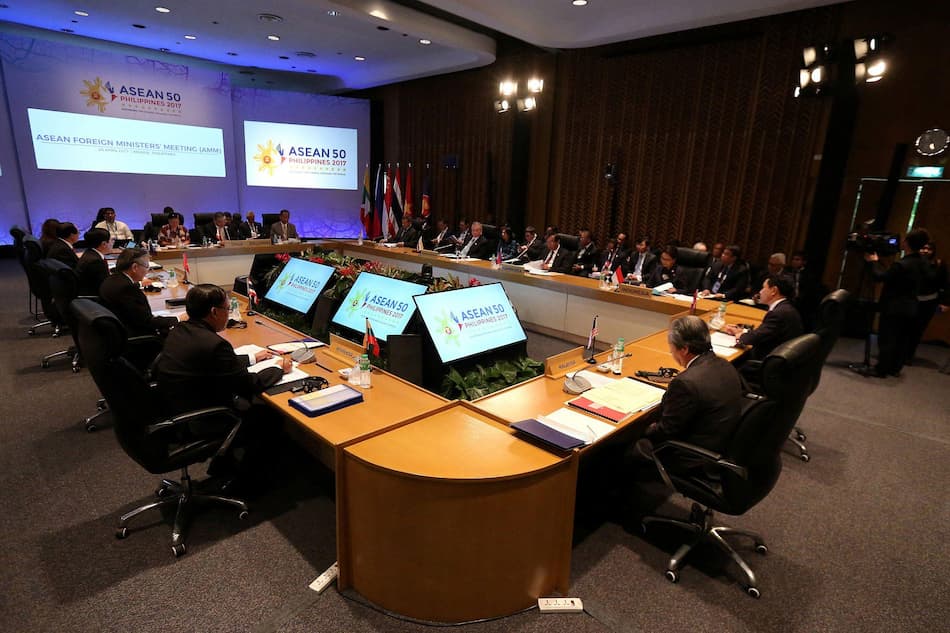
ASEAN officials meeting in Manila to discuss regional digital economy agreement

The ASEAN digital economy framework took another step forward as negotiators convened in Manila to advance a landmark regional agreement.

Officials and technical experts from the Association of Southeast Asian Nations (ASEAN) met in Bonifacio Global City from March 8 to 10 for the 18th meeting of the ASEAN Digital Economy Framework Agreement (DEFA) Negotiating Committee, alongside a second session involving legal experts reviewing the draft provisions of the agreement.

The meeting represents another step toward building a unified regional framework designed to support the growth of digital commerce, cross-border services and technology-driven innovation across Southeast Asia.

Toward a Unified ASEAN Digital Economy

The proposed ASEAN Digital Economy Framework Agreement is intended to establish common rules and standards for digital trade among the bloc’s 10 member states.

Regional policymakers say the agreement could play a critical role in accelerating digital integration, improving interoperability between national systems and reducing regulatory fragmentation that currently complicates cross-border digital transactions.

Southeast Asia has become one of the fastest-growing digital markets in the world. According to regional estimates cited by officials, the ASEAN digital market could reach $2 trillion by 2030, fueled by expanding internet access, mobile adoption and a rapidly growing e-commerce sector.

By introducing shared frameworks for digital payments, electronic documentation, cybersecurity cooperation and consumer protection, the agreement aims to create a more seamless digital marketplace across ASEAN countries.

Boosting Cross-Border E-Commerce

One of the core objectives of the digital economy agreement is to support the continued expansion of cross-border e-commerce throughout the region.

Online commerce has grown rapidly in Southeast Asia over the past decade, with millions of consumers increasingly relying on digital platforms to purchase goods and services from across borders.

Officials involved in the negotiations say the framework could make it easier for companies to operate regionally by simplifying digital trade procedures and promoting compatible regulations between countries.

The agreement is also expected to benefit micro, small and medium-sized enterprises (MSMEs), which form the backbone of many ASEAN economies. By lowering barriers to digital trade, smaller businesses could gain easier access to international markets and new customer bases.

Improved interoperability between digital payment systems and electronic documentation could also help reduce costs and improve transaction efficiency for businesses operating online.

Legal Review and Next Steps

During the Manila meetings, negotiators worked to narrow remaining differences on key provisions while legal experts reviewed sections of the agreement that have already been finalized.

This process, often referred to as “legal scrubbing,” ensures that the text of the agreement is consistent, clear and ready for final approval once negotiations conclude.

The digital trade initiative is among the Philippines’ priority economic projects during its ASEAN leadership agenda in 2026. Regional officials have expressed optimism that negotiations could be completed within the year if discussions continue progressing as expected.

If finalized, the ASEAN Digital Economy Framework Agreement would become one of the most comprehensive regional frameworks dedicated specifically to digital economic cooperation, potentially reshaping how digital trade operates across Southeast Asia.

The agreement is widely seen as a major step toward creating a more connected regional digital market capable of supporting innovation, investment and long-term growth.

Source: Philippine Information Agency (PIA)