WORLDEF ISTANBUL 2026 - Early Bird Registration Ends Soon

Register Now

Pakistan Retail Growth: 53 Years of Naheed Driving an AI-Powered E-Commerce Shift

Pakistan Retail Growth: 53 Years of Naheed Driving an AI-Powered E-Commerce Shift

Pakistan’s retail sector is undergoing a major transformation, driven by digital adoption, e-commerce expansion, and increasing foreign investment. At the center of this shift is Naheed, a long-established retailer that is redefining how traditional retail and digital commerce can coexist.

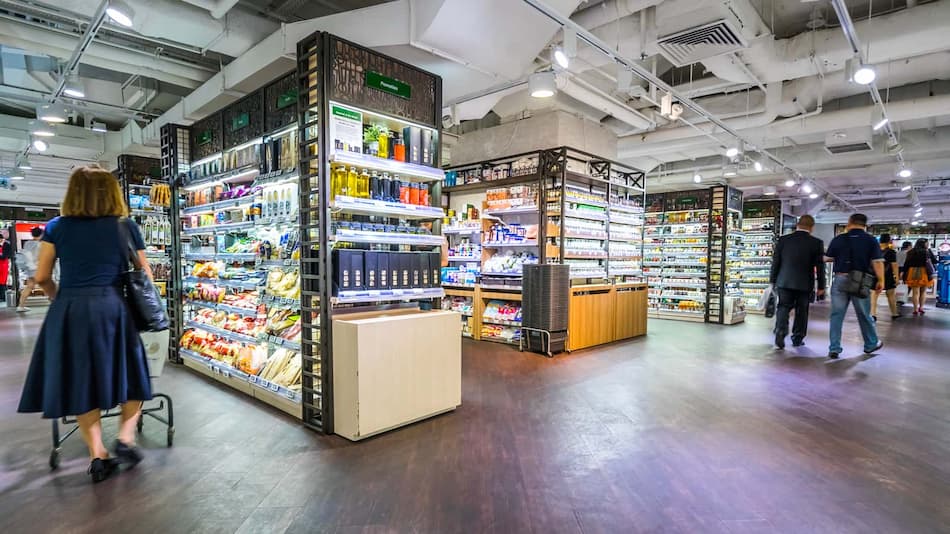
Founded in the 1970s as a small grocery store in Karachi, Naheed has evolved into one of Pakistan’s leading omnichannel retailers. Today, the company operates a 52,000-square-foot retail hub and has built a strong e-commerce presence offering more than 80,000 products to customers across the country.

From Traditional Retail to Omnichannel Leadership

Naheed’s growth reflects a broader trend in Pakistan, where legacy retailers are transitioning toward digital-first models. By combining its physical store experience with a robust online platform, the company has created a seamless omnichannel ecosystem.

This approach has helped Naheed build strong customer trust, leveraging decades of brand recognition while adapting to modern consumer expectations. As a result, it has become one of the largest standalone e-commerce players in Pakistan.

AI and Technology Shape the Future

Innovation is playing a central role in Pakistan’s retail evolution. Naheed is now focusing on integrating advanced technologies, including plans to develop an AI-driven data center to enhance operations, customer insights, and scalability.

This move highlights how Pakistani retailers are increasingly investing in data and automation to stay competitive in a rapidly changing digital landscape.

UAE Partnerships Boost Pakistan Retail Growth

International collaboration is becoming a key driver of Pakistan’s retail transformation. Naheed is actively exploring partnerships with UAE investors, aiming to leverage their technological expertise and infrastructure capabilities.

According to company leadership, such collaborations could significantly accelerate innovation and unlock new growth opportunities for Pakistan’s retail ecosystem.

Expanding Product Ecosystems

To diversify its offering, Naheed has expanded beyond traditional grocery retail by launching new verticals such as Naheed Pharmacy, focusing on health, beauty, and wellness products.

This reflects a growing trend in Pakistan where retailers are evolving into multi-category platforms, similar to global marketplace models.

A Market with Strong Growth Potential

Pakistan presents a compelling opportunity for investors, supported by a young population, with around 65% aged between 18 and 35, and a rapidly growing middle class.

As digital infrastructure improves and consumer behavior shifts online, the country is emerging as a high-potential market for e-commerce and retail innovation.

Pakistan’s retail sector is entering a new phase where technology, partnerships, and omnichannel strategies are redefining the industry. Companies like Naheed are not only adapting to change but actively shaping the future of commerce in the region.

Source: Gulf News
Shein Expands with 600+ Sales Partners in Germany as Marketplace Growth Accelerates

Germany Sees Shein Expand with 600+ Sales Partners as Marketplace Growth Accelerates

Shein is accelerating its European expansion by building a strong local seller ecosystem, surpassing 600 sales partners in Germany as part of its growing marketplace strategy. The move signals a major shift in Shein’s business model, as the company evolves from a fast-fashion retailer into a broader e-commerce platform.

Germany has become one of Shein’s most important markets, with the platform reaching approximately 22.2 million monthly users. This growing user base is encouraging the company to deepen its presence by onboarding local small and medium-sized businesses (SMEs) and integrating them into its marketplace.

Marketplace Strategy Gains Momentum

Shein began opening its marketplace to European sellers in late 2023 and has since expanded operations across multiple countries. By enabling third-party sellers to join its platform, the company aims to diversify its product offering while strengthening its local supply chain.

To attract more partners, Shein is focusing on improving seller experience through simplified onboarding processes, better technology integration, and operational support. Tools and partnerships that streamline listing, inventory management, and order fulfillment are playing a key role in scaling this ecosystem.

Several German retailers have already joined the platform, reflecting growing interest among local businesses to leverage Shein’s large customer base and digital reach.

Logistics Investment Strengthens European Operations

A critical part of Shein’s strategy is its investment in logistics infrastructure. The company has established a major logistics hub in Poland, designed to improve delivery times and support sellers with efficient fulfillment services across Europe.

This development allows Shein to move closer to a hybrid marketplace model, combining global sourcing capabilities with localized distribution networks. Faster shipping and improved logistics are expected to enhance customer satisfaction while making the platform more attractive for sellers.

Rising Competition in the German Market

Despite its rapid growth, Shein faces intense competition in Germany’s e-commerce sector. Amazon continues to dominate the market, while other international platforms such as Temu and AliExpress are also expanding aggressively.

However, Shein’s strategy of combining affordability, trend-driven products, and an expanding marketplace model positions it as a strong challenger in the region.

A Shift Toward Platform Ecosystems

Shein’s expansion in Germany highlights a broader industry trend where digital retailers are transforming into full-scale marketplaces. By integrating local sellers and investing in logistics, Shein is building a scalable ecosystem that could reshape its role in global e-commerce.

As competition intensifies across Europe, Germany is emerging as a key battleground where global platforms compete for both consumers and sellers. Shein’s growing network of partners indicates that its marketplace strategy is gaining traction and could play a crucial role in its long-term growth.

Source: Ecommerce News Europe

Amazon to Invest €5 Billion in Poland as E-Commerce Market Continues to Expand

amazon to invest euro5 billion in poland as e-commerce market continues to expand

Amazon is planning to invest more than €5 billion in Poland between 2026 and 2028, reinforcing its long-term commitment to one of Europe’s fastest-growing e-commerce markets. The investment comes on top of the over €10 billion the company has already invested in the country since 2012, covering infrastructure, logistics, and support for local businesses.

The move highlights Poland’s growing importance in Amazon’s European strategy. As one of the region’s largest and fastest-developing economies, the country continues to attract major investments from global tech and e-commerce players.

Poland Emerges as a Key E-Commerce Hub

E-commerce in Poland has been expanding steadily, with online sales reaching approximately €21.5 billion in 2025, reflecting a 6.8% annual increase. Growth is expected to continue, with projections pointing to further expansion in 2026.

Consumer behavior is also shifting rapidly. Around 75% of Polish consumers shop online at least once a month, while 71% report feeling safer using online marketplaces, indicating growing trust in digital commerce platforms.

These trends are positioning Poland as a strategic market not only for domestic growth but also for cross-border e-commerce across Europe.

Logistics Expansion at the Core of Investment

A significant portion of Amazon’s new investment will focus on expanding its logistics network. The company plans to open a new 200,000-square-meter fulfillment center in Dobromierz, equipped with advanced automation and more than 5,000 robots.

With this addition, Amazon will further strengthen its operational footprint in Poland, where it already operates multiple fulfillment centers. The expansion aims to improve delivery speed, efficiency, and overall customer experience.

In addition to infrastructure, Amazon is also investing in localized solutions, including payment methods and services tailored to Polish consumers, signaling a deeper integration into the local market.

Competition and Market Position

While Amazon continues to scale in Poland, it still faces strong competition from local marketplace leader Allegro. Despite entering the market in 2021, Amazon has rapidly established itself as a key player, supported by continuous investments and infrastructure development.

The company’s strategy focuses not only on growth but also on strengthening Poland’s role in the broader European e-commerce ecosystem.

Amazon’s €5 billion investment signals more than just expansion – it reflects a long-term bet on Poland’s digital economy. As e-commerce adoption continues to rise and logistics capabilities improve, the country is increasingly becoming a central hub for online retail in Europe.

Source: Ecommerce News Europe

Alibaba Revenue Rises 1.7% but Misses Estimates as Profit Drops 66%

alibaba revenue rises 17percent but misses estimates as profit drops 66percent

Alibaba reported a modest 1.7% increase in quarterly revenue, reaching approximately 284.84 billion yuan ($41.28 billion), but the figure came in below analyst expectations. The results highlight continued pressure on China’s e-commerce sector, where consumer demand remains weak despite ongoing promotional efforts.

Heavy spending on discounts and faster delivery options has not been enough to significantly boost consumption. Ongoing concerns around income stability and the broader economic environment continue to weigh on consumer confidence, limiting the impact of major shopping campaigns.

Profit Declines Sharply Amid Rising Costs

While revenue showed slight growth, profitability declined sharply. Alibaba’s net income fell by 66.3%, reflecting rising operational costs and continued investments in logistics, pricing strategies, and user acquisition. The company, like many of its competitors, appears to be prioritizing market share over short-term profitability in an increasingly competitive landscape.

Cloud and AI Business Shows Strong Momentum

At the same time, Alibaba’s cloud business delivered strong results, with revenue growing 36% year-on-year. The growth is largely driven by increasing demand for artificial intelligence solutions and cloud infrastructure. As AI adoption accelerates, this segment is becoming a key pillar of the company’s long-term strategy.

Alibaba is also restructuring parts of its business to focus more heavily on AI-driven services. New initiatives are aimed at expanding its capabilities in digital assistants and enterprise solutions, signaling a broader shift beyond traditional e-commerce. However, while AI usage is growing, monetization and long-term user engagement are still developing.

Market Reaction and Outlook

Following the earnings release, Alibaba’s U.S.-listed shares fell more than 6%, reflecting investor concerns over weaker-than-expected performance and declining profitability. The reaction underscores the challenges the company faces as it navigates slower growth in its core business while investing in future technologies.

Alibaba’s latest results point to a transition phase. As its e-commerce engine faces pressure, the company is increasingly positioning itself around AI and cloud to support future growth.

Source: Reuters

Qatar E-Commerce Heads Toward $7.75B as Festive Shopping Boosts Growth by 9.3%

qatar-e-commerce-heads-toward-dollar775b-as-festive-shopping-boosts-growth-by-93percent

Eid shopping continues to shape consumer behavior in Qatar, with more people turning to online platforms for convenience, better deals, and faster delivery. Seasonal campaigns and festive promotions are playing a key role in driving digital activity, especially across mobile apps and large online marketplaces.

This shift is becoming more visible each year. What was once mostly limited to big campaign periods is now turning into a more consistent habit, with consumers relying on e-commerce not only during holidays but also for everyday purchases.

A Market Growing Steadily

Qatar’s e-commerce market is expected to grow from around $4.54 billion in 2025 to $4.96 billion in 2026, eventually reaching $7.75 billion by 2031. With an annual growth rate of 9.3%, the market is expanding at a steady and sustainable pace.

These figures highlight a maturing ecosystem where both local and international players are investing more in digital infrastructure, logistics, and customer experience. As competition increases, service quality and delivery speed are becoming key differentiators.

Online and Offline Retail Go Hand in Hand

Despite the rapid growth of online shopping, physical retail remains an essential part of the experience in Qatar. Shopping malls continue to attract strong foot traffic, particularly during festive periods where shopping is also seen as a social and cultural activity.

Instead of replacing traditional retail, e-commerce is complementing it. Consumers are increasingly combining both channels — using online platforms for speed and convenience, while still visiting physical stores for categories like fashion, luxury items, and gifting.

This balanced behavior is pushing retailers to rethink their strategies and create more seamless experiences across channels.

What’s Driving the Shift

Several factors are supporting the continued growth of e-commerce in Qatar. High smartphone penetration and mobile-first behavior are making online shopping more accessible than ever. At the same time, faster delivery options and improved logistics networks are raising consumer expectations.

Promotional campaigns, competitive pricing, and growing trust in digital payment systems are also encouraging more people to shop online. In response, brands are investing in omnichannel strategies such as click-and-collect services, app-based offers, and integrated customer journeys.

Qatar’s e-commerce market is not just growing — it is evolving into a more connected and experience-driven ecosystem. As digital and physical retail continue to merge, businesses that adapt quickly and deliver seamless shopping experiences will be best positioned to capture long-term growth.

Source: Zawya

WTO Faces 2026 Deadline as U.S. Pushes for Permanent E-Commerce Tariff Ban

WTO headquarters in Geneva during discussions on global e-commerce tariff rules

The United States is intensifying efforts to make the World Trade Organization’s (WTO) long-standing e-commerce tariff moratorium permanent, a move that could significantly reshape global digital trade rules in 2026.

The moratorium, first introduced in 1998, prevents countries from imposing customs duties on electronic transmissions such as software, digital media and other online-delivered goods. While it has been renewed regularly, the current agreement is set to expire by March 31, 2026, unless WTO members reach a new consensus.

U.S. Push for Permanent Global E-Commerce Rules

Washington is now pushing for a permanent extension of the moratorium ahead of the WTO’s upcoming ministerial conference. The proposal aims to provide long-term certainty for businesses operating in the digital economy, particularly those involved in cross-border e-commerce.

Supporters argue that maintaining a tariff-free digital environment is essential for sustaining global e-commerce growth. Without the moratorium, companies could face new costs and regulatory fragmentation, potentially slowing down international digital trade.

The U.S. position is backed by several developed economies and global technology firms, which see the moratorium as a key pillar supporting innovation, entrepreneurship and seamless digital transactions.

Rising Opposition from Developing Economies

Despite strong support from advanced economies, the proposal remains controversial. Several developing countries have expressed concerns that making the moratorium permanent could limit their ability to generate revenue from digital imports.

As more goods and services shift from physical to digital formats, governments risk losing traditional tariff income. For some developing economies, customs duties represent a significant share of public revenue, making the issue both economic and political.

Critics also argue that the current system disproportionately benefits countries with strong digital export capabilities, widening the global digital divide.

High Stakes for Global Digital Trade

The outcome of the negotiations will have far-reaching implications for the future of global e-commerce. If the moratorium is extended permanently, it could reinforce a stable and open digital trade environment.

However, if negotiations fail and the moratorium expires, countries may begin introducing tariffs on digital goods, leading to increased costs for businesses and consumers. Such a shift could fragment global digital markets and create new barriers to cross-border e-commerce.

Outlook: Uncertainty Ahead of WTO Decision

With the deadline approaching, WTO members face mounting pressure to find common ground. The debate reflects broader tensions within the global trading system, where balancing innovation, fairness and economic sovereignty remains a challenge.

As digital trade continues to expand, the decision on the e-commerce tariff moratorium will play a critical role in shaping the next phase of global commerce.

Source: LA Times, WTO, industry analysis

Global E-Commerce Access Expands for Women Entrepreneurs in 2026 Through Postal Networks

Global e-commerce access for women entrepreneurs supported by postal networks and small business logistics

Global postal networks are playing an increasingly important role in expanding e-commerce opportunities for women entrepreneurs, helping to reduce long-standing barriers in global trade participation.

New insights from the Universal Postal Union (UPU) show that postal systems are evolving beyond traditional delivery services to become key enablers of inclusive digital commerce. The findings were highlighted במסגרת the UN Trade and Development (UNCTAD) “eTrade for Women” initiative, which focuses on empowering women-led businesses in the global digital economy.

Postal Networks Support Women Entrepreneurs in E-Commerce

With one of the most extensive physical infrastructures worldwide, postal networks offer critical support for small businesses, especially in underserved and rural areas. Their broad reach allows women entrepreneurs to access international markets, even where logistics and digital tools are limited.

Postal services help simplify cross-border trade by enabling shipping, facilitating customs processes and connecting businesses to global customers. For many women-led enterprises, this infrastructure provides a practical entry point into e-commerce.

Women Entrepreneurs Benefit from Digital and Financial Services

Beyond logistics, postal operators are increasingly offering digital and financial services that support business growth. These include digital payment solutions, e-commerce platforms and financial tools that help entrepreneurs manage and scale their operations.

Access to such services is particularly important for women entrepreneurs, who often face challenges in accessing traditional banking systems and digital resources. By integrating logistics with financial inclusion, postal networks are helping create more accessible pathways into global e-commerce.

E-Commerce Growth Creates Opportunities for Women Entrepreneurs

As global e-commerce continues to expand, demand for efficient and reliable delivery systems is rising. Postal networks are well-positioned to handle the growing volume of small parcels, making them essential partners for micro, small and medium-sized enterprises.

Initiatives led by UPU aim to simplify export procedures, improve coordination with customs authorities and reduce trade barriers. These efforts are helping women entrepreneurs participate more actively in cross-border e-commerce and reach new customer bases.

Toward a More Inclusive Digital Trade Ecosystem

The transformation of postal networks reflects a broader shift toward more inclusive digital economies. By combining logistics, digital services and financial tools, postal systems are evolving into key infrastructure supporting global trade participation.

Looking ahead, continued collaboration between governments, international organizations and postal operators will be essential to scale these solutions. Expanding access for women entrepreneurs will remain a critical factor in building a more balanced and inclusive global e-commerce ecosystem.

Source: Universal Postal Union (UPU)

Growth in E-Commerce Slows in 2026 as Infrastructure Becomes a Critical Barrier

Growth in E-Commerce Slows in 2026 as Infrastructure Becomes a Critical Barrier

As global e-commerce continues to expand, a new limitation is becoming increasingly clear: growth is no longer driven solely by demand, but constrained by operational infrastructure.

Industry experts highlight that many e-commerce businesses are reaching a point where their internal systems-ranging from logistics and fulfillment to customer service and data management – are struggling to keep pace with rising order volumes. This shift signals a turning point for the sector, where scaling operations has become just as critical as driving sales.

Infrastructure Becomes the Real Growth Bottleneck

For years, e-commerce growth strategies focused on customer acquisition, digital marketing, and conversion optimization. However, as transaction volumes grow, operational capacity is emerging as the primary constraint.

From inventory management to last-mile delivery, inefficiencies across the supply chain can slow expansion and negatively impact the customer experience. Companies that fail to invest in scalable systems risk delays, higher operational costs, and reduced customer satisfaction.

Logistics, Data and Systems Under Pressure

Modern e-commerce relies on complex, interconnected systems that integrate logistics, payments, inventory, and customer experience. When these systems are outdated or fragmented, they create bottlenecks that limit scalability.

Experts emphasize that operational infrastructure should no longer be viewed as a background function. Instead, it is becoming a strategic driver of performance, profitability, and long-term competitiveness.

Shift Toward Sustainable Scaling

The industry is also moving away from “growth at all costs” toward more sustainable expansion models. Businesses are increasingly prioritizing operational efficiency, cost control, and resilience.

This shift reflects a broader understanding that scaling without strong infrastructure can lead to operational breakdowns. As a result, companies are investing more in automation, integrated platforms, and data-driven decision-making to support long-term growth.

A New Priority for E-Commerce Leaders

As the e-commerce landscape evolves, operational infrastructure is becoming a central focus for executives and investors alike. Businesses that build strong, scalable systems will be better positioned to handle future growth and adapt to changing market dynamics.

Those that fail to modernize their infrastructure may struggle to remain competitive in an environment where speed, efficiency, and reliability are essential.

Source: Forbes
Image credit: rawpixel.com / Freepik

For more insights on global e-commerce trends and industry developments, visit WORLDEF.

Cross-Border E-Commerce Under Increasing Pressure in 2026 as Returns Surge

Cross-border e-commerce logistics network showing global shipment routes as international returns rise in 2026

Cross-border e-commerce is entering a new phase of complexity as international returns continue to rise, creating operational and financial challenges for online retailers worldwide.

According to recent industry insights, global logistics providers are expanding their return management capabilities in response to a sharp increase in cross-border product returns. Companies such as ePost Global and ShipWise are strengthening their international return solutions to help merchants better manage reverse logistics.

Rising Costs and Operational Challenges

As international sales grow, so does the volume of returned goods. Unlike domestic returns, cross-border returns involve higher shipping costs, longer transit times, and more complex customs procedures. These factors are significantly increasing operational pressure on e-commerce businesses.

Industry experts note that inefficient return processes can quickly erode profit margins, particularly for small and mid-sized merchants. Managing international returns requires coordination across multiple logistics partners, customs authorities, and regional regulations—making it one of the most challenging aspects of global e-commerce expansion.

Logistics Providers Expand Return Solutions

To address these challenges, logistics companies are investing in new infrastructure and services designed to streamline international returns. Enhanced tracking systems, localized return hubs, and consolidated shipping solutions are becoming increasingly important.

These improvements aim to reduce costs and improve the customer experience, as consumers expect seamless return processes regardless of where a product is shipped from. Faster and more transparent return handling is now seen as a competitive advantage in cross-border e-commerce.

Customer Expectations Continue to Rise

Consumer expectations around returns are also evolving. Shoppers increasingly demand flexible return policies, faster refunds, and simplified processes—even for international purchases.

This shift is pushing retailers to rethink their return strategies. Offering easy returns is no longer optional; it has become a critical factor in customer satisfaction and brand loyalty. However, balancing customer expectations with rising logistics costs remains a key challenge.

A Turning Point for Cross-Border E-Commerce

The surge in international returns highlights a broader transformation in global e-commerce. As cross-border trade continues to grow, reverse logistics is becoming a central focus for both retailers and logistics providers.

Industry players emphasize that businesses that invest in efficient return management systems will be better positioned to compete in the evolving global market. Those that fail to adapt may struggle to maintain profitability as return volumes continue to increase.

Source: Yahoo Finance

5.8 Billion Shipments Raise Alarm as EU Industry Pushes for Immediate Action on Imports

E-commerce industry faces surge in cross-border shipments as parcels pile up in EU logistics warehouse

A coalition of European industry and retail organisations has called on the European Union to take urgent action to address growing challenges linked to cross-border e-commerce imports.

In a joint statement released in Brussels, industry groups warned that existing regulatory gaps are undermining fair competition, weakening consumer protection, and putting increasing pressure on the EU’s Single Market.

Surge in Cross-Border E-Commerce Imports

The rapid expansion of global e-commerce has significantly increased the volume of small parcels entering the EU. In 2025 alone, around 5.8 billion shipments were delivered into the bloc, creating serious challenges for customs authorities and market surveillance systems.

Many of these imports reportedly fail to comply with EU standards, including product safety rules, VAT obligations, environmental regulations, and intellectual property protections. This situation allows non-compliant sellers—often based outside the EU—to gain a competitive advantage over European businesses that are required to meet stricter regulatory requirements.

Risks for Consumers and Businesses

Industry representatives say the current system exposes consumers to unsafe or misleading products, particularly in categories such as electronics, textiles, and consumer goods.

At the same time, European companies face increasing pressure from unfair competition, as non-EU sellers can bypass compliance costs and regulatory checks. The coalition also highlighted the broader economic impact, warning that these trends could harm local industries, disrupt supply chains, and accelerate the decline of physical retail across European cities.

Recent EU data further supports these concerns, showing that a significant share of imported e-commerce goods fail to meet EU safety standards, reinforcing calls for stronger enforcement mechanisms.

Call for Faster Regulatory Action

While the EU is already working on reforms under the Union Customs Code—particularly the introduction of the “deemed importer” system—industry groups argue that the current timeline is too slow. The system is not expected to be fully implemented until 2028.

Instead, the coalition is urging policymakers to introduce interim measures that can be applied immediately. One key proposal is to require all non-EU sellers to appoint a legally responsible representative within the EU. This would make it easier for authorities to enforce compliance and ensure accountability across cross-border transactions.

Strengthening Environmental and Compliance Rules

Another major concern raised by the coalition relates to environmental obligations. Industry groups are calling for stricter enforcement of Extended Producer Responsibility (EPR) rules, particularly in areas such as packaging, electronics, batteries, and textile waste.

Ensuring that online marketplaces and foreign sellers comply with these requirements would help prevent “free-riding” practices and create a more level playing field for European businesses operating under sustainability regulations.

A Growing Push for Immediate Change

The coalition’s message is clear: action cannot wait. With e-commerce imports continuing to grow at scale, industry leaders are urging the European Commission and Member States to accelerate reforms and introduce practical enforcement measures now—rather than relying solely on long-term regulatory changes.

They argue that faster intervention is essential to protect consumers, restore fair competition, and maintain the integrity of the EU’s internal market.

Source: EURATEX