WORLDEF ISTANBUL 2026 - Early Bird Registration Ends Soon

Register Now

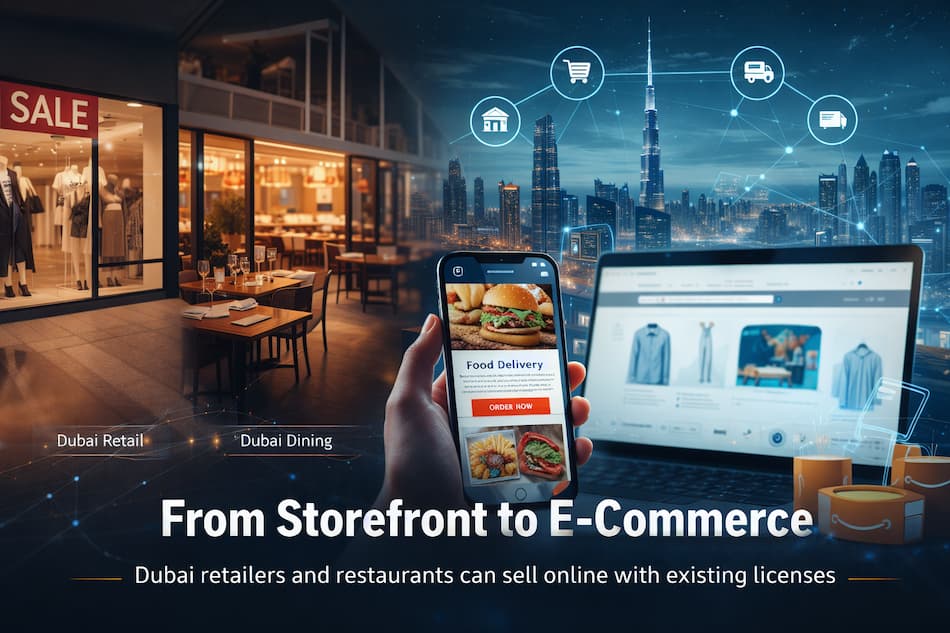
Dubai Opens E-Commerce Growth in 1 Key Policy Shift Without New Licences

Dubai Removes Barriers: Retailers and Restaurants Can Expand E-Commerce Without New Licences

A Major Boost for E-Commerce Growth in Dubai

Dubai has introduced a significant regulatory shift, allowing retailers, trading companies, and restaurants to expand into e-commerce without applying for additional licences.

Under the current framework, businesses can launch online stores, sell through digital marketplaces, and offer delivery services using their existing licences provided their activities remain within their approved scope.

This move is designed to simplify digital expansion and accelerate e-commerce adoption across the emirate.

Faster Digital Expansion for Businesses

The new approach removes one of the biggest barriers for businesses entering online commerce: licensing complexity.

Retailers can now quickly:

  • Launch their own e-commerce websites
  • Sell عبر marketplaces
  • Accept digital payments
  • Reach new customer segments

At the same time, restaurants and F&B brands can expand into delivery services through approved platforms, enabling them to grow beyond physical locations.

Officials emphasized that the initiative supports businesses of all sizes from startups and SMEs to multinational companies by making it easier to scale digitally.

Part of Dubai’s D33 Digital Economy Vision

The policy aligns with Dubai’s broader Economic Agenda D33, which aims to position the emirate as a global hub for digital commerce and innovation.

As part of this strategy, initiatives like the Dubai Traders programme are already helping businesses transition online through:

  • Reduced costs
  • Faster onboarding
  • Integration with major marketplaces

These efforts aim to strengthen Dubai’s e-commerce ecosystem while enabling companies to diversify revenue streams and increase resilience in a rapidly evolving digital economy.

Source: Arabian Business

AI and Omnichannel Transformation in Retail: A CIO Perspective from Grandiose

AI

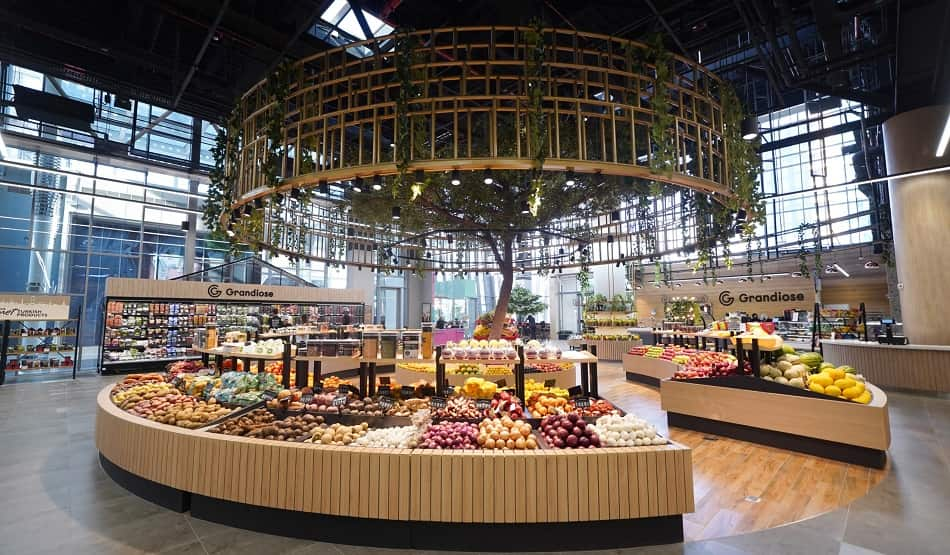
Headquartered in the United Arab Emirates (UAE), Grandiose Supermarket offers an unforgettable multisensory experience within a unique grocery shopping environment. A premium-quality food and grocery retailer, Grandiose was founded in December 2016. Since then, it has redefined the supermarket experience in the UAE. Positioning itself as “the most loved neighborhood supermarket,” Grandiose continues to expand its reach through online ordering and exclusive promotions. We spoke with Grandiose Digital & Technology Director, Marcin Piekarczyk about the company’s mission and vision. Piekarczyk shared important insights on a wide range of topics, from artificial intelligence to omnichannel strategies.

A commercially minded omnichannel and marketing leader, Marcin Piekarczyk specializes in the development of retail, omnichannel, and e-commerce strategies for globally recognized brands, as well as executive management of retail brands and businesses. He has experience in digital transformation coaching aimed at transforming traditional retailers into fully hybrid business models. He is deeply passionate about customer experience. He has more than 16 years of proven experience working in dynamic environments and multinational cultures. He has experience managing omnichannel business models across eight different international markets.

How Does Technology Create Value?

Piekarczyk currently oversees digital and technology transformation across multiple food and retail brands with very different operational realities. When asked, “What are the core principles that guide your transformation strategy across such a complex ecosystem?”, Piekarczyk replied: “Rather than adopting technology for its own sake, we maintain a strong focus on outcomes and customer impact. Too often, organizations pursue the latest tools or platforms simply to appear technologically advanced, without clearly defining the problems they are trying to solve or fully understanding what customers, both internal and external, truly want and need.”

Stating that “For us, a successful transformation always starts with data and a deep understanding of the customer,” Piekarczyk continued: “Before introducing any new technology, we invest time in mapping customer journeys, identifying pain points, and understanding where friction exists across operations and experiences. Only once this foundation is clear do we evaluate technologies and select digital transformation initiatives that are purpose-built to address real needs.

Equally important is ensuring that the organization itself is ready for transformation. This begins with people and culture. In many cases, our role as a technology function goes beyond delivery; we also act as advisors and advocates for change, helping business units build a culture that embraces transformation. Technology only creates value when it is adopted, trusted, and effectively used by people across the organization.”

“We Are in the Early Stages of AI Applications”

Regarding the areas in which artificial intelligence delivers the fastest and most measurable value, Marcin Piekarczyk stated: “We are in the early stages of applying artificial intelligence across logistics and the supply chain. We are taking a selective and pragmatic approach. Today, we are testing specific use cases such as replenishment, assortment optimization, and demand forecasting. At this stage, it would be premature to overstate short-term impact or claim transformational results.

Our strategic priority is not rapid deployment, but building the foundations that will allow artificial intelligence to become a true competitive advantage over time. This includes significant investment in high-quality, well-governed data across products, vendors, and sales. Reliable and scalable data is a prerequisite for AI-driven decision-making at enterprise scale.”

He also added: “By focusing on data quality and governance today, we are enabling the business to move quickly and confidently as AI use cases mature. This approach ensures that future AI investments translate into sustainable performance improvements rather than isolated experiments with limited long-term value.”

“Data Is One of Our Highest Priorities”

Piekarczyk also responded to the question, “Many organizations struggle not with data availability but with data usability. How do you ensure that real-time data actually translates into better operational and commercial decisions?” as follows:

“Data is one of our highest priorities. Over the past few months, we have been intensely focused on data cleansing and establishing strong data governance practices across the organization. We have onboarded a dedicated data team, launched multiple data quality initiatives, and successfully implemented a Customer Data Platform for Grandiose. I consistently emphasize that data is the single most critical enabler of any digital transformation or artificial intelligence initiative.

Without trusted, well-governed, and accessible data, even the most advanced technologies cannot deliver meaningful or sustainable value. Our focus is not just on collecting data, but on ensuring that data is usable, reliable, and embedded into day-to-day decision-making across the business.”

“The Biggest Omnichannel Challenge Is Inventory Management”

From a CIO’s perspective, Piekarczyk also explained the most challenging back-end issues in making omnichannel truly work, particularly in high-frequency food and retail environments: “We operate in an extremely fast-paced and high-volume environment. We process thousands of orders every day across multiple touchpoints, including our app, website, aggregators, and more than 45 physical stores. In grocery retail, this complexity is further amplified by the wide range of vendors we work with, varying commercial terms, and the diversity of product categories, from fresh and ultra-fresh to prepared foods.

From both a back-end and customer-facing perspective, the single biggest omnichannel challenge is inventory management. Ensuring accurate and real-time inventory visibility across all sales channels is critical. Customers expect consistency; if a product is visible online, it must be available. Preventing customers from encountering out-of-stock items on digital platforms is essential to delivering a reliable omnichannel experience and maintaining long-term customer trust.”

“We Apply Artificial Intelligence Only When It Makes Sense”

Marcin Piekarczyk answered the question, “How do you balance process maturity with AI-driven automation to avoid increasing digital complexity rather than reducing it?” as follows: “The answer to this question is quite simple: we apply artificial intelligence only when it makes sense. There is a growing tendency in the market to introduce artificial intelligence for the sake of artificial intelligence, rather than to solve real problems.

At Ghassan Aboud Holding and Grandiose, we always start by clearly defining the problem, then building a business case. Only after that do we decide whether artificial intelligence, or any other technology, is the right solution. I call this approach ‘AI with purpose.’ Strong process discipline must always come first; otherwise, technology increases complexity instead of reducing it.”

“Our Focus Is on Targeted Experiments in Areas Such as Demand Forecasting and Replenishment”

In response to a question about the role of technology and artificial intelligence in building resilience, risk anticipation, and continuity across logistics and inventory networks, given the vulnerabilities in global supply chains, Piekarczyk stated that technology and artificial intelligence play an important role in reducing risk across supply chains and said:

“They enable better anticipation of demand volatility and potential supply shortfalls, help identify risks earlier, and support the evaluation of alternative scenarios and workarounds before disruptions impact operations or customers. That said, we are still in the early stages of adopting advanced artificial intelligence capabilities in supply chain management. Today, our focus is on targeted experimentation in areas such as demand forecasting and replenishment, where value can be tested and measured pragmatically. More advanced applications, such as predictive risk modeling and dynamic network optimization, remain firmly on our radar as future opportunities, to be pursued as our data maturity and operational readiness continue to evolve.”

“Without In-House Technical Expertise, Even the Most Sophisticated External Resources Cannot Deliver Meaningful Value”

Piekarczyk also answered the question, “When implementing artificial intelligence and digital solutions, how do you decide between in-house development, third-party platforms, or strategic partnerships?” as follows: “There is no single right or wrong approach; it largely depends on overall strategy and how you manage your profit and loss structure. Regardless of the model, it is critical to have in-house technical expertise capable of understanding business requirements, defining needs, and evaluating architecture. Without this capability, even the most sophisticated external resources cannot deliver meaningful value.”

He continued: “In practice, we often adopt a hybrid model. Certain strategic artificial intelligence initiatives, such as the GrandChef project with Microsoft, are managed through close partnerships. At the same time, other operational and development work is handled in-house or outsourced depending on complexity and scale. This hybrid approach allows us to balance control, cost, speed, and innovation, while ensuring that core knowledge remains within the organization.”

  • Beyond cost savings, which KPIs or metrics best indicate that a digital or artificial intelligence initiative in logistics or operations is truly successful?

Marcin Piekarczyk: I typically focus on two key metrics. The first measures overall business impact, such as incremental revenue generation or cost savings achieved. The second evaluates the success of the initiative within the broader context of digital transformation, specifically adoption and usage. If a solution is not actively embraced and used by business units and stakeholders, then it has not truly succeeded, regardless of how advanced the technology may be.

  • Digital transformation ultimately depends on people. What skills and leadership capabilities do you believe are most critical for CIOs and technology leaders operating in logistics-heavy retail environments?

Marcin Piekarczyk: I would describe it as a combination of technical expertise and business acumen. A successful leader must understand the technical aspects of digital initiatives while also appreciating their impact on the business, the profit and loss structure, and overall profitability. Technical knowledge alone is not sufficient. In addition, strong influencing and change management skills are essential. Innovation is inherently about change, and people naturally resist change. Being able to guide, inspire, and align teams through transformation is just as important as delivering the technology itself.

  • Looking toward the next 3–5 years, which technological or artificial intelligence–driven shifts do you believe will have the greatest impact on logistics and supply chains in the Middle East?

Marcin Piekarczyk: We will see further automation across logistics and supply chains, starting with predictive demand planning and extending to increased automation in fulfillment centers. Companies that successfully combine artificial intelligence, real-time visibility, and advanced analytics with strong data foundations and operational discipline will gain a decisive advantage in efficiency, resilience, and customer experience.
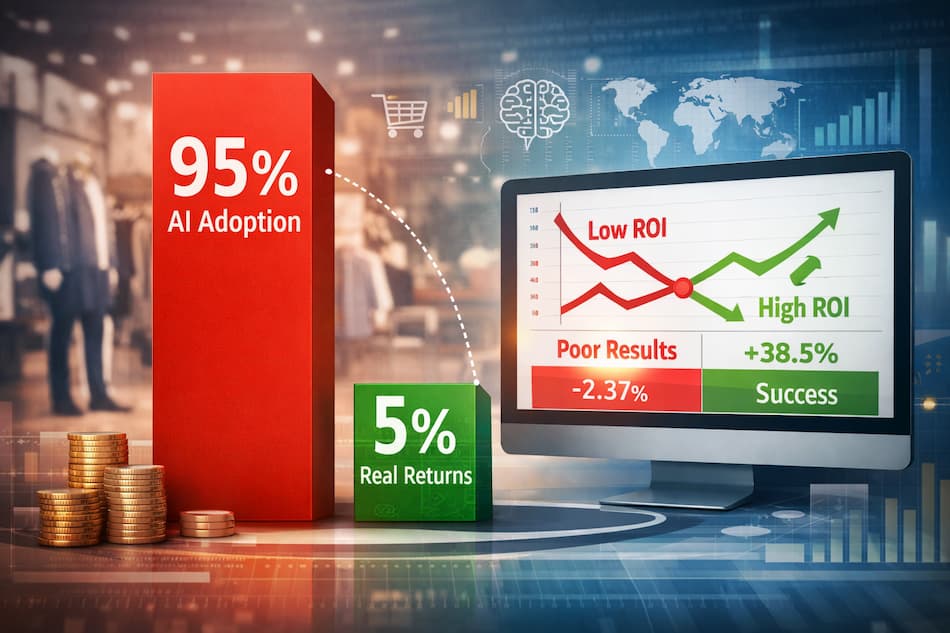
Global Retail Faces Harsh AI Reality as Only 5% See Real Returns Despite 95% Adoption

Global Retail Faces Harsh AI Reality as Only 5% See Real Returns Despite 95% Adoption

The global retail sector is entering a more pragmatic phase of AI adoption, as new research reveals a significant gap between experimentation and real business impact. A joint report by Voyado and Retail Economics shows that while 95% of companies have already tested AI in marketing or e-commerce, only 5% report clear and scalable returns.

The findings highlight a critical shift in the AI narrative-from rapid adoption to measurable performance-raising new questions about how retail businesses can turn AI investments into tangible results.

Data and Organizational Gaps Hold Back AI Performance

According to the report, the challenge is not access to AI tools, but the lack of strong data foundations and organizational readiness. Retail companies that achieve meaningful results typically rely on significantly more data sources and have more mature internal systems.

A major barrier remains internal capability. Around 58% of respondents identified skills shortages as the primary obstacle, while most of the top challenges were linked to organizational structure rather than technology itself.

This suggests that many retailers are still operating AI in isolated pilots rather than embedding it into core workflows.

AI Investment Set to Reshape the Retail Sector by 2030

Despite current limitations, the long-term impact of AI across the retail industry remains substantial. The report estimates that 39% of marketing and e-commerce budgets will be exposed to AI by 2030, representing approximately €14.9 billion annually.

Businesses are increasingly expecting AI to become a standard part of operations. Around 71% believe AI will be fully integrated into marketing workflows within two years, while 45% expect it to deliver measurable returns within the same timeframe.

The shift indicates that while adoption is already widespread, the next phase will be defined by execution-where only companies with strong data infrastructure and operational alignment are likely to capture real value.

Source: My Newsdesk

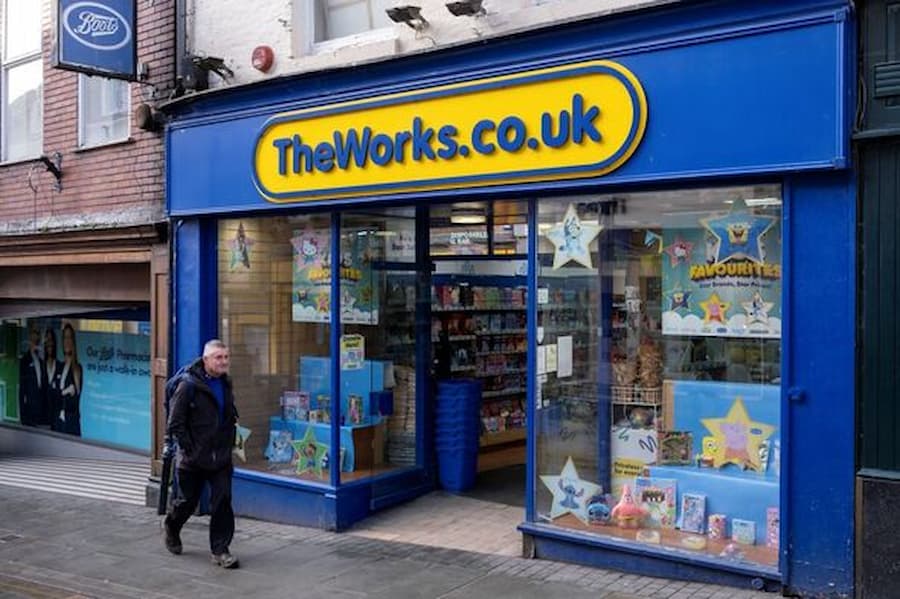
E-Commerce Under Pressure: Why 1 Retailer Is Shutting Down Its Online Store

E-Commerce Reality Check: Why 1 Retailer Is Shutting Down Its Online Store

The decision by UK retailer The Works to exit e-commerce is drawing attention across the retail industry, highlighting a growing shift toward profitability over digital expansion.

After more than a decade of online operations, the company has chosen to close its e-commerce channel and refocus entirely on its physical store network – a move that challenges the assumption that online retail is always essential for growth.

Why The Works Is Leaving E-Commerce

The Works first launched its e-commerce platform in 2012, but online sales never became a core revenue driver. More than 90% of total sales continued to come from physical stores, reflecting strong in-store customer demand.

At the same time, maintaining an online operation introduced ongoing challenges, including:

  • high operational costs
  • dependency on third-party logistics
  • complexity in managing fulfillment

Over time, these factors made it difficult for the company to achieve sustainable profitability online.

Refocusing on What Works

By exiting e-commerce, the retailer aims to simplify its business model and improve financial performance. The move is expected to reduce costs and allow the company to concentrate on its strongest channel – its extensive store network.

Rather than serving as a transactional platform, the company’s website will now act as a product browsing tool, encouraging customers to visit physical stores to complete purchases.

A Strategic, Not Emotional Decision

Industry insight suggests that this move has been under consideration for some time. For retailers operating on tight margins, e-commerce can introduce more pressure than value if not executed at scale.

In such cases, focusing on a store-led strategy can offer:

  • greater control over costs
  • improved margins
  • stronger customer engagement in physical locations

A Wider Signal for Retail?

While global e-commerce continues to expand, The Works’ decision reflects a more nuanced reality:

👉 Digital is not always profitable
👉 Omnichannel is not always necessary

Retailers are increasingly reassessing whether their digital channels truly support long-term growth – or simply add complexity.

What This Means for E-Commerce

The closure of The Works’ online store does not signal a decline in e-commerce itself, but rather a shift toward more disciplined, profit-driven strategies.

As the retail landscape evolves, businesses are moving away from “being everywhere” toward focusing on channels that deliver real value.

For some, that may still be digital-first.
For others, like The Works, the answer is clear – back to stores.

Source: InternetRetailing

E-Commerce in South Africa Surges: 5 Powerful Forces Transforming Retail, Media and ICT

5 Ways E-Commerce Is Transforming Retail, Media and ICT in South Africa

E-commerce is rapidly reshaping South Africa’s digital economy, influencing not only retail but also media and ICT sectors. As online shopping continues to grow, it is driving structural changes in how businesses operate, communicate, and deliver value to consumers.

The Shift from Traditional Retail to Digital-First Models

Retail in South Africa is no longer limited to physical stores. E-commerce has introduced a more customer-centric model, where convenience, accessibility, and speed define purchasing behavior. Consumers now expect seamless online experiences, flexible payment options, and fast delivery services.

This shift is pushing retailers to adopt omnichannel strategies, blending physical and digital experiences. Businesses that fail to adapt risk losing relevance in an increasingly competitive environment.

Retail Media Is Becoming a Key Growth Driver

One of the most notable transformations is the rise of retail media. As consumers spend more time online, brands are reallocating budgets from traditional advertising to digital platforms. Retailers themselves are becoming media owners, using their platforms and customer data to deliver targeted advertising.

This evolution is driven by strong digital adoption and high internet penetration, which enable brands to reach audiences more efficiently and measure campaign performance in real time.

At the same time, consumers are no longer passive. They actively engage with brands, expecting authenticity and culturally relevant messaging rather than generic campaigns.

ICT Infrastructure as the Backbone of Growth

The growth of e-commerce would not be possible without advancements in ICT. Improved broadband access, mobile connectivity, and secure digital payment systems are enabling smoother online transactions and expanding market reach.

Fintech innovations such as mobile wallets, instant payments, and buy-now-pay-later solutions are lowering barriers to entry for consumers and businesses alike.

This strong ICT foundation is essential, as it supports everything from logistics and payment processing to customer experience and data analytics.

Changing Consumer Behavior and Expectations

E-commerce is fundamentally changing how consumers interact with brands. Shoppers now demand personalized experiences, transparency, and fast service. Social media plays a major role in influencing purchasing decisions, turning platforms into key sales channels.

This behavioral shift forces companies to rethink their strategies – focusing more on data-driven marketing, personalization, and real-time engagement.

Challenges Slowing Full Potential

Despite strong growth, several challenges remain. High data costs, cybersecurity risks, and logistics inefficiencies continue to limit the full scalability of e-commerce.

Additionally, rural connectivity gaps and lack of digital skills among small businesses create barriers to inclusive growth. Addressing these issues requires collaboration between governments, private sector players, and technology providers.

The Bigger Picture

E-commerce in South Africa is not just a retail trend – it is a catalyst for broader economic transformation. It is redefining media strategies, accelerating ICT development, and reshaping consumer expectations.

As the ecosystem evolves, businesses that invest in digital infrastructure, data capabilities, and customer experience will be best positioned to lead the next phase of growth.

Source: ZAWYA

Pakistan Retail Growth: 53 Years of Naheed Driving an AI-Powered E-Commerce Shift

Pakistan Retail Growth: 53 Years of Naheed Driving an AI-Powered E-Commerce Shift

Pakistan’s retail sector is undergoing a major transformation, driven by digital adoption, e-commerce expansion, and increasing foreign investment. At the center of this shift is Naheed, a long-established retailer that is redefining how traditional retail and digital commerce can coexist.

Founded in the 1970s as a small grocery store in Karachi, Naheed has evolved into one of Pakistan’s leading omnichannel retailers. Today, the company operates a 52,000-square-foot retail hub and has built a strong e-commerce presence offering more than 80,000 products to customers across the country.

From Traditional Retail to Omnichannel Leadership

Naheed’s growth reflects a broader trend in Pakistan, where legacy retailers are transitioning toward digital-first models. By combining its physical store experience with a robust online platform, the company has created a seamless omnichannel ecosystem.

This approach has helped Naheed build strong customer trust, leveraging decades of brand recognition while adapting to modern consumer expectations. As a result, it has become one of the largest standalone e-commerce players in Pakistan.

AI and Technology Shape the Future

Innovation is playing a central role in Pakistan’s retail evolution. Naheed is now focusing on integrating advanced technologies, including plans to develop an AI-driven data center to enhance operations, customer insights, and scalability.

This move highlights how Pakistani retailers are increasingly investing in data and automation to stay competitive in a rapidly changing digital landscape.

UAE Partnerships Boost Pakistan Retail Growth

International collaboration is becoming a key driver of Pakistan’s retail transformation. Naheed is actively exploring partnerships with UAE investors, aiming to leverage their technological expertise and infrastructure capabilities.

According to company leadership, such collaborations could significantly accelerate innovation and unlock new growth opportunities for Pakistan’s retail ecosystem.

Expanding Product Ecosystems

To diversify its offering, Naheed has expanded beyond traditional grocery retail by launching new verticals such as Naheed Pharmacy, focusing on health, beauty, and wellness products.

This reflects a growing trend in Pakistan where retailers are evolving into multi-category platforms, similar to global marketplace models.

A Market with Strong Growth Potential

Pakistan presents a compelling opportunity for investors, supported by a young population, with around 65% aged between 18 and 35, and a rapidly growing middle class.

As digital infrastructure improves and consumer behavior shifts online, the country is emerging as a high-potential market for e-commerce and retail innovation.

Pakistan’s retail sector is entering a new phase where technology, partnerships, and omnichannel strategies are redefining the industry. Companies like Naheed are not only adapting to change but actively shaping the future of commerce in the region.

Source: Gulf News

Network Growth After Yassir’s Uno Retail Chain Acquisition in 2026

Yassir expanding retail network after acquiring Uno retail chain in Algeria

Network expansion is accelerating in North Africa as Algerian super app Yassir acquires the Uno retail chain to strengthen its hybrid retail and e-commerce strategy. The deal marks an important step in the company’s effort to integrate physical stores, online commerce, payments and logistics into a single consumer ecosystem.

Expanding Yassir’s Physical Retail Network

Retail strategy is becoming increasingly central to the growth plans of Algerian super app Yassir after the company acquired the Uno retail chain from Cevital Group. The move signals a shift toward a hybrid commerce model designed to expand the company’s growing retail footprint while connecting physical stores with digital services such as e-commerce, payments and logistics.

Following the acquisition, the Uno stores are expected to be rebranded as Yassir Market, with the first flagship location planned for the Bab Ezzouar Shopping Center in Algeria. The transformation aims to integrate offline retail operations with the company’s existing online marketplace and delivery platform while strengthening its nationwide store presence.

Industry analysts say this approach reflects a broader global trend in which digital platforms invest in physical retail infrastructure to build stronger commerce infrastructure and improve last-mile logistics.

Hybrid Retail and Digital Commerce Network

Yassir’s strategy focuses on building a connected commerce network where customers can shop both online and in-store while using the same digital infrastructure.

The stores will offer a wide selection of products, including groceries, consumer goods, cosmetics, premium products and quick-service food options. At the same time, the locations are expected to function as fulfillment points supporting the company’s online orders and delivery network.

By combining retail locations with digital commerce services, Yassir aims to create a seamless shopping experience that links in-store purchases with online ordering, payments and delivery across its expanding platform.

Integrated Payments and Loyalty Programs

The expansion will also rely heavily on Yassir’s financial technology infrastructure. Transactions across the retail network are expected to run through Yassir Cash, the company’s payment system supported by thousands of agents across the country.

Customers will also be able to access rewards through the Yassir+ loyalty program, which allows shoppers to collect and redeem points across multiple services within the platform.

This integrated payment and loyalty ecosystem is designed to keep consumers within Yassir’s digital environment while strengthening long-term engagement across the company’s growing service network.

Building a Wider Commerce Infrastructure

Beyond consumer retail, the company is also developing a B2B logistics network that could support wholesale and institutional clients such as businesses, embassies and corporate organizations.

The strategy highlights Yassir’s ambition to evolve from a ride-hailing and delivery platform into a broader commerce infrastructure provider.

The acquisition also comes as the North African retail sector undergoes shifts following the exit of several international players from parts of the regional grocery market. This environment may create new opportunities for local digital platforms to expand their presence and strengthen their regional commerce networks.

If successful, Yassir’s hybrid retail model could reshape how consumers in Algeria interact with both physical stores and digital commerce platforms while reinforcing the country’s evolving retail ecosystem.

Source: Global Cosmetics News