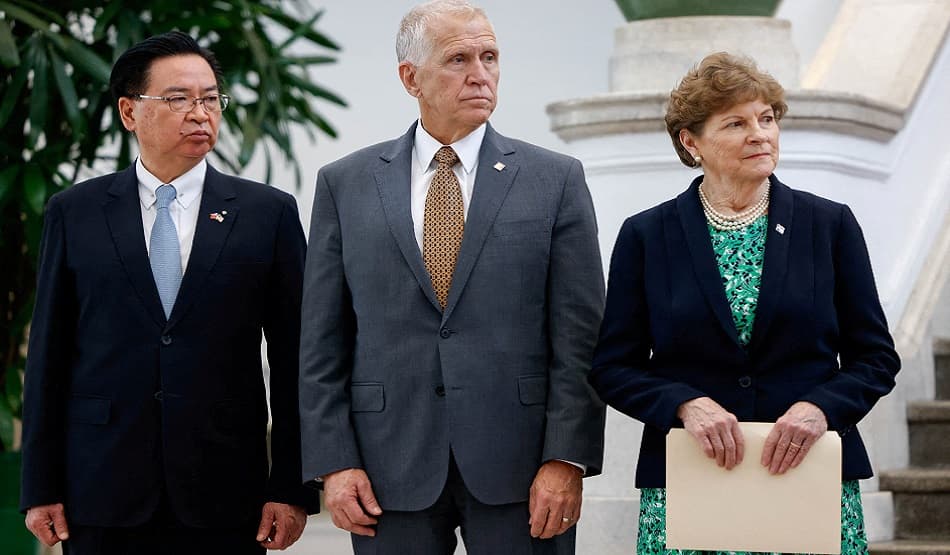
Trade tensions between the European Union (EU) and China have once again come to the forefront, this time over product safety issues stemming from e-commerce. A delegation from the European Parliament traveled to Beijing as part of a rare visit and held direct talks with Chinese officials. The focus of the meetings was on “unsafe and non-standard products” entering the European market.
E-Commerce Products Are on the EU’s Radar
European Union officials emphasize that a large portion of products entering Europe, especially through low-cost e-commerce platforms, do not meet safety and quality standards. In recent inspections, it has been stated that the rate of non-compliant products in some categories has reached as high as 80%. This situation creates serious risks not only for consumer safety but also for fair competition.
The European Union side is demanding that Chinese manufacturers and platforms comply more strictly with European Union regulations. The increase in non-standard products is drawing particular attention in high-volume categories such as toys, electronics, and textiles.
Debates Around Temu and Shein Are Deepening
Platforms such as Temu and Shein, which have frequently come to the agenda in the European Union recently, are at the center of this debate. The European Commission had previously announced that it would tighten inspections targeting these platforms. In the new period, platforms are planned to be held responsible as “importers” and made directly liable for product safety.
The Beijing Visit Is Rare but Critical
The Beijing visit by the European Parliament delegation is also being considered an important development in terms of diplomatic contacts that have declined in recent years. The meetings addressed not only product safety, but also supply chain transparency and sustainability issues. It is stated that the Chinese side is open to greater cooperation, especially to avoid disruptions to exports, but is taking a cautious approach on the grounds that regulations could slow trade.
Stricter Inspections and Higher Costs in the New Period
Analysts state that these steps by the European Union could make it more difficult in the short term for Chinese-origin products to enter the European market. This means higher costs, especially for e-commerce models based on low-cost advantage. On the other hand, the European Union’s goal is not only to increase product safety; it is also to protect local producers and restore the balance of competition. Recent developments reveal that global e-commerce is now being shaped not only by competition in price and speed, but also by regulation and safety criteria. Tensions between Europe and China in this area are expected to increase even further in the coming period.