
Nvidia Launches Jetson Thor, Empowering Robots with Advanced AI Brains
Nvidia has unveiled its latest breakthrough in robotics computing with the introduction of Jetson Thor, a powerful new platform designed to bring unprecedented artificial intelligence capabilities to robots.
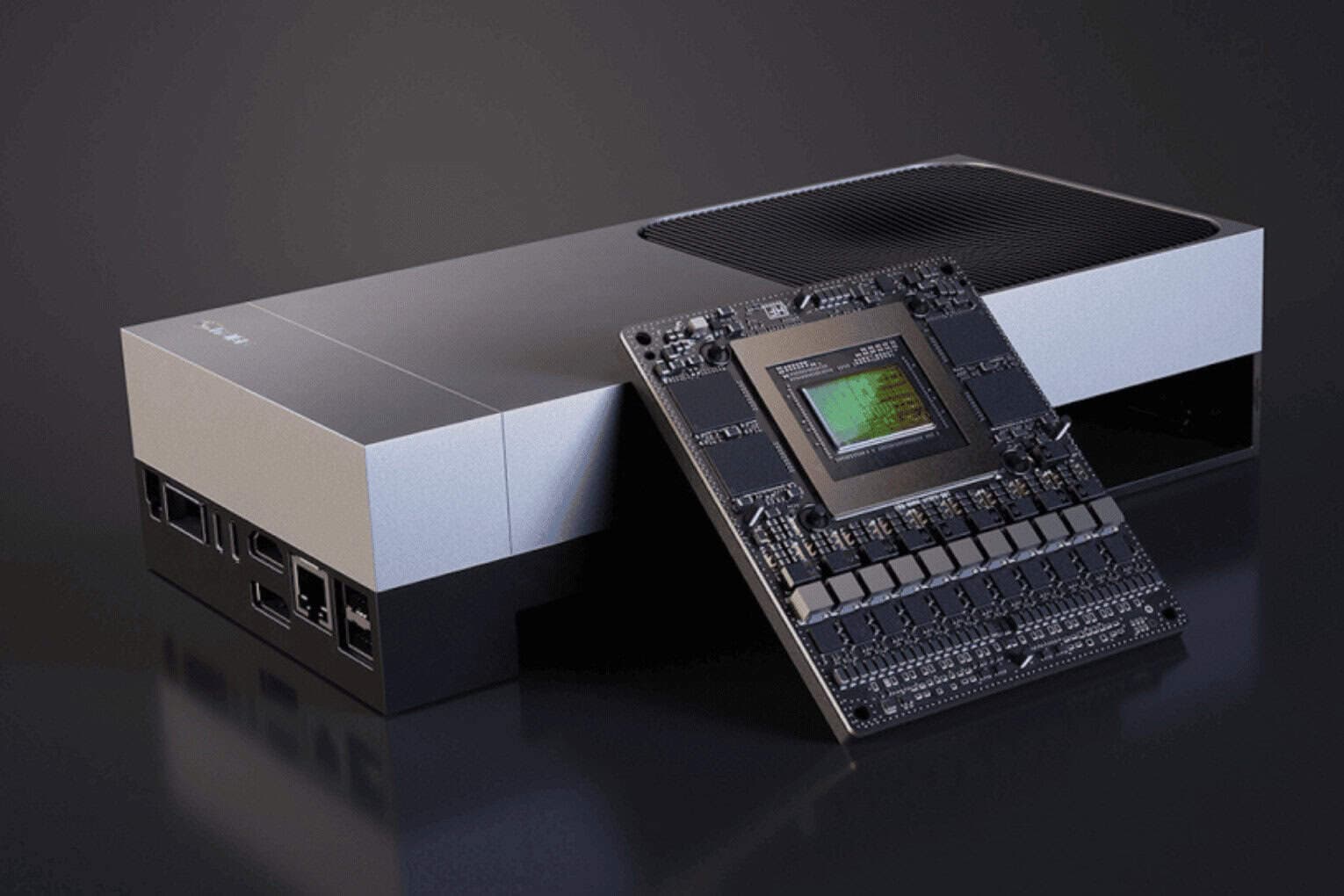
Nvidia has taken a significant step forward in robotics technology with the unveiling of its newest computing platform, Jetson Thor. Designed to equip robots with highly advanced artificial intelligence capabilities, Jetson Thor aims to revolutionize how machines perceive their environment, make decisions, and operate autonomously in real-time.
Jetson Thor is powered by Nvidia’s latest Blackwell GPU architecture and comes equipped with an impressive 128 GB of RAM. This configuration delivers approximately 7.5 times the AI processing power compared to Nvidia’s previous Jetson Orin module. Complementing the GPU is a 14-core ARM CPU and 96 fifth-generation Tensor Cores, providing the computational strength needed to execute complex AI tasks such as computer vision, sensor fusion, and natural language processing efficiently (Computerworld).
The versatility of Jetson Thor allows it to be applied across a broad spectrum of robotics applications. From humanoid robots designed to perform intricate and delicate tasks to rugged industrial automation robots operating in manufacturing, mining, and logistics sectors, the platform supports environments requiring real-time processing and high adaptability. Nvidia’s vision centers on creating robots that are not only faster and more powerful but also smarter and capable of making complex decisions in dynamic and unpredictable settings (Computerworld).
Jensen Huang, Nvidia’s CEO, emphasized the critical role robotics will play in the company’s future. “Robotics represents one of the largest opportunities outside of AI,” Huang stated during the product launch event. The introduction of Jetson Thor solidifies Nvidia’s leadership in AI-driven robotics, positioning the company to expand its influence into industries that demand intelligent, autonomous machines (Computerworld).
One of the defining features of Jetson Thor is its ability to integrate multiple AI processing workloads and sensor data streams on a single platform. This integration simplifies the design and deployment of robots, reducing the need for numerous separate processing units. The result is lower power consumption and decreased latency, both crucial for applications where split-second decisions matter, such as autonomous navigation, real-time obstacle avoidance, and human-robot collaboration (Computerworld).
Industry analysts suggest that Nvidia’s Jetson Thor will accelerate the adoption of intelligent robots in sectors traditionally reliant on manual labor. By arming robots with sophisticated AI “brains,” companies can enhance workplace safety by delegating hazardous or repetitive tasks to machines. This also leads to improved operational efficiency and productivity. For example, in manufacturing environments, robots can quickly adapt to changes on the assembly line, performing quality checks and handling materials with precision. Similarly, in logistics, AI-enabled robots can optimize warehouse workflows and streamline last-mile delivery processes (Computerworld).
The launch of Jetson Thor also reflects a growing trend toward edge computing in robotics, where AI processing is performed directly on the robot rather than relying on cloud services. This approach enhances response times and data privacy, which is essential for sensitive applications such as healthcare robots, security patrols, and autonomous vehicles. Processing AI workloads locally ensures that robots can operate effectively even in environments with limited or no internet connectivity (Computerworld).
Looking ahead, Nvidia’s investment in platforms like Jetson Thor positions the company at the forefront of robotics innovation. The platform is expected to serve as the backbone for the next generation of intelligent machines capable of collaborating safely with humans, performing complex tasks autonomously, and transforming industries ranging from manufacturing and logistics to healthcare and beyond.
In summary, Nvidia’s Jetson Thor represents a major breakthrough in robotic computing. By delivering unmatched AI processing power in a compact and energy-efficient package, Jetson Thor empowers robots to become smarter, faster, and more adaptable than ever before. As robotics continues to evolve rapidly, Nvidia’s new platform will be a crucial enabler of this transformation, paving the way for smarter factories, safer workplaces, and more efficient logistics worldwide.
Read more on
About the author
WORLDEF Editors
924 stories on WORLDEF since January 2025.
More from WORLDEF Editors →Related


The week in commerce, before your competitors.
1,463 stories since January 2025, distilled into three newsletters. Pick the ones you want.