
Saudi Arabia Hosts Global Digital & AI Symposium
Riyadh, Saudi Arabia – Saudi Arabia hosted the 25th Global Regulators Symposium (GSR25) in Riyadh on September 1, 2025, marking a key milestone in its efforts to reduce digital inequality and establish global standards for artificial intelligence (AI)…
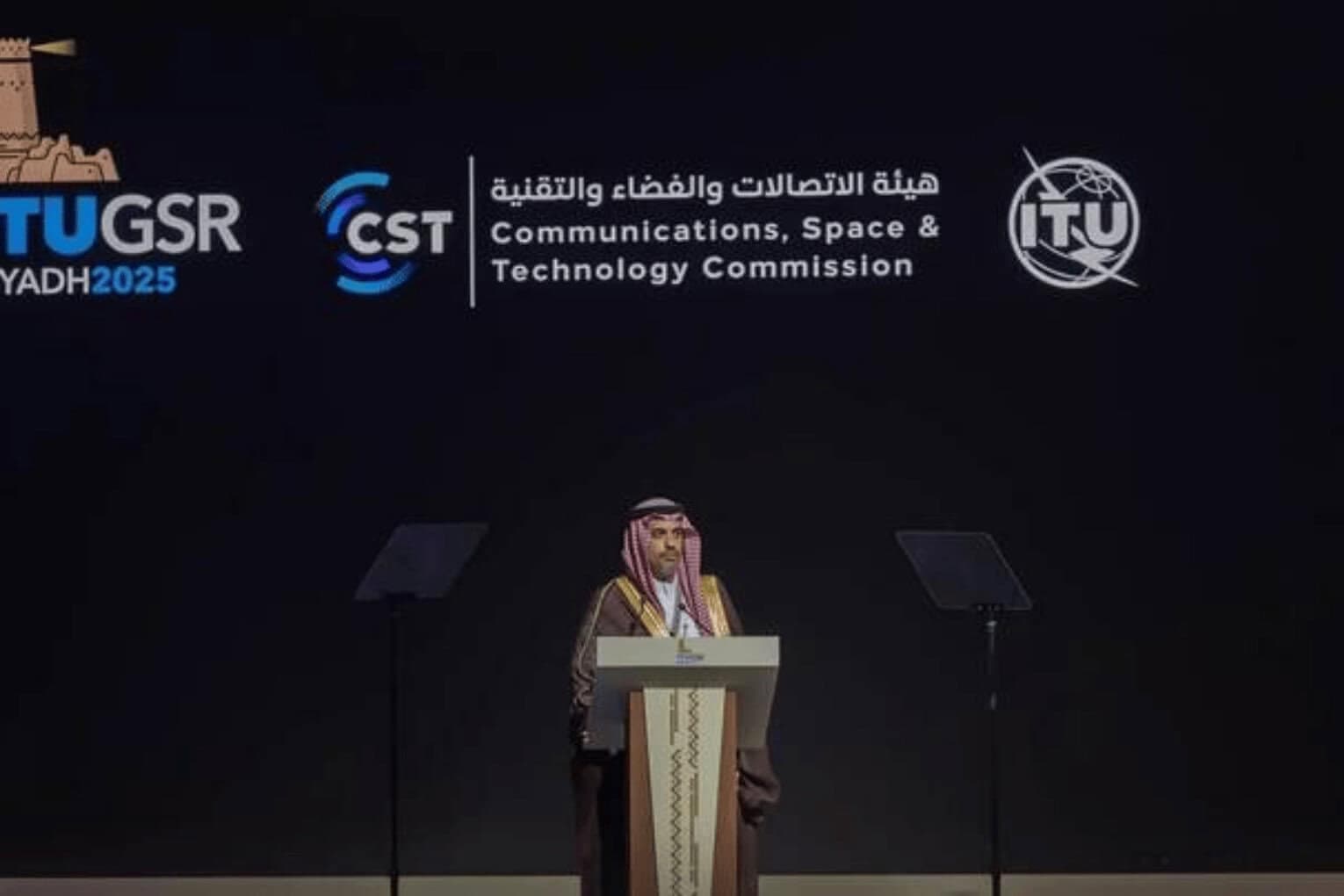
Saudi Arabia hosted the 25th Global Regulators Symposium (GSR25) in Riyadh on September 1, 2025, marking a key milestone in its efforts to reduce digital inequality and establish global standards for artificial intelligence (AI) governance. Organized in collaboration with the International Telecommunication Union (ITU), the symposium focused on “Regulation for Sustainable Digital Development” and attracted regulators, policymakers, and industry leaders from over 190 countries, highlighting Saudi Arabia’s growing role as a leader in digital innovation and AI regulation (Arab News).
Bridging the Global Digital Divide
One of the central themes of GSR25 was addressing the global digital divide. Experts emphasized that digital infrastructure investments remain concentrated in developed economies, leaving many developing nations struggling with access, affordability, and connectivity. The 2025 UNCTAD World Investment Report confirmed that digital infrastructure gaps are widening in emerging markets, underscoring the need for collaborative efforts to ensure equitable digital access. Saudi Arabia’s hosting of the symposium reflects its commitment to reducing these disparities and promoting inclusive digital growth (Arab News).
AI Governance and Ethical Standards
A significant portion of the symposium focused on AI governance and ethical frameworks. Haytham Al-Ohali, Vice President of the Communications, Space, and Technology Commission (CST) in Saudi Arabia, opened the event by celebrating GSR25’s 25th anniversary alongside the ITU’s 160th anniversary. Discussions highlighted the need for transparent, fair, and accountable AI systems, with experts exploring methods to prevent algorithmic bias, data misuse, and cybersecurity threats. Participants shared best practices for creating regulatory environments that balance innovation with ethical responsibility, ensuring AI technologies serve public interest and support sustainable economic growth (Arab News).
Saudi Arabia’s Digitalization Strategy
Saudi Arabia has been advancing a comprehensive digitalization strategy under Vision 2030, aiming to diversify the economy and foster knowledge-based growth. The GSR25 symposium served as a platform to reinforce these objectives, showcasing initiatives that increase digital access, support innovation ecosystems, and encourage public-private partnerships. By hosting a global dialogue on AI governance and digital inclusion, Saudi Arabia emphasized its commitment to becoming a hub for technological leadership in the MENA region and beyond (Arab News).
Enhancing Global Collaboration
GSR25 provided regulators with the opportunity to share insights, discuss international best practices, and collaborate on frameworks for emerging technologies. Delegates focused on harmonizing global standards, streamlining licensing procedures, and facilitating cross-border digital services. Saudi Arabia stressed that global partnerships between governments, industry stakeholders, and international organizations are crucial for maximizing the benefits of technological advancement while mitigating risks. The symposium reinforced the importance of knowledge sharing, capacity building, and joint initiatives to address global digital challenges (Arab News).
Promoting Digital Inclusion and Education
Another key focus of the symposium was the promotion of digital inclusion and education. Participants discussed strategies for equipping citizens with digital skills, expanding access to affordable internet, and fostering innovation among youth. Programs aimed at bridging the digital skills gap were highlighted, emphasizing the role of education in ensuring that technology benefits all segments of society. Saudi Arabia showcased local initiatives supporting tech education, entrepreneurship, and community empowerment, aligning with global development goals (Arab News).
Regulatory Innovation and Future Challenges
The symposium also addressed emerging regulatory challenges in the rapidly evolving digital landscape. Discussions included issues such as data privacy, AI-driven decision-making, cybersecurity, and the ethical use of emerging technologies. By proactively creating regulatory frameworks and encouraging international cooperation, Saudi Arabia aims to ensure that technological advancements are implemented responsibly, ethically, and sustainably. Experts noted that global collaboration is essential to prevent regulatory fragmentation and maintain trust in digital and AI systems.
Sustainable Development and Long-Term Vision
Saudi Arabia’s hosting of GSR25 aligns with broader sustainable development objectives, including equitable digital access, responsible AI adoption, and economic diversification. By engaging with international regulators and fostering cross-border dialogue, the country seeks to integrate global best practices into its national policies. The symposium emphasized the importance of sustainability, inclusion, and ethics in shaping the future of digital economies, demonstrating Saudi Arabia’s commitment to balancing technological progress with societal well-being.
Conclusion
The 25th Global Regulators Symposium represents a significant step in Saudi Arabia’s journey to become a global leader in digital and AI governance. By addressing the global digital divide, promoting ethical AI practices, and fostering international collaboration, the country is positioning itself as a central player in shaping the future of technology regulation. As digital transformation accelerates worldwide, Saudi Arabia’s proactive approach in hosting forums like GSR25 reinforces its commitment to sustainable, inclusive, and responsible technological development.
Read more on
About the author
WORLDEF Editors
924 stories on WORLDEF since January 2025.
More from WORLDEF Editors →Related




The week in commerce, before your competitors.
1,463 stories since January 2025, distilled into three newsletters. Pick the ones you want.