
OpenAI Unveils ChatGPT Wallet for AI-Powered Payments
OpenAI has introduced ChatGPT Wallet, enabling AI agents to facilitate online purchases with user authorization. Initially available to eligible ChatGPT Pro subscribers in the United States, the digital wallet uses payment tokenization to protect card…
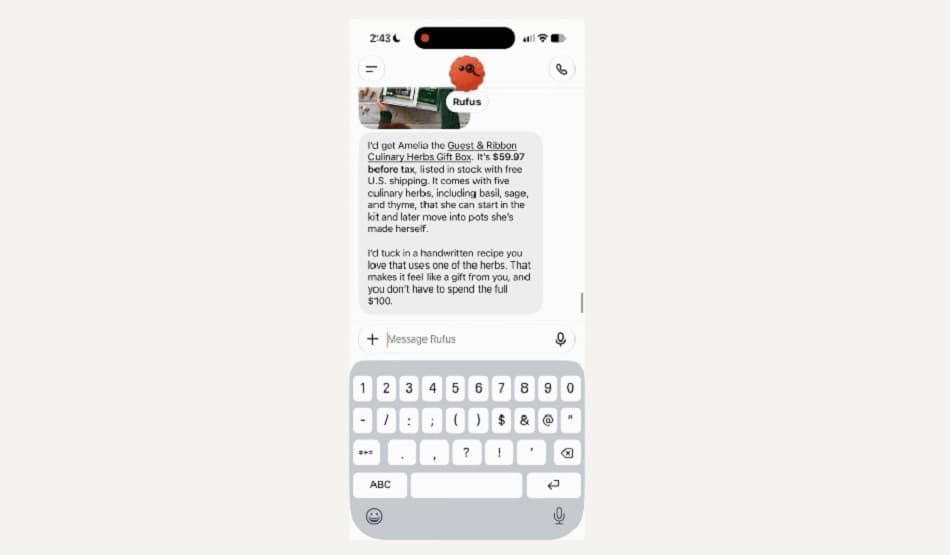
US-based artificial intelligence company OpenAI announced ChatGPT Wallet, a digital wallet that enables users to make payments for online purchases through AI agents, on November 13, 2026. Developed in collaboration with American Express, Chase, Mastercard, and Visa, the service allows transactions to be completed without sharing actual card details with AI agents. The service is initially available to eligible ChatGPT Pro subscribers in the United States.
Developed by OpenAI, ChatGPT Wallet provides a payment infrastructure that allows users to delegate shopping transactions to AI agents. The system supports purchases of products selected by users while requiring explicit authorization before each payment.
The company stated that the digital wallet was designed to work with existing debit and credit card payment systems. Businesses will be able to accept payments through their existing infrastructure. Product pricing, order fulfillment, delivery, returns, and customer service will remain the responsibility of merchants.
According to OpenAI, ChatGPT reaches 1.2 billion weekly users. The company aims to enable users to complete purchases through artificial intelligence after researching and comparing products.
How Will Payments Work with ChatGPT Wallet?
Users who want to shop through ChatGPT Wallet will be able to register their payment cards with the system once. For subsequent transactions, they will be able to authorize purchases without re-entering their card information.
Before each payment, users will be shown the products being purchased, the total amount, and the card to be used. Transactions will be completed following biometric security checks, such as Face ID or fingerprint authentication.
Once the user provides authorization, the payment network will generate a payment token to replace the actual card details. This method, known as tokenization, allows sensitive payment information to be represented by alternative digital data during transactions. As a result, users' actual card details will not be shared with merchants or AI agents when payments are made through ChatGPT Wallet.
ChatGPT Wallet Becomes Available to Pro Subscribers in the US
OpenAI announced that ChatGPT Wallet will initially be available to ChatGPT Pro subscribers who are at least 18 years old, reside in the United States, and hold an eligible US-issued payment card.
The service will be accessible through Dots, the company's personal AI agent product. Users will be able to carry out shopping tasks through Dots and authorize transactions at the payment stage. OpenAI stated that the service would initially have limited availability, with plans to expand access following further collaboration with banks and payment providers.
OpenAI Publishes Payment Guide for E-Commerce Businesses
Alongside the ChatGPT Wallet announcement, OpenAI also published a guide titled Commerce Partner Playbook to help e-commerce businesses adapt to purchases made through AI agents. The guide aims to help businesses provide up-to-date product information to AI systems, configure their websites for AI agent access, and prevent payment security systems from incorrectly rejecting legitimate transactions.
The company announced that it was working with Forter, Riskified, Sardine, and Signifyd on fraud prevention, as well as Adyen, Checkout.com, and Stripe on payment services. These partnerships focus on enabling existing e-commerce infrastructure to recognize payments initiated by AI agents.
OpenAI Plans to Allow AI Agents to Make Purchases Within Spending Limits
OpenAI aims to eventually allow users to fully delegate purchasing transactions to AI agents by setting specific spending limits, product categories, and time periods. Under the proposed system, users will be able to authorize their agents to make purchases within predefined conditions. The company plans to introduce advanced security controls and clear authorization records for these transactions.
In the current version, however, user approval is required for every purchase. OpenAI states that existing card rewards and protections related to merchant disputes will remain available for eligible transactions. Add a concise e-commerce impact sectionClarify the current rollout and future plans.
Read more on
Related




The week in commerce, before your competitors.
1,497 stories since January 2025, distilled into three newsletters. Pick the ones you want.