WORLDEF Istanbul 2026 - Upcoming Event

Register Now

The AI Revolution in E-commerce: How Technology is Rewriting Commerce Rules?

Ufuk Tarhan | Business Futurist • Economist • Strategist • Independent Board Member • Author • Keynote Speaker

E-commerce isn’t just a digital version of retail anymore; it’s a new dimension of commerce, powered by intelligence. The rise of AI isn’t just a trend; it’s a fundamental shift that is rewriting the rules of how we buy and sell. The businesses that understand this will thrive, and those that don’t will become relics.

AI Effect: E-commerce’s New Reality

AI’s impact on e-commerce is a mixed bag of powerful upgrades and subtle trade-offs. On the plus side, it’s a personalization machine. AI analyzes vast amounts of data to offer hyper-personalized recommendations and dynamic pricing, making every customer feel like a VIP. It also streamlines operations, with AI-powered logistics and inventory management reducing costs and speeding up delivery. Chatbots and virtual assistants provide 24/7 customer service, handling routine queries with superhuman efficiency. .

However, the future isn’t without its glitches. The biggest con is the loss of the human touch. While a chatbot is efficient, it can’t offer empathy or creative problem-solving like a human. There are also significant concerns about data privacy, as AI relies on collecting massive amounts of user information. Finally, for smaller businesses, the high cost of implementation for advanced AI systems can be a major barrier to entry.

Global E-commerce Powerhouses

The world’s largest e-commerce companies are a battlefield dominated by two nations: the U.S. and China. The top of the list is held by Amazon (USA), a global behemoth that has transformed everything from retail to cloud computing. Right behind them are China’s giants: Alibaba (China), with its vast ecosystem of platforms like Taobao and Tmall, and JD.com (China), known for its robust logistics network.

Other major players include Pinduoduo (China), which has revolutionized social commerce, and Temu (China), which has rapidly expanded into global markets. While there are other major players from different countries like Shopify (Canada), the sheer scale and market share of the American and Chinese companies are unmatched.

U.S. vs. China E-commerce Showdown

When it comes to e-commerce, China is the undisputed leader. Why?

– It’s a matter of scale and innovation. China’s e-commerce market is nearly triple the size of the U.S. market, with a higher penetration rate.

– The Chinese consumer went from cash straight to mobile payments, skipping the credit card phase, which created a mobile-first, friction-free shopping culture. This is in stark contrast to the U.S. market, where e-commerce often feels like a digital extension of traditional retail.

– Chinese platforms are built on social commerce, integrating live-streaming, group buying, and gamification directly into the shopping experience. In the U.S., social commerce is still a nascent feature, often feeling “tacked on.”

– While the U.S. has Amazon’s dominance, China has a more vibrant and competitive ecosystem with multiple platforms driving intense innovation.

AI-Powered Future of E-commerce

– The future of AI-driven e-commerce is not just about better recommendations; it’s about creating invisible, seamless commerce. Imagine a world where your refrigerator automatically orders groceries based on what you’ve used, or a virtual fitting room that uses AI to perfectly size clothes on a digital avatar.

– AI will move from a tool to a core infrastructure. We will see the rise of agentic AI, where autonomous AI agents manage entire business processes, from marketing campaigns to supply chain optimization, with minimal human oversight.

– Generative AI will create unique, personalized product content and marketing assets at scale. The line between online and physical shopping will blur, as AI-powered “smart stores” offer a hybrid, hyper-efficient experience.

In short; the future of commerce isn’t coming; it’s already here. Ignoring AI is like ignoring the internet in 1999. The window to adopt and integrate these technologies is closing fast. Stop talking about “digital transformation” and start building it. Your customers are waiting for a smarter, more personalized experience, and your competitors are already learning how to provide them. The question isn’t whether you’ll use AI, but whether you’ll lead with it or be left behind.

Join the AI revolution, or watch it pass you by.

Omnichannel Success in a Multi-Channel World: Vinculum’s Perspective

In today’s digital-first economy, brands and retailers are navigating a complex web of sales channels—marketplaces, webstores, social commerce platforms, and physical outlets. Managing product content, inventory, and orders seamlessly across all these touchpoints is no longer optional; it is business-critical. At Vinculum, we have built our foundation on solving these challenges through our omnichannel SaaS solutions, enabling brands to thrive in a rapidly evolving global e-commerce ecosystem.

Cracking the Omnichannel Code

The explosion of Direct-to-Consumer (D2C) brands, the rise of quick commerce, and escalating consumer expectations for rapid delivery and seamless returns have disrupted traditional retail models. Brands today face omnichannel chaos—fragmented systems, disconnected inventories, inconsistent product content, and limited visibility across fulfillment networks.

Vinculum addresses these challenges with a unified, scalable platform that enables brands to centralize operations across product information management, order orchestration, inventory management, and customer experience.

Product Content Management Without Borders

At the core of omnichannel success lies clean, consistent, and localized product content. Our Vin PIM (Product Information Management) solution is a multilingual, marketplace-ready repository that empowers brands to create, manage, enrich, and syndicate product content across global sales channels with ease.

With Vin PIM, brands can:

  • Manage attributes, descriptions, and images in a single, centralized repository.
  • Publish listings seamlessly across marketplaces, webstores, ERPs, and POS systems.
  • Reduce listing errors, accelerate time-to-market, and ensure compliance with channel standards.

This capability is particularly critical in regions like the Middle East and Southeast Asia, where cross-border commerce is accelerating and multilingual content—from Arabic to Bahasa Indonesia—is essential to market entry and success.

Intelligent Order Orchestration Across Every Channel

Managing orders from multiple channels, while ensuring a consistent customer experience, is one of the biggest industry pain points. Our Vin OMS (Order Management System) consolidates orders across webstores, marketplaces, mobile apps, and physical stores into a single view, empowering brands to orchestrate fulfillment intelligently.

Key benefits of Vin OMS include:

  • Centralized order aggregation across all digital and physical channels.
  • Intelligent fulfillment from warehouses, stores, 3PLs, and franchise networks.
  • Real-time visibility into returns, exchanges, and financial settlements.

Through Endless Aisle capabilities, sales associates can tap into enterprise-wide inventory to fulfill customer orders, even when stock isn’t available in-store, ensuring no sale is lost.

Centralized Inventory Pools: Futureproofing Fulfillment

Today’s shoppers expect speed, flexibility, and precision. Our Vin WMS (Warehouse Management System) empowers brands and marketplaces to automate pick, pack, and ship processes, creating a central pool of inventory accessible across all sales channels—B2B and B2C.

Vin WMS enables brands to:

  • Execute omnichannel fulfillment from warehouses, stores, and dark stores.
  • Gain real-time inventory visibility across all nodes in the supply chain.
  • Reduce operational costs through automation and optimize inventory utilization.

Whether it’s quick commerce players like Swiggy Instamart or luxury retailers like Malabar Gold, brands leverage Vin WMS to meet the demands of modern consumers with agility and efficiency.

Powering Omnichannel with AI

Artificial Intelligence is a cornerstone of Vinculum’s innovation strategy. AI-driven content enrichment, intelligent order routing, demand forecasting, and dynamic inventory reallocation are being seamlessly embedded across our platform.

Our AI initiatives enable brands to:

  • Recommend the optimal fulfillment source based on location, availability, and cost.
  • Optimize delivery promises by predicting fulfillment capabilities in real-time.
  • Improve customer satisfaction, reduce returns, and enhance loyalty through predictive insights.

By leveraging machine learning models and advanced analytics, we’re helping brands transition from reactive operations to proactive, intelligent commerce ecosystems.

Vinculum’s Global Reach and Target Markets

With a presence across 30+ countries, Vinculum is powering omnichannel transformation for some of the world’s leading brands, including Landmark Group, Titan, Skechers, Levis, GMG, Alshamsi Group, Tradeling, and Decathlon.

Our robust multilingual capabilities, cross-border commerce readiness, and deep integrations with leading marketplaces and logistics platforms make us a trusted partner for brands expanding across the GCC, India, and Southeast Asia.

Vision 2025: Where We Are Headed

Looking ahead, Vinculum is committed to strengthening our leadership in omnichannel retail by:

  • Deepening AI-driven automation across product lifecycle, order management, and inventory processes.
  • Expanding ecosystem integrations across ERPs, POS systems, last-mile delivery partners, and logistics networks.
  • Strengthening strategic partnerships with system integrators and consulting firms to scale into new markets.
  • Launching lightweight SaaS versions of our flagship products to empower SMBs and niche D2C brands.

Industry Insights: What the Future Holds

We believe the future of retail will be defined by:

  • Unified inventory pools becoming the standard for efficient omnichannel fulfillment.
  • Direct-to-Consumer (D2C) models growing fastest in emerging economies, where consumers demand brand authenticity and direct engagement.
  • Customer-first strategies replacing channel-first thinking, focusing on delivering consistent, personalized experiences regardless of the sales channel.
  • Multilingual PIM systems becoming indispensable for brands aiming for global scalability and cross-border success.

Recognition and Industry Leadership

Vinculum’s commitment to innovation and excellence has been recognized through numerous industry accolades:

  • AWS Rising Star Award 2025
  • Gartner Magic Quadrant for WMS: 9 years in a row
  • G2 Leader Spring 2025 (Asia, APAC, India)
  • Singapore SME 500 Award 2025

About Venkat Nott

Venkat Nott is the Founder & CEO of Vinculum Group, a global SaaS company pioneering omnichannel retail solutions. With over two decades of experience in technology and retail innovation, he has led Vinculum to become a recognized leader in product information management and order orchestration, supporting customers across GCC, India, and Southeast Asia.

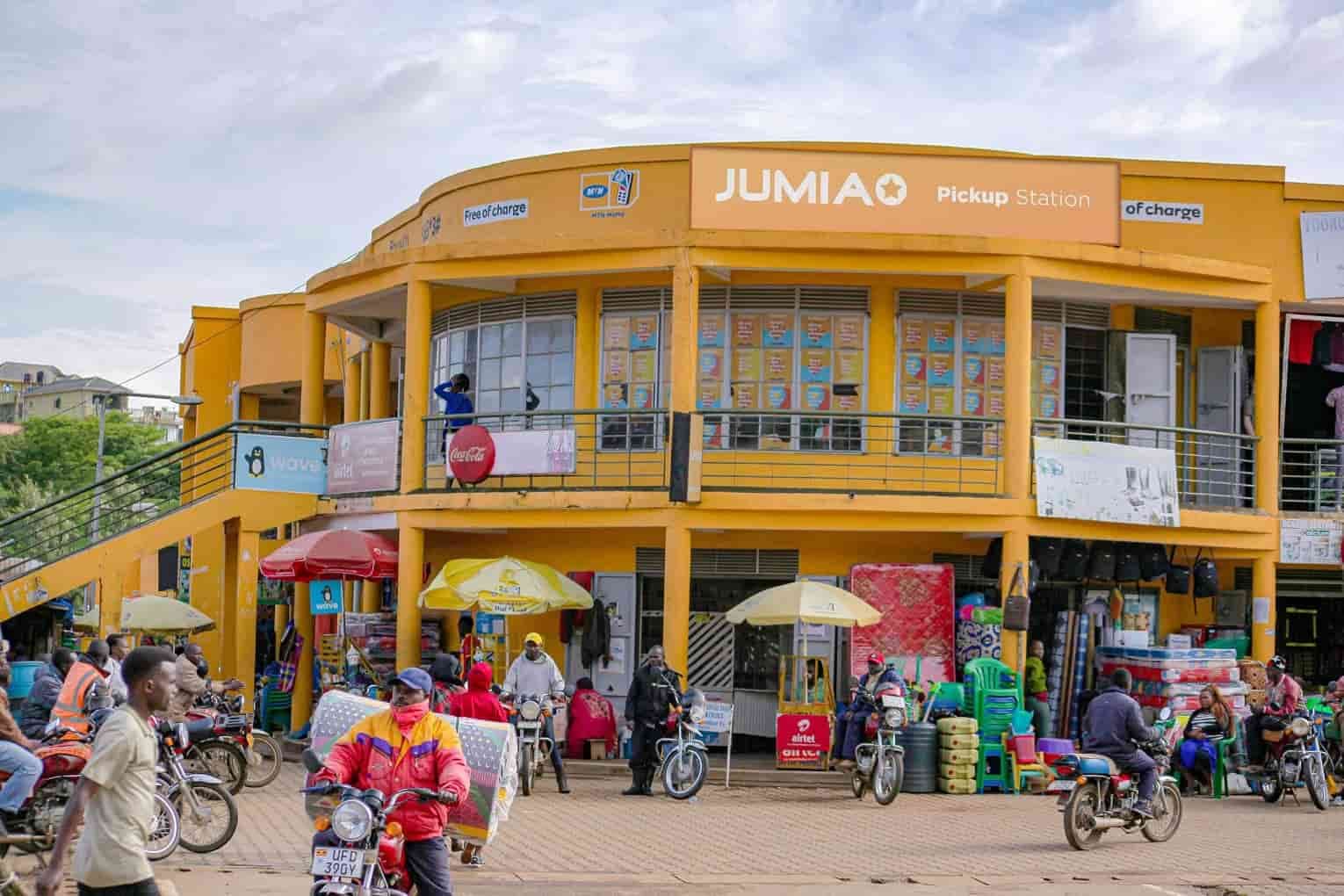
Africa’s Largest Marketplace: Jumia

Africa is drawing global attention with its young population, rapidly growing cities, and increasing disposable income. With developing economies and excellent potential for e-commerce, the continent is home to 54 countries, each at different stages of economic growth. Nigeria, the most populous country in Africa, also boasts the continent’s largest economy. Headquartered in Nigeria, Jumia stands as Africa’s largest online marketplace. With monthly traffic ranging between 20 and 25 million visitors, Jumia is the only true pan-African platform on the list, operating across multiple markets.

Jumia Group CEO Francis Dufay spoke exclusively to WORLDEF E-COMMERCE magazine. In this interview, we discussed Jumia’s future goals, its collaboration with Hepsiburada, and the evolution of e-commerce in Africa. Dufay also shared valuable insights on several other key topics. Here is the full interview—enjoy the read!

Jumia was founded in 2012 in Lagos, Nigeria. The company’s mission is to improve the quality of everyday life in Africa by leveraging technology to provide innovative, convenient, and affordable online services. Its vision is to connect African consumers and entrepreneurs, fostering economic growth and expanding access to goods and services. The platform consists of a marketplace that connects sellers with consumers, a logistics service that facilitates package delivery, and a payment service, JumiaPay, which enables secure transactions. Listed on the New York Stock Exchange (NYSE: JMIA) since 2019, Jumia operates in 9 countries across Africa and also has offices in China, Dubai, New York, Germany, and Portugal.

Jumia Had an Annual Active Customers of 5.4 Million

For the full year of 2024, Jumia reported revenue of $167.5 million, down 10% year-over-year, or up 17% in constant currency. GMV of $720.6 million, down 4% year-over-year, or up 28% in constant currency. Operating loss of $66.0 million compared to $73.3 million in 2023, down 10% year-over-year, or down 15% in constant currency. Adjusted EBITDA loss of $51.3 million compared to $58.2 million in 2023, down 12%  year-over-year, or down 21% in constant currency.

Physical goods Orders, excluding South Africa and Tunisia, increased 18% year-over-year, with even greater acceleration in December. The strong growth was driven by robust customer demand, continued product expansion, and compelling value for our offerings. Total physical goods Orders increased 15% year-over-year. In 2024, Jumia had an annual active customers of 5.4 million. The company is attracting what it believes to be a stickier and higher quality customer base as evidenced by a 375 basis point year-over-year improvement in repurchase rates with reference to the third quarter of 2024.

Francis Dufay shared the following regarding the goals for 2025: “As we look ahead to 2025, the company is optimistic about its future. The business is stronger and more efficient than it was just two years ago, and we believe we have a good opportunity ahead of us. Our priorities for the year are to build on this momentum by driving top-line growth and improving operational efficiencies. We plan to double down on expansion outside the main urban centers, expand our product assortment with competitive pricing, and strengthen relationships with international sellers. To improve our path to profitability, we will continue to enforce cost discipline and enhance operational and marketing efficiency.”

What Sets Jumia Apart from Its Competitors

In response to the question, “What differentiates Jumia from competitors like Amazon and Takealot?”, Francis Dufay stated:Jumia is present in 9 markets in Africa. Takealot is only present  in South Africa, and Amazon is present there and in Egypt. In South Africa, Jumia only offered fashion through Zando and our competitors don’t currently operate in the fashion segment or they sold it. Jumia’s unique value proposition lies in its deep understanding of the African market and its ability to tailor services to the continent’s diverse needs. Unlike global competitors, Jumia has built an extensive logistics network capable of reaching rural and remote areas, ensuring reliable delivery even in regions with limited infrastructure.”

Dufay added; “Our payment solution, JumiaPay, addresses the specific financial ecosystem in Africa, promoting cashless transactions in markets where traditional banking services may be limited. Additionally, Jumia’s commitment to supporting local entrepreneurs and businesses fosters economic growth and provides consumers with a wide array of locally sourced products.”

What does Jumia Promise to E-commerce Sellers?

Jumia Group CEO Francis Dufay responded to the question, *“As a global marketplace, what do you promise e-commerce sellers?”* as follows: “Jumia offers e-commerce sellers a robust platform to reach millions of consumers across multiple African countries. We provide end-to-end logistics support, from warehousing to last-mile delivery, ensuring products reach customers efficiently. Our payment infrastructure, JumiaPay, guarantees secure and timely transactions. Furthermore, sellers benefit from our marketing and advertising services, designed to enhance product visibility and drive sales. We are committed to fostering a supportive environment that enables sellers to scale their businesses and thrive in the African e-commerce landscape.”

“Hepsiburada Has Started Listing Turkish Brands on Jumia Egypt”

Last October, Jumia partnered with Hepsiburada, one of Türkiye’s largest marketplaces. Dufay shared the following information on this collaboration: In October 2024, Jumia entered into a strategic partnership with Hepsiburada to enhance product offerings for consumers in Egypt and North Africa. Through this collaboration, Hepsiburada lists its private label products and selected Turkish brands on the Jumia Egypt marketplace. This initiative aims to provide our customers with a wider selection of authentic, high-quality Turkish products. The partnership is currently operational in Egypt, and we are evaluating the potential to expand this collaboration to other African markets where Jumia has a presence.”

“Jumia is Ceasing Operations in South Africa and Tunisia”

Following Jumia’s announcement of its withdrawal from the South African and Tunisian markets, Dufay shared the latest developments: In October 2024, Jumia made the strategic decision to cease operations in South Africa and Tunisia to focus resources on markets with higher growth potential. These two countries collectively accounted for approximately 2% of orders and 3% of GMV in the first nine months of 2024. The exit process involved employee and lease termination costs, asset liquidation, and other associated expenses. This move allows us to streamline operations and concentrate on strengthening our presence in core markets where we see significant opportunities for growth and profitability.”

In response to the question, “What are your plans regarding the strategy of focusing on consolidation in the nine countries where the company operates?” Dufay stated:  “Our current strategy emphasizes deepening our footprint in the existing nine countries by enhancing the customer value proposition, expanding our logistics capabilities, and enriching our product assortment. We are investing in technology and infrastructure to improve operational efficiency and customer experience. By focusing on these markets, we aim to capture the substantial untapped potential and drive sustainable growth. This approach allows us to allocate resources effectively and build stronger relationships with local consumers and sellers.”

The E-commerce Market in Africa Will Exceed $40 Billion by 2025!

The African e-commerce landscape has been experiencing steady growth, driven by increasing internet penetration, mobile connectivity, and a youthful, tech-savvy population. According to data from Statista, the e-commerce market in Africa is expected to generate $40.49 billion in revenue by 2025. With an anticipated annual growth rate (CAGR 2025-2029) of 8.46%, the market is projected to reach a volume of $56.03 billion by 2029. According to data from TechCabal Insights, Africa’s mobile-first approach is expected to account for over 60% of e-commerce transactions by 2025, with mobile phone adoption projected to reach 623 million unique subscribers by the same year.

Dufay also shared his insights on cross-border e-commerce in Africa: Cross-border e-commerce in Africa is gaining momentum, facilitated by regional trade agreements and improvements in logistics infrastructure. Jumia has been instrumental in this growth by enabling international sellers to reach African consumers and vice versa. Our platform offers a diverse range of products from global vendors, providing consumers access to goods that may not be readily available locally. This expansion of cross-border trade contributes to a more dynamic and competitive marketplace, benefiting both consumers and sellers.”

He added that Nigeria, Egypt, and Kenya are among the countries with the greatest potential for e-commerce, thanks to their large populations, increasing internet penetration, and growing middle class.

Challenges of E-commerce in Africa

In response to the question, “As the largest marketplace in Africa, what are the key challenges for e-commerce in the countries you serve?” Francis Dufay stated: “E-commerce in Africa faces several structural challenges, including logistics infrastructure, digital payment adoption, and internet penetration. Many regions still lack reliable transportation networks, making last-mile delivery a complex and costly process.

Additionally, while digital payments are growing, cash remains dominant in many markets, requiring a hybrid approach to payments. Internet penetration and smartphone adoption are increasing, but data costs can still be prohibitive for some consumers. Regulatory complexities and fragmented markets also pose challenges, as each country has its own rules governing e-commerce, imports, and taxation. Despite these hurdles, Jumia continues to innovate by investing in logistics, expanding JumiaPay, and working closely with local governments to create an enabling environment for digital commerce.”

“E-commerce will become an integral part of daily life”

Jumia Group CEO Francis Dufay envisions a future where e-commerce in Africa becomes an integral part of daily life, driven by technological advancements and increased accessibility. He believes that continued investment in infrastructure, fostering local entrepreneurship, and embracing innovation will propel the industry forward, ultimately contributing to economic growth across the continent.

Jumia’s Artificial Intelligence Strategy

So, how is artificial intelligence transforming e-commerce in Africa? What is Jumia’s AI strategy? Here is the assessment of e-commerce professional Francis Dufay: “Artificial intelligence is revolutionizing e-commerce in Africa by enhancing personalized shopping experiences, optimizing supply chains, and improving customer service through chatbots and virtual assistants.

At Jumia, we are integrating AI to analyze consumer behavior, forecast demand, and streamline operations, ensuring we meet the evolving needs of our customers efficiently. We recently adopted Sprinklr to enhance the user experience for customers, sellers, and employees across 9 African countries and 140+ digital channels, including WhatsApp, TikTok, email and live chat. Sprinklr’s customized, AI-powered platform and self-service capabilities offer Jumia a scalable, omnichannel solution to effectively manage support for its diverse user base.

Jumia’s adoption of Sprinklr consolidates user support operations onto a single platform, providing real-time visibility into agent interactions and performance. This empowers managers to understand key topics and themes that drive contact center traffic and to allocate support resources effectively. With customizable reporting and data-driven insights, the team gains a deeper understanding of support interactions, enabling targeted training programs and enhancing overall service quality.”

Highlighting that Jumia provides employment to thousands of people, Dufay said, “Jumia’s team is a diverse and dynamic group of professionals committed to driving the growth of e-commerce across Africa. With operations in nine countries, Jumia employs thousands of people across various departments, including technology, supply chain, commercial, marketing, customer service, and vendor management.

The company is built on a strong culture of innovation, agility, and collaboration, attracting top talents from Africa and beyond. Jumia also invests in young talents through internships, training programs, and initiatives like JForce, which empowers independent sales consultants. Our leadership team brings together expertise in e-commerce, technology, and financial services, ensuring that we continue to shape the future of online retail on the continent.”

Who is Francis Dufay?

Francis Dufay is currently the CEO of Jumia. Prior, he was EVP Africa for the Jumia Group. Before that, he served as CEO of Jumia Ivory Coast from 2014 until 2022. Before joining Jumia, Francis worked in Brussels (Belgium) for McKinsey & Company (2009-2014) where he managed projects in Europe and Sub-Saharan Africa, focused on eCommerce and retail, as well as Public sector & economic development.  Francis holds an MBA in Marketing from Northwestern University (UK) – Kellogg School of Management; a master’s in management from the Community of European Management Schools (CEMS) Masters in Management and an MSc from HEC Paris Business School (France).

Amazon Türkiye Promises Growth for SMEs!

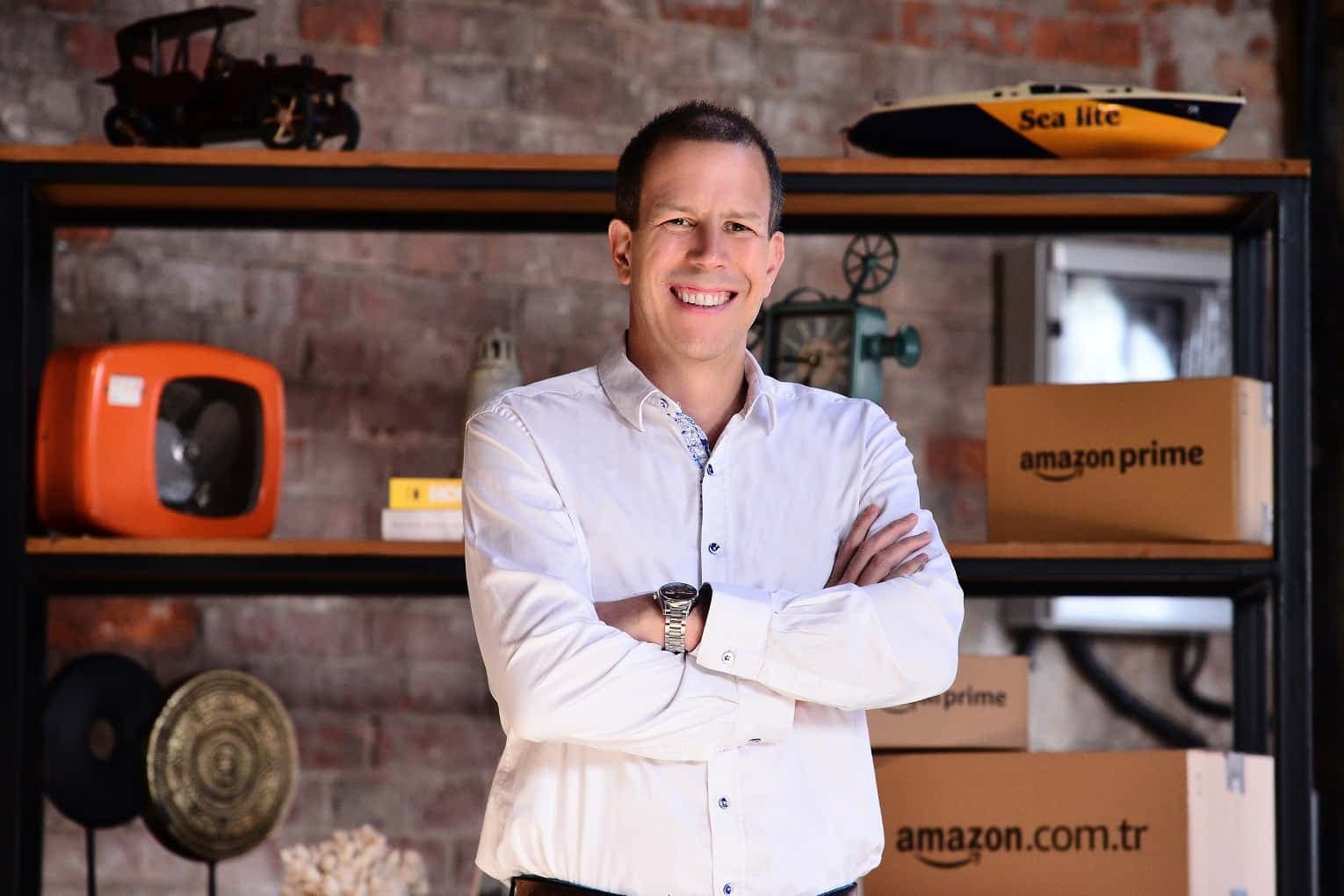
Amazon Türkiye launched in 2018 as Amazon’s sixth marketplace in Europe. Over the past six years, it has achieved remarkable growth by offering opportunities to online consumers and SMEs in Türkiye. According to a survey conducted among young professionals and university students, Amazon Türkiye has become one of the “top three most sought-after companies in Türkiye.” A key contributor to this success is Richard Marriott! Serving as the “Country Manager of Amazon Türkiye” since 2019, Richard Marriott brings over 25 years of experience across various sectors, including consumer goods, telecommunications, retail banking, consulting, and energy.

In an interview with WORLDEF E-COMMERCE magazine, Marriott stated, “Our core principles are customer obsession, a passion for innovation, operational excellence, and long-term thinking.” He discussed the significance of Amazon’s famous “empty chair” in meetings, what customer obsession truly means, Amazon Türkiye’s goals, and its commitments to Turkish SMEs.

“Amazon is Defined by Four Core Principles”

Richard Marriott first elaborated on Amazon’s core principles: “At Amazon, we wear many hats, but fundamentally, I define Amazon as a company that operates based on four key principles. These principles guide everything we do. They are: customer obsession, a passion for innovation, operational excellence, and long-term thinking.”

“We Keep an Empty Chair in Meetings to Represent the Customer”

Marriott emphasized that customer obsession has been Amazon’s fundamental principle since its inception, a concept deeply understood by Amazon’s Founder, Jeff Bezos. “Everything we do is for our customers, which is why we always keep a famous empty chair in all our meetings to represent them. Every member of Amazon—more than 1.5 million employees worldwide—embraces this as a core value.”

“The Desire to Innovate for Our Customers Is in Our DNA”

“We always strive to nurture and enhance our passion for innovation. We love bringing new solutions to our customers,” said Richard Marriott, continuing: “At Amazon, the desire to innovate for our customers is embedded in our DNA. Regardless of their daily tasks, we expect everyone to play a role in innovation. If you ask me what Amazon’s greatest innovation is, I would say ‘Prime.’

Prime is a special program designed for our customers, built on the foundations of unlimited, fast, free, and flexible delivery. Today, Prime offers over 200 million members worldwide the best shopping and entertainment experience.”

“We Achieve 98% Delivery Accuracy”

Highlighting “operational excellence” as Amazon’s third core principle, Marriott stated: “For us, prioritizing operations is equivalent to prioritizing customer experience, as it is the key to ensuring that our customers trust our brand and the services we offer.” He emphasized that Amazon operates over 400 world-class logistics centers across cities and regions worldwide to deliver what customers need, exactly when they need it.

“We ship products to customers in over 200 countries and regions. This is no easy task, but if you define yourself as a ‘customer-obsessed company,’ you must execute every aspect of your business flawlessly. That is why we continuously invest in our operations, leverage technology, and innovate on behalf of our customers. We continue investing in our shipping capabilities, working with partners to establish a delivery network built on security, speed, and efficiency. Thanks to our investments, we now achieve 98% delivery accuracy.”

“We Never Prioritize Short-Term Gains Over Long-Term Customer Trust”

Amazon Türkiye Country Manager Richard Marriott emphasized long-term thinking as another fundamental principle: “We believe that the true value of our work lies in the long-term trust our customers, suppliers, and society place in us. We never prioritize short-term profits over long-term customer trust! Looking at our three most successful business areas—Amazon Prime, Amazon Marketplace, and Amazon Web Services—we see that all of them were established years ago. They went through testing phases, and it took five to ten years to achieve success. That’s because we have always focused on the long-term value we can offer customers, ensuring the sustained success of all our operations.”

“Amazon Türkiye Is Our Sixth Marketplace in Europe”

When asked about Amazon’s journey in Türkiye, Marriott shared: “Amazon Türkiye launched in 2018 as our sixth marketplace in Europe. While we are a global company, we recognize that each local market is unique and that every customer has distinct needs. That’s why we spent our initial years ensuring that we understood our customers in Türkiye and their expectations from us. We filled in the missing features, expanded our product selection, improved our pricing, and built a strong reputation for fast and reliable delivery, setting new standards for e-commerce in Türkiye.”

“We Reached Our Annual Prime Membership Target in Just 48 Hours”

Marriott noted that Amazon Prime’s launch in Türkiye in 2020 was a defining moment in their success: “This was the second-fastest launch in Amazon’s history, and we reached our annual Prime membership target within just 48 hours. We knew that customers in Türkiye loved Amazon’s services, and it was time to scale and expand our business. That’s why in 2022, we opened our first Amazon-operated logistics center in Tuzla, Istanbul, with an investment of over $100 million. This was a key moment for us, demonstrating our commitment to Türkiye and our long-term strategy in the region.”

“We Are One of the Top Three Most Desired Companies in Türkiye”

Reflecting on Amazon Türkiye’s growth, Marriott stated: “Today, our business has grown significantly in every aspect, and we continue to enhance our customer experience. In just six years, our team in Istanbul has expanded from 50 employees to nearly 1,000. In fact, independent research shows that among young professionals and university students, Amazon is one of the top three most sought-after companies in Türkiye.”

“More Than 50,000 Turkish SMEs Sold Over 30 Million Products on Amazon in 2023”

Richard Marriott emphasized the importance of SMEs for Amazon and the services provided to support them. He pointed out that more than 61% of sales on Amazon’s marketplaces worldwide come from independent sellers, the majority of whom are small and medium-sized enterprises (SMEs). In Türkiye, over 50,000 SMEs are selling on Amazon, and in 2023 alone, these SMEs sold more than 30 million products.”

 “We Bring Customers to SMEs!”

Amazon Türkiye Country Manager Richard Marriott shared details about the services Amazon provides to SMEs, stating: “We bring customers to SMEs! We have hundreds of millions of customers worldwide, over 200 million Prime members, and we deliver products to customers in more than 200 countries and regions. We provide SMEs with the most effective and accessible tools and services, such as Amazon Logistics and Amazon Ads, to help them reach these customers. Amazon Logistics is an optional service that allows sellers to focus on growing their business while we handle storage, packaging, shipping, returns, and customer service on their behalf.”

“More Than 15,000 SMEs in Türkiye Use Amazon Logistics”

Marriott noted that more than 15,000 SMEs in Türkiye currently use Amazon Logistics and added: “In addition, Amazon Ads helps brands reach customers no matter where they are. Our advertising solutions are designed not only to reach shoppers within our stores but also to engage them outside of Amazon. By capturing consumers’ attention where they prefer to spend their time, we create opportunities for brands to reach new customers and interact with them across various devices, retail, and media channels.”

“In 2023, Turkish SMEs’ Export Sales Exceeded 21 Billion TL”

Discussing Amazon’s approach to cross-border e-commerce and international trade, Marriott responded to the question, “How do you help SMEs expand beyond borders?”

Referring to the Ministry of Trade’s goal to increase e-exports to 10% of Türkiye’s total exports by 2028, he stated: “We fully support the Ministry’s vision. We believe Amazon is uniquely positioned to help SMEs in this area. Today, more than 35,000 SMEs from Türkiye sell internationally through Amazon. This means that over 65% of Turkish SMEs selling on Amazon (50,000 in total) are engaged in exports. In 2023 alone, these SMEs achieved export sales exceeding 21 billion TL. The top export categories for SMEs in Türkiye were home and beauty products, while the top export destinations included the U.S., Canada, Mexico, the UK, and Germany.”

“Our Global Infrastructure Helps SMEs Reach Customers Anywhere”

Marriott continued: “Last year, in collaboration with PwC, we released a report on the e-commerce habits of SMEs in Türkiye, both domestically and internationally. We asked SMEs about the most common challenges they face in e-export activities. The top three challenges were: (1) market research and access, (2) marketing and promotion, and (3) logistics.

The good news is that Amazon offers solutions to all of these challenges. Over the past 20 years, we have invested billions of dollars in people, resources, and services to help businesses succeed. For example, reaching new markets is never an issue with Amazon. Our global infrastructure ensures that SMEs can reach customers regardless of where they are.”

Marriott added: “We tell SMEs: ‘Here are hundreds of millions of active customers shopping on Amazon. All you need to do is start selling your products!’ And we make this process as easy as possible. For instance, if a seller from Türkiye wants to start selling in Europe, they can list their products in nine Amazon marketplaces with a single account, reach customers in 28 countries, and manage all their listings and inventory across Europe seamlessly.”

“SMEs Never Have to Worry About Shipping with Amazon Logistics!”

Expanding on Amazon’s logistical solutions, Marriott stated: “If you’re struggling with marketing your products, Amazon Ads can help. Moreover, SMEs never have to worry about shipping with Amazon Logistics!” He further explained: “Amazon Logistics is a world-class, cost-effective service available to businesses selling on our platform. For example, in the U.S., shipping with Amazon Logistics can reduce costs per unit by up to 30% compared to standard shipping options offered by major U.S. carriers. Today, even a small business owner in Türkiye can store a single product in an Amazon fulfillment center for international sales and only pay for storage on a daily basis.”

“Language Barriers Are No Longer an Obstacle for SMEs”

Marriott also pointed out that language barriers often pose a challenge when entering new markets: “Take Europe, for instance—it consists of over 28 countries, many with their own languages. However, to sell on Amazon, you don’t need to be fluent in any European language. We offer sellers free listing and translation tools to effectively eliminate language barriers between them and their customers.

Amazon Logistics is also a game-changer in this regard. One of the biggest advantages of using Amazon Logistics is that Amazon handles shipping and return-related inquiries in the local language of the marketplace. Questions like ‘Where is my product?’ often make up the majority of customer interactions. By using our Amazon Logistics service, SMEs can instantly reduce the time and resources spent on translations and customer support.”

“We Are Aware of the Challenges Faced by Our SMEs”

Highlighting the incredible benefits of Amazon Prime for customers, Marriott stated: “However, since Prime customers tend to search for Prime-eligible products more frequently, this also helps sellers increase their sales. Displaying your products as Prime-eligible can significantly boost your chances of conversion.” He concluded by emphasizing Amazon’s commitment to supporting SMEs in Türkiye: “Ultimately, we are aware of the challenges our SMEs face; however, we also recognize the vast opportunities in Türkiye. We truly believe that the Ministry’s target is achievable, and we are here to support SMEs with our tools and services.”

“We See Türkiye as a Major Opportunity for Amazon”

In June, Amazon Türkiye Country Manager Richard Marriott participated in the WORLDEF ISTANBUL 2024 event, where he spoke at a panel titled “From Local to Global: How Amazon Empowers Small Businesses to Grow in Global Markets?” Discussing Amazon’s services and strategic initiatives specifically designed for the Türkiye market, Marriott stated:

“Türkiye has a large, well-educated, young population with strong knowledge of the internet, mobile technology, and e-commerce. We see Türkiye as a major opportunity for Amazon. On a global scale, Türkiye is an incredibly important country for Amazon. Turkish customers are remarkably smart and highly informed. They truly appreciate great opportunities. That’s why we are working even harder to offer outstanding deals in Türkiye—because these matter to Turkish customers.”

Marriott also shared his thoughts on the event, saying: “It was fantastic to highlight our commitment to Türkiye and the benefits of our Prime membership program. A huge thank you to WORLDEF for hosting such an amazing event and to everyone who attended the session. We are excited to continue making progress and creating new opportunities for businesses in Türkiye!”

Who Is Richard Marriott?

Richard Marriott serves as the Country Manager of Amazon Türkiye and has over 25 years of experience across various sectors, including consumer goods, telecommunications, retail banking, consulting, and energy. Originally from the UK, Marriott graduated from Oxford University, where he studied Politics, Philosophy, and Economics.

He began his career at Unilever in 1996 and later held various executive positions at leading companies such as The Coca-Cola Company, HBOS, Lloyds Banking Group, Nationwide Building Society, and British Gas. In 2015, he joined Amazon UK, where he led multiple product categories as a Category Director in the Retail division. He later took on various commercial roles in Amazon UK’s Seller Services and Marketplace teams. Since 2019, Richard Marriott has been leading Amazon Türkiye, overseeing Amazon’s products and services in the country. He is married and a father of three sons.

Dubai CommerCity: The ideal hub for digital commerce businesses

Her Excellency Ms. Amna Lootah, Director General of Dubai Airport Free Zone (DAFZ), Member of the Executive Leadership team at Dubai Integrated Economic Zones Authority, and Board Member at Dubai CommerCity (DCC), was featured in WORLDEF E-COMMERCE MAGAZINE.

Dubai Integrated Economic Zones Authority (DIEZ) consolidates and integrates the products and servies of three of the UAE’s most prominent economic zones: Dubai Airport Freezone, Dubai Silicon Oasis, and Dubai CommerCity. With a diverse portfolio encompassing thousands of registered companies from across 20 different sectors, DIEZ is at the heart of Dubai’s economic success, serving as a major economic catalyst in the city’s development.

Among these zones, Dubai CommerCity (DCC) stands out as a pioneering free zone in Dubai dedicated to fostering digital commerce. Launched in 2017 by H.H. Sheikh Ahmed Bin Saeed Al Maktoum, Chairman of DIEZ, DCC has been at the forefront of supporting the region’s digital commerce growth.

Dubai CommerCity
Her Excellency Ms. Amna Lootah

It offers a cutting-edge ecosystem tailored for regional and international businesses, featuring state-of-the-art infrastructure, comprehensive services, and tailored support. Guided by its mission to accelerate digital commerce development and its vision to become a leading global hub for the industry, Dubai CommerCity continues to redefine the future of digital commerce.

Her Excellency Ms. Amna Lootah, Director General of Dubai Airport Free Zone (DAFZ) and Board Member at Dubai CommerCity (DCC), was a guest of WORLDEF E-COMMERCE MAGAZINE. Lootah made important statements on topics such as DCC’s role in digital trade in the Gulf and the state of e-commerce in Dubai.

“DCC is an ideal gateway for digital commerce businesses targeting the Middle East, North Africa and South Asia”

Ms. Amna Lootah gave the following information about DCC; “Dubai CommerCity is strategically located near Dubai International Airport, providing unparalleled access to over 3 billion people within a 5-hour flight radius. This prime location establishes DCC as an ideal gateway for digital commerce businesses targeting the Middle East, North Africa, and South Asia. The free zone offers a comprehensive range of services and facilities, including warehousing, logistics, and modern office spaces, creating a seamless and efficient environment for businesses to thrive and grow.”

She continued; “DCC is structured into three main clusters: the Business Cluster, the Logistics Cluster, and the Social Cluster. The Business Cluster features modern office spaces and business support services, fostering a productive environment for enterprises. The Logistics Cluster offers cutting-edge warehousing and logistics facilities, ensuring seamless and efficient logistics and supply chain management. Meanwhile, the Social Cluster enhances the community experience with amenities such as cafes, restaurants, and fitness centers. Together, these clusters create a vibrant, well-organized ecosystem designed to support businesses and enrich the lives of their employees.”

“Dubai CommerCity stands out with its world-class support services”

Highlighting DCC’s unique value proposition, Ms. Amna Lootah said: “Dubai CommerCity (DCC) stands out for its strategic location, world-class infrastructure, and extensive support services, making it an ideal hub for digital commerce businesses. Key features include advanced logistics and state-of-the-art warehousing facilities designed to streamline supply chain operations. Businesses can also benefit from a variety of modern office spaces and a supportive regulatory environment tailored to foster growth.

In addition, DCC provides a comprehensive suite of value-added services, such as business setup assistance, licensing, and visa processing, ensuring a seamless onboarding experience. These advantages collectively empower businesses to establish themselves and thrive in the MENA region’s dynamic digital commerce landscape.

Our clients are not just renting space; they are valued business partners who play a vital role in shaping our community. At Dubai CommerCity, we’ve cultivated a dynamic ecosystem that fosters collaboration and mutual growth, enabling our tenants to offer services to one another, creating a thriving, interconnected business hub. As the facilitator of this vibrant network, Dubai CommerCity acts as a connector and trusted introducer, helping our partners build strategic alliances, share expertise, and unlock new opportunities for collective success.”

“Catalyst for the global digital commerce industry”

When asked about DCC’s role in the global e-commerce ecosystem, she stated: “Dubai CommerCity (DCC) promises to provide a robust and dynamic ecosystem that enables e-commerce businesses to thrive and expand in the global market. With its state-of-the-art infrastructure, comprehensive support services and strategically advantageous location, DCC is positioned to act as a catalyst for the growth and evolution of the global digital commerce sector.”

“Dubai’s e-commerce market is projected to reach $17 billion by 2025”

Highlighting Dubai’s rapidly growing e-commerce market, Ms. Lootah shared: “Dubai has seen significant growth in the e-commerce sector. This is driven by a combination of factors, including the tech-savvy, young population; high internet penetration where over 99% of the population has internet access; and strong government support. The city has invested heavily in infrastructure and regulatory frameworks to support the growth of e-commerce, as Dubai’s e-commerce market is projected to reach $17 billion by 2025. This investment contributes heavily to making it an attractive destination for e-commerce businesses. Initiatives such as Dubai CommerCity are part of the broader strategy to position Dubai as a leading global hub for e-commerce.”

Addressing how e-commerce brands can scale in Dubai’s growing market, Ms. Lootah noted: “E-commerce brands can grow in Dubai’s market by leveraging the city’s advanced infrastructure, strategic location, and supportive regulatory environment. Setting up operations in Dubai CommerCity offers access to state-of-the-art logistics and warehousing facilities, comprehensive support services, and a rapidly growing consumer market. Additionally, Dubai’s role as a global trade hub enables businesses to expand their reach into broader regional markets.”

Services offered by Dubai CommerCity

Speaking about the range of services available for e-commerce businesses, Ms. Lootah explained: “Brands looking to enter the Dubai e-commerce market can receive a range of services from Dubai CommerCity. This includes business setup support, licensing, and visa services. DCC also offers state-of-the-art logistics and warehousing facilities, office spaces, and a range of value-added services, all of which support the growth of e-commerce businesses. A lot of our tenants make advantage of DCC being a fenced freezone and conduct B2C shipments from DCC to more than 90 countries worldwide. Lastly, DCC also provides access to a network of industry experts and partners, aimed at helping businesses navigate the local market and expand their operations.”

Addressing regional e-commerce challenges

When asked about challenges in the e-commerce sector, Ms. Lootah stated: “A common challenge in the e-commerce sector is ensuring efficient logistics and supply chain management, particularly due to the high volume of goods being processed and the complexity of cross-border trade. To overcome these challenges, Dubai has heavily invested in advanced infrastructure, digital trade platforms, and regulatory reforms. For instance, Dubai CommerCity has experienced significant growth in its digital trade capabilities, with a 56% increase in goods processed and a 158% rise in orders fulfilled in 2023. Additionally, initiatives like the Dubai Integrated Economic Zones Authority (DIEZ) are streamlining services across free zones, which helps attract more investment and improve operational efficiency.”

Expectations from WORLDEF DUBAI 2024

As the main strategic partner of WORLDEF DUBAI 2024, Ms. Lootah emphasized the event’s significance: “WORLDEF DUBAI 2024, will serve as a key platform for industry leaders, experts, and businesses to discuss the latest trends and innovations in the e-commerce sector. With over 5,000 participants from leading organizations across 40 countries, the event offers a unique opportunity to highlight DCC’s capabilities as the region’s first free zone dedicated to digital commerce. We aim to foster collaboration and partnerships that will strengthen Dubai’s position as a global e-commerce hub. The event will also explore key trends and growth opportunities aligned with the Dubai Economic Agenda D33, underscoring Dubai’s pivotal role in advancing the global e-commerce landscape.”

VTEX shapes the future of digital commerce

The digital commerce landscape is experiencing a significant transformation, driven by technological advancements and evolving consumer expectations. As global digital commerce sales are projected to account for 25% of total retail sales by 2027 (Ecommerce as a share of total retail sales worldwide 2021-2027 published by Daniela Coppola, on Statista on May 22, 2024), businesses must adapt and embrace innovative solutions to deliver seamless, personalised, and secure shopping experiences. Prakash Gurumoorthy is the General Manager of VTEX EMEA & APAC, discussed the transformation in digital commerce.

VTEX, recognised as a leader in the digital commerce space by leading global analyst firms, is a prime example of a company leading this transformation. VTEX has proven its ability to empower businesses with the tools they need to succeed in today’s rapidly evolving digital commerce landscape. This article examines the key trends and highlights how VTEX is helping businesses meet the growing demands of modern consumers.

The Middle East and North Africa (MENA) region is poised for transformative growth in digital commerce, driven by a tech-savvy population and increasing investment in digital infrastructure. With rising consumer demand for seamless online experiences, MENA stands at the forefront of the next wave of global ecommerce expansion. Two areas for continued growth include

  • Digital wallets: are projected to comprise 70% of online transaction value in the Middle East and North Africa (MENA) region by 2027 (Statista), highlighting the importance of supporting diverse payment methods. VTEX’s platform seamlessly integrates various payment options, ensuring smooth and secure transactions for customers in the MENA region.
  • Mobile commerce: in the MENA region underscores the need for mobile-optimised digital commerce solutions. In Turkey, for instance, nearly 70% of digital commerce purchases in 2021 were conducted via mobile apps (The Fintech Times). VTEX’s mobile-optimised platform enables businesses to deliver exceptional shopping experiences on smartphones and tablets, catering to the growing mobile-first consumer base in the MENA region.

By investing in advanced digital tools, bridging the skills gap, and encouraging innovation, the region has the opportunity to build a more inclusive and sustainable digital economy. VTEX’s comprehensive digital commerce solutions empower businesses to navigate the digital commerce landscape effectively.

The current digital commerce landscape

The digital commerce landscape is being transformed by innovations across composable commerce, headless architecture, and AI-driven solutions, reshaping both B2C and B2B markets. Unified commerce is at the core of this transformation, an integrated approach that streamlines operations from inventory management to customer engagement. Unified commerce is at the heart of this transformation, streamlining operations across inventory management and customer engagement. VTEX’s enterprise commerce platform seamlessly connects best-in-class solutions, offering businesses the flexibility to meet shifting consumer demands while optimising efficiency and enhancing customer experiences.

  • Unified commerce approach

Unified commerce has become essential for brands aiming to deliver seamless, personalized experiences across every channel.

VTEX is at the forefront of unified commerce, delivering composable solutions that empower B2B and B2C brands to build tailored, seamless experiences. Its integrated platform unifies core functions like inventory management, customer engagement, and order fulfillment, enabling businesses to drive efficiency while meeting the growing demand for consistent, personalized interactions across channels.

Recent innovations, such as the VTEX Sales App, further strengthen omnichannel capabilities by equipping sales associates with tools to connect offline and online commerce. With real-time inventory access, multi-cart management, and a unified checkout process, the app ensures a frictionless experience, whether customers shop in-store or online.

Furthermore, VTEX’s Google Merchant Connector simplifies catalog management, making it easier for brands to feature products in Google’s organic search listings and leverage price comparison tools. This integration ensures that brands can tap into Google’s expansive user base, driving traffic and boosting discoverability.

  • Harnessing the power of AI and personalisation

AI is a key driver in the evolution of digital commerce, enabling businesses to analyse data, predict trends, and make informed decisions. VTEX leverages AI to optimise various digital commerce functions, such as personalised recommendations and dynamic pricing strategies. Key tools like the AI-Driven Ad Network and AI-Powered Intelligent Search deliver targeted content, improving customer engagement and conversion rates.

A standout feature is VTEX’s live shopping functionality, which allows businesses to engage customers through real-time video, product demos, live chat, and instant purchasing options. This, along with concierge commerce, where personalised, high-touch services are offered, caters to the increasing demand for interactive and bespoke shopping experiences. VTEX’s platform integrates these innovative features seamlessly, fostering stronger consumer relationships and boosting conversion rates through convenience and personalisation.

  • Concierge commerce: Elevating the shopping experience

As the digital commerce landscape rapidly transforms, businesses are increasingly adopting the concept of concierge commerce to meet growing consumer expectations for personalised, high-touch services. Much like a concierge at a luxury hotel, a digital concierge is designed to guide customers through their shopping journey, offering tailored recommendations, real-time assistance, and seamless support across multiple touchpoints. Whether it’s through voice assistants, live shopping, or video commerce, concierge commerce ensures that customers receive a customised experience at every stage of their purchase journey.

This approach not only enhances satisfaction but also fosters deeper relationships between brands and their consumers. VTEX’s platform supports this shift by integrating advanced features such as live shopping functionality, AI-driven personalisation, and real-time engagement tools, enabling businesses to offer a truly bespoke shopping experience. As consumer demand for interactive and personalised experiences continues to rise, concierge commerce is becoming a critical strategy for businesses seeking to differentiate themselves and drive customer loyalty.

  • Ensuring security and data protection

As digital commerce continues to grow, the importance of security and data protection cannot be overstated. Cyber threats pose significant risks to businesses and consumers alike, making robust security measures essential. VTEX prioritises security and data protection through its comprehensive VTEX Shield offering, which includes an advanced Web Application Firewall, Pentest Readiness Service, and real-time security monitoring. These measures provide businesses with the confidence and peace of mind needed to operate in the digital commerce space, knowing that their customer’s data is secure and protected against potential threats.

  • Driving business growth and success

The adoption of advanced digital commerce solutions, such as those offered by VTEX, has a significant impact on business growth and success. In 2023, VTEX-powered businesses experienced a remarkable 25% increase in GMV and a 15% growth in same-store sales in FX-neutral basis. Moreover, a Forrester study revealed that businesses using VTEX saved $5.8 million and achieved an impressive 133% ROI (Total Economic Impactᵀᴹ (TEI), a commissioned study conducted by Forrester Consulting on behalf of VTEX). These results demonstrate the tangible benefits that businesses can reap by partnering with a leading digital commerce platform like VTEX.

VTEX’s success stories span across various industries and regions, with global brands such as Samsung, Sony, and Whirlpool leveraging its platform to enhance their digital commerce capabilities. These partnerships highlight VTEX’s ability to support large-scale digital commerce initiatives and drive business growth on a global scale.

 Innovation and future direction

Looking ahead, VTEX’s vision for the future of digital commerce is centered around pragmatic composability, customer-centric solutions, continuous innovation, and adaptive technology strategies. By embracing these principles, businesses can remain agile, responsive, and competitive in the ever-evolving digital commerce landscape.

The digital commerce transformation is also presenting challenges and opportunities for businesses worldwide. Embracing innovation, and leveraging advanced technologies are essential for businesses to thrive in this dynamic environment.

VTEX’s vision for transformative retail experiences, coupled with its advanced solutions, strategic partnerships, and commitment to security, positions it as a leading force in shaping the future of digital commerce. As businesses in the Middle East and North Africa (MENA) and beyond navigate the complexities of the digital age, VTEX continues to support their growth and success.

About VTEX

VTEX (NYSE: VTEX) is the composable and complete commerce platform that delivers more efficiency and less maintenance to organisations seeking to make smarter IT investments and modernise their tech stack. Through our pragmatic composability approach, we empower brands, distributors, and retailers with unparalleled flexibility and comprehensive solutions, enabling them to invest solely in what provides a clear business advantage and boosts profitability. VTEX is trusted by 2,600 global B2C and B2B customers, including Carrefour, Colgate, Motorola, Sony, Stanley Black & Decker, and Whirlpool, having 3,500 active online stores across 43 countries (as of FY ended on December 31, 2023). For more information, visit www.vtex.com.