
Africa’s Largest Marketplace: Jumia
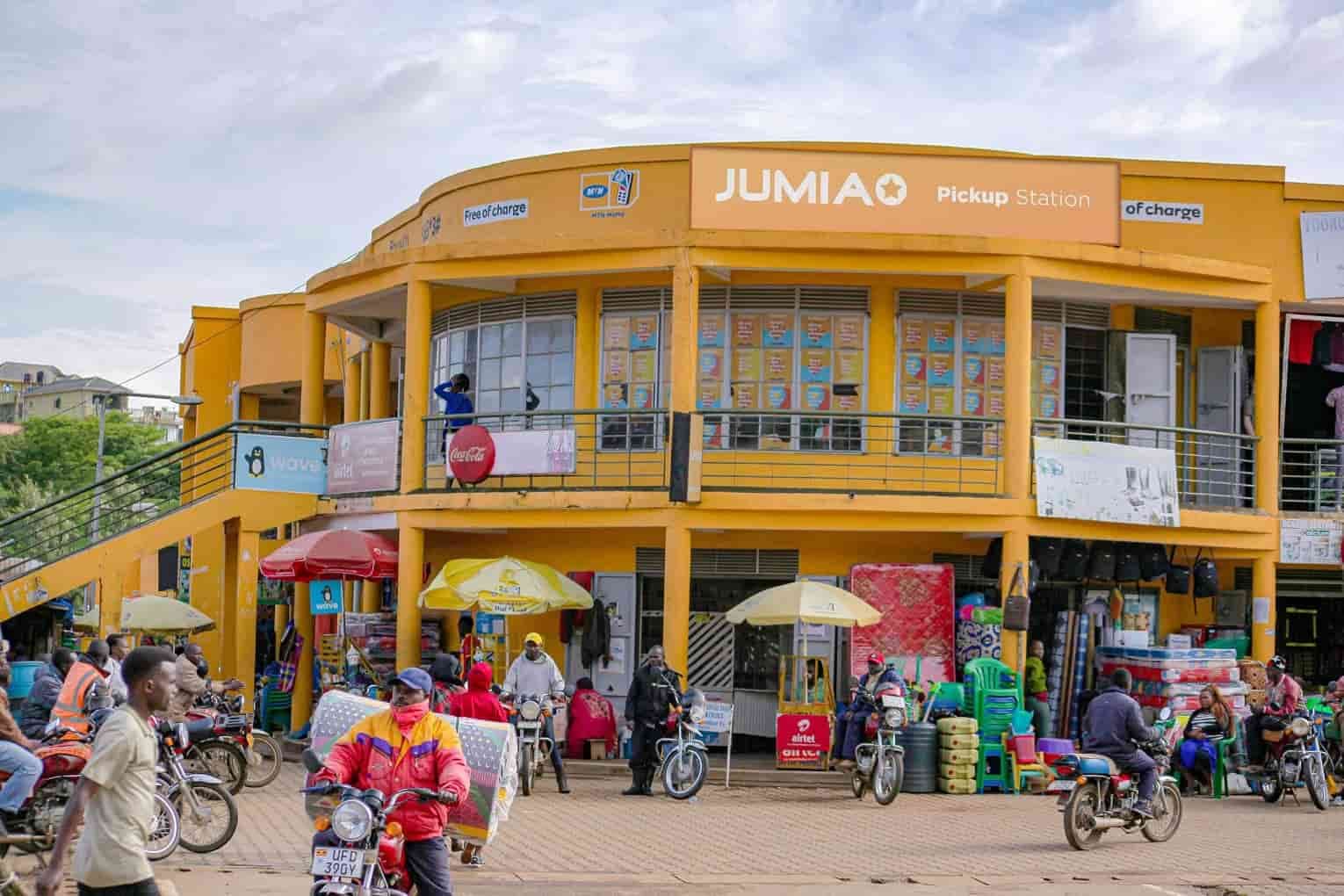
Africa is drawing global attention with its young population, rapidly growing cities, and increasing disposable income. With developing economies and excellent potential for e-commerce, the continent is home to 54 countries, each at different stages of economic growth. Nigeria, the most populous country in Africa, also boasts the continent’s largest economy. Headquartered in Nigeria, Jumia stands as Africa’s largest online marketplace. With monthly traffic ranging between 20 and 25 million visitors, Jumia is the only true pan-African platform on the list, operating across multiple markets.
Jumia Group CEO Francis Dufay spoke exclusively to WORLDEF E-COMMERCE magazine. In this interview, we discussed Jumia’s future goals, its collaboration with Hepsiburada, and the evolution of e-commerce in Africa. Dufay also shared valuable insights on several other key topics. Here is the full interview, enjoy the read!
Jumia was founded in 2012 in Lagos, Nigeria. The company’s mission is to improve the quality of everyday life in Africa by leveraging technology to provide innovative, convenient, and affordable online services. Its vision is to connect African consumers and entrepreneurs, fostering economic growth and expanding access to goods and services. The platform consists of a marketplace that connects sellers with consumers, a logistics service that facilitates package delivery, and a payment service, JumiaPay, which enables secure transactions. Listed on the New York Stock Exchange (NYSE: JMIA) since 2019, Jumia operates in 9 countries across Africa and also has offices in China, Dubai, New York, Germany, and Portugal.
Jumia Had an Annual Active Customers of 5.4 Million
For the full year of 2024, Jumia reported revenue of $167.5 million, down 10% year-over-year, or up 17% in constant currency. GMV of $720.6 million, down 4% year-over-year, or up 28% in constant currency. Operating loss of $66.0 million compared to $73.3 million in 2023, down 10% year-over-year, or down 15% in constant currency. Adjusted EBITDA loss of $51.3 million compared to $58.2 million in 2023, down 12% year-over-year, or down 21% in constant currency.
Physical goods Orders, excluding South Africa and Tunisia, increased 18% year-over-year, with even greater acceleration in December. The strong growth was driven by robust customer demand, continued product expansion, and compelling value for our offerings. Total physical goods Orders increased 15% year-over-year. In 2024, Jumia had an annual active customers of 5.4 million. The company is attracting what it believes to be a stickier and higher quality customer base as evidenced by a 375 basis point year-over-year improvement in repurchase rates with reference to the third quarter of 2024.
Francis Dufay shared the following regarding the goals for 2025: “As we look ahead to 2025, the company is optimistic about its future. The business is stronger and more efficient than it was just two years ago, and we believe we have a good opportunity ahead of us. Our priorities for the year are to build on this momentum by driving top-line growth and improving operational efficiencies. We plan to double down on expansion outside the main urban centers, expand our product assortment with competitive pricing, and strengthen relationships with international sellers. To improve our path to profitability, we will continue to enforce cost discipline and enhance operational and marketing efficiency.”
What Sets Jumia Apart from Its Competitors
In response to the question, “What differentiates Jumia from competitors like Amazon and Takealot?”, Francis Dufay stated: “Jumia is present in 9 markets in Africa. Takealot is only present in South Africa, and Amazon is present there and in Egypt. In South Africa, Jumia only offered fashion through Zando and our competitors don’t currently operate in the fashion segment or they sold it. Jumia’s unique value proposition lies in its deep understanding of the African market and its ability to tailor services to the continent’s diverse needs. Unlike global competitors, Jumia has built an extensive logistics network capable of reaching rural and remote areas, ensuring reliable delivery even in regions with limited infrastructure.”
Dufay added; “Our payment solution, JumiaPay, addresses the specific financial ecosystem in Africa, promoting cashless transactions in markets where traditional banking services may be limited. Additionally, Jumia’s commitment to supporting local entrepreneurs and businesses fosters economic growth and provides consumers with a wide array of locally sourced products.”
What does Jumia Promise to E-commerce Sellers?
Jumia Group CEO Francis Dufay responded to the question, *“As a global marketplace, what do you promise e-commerce sellers?”* as follows: “Jumia offers e-commerce sellers a robust platform to reach millions of consumers across multiple African countries. We provide end-to-end logistics support, from warehousing to last-mile delivery, ensuring products reach customers efficiently. Our payment infrastructure, JumiaPay, guarantees secure and timely transactions. Furthermore, sellers benefit from our marketing and advertising services, designed to enhance product visibility and drive sales. We are committed to fostering a supportive environment that enables sellers to scale their businesses and thrive in the African e-commerce landscape.”
“Hepsiburada Has Started Listing Turkish Brands on Jumia Egypt”
Last October, Jumia partnered with Hepsiburada, one of Türkiye’s largest marketplaces. Dufay shared the following information on this collaboration: “In October 2024, Jumia entered into a strategic partnership with Hepsiburada to enhance product offerings for consumers in Egypt and North Africa. Through this collaboration, Hepsiburada lists its private label products and selected Turkish brands on the Jumia Egypt marketplace. This initiative aims to provide our customers with a wider selection of authentic, high-quality Turkish products. The partnership is currently operational in Egypt, and we are evaluating the potential to expand this collaboration to other African markets where Jumia has a presence.”
“Jumia is Ceasing Operations in South Africa and Tunisia”
Following Jumia’s announcement of its withdrawal from the South African and Tunisian markets, Dufay shared the latest developments: “In October 2024, Jumia made the strategic decision to cease operations in South Africa and Tunisia to focus resources on markets with higher growth potential. These two countries collectively accounted for approximately 2% of orders and 3% of GMV in the first nine months of 2024. The exit process involved employee and lease termination costs, asset liquidation, and other associated expenses. This move allows us to streamline operations and concentrate on strengthening our presence in core markets where we see significant opportunities for growth and profitability.”
In response to the question, “What are your plans regarding the strategy of focusing on consolidation in the nine countries where the company operates?” Dufay stated: “Our current strategy emphasizes deepening our footprint in the existing nine countries by enhancing the customer value proposition, expanding our logistics capabilities, and enriching our product assortment. We are investing in technology and infrastructure to improve operational efficiency and customer experience. By focusing on these markets, we aim to capture the substantial untapped potential and drive sustainable growth. This approach allows us to allocate resources effectively and build stronger relationships with local consumers and sellers.”
The E-commerce Market in Africa Will Exceed $40 Billion by 2025!
The African e-commerce landscape has been experiencing steady growth, driven by increasing internet penetration, mobile connectivity, and a youthful, tech-savvy population. According to data from Statista, the e-commerce market in Africa is expected to generate $40.49 billion in revenue by 2025. With an anticipated annual growth rate (CAGR 2025-2029) of 8.46%, the market is projected to reach a volume of $56.03 billion by 2029. According to data from TechCabal Insights, Africa’s mobile-first approach is expected to account for over 60% of e-commerce transactions by 2025, with mobile phone adoption projected to reach 623 million unique subscribers by the same year.
Dufay also shared his insights on cross-border e-commerce in Africa: “Cross-border e-commerce in Africa is gaining momentum, facilitated by regional trade agreements and improvements in logistics infrastructure. Jumia has been instrumental in this growth by enabling international sellers to reach African consumers and vice versa. Our platform offers a diverse range of products from global vendors, providing consumers access to goods that may not be readily available locally. This expansion of cross-border trade contributes to a more dynamic and competitive marketplace, benefiting both consumers and sellers.”
He added that Nigeria, Egypt, and Kenya are among the countries with the greatest potential for e-commerce, thanks to their large populations, increasing internet penetration, and growing middle class.
Challenges of E-commerce in Africa
In response to the question, “As the largest marketplace in Africa, what are the key challenges for e-commerce in the countries you serve?” Francis Dufay stated: “E-commerce in Africa faces several structural challenges, including logistics infrastructure, digital payment adoption, and internet penetration. Many regions still lack reliable transportation networks, making last-mile delivery a complex and costly process.
Additionally, while digital payments are growing, cash remains dominant in many markets, requiring a hybrid approach to payments. Internet penetration and smartphone adoption are increasing, but data costs can still be prohibitive for some consumers. Regulatory complexities and fragmented markets also pose challenges, as each country has its own rules governing e-commerce, imports, and taxation. Despite these hurdles, Jumia continues to innovate by investing in logistics, expanding JumiaPay, and working closely with local governments to create an enabling environment for digital commerce.”
“E-commerce will become an integral part of daily life”
Jumia Group CEO Francis Dufay envisions a future where e-commerce in Africa becomes an integral part of daily life, driven by technological advancements and increased accessibility. He believes that continued investment in infrastructure, fostering local entrepreneurship, and embracing innovation will propel the industry forward, ultimately contributing to economic growth across the continent.
Jumia’s Artificial Intelligence Strategy
So, how is artificial intelligence transforming e-commerce in Africa? What is Jumia’s AI strategy? Here is the assessment of e-commerce professional Francis Dufay: “Artificial intelligence is revolutionizing e-commerce in Africa by enhancing personalized shopping experiences, optimizing supply chains, and improving customer service through chatbots and virtual assistants.
At Jumia, we are integrating AI to analyze consumer behavior, forecast demand, and streamline operations, ensuring we meet the evolving needs of our customers efficiently. We recently adopted Sprinklr to enhance the user experience for customers, sellers, and employees across 9 African countries and 140+ digital channels, including WhatsApp, TikTok, email and live chat. Sprinklr’s customized, AI-powered platform and self-service capabilities offer Jumia a scalable, omnichannel solution to effectively manage support for its diverse user base.
Jumia’s adoption of Sprinklr consolidates user support operations onto a single platform, providing real-time visibility into agent interactions and performance. This empowers managers to understand key topics and themes that drive contact center traffic and to allocate support resources effectively. With customizable reporting and data-driven insights, the team gains a deeper understanding of support interactions, enabling targeted training programs and enhancing overall service quality.”
Highlighting that Jumia provides employment to thousands of people, Dufay said, “Jumia’s team is a diverse and dynamic group of professionals committed to driving the growth of e-commerce across Africa. With operations in nine countries, Jumia employs thousands of people across various departments, including technology, supply chain, commercial, marketing, customer service, and vendor management.
The company is built on a strong culture of innovation, agility, and collaboration, attracting top talents from Africa and beyond. Jumia also invests in young talents through internships, training programs, and initiatives like JForce, which empowers independent sales consultants. Our leadership team brings together expertise in e-commerce, technology, and financial services, ensuring that we continue to shape the future of online retail on the continent.”
Who is Francis Dufay?
Francis Dufay is currently the CEO of Jumia. Prior, he was EVP Africa for the Jumia Group. Before that, he served as CEO of Jumia Ivory Coast from 2014 until 2022. Before joining Jumia, Francis worked in Brussels (Belgium) for McKinsey & Company (2009-2014) where he managed projects in Europe and Sub-Saharan Africa, focused on eCommerce and retail, as well as Public sector & economic development. Francis holds an MBA in Marketing from Northwestern University (UK), Kellogg School of Management; a master’s in management from the Community of European Management Schools (CEMS) Masters in Management and an MSc from HEC Paris Business School (France).
Read more on
About the author
WORLDEF Editors
921 stories on WORLDEF since January 2025.
More from WORLDEF Editors →Related
Amazon Türkiye Promises Growth for SMEs!

Sandoog’s Fulfillment and Last-Mile Success in Iraq’s E-Commerce Transformation

Aras Global Connects 4,000 SMEs to More Than 120 Countries Through Its Digital Logistics Ecosystem

From Türkiye to the World: Paving the Way for Operations

The week in commerce, before your competitors.
1,458 stories since January 2025, distilled into three newsletters. Pick the ones you want.