WORLDEF ISTANBUL 2026 - Upcoming Event

Register Now

Dubai to Host the Second Edition of WORLDEF in February!

WORLDEF DUBAI 2026 will be held under the patronage of His Highness Sheikh Ahmed bin Saeed Al Maktoum, Chairman of the Dubai Integrated Economic Zones Authority (DIEZ), from February 12–14. WORLDEF DUBAI, organized in cooperation with WORLDEF and Dubai CommerCity, the region’s first free zone dedicated to the digital commerce sector, aims to advance the digital commerce sector and cross-border e-commerce. Dubai CommerCity is a joint venture between DIEZ and Wasl Properties.

WORLDEF DUBAI 2026, organized by WORLDEF and Dubai CommerCity, aims to help companies, entrepreneurs, and investors in the fields of cross-border e-commerce and digital commerce, as well as support government entities and digital solution providers in growing internationally. The event aims to create business opportunities, enhance cooperation and partnerships, exchange expertise, and explore the latest trends in the digital commerce sector, thereby expanding the boundaries of global trade and supporting the growth of a sustainable digital economy.

Amna Lootah: The Forum Acts as a Strategic Catalyst to Open New Horizons for Companies

Her Excellency Amna Lootah, Director General of Dubai CommerCity and Dubai Airport Freezone (DAFZ), said: “Hosting the WORLDEF DUBAI 2026 forum reflects Dubai CommerCity’s commitment to supporting the global digital commerce ecosystem and strengthening Dubai’s position as a global leader in trade and digital commerce. The expected increase in the number of participants and countries symbolizes the scale of international confidence in Dubai’s investment environment and advanced infrastructure.”

Lootah added, “The forum serves as a strategic catalyst for strengthening international partnerships and opening new horizons for companies. It also supports the goals of sustainable economic growth, in line with the emirate’s vision for the future, and contributes to enabling companies to expand globally and benefit from the growing opportunities within the digital commerce ecosystem.”

Omar Nart: We Are Proud to Organize This Event in Cooperation with Dubai CommerCity

WORLDEF CEO Omar Nart said: “The forum, in its first edition, succeeded in exceeding expectations in terms of turnout and interactive sessions, and we are confident in the success of its second edition with a focus on presenting a comprehensive agenda that meets the aspirations of digital commerce companies at the local, regional, and global levels, in addition to specialists in digital and cross-border commerce, digital transformation, and other related fields. We are proud to organize this event in cooperation with Dubai CommerCity, which plays a pivotal role in developing the digital commerce sector at the regional level.”

WORLDEF DUBAI Reinforces Dubai’s Critical Role in Leading the Transformation in Digital Commerce

This global forum’s focus on driving digital commerce aligns with the Dubai Economic Agenda D33; this agenda focuses on enhancing the emirate’s competitiveness, consolidating its position as a global hub for smart trade, and supporting the business ecosystem and cross-border trade, thereby contributing to driving the growth of the digital economy and shaping its future regionally and globally.

The forum is being held for the second time in Dubai after the extraordinary success of the previous edition hosted by the emirate at the end of 2024, which attracted more than 5,000 participants from over 40 countries. This year’s edition is expected to witness a qualitative expansion in terms of scale and international scope. The event will feature 200 speakers, leading institutions, companies, and entities specializing in the digital commerce sector, over 10,000 visitors from more than 80 countries, 150+ exhibitors, and 120 retail brands.

The forum will address key pillars focusing on the future of digital commerce and cross-border e-commerce by highlighting the role of artificial intelligence, advanced digital technologies, payment solutions, fintech, and logistics in supporting the sector’s growth and enhancing its efficiency.

Targeting markets across the Middle East, Africa, Europe, the United Kingdom, India, and Central Asia, the forum will showcase practical models and case studies that highlight opportunities for expansion in global markets and will discuss prospects for investment and innovation, thereby enabling companies to keep pace with rapid transformations in the digital commerce ecosystem regionally and globally.

Hosting WORLDEF DUBAI 2026 reaffirms Dubai’s pivotal role in leading the transformation in digital commerce, providing global platforms that bring together markets and expertise, and contributing to building the future of e-commerce on the foundations of innovation, sustainability, and inclusive growth.

REGISTER NOW!

WORLDEF DUBAI 2026 to Host the Startup Competition: Zero-to-One

India and Germany Collaborate on Cross-Border E-Commerce

India and Germany have signed an important bilateral agreement to strengthen cross-border e-commerce cooperation through postal, express, and logistics services.

The strategic agreement between India and Germany was signed on January 12, 2026, during German Chancellor Friedrich Merz’s visit to India. This agreement focuses on increasing cross-border e-commerce and time-definite international deliveries. The partnership is expected to contribute to economic growth by enhancing service quality, export volumes, and India’s participation in global value chains.

The bilateral agreement highlights the collaboration between India Post and Deutsche Post-DHL Group. It also aims to launch joint premium international express products. This initiative will leverage India Post’s extensive last-mile network and Deutsche Post-DHL’s global reach, significantly improving transit times, reliability, and end-to-end visibility for international shipments originating from India.

A Strategic Partnership in Logistics and Cross-Border E-Commerce

The partnership will support cross-border e-commerce, enhance international delivery capabilities, and work on bilateral rates for letters and parcels. By improving access to global markets, the agreement is expected to strengthen India’s logistics ecosystem and increase its competitiveness in the international arena.

India’s Ministry of Communications stated that the agreement will also include the exchange of best practices in areas such as digitalization, operational efficiency, sustainability, and green logistics. This will help both countries align their logistics services with global trends in sustainability and innovation.

With this partnership, India aims to become a stronger player in global logistics and cross-border e-commerce, while Germany’s global logistics expertise will play a critical role in enhancing India’s international delivery capabilities. The long-term effects of this agreement are expected to be transformative, leading to deeper collaborations across various sectors.

“10-Minute Fast Delivery” Promises End in India!

“10-Minute Fast Delivery” Promises End in India!

The Indian government has taken action to regulate the country’s rapidly growing fast-delivery (q-commerce) sector. The government has ordered the removal of advertisements promising “10-minute deliveries.” This decision has dealt a significant blow to the sector, which has transformed urban shopping in India and attracted significant interest from investors.

The decision came after a meeting between the Ministry of Labour and Employment and senior executives from leading platforms such as Blinkit, Zepto, and Swiggy. The ministry emphasized that promises of fast delivery times were putting workers’ safety at risk and requested the companies to abandon their speed-focused marketing strategies.

Concerns Over Worker Safety and Workload

Ministry officials warned that the fast delivery targets could lead delivery personnel to violate traffic rules and speed through city traffic. After the meeting, led by Labour Minister Mansukh Mandaviya, the platforms pledged to stop making delivery promises of up to 10 minutes in their advertisements and social media content.

The fast-commerce model relies on “dark stores,” dense networks of strategically located warehouses, and large delivery teams. While this system offers a convenient solution for consumers, worker rights advocates have pointed out that it puts employees under increased pressure, which could lead to accidents.

Companies Update Their Marketing Messages

Following the government’s intervention, Blinkit removed the “10-minute delivery” claim from its app and marketing materials, shifting its focus to a broader product range and doorstep delivery promise. The company changed its previous slogan and retracted its 10-minute fast delivery claim. Other platforms also committed to taking similar actions after the discussions with the government. However, there has been no public statement about whether Zepto and Swiggy have updated their marketing content immediately.

Sector’s Size and Growth

The sector’s size is noteworthy, with India’s fast-commerce market estimated to be valued at around $11.5 billion. Swiggy strengthened growth expectations in the industry by raising $1.11 billion from institutional investors in December 2024.

Transition from Fast Delivery to Sustainability

Industry observers note that the government’s intervention is expected to shift the focus from speed-driven marketing to sustainability, compliance, and worker protection measures. Although the fast-commerce sector is likely to remain a key player in India’s urban retail market, companies will now need to balance fast delivery times with worker safety.

With the government’s intervention, the sector is expected to adopt a more safety-focused approach, and worker rights will take precedence over speed-based marketing. These steps are seen as a significant turning point for the future of fast-commerce in India.

Amazon Launches 30-Minute “Ultra-Fast Delivery” Pilot Program in the United States

Shopify Introduces Universal Commerce Protocol in Partnership with Google

Shopify has introduced the Universal Commerce Protocol (UCP), a new open standard that will enable the scaling of AI-powered “agentic” shopping. Developed in collaboration with Google, this protocol allows AI agents to connect with any merchant and facilitate transactions. Through UCP, Shopify sellers will be able to make direct sales on Google Search and the Gemini app.

Alphabet, Google’s parent company, and Shopify accelerated their efforts to facilitate AI-based “agentic” shopping significantly at the National Retail Federation’s annual conference on Sunday. At NRF 2026, Shopify and Google introduced the Universal Commerce Protocol, a new open standard for AI agents to connect and transact with any merchant. With Universal Commerce Protocol, AI agents can complete payment transactions on behalf of a customer.

“Potential Benefit for Google and Shopify”

Analyst Justin Patterson anticipates potential benefits from the UPC standard for both Google and Shopify: “For Google, this announcement reinforces its historical strength with retailers and the momentum in AI. Google has a long history of helping retailers navigate technological change. Google’s Shopping Graph, introduced in 2021, lists over 50 billion products, providing a rich set of data that can be discovered via the core Search experience and the Gemini app. For Shopify, UCP extends agentic partnerships and offers more ways to engage with merchants.”

In September, Google announced a new Agent Payments Protocol (AP2) developed with 60 industry partners. AP2 is also designed to address authorization, authentication, and accountability in agentic payments. To provide secure commerce for AI agents, it is supported by cryptographically signed digital contracts.

Building Agentic Shopping Ecosystems

At NRF 2026, Google also introduced new retail tools for deploying AI agents that help shoppers locate items and provide customer support. Google named these agentic AI tools “Gemini Enterprise for Customer Experience.” These tools are offered through Google’s cloud computing platform and are used by retailers such as Lowe’s, Kroger, and Papa Johns.

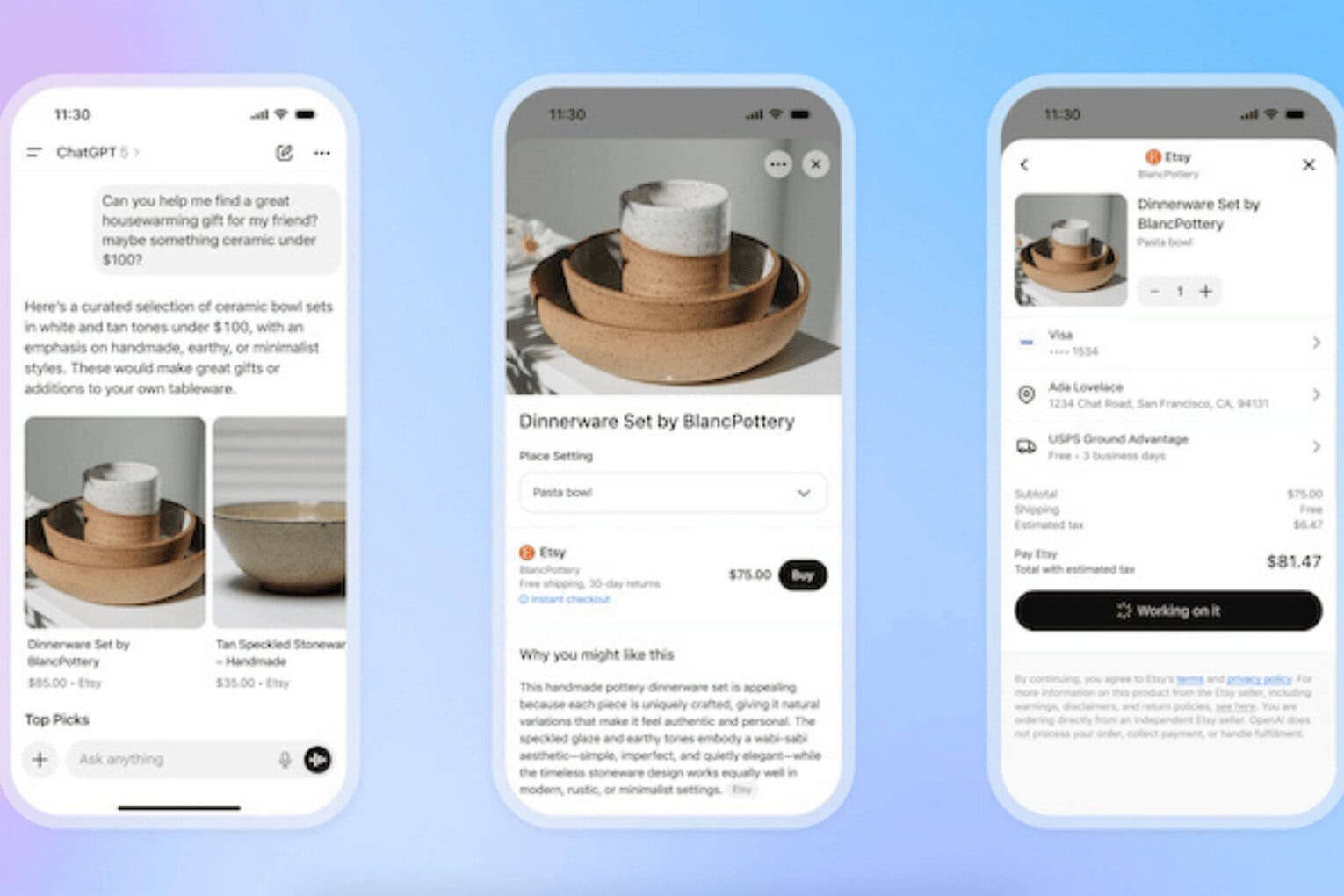
Additionally, Shop ify announced new agentic AI initiatives. In October, AI pioneer OpenAI revealed that its ChatGPT app would enable direct purchases from Shop ify, Etsy, and other online sellers. In a similar deal, Shopify stated that its merchants would be able to sell directly in Google Search’s “AI Mode” and the Gemini app. Furthermore, Shopify announced plans to work with Microsoft on agentic AI online payment features. Last week, Microsoft, in collaboration with partners such as PayPal Holdings (PYPL) and Stripe, introduced a series of AI-powered agentic commerce tools.

As part of its strategy, the software company will open its Shop ify Catalog and infrastructure to brands on other platforms. This will allow brands that do not use Shop ify for their online stores to list their products on Shopify Catalog and present them to AI channels.

Shopify Introduced the Winter ’26 Edition Featuring More Than 150 AI-Powered Tools for Merchants

Glass Introduces AI-First G-Commerce Platform Redefining Government Procurement

Glass, a Silicon Valley-based GovTech company, has introduced the next generation of its G-Commerce platform, designed to revolutionize how government agencies purchase products, services, and software. This new platform aims to modernize the traditionally fragmented government procurement processes by utilizing AI and automation, thus accelerating purchasing workflows.

Unlike traditional procurement platforms, G-Commerce moves beyond mimicking consumer e-commerce models that require buyers to manually search for and validate purchases. Instead, it integrates intelligence and automation throughout the entire procurement lifecycle. The AI-first platform supports government buyers by providing guided, decision-ready recommendations while ensuring full compliance with government regulations.

Through the Intelligent Guided Buying feature, government buyers can simply describe their requirements—such as budget limits, delivery timelines, and policy mandates—and G-Commerce’s AI delivers tailored product recommendations. This approach eliminates manual searches or navigating static product catalogs, enabling agencies to process purchases more efficiently and confidently.

Seamless Access to Orders, Shipments, and Financial Documents

G-Commerce also provides real-time, conversational access to order status, shipment tracking, and purchase history. Buyers can instantly retrieve past or current order details without needing to log into multiple systems or sift through emails. Additionally, the platform’s Automated Financial Document Retrieval feature allows procurement and finance teams to instantly access invoices and payment records using plain language commands.

One of the most notable features of G-Commerce is its AI-powered Vendor and Compliance Insights. This tool automatically analyzes vendor credentials such as minority-owned status, SAM registration, insurance coverage, and past performance, enabling government agencies to make confident procurement decisions without manual reviews.

“A Ground-Up Restructuring of Government E-Commerce”

Gerardo Mateo, G-Commerce’s Product Manager and COO, explained, “From a technical standpoint, this represents a ground-up re-architecture of government e-commerce. We built G-Commerce with government constraints directly integrated into the system, including compliance validation, vendor verification, financial records, and policy enforcement. Instead of forcing agencies to adapt to consumer-style marketplaces, the platform reasons over procurement rules, validates eligibility in real-time, and adapts workflows to reflect how public agencies actually operate.”

Platform Delivers Over 6 Million Products to Government Agencies

Since its launch, G-Commerce has processed over $8 million in government purchases and delivered more than 6 million products to public agencies. The platform has directed over $4.6 million to small businesses, many of which received their first-ever government orders through the platform. With 18,110 government users and partnerships with 124 government agencies, G-Commerce offers a comprehensive procurement ecosystem connected to 8.5 million products, including access to an additional 5 million punch-out products.

G-Commerce enables purchases in critical categories such as IT peripherals, industrial equipment, office supplies, chemical products, construction materials, safety equipment, cleaning supplies, software, and licenses. The platform also ensures seamless access to mandatory sources and preferred programs, allowing purchases from AbilityOne vendors, small businesses, Made in the USA products, veteran-owned businesses, green and sustainable suppliers, disadvantaged businesses, women-owned businesses, and HUBZone-certified vendors.

AI-Powered Layer for Software Procurement and Easy Integration

G-Commerce not only supports physical goods but also offers an AI-powered layer for acquiring software, recognizing it as a foundational element of modern government operations. Additionally, the platform expands access to Glass’s SaaS G-Commerce offering, enabling agencies to adopt the platform more seamlessly and integrate it into existing workflows.

G-Commerce has already been successfully implemented in local governments, including the City of Santa Monica and the City of South San Francisco, with early access now available for broader usage.

Setting a New Standard in Government Procurement

With the launch of its AI-powered G-Commerce platform, Glass is setting a new standard for public sector procurement. By transforming complexity into clarity, compliance into confidence, and purchasing into a strategic advantage, G-Commerce makes government procurement processes faster, smarter, and more transparent. As governments continue modernizing their operations, this new platform offers agencies the opportunity to make smarter purchases, process transactions more quickly, and maximize public resources effectively.

Consumers are Using AI Tools for Product Research

Google Unveils Universal Commerce Protocol to Power AI Shopping

At the National Retail Federation’s Big Show in New York, Google CEO Sundar Pichai unveiled the Universal Commerce Protocol (UCP), an open standard that allows AI agents from ChatGPT, Claude, or other platforms to access product catalogs, check real-time inventory, and process transactions through a single integration point.

“UCP is a Common Language”

Google Ads and Commerce Vice President Vidhya Srinivasan said, “Think about all the various steps in your own shopping journey. For an agent transaction to work, the systems governing each of these steps must align, communicate with each other, and be able to act on your behalf. UCP is a common language. It bridges agent experiences with consumer services on one side and business backend systems on the other, enabling them to work seamlessly together.”

UCP Developed with Major E-Commerce Platforms

UCP was developed in collaboration with Shopify, Etsy, Wayfair, Target, and Walmart. It is supported by more than 20 companies, including Home Depot, Best Buy, Macy’s, Mastercard, Visa, and PayPal. The protocol works with existing industry standards such as Agent2Agent (A2A), Model Context Protocol (MCP), and Google’s Agent Payments Protocol (AP2).

Srinivasan stated, “Having a standardized way to scale these things is crucial, so everyone can be prepared for all the various steps to happen. It offers flexibility, as businesses can pick and choose what they want to use.”

$5 Trillion Expected in Agent Commerce Market

According to McKinsey, retail analysts project that by 2026, one-quarter of shoppers will use AI-powered chatbots, and the agent commerce market is expected to reach between $3 trillion and $5 trillion by 2030.

UCP will soon introduce a new payment feature in Google’s AI Mode and Gemini app, enabling users to complete purchases without leaving the conversation. Initially, the system will use Google Pay with saved payment and shipping details, with PayPal support coming later. Retailers will retain the ability to customize offers, provide loyalty enrollment, and suggest complementary products.

Google also introduced a feature called “Business Agent,” which creates branded virtual sales associates within Google Search results. Lowe’s, Michaels, Poshmark, and Reebok are early adopters. Srinivasan said, “This is designed to address the newer consumer behavior, which has shifted toward more conversational commerce. We want retailers to connect with users on our platforms using their own voice.”

Google processed 90 trillion tokens in December 2025, up from 8.3 trillion in December 2024—an 11% increase year over year. The Shopping Graph now contains 50 billion product listings, with over 2 billion items updated every hour.

Google Competes with Amazon and Microsoft

This launch places Google in direct competition with Amazon, which has been testing similar AI shopping features via Alexa, and Microsoft, which recently unveiled its Copilot Checkout feature.

Despite the infrastructure push, consumer adoption still lags. A ChannelEngine study found that only 17% of shoppers feel comfortable allowing AI to complete a purchase, although many already use AI to research products.

The bigger question is whether retailers will adopt yet another protocol in an already fragmented e-commerce landscape, or if Google’s scale and reach will make this protocol the standard that finally sticks. For now, the fact that Walmart, Shopify, and major payment processors are already on board suggests this might be different.

Digital Frontier Trade Develops in China-Russia Border City of Hunchun

Located in the northeast of China’s Jilin Province, Hunchun is rapidly becoming a key hub for digital frontier trade between China and Russia. Known for traditional border trade, Hunchun is now adopting digital technologies to facilitate the movement of goods and provide a new avenue for international commerce.

At the Hunchun Comprehensive Bonded Zone, digital frontier trade is taking shape. Parcels destined for international delivery move swiftly along conveyor belts, where labels are affixed, packages are sorted, and trucks are loaded in a seamless operation. These goods, coming from China, are transported through a “digital channel” to households in Russia.

According to Li Jinhai, head of e-commerce business at Hunchun Comprehensive Bonded Zone Administration, the logistics system has been designed to handle the increasing flow of goods bound for Russia. “When Russian consumers place orders on e-commerce platforms, goods from all over China converge in Hunchun. After customs clearance, they are shipped directly to cross-border e-commerce warehouses,” he said. This efficient network ensures that “Made in China” products reach Russian consumers faster than ever before.

Digital Frontier Trade Volume Reaches 1.24 Billion Dollars

From January to October 2025, the digital frontier trade, including cross-border e-commerce imports and exports, in Hunchun Comprehensive Bonded Zone totaled 8.73 billion yuan (approximately 1.24 billion U.S. dollars). This marks an impressive year-on-year increase of 90.1%, solidifying the region’s role as a new engine for local foreign trade growth.

A New Digital Era for E-commerce

Hunchun’s success is also reflected in the Northeast Asia Cross-border E-commerce Industrial Park. Among its key features is the Northeast Asia International Shopping Mall. The first two floors of the building showcase affordable daily goods from Russia, South Korea, and Mongolia, while the upper floors house spacious offices for various businesses.

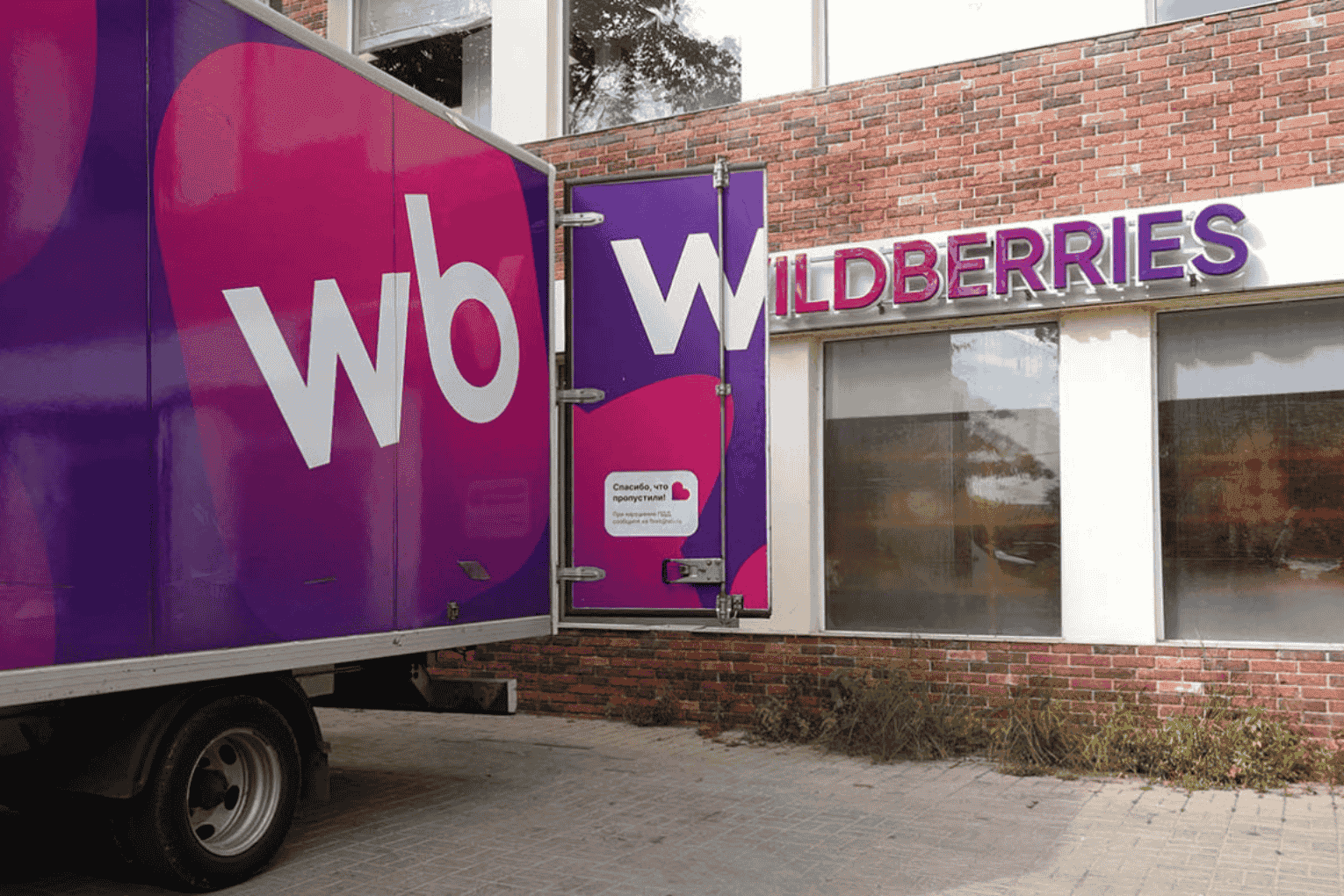
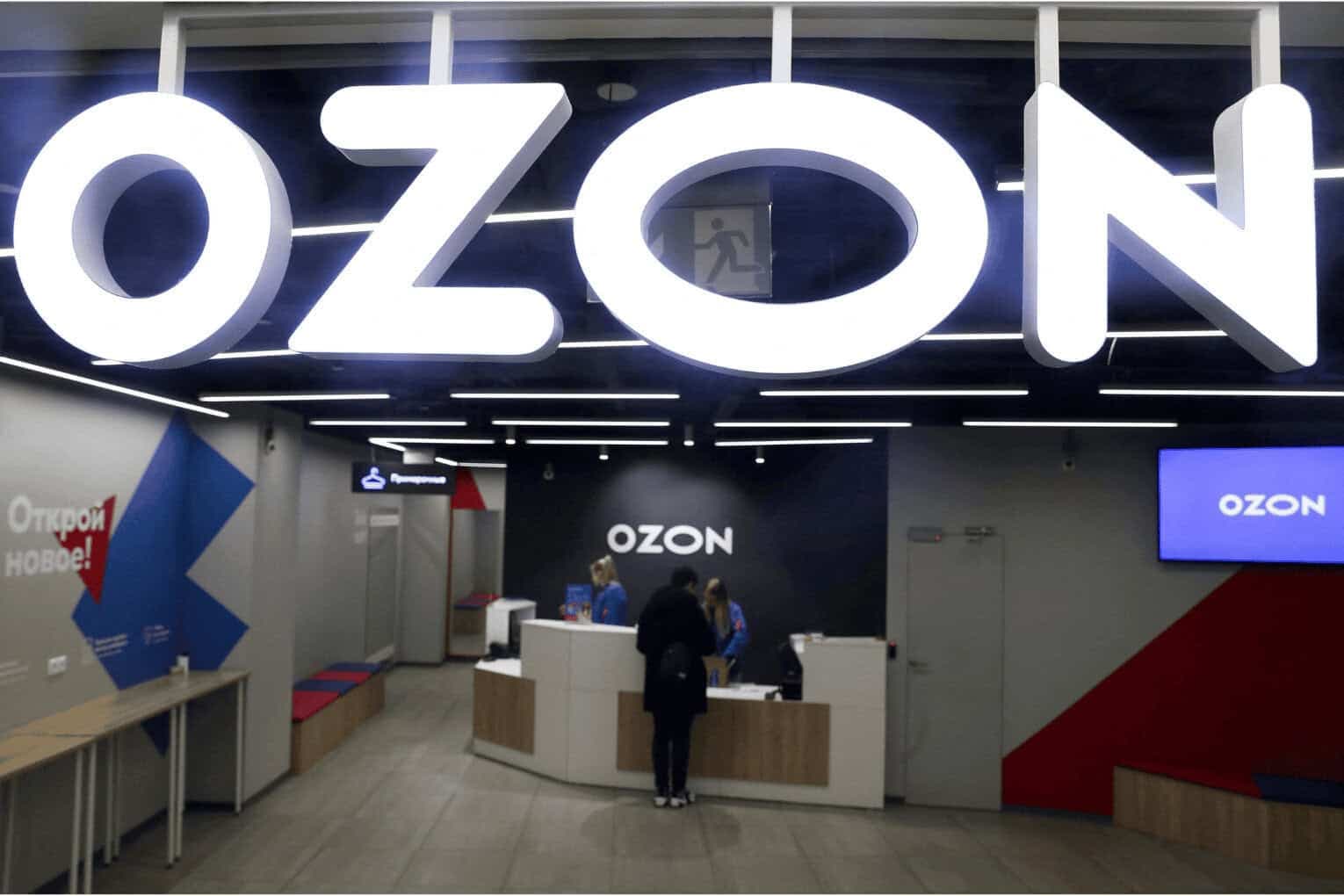
Yan Yuchen, general manager of an e-commerce company operating stores on major Russian platforms such as Ozon and Wildberries, emphasized the importance of customer service in their success. “We source small appliances, coffee makers, consumer electronics, and emerging products like 3D printers from China, and sell them directly to Russian customers,” Yan said. As of December 2025, the company processes approximately 3,000 orders monthly, with annual revenue exceeding 20 million yuan.

Customer satisfaction is one of the key factors in their success. “Beijing time is five hours ahead of Moscow. To ensure seamless service, we have staff available around the clock to respond to messages, even during nighttime,” Yan noted, adding that express shipping now delivers most Russian orders within 9 to 13 days.

Chinese Products Reach Global Consumers and Russian Goods Enter China

Russian consumers are increasingly shopping on platforms like AliExpress and Ozon for a wide range of products, from electronics to clothing. As Chinese products reach global markets, Russian specialties such as scallops, cod, squid, soybean oil, and milk powder are also finding their way into Chinese households. Hunchun-based Jidian International Trade is facilitating the online purchase and local processing of Russian goods, benefiting both Chinese consumers and Russian suppliers.

“Through this online platform, residents in border areas can jointly select and purchase Russian goods, which are then processed locally,” explained Zhu Yang, general manager of Jidian International Trade, highlighting the impact of the digital frontier trade service.

Expansion of the Digital Frontier Trade Network

Jilin Province has implemented a series of measures that have accelerated the international spread of Chinese parcels. In Hunchun, Cainiao has established a dedicated logistics line to Russia, ensuring rapid delivery for packages under 31 kg to most regions across the country. Additionally, cross-border e-commerce road transport has created “direct corridors” linking Hunchun with Vladivostok and Moscow, further facilitating the process.

In Changchun, the capital city of Jilin, a specialized customs channel for cross-border e-commerce exports has significantly streamlined the declaration, review, and clearance processes for small-batch shipments. In 2024, the province’s cross-border e-commerce B2B direct exports surged by 207.8% year-on-year, with over 200 new cross-border e-commerce enterprises established.

A Bright Future for Digital Frontier Trade

The growth of digital frontier trade between China and Russia, as exemplified by Hunchun, signifies a major shift in cross-border commerce. These digital corridors are not only facilitating faster and more efficient trade but also creating new opportunities for both countries. As digital infrastructure continues to improve, these trade routes will become vital bridges for promoting higher-quality economic development and shared prosperity.

Red Markets, Digital Frontiers: Clicking Under Communism

Consumers are Using AI Tools for Product Research

According to ChannelEngine’s “Marketplace Shopping Behavior Report” for 2026, AI tools are influencing how consumers research products, but online marketplaces still remain the primary starting point for many shoppers. However, there is a noticeable shift toward a multichannel shopping experience, as consumers spread their product research across multiple channels, including search engines, social platforms, and AI assistants.

AI Tools Gaining Popularity in Product Research

Based on survey data from 4,500 online marketplace shoppers in the United States, the United Kingdom, France, Germany, and the Netherlands, ChannelEngine’s report revealed that 58% of consumers are now using AI tools to assist with product research. This marks a significant shift as AI assistants have become an essential research companion for many shoppers. However, despite the growing use of AI in product discovery, only 17% of consumers stated they felt comfortable completing a purchase via AI. For most consumers, AI continues to be a research assistant rather than a purchasing tool.

Marketplace Usage Declined, But Still Dominates Product Discovery

Despite the increasing use of AI and social platforms, marketplaces still remain the most common starting point for product discovery, with 37% of consumers beginning their shopping journey there. This represents a 10% decline from the previous year, when 47% of shoppers started their journey on marketplaces. The shift towards a more diverse shopping experience shows that consumers are increasingly using multiple tools to guide their purchase decisions.

According to the report, 53% of consumers stated they compare the same product across multiple marketplaces. This behavior aligns with the trend of using multiple channels for product research, indicating that consumers browse an average of three platforms before making a purchase.

Social Proof and Free Shipping Impact Shopping Decisions

Trust remains a critical factor in the purchasing process, as 60% of consumers hesitate to buy a product if it lacks reviews. The importance of social proof is evident, as many consumers lose trust in a product without customer feedback, making reviews a necessity rather than a luxury.

When it comes to the final purchasing decision, free shipping still plays a significant role, with 91% of consumers considering it an important factor. Along with free shipping, delivery speed, product availability, and reliability are also major factors in consumer decisions. While sustainability is important for some, it is a lower priority for 65%, indicating that environmental concerns have not yet become a major factor in purchasing decisions.

AI Tools Will Continue to Play a Role in Product Research

As online shopping evolves, businesses will need to adapt to the changing landscape. While AI tools and social media platforms become increasingly integrated into the shopping journey, marketplaces continue to be the starting point for product discovery. Understanding how consumers navigate between channels and which factors influence their purchasing decisions will be key to staying competitive in the increasingly complex e-commerce environment.

The rise of AI as a product research tool, combined with the continued importance of reviews and free shipping, highlights the significance of building trust and providing convenience in online retail. The future of e-commerce lies in the ability to seamlessly integrate these various touchpoints and offer a personalized shopping experience.

Retailers Must Rethink E-Commerce for an Algorithm-First Future

WORLDEF Growth Network Expands Business Network

The next-generation business network initiative established within the global e-commerce and media platform WORLDEF, WORLDEF Growth Network (WGN), introduced its new group. At the launch, key players in the digital trade ecosystem gathered. WORLDEF CEO Ömer Nart stated, “The savanna of the business world is now the whole world. Our competitors are no longer in the building next door, but on the other side of the ocean. It is no longer about survival; it is about managing this massive global ecosystem.” WGN aims to establish a relationship system that generates commercial results and connects it with global networks starting from the MENA region.

The launch of the WGN MAGMA Group took place with a special event at the Wyndham Grand Istanbul Levent Hotel. The members of the WGN MAGMA Group attended the launch. During the event, membership certificates and membership documents were distributed to the group members. WGN plans to launch new groups in the coming days.

Ömer Nart: The Savanna of the Business World is Now the Whole World

In his speech at the event, WORLDEF CEO Ömer Nart said, “Today, we are gathered here not just for the opening of a network platform, but to redefine how we do business on a global scale.” He continued:

“Today, we are in 2026, and the savanna of the business world is now the whole world. The sun rises not only in Istanbul every morning, but also in Dubai, London, and New York on the same day. Our competitors are no longer just in the building next door, but at the other end of the ocean, just a screen away. In this relentless speed of the business world, running alone is no longer enough. It is no longer about survival; it is about managing this enormous global ecosystem.”

Ömer Nart stated, “Our goal at WGN is clear: From Istanbul to Dubai, from Riyadh to Rotterdam, from Baku to Berlin, no matter where in the world; we will open all doors to our members. With this network, we combine the strength of the lion with the agility of the gazelle.”

Burak Aykurt: We Bring the Right People Together at the Right Time in the Right Place

Burak Aykurt, Chairman of the WGN MAGMA Group Board, emphasized that WGN is not a traditional business club, association, or networking organization. He stated, “WORLDEF Growth Network is a business community made up of people who do not just know each other by business cards, but respect each other’s business, time, and reputation. At WGN, instead of asking who we can sell something to, we ask, ‘How can I help you?’ Because we know that in today’s business world, the most scarce resource is not money; it is trust and time.”

Burak Aykurt also noted that volunteering is essential in WORLDEF Growth Network, saying, “Volunteering means wanting to contribute, wanting to create value, and saying, ‘I am here because I believe in it.’ That’s why no one in WGN is just a spectator. Everyone is somehow part of the game. We are doing something difficult; we are bringing the right people together at the right time in the right place. The purpose of WGN is not just to get business, but the right business comes from the right relationships. We have a very clear long-term goal: To be one of Türkiye’s most trusted and qualified business communities.”

Aykurt concluded, “WGN will not be a place that everyone can enter one day. But everyone who enters will feel one thing: ‘I’m glad I’m here.’ Because we are building strong partnerships, not fast crowds.”

Serkan Çakır, Chairman of the WGN MAGMA Group Mentorship Committee, said, “Our task here is to ensure that the members can express themselves and their business needs much more clearly. We also aim to ensure that connections do not remain superficial and contribute to making this network a structure that truly generates business.”

What is WORLDEF Growth Network?

WORLDEF Growth Network aims to create an ecosystem where its members actively shape the digital economy by establishing sustainable connections. WGN, a structure that brings together professionals from the world of e-commerce and retail technologies under one roof, stands out with its disciplined organizational model, innovative approach, and people-oriented vision. WGN not only aims to increase its members’ business volume but also to help them grow as part of a community that will add value to each other.

Relationships in WORLDEF Growth Network are developed not only through referrals but also with mutual trust and a mutual benefit mindset. Success within the community is built on the ecosystem’s foundation as collective power. With the vision of creating a digital trade network based on trust in the MENA region, WGN aims to connect this with global networks starting from the MENA region.

WORLDEF Growth Network Launch Event Marks a New Chapter