Dubai Traders Onboards 2,400+ New E-Commerce Sellers in First Year
The Dubai Traders programme, launched in September 2024, has reported a strong first-year outcome by onboarding more than 2,400 new e-commerce sellers in just 12 months.
WGN · Worldef Growth Network

Topic
E-commerce news, trends, and insights on digital retail, marketplaces, consumer behaviour, and the technologies shaping how products are bought and sold.
513stories · page 17 of 26
The Dubai Traders programme, launched in September 2024, has reported a strong first-year outcome by onboarding more than 2,400 new e-commerce sellers in just 12 months.
Alibaba Group Holding is reportedly rebranding its food-delivery platform Ele.me to Taobao Instant Commerce (also referenced as “Taobao Shangou”), aligning the service…
AnyMind Group (TSE:5027), a business-process-as-a-service (BPaaS) firm specialising in marketing, e-commerce and digital transformation, announced on 4 November 2025…
The Japanese government has announced plans to abolish a decades-old tax exemption on small imports destined for personal use, a measure that will affect online…
The government of the Kyrgyz Republic has announced the development of a dedicated e-commerce park aimed at accelerating online trade, enhancing logistics infrastructure…
Global retail giant Walmart is deepening its footprint in Africa with the launch of its first self-branded store in South Africa, located at Clearwater Mall in…
The United States healthcare e-commerce market is projected to expand significantly between 2024 and 2031, driven by a surge in online medicine sales, digital health…
Lazada, the e-commerce marketplace operating in Malaysia, announced that it is increasing its commission rate for marketplace sellers, with certain product clusters now…
A recent conference in Libya focused on the taxation of e-commerce, where experts gathered to recommend a series of reforms aimed at modernising the country’s tax regime…
The Netherlands has witnessed a rebound in the number of online stores, according to latest figures from Statistics Netherlands (CBS).
Chinese e-commerce players are rapidly gaining dominance in Southeast Asia’s online retail space, according to a recent report by Bain & Company.
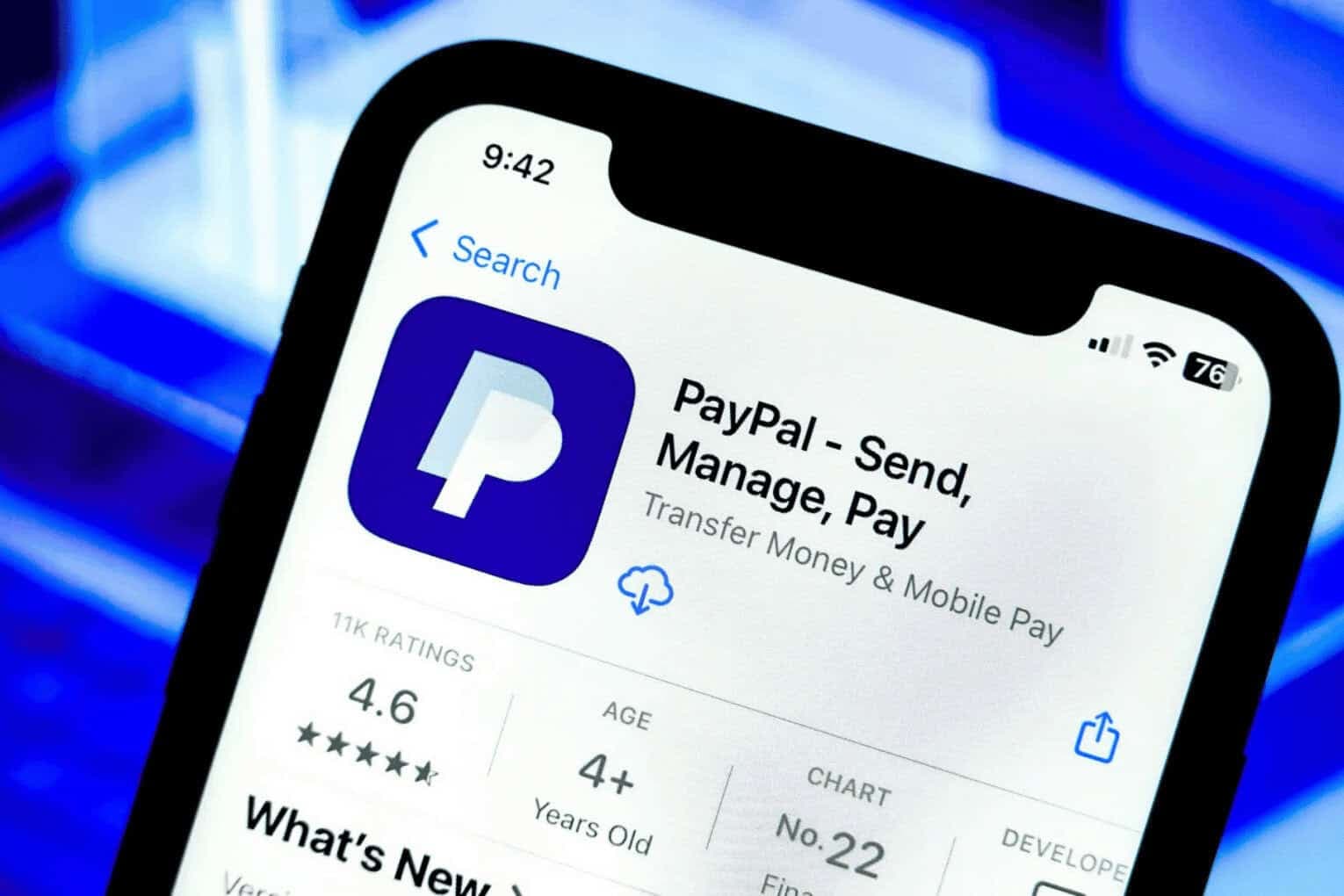
PayPal Holdings announced a landmark partnership with OpenAI to integrate its digital wallet into the ChatGPT platform, enabling users to make purchases directly through…
Doha Bank, one of Qatar’s leading commercial banks, has entered a strategic partnership with PayTabs Group, a prominent payments-orchestration solutions provider in the…
New research analysing 973 e-commerce websites with combined annual revenues of about US$20 billion finds that referral traffic from ChatGPT significantly underperforms…
The Transport General Authority (TGA) of Saudi Arabia announced that more than 103 million delivery orders were executed in the Kingdom during the third quarter of 2025,…
MercadoLibre, Latin America’s leading e-commerce firm, announced a long-term commercial partnership with Brazilian retailer Casas Bahia, under which Casas Bahia’s…
Traditional Australian retailers are experiencing significant sales declines as ultra-low-cost, fast-delivery Chinese e-commerce platforms Temu and Shein rapidly gain…
Amazon is developing smart-glasses technology to enable its delivery associates to work hands-free, enhance safety, and streamline the last-mile experience, according to…
Renuka Jagtiani, Chairwoman of Landmark Group, underscored the company’s digital transformation and consumer-centric strategy during her appearance at the Reuters NEXT…
Emirates National Oil Company (ENOC) Group and Amazon UAE have announced a strategic collaboration designed to transform the retail experience across the United Arab…
1,458 stories since January 2025, distilled into three newsletters. Pick the ones you want.