
Asos Launched a Returns Transparency Tool for Customers in the United Kingdom
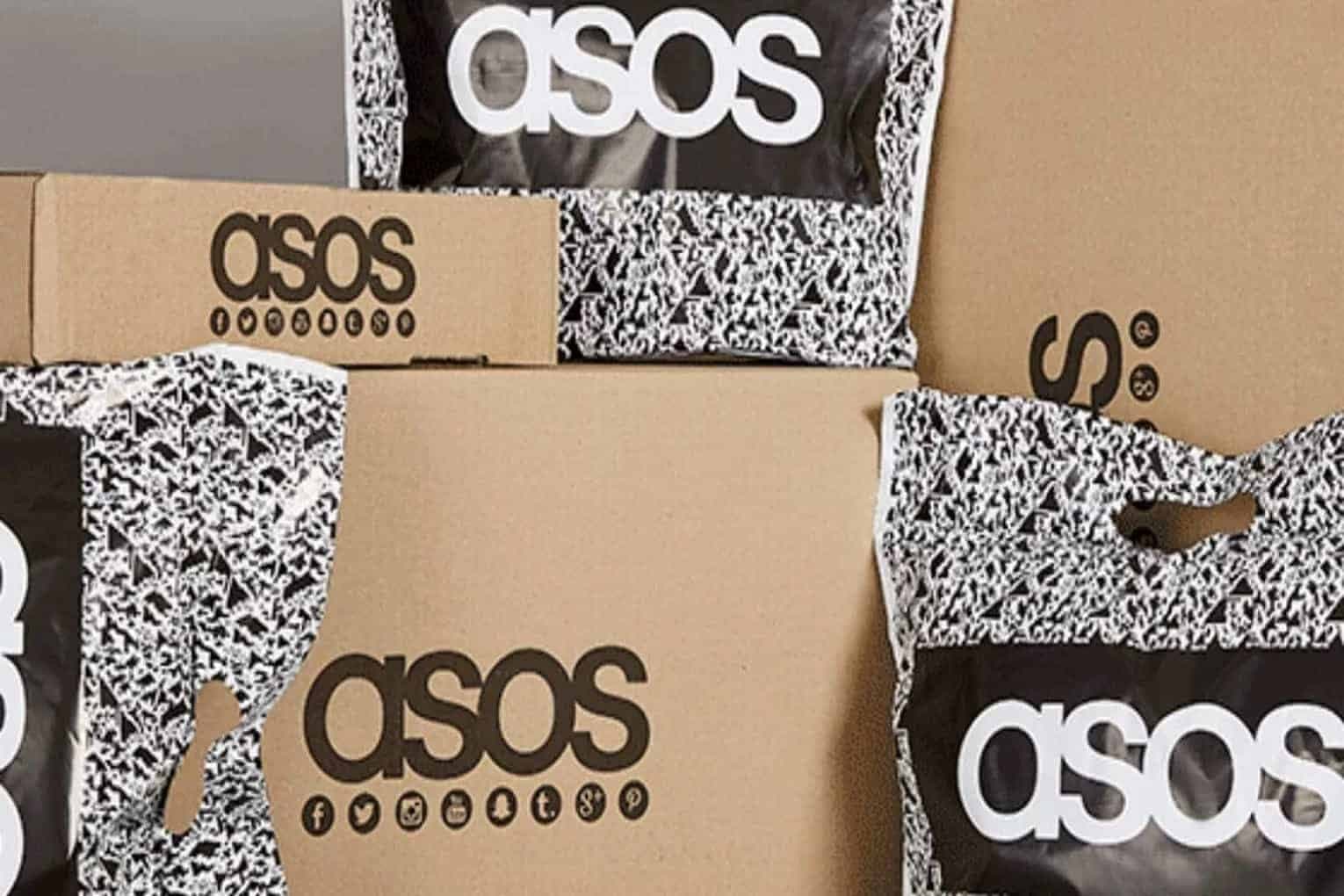
Asos announced that it had launched a new returns transparency tool in the United Kingdom that provides customers with clearer information on how their return behavior affects potential fees. The feature, planned to go live on 6 January, became the latest step taken in response to criticism of the return fees the company introduced last year.
The online-only fashion retailer stated that the new tool aimed to provide customers with greater visibility and predictability. Asos positioned this update as part of a broader effort to strike a balance between the customer experience and the rising costs associated with high return volumes.
How Return Fees Are Applied Will Be Clarified
Asos had introduced a return fee in 2024 for customers classified as having a high return rate. Under this policy, customers who kept less than 40 British pounds’ worth of items from their original order were charged a return fee of 3.95 pounds. However, at the time, the lack of a public explanation regarding how individual return rates were calculated led to confusion and dissatisfaction among users.
With the new transparency tool, Asos provided a clearer framework on how these thresholds operated. Customers using the Asos app were now able to see their individual return rates directly in their accounts. While customers with a return rate below 70 percent continued to benefit from free returns, fees applied once this level was exceeded.
According to the updated structure, customers with return rates above 70 percent were charged a return fee of 3.95 pounds. When the return rate exceeded 80 percent, an additional restocking fee of 3.95 pounds was also applied. Asos stated that these thresholds aimed to encourage more conscious shopping and to preserve free returns for the vast majority of customers.
Asos Offered In-App Guidance for Returns
The new feature was not limited to displaying return rates; it also offered in-app guidance to help customers avoid charges. Asos stated that the system included safer shopping recommendations, such as carefully reviewing size charts, product descriptions, and user reviews.
The app also displayed alerts when customers’ return rates approached chargeable thresholds. In this way, it aimed to prevent users from encountering unexpected fees after completing a return. Asos emphasized that this tool allowed customers to monitor and manage their return behavior in real time.
The company considered this step a response to customer feedback and acknowledged that transparency was critical to maintaining trust in policies aimed at controlling costs. Industry experts pointed out that return costs had become a significant pressure factor, particularly for online fashion retailers.
“Asos Is Committed to Preserving Free Returns Wherever Possible”
Asos stated that the transparency initiative was aligned with broader sustainability and cost management objectives. High return rates, particularly in the fashion sector, led to issues such as increased transportation emissions, labor costs, and waste volumes. The fact that returned items could not always be resold at full price further intensified this pressure.
Ben Blake, Executive Vice President for Customer and Commercial at Asos, emphasized the company’s commitment to preserving free returns wherever possible. Blake said, “We are committed to continuing to offer free returns to all customers in all core markets; however, we want to do so in a sustainable way. By showing customers their return rates, we provide them with greater visibility and control, while also offering tips to help them shop with confidence.”
Blake also added that the aim was not to penalize customers, but to encourage more informed purchasing decisions and reduce unnecessary returns. According to Asos, the majority of customers continued to benefit from free returns under the current system.
Part of a Broader Industry Trend
This move by Asos paralleled the reassessment of long-standing free returns policies in the e-commerce and fashion sectors. Rising fulfillment costs, high return volumes, and sustainability concerns had led many retailers to introduce fees or stricter conditions, particularly for frequent returners.
Rather than further tightening the rules, Asos tested a middle-ground approach by offering a transparency tool. The company aimed to maintain customer loyalty while responding to increasing cost pressures.
It had not yet become clear whether the new feature would reduce complaints or significantly change customer behavior. However, the move highlighted the growing importance of clear and transparent communication as retailers reshaped long-established e-commerce practices in a more cost-focused environment.
Read more on
About the author
WORLDEF Editors
921 stories on WORLDEF since January 2025.
More from WORLDEF Editors →Related



The week in commerce, before your competitors.
1,458 stories since January 2025, distilled into three newsletters. Pick the ones you want.