
WORLDEF ISTANBUL 2026 - Upcoming Event

Register Now

Swedish E-Commerce Hits Record in August

Sweden’s e-commerce sector reached its highest recorded sales volume in August 2025, according to data from the Swedish Trade Federation (Svensk Handel). Online purchases totaled SEK 13.5 billion during the month, representing a 12% increase compared to the same period last year.

While this growth signals a positive momentum following a slow first half of the year, industry players are expressing growing concern over the structural challenges posed by rising foreign competition particularly from Chinese-based e-commerce platforms.

More Purchases, Less Spending Per Customer

Data from Svensk Handel shows that around 71% of Swedes made at least one online purchase in August. However, the average spend per customer reached its lowest point for any August since 2020, despite higher overall participation.

This indicates that while more people are shopping online, they are making smaller or more cautious purchases, and the overall growth is being driven primarily by volume rather than value.

Growing Shift Toward Foreign Platforms

There is a visible and growing shift in consumer habits towards foreign e-commerce sites. An estimated 23% of consumers reported making purchases from international platforms, particularly low-cost Chinese players like Temu and Shein.

These platforms now account for 13% of Sweden’s total online consumer spending, according to Svensk Handel. Their aggressive pricing and broad product offerings make them highly attractive, but they often operate outside of European Union regulatory standards.

Per Ljungberg, Head of Innovation at Svensk Handel, commented:

“Foreign platforms frequently bypass EU compliance regulations, giving them an unfair price advantage. Without stronger EU-level action, Swedish companies are at serious risk.”

Source: https://www.interiordaily.com/article/9642913/swedish-trade-continues-its-advocacy-against-chinese-e-commerce-giants/

Domestic Companies Face Mounting Pressure

Local businesses are under increasing strain, struggling to match the prices offered by foreign platforms while dealing with higher logistical costs, stricter consumer protection laws, and significant tax obligations.

This competitive imbalance is weakening the position of Swedish companies in their own market. As foreign platforms continue to expand their market share, local businesses find it harder to maintain their customer base and profitability.

Furthermore, industry stakeholders warn that this shift could have a direct impact on employment and entrepreneurship in Sweden.

Source: https://www.interiordaily.com/article/9680565/fears-for-swedish-jobs-and-entrepreneurship-as-foreign-e-commerce-strengthens-its-grip/

September and November Confirm Ongoing Trend

The upward trend seen in August carried into the following months. In September 2024, Sweden’s e-commerce turnover reached SEK 13 billion—a 28% increase compared to September of the previous year.

Black Friday and Christmas shopping in November pushed the sector even higher, with online purchases reaching SEK 17.9 billion. About 76% of Swedish consumers made online purchases during that month alone.

However, a significant portion of this spending also went to foreign sites. Reports indicated that one purchase from platforms like Temu or Shein was made every four seconds during the peak period.

Sources:

Calls for Regulation at EU and National Levels

Industry leaders are urging both the Swedish government and the European Union to implement stronger oversight of foreign e-commerce platforms. Suggested measures include stricter import taxes for low-cost goods, better enforcement of customs regulations, and clear accountability for consumer safety standards.

Svensk Handel has repeatedly called for a “level playing field” and expressed support for EU initiatives like the Digital Services Act, which may help regulate non-EU platforms operating within Europe.

They also advocate for domestic support policies such as tax incentives, improved digital infrastructure, and funding for digital transformation for small and medium-sized enterprises.

Source: https://www.interiordaily.com/article/9680565/fears-for-swedish-jobs-and-entrepreneurship-as-foreign-e-commerce-strengthens-its-grip

Analysis: Growth Comes with Serious Risks

Sweden’s e-commerce market is experiencing strong growth in volume, but this growth is increasingly benefiting foreign platforms rather than local businesses. While consumer activity is high, the money spent is shifting outside the country’s borders.

Without structural reforms and policy intervention, the industry risks losing competitiveness, tax revenues, and employment opportunities. The long-term success of Sweden’s e-commerce ecosystem will depend on:

  • Regulatory adjustments that ensure fair competition

  • Strategic investments in local e-commerce capabilities

  • Consumer trust campaigns to support domestic retailers

Sweden is at a crossroads and the decisions made in the coming months will shape the future of its digital economy.

Who Owns the Future of Talent? The Gulf vs. the Old Dream

Future of Talent

For over a century, the “American Dream” and, to a lesser extent, the “European Project” defined the arc of global aspiration. Talented people moved the West to seek scale, capital, and social mobility. But the world is pivoting faster than most policy playbooks can track. Today, the most consequential competition in the world economy is not between firms or even sectors; it is a jurisdictional race to attract, keep, and compound talent. In this field, the UAE, and increasingly the wider GCC, is not merely catching up but designing a different game altogether.

Consider the timing. The United States has introduced a $100,000 fee for new H-1B skilled-worker visa applications, with a parallel “gold card” fast-track priced from roughly $1 million. After days of confusion, Washington clarified that the levy is a one-time charge that applies to future applicants (beginning with the 2026 lottery) and not current visa holders. Even so, the signal is unmistakable for many early-stage founders and mid-career engineers: the U.S. pathway is becoming costlier, narrower, and riskier, with corporate America scrambling to adjust and industry bodies warning about uncertainty.

While the United States and Europe still host larger absolute numbers of highly skilled workers, about 44% of the U.S. workforce and roughly 80 million in the EU, the UAE’s growth rates are striking; the share of highly skilled migrants rose to 22.6% in 2022, and Abu Dhabi’s white-collar workforce has more than doubled since 2011. In short, the Gulf may be importing and cultivating skills at a velocity the West can no longer match. Future of Talent

Against that backdrop, the UAE launched a campaign with an audacious headline: The Emirates: The Start-Up Capital of the World. The target is precise and public: 2 million active companies by 2031 (from 1.2 million today), powered by SMEs that already constitute 94% of firms, 86% of private-sector jobs, and about two-thirds of non-oil GDP. The policy stack is practical, not performative, a national coalition of more than 50 public-private entities, and a new StartupEmirates.ae platform to mentor 10,000 entrepreneurs and create 30,000 jobs by 2030 through training, co-working, funding linkages, and cross-border partnerships. Future of Talent

Safety is not a lifestyle perk but a strategic variable in global talent attraction. When Abu Dhabi tops global safety indexes with a score near 88, while many U.S. metros grapple with violent crime and European hubs wrestle with urban unrest, the message to highly skilled professionals is clear: the Gulf offers stability at a moment when the West cannot guarantee it. Future of Talent

Who Owns the Future of Talent?

If you believe, as I do, that high-skill migration is the master variable of the 2020s. These two announcements U.S. pricing out skilled mobility and UAE subsidising entrepreneurial entry- belong on the same page. The policy contrast is not merely ideological; it is economically material. America’s new fee either becomes a deterrent to thousands of potential innovators or a tax that only the largest employers can easily absorb. (Last year, big tech and IT services remained among the top H-1B beneficiaries, even though they now issue internal advisories to hedge operational risk.) Meanwhile, the Emirates is lowering the non-financial frictions that most founders cite as speed, certainty, and access. Future of Talent

Sceptics will say: “Yes, but the U.S. still has capital depth, research density, and the network effects of Silicon Valley.” True, and I know that those advantages will not vanish overnight. But jurisdictional elasticity is rising. Top talent has options; capital follows credible reform; and ecosystems can compound quickly when policy is coherent. The UAE has recently developed a habit of doing unglamorous things well: Simplifying incorporation, aligning regulators, and building complex infrastructure that shortens time-to-market. The results are visible; registered companies doubled from 600,000 to 1.2 million in just five yearsa growth spurt few OECD countries can match. The new campaign is not starting from zero but accelerating on a runway already in use.

The deeper question is not whether the UAE can attract talent, but which talent portfolio it seeks to assemble. Suppose the U.S. reorients skilled immigration toward ultra-capitalised entrants via a million-dollar fast-track. In that case, the Emirates has an opening to design the complementary middle for the builders who write code, ship product, run sales, and later become second-time founders. That is where ecosystems either calcify or explode. The policy implication is straightforward. Visa pathways must be fast, points-based, and scalable for globally mobile professionals (STEM, design, product, go-to-market), not only for investors. The StartUpEmirates platform is encouraging as long as it is paired with visa, housing, and education policies that make relocation a family decision, not just a career gamble. Future of Talent

To be clear, the GCC is not a single market. Saudi Arabia, Qatar, and Bahrain run different plays, and healthy intra-GCC competition is a feature, not a bug. SMEs already account for 86% of the private-sector workforce in the UAE, and similarly outsized portions in neighbouring economies. Add to that CEPA-style trade corridors that the UAE is stitching with Asia and Africa, and you begin to see an alternative for global ambition: Build in the Gulf, sell everywhere.

E-commerce is the engine that makes that mantra real. Marketplaces such as Noon and Amazon.ae, a dense 3PL network, and same-day/next-day last-mile capacity have collapsed the distance between a founder and a national market. Add cross-border rails, customs single windows, e-invoicing, and trade agreements that recognise digital certificates, and a Dubai-based SME can test a product in hours and scale into the wider GCC in weeks. The result is not just more shops online; it is a distribution advantage that lets young firms convert code and content into revenue faster than in many Western ecosystems clogged by legacy logistics and regulatory fragmentation. Future of Talent

But ambition without execution is theatre. The campaign’s headline figure, 800,000 new companies in six yearsis intentionally provocative. To deliver, three constraints must be handled candidly. Future of Talent

First, early-stage finance. The region’s late-stage capital pools have grown, but the seed-to-Series-A chasm still scares first-time founders. Public funds should crowd-in private investors via matched-funding and loss-first structures, but they should avoid substituting for market discipline. The metric to watch is not announcements but the velocity from idea to first institutional cheque. The payments layer is a second accelerator. High card and wallet penetration, interoperable rails, and merchant-friendly KYC/AML onboarding shorten checkout and settlement times. At the same time, BNPL and instant-transfer options deepen demand without loading founders with working-capital risk. For exporters, the ability to price in multiple currencies, reconcile tax/VAT automatically, and settle across borders inside one console turns what used to be a finance department into a product configuration. In the Gulf, fintech isn’t a vertical; it’s the operating system of digital commerce.

Second, scaling beyond the domestic market. The GCC offers a high-spend base but a small population ceiling. CEPA agreements, if operational with founder-friendly rules of origin, digital customs, and IP interoperability, can convert the UAE into a launchpad rather than a landing pad. This is where the StartUpEmirates platform must become a deal-flow router, plugging Emirati and expatriate founders into real buyers and regulated sandboxes across partner markets.

Third, human capital at scale. The U.S. fee shock will not move the frontier unless the UAE and its neighbours convert interest into issuance. That means granular service levels; 10-day professional visas, spouse work rights, school seat availability, and modular housing near innovation districts. It also means deepening vocational and applied pathways for nationals so that Emirati talent is not merely included but indispensable in venture teams. Future of Talent

Taxation sharpens the contrast further; while U.S. professionals can lose up to 37% of income to federal tax, often more once state and local levies are counted, and high earners in Europe face average effective rates above 40%, the UAE and several GCC peers maintain 0% personal income tax and a 9% corporate levy. For globally mobile talent, that arithmetic is destiny.

None of this diminishes the continued magnetism of the United States and Europe. America still concentrates world-class labs and liquidity; Europe offers rule-of-law depth and a giant market. But policy missteps compound, too. When H-1B applications fall to a four-year low and employers face a prospective $14 billion annual burden, it is naive to think the world’s best engineers will wait for Washington to change its mind. The global system arbitrages friction. Cities and countries that remove it win: Credibly, Predictably, and Measurably.

I do not think the UAE has “arrived” as the world’s start-up capital. I believe it has picked a lane and competes on fundamentals: Speed, certainty, connectivity, and state capacity. The campaign to 2 million companies is, in a sense, a national A/B test of whether coordinated institutions can manufacture compound options faster than legacy giants can rewrite their immigration code. The following 24 months will tell us a lot. Watch on StartupEmirates.ae; track visa processing;  follow CEPA utilisation by SMEs; and benchmark time-to-first-revenue for new ventures. If those needles move, narratives will follow.

The old geography of ambition told us that success was a place: Boston, London, San Francisco. The new one says success is a process, a frictionless loop that moves people, ideas, and capital with minimal regret. In that world, the UAE and the wider GCC look less like “alternatives” and more like prototypes. America can and should remain a magnet. Europe can and should remain a market of consequence. But right now, the Gulf is doing something rarer and more valuable, turning policy into product. And that, in the global hunt for talent, is the only dream that still scales. Future of Talent

Burak Yalım

Editor in Chief – WORLDEF E-Commerce Magazine Future of Talent

MercadoLibre Enters Latin America’s B2B Market

MercadoLibre, Latin America’s largest and most influential e-commerce platform, is expanding beyond its traditional consumer-focused marketplace by launching a new business-to-business (B2B) unit targeting corporate clients. Recognizing the region’s vast e-commerce potential, the company aims to establish a strong presence in the Latin American B2B market, which is rapidly growing in scale and significance. (Reuters, 2025)

The new B2B division has been piloted in Brazil, Argentina, Mexico, and Chile, and was officially launched following over a year of testing and development. This unit seeks to serve not only individual consumers but also companies and wholesale sellers, offering a platform tailored to the specific needs of corporate customers. MercadoLibre aims to reach more than four million wholesale buyers across the region through this initiative.

The Significance of the B2B Market

Globally, the B2B e-commerce market is approximately four times larger than the business-to-consumer (B2C) sector, making it a highly attractive segment for growth. Key advantages of B2B e-commerce include higher average order values, recurring purchases, larger transaction volumes, and lower return rates. MercadoLibre’s CEO has emphasized that tapping into this sector will accelerate the digital transformation of commerce in Latin America while providing greater value to corporate customers. (Reuters, 2025)

Regional Investments and Expansion Plans

To support the B2B unit, MercadoLibre plans substantial investments across key markets. In Brazil alone, the company aims to invest $5.8 billion in 2025, focusing on improving logistics infrastructure, technological advancements, marketing, and workforce expansion. Moreover, MercadoLibre intends to increase its workforce by 30% in 2024 to strengthen regional operations. The company has also earmarked $3.4 billion for investments in Mexico, signaling its commitment to consolidating its position in Latin America’s largest economies. (Reuters, 2025)

Fintech and Technology Integration

MercadoLibre’s fintech branch, Mercado Pago, plays a pivotal role in the company’s B2B strategy. By offering mobile credit card readers and digital financial solutions, Mercado Pago provides small and medium-sized enterprises (SMEs) access to electronic payment options, often bypassing traditional banking services. This is particularly vital in Latin America, where banking access remains limited for many businesses.

In addition to fintech, MercadoLibre is exploring innovative technologies such as artificial intelligence for logistics optimization and drone deliveries, aiming to reduce delivery times and operational costs. These advancements are expected to enhance customer satisfaction and promote sustainable growth. (Reuters, 2024)

Competitive Landscape and Market Position

Often referred to as the “Amazon of Latin America,” MercadoLibre holds a dominant position in the region’s e-commerce and fintech ecosystem. The company combines e-commerce with financial services, similar to Alibaba’s integrated model. However, MercadoLibre faces competition from digital finance startups such as Nubank and Uala, particularly in the fintech space.

Industry experts believe that MercadoLibre’s focus on organic growth and continuous technological innovation will enable it to maintain its market leadership. Success in the B2B segment, however, will depend on economic conditions and improvements in the region’s digital infrastructure.

Conclusion

The establishment of MercadoLibre’s B2B unit marks a significant milestone in the digital transformation of Latin America’s commerce ecosystem. This move diversifies the company’s revenue streams and extends its reach to a broader customer base.

Nevertheless, the expansion of fintech services and broader digital adoption will require continued investments in infrastructure and enhanced financial literacy efforts. MercadoLibre’s proactive role in these areas will be critical to its sustained success in the B2B market and the wider region.

Dutch Ecommerce Reaches €17B in H1 2025

Dutch online consumer spending totaled over €17 billion in the first half of 2025, marking a slight 1% decline compared to the same period in 2024. That figure reflects a slight decline of about 1 percent compared to the same period in 2024, according to data from the Thuiswinkel Market Monitor.(Ecommerce News, 2025)

This article examines the detailed breakdown of this shift: what is rising, what is falling, how product vs. service spending is changing, and what it means for cross‑border trade, payment methods, and the future of the Dutch ecommerce market.

Key Shifts: Products Up, Services Down

Consumer behavior in the Netherlands shows a clear divergence between physical goods and services. While spending on services dropped significantly, spending on products rose modestly.

  • Spending on services fell by approximately 7 percent in the first half of 2025 versus the same period in 2024. The number of service purchases dropped even more sharply, by about 12 percent.

  • In contrast, consumers spent about 3 percent more on products online, and the number of product purchases increased by roughly 1 percent.

One specific category that saw notable growth was “Home & Living.” Spending in Home & Living rose by 19 percent, with number of purchases in that category up about 7 percent.

The sharp drop in services was largely driven by a decline in spending on tickets for attractions and events. That category saw spending fall by 16 percent, with number of purchases down by 15 percent.

Consumer Priorities: Home Goods Over Experiences

The data suggests Dutch consumers are shifting preferences away from experiences (like travel, events, tickets) and focusing more on products that enhance home life. One explanation offered by Thuiswinkel.org is that many home‑related products are not replaced often. So after a surge in home goods purchases during the pandemic, there is now a delayed wave of replacement purchases. Furniture, in particular, is becoming more frequently purchased online rather than in physical stores.(Ecommerce News, 2025)

This trend may be partly influenced by changing consumer confidence, disposable income shifts, or changes in lifestyle as remote work remains common. The decline in experience‑based spending likely reflects more cautious behavior, with consumers postponing travel or events.

Cross‑Border Ecommerce: More Purchases, Slightly Less Spending

Cross‑border ecommerce remains an important component of the Dutch online shopping market, though the dynamics are nuanced.

  • Dutch shoppers spent about €2.3 billion via cross‑border online stores in the first half of 2025, a small decline of 1 percent year-on-year.

  • However, the number of purchases from foreign stores grew by about 8 percent.

  • In particular, spending on cross‑border products rose by approximately 13 percent, even while cross‑border service spending fell by 12 percent. The number of purchases of foreign services fell by 8 percent.(Ecommerce News, 2025)

A notable detail is the steady, even growing, preference for Chinese online stores. Of all cross‑border purchases, 30 percent come from Chinese online shops, amounting to about 6.5 million purchases in that period, up from 5.9 million a year earlier. However, the actual spending at these stores declined—from €248 million to €196 million—suggesting consumers are buying more items but of lower average value.(Ecommerce News, 2025)

Declines from the U.S. and U.K., Payment & Device Trends

Spending from some overseas markets fell significantly. Specifically, Dutch consumers are buying less often and spending less via online stores based in the United States and the United Kingdom.

  • Purchases of airline tickets and accommodations from the U.S. dropped by 33 percent, and IT product purchases from American stores declined by 47 percent.

  • From the U.K., significant drops were seen in telecommunications products (‑69 percent) and tickets for attractions/events (‑39 percent).

On the payments side, device usage and payment method trends also shifted:

  • Approximately 40 percent of online purchases were made via smartphone, while desktops/laptops now account for 46 percent.

  • Smartphone purchases tend to have a lower average order value—around €79 compared to €122 via laptops.

  • The use of the local payment method iDEAL decreased slightly: from 73 percent of purchases in H1 2024 to 70 percent in H1 2025. Meanwhile, Klarna’s share rose from 3 percent to 4 percent, indicating growing adoption of alternative payment methods.

Implications for Dutch Retailers and the E‑Commerce Ecosystem

These shifts have several implications:

  1. Retailer Strategy Adjustments
    Retailers focusing on services or experiences may need to revisit their offerings or explore bundling with products to stay relevant. Given declining interest in events and services, moving into physical goods, especially home goods, might present better growth opportunities.

  2. Cross‑Border Competition and Localization
    The increase in purchases from foreign stores for products suggests that price, variety, and availability are still driving consumers to shop abroad. Dutch retailers may need to improve their competitiveness in price, delivery, and product range to retain customers.

  3. Mobile Optimization and Payment Innovation
    As smartphone usage continues to rise for purchases, optimizing mobile sites and apps is more important than ever. Also, integrating diverse payment methods makes a difference: even a small shift in payment method share (like Klarna’s rise) signals changing consumer preferences.

  4. Lower Average Order Value for Mobile Purchases
    The gap between average spend on mobile vs. laptop/desktop devices indicates that retailers should consider strategies like mobile promotions, upselling, or recommendations to raise order values on smartphones.

Broader European Ecommerce Context

When comparing with broader European data, the Dutch market’s performance is moderately resilient. While some countries saw larger declines, the Netherlands’ small drop in total ecommerce spending (‑1 percent) is less severe than in regions heavily affected by inflation or logistical disruptions. Also, the growth in product spending and the decline in services is consistent with pan‑European trends, where consumers trade down from experience‑based purchases.

EU reports indicate that while online product sales are rising, tourism, events, and other service‑based ecommerce remain volatile. Retailers across Europe are carefully monitoring input costs, shipping delays, and cross‑border regulatory burdens that affect consumer behavior. Relevant European Commission statistics confirm shifting patterns of shopper behavior across member states.

Looking Ahead: What to Watch in the Rest of 2025

As the year progresses, several factors will likely influence whether ecommerce in the Netherlands returns to growth or slips further:

  • Inflation rates and consumer purchasing power: if inflation remains high, spending on non‑essential goods and experiences may continue to decline.

  • Holiday season performance: Black Friday, Sinterklaas, and Christmas shopping will be crucial to recover some of the lost ground from H1.

  • Logistics, delivery speed, and return policies: these operational aspects are increasingly decisive in customer choice.

  • Currency fluctuations and cross‑border regulation: impacts of shipping costs, import duties, and EU regulations could influence cross‑border shopping behavior.

Conclusion

The Dutch ecommerce sector recorded €17 billion in online consumer spending in the first half of 2025, representing a slight year‑on‑year decline. While spending on products increased and categories like Home & Living saw strong growth, service spending dropped sharply, especially in experiences and events. Cross‑border purchases are up in number but down slightly in value, with Chinese retailers remaining a key source of foreign goods.

For Dutch retailers, creators, and ecosystem participants, adapting to shifting consumer preferences—toward tangible goods, domestic or well‑priced cross‑border options, mobile‑friendly checkout, and diverse payment solutions—will be critical to capturing growth in the remainder of 2025.

Condé Nast Launches Vette Platform

Condé Nast, the global media giant known for its iconic brands such as Vogue, The New Yorker, and Wired, has officially announced the upcoming launch of Vette, an innovative e-commerce platform designed to empower creators. Set to debut in early 2026, Vette aims to revolutionize the way content creators engage with their audiences by providing them with AI-powered tools to curate, manage, and monetize their own online storefronts (Condé Nast, 2025).

Empowering Creators with Advanced AI Tools

Vette offers creators a comprehensive suite of artificial intelligence-powered tools that allow seamless curation and management of products within their personalized storefronts. These tools provide features such as personalized product recommendations, inventory management, and real-time analytics. By leveraging these capabilities, creators can optimize their product offerings while enhancing the overall shopping experience for their followers (Vogue IT, 2025).

Unlike traditional affiliate marketing systems that often limit creator control, Vette enables a direct and organic connection between creators and their audiences by integrating content, commerce, and community into one unified platform. This approach helps foster authentic engagement and drives higher conversion rates (Black Solvent, 2025).

A New Revenue Model for Sustainable Growth

One of Vette’s key innovations is its revenue-sharing model that allows creators to retain ownership of their audience relationships. This ensures creators are fairly compensated for their influence and efforts, providing a sustainable and scalable income stream. Such a model encourages long-term creator loyalty and strengthens community bonds, which are essential in today’s creator economy (Condé Nast, 2025).

This revenue-sharing framework is anticipated to disrupt existing monetization methods by offering creators more control and transparency, addressing common concerns about unfair commissions and lack of ownership in current influencer marketing platforms.

Unlocking New Opportunities for Brands

Vette also serves as a strategic channel for brands seeking to reach highly engaged and loyal audiences through trusted content creators. By partnering with creators on Vette, brands can increase their product visibility, build authentic consumer relationships, and boost sales in a personalized and efficient manner. This shift toward creator-driven commerce represents a significant evolution in digital marketing and brand-consumer dynamics (Condé Nast, 2025).

Marketing experts suggest that such platforms could help brands break through advertising saturation by leveraging genuine endorsements and curated experiences, ultimately fostering stronger emotional connections with target audiences.

The Creator Economy: A Rapidly Growing Market

The rise of the creator economy has transformed how people consume content and shop online. Today’s consumers increasingly trust recommendations from individual creators who provide authentic, relatable content. This trend has led to explosive growth in influencer marketing and creator-led commerce, which is projected to exceed $200 billion by 2027 .

Vette’s entry into this landscape aims to meet the growing demand for tools that allow creators to professionalize their commerce efforts while maintaining authenticity. By combining AI technology with a user-friendly interface, Vette empowers creators to scale their businesses without losing the personal touch that makes their content valuable.

Enhancing User Experience through AI

Vette’s platform is designed with a focus on delivering a seamless and engaging shopping experience for both creators and consumers. AI-driven recommendation engines tailor product suggestions based on user preferences and browsing behavior, making shopping more relevant and efficient. Real-time analytics provide creators with deep insights into audience engagement and sales performance, enabling them to adjust strategies dynamically to maximize impact.

This data-driven approach not only boosts sales conversions but also fosters stronger loyalty by offering consumers personalized experiences that feel curated just for them.

Competitive Landscape and Future Outlook

As e-commerce and creator-driven commerce become increasingly competitive, Condé Nast’s Vette platform stands out by uniquely integrating content and commerce in a way that fosters authentic community engagement. While platforms like Instagram and TikTok have incorporated shopping features, Vette’s focus on empowering creators with AI tools and a dedicated storefront model offers a more robust solution for sustainable monetization.

Looking ahead, AI-powered commerce platforms like Vette are expected to capture growing market share as creators seek greater independence and better tools to manage their brands. Condé Nast’s established media presence and strong portfolio of creator partnerships position Vette for potential success in this fast-evolving sector.

Conclusion

Condé Nast’s launch of Vette marks a pivotal moment in the evolution of e-commerce and the creator economy. By equipping creators with advanced AI-powered tools and fostering direct relationships with their audiences, Vette is poised to redefine how creators monetize their influence and how brands connect with consumers.

As the platform prepares for its early 2026 launch, industry watchers anticipate that Vette will not only empower creators but also catalyze broader shifts in digital commerce and influencer marketing. This initiative underscores the growing importance of creator-driven platforms in the future of retail and content monetization.

India’s E-commerce and Qcomm Growth

India’s e-commerce and quick commerce (qcomm) sectors are gearing up for a significant surge in demand as the country approaches its major festival season starting late September 2025. Leading players such as Amazon and Flipkart are intensifying investments to strengthen their logistics and supply chains to meet customer expectations and capture the vast market opportunity. This article delves into how these companies are scaling operations, the role of government reforms, and the growing influence of quick commerce on the retail landscape. (Economic Times, 2025).

Expansion of Logistics Infrastructure to Meet Demand

Flipkart, one of India’s largest e-commerce platforms, has announced the opening of 21 new fulfillment centers across the country, particularly focusing on tier-2 and tier-3 cities such as Northeast India, Patna, and Guwahati. Hemant Badri, Flipkart’s Head of Supply Chain, stated, “Expanding in these regions is crucial as they form an integral part of our operations.” These new centers aim to reduce delivery times and improve the customer experience during the festival rush. (Economic Times, 2025).

Similarly, Amazon India has injected approximately ₹2,000 crore into expanding its logistics network by adding new fulfillment centers, sorting hubs, and over 75 delivery stations in recent months. This expansion aims to boost the speed and reliability of deliveries during peak sales periods such as Diwali and Dussehra, which account for nearly half of annual e-commerce sales in India.

Impact of GST Reforms on Sales Growth

The recent reforms in India’s Goods and Services Tax (GST) system have also played a pivotal role in shaping the e-commerce sector. Analysts expect gross merchandise value (GMV) during the upcoming festival season to reach approximately ₹1.2 lakh crore (about $15 billion), a significant increase from ₹94,000 crore recorded during the previous year’s festivities. Quick commerce is anticipated to contribute about 12% to this total sales figure.

GST simplifications have helped streamline tax compliance for e-commerce sellers, enabling more competitive pricing and smoother operations. The government’s efforts to reduce logistics costs and remove interstate barriers have further supported sector growth.

The Rising Role of Quick Commerce

Quick commerce, characterized by ultra-fast deliveries often within 10 to 30 minutes, is increasingly becoming a game-changer in the Indian retail landscape. Flipkart has expanded its “Minutes” delivery service to cover 85-90% of pin codes in major metropolitan areas such as Bengaluru, Mumbai, Kolkata, and Delhi. This initiative targets consumers looking for instant gratification, especially for daily essentials and groceries.

Similarly, Swiggy’s Instamart has launched the “Quick India Movement,” a special ten-day festival sale aimed at enhancing its supply chain capabilities and capturing increased consumer demand during festive periods. Quick commerce platforms have demonstrated robust growth, accounting for nearly two-thirds of all e-grocery orders in India in 2024, with a compound annual growth rate (CAGR) of about 50%, and projections indicate the market could reach ₹1.5 to ₹1.7 lakh crore by 2027.

Challenges and Sustainability in Quick Commerce

Despite rapid expansion, quick commerce businesses face challenges such as high delivery costs, inventory management complexities, and the need to balance profitability with customer acquisition. Supply chain optimization remains a critical area for improvement to ensure sustainable growth. Companies are investing in advanced technologies like AI-driven demand forecasting, route optimization, and warehouse automation to address these challenges.

In addition, competition among players is intensifying, pushing companies to innovate in customer engagement, pricing strategies, and partnership models with local vendors to enhance service quality and reduce costs. Regulatory frameworks and labor considerations are also increasingly important factors shaping operational decisions. (Economic Times, 2025).

Consumer Trends and Market Outlook

Consumer behavior is shifting toward convenience and speed, with a rising preference for online shopping and doorstep deliveries, especially for groceries and daily essentials. The pandemic accelerated these trends, and the festival season further amplifies demand spikes. With increased smartphone penetration and digital payment adoption, the Indian e-commerce market is poised for robust growth.

Experts predict that the combined e-commerce and quick commerce sectors will continue to expand rapidly, supported by investments in infrastructure and technology. This growth will also contribute to employment generation in logistics, warehousing, and last-mile delivery services across India. (Economic Times, 2025).

Conclusion

India’s e-commerce and quick commerce sectors are at a pivotal moment, ramping up capacity and enhancing supply chains to meet the demands of a rapidly evolving consumer base. With strategic investments, government reforms, and technological advancements, these sectors are well-positioned to capitalize on the growing festival season demand and longer-term growth prospects.

However, sustaining this momentum will require addressing operational challenges and maintaining a focus on profitability and efficiency. As the competition heats up, companies that innovate and optimize supply chains effectively will lead the market.

For consumers, this means faster deliveries, better service, and a wider range of products available at competitive prices a win-win scenario for all stakeholders in India’s burgeoning digital economy.

DIEZ Records AED336 Billion in 2024 Trade

Dubai Integrated Economic Zones Authority (DIEZ) has announced a record AED336 billion in trade transactions across its three free zones in 2024. This marks a 19 percent increase from the previous year and highlights DIEZ’s expanding role in Dubai’s non-oil economy. With this milestone, DIEZ’s contribution to the emirate’s total non-oil foreign trade has now reached 13.7 percent.

The three free zones under DIEZ include Dubai Airport Freezone, Dubai Silicon Oasis, and Dubai CommerCity. Together, they serve as key hubs for high-value industries and global trade flows. According to Gulf Today, this is the fourth consecutive year of trade growth across these zones, showing strong momentum and resilience in Dubai’s economic model.
(Source: Gulf Today)

Key Trade Sectors Driving Growth

The bulk of the trade came from two main sectors: machinery and electronics, and precious metals and jewelry. These accounted for a combined 94 percent of total trade value. In 2024, machinery and electronics contributed approximately 72 percent, while precious stones and jewelry made up around 22 percent.

As reported by Gulf Business, this indicates both strong global demand and the strategic importance of DIEZ’s zones as a hub for re-export and value-added logistics services.
(Source: Gulf Business)

The volume of goods traded also rose significantly, reaching 444,300 tonnes. That is a 28 percent increase from 2023, when the total volume stood at 346,700 tonnes. This boost reflects improvements in supply chain operations, customs clearance processes, and warehousing capacities.
(Source: Gulf News)

Strategic Alignment with Dubai’s Economic Vision

The achievement is seen as part of the broader D33 Agenda Dubai’s strategic roadmap to double its economy by 2033 and become one of the world’s top three economic cities. Sheikh Hamdan bin Mohammed bin Rashid Al Maktoum, Crown Prince of Dubai and Chairman of the Executive Council, emphasized that these results reflect the emirate’s economic strength and forward-looking policies.

In his statement, Sheikh Hamdan said the results prove Dubai’s ability to adapt, innovate, and continue to lead in regional and global markets. He attributed the success to long-term strategic planning and a strong focus on sustainability, trade liberalization, and technology-driven growth.
(Source: Khaleej Times)

The leadership of Sheikh Ahmed bin Saeed Al Maktoum, Chairman of DIEZ, was also highlighted as a key factor. Sheikh Ahmed is known for his leadership across multiple economic sectors in the UAE, including aviation, logistics, and free zone management. His role in integrating these areas into a unified economic ecosystem is regarded as vital to DIEZ’s performance.

How Free Zones Contribute to the Non-Oil Economy

The three DIEZ-managed free zones specialize in different areas. Dubai Airport Freezone focuses on aviation-linked logistics and re-export, Dubai Silicon Oasis is a hub for technology and innovation, and Dubai CommerCity specializes in e-commerce and digital trade.

According to Arab News, the synergy among these zones creates a diversified platform for global businesses to operate efficiently, with customs support, tax incentives, and proximity to infrastructure such as airports, ports, and road networks.
(Source: Arab News)

This year’s results confirm the effectiveness of that model. Increased trade volume and value show that global businesses continue to see Dubai as a reliable partner for market access into the Middle East, Africa, and South Asia. The non-oil sector is also becoming more resilient, contributing to stable growth even amid global economic uncertainties.

Strengthening Global Partnerships

DIEZ has worked to improve trade and investment partnerships across Asia, Europe, and Africa. New agreements in 2024 have focused on facilitating digital trade, easing the movement of high-tech goods, and reducing logistics barriers.

In addition, new digital infrastructure projects were launched within DIEZ zones to help companies adopt AI, cloud computing, and data analytics in trade operations. The introduction of smart customs, automated warehousing, and real-time trade monitoring platforms helped reduce overhead costs for tenants and partners.

These initiatives align with Dubai’s ambition to become a digital-first economy and a leader in Fourth Industrial Revolution technologies.

Focus on Sustainability and Innovation

Alongside trade growth, DIEZ is focusing on sustainability goals. New green logistics facilities, low-emission transport fleets, and smart energy solutions have been introduced in several projects within the free zones. These steps aim to reduce the environmental impact of large-scale trade operations.

As part of this transition, DIEZ launched pilot programs for circular economy practices, including the reuse and recycling of packaging materials and electronic waste. Sustainable trade is now becoming a strategic priority that matches global ESG (Environmental, Social, Governance) expectations from investors and regulators.

Talent Development and Support for Startups

DIEZ has also invested in programs to support small and medium enterprises, startups, and entrepreneurs. Training programs, business accelerators, and AI-focused workshops are helping companies upskill their teams and improve digital readiness.

A special focus has been placed on supporting women entrepreneurs and young innovators, with new incubation initiatives targeting underrepresented groups in technology and trade.

These efforts are part of Dubai’s larger plan to foster a knowledge economy that competes on talent and innovation, not just infrastructure and geography.

Challenges on the Horizon

Despite the positive results, certain challenges remain. Global trade remains sensitive to geopolitical tensions, fluctuating energy prices, and supply chain disruptions. While Dubai is well-positioned to mitigate these factors, DIEZ will need to remain flexible.

Ensuring regulatory agility, maintaining infrastructure investments, and attracting global talent will be essential to continue this growth trajectory. The next stage may include expanding digital trade corridors, integrating blockchain for customs operations, and strengthening ties with fast-growing economies in Asia and Africa.

Outlook for 2025 and Beyond

Looking forward, DIEZ is expected to remain a cornerstone of Dubai’s non-oil economy. Trade volumes are forecasted to rise further in 2025, supported by ongoing reforms, infrastructure upgrades, and favorable investment conditions.

The D33 Agenda will continue to serve as the strategic framework for DIEZ’s future direction, focusing on economic diversification, innovation, and positioning Dubai as a central node in the global trade network.

Conclusion

The AED336 billion in trade recorded by DIEZ in 2024 marks more than a financial milestone. It is a reflection of strategic vision, strong governance, and global trust in Dubai’s ability to facilitate international commerce. With continued leadership, infrastructure, and innovation, DIEZ is not only shaping the future of Dubai’s economy but also contributing to broader regional development.

As global markets evolve, the agility and resilience shown by DIEZ may well serve as a model for free zone authorities and trade regulators around the world.

Amazon Broadens Fulfillment to Rival Platforms

Amazon has announced that its Multi‑Channel Fulfillment service now supports merchants who sell on Walmart Marketplace and Shopify. Support for Shein will be added later this year. The update allows third‑party sellers to use Amazon’s fulfillment network to pick pack and ship products sold via these other platforms. This change is part of a larger set of improvements to Amazon’s logistics services for sellers. Supply Chain Dive

This shift means that sellers who previously managed separate inventory for each platform may now hold a single inventory pool via Amazon. That inventory can serve orders from Amazon.com Etsy Temu TikTok Shop and now Walmart Shopify and soon Shein. According to Amazon the combined use of Multi‑Channel Fulfillment and Fulfillment by Amazon reduces out of stock rates by nineteen percent and increases inventory turnover by about twelve percent. Supply Chain Dive+1

Why This Matters for Sellers

Managing inventory across multiple platforms generally requires maintaining stock in different warehouses or having to reallocate inventory manually which adds complexity cost and time. With the new expansion sellers can consolidate inventory in Amazon’s warehouses. This should reduce the number of products sitting unsold in warehouses reduce the risk of running out of stock and improve cash flow. Real time tracking of inventory becomes easier because all channels draw from the same pool. For many sellers this means they can scale more efficiently without needing to build out logistics systems themselves. (Source: RTTNews) Nasdaq

Delivery times may improve because Amazon can route orders from whichever warehouse is closest to the customer regardless of which platform the order originated on. Sellers may benefit from faster delivery to end users consistent fulfillment quality and lower per‑order shipping costs. Utilizing Amazon’s existing transportation sorting and delivery infrastructure allows merchants to tap into economies of scale. Investing.com+2Ajot+2

What Sellers Need to Know

Sellers who want to use Amazon Multi‑Channel Fulfillment for Walmart orders can already do so. Sellers using Shopify also have increased access under this program. Shein support is expected before the end of the year. Supply Chain Dive+1

Inventory will be shared between Fulfillment by Amazon and the newly supported platforms so sellers do not need to duplicate stock to serve each channel separately. That shared inventory model helps reduce inventory holding costs and waste. Sellers will still be able to track stock levels adjust allocations and handle returns though Amazon’s systems. Amazon also uses improved tools for customs clearance in international shipments for sellers who send goods across borders. The company is investing in generative artificial intelligence to pre‑fill many customs forms to avoid delays and flag possible errors before they become problems. Early tests show the time required for paperwork in some cross‑border situations has been cut by more than fifty percent. Supply Chain Dive

Global Warehousing and Distribution Expansion

In addition to channel expansion the report from Supply Chain Dive describes a new service called Global Warehousing and Distribution. Sellers will be able to store products in bulk near manufacturing sites to reduce cost of transporting goods from origin to major markets. China and Vietnam are among early regions considered for these warehousing hubs. Over time Amazon expects to expand these near factory warehouses to regions such as India Indonesia and Europe. Logistics lead time particularly for inbound shipments into Amazon fulfillment network has already improved in pilot phases by approximately seven days. Supply Chain Dive

These hubs will allow sellers to store goods closer to production sites or suppliers then move goods to final destination countries as demand requires. This setup helps reduce transportation cost inventory aging and cash tied up in transit. It also gives greater flexibility to respond when demand surges or when supply chains face disruption. Supply Chain Dive+1

Amazon Global Logistics and Direct Shipping Lanes

Amazon continues to add more direct shipping lanes connecting manufacturing hubs to destination countries. Presently the company offers ocean and air freight from China and Hong Kong to the United States United Kingdom France Germany Italy and Spain. By the end of 2026 Amazon aims for ninety six percent of inbound volume that sellers send to FBA (Fulfillment by Amazon) to be handled through these direct lanes. That level of coverage will reduce intermediate handoffs make schedules more predictable and speed positioning of inventory near customers to allow same‑day or next‑day delivery in more places. Supply Chain Dive

These improvements also strengthen Amazon’s ability to absorb disruptions in global shipping including delays at ports or shortages in shipping containers. Sellers may experience more reliable restocking and lower risk that goods will be delayed in transit. Having inventory already closer to consumer markets reduces the need to rush shipments at higher cost. Investing.com+1

Customs Clearance and Technology Use

A notable part of the update is Amazon’s use of generative artificial intelligence to simplify customs processes. For international sellers or those who ship across borders this is relevant. The system will automatically populate required fields such as product classification reuse data across documents and help flag mistakes early. As stated in Amazon’s announcement early usage of this tool has resulted in cuts of over fifty percent in the time needed for documentation for some sellers. Supply Chain Dive

This reduces delays at customs points reduces risk of fines or misclassification and helps sellers budget more reliably for total shipping cost. It also allows Amazon to deliver to consumers more quickly when cross‑border orders are processed more smoothly. Since delays in customs can add days or in some cases weeks to delivery times this improvement is especially beneficial. Supply Chain Dive

Effects on Small Medium and Large Sellers

Small and medium size sellers are likely to gain most from these changes because they may lack their own warehousing networks or logistics teams. These sellers can now rely on Amazon’s infrastructure to reach more customers across platforms without large upfront investments in storage or shipping. The risk of overstock or understock is lowered. Cash flow may improve since inventory turnover is higher and less capital is tied up in excess stock. Supply Chain Dive+1

Larger sellers and established brands also benefit. They may already have multiple warehouses but even so centralized fulfillment across more channels can reduce complexity lower redundant inventory or reduce shipping costs. For brands with global reach these logistics improvements help maintain consistent delivery speeds across regions. Demand forecasting becomes easier when inventory is concentrated and data flows from multiple channels into unified systems. Investing.com+1

Potential Challenges

Although many aspects are positive there are some challenges sellers will need to consider. Legal regulatory differences between countries customs rules import duties or tax policies may still cause delays or cost overruns even with improved tools. Even though Amazon uses AI to prefill forms it is possible that errors or misclassifications occur. Sellers will need to monitor carefully and ensure that their product data is accurate and complete.

Another challenge is that shipping costs still depend on fuel labor and transportation infrastructure. Unexpected events such as weather port shutdowns or logistical labor shortages can still drive costs up or delay deliveries. Sellers whose products are heavy large or bulky may face higher fees or limitations in delivery speed even when using Amazon MCF.

There is also competitive risk. Other fulfillment providers third party logistics companies or local providers may offer more customized or lower cost solutions especially for local markets. Sellers may choose to use alternative logistics partners if Amazon’s fees or service levels do not align with their cost structure or desired customer promise.

What the Market Thinks and Regulatory Concern

Some analysts and market watchers note that having Amazon serve Walmart marketplace orders may invite antitrust or competition scrutiny. Since Amazon and Walmart are two of the largest online retail competitors in the US using one company’s infrastructure to support sales of both may be unusual. Regulatory bodies may examine whether such cooperation affects competition or whether preferential terms may arise. Axios

Potential privacy or data sharing concerns may also arise since inventory and order data may flow across platforms. Sellers will need to check policies to ensure that integration does not violate terms of service or data protection laws in various jurisdictions.

Conclusion

Amazon is reshaping how sellers fulfill orders across different platforms. The expansion of Multi‑Channel Fulfillment to include Walmart Shopify and soon Shein plus investments in global warehousing direct freight lanes and improved customs clearance tools mark a major advance in e‑commerce logistics.

For sellers who want to grow reach improve delivery times reduce costs or simplify operations this offers a strong proposition. For customers this may mean more reliable deliveries more consistent service and a wider choice of sellers. As the system rolls out it will be important for sellers of all sizes to assess cost versus benefit ensure their data is accurate and stay alert to regulatory or logistical risks.

This update indicates that the future of e‑commerce fulfillment is moving toward centralized unified logistics systems that serve many sales channels rather than siloed fulfillment operations for each channel. It is a change that may redefine expectations for speed reliability and scale in the coming years.

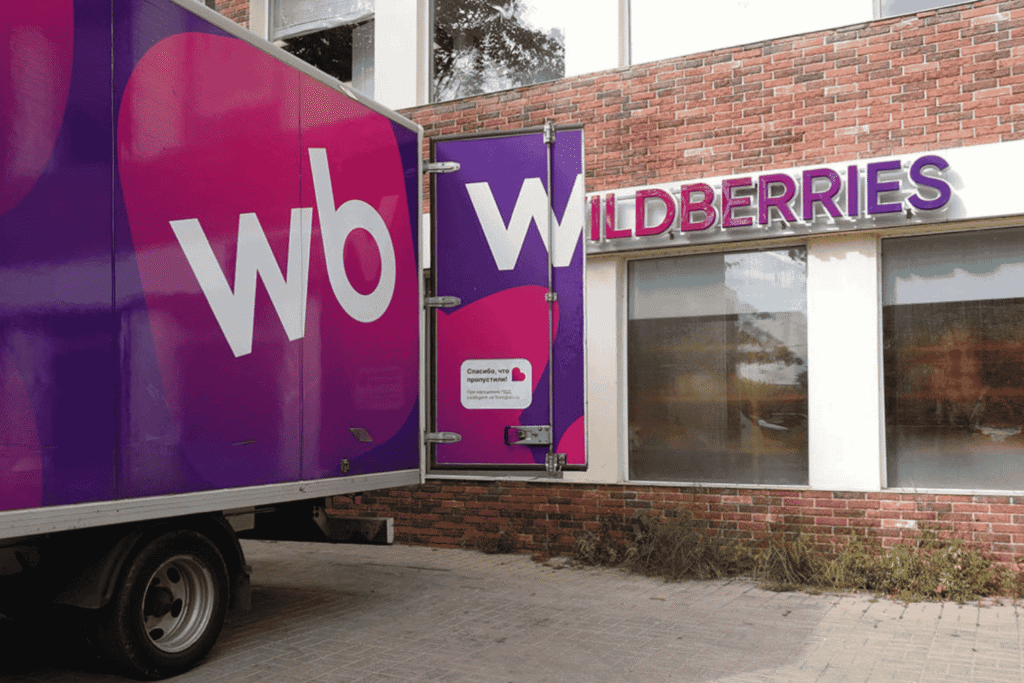
Wildberries Steps into the Future with Virtual Fitting Rooms

Wildberries: From Russian Roots to Global Ambition

Wildberries is a major e-commerce marketplace founded in Russia in 2004 by Tatyana Kim. Over the years, it has scaled rapidly to become one of the largest online retailers in Eurasia, expanding beyond Russia into neighbouring countries and increasingly into cross-border operations.

A unique model has powered the company’s growth: an expansive network of pick-up points, now numbering over 70,000 worldwide, where customers can collect and return orders. This system has helped Wildberries build trust in regions where home delivery is less reliable and has lowered return-handling costs. In Russia, Wildberries commands almost half of the online marketplace share, while internationally it has made inroads in Central Asia, Eastern Europe, and, more recently, Türkiye and the UAE.

Yet with scale comes new challenges. Competing against global heavyweights such as Amazon and regional champions like Trendyol and Noon, Wildberries has realized that infrastructure alone is not enough. The next phase of its growth depends on innovation that improves the customer experience.

Key metrics as of 2025 include:

  • Serving 79 million customers across its markets.

  • Processing more than 20 million orders per day.

  • Operating a logistics network with over 130 facilities and tens of thousands of “pick-up” or “pickup” points (58,000+ to over 70,000 depending on metric/source) across multiple countries.

  • There has been significant growth in its “pick-up point” network: one report notes a 75% increase in pickup points in its markets since the beginning of 2024.

Also, Wildberries holds a very large share of the marketplace sector in the Russian domestic market. For instance, in 2024, its market share among Russian marketplaces was approximately 47%.

The Virtual Fitting Room: A Digital Experiment

In September 2025, Wildberries unveiled a virtual fitting room to let shoppers “try on” clothes digitally. Customers can input measurements, select avatars, and see how garments drape and fit in real time. The goal is simple but transformative: Reduce the high rate of returns in online fashion shopping while giving buyers the confidence of a near-in-store experience.

For Wildberries, this is more than a tech gimmick. Returns are one of the costliest aspects of e-commerce, particularly in clothing. By cutting even a fraction of unnecessary shipments, the company could save millions, ease logistical strain, and boost seller satisfaction. Sellers, many SMEs, also benefit from fewer disputes and higher conversion rates.

Wildberries in Türkiye

Wildberries entered the Turkish market in late 2021, offering 5.6 million items from 163,000 brands. Its arrival was bold, but it faced stiff competition from Trendyol, Hepsiburada, and Amazon Türkiye, all of which have strong local logistics and customer loyalty.

The virtual fitting room could become a differentiator here. Turkish consumers are often cautious with cross-border platforms due to shipping delays and complicated return policies. A reliable fitting tool may lower these barriers, making Wildberries more attractive for fashion purchases. However, success will hinge on localization, Turkish sizing, modest fashion considerations, and local payment and return systems integration.

Wildberries in the United Arab Emirates – UAE

Wildberries has taken a different route in the UAE, positioning itself as a bridge for local sellers to access Eurasian markets. Deliveries from the Emirates are promised within six days, aided by automated customs clearance.

The virtual fitting room complements this strategy well. UAE-based fashion brands and SMEs can present their products to millions of Wildberries customers across Russia and Central Asia with greater confidence that buyers will get the right fit. In a market where consumers value premium service and technological sophistication, the new feature enhances Wildberries’ credibility as more than just a bargain platform.

The launch of the virtual fitting room illustrates a turning point for Wildberries. Once focused almost exclusively on scaling new markets, warehouses, and pick-up points, it is now signalling a commitment to experience and innovation. This evolution is crucial if Wildberries wants to remain competitive in diverse and demanding markets outside Russia.

Wildberries’ virtual fitting room is both an experiment and a gamble. If successful, it could redefine how the company is perceived in Türkiye, the UAE, and beyond, less as a Russian export platform and more as a global e-commerce innovator. If it fails, however, it risks exposing the weaknesses of logistics delays, lack of localisation, and limited customer support that competitors could exploit.

Despite its promise, the virtual fitting room faces significant hurdles. If the technology produces inaccurate results, it may erode rather than build trust. For sellers, adapting product listings to the new system could mean extra costs, from higher-quality photos to more precise measurement data. Moreover, neither Türkiye nor the UAE is short of competitors. Platforms like Trendyol and Noon already offer fast local deliveries and easy returns. Wildberries must prove that its tech-driven approach can match or exceed these advantages.

Either way, the fitting room is a telling metaphor: Wildberries is trying a new identity for size. The question now is whether it fits.

Ukrainian AI Startup Transforms E-Commerce Experience

A Ukrainian tech startup based in Texas called FOX Nails USA is developing an artificial intelligence system that predicts customer needs with high accuracy and aims to redefine e‑commerce by replacing traditional shopping with a hyper‑personalized experience. The startup claims its model performs better than conventional marketplaces including Amazon in relevant conversion metrics. Dev.ua reports on how this “telepathy effect” is already changing how customers are understood and served. dev.ua

Origin and Vision

FOX Nails USA was founded by 30‑year‑old Ukrainian entrepreneur Ilya Kostenko together with his wife Valeria Barbenitskaya. The inception of the idea came after observing inefficiencies in modern e‑commerce and the “digital supermarket” model where consumers have to search for what they want. The founders believe this model causes friction especially for B2B clients such as professional nail technicians. dev.ua

The goal for the startup is not to merely compete with Amazon as a large marketplace. Instead the aim is to become an external operational brain for their clients’ businesses. The system aims to anticipate needs, reduce decision fatigue, and deliver just what the customer needs, often before the customer asks. dev.ua

How the System Works

The AI system, called Symbiotic Assistant, is a core part of FOX Nails USA. It is trained on proprietary transactional and behavioral data. It does not rely on large general language models for customer communication. Instead it uses custom predictive models built with machine learning algorithms like gradient boosting and specialized neural networks. These models forecast next purchase dates, classify customer profiles, and map upcoming needs. dev.ua

The technological stack includes Python for backend machine learning work, PostgreSQL for database needs, React.js for the merchant dashboard, and Amazon Web Services for infrastructure. dev.ua

The system monitors not only purchase history and product views. It tracks finer behavioral signals such as time spent on page, cursor movements, typing speed and implicit interest. It also predicts individual product trends by comparing customer data with global trends in the nail industry and public sources of inspiration like social media boards. The storefront offered by FOX Nails USA can become dynamic, altering both layout and product offers depending on what the customer is likely to need. dev.ua

Business Model and Performance

FOX Nails USA operates with a dual monetization strategy. First, it maintains a classic‑margin business by selling goods directly. This functions as a proof of concept and a testing ground for the technology. The second part is the SaaS service for other businesses, where Symbiotic Assistant will be made available to Shopify stores on a subscription basis plus a small percentage of sales generated through the system. dev.ua

Financially FOX Nails USA reports stable growth. It reached over three million US dollars in annual turnover. In its first year revenue was about 500,000 USD, in the second year about 1.5 million, and now it exceeds 3 million USD. The store also claims an unusually high acceptance rate of generated draft orders. More than seventy percent of proposals created by the system are accepted without modifications from customers. This is significantly higher than traditional conversion rates in e‑commerce. dev.ua

Ethical and Operational Priorities

The founders emphasize that they do not work with companies or individuals from the Russian Federation. The engineering team remains largely based in Ukraine where much of the model building and data work is done. dev.ua

FOX Nails USA is self‑funded at this stage. The founders prefer to keep full control over their product vision. They are open to strategic investments and partnerships but do not seem to be in a hurry to raise traditional venture capital. dev.ua

Future Plans

The startup has several roadmap items it plans to pursue:

  • Launching a closed beta program for Shopify stores in other B2B niches like barbershops, tattoo studios, crafts, and bakeries to integrate Symbiotic Assistant. dev.ua

  • Expanding integrations to support additional calendar services and workflow tools relevant to professionals. dev.ua

  • Enhancing AI capabilities to analyze not only text data but also visual content such as images from social inspiration platforms. This should help anticipate new trends. dev.ua

  • Public launch of the SaaS platform through the Shopify App Store to scale to many businesses globally. dev.ua

Implications for E‑Commerce

The story of FOX Nails USA reflects a shift in e‑commerce from mass marketing toward hyper‑personalization and prediction. Traditional e‑commerce relies heavily on search queries from customers. FOX Nails USA seeks to eliminate or reduce the need for search by anticipating customer needs and delivering proposals before the customer explicitly searches. This may reduce friction, increase loyalty, and keep customers more engaged. dev.ua

The term “telepathy effect” is used metaphorically to describe the ability of the system to forecast needs by reading implicit behavioral signals. It represents a new paradigm in customer experience design. dev.ua

Conclusion

FOX Nails USA is a startup that blends technology, operations, and behavioral science to transform how B2B e‑commerce works for professionals. By focusing on predictive models, personalized storefront experiences, and integrating deeply into clients’ workflows the startup aims to offer a service where customers feel understood and proactively served.

The success and growth so far suggest that the telepathy effect is more than marketing rhetoric. It is becoming a tested reality. For many Shopify‑based businesses and professional vendors this might point toward a future where artificial intelligence not only supports sales but drives them in ways that were previously unimaginable.

As the company prepares to open its SaaS offering to more business categories and global audiences, its performance in real‑world use cases will be important. Conversion and retention metrics, customer satisfaction, and the ability to anticipate meaningful trends will likely define how widely this model can be adopted.