
Amazon Broadens Fulfillment to Rival Platforms
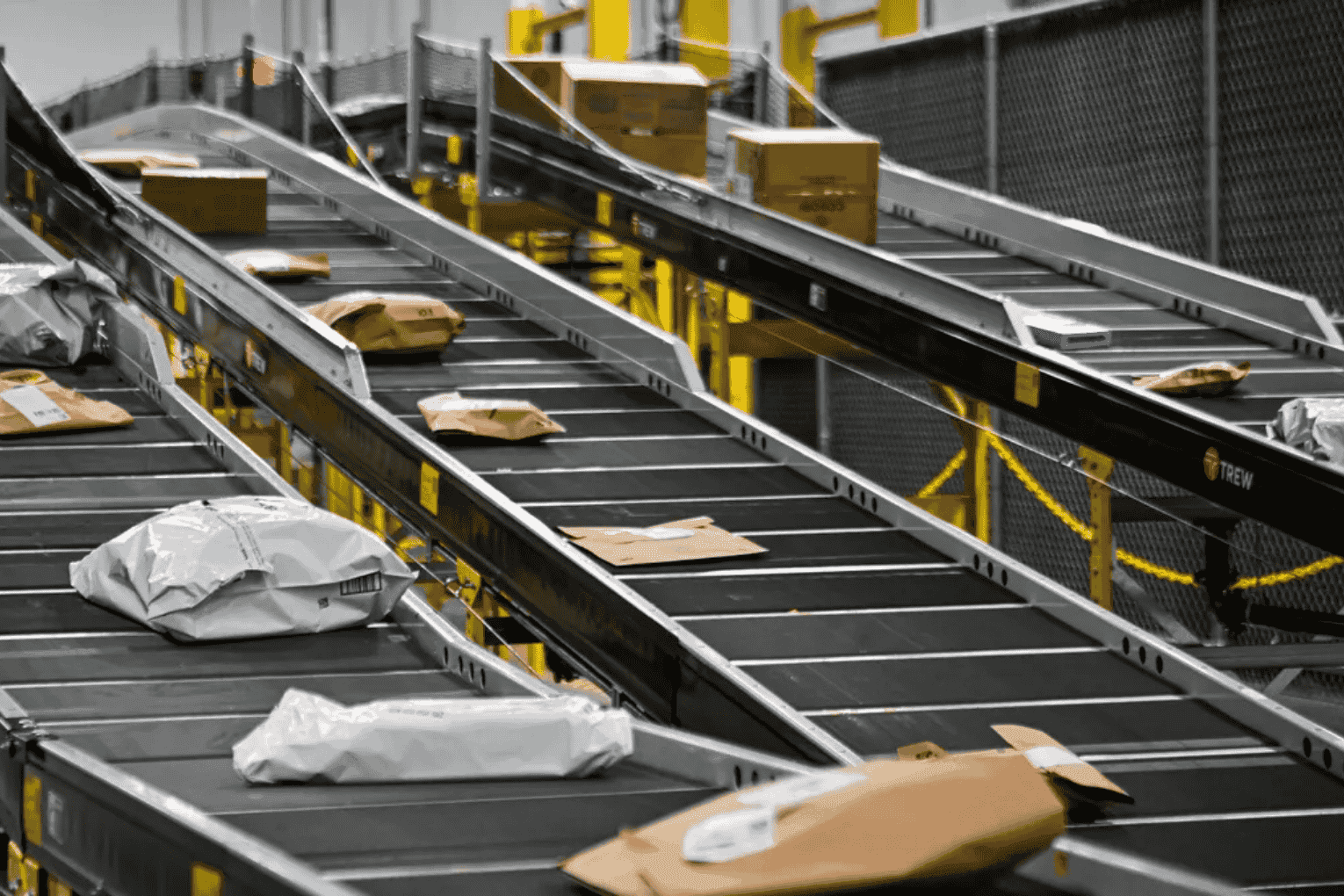
Amazon has announced that its Multi‑Channel Fulfillment service now supports merchants who sell on Walmart Marketplace and Shopify. Support for Shein will be added later this year. The update allows third‑party sellers to use Amazon’s fulfillment network to pick pack and ship products sold via these other platforms. This change is part of a larger set of improvements to Amazon’s logistics services for sellers. Supply Chain Dive
This shift means that sellers who previously managed separate inventory for each platform may now hold a single inventory pool via Amazon. That inventory can serve orders from Amazon.com Etsy Temu TikTok Shop and now Walmart Shopify and soon Shein. According to Amazon the combined use of Multi‑Channel Fulfillment and Fulfillment by Amazon reduces out of stock rates by nineteen percent and increases inventory turnover by about twelve percent. Supply Chain Dive+1
Why This Matters for Sellers
Managing inventory across multiple platforms generally requires maintaining stock in different warehouses or having to reallocate inventory manually which adds complexity cost and time. With the new expansion sellers can consolidate inventory in Amazon’s warehouses. This should reduce the number of products sitting unsold in warehouses reduce the risk of running out of stock and improve cash flow. Real time tracking of inventory becomes easier because all channels draw from the same pool. For many sellers this means they can scale more efficiently without needing to build out logistics systems themselves. (Source: RTTNews) Nasdaq
Delivery times may improve because Amazon can route orders from whichever warehouse is closest to the customer regardless of which platform the order originated on. Sellers may benefit from faster delivery to end users consistent fulfillment quality and lower per‑order shipping costs. Utilizing Amazon’s existing transportation sorting and delivery infrastructure allows merchants to tap into economies of scale. Investing.com+2Ajot+2
What Sellers Need to Know
Sellers who want to use Amazon Multi‑Channel Fulfillment for Walmart orders can already do so. Sellers using Shopify also have increased access under this program. Shein support is expected before the end of the year. Supply Chain Dive+1
Inventory will be shared between Fulfillment by Amazon and the newly supported platforms so sellers do not need to duplicate stock to serve each channel separately. That shared inventory model helps reduce inventory holding costs and waste. Sellers will still be able to track stock levels adjust allocations and handle returns though Amazon’s systems. Amazon also uses improved tools for customs clearance in international shipments for sellers who send goods across borders. The company is investing in generative artificial intelligence to pre‑fill many customs forms to avoid delays and flag possible errors before they become problems. Early tests show the time required for paperwork in some cross‑border situations has been cut by more than fifty percent. Supply Chain Dive
Global Warehousing and Distribution Expansion
In addition to channel expansion the report from Supply Chain Dive describes a new service called Global Warehousing and Distribution. Sellers will be able to store products in bulk near manufacturing sites to reduce cost of transporting goods from origin to major markets. China and Vietnam are among early regions considered for these warehousing hubs. Over time Amazon expects to expand these near factory warehouses to regions such as India Indonesia and Europe. Logistics lead time particularly for inbound shipments into Amazon fulfillment network has already improved in pilot phases by approximately seven days. Supply Chain Dive
These hubs will allow sellers to store goods closer to production sites or suppliers then move goods to final destination countries as demand requires. This setup helps reduce transportation cost inventory aging and cash tied up in transit. It also gives greater flexibility to respond when demand surges or when supply chains face disruption. Supply Chain Dive+1
Amazon Global Logistics and Direct Shipping Lanes
Amazon continues to add more direct shipping lanes connecting manufacturing hubs to destination countries. Presently the company offers ocean and air freight from China and Hong Kong to the United States United Kingdom France Germany Italy and Spain. By the end of 2026 Amazon aims for ninety six percent of inbound volume that sellers send to FBA (Fulfillment by Amazon) to be handled through these direct lanes. That level of coverage will reduce intermediate handoffs make schedules more predictable and speed positioning of inventory near customers to allow same‑day or next‑day delivery in more places. Supply Chain Dive
These improvements also strengthen Amazon’s ability to absorb disruptions in global shipping including delays at ports or shortages in shipping containers. Sellers may experience more reliable restocking and lower risk that goods will be delayed in transit. Having inventory already closer to consumer markets reduces the need to rush shipments at higher cost. Investing.com+1
Customs Clearance and Technology Use
A notable part of the update is Amazon’s use of generative artificial intelligence to simplify customs processes. For international sellers or those who ship across borders this is relevant. The system will automatically populate required fields such as product classification reuse data across documents and help flag mistakes early. As stated in Amazon’s announcement early usage of this tool has resulted in cuts of over fifty percent in the time needed for documentation for some sellers. Supply Chain Dive
This reduces delays at customs points reduces risk of fines or misclassification and helps sellers budget more reliably for total shipping cost. It also allows Amazon to deliver to consumers more quickly when cross‑border orders are processed more smoothly. Since delays in customs can add days or in some cases weeks to delivery times this improvement is especially beneficial. Supply Chain Dive
Effects on Small Medium and Large Sellers
Small and medium size sellers are likely to gain most from these changes because they may lack their own warehousing networks or logistics teams. These sellers can now rely on Amazon’s infrastructure to reach more customers across platforms without large upfront investments in storage or shipping. The risk of overstock or understock is lowered. Cash flow may improve since inventory turnover is higher and less capital is tied up in excess stock. Supply Chain Dive+1
Larger sellers and established brands also benefit. They may already have multiple warehouses but even so centralized fulfillment across more channels can reduce complexity lower redundant inventory or reduce shipping costs. For brands with global reach these logistics improvements help maintain consistent delivery speeds across regions. Demand forecasting becomes easier when inventory is concentrated and data flows from multiple channels into unified systems. Investing.com+1
Potential Challenges
Although many aspects are positive there are some challenges sellers will need to consider. Legal regulatory differences between countries customs rules import duties or tax policies may still cause delays or cost overruns even with improved tools. Even though Amazon uses AI to prefill forms it is possible that errors or misclassifications occur. Sellers will need to monitor carefully and ensure that their product data is accurate and complete.
Another challenge is that shipping costs still depend on fuel labor and transportation infrastructure. Unexpected events such as weather port shutdowns or logistical labor shortages can still drive costs up or delay deliveries. Sellers whose products are heavy large or bulky may face higher fees or limitations in delivery speed even when using Amazon MCF.
There is also competitive risk. Other fulfillment providers third party logistics companies or local providers may offer more customized or lower cost solutions especially for local markets. Sellers may choose to use alternative logistics partners if Amazon’s fees or service levels do not align with their cost structure or desired customer promise.
What the Market Thinks and Regulatory Concern
Some analysts and market watchers note that having Amazon serve Walmart marketplace orders may invite antitrust or competition scrutiny. Since Amazon and Walmart are two of the largest online retail competitors in the US using one company’s infrastructure to support sales of both may be unusual. Regulatory bodies may examine whether such cooperation affects competition or whether preferential terms may arise. Axios
Potential privacy or data sharing concerns may also arise since inventory and order data may flow across platforms. Sellers will need to check policies to ensure that integration does not violate terms of service or data protection laws in various jurisdictions.
Conclusion
Amazon is reshaping how sellers fulfill orders across different platforms. The expansion of Multi‑Channel Fulfillment to include Walmart Shopify and soon Shein plus investments in global warehousing direct freight lanes and improved customs clearance tools mark a major advance in e‑commerce logistics.
For sellers who want to grow reach improve delivery times reduce costs or simplify operations this offers a strong proposition. For customers this may mean more reliable deliveries more consistent service and a wider choice of sellers. As the system rolls out it will be important for sellers of all sizes to assess cost versus benefit ensure their data is accurate and stay alert to regulatory or logistical risks.
This update indicates that the future of e‑commerce fulfillment is moving toward centralized unified logistics systems that serve many sales channels rather than siloed fulfillment operations for each channel. It is a change that may redefine expectations for speed reliability and scale in the coming years.
Read more on
About the author
WORLDEF Editors
921 stories on WORLDEF since January 2025.
More from WORLDEF Editors →Related
Google Launches “Universal Cart” Feature That Combines Shopping from Different Stores into a Single Cart
Dubai’s Population and Consumer Spending Exceed Pre-Crisis Levels
Dubai CommerCity and Tencent Cloud Partner to Drive Digital Transformation in E-Commerce

Syria Resumes Postal Services: Cooperation with Türkiye on E-Commerce on the Agenda
The week in commerce, before your competitors.
1,458 stories since January 2025, distilled into three newsletters. Pick the ones you want.