WORLDEF ISTANBUL 2026 - Upcoming Event

Register Now

Non-Oil Foreign Trade Between Türkiye and the UAE Exceeded $45.2 Billion in 2025

Türkiye and the UAE

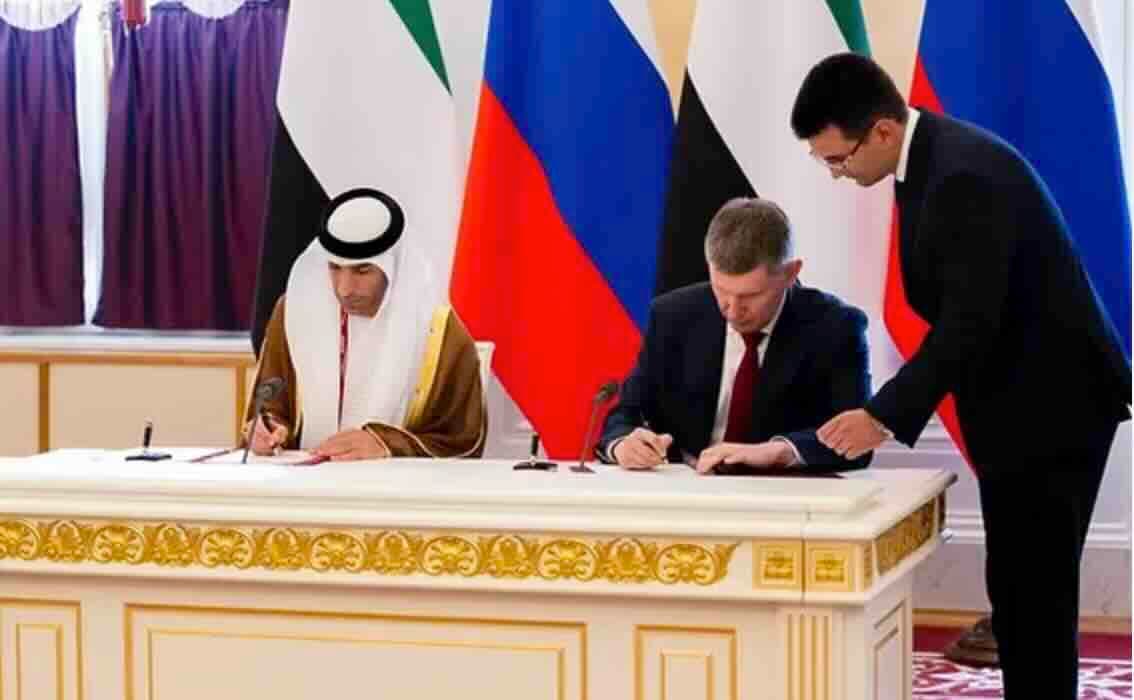
Türkiye and the UAE continue to develop their trade and investment relations under the Comprehensive Economic Partnership Agreement (CEPA), which came into force in September 2023.

United Arab Emirates (UAE) Minister of State for Foreign Trade Dr. Thani Al Zeyoudi held some official contacts in Türkiye. The UAE delegation included representatives from sectors such as logistics, renewable energy, technology, artificial intelligence, food security, aviation, financial services and healthcare. Zeyoudi made some statements during his contacts.

Trade Between Türkiye and the UAE Tripled

Al Zeyoudi stated that Türkiye and the UAE have built a “strong and growing relationship” based on shared objectives and mutual respect, saying, “The results of the Comprehensive Economic Partnership Agreement between the two friendly countries clearly reflect this; non-oil trade between the two countries nearly tripled compared to 2022, before the agreement was signed and entered into force in 2023.”

Al Zeyoudi added that both countries are working to create broader opportunities for partnerships between their business communities, with the aim of supporting sustainable growth and long-term economic cooperation.

Al Zeyoudi described the Türkiye-UAE Business Council as “evidence of the growing strategic trade and investment partnership between the two countries.” He also added: “The UAE is committed to ensuring that the next chapter of our strategic partnership with Türkiye is more ambitious and innovative.”

Non-Oil Foreign Trade Grew by 15.5%

According to the announced data, non-oil foreign trade between Türkiye and the UAE exceeded $45.2 billion in 2025, recording annual growth of 15.5% compared with 2024. The Türkiye-UAE CEPA was among the first agreements signed under the UAE’s broader strategy to expand foreign trade, strengthen supply chains and create new opportunities for the private sector.

Khwarizmi Ventures Achieves Powerful $70M First Close for GCC Tech Startups

Khwarizmi Ventures Achieves Powerful $70M First Close for GCC Tech Startups

Saudi Arabia-based venture capital firm Khwarizmi Ventures has announced the first close of its second investment fund, securing more than $70 million in commitments to support early-stage technology startups across the GCC. The move reflects growing investor confidence in the Gulf’s expanding startup ecosystem, particularly in Saudi Arabia, which continues to strengthen its position as a regional venture capital hub.

Strong First Close Signals Investor Confidence

Khwarizmi Ventures confirmed that the first close of Fund II exceeded SAR 270 million ($70 million+), backed by institutional investors and major Saudi family offices. The fund will focus primarily on Seed and Series A startups developing scalable technology-driven businesses across GCC markets.

The VC firm stated that Fund II is designed to support ambitious founders building companies with regional and global expansion potential. The investment strategy will continue targeting sectors experiencing rapid digital transformation, including fintech, e-commerce, logistics, artificial intelligence, SaaS, and enterprise technology.

The announcement also highlights the increasing maturity of the GCC startup landscape, where venture funding activity has accelerated over the past few years due to economic diversification efforts and rising private-sector participation.

Saudi Arabia Continues Expanding Its Startup Ecosystem

Saudi Arabia has become one of the Middle East’s fastest-growing startup ecosystems, supported by initiatives aligned with Vision 2030. Government-backed programs, sovereign investment activity, and growing interest from institutional investors have significantly boosted the Kingdom’s technology sector.

Venture capital activity in Saudi Arabia has steadily increased as more startups secure regional and international funding rounds. The country’s push toward digital transformation, fintech innovation, and entrepreneurship development has created favorable conditions for investors seeking long-term growth opportunities in the region.

Khwarizmi Ventures’ latest fund launch comes amid rising demand for early-stage capital across the Gulf, where startups are increasingly targeting cross-border expansion from day one.

Building on the Success of Fund I

Founded in 2018, Khwarizmi Ventures has established itself as one of Saudi Arabia’s active early-stage investment firms. Its first fund, launched in 2021 with approximately $70 million in capital, invested in more than 30 startups across the MENA region.

The firm’s portfolio includes several fast-growing regional technology companies such as Calo, Eyewa, Tamara, and HALA. Khwarizmi Ventures has also recorded multiple successful exits from Fund I, strengthening its reputation within the regional investment ecosystem.

The company said the second fund aims to build on these results by identifying high-potential startups earlier and supporting them throughout their growth journey.

Focus on Long-Term Founder Support

Khwarizmi Ventures plans to write initial investment checks ranging between $1 million and $5 million while reserving additional capital for follow-on rounds in top-performing portfolio companies.

This strategy reflects a broader shift among GCC venture capital firms toward long-term founder support and sustainable scaling rather than short-term capital deployment. Investors across the region are increasingly prioritizing startups with strong fundamentals, scalable business models, and regional expansion capabilities.

Managing Partner Abdulaziz Al-Turki previously described the regional startup environment as a “golden opportunity” for early-stage investment, citing the growing number of technology unicorns and the increasing sophistication of founders emerging from the MENA ecosystem.

GCC Startup Market Attracts Global Attention

The Gulf startup ecosystem has continued attracting both regional and international investors as governments accelerate investments in digital infrastructure, AI, financial technology, and entrepreneurship programs.

Saudi Arabia, the UAE, and other GCC markets are witnessing stronger collaboration between private investors, sovereign wealth funds, accelerators, and venture capital firms. This momentum has helped position the region as one of the fastest-growing innovation markets globally.

Industry analysts expect Khwarizmi Ventures’ Fund II to play an important role in financing the next generation of GCC startups, particularly companies using Saudi Arabia as a launchpad for regional and international growth.

Source

Dubai’s Integrated Digital Ecosystem Drives Positive High-Value Growth Opportunities

Dubai’s Integrated Digital Ecosystem Drives Positive High-Value Growth Opportunities

Dubai’s integrated digital ecosystem is emerging as a powerful engine for high-value opportunities and sustainable economic growth, reinforcing the emirate’s position as a global technology hub.

Technology leaders operating in Dubai highlight that the city’s advanced digital infrastructure and coordinated strategy are key factors enabling businesses to scale efficiently despite global economic uncertainty. The ecosystem combines world-class connectivity, regulatory clarity, and strong institutional support, creating a stable and innovation-driven environment.

A defining strength of Dubai’s model lies in the alignment between public and private sectors, which allows companies to rapidly innovate, adapt, and expand. This collaboration ensures that emerging technologies are not only developed but also effectively implemented across industries.

A Strategic Digital Environment Powering Innovation

Dubai’s ambition to become a leading global digital hub is supported by a structured, long-term vision. Initiatives led by organizations such as the Dubai Chamber of Digital Economy are accelerating investment flows, strengthening innovation capacity, and attracting global tech players.

Executives emphasize that the emirate offers a unique combination of access to global talent, pro-innovation policies, and a collaborative ecosystem. This environment enables startups and established firms alike to test new solutions and scale them rapidly.

The ecosystem is also deeply connected to broader national strategies focused on digital transformation and economic diversification. As a result, Dubai is not only adapting to global shifts but actively shaping the future of digital economies.

Talent, Infrastructure, and Vision at the Core

Access to top-tier international talent continues to be a critical advantage. Dubai attracts professionals from both Eastern and Western markets, creating a diverse and highly skilled workforce that fuels innovation.

At the same time, the emirate’s innovation-first mindset, shared across government entities and private enterprises, supports rapid experimentation and adoption of emerging technologies. This culture of openness plays a crucial role in maintaining Dubai’s competitive edge.

Business leaders also underline the importance of consistency in leadership vision, which provides stability during periods of global uncertainty and builds long-term confidence among investors and entrepreneurs.

Strengthening Global Position Through Digital Integration

Dubai’s integrated digital ecosystem is not a standalone initiative but part of a broader transformation toward a data-driven, AI-enabled economy. Recent directives to unify digital services across government platforms further reinforce this vision, aiming to streamline operations and enhance user experience.

By combining infrastructure, policy, and innovation, Dubai continues to position itself as a global launchpad for advanced technology and digital businesses. The result is a resilient ecosystem capable of attracting high-value investments while supporting sustainable, long-term growth.

Source

3 Powerful Gains as UAE Launches Digital Bank Accounts for Tourists via “Tourist Identity”

3 Powerful Gains as UAE Launches Digital Bank Accounts for Tourists via “Tourist Identity”

The Central Bank of the UAE (Central Bank of the UAE), in collaboration with the Federal Authority for Identity, Citizenship, Customs and Port Security and Abu Dhabi Commercial Bank, has introduced a groundbreaking digital banking service that enables tourists to open bank accounts instantly using a newly developed “Tourist Identity” system.

Announced on April 30, 2026, the initiative represents a major advancement in the UAE’s digital economy strategy, combining fintech innovation with government-led identity infrastructure to enhance the overall visitor experience.

Instant Account Opening Without Friction

At the core of the initiative is the ability for international visitors to open a fully functional digital bank account within minutes. The process is powered by a secure digital identity created through biometric verification and facial recognition technologies.

By integrating the national identity platform with ADCB’s digital banking infrastructure, the service removes traditional onboarding barriers such as physical documentation and in-branch verification. Tourists can complete the entire process remotely and gain immediate access to essential banking services.

Expanding Access to Digital Financial Services

The rollout introduces a new level of accessibility for non-resident users, allowing them to participate directly in the UAE’s financial ecosystem. Once onboarded, users can:

  • Access digital banking services instantly
  • Receive and activate virtual debit cards
  • Conduct secure cashless transactions across the country

This approach not only improves convenience but also aligns with global trends toward frictionless financial services and mobile-first banking experiences.

Accelerating the UAE’s Cashless Economy Vision

The initiative is closely aligned with the UAE’s ambition to build a fully cashless and digitally integrated economy. By extending financial access to tourists, the system supports increased adoption of digital payments across retail, hospitality, and service sectors.

At the same time, the framework strengthens regulatory compliance and consumer protection by ensuring that all accounts are created through verified and secure identity channels.

Reinforcing Global Leadership in Fintech Innovation

With this launch, the UAE further solidifies its position as a leading hub for digital finance and innovation. The collaboration between regulatory authorities and financial institutions demonstrates a scalable model for integrating public infrastructure with private-sector banking services.

The “Tourist Identity” initiative also reflects a broader strategic direction, bridging tourism, fintech, and smart government services to deliver a seamless, tech-driven experience for international visitors.

A Strategic Step Toward Seamless Travel Experiences

As global competition intensifies in both tourism and financial services, the UAE continues to differentiate itself through innovation-led policies. Enabling instant bank account access for tourists is not just a convenience feature, it is a strategic move that enhances the country’s attractiveness as a destination for both leisure and business travelers.

By combining secure digital identity with real-time banking capabilities, the UAE is setting a new benchmark for how financial services can be embedded into the travel experience.

Source

Türkiye Unveils Landmark Investment Reform Package to Reinforce Global Competitiveness

Türkiye Unveils Landmark Investment Reform Package to Reinforce Global Competitiveness

Türkiye has announced a comprehensive investment reform package aimed at strengthening its position in the global economy, signaling a decisive shift toward long-term structural transformation and investor-centric policy making.

The initiative, introduced by Finance Minister Mehmet Simsek, reflects a coordinated effort to enhance macroeconomic stability, improve the investment climate, and attract sustained foreign direct investment (FDI).

Structural Reforms Anchored in Predictability and Confidence

At the center of the reform agenda is a commitment to predictability, transparency, and institutional reliability, key pillars for international investors assessing emerging markets. The package introduces measures to streamline administrative procedures, reinforce legal frameworks, and reduce operational friction for both domestic and foreign investors.

Rather than a short-term stimulus, the reforms are positioned as part of a broader economic rebalancing strategy designed to support sustainable growth and integration into global value chains.

Targeted Incentives to Drive High-Value Investment

A defining feature of the package is its targeted approach to sectoral development. The government is prioritizing high-value industries, including advanced manufacturing, digital technologies, and export-oriented services, through a series of competitive tax incentives and regulatory advantages.

These measures are expected to significantly enhance Türkiye’s attractiveness for multinational corporations seeking regional production and service hubs, particularly amid ongoing global supply chain realignments.

Strategic Positioning of Istanbul as a Financial Center

The reform framework places strong emphasis on advancing Istanbul Financial Center as a regional and international financial hub. By aligning regulatory standards with global benchmarks and offering tailored incentives, Türkiye aims to attract leading financial institutions and deepen capital market activity.

This positioning leverages Istanbul’s geographic advantage as a bridge between Europe, Asia, and the Middle East, an increasingly valuable proposition in a fragmented global economic environment.

A Long-Term Vision for Economic Transformation

Beyond immediate investment flows, the reform package underscores Türkiye’s ambition to transition toward a more resilient, technology-driven, and export-led economic model. The focus on fiscal discipline, productivity, and institutional strengthening reflects a strategic recalibration following recent macroeconomic challenges.

Implications for Global Investors

For international stakeholders, the scale and scope of the reform signal a renewed commitment to economic orthodoxy and openness. If effectively implemented, the package could reposition Türkiye as a key destination for capital allocation across multiple sectors.

At a time when investors are actively reassessing global exposure, Türkiye’s reform agenda presents a timely and potentially transformative opportunity.

Source

Access the latest global business intelligence on WORLDEF News

Telr Enables Jaywan to Expand Payment Platform Capabilities for UAE Business

Telr Enables Jaywan to Expand Payment Platform Capabilities for UAE Business

UAE-based payment gateway Telr has expanded its platform capabilities by enabling the country’s domestic card scheme, Jaywan, across its merchant network. The move reflects a broader push to strengthen local payment infrastructure while enhancing transaction efficiency for businesses operating in the UAE’s digital economy.

Jaywan, introduced by Al Etihad Payments under the Central Bank of the UAE, is designed as a nationally operated card payment system aimed at supporting financial inclusion and reducing reliance on international payment networks.

By integrating Jaywan into its platform, Telr enables merchants to accept domestic card payments seamlessly, providing a more localized and potentially cost-efficient transaction flow.

Strengthening Local Payment Infrastructure

The integration marks a notable step in the UAE’s ongoing effort to build a more self-sufficient financial ecosystem. Domestic payment schemes like Jaywan are intended to keep transaction processing within the country, improving speed, security, and data control while lowering associated costs.

For merchants, the addition of Jaywan expands payment acceptance options without requiring additional technical integration. Telr’s platform already supports a wide range of global payment methods, and the inclusion of a local scheme enhances flexibility for businesses targeting both domestic and international customers.

From a strategic standpoint, this development aligns with the UAE’s long-term digital transformation goals, where payments infrastructure plays a central role in enabling e-commerce growth.

Enhancing Merchant Efficiency and Customer Experience

The ability to process Jaywan transactions through a single platform simplifies operations for merchants. Instead of managing multiple payment systems, businesses can centralize their payment workflows within Telr’s infrastructure.

This consolidation offers several advantages, including:

  • Faster transaction processing
  • Reduced complexity in payment management
  • Improved checkout experience for customers

As consumer expectations around speed and convenience continue to rise, seamless payment experiences have become a critical factor in online conversion and retention.

A Shift Toward Localized Payment Strategies

The introduction of Jaywan into commercial platforms signals a broader shift toward localized payment strategies in the region. While global networks such as Visa and Mastercard remain dominant, domestic schemes are increasingly being positioned as complementary solutions that address specific market needs.

Jaywan’s development is part of a wider effort to create a resilient and competitive payments ecosystem, capable of supporting both local businesses and international trade. The scheme is expected to expand further as banks and financial institutions continue rolling out Jaywan-enabled cards across the UAE.

For payment providers like Telr, early adoption of such systems allows them to remain aligned with regulatory direction while offering merchants a more comprehensive payment stack.

Outlook

As digital commerce continues to scale across the UAE, the role of integrated payment platforms is becoming increasingly central. The combination of global payment access with locally developed solutions like Jaywan reflects an evolving model where flexibility, efficiency, and localization are key priorities.

Telr’s latest move highlights how payment platforms are adapting to these shifts, positioning themselves not only as transaction processors but as essential infrastructure supporting the next phase of business growth in the region.

Source

Mandatory E-Invoicing Is Coming to the UAE; How Will the Implementation Work?

e-invoicing

The UAE is preparing to roll out mandatory e-invoicing in phases. Voluntary adoption will begin in July 2026. Later, e-invoicing will become mandatory as of January 2027 for businesses with annual revenues exceeding AED 50 million. In the following stages, smaller companies will also be included within the scope of mandatory e-invoicing.

The UAE Ministry of Finance has introduced the e-Invoicing 4-Corner Model, which enables businesses to exchange e-invoices seamlessly through accredited channels. This model is seen as a major milestone in the Emirate’s digital transformation journey. Under the new model, e-invoicing is set to remove uncertainty from transactions, and for anyone buying, selling, or valuing a business, this changes where risk is hidden and how quickly it appears.

How Will the New E-Invoicing System Work in the UAE?

This process begins with the selection of an Accredited Service Provider (ASP) and then turns into a much broader implementation journey. Accordingly, all B2B and B2G invoices will be required to pass through ASPs and be reported to the Federal Tax Authority in near real time. This will transform the system from document-based reporting into structured, machine-readable data flows. Approximately 26 ASPs have already been approved. Provided that businesses have selected an ASP, the exchange of e-invoices through the EmaraTax platform has been allowed.

Tax Authorities Will Be Able to Verify Transactions Instantly

On the other hand, the transition to real-time reporting will enable tax authorities to verify transactions instantly. In addition, by reducing reliance on periodic manual audits, it will reduce VAT fraud and tax evasion. However, it will also have an impact on business costs, due diligence, and mergers and acquisitions.

According to the Ministry of Finance, businesses may see up to a 66 percent reduction in invoice processing costs thanks to reduced manual data entry and errors, as well as faster payment cycles. For dealmakers, automated invoices mean that risks which previously appeared late in the process—or never appeared at all—can now be identified much earlier.

According to Deloitte, 2026 will be a year in which voluntary adoption shifts to mandatory implementation across Europe, the Middle East, and Africa. Countries such as Poland, Belgium, France, the UAE, Germany, Ireland, and eventually the United Kingdom are making structured digital invoicing mandatory.

UAE Introduces 4-Corner eInvoicing Model in Major Digital Tax Breakthrough

UAE Introduces 4-Corner eInvoicing Model in Major Digital Tax Breakthrough

The United Arab Emirates has introduced a 4-corner eInvoicing model, marking a significant milestone in the country’s transition toward a fully digital and automated financial ecosystem.

Announced by the Ministry of Finance on April 21, 2026, the new framework enables businesses to exchange electronic invoices through accredited service providers, improving efficiency, transparency, and compliance across the tax system.

A Structured and Secure Invoice Exchange System

Under the 4-corner model, invoices are no longer exchanged directly between supplier and buyer. Instead, both parties connect through approved service providers, creating a standardized and secure channel for invoice transmission.

This system ensures that invoice data is validated and reported automatically to the Federal Tax Authority via the EmaraTax platform. Businesses can select their preferred accredited service provider and begin onboarding into the system, allowing for seamless digital integration.

The model is designed to replace traditional invoice formats such as PDFs and emails with structured digital data, enabling real-time processing and reducing manual errors.

Boosting Compliance and Transparency

The introduction of the 4-corner model is part of the UAE’s broader strategy to modernize tax administration and align with global best practices.

Officials emphasize that the system will significantly enhance tax compliance by ensuring accurate and timely reporting of transactions. It also increases transparency across business operations, making it easier to monitor financial activities and reduce fraud risks.

In addition, the framework improves interoperability between businesses, service providers, and government systems, supporting a more connected and efficient financial environment.

Preparing for Mandatory Rollout

The launch of the 4-corner model comes ahead of the UAE’s planned phased rollout of mandatory eInvoicing between 2026 and 2027.

A pilot phase is expected to begin in July 2026, with businesses required to adopt structured electronic invoicing formats and integrate with accredited providers. Companies are encouraged to begin preparations early, including upgrading internal systems and selecting service providers.

Over time, the system is expected to evolve into a broader framework aligned with international standards, potentially expanding into more advanced models that include real-time tax reporting.

A Key Milestone in Digital Economy Strategy

The launch of the eInvoicing 4-corner model reflects the UAE’s ongoing commitment to digital transformation and economic modernization. By embedding compliance into transaction processes, the country aims to create a more efficient, transparent, and future-ready business environment.

As eInvoicing becomes a central component of financial operations, the initiative is expected to play a critical role in strengthening the UAE’s position as a global hub for digital commerce and innovation.

Source

Tabby’s UAE Wallet Licence Unlocks 3 Major Fintech Growth Opportunities

Tabby’s UAE Wallet Licence Unlocks 3 Major Fintech Growth Opportunities

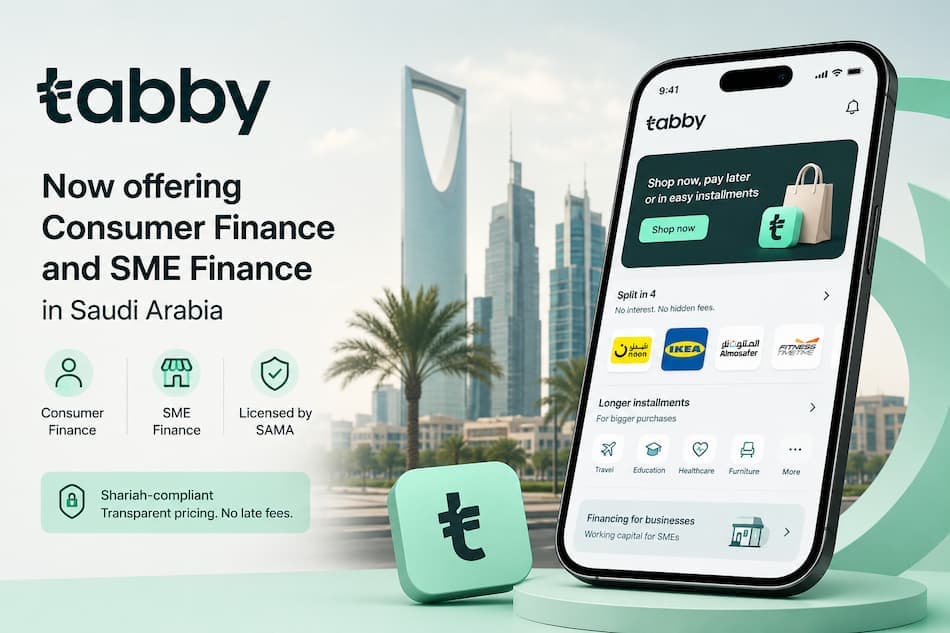
Middle East fintech leader Tabby has taken a major step toward becoming a full-scale financial platform after securing a Stored Value Facilities (SVF) licence from the Central Bank of the UAE.

The licence allows Tabby to hold customer funds and offer a broader range of financial services, marking a strategic shift beyond its core Buy Now, Pay Later (BNPL) model.

A shift from BNPL to full financial ecosystem

With this approval, Tabby will introduce new products including spending accounts, payment cards, and money management tools.

This move signals a clear transformation: from a payments solution into a comprehensive financial super app. Users who already rely on Tabby for flexible payments will soon be able to manage daily financial activities from spending to transfers within a single platform.

The company’s CEO, Hosam Arab, emphasized that the licence enables Tabby to “serve customers beyond credit” and redefine how users interact with money in everyday life.

Strengthening regulatory position in the GCC

The UAE licence significantly strengthens Tabby’s regulatory footprint across the Gulf region.

The company already holds a BNPL licence in Saudi Arabia and has expanded its capabilities through the acquisition of a licensed digital wallet there.

Now, with direct regulatory approvals in both key markets, Tabby is positioned to build and deploy financial services independently across the GCC, rather than relying on third-party infrastructure.

Why this matters for fintech and e-commerce

Tabby currently serves millions of users and partners with over 65,000 brands globally, including major retail and e-commerce players.

This development reflects a broader industry trend:
BNPL providers are evolving into full-service financial platforms to deepen user engagement and unlock new revenue streams.

For the UAE and wider MENA region, it also highlights the growing maturity of the fintech ecosystem, where regulators are enabling innovation while maintaining strong oversight.

Outlook

With its new licence, Tabby is expected to accelerate product innovation and intensify competition in the region’s digital finance space.

As consumer demand shifts toward integrated financial experiences, Tabby’s transition into a multi-product platform could reshape how users manage money, not just how they pay.

Source

Crisis Shakes Economic Indicators in the Middle East; A 2.2% Contraction Is Expected in 2026

Economi

Rising geopolitical tensions in the Middle East are putting significant pressure on regional economies, while growth expectations for 2026 have been revised sharply downward.

According to the latest Economic Update report published by ICAEW, the effects of the Iran-centered conflict are directly impacting the economic outlook of the Gulf Cooperation Council (GCC) countries.

The report states that the global economy is expected to grow by 2.6% this year. This figure points below the narrow 2.8% to 3.0% range seen over the past three years. However, the outlook for the Middle East is significantly weaker. The regional economy, which was projected to grow by 3.6% three months ago, is now expected to contract by 2.2% in 2026. This sharp revision is driven by the combined effects of volatility in energy markets, disruptions in trade flows, and a slowdown in the tourism sector.

GCC Economic Growth Forecast Revised Down to -0.2%

For GCC economies, a more limited but still notable contraction is expected. The region’s 2026 growth forecast has been lowered by 4.6 percentage points over the past three months to -0.2%. Analysts emphasize that this contraction will be more pronounced in economies that are more dependent on trade and tourism. However, a strong recovery is expected in 2027, with GCC economies projected to grow by 8.5% next year.

Brent Oil Prices May Reach $113

Energy markets are among the areas where the effects of the current crisis are most visible. As the conflict escalated, Brent oil prices have exceeded $100 per barrel since mid-March, with the second-quarter average expected to reach $113. While prices are projected to return to pre-crisis levels by 2028 in the long term, high volatility is expected to persist in the short term.

Natural Gas Prices Are 60% Higher

A sharper shock is being observed in natural gas markets. Due to disruptions in Qatar’s liquefied natural gas production, gas prices are reported to be approximately 60% higher compared to forecasts made three months ago. This situation continues to impact both regional and global economies through increased energy costs.

Disruptions in logistics lines are also among the key factors negatively affecting the economic outlook. Transit through the Strait of Hormuz, a critical route for global energy transportation, has been severely disrupted. Under normal conditions, 18 million barrels of oil pass through the strait daily, but approximately 7 million barrels of this volume are now being rerouted through alternative pipelines. However, countries such as Bahrain, Kuwait, and Qatar have limited alternative routes, leading to production cuts.

In line with these developments, the GCC oil sector is expected to contract by 5.8% in 2026. However, a strong recovery of 18.2% is projected for 2027.

Tourism Could Decline by 27%

The tourism and travel sector is also among the most affected areas of the crisis. Due to airspace closures and flight cancellations, the number of international visitors to the Middle East is expected to decline by between 11% and 27% this year. This decline corresponds to approximately 23 million to 38 million fewer visitors. The loss in tourism revenues is estimated to range between $34 billion and $56 billion.

On the consumer side, a slowdown in spending is anticipated due to declining confidence and rising inflation expectations. Household consumption growth in GCC countries is expected to fall to 1.4% in 2026, marking a 2.6 percentage point decline compared to forecasts three months ago. In contrast, consumption is expected to grow by 6% in 2027.

The inflation outlook in the region has also been revised upward. Inflation in GCC countries is expected to reach 2.5% in 2026, before easing to 2.4% in 2027. Rising costs are primarily driven by disruptions in logistics and imports.

Notable Declines in Dubai and Abu Dhabi Stock Markets

In financial markets, increasing geopolitical risks have created a more cautious investment environment. Significant declines have been observed in the Dubai and Abu Dhabi stock markets, while markets in countries such as Oman and Saudi Arabia have remained relatively more resilient.

The report also notes that Iran’s economy is expected to contract by 9.4% in 2026. At the same time, escalating conflicts in Lebanon and the displacement of 20% to 25% of the population are highlighted as major risks to regional recovery.

Overall, while the current crisis is creating significant short-term economic pressure, the region’s strong structural fundamentals and investment potential continue to support expectations of a medium-term recovery. However, the pace and scope of this recovery will largely depend on the course of geopolitical developments.