WORLDEF ISTANBUL 2026 - Upcoming Event

Register Now

BARQ CCO Almarwani: Our Promise To E-Commerce Is Simple, To Make Logistics Invisible!

BARQ, one of the pioneering companies in last-mile delivery in Saudi Arabia, was founded in mid-2020 during the height of the COVID-19 pandemic. At that time, reliable delivery had become not a luxury but a necessity. From the very first day, its vision was clear: to empower businesses of every size with smart, seamless, and extremely fast delivery solutions. The company aims to transform last-mile delivery in Saudi Arabia and beyond, setting new standards for speed, reliability, and customer satisfaction.

BARQ Chief Commercial Officer (CCO) Mohammed AlMarwani was a guest of WORLDEF E-COMMERCE MAGAZINE. AlMarwani explained what BARQ contributes to e-commerce in Saudi Arabia, the company’s vision, the future of the sector, and the transformation of artificial intelligence.

“Our promise is simple: To make logistics invisible”

BARQ CCO Mohammed AlMarwani gave the following answer to the question “What do you promise to the ecosystem?” regarding the company’s products and services related to the e-commerce ecosystem: “We serve as the bridge between e-commerce businesses and their customers. Through our in-house technologies and dedicated fleet, we offer services ranging from 15-minute express delivery to same-day delivery. Our promise to the ecosystem is simple: To make logistics invisible. That means no delays, no uncertainty; just a smooth, reliable delivery experience. This builds trust and ensures that customers keep coming back.”

“Artificial intelligence is at the core of our operations”

Touching on the impact of artificial intelligence in the sector, AlMarwani then explained the company’s artificial intelligence strategy: “Artificial intelligence has changed the game in last-mile delivery. It enables us to operate faster, smarter, and more sustainably. From predicting demand to finding the fastest routes through city traffic, artificial intelligence has transformed delivery from a basic service into a personalized experience. In a market where speed is everything, artificial intelligence guarantees that orders reach customers exactly on time and at the right place.

For us, artificial intelligence is not just a tool, it is at the core of our operations. We use it to optimize routes in real time, forecast demand and always have the right fleet available, and personalize the delivery experience for every customer. Our strategy is to always stay one step ahead; ensuring that our technology evolves in sync with the expectations of modern e-commerce.”

“Customers will want to receive their orders almost instantly”

BARQ CCO Mohammed AlMarwani also shared his predictions about the future of the sector. Stating, “The future of last-mile delivery will be fast, green, and intelligent. Customers will want to receive their orders almost instantly and will expect transparency at every step,” AlMarwani added: “At the same time, sustainability will play a much bigger role; electric vehicles, smart hubs, and eco-friendly solutions will become the standard. As BARQ, we aim not only to keep pace with this future but also to be the one shaping it.”

“We can deliver in 15 minutes”

Mohammed AlMarwani shared the following information about BARQ’s fast delivery network: “BARQ’s fast delivery network combines two strengths: powerful in-house technology and a fleet we fully own and operate. Our system intelligently assigns orders to the right driver at the right place at the right time. Our presence in major Saudi cities shortens the distance to the customer. This is how we can deliver reliably in as little as 15 minutes.

Our secret is not a single factor; it is many factors working flawlessly together. Our AI-powered platform ensures real-time order assignment and routing. Our strategically placed fleet keeps us close to customers. Our trained, in-house fleet guarantees accountability and consistency. When you put all this together, delivering within two hours—or even just 15 minutes—becomes not only possible but standard for BARQ.”

Obstacles and challenges in fast delivery in Saudi Arabia

According to the information provided by Mohammed AlMarwani, the obstacles and challenges in fast delivery in Saudi Arabia are as follows: “Saudi Arabia is a unique and dynamic market. On one hand, there are rapidly growing cities with very high demand for speed, and on the other hand, vast distances and infrastructure challenges that make consistency harder to achieve. Add to this the traffic during peak hours and the challenges of scaling fleets, and the picture becomes clear. However, as BARQ, we see these challenges as opportunities; opportunities to invest in smarter systems, develop innovative solutions, and raise the standards of fast delivery…”

About Mohammed Almarwani

Mohammed Almarwani brings a wealth of international experience to his role as Chief Commercial Officer at BARQ, one of Saudi Arabia’s leading technology/logistics companies. Before joining BARQ, Mohammed achieved significant success in his intercontinental career in public relations, brand management, marketing, and high-value commercial negotiations.

Throughout his global career, he designed and implemented strategic initiatives that increased brand awareness, expanded market share, and built profitable partnerships. This diverse background gives him a unique cross-cultural perspective in overcoming challenges; blending storytelling expertise, brand-building competence, and negotiation skills to ensure sustainable business growth. Mohammed’s local and global expertise in technology, logistics, marketing, growth strategies, and investment ecosystems provides valuable insights.

About BARQ

BARQ is a pioneering company providing “bullet delivery” services, setting higher standards in speed, reliability, and customer satisfaction in the logistics sector. It offers delivery within 1–2 hours in a 5 km radius from the pickup point and within 2–4 hours inside the city limits. The company’s goal is to revolutionize the customer experience; ensuring that every merchant receives their orders within two hours with flawless service, continuously expanding our coverage, and offering innovative and reliable delivery solutions.

The company offers a wide range of delivery services tailored to meet the needs of merchants. It ensures that orders are delivered in record time. Thanks to our wide coverage, we can deliver to different regions. Customers can choose the payment method that suits them.

HubBox Secures £6 Million Investment to Accelerate Out of Home Delivery Growth

London based delivery technology company HubBox has completed a £6 million funding round as demand for flexible pickup points continues to rise across global ecommerce markets. Led by Puma Growth Partners, the investment will support the company’s international expansion and ongoing software development initiatives.

Founded in 2015, HubBox was created to address the challenges caused by failed home deliveries in ecommerce operations. The company provides software that enables retailers to offer local pickup points during the checkout process. This model has gained strong momentum as consumers seek more predictable delivery experiences and as urban logistics face increasing congestion.

HubBox Works with Thousands of Retailers

Today, HubBox collaborates with thousands of retailers across the United Kingdom, Europe and the United States. Its client portfolio includes major brands such as GAP, Selfridges and Gymshark. Industry analyses indicate that out of home delivery methods, including click and collect and parcel shop pickup, continue to grow at double digit rates each year.

“We Will Focus on Expanding Engineering Teams and Enhancing the Platform”

HubBox CEO Sam Jarvis stated that the company has experienced steady growth in recent years, while retailers increasingly seek more reliable and cost efficient delivery alternatives. Jarvis noted that the company will expand its engineering teams and focus on platform enhancements to meet rapidly rising demand.

Puma Growth Partners emphasised that HubBox’s strong technical capabilities and strategic partnerships with major courier networks played a key role in their investment decision. The firm highlighted that integrating alternative delivery options at checkout remains a significant challenge for retailers and that HubBox has established itself as a leading player in this space.

Competition Intensifies in Last Mile Delivery

The investment comes at a time when global logistics is undergoing rapid transformation. Courier companies are expanding parcel locker networks, while ecommerce platforms are promoting pickup options more heavily to reduce operational pressure during peak seasons. Industry reports indicate that out of home delivery models can reduce failed delivery rates by up to 90 percent and help lower emissions in high traffic urban areas.

With its new investment, HubBox aims to strengthen its role in shaping the future of ecommerce logistics and expand its presence across additional global markets.

Emirates SkyCargo and LODD Autonomous Collaborated for Drone Cargo

Emirates SkyCargo and Abu Dhabi based LODD Autonomous have signed a strategic collaboration to accelerate the development of autonomous drone cargo systems. The agreement signed at the Dubai Airshow represents an important step in the UAE’s logistics transformation and reflects the country’s goal of positioning itself as one of the world’s leading logistics hubs.

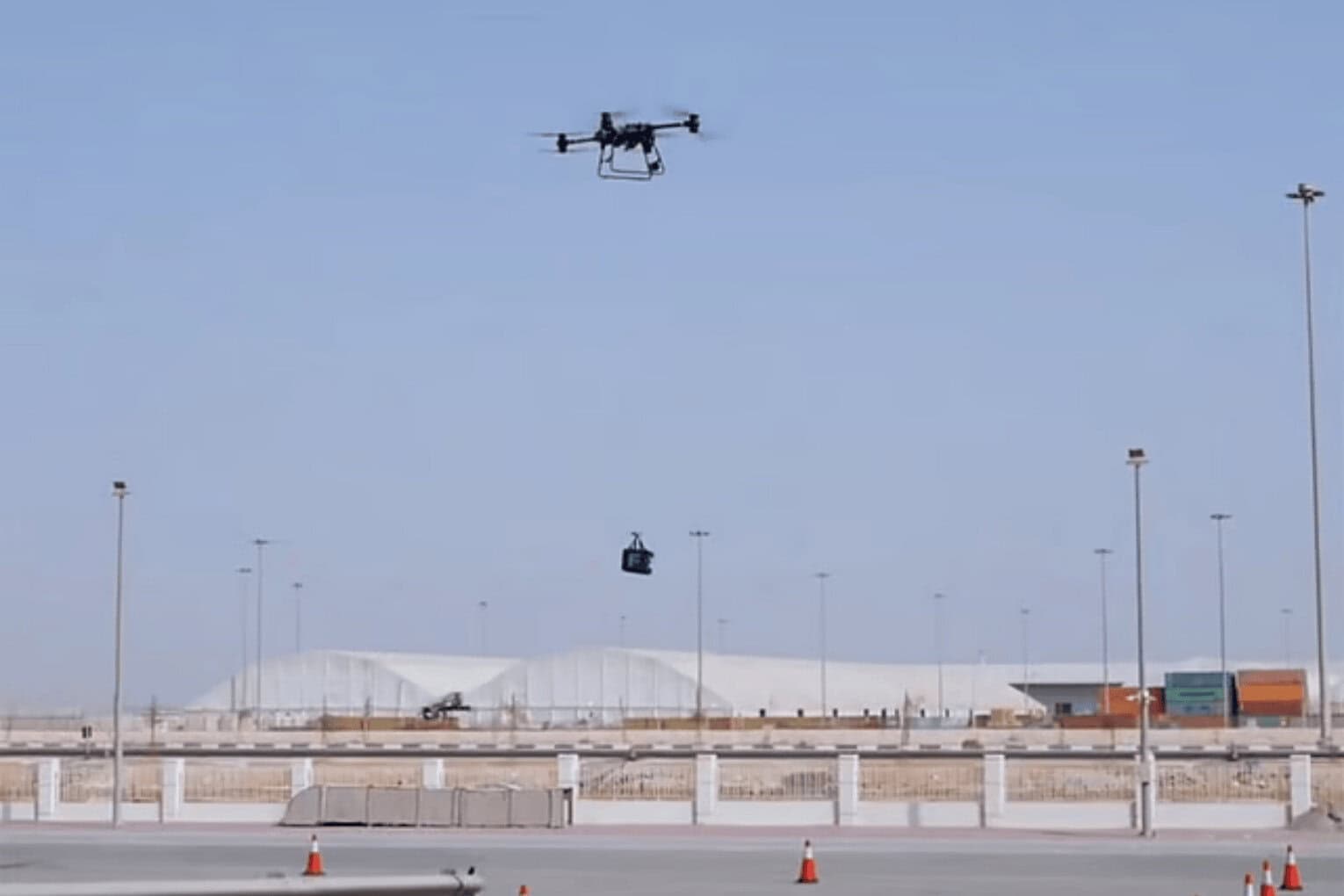
Next Generation Cargo Drone: Carries 250 kg, Has a Range of 700 km

The focus of the collaboration will be to validate the use of vertical take-off and landing aircraft across Emirates SkyCargo’s global network. Through feasibility studies, coordination with regulatory authorities and live demonstrations lasting until 2027, the potential for autonomous drones to support regional and international cargo operations will be evaluated. Emirates SkyCargo will also examine the possibility of integrating LODD’s newly tested Hili drone into ground operations at its dual airport hub in Dubai.

Hili, designed and manufactured in Abu Dhabi, is an unmanned hybrid heavy lift drone capable of carrying up to 250 kilograms and reaching a range of 700 kilometers. Its successful test flight has accelerated interest in commercial applications and paved the way for broader adoption of autonomous cargo vehicles.

The Collaboration Strengthens the UAE’s Logistics Vision

Emirates SkyCargo and LODD Autonomous see this collaboration as an opportunity aligned with the UAE’s goal of building a stronger logistics infrastructure. The initiative brings together Emirates SkyCargo’s operational scale with LODD Autonomous’s advanced technologies to increase efficiency, reduce delivery times and expand the reach of cargo services. This process also supports the UAE’s national focus on creating safe, scalable and sustainable supply chain systems.

Emirates SkyCargo is rapidly expanding its innovation agenda with new products and services such as Emirates Courier Express, a door to door delivery service launched to strengthen e-commerce. With its global network covering more than 150 destinations and a fleet of over 260 wide body aircraft, the company aims to be a leader in digital and operational transformation.

The Adoption of Drone Assisted Logistics Applications Will Accelerate

Executives from both companies highlighted the long-term impact of the collaboration. Badr Abbas from Emirates SkyCargo stated that the collaboration reflects their commitment to developing innovative solutions to solve complex transportation challenges and emphasized that autonomous aircraft will play an important role in the new era of logistics.

Rashid Al Manai, CEO of LODD Autonomous, stated that the initiative is fully aligned with the UAE’s vision of integrating advanced technologies into everyday life. He said that this collaboration will accelerate the adoption of drone assisted logistics applications and strengthen the UAE’s global logistics position while maintaining the highest safety and regulatory standards.

This initiative stands out as part of the UAE’s strategy to strengthen its national technology ecosystem from research to development and large-scale deployment. As the testing process progresses, the partnership between Emirates SkyCargo and LODD Autonomous is expected to play an important role in shaping the future of autonomous cargo transportation in the region and beyond.

First Drone Delivery Trial Conducted in Abu Dhabi

Autonomous Delivery Project Launched in Abu Dhabi in Collaboration with Noon and AutoGo

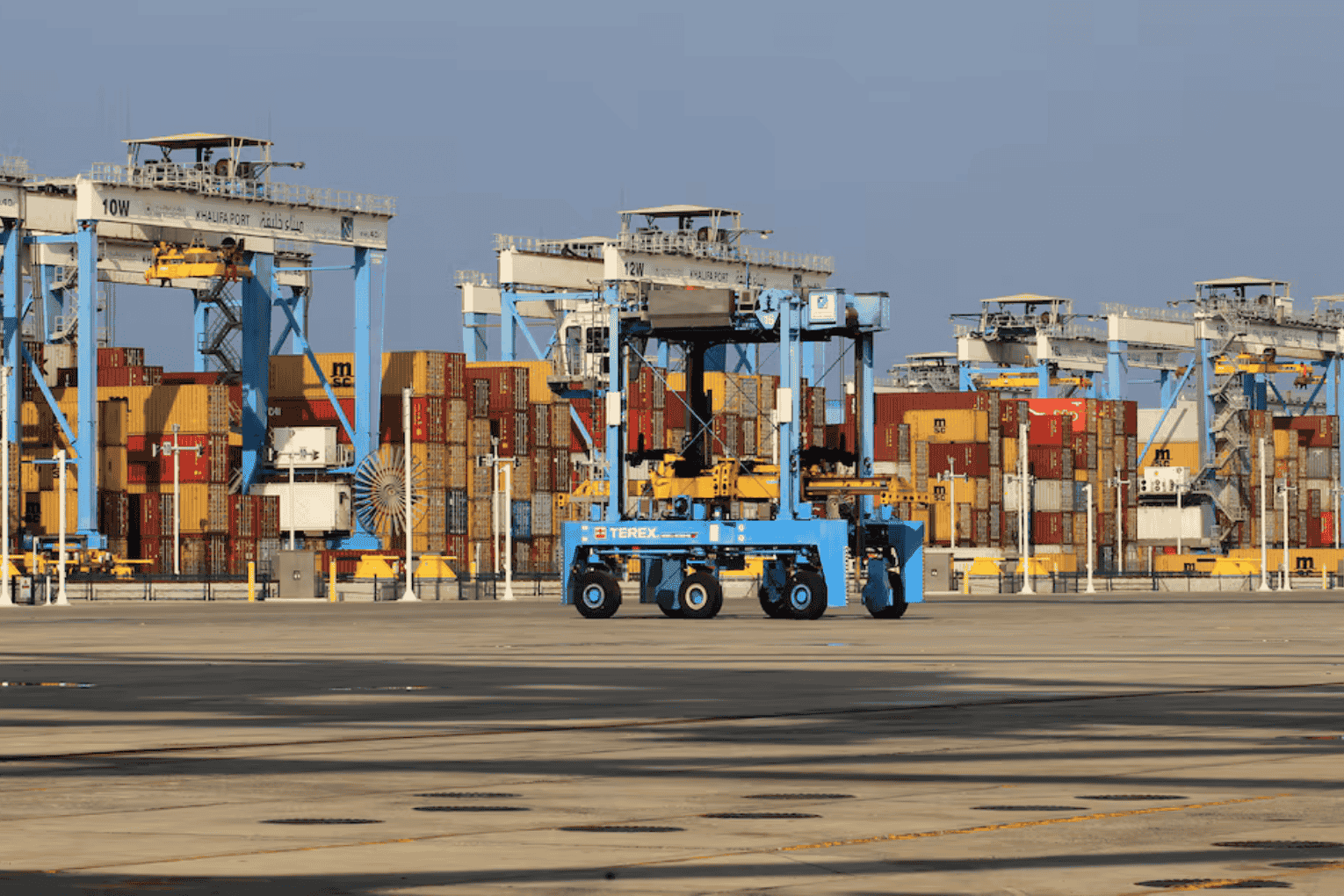
Abu Dhabi has launched an ambitious pilot project aimed at revolutionizing the logistics sector with autonomous delivery vehicles. This initiative is being led by the Integrated Transport Centre (ITC), an affiliate of the Department of Municipalities and Transport. The project is carried out in collaboration with Noon, the region’s leading e-commerce platform, and AutoGo, an artificial intelligence platform and subsidiary of K2.

Autonomous Delivery Vehicles Equipped with Artificial Intelligence and Advanced Sensors

The pilot project integrates AutoGo’s autonomous delivery vehicles into Noon’s existing logistics network. It also aims to enhance the efficiency of mini fulfillment centers across Abu Dhabi. This collaboration seeks to reduce congestion, improve operational performance, and contribute to the creation of a more sustainable transportation system. The autonomous delivery vehicles, equipped with artificial intelligence and advanced sensors, are able to navigate urban areas safely and efficiently, delivering orders without human intervention.

Part of Abu Dhabi’s Efforts to Build a Smart Mobility Ecosystem

The integration of autonomous vehicles is part of Abu Dhabi’s efforts to build a smart mobility ecosystem. It also aims to strengthen the emirate’s position as a leader in digital transformation. This project aligns with Abu Dhabi’s comprehensive smart mobility strategy, which targets achieving 25 percent of all trips in the emirate through smart transport by 2040.

A Sustainable Future for E-Commerce Logistics

The introduction of autonomous delivery vehicles marks a significant shift in how e-commerce logistics will operate in the future. By improving the efficiency of last-mile deliveries, the project contributes to reducing carbon emissions and enhancing customer satisfaction. This move combines technology and logistics, marking an important step toward creating a more seamless and sustainable future for e-commerce and smart mobility in Abu Dhabi.

Dr. Abdulla Hamad AlGhfeli, Acting Director-General of ITC, emphasized the importance of this initiative, stating: “This pilot project highlights the effective application of innovative technologies that enhance sustainability and improve the quality of life in the community.”

Khalid: A Critical Step Toward Redefining the Future of E-Commerce Logistics

Following the success of the pilot, AutoGo, Noon, and ITC plan to expand the program to more neighborhoods and offer a wider range of products. Full commercial operations are expected to begin in the near future, setting a new standard in the region’s logistics and e-commerce sectors.

Faraz Khalid, CEO of Noon, expressed excitement about the collaboration, saying: “Our partnership with ITC and AutoGo is a critical step toward redefining the future of e-commerce logistics. This pilot project not only strengthens Abu Dhabi’s position as a regional leader in smart transport, but also sets a new standard for innovation in the logistics sector.”

This initiative underscores Abu Dhabi’s commitment to sustainable innovation and aims to maintain the emirate’s pioneering position in autonomous delivery vehicle integration and smart mobility.

Abu Dhabi Unveils Its First Licensed Driverless Delivery Pods in Masdar City

Kroger Restructures E-commerce Strategy; Closes Automated Fulfillment Centers

Supermarket giant Kroger announced significant changes to its e-commerce strategy in order to increase digital profitability by $400 million by 2026. The company revealed it will close three automated customer fulfillment centers (CFCs) in January. This move is part of a broader strategy to streamline operations and boost profitability.

Kroger, the largest supermarket operator in the U.S. and the country’s fifth-largest general retailer, will close centers in Pleasant Prairie, Wisconsin; Frederick, Maryland; and Groveland, Florida. The company will incur a $2.6 billion write-off as a result of these closures. These facilities were part of Kroger’s collaboration with UK-based automation specialist Ocado, which began between 2021 and 2023, but they failed to deliver the expected profitability.

Kroger’s E-commerce Segment Struggles to Be Profitable

Despite reporting consistent increases in digital sales since early 2022, Kroger’s e-commerce segment has failed to achieve profitability. Interim CEO Ron Sargent emphasized that these changes are necessary to ensure the long-term sustainability of the digital business. Sargent stated, “E-commerce is a key part of serving customers who want better value, wide selection, and flexible shopping options. We are taking decisive steps to make shopping easier, offer faster delivery times, and provide more options to our customers.”

Kroger to Integrate Instacart’s New AI-powered Shopping Technology into Its Mobile App

As part of its future strategy, Kroger plans to shift its delivery operations from dedicated automated centers to in-store fulfillment. The company aims to pilot “capital-light, store-based automation” in high-volume markets, using its existing store network to meet the growing demand for faster and more efficient delivery.

In addition to in-store fulfillment, Kro ger is deepening its partnerships with third-party e-commerce providers. The company plans to expand its collaboration with Instacart, making it the primary delivery provider for Kroger’s app and website. Kroger will also integrate Instacart’s new AI-powered shopping technology into its mobile apps, enabling customers to interact with an AI agent to build their shopping baskets.

Kro ger’s partnerships with DoorDash and Uber are also expanding; DoorDash will provide delivery services from over 2,700 stores, and the Uber partnership will be expanded in early 2026.

Kroger Aims to Increase E-commerce Profitability by $400 Million Annually by 2026

Kro ger is targeting an annual increase of $400 million in e-commerce profitability by 2026. As part of this plan, the company will continue to leverage the remaining CFCs in high-demand areas to enhance customer engagement, productivity, and profitability.

The company has launched a comprehensive site-by-site analysis of its automated fulfillment network to optimize its operations. Despite the challenges faced by its e-commerce division, Kro ger reported strong digital sales growth, with a 16% increase in e-commerce sales in its most recent earnings report, leading its overall sales growth alongside its fresh products and pharmacy departments.

This restructuring aims to reshape Kroger’s approach to digital retail by combining in-store fulfillment with strategic third-party partnerships, enhancing customer service and achieving sustainable profitability.

Kroger Establishes a New E-Commerce Unit

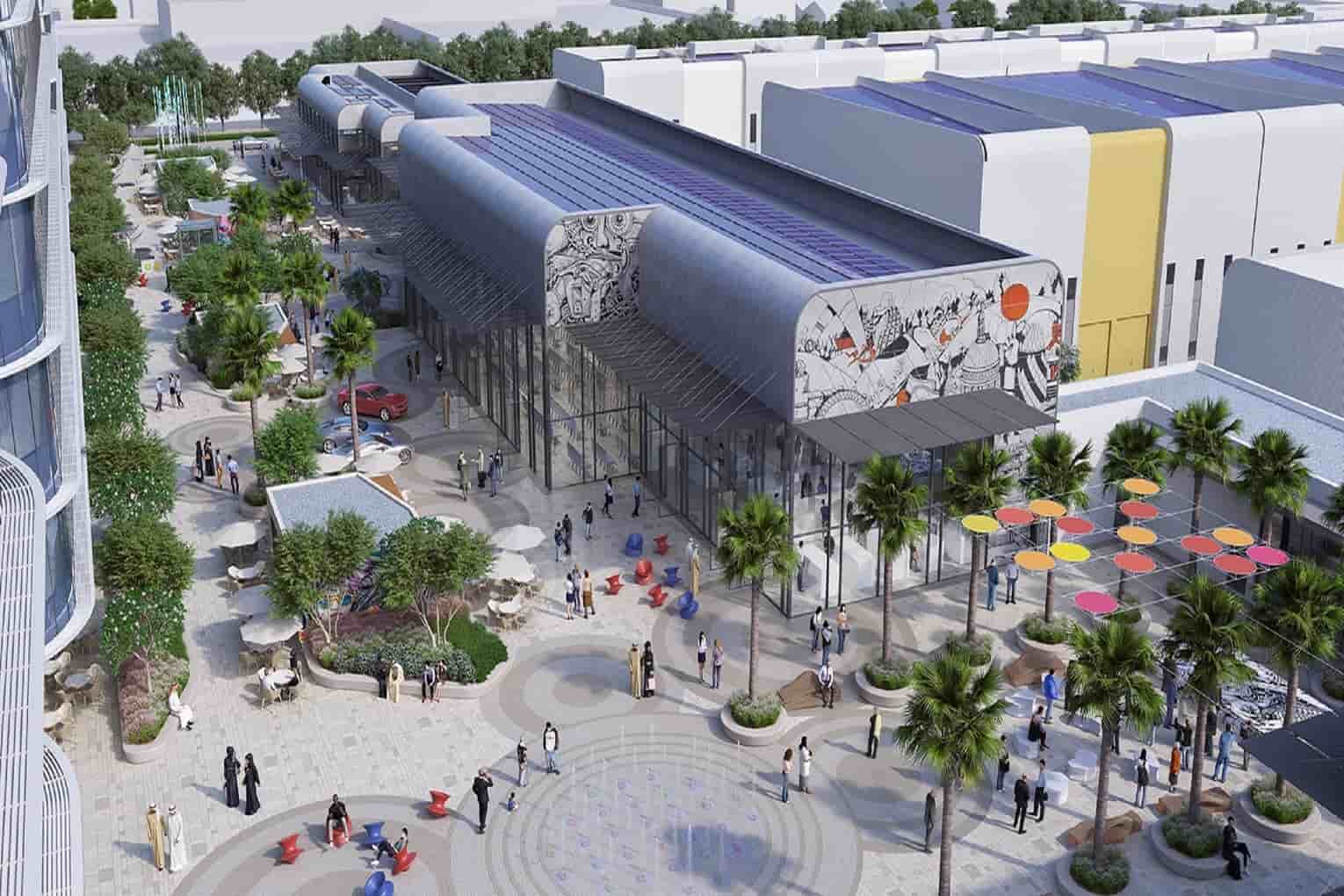
Dubai CommerCity to Establish New E-Commerce Fulfilment Center in 2026 Amid Rising Demand

Dubai CommerCity, the UAE’s leading free zone for e-commerce and digital commerce, is planning to establish a new e-commerce fulfilment center in 2026 to meet the increasing demand for logistics and smart infrastructure. This move follows the free zone’s report of an extraordinary 98% occupancy rate in its business areas, with demand primarily coming from the artificial intelligence (AI), technology, and e-commerce sectors.

Abdulrahman Shahin, Vice President of Property Management and Supply Chain at Dubai CommerCity, revealed in an interview with Emirates News Agency (WAM) during the Dubai Business Forum in New York that six new buildings are currently under construction to accommodate the rapidly growing demand. The Logistics District has reached full occupancy, with companies operating in sectors such as fashion, electronics, and last-mile delivery completely filling the available spaces.

Shahin pointed out that the recent growth of Dubai CommerCity is a clear indication of the free zone’s emergence as a key hub for the digital economy, in alignment with Dubai’s Digital Economy Strategy, which aims to double the sector’s contribution to the emirate’s GDP by 2032.

E-Commerce Fulfilment Center to Launch in Q3 2026

Dubai CommerCity plans to launch the new e-commerce fulfilment center in the third quarter of 2026 to enhance its logistics capacities. This investment aligns with the UAE’s e-commerce strategy, which aims to meet the growing demand from digital commerce companies. The strategy seeks to attract investments, streamline business establishment procedures, and increase the sector’s contribution to GDP.

Shahin also highlighted Dubai CommerCity’s investments in digital technologies, particularly the use of automated robotic systems to accelerate order fulfilment. He explained that this digital transformation has led to a 158% increase in processed orders within one year, significantly shortening processing and delivery times.

Sustainability and Smart Infrastructure Projects

Shahin observed a clear shift in investment trends toward sustainability and smart technologies. Dubai CommerCity has taken significant steps to incorporate environmentally friendly practices into its infrastructure. The free zone uses treated water in its air conditioning systems, operates electric vehicle charging stations that can fully charge a vehicle in just 32 minutes, and has installed solar panels and energy-efficient systems across all facilities.

These sustainable initiatives reflect Dubai CommerCity’s commitment to green operations and make it an attractive location for companies focused on clean technologies, environmentally friendly e-commerce, and sustainable business practices.

Dubai CommerCity’s Role in Digital Innovation

Shahin also noted that investments in sectors such as artificial intelligence, the Internet of Things (IoT), and machine learning are increasing. The free zone plays a significant role in fostering and accelerating startups through various incubators and incentive programs. This strengthens Dubai’s position as a global hub for digital innovation.

With its robust infrastructure, wide consumer access, and support for technology-driven businesses, Dubai CommerCity is making significant strides in establishing Dubai as a global digital commerce and innovation center. Additionally, the expanding logistics infrastructure of Dubai CommerCity contributes to the Dubai Cross-Border Trade Strategy.

Through its investments in the rapidly evolving fields of digital commerce and sustainability, Dubai CommerCity is steadily advancing toward becoming a key player in global trade.

Dubai CommerCity Partners with VTEX to Accelerate Digital Commerce Innovation Across the UAE and GCC

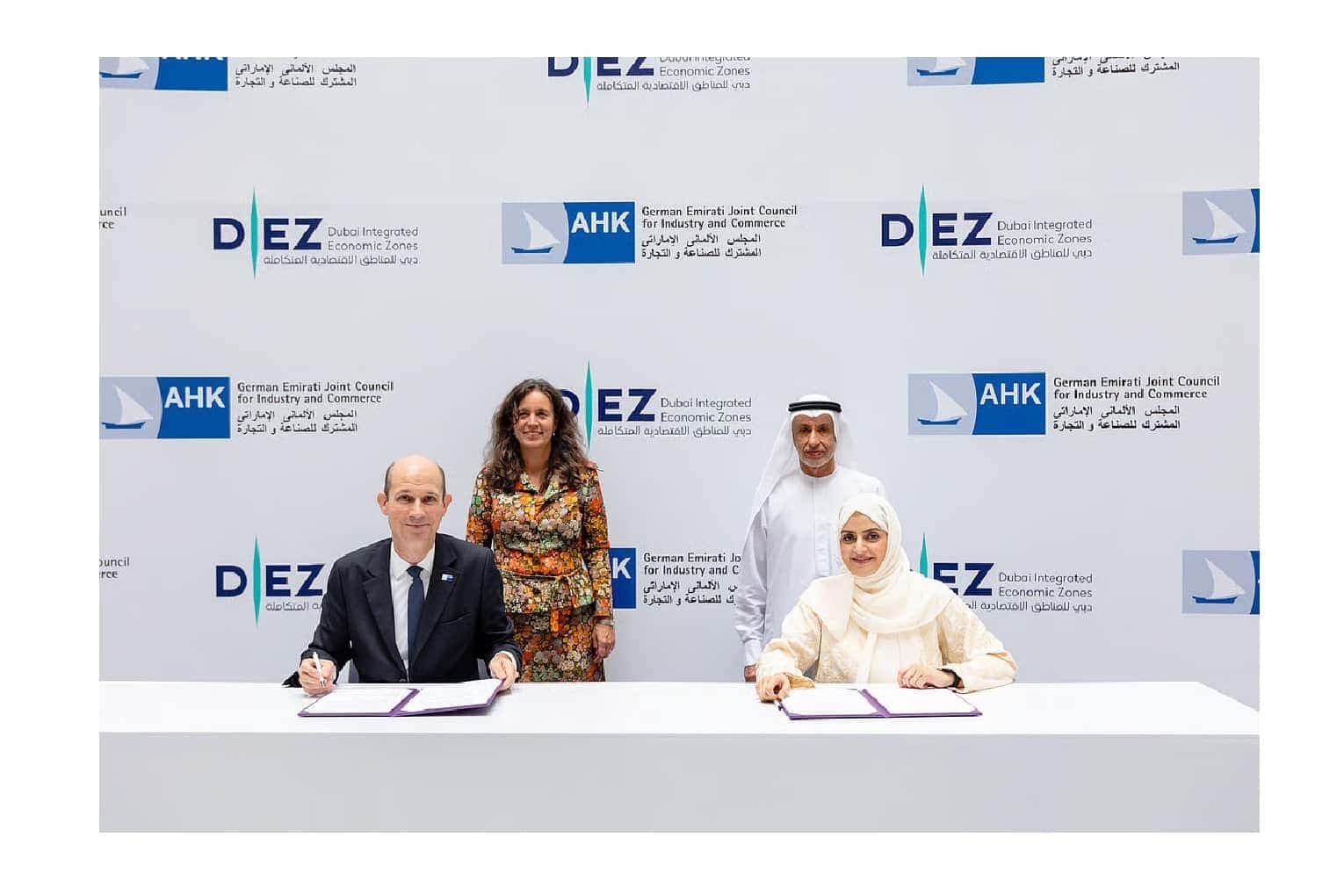
Dubai CommerCity (DCC), the region’s first free zone dedicated to digital commerce, and a joint venture between the Dubai Integrated Economic Zones Authority (DIEZ) and Wasl Properties, has announced a strategic partnership with VTEX (NYSE: VTEX), the only enterprise digital commerce platform in the world to be named a Customer’s Choice® in the Gartner® Voice of the Customer for two consecutive years, to accelerate the growth of digital commerce across the UAE and the wider GCC by empowering brands, retailers, and startups with advanced commerce technologies, AI-driven solutions, and seamless access to regional and global markets.

The agreement was signed by Amna Lootah, Director General of Dubai CommerCity, and Santiago Naranjo, Chief Revenue Officer at VTEX, with senior officials from both organizations in attendance.

The partnership comes at a pivotal time for the UAE’s digital economy, which reached AED 32.3 billion (US$8.8 billion) in 2024, and is projected to exceed AED 50.6 billion (US$13.8 billion) by 2029. The UAE’s Digital Economy Strategy aims to double the sector’s contribution to GDP, reinforcing Dubai’s position as a global leader in innovation and technology.

VTEX Launches Regional Hub Powering Commerce

As part of the agreement, VTEX also celebrated the launch of its first Middle East regional hub within Dubai CommerCity, leveraging the free zone’s purpose-built, world-class infrastructure to drive operational excellence, accelerate speed-to-market, and enable digital transformation for businesses of all sizes.

Through its new base in DCC, VTEX will extend its enterprise-grade commerce platform to innovative high-potential brands within the free zone, and other UAE innovation initiatives, under special partnership terms that promote adoption and scalability. The approach aligns with global best practices that facilitate preferential access to technology ecosystems, driving rapid digital transformation and sustainable growth.

“Our Goal is to Ensure That Brands and Retailers Succeed in a Rapidly Evolving Digital Environment.”

Commenting on the partnership, Amna Lootah, said: “Our partnership with VTEX reflects Dubai CommerCity’s ongoing commitment to enabling business growth and supporting the ambitions of Dubai’s Economic Agenda (D33). Our aim is to empower brands and retailers to thrive in a rapidly evolving digital landscape by integrating VTEX’s proven platform into our ecosystem.”

“This partnership aligns with the UAE’s strategic vision for economic diversification and digital transformation, reinforcing Dubai CommerCity’s position as a driving force for innovation and sustainable growth in the e-commerce sector. Dubai CommerCity continues to empower businesses and establish itself as a next-generation free zone, dedicated to advancing operational excellence and digital leadership through a progressive, agile ecosystem, in line with the vision of His Highness Sheikh Mohammed bin Rashid Al Maktoum, Vice President and Prime Minister of the UAE and Ruler of Dubai, “The Emirates: The Startup Capital of the World,” she added.

Santiago Naranjo, Chief Revenue Officer at VTEX Commerce, said: “VTEX has over 2,400 enterprise customers in over 43 countries around the world, and our new regional hub at Dubai CommerCity is a milestone, serving as a gateway to the future of commerce in the Middle East. This hub positions VTEX at the center of the region’s commerce innovation landscape, allowing VTEX to scale the most promising brands in the Middle East with enterprise-grade technology, AI-driven intelligence, and deep global expertise. In today’s competitive market, At VTEX Commerce we enable brands to operate smarter, scale faster, and unlock new opportunities across the GCC and beyond from day one.”

VTEX & Dubai CommerCity: Accelerating Growth with Enterprise Commerce Excellence

Through this partnership, VTEX brings its global ecosystem with 25 years of top-tier commerce expertise and enterprise solutions to provide direct benefits:”:

  • Empowering Emirati Innovators: The launch of a regional programme to empower Emirati SMEs and entrepreneurs aligns with “The Emirates: The Startup Capital of the World initiative.” The programme aims to foster entrepreneurship, drive innovation-led growth, and strengthen the competitiveness of Emirati-led businesses across regional and global markets.
  • VTEX’s Global Expertise in Digital Commerce: Building on decades of delivering advanced digital commerce programmes worldwide, VTEX brings its sophisticated, enterprise-grade methodology to the Middle East. The programme equips participants with deep, practical knowledge across the full commerce ecosystem, including e-commerce solution architecture, omnichannel operations, composable storefronts, and marketplace strategy. Through immersive masterclasses, interactive webinars, and certified courses, participants gain hands-on experience with cutting-edge tools and practices that enable smarter, more agile businesses, accelerate revenue growth, scale operations effectively, and deliver measurable contributions to the country’s GDP.
  • Data-Driven Growth with InsightsIQ: Dubai CommerCity supports the initiative through its Commerce Intelligence Platform, InsightsIQ, which is fully integrated with VTEX’s global digital commerce platform. The VTEX award-winning adaptable architecture delivers real-time, AI-driven analytics, enabling innovative brands to make data-informed decisions, optimize operations, and unlock new growth opportunities. Together, VTEX and Dubai CommerCity reinforce their commitment to empowering SMEs and enterprises through innovative, scalable, and measurable solutions.

The programme is tailored to reflect the UAE’s commitment to fostering entrepreneurship, supporting innovation-driven growth, and empowering startups and SMEs through masterclasses, webinars, and certified courses on digital commerce, omnichannel operations, and supply chain management, aimed at enhancing digital readiness and competitiveness across regional and global markets.

Dubai CommerCity: The ideal hub for digital commerce businesses

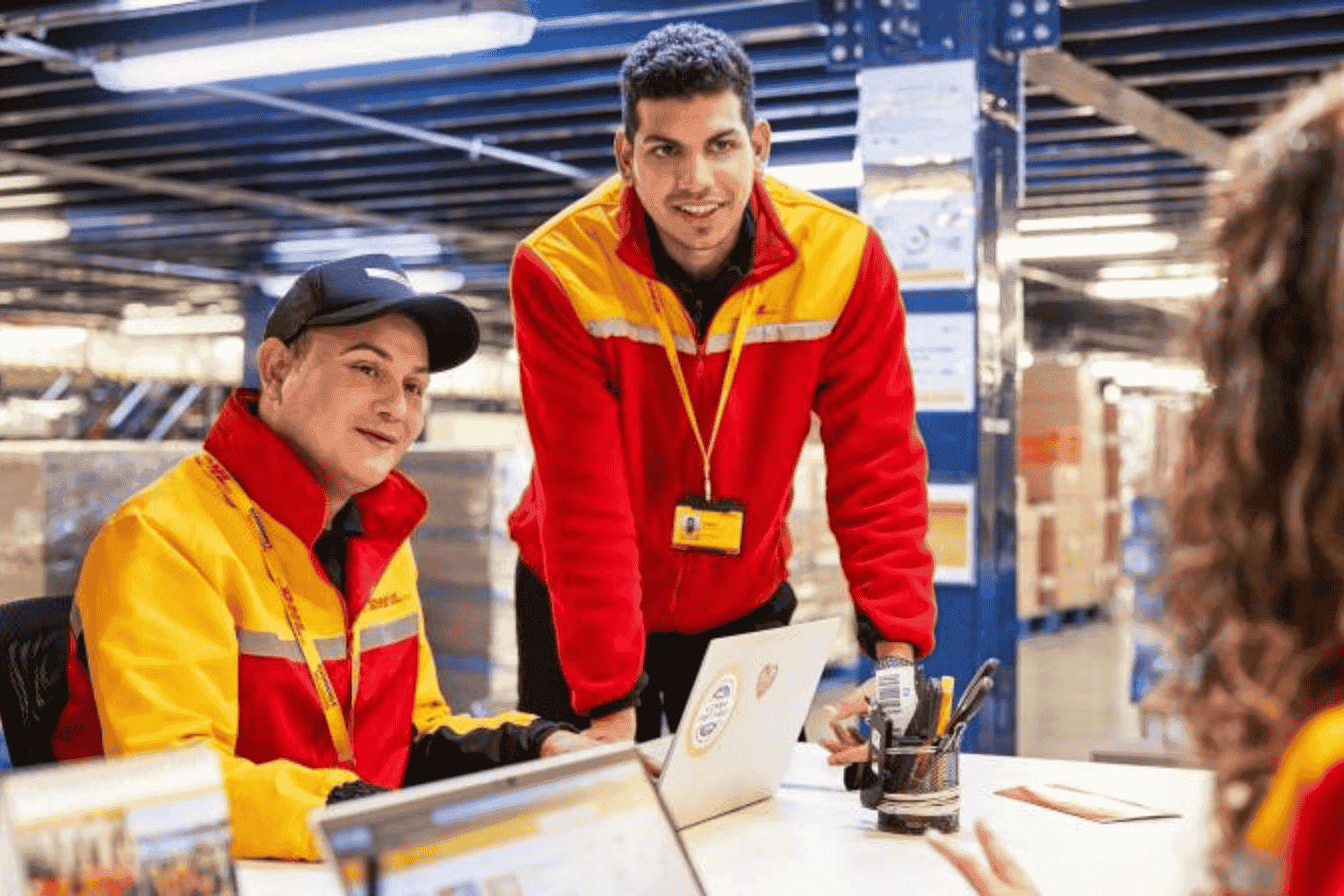
DHL Introduces AI-Powered Agent Platform ‘HappyRobots’ to Elevate Operational Efficiency and Customer Communication

DHL Group has announced the rollout of its new AI-agent platform, “HappyRobots”, designed to enhance customer communications and operational workflows across the logistics operator’s global network. The initiative reflects DHL’s broader push to embed generative-AI solutions and intelligent agentic systems into supply-chain operations. (source: DHL press library)

In the announcement, DHL explained that HappyRobots will assist both frontline customer-touch operations (such as chat, e-mail and self-service support) and backend automation tasks (such as scheduling, routing updates and shipment-exception handling). By doing so, the company expects improved responsiveness, reduced manual workload and enhanced customer satisfaction.

Key Capabilities & Deployment Scope

  • HappyRobots agents are configured to handle inbound queries regarding shipment status, delivery time-frames, return processes and customs clearance updates. They leverage natural-language understanding, contextual dialogue flow and integration with DHL’s tracking & fulfilment systems.

  • Backend workflows empowered by the platform include automatic appointment-slot booking, proactively notifying customers of delays via triggers, dynamically updating routing based on real-time data and escalating to human staff when required.

  • DHL highlighted that the platform will initially be deployed in customer care centres across Europe and Asia-Pacific, before being scaled into the Americas and Middle East during 2026.

  • The company emphasised integration with its existing digital infrastructure: CRM systems, e-commerce-platform APIs, and logistics-execution networks. This allows HappyRobots to operate with live data, ensuring accuracy of status, routing or customs-related information.

Strategic Rationale

DHL’s investment in agentic AI through HappyRobots aligns with its ambition to remain at the forefront of logistics innovation and customer-centric operations. The company faces a rapidly increasing volume of shipments driven by e-commerce growth, shorter delivery windows and higher customer expectations for transparency and speed.
By deploying intelligent agents:

  • DHL aims to reduce frontline call-centre load and enable human staff to focus on exception management and higher-value interaction.

  • The platform supports faster response times, 24/7 service availability and multichannel engagement (chat, voice, app notifications).

  • Improved operational predictability and workflow automation enhance efficiency across routing, fulfilment and delivery networks.

The move also contributes to DHL’s broader digitalisation agenda, including robotics, IoT, data analytics and generative-AI use cases, under its “Strategy 2030” roadmap.

Implications for Customers & Market

For e-commerce merchants and shippers using DHL’s network, the rollout of HappyRobots means:

  • More proactive shipment-status updates and fewer manual checks required.

  • Better self-service options for customers and reduced reliance on human agent back-office support.

  • Potentially improved delivery-predictability and fewer exceptions or delays going unseen.

For the logistics industry, DHL’s adoption of AI agents sets a standard, signalling that major providers are treating conversational AI and workflow automation not as pilot programmes but as mainstream operational tools. Competitors seeking to match or exceed service levels may accelerate their own investments in agentic-AI platforms and integrated communication bots.

Challenges & Considerations

While promising, DHL’s HappyRobots initiative faces several practical considerations:

  • Ensuring the AI agents can manage complex queries, multilingual interactions and local regulatory/customs-specific exceptions without resorting to human escalation too frequently.

  • Maintaining data privacy, compliance (especially across jurisdictions) and transparency in agent responses, given the sensitive nature of logistics-data and cross-border shipments.

  • Measuring return on investment: agent-driven cost savings must be weighed against technology development, integration and ongoing support.

  • Ensuring seamless hand-off between AI agents and human agents for edge-cases and maintaining consistent service quality across delivery network.

What to Watch

Key indicators of success for HappyRobots will include:

  • Reduction in average response times to customer enquiries and escalation rates to human agents.

  • Improvement in customer-satisfaction scores (Net Promoter Score, CSAT) for shipments managed via the agentic platform.

  • Scale-up metrics: number of agents deployed, geographies covered, languages supported and customer segments served.

  • Operational cost metrics: savings in call-centre staffing, back-office workflows automated, routing exceptions reduced.

  • Integration with other DHL innovation initiatives: how AI-agents link with robotics, IoT sensors, delivery-drones or autonomous vehicles.

Conclusion

DHL’s launch of the HappyRobots AI-agent platform marks a notable advancement in how logistics companies communicate with customers and automate operational workflows. By embedding intelligent agents into the heart of its service delivery model, DHL is positioning itself to meet rising e-commerce demands and enhance service-reliability in an increasingly competitive landscape. While execution and scalability remain key to the platform’s impact, HappyRobots may become a differentiator in a sector where responsiveness and transparency are ever more critical.

ORA Technologies Acquires Cathedis to Build Full-Stack E-Commerce Ecosystem in Morocco

Moroccan startup ORA Technologies has completed the acquisition of last-mile logistics provider Cathedis in partnership with Azur Innovation Management, in a deal announced on 31 October 2025. This move positions ORA as one of the first local players in Morocco to integrate payments, delivery and logistics services under a single platform and signals a growing maturity in the country’s tech ecosystem. TechAfrica News

Strategic Integration and Business Model

With the acquisition of Cathedis, ORA expands its capabilities across the full e-commerce value chain: its existing services—such as the digital wallet platform ORA Cash and the food and general fulfilment service KooulMaroc will now be complemented by Cathedis’ logistics network, enabling ORA to control checkout, payment processing and final-mile delivery.

The consolidation is a strategic attempt to reduce fragmentation in Morocco’s e-commerce infrastructure, where payments, fulfilment and delivery are often managed by separate providers. ORA’s approach allows merchants and consumers to interact through one unified ecosystem, potentially improving speed, visibility and cost-efficiency of online orders.

Local Capital and Ecosystem Significance

One of the most noteworthy aspects of the deal is that it is reportedly the first startup-to-startup acquisition in Morocco financed entirely with local capital. ORA and Azur Innovation emphasise that this transaction demonstrates growing confidence and capability within the domestic innovation ecosystem. عرب فاوندرز+1

This local financing approach highlights a shift away from reliance on foreign investment — a step toward digital-sovereignty as domestic tech companies scale and consolidate. For investors and ecosystem stakeholders, the deal may serve as a signal that home-grown platforms can reach maturity and pursue strategic expansions without external dependencies.

Market Opportunity and Competitive Context

Morocco’s e-commerce sector is evolving rapidly. Rising internet and mobile-penetration rates, improved logistics infrastructure and increasing digital-payments adoption have created an environment where online retail is gaining momentum. However, bottlenecks in delivery, payment acceptance and return-management have hindered seamless growth. ORA’s acquisition of Cathedis is designed to tackle precisely those pain-points.

By aligning payments (ORA Cash), marketplace and fulfilment (KooulMaroc), and now logistics (Cathedis), ORA aims to become the country’s leading integrated commerce ecosystem. Such a model mirrors “super-app” strategies seen elsewhere combining financial services, delivery-logistics and online retail under one brand.

Operational Implications and Roadmap

Following the acquisition, ORA plans to integrate Cathedis’ next-day delivery network, API-based order-ingestion systems and cash-on-delivery infrastructure into its broader stack. This means merchant partners using ORA platforms may look forward to faster dispatch, real-time status tracking and smoother payment-to-delivery workflows. BusinessBeat 24+1

The integration timeline and financial terms of the deal were not publicly disclosed, but ORA’s leadership suggests the merger will enable national-scale rollout of its services, covering major cities and eventually secondary regions. The synergy between payments, delivery and logistics also positions the company to explore cross-border expansion or partnerships in the wider MENA region.

Challenges and Strategic Considerations

Although the acquisition signals ambition, execution will be key to delivering on promises. Key challenges include:

  • Integrating operations across previously separate business units and ensuring service reliability during transformation.

  • Ensuring logistics costs do not erode margins in last-mile operations — especially in less densely populated areas.

  • Maintaining compliance with financial-services regulation, delivery-licensing and data-governance requirements in Morocco.

  • Competing against global platforms and local incumbents who may also seek integrated commerce models or strategic partnerships.

Outlook

If successful, ORA’s upgraded platform could capture a larger share of Morocco’s growing e-commerce market, win loyalty from merchants seeking end-to-end solutions and potentially become a national champion in digital commerce infrastructure. The local-capital dimension of the deal may inspire further consolidation, investor interest and scale-ups within the regional tech landscape.

For regional observers, ORA’s move may serve as a template for other emerging-market commerce ecosystems where fragmentation has hindered growth. The ability to unify payments, delivery and logistics in one platform may become a competitive differentiator.

Conclusion

The acquisition of Cathedis by ORA Technologies marks a significant milestone in Morocco’s digital-commerce evolution. By integrating payments, fulfilment and logistics under one roof, ORA aims to deliver a seamless and locally-operated e-commerce solution. The local-financing nature of the transaction underscores the ecosystem’s maturation, and the strategic rationale suggests that the company is preparing to scale beyond its domestic base. The coming months will test how well integration is handled and whether ORA can deliver improved value for merchants and consumers alike.

Alibaba Halts Further Expansion at Liège Airport

Cainiao, the logistics subsidiary of Alibaba Group, has announced that it will not proceed with the planned second and third phases of its warehouse expansion at Liège Airport in Belgium. The confirmation came from Walloon Economy Minister Pierre‑Yves Jeholet on 29 October 2025.

Strategic Shift and Project Background

Originally, Cainiao had planned a substantial multi-phase development at Liège Airport, intended to include two additional logistics buildings of 24,000 sqm and 20,000 sqm respectively. The first phase, completed in 2021, comprised a 30,000 sqm warehouse and created 276 jobs.

Minister Jeholet stated that Cainiao has adjusted its global strategy and will instead focus on optimising its existing facilities rather than pursuing further construction at the airport site. Although the project remains active in its first phase, the second and third phases will not go ahead as originally planned. warehouserentinfo.be

Economic and Regional Implications

The decision is a setback for Liège, one of Belgium’s regions with a high unemployment rate and strong aspirations for logistics-driven economic growth. The cancellation means the job promises associated with the expansion — at least 900 direct jobs and some 2,100 indirect jobs according to initial projections will not be realised under the original scope. belganewsagency.eu

From Cainiao’s perspective, the pivot reflects changing strategic priorities within Alibaba Group’s global logistics architecture. By choosing to optimise existing assets rather than scale further in Belgium, the company signals a potential recalibration of its European footprint.

Logistics Sector and Real-Estate Considerations

For the broader logistics market, Cainiao’s withdrawal of the expansion phases opens potential opportunity for other tenants and developers at the Liège airport property. The site’s infrastructure investment and location remain strong, and the land initially earmarked for expansion may be reallocated or made available to other logistics operators. warehouserentinfo.be

However, the withdrawal also raises questions about the long-term demand for greenfield logistics construction at major air-cargo hubs in Europe if global players choose to optimise rather than expand.

Contractual and Operational Details

The original agreement between Cainiao and Liège Airport included clauses such as deadline obligations for construction and job creation, and provisions for land reversion or compensation in case of non-fulfilment. With the second and third phases cancelled, these contractual mechanisms may come into play, depending on how the agreement is interpreted going forward. belganewsagency.eu

Alibaba and Cainiao maintain that the first phase remains in operation and that the company continues to regard Liège Airport as a strategic partner — yet the shift suggests a narrower scope than initially envisioned.

Looking Ahead

Although Cainiao’s expansion will not proceed as planned, the site’s initial presence remains intact and operational. Logistics industry analysts will monitor whether the freed-up land leads to new development by other logistics firms or whether the decision signals a broader slowdown in major air-freight hub expansions.

For Liège Airport, the challenge will be to attract new investors or tenants to the area to offset the lost scale of the original plan. For Cainiao and Alibaba, the decision may reflect a broader optimisation of investment priorities, reinforcing their focus on existing infrastructure rather than large-scale new builds.

Conclusion

Alibaba’s logistics arm Cainiao’s decision to halt the planned expansion at Liège Airport marks a significant adjustment of its European strategy. While the initial facility remains active, the cancellation of subsequent phases has regional economic implications and signals shifting dynamics in the global logistics real-estate market. How the land is repurposed and how demand evolves in the region will be important indicators of future trends.