WORLDEF ISTANBUL 2026 - Early Bird Registration Ends Soon

Register Now

Alibaba to Merge Travel and Food Delivery Services with E-Commerce Division

Chinese tech giant Alibaba Group is streamlining its business operations as competition intensifies in the consumer services sector. The announcement regarding the new organizational structure was shared via an internal memo by Alibaba CEO Eddie Wu. According to the statement, the company will integrate its food delivery platform Ele.me and travel booking service Fliggy into its e-commerce division.

Under the new structure, Ele.me and Fliggy will continue to operate independently. However, both platforms will align their business strategies and operations with the e-commerce division. Ele.me CEO Wu Zeming and Fliggy CEO Zhuang Zhuoran will report directly to Jiang Fan, CEO of the e-commerce business group.

Alibaba to Optimize Business Models with a User-Centric Focus

Meanwhile, as Chinese e-commerce giants engage in a price war and aggressively expand into “instant retail”—which prioritizes deliveries within 30 to 60 minutes—Alibaba positions this restructuring as a “strategic upgrade” in its transition from a traditional e-commerce company to a broader, consumer-oriented platform.

“In the coming period, the company will increasingly optimize its business models and organizational structure from the user’s perspective to deliver richer and higher-quality consumer experiences,” the statement read.

Amazon Plans $233 Million Investment in India

Amazon‘s new $233 million investment in India will focus on areas such as infrastructure development, welfare programs, and new technological tools aimed at improving delivery speed, safety, and efficiency. The company stated that the funds would be used for launching and improving sites in its logistics, sorting, and delivery network.

Amazon’s New Investments

Amazon’s new and existing facilities in India will feature energy-efficient systems and inclusive designs. The company also announced plans to update its Driver app and implement new tools to monitor safety procedures and reduce delivery errors.

Currently, all serviceable postal codes in India are covered by Amazon’s network. This investment initiative is expected to double down on efforts to deliver to all postal codes across India, a country with a population of approximately 1.4 billion. The new investment is seen as part of a broader effort to improve logistics and support customers, employees, and seller partners.

In its statement, Amazon said, “This investment will increase processing capacity, improve order fulfillment speed, and enhance efficiency across the company’s operations network.” It added, “This will enable Amazon to serve customers across India faster.”

E-commerce Competition Intensifies in India

Meanwhile, e-commerce competition in India is intensifying. Flipkart, the Walmart-owned e-commerce company based in the U.S., recently stated that it is progressing toward profitability. The company reported that quick commerce, with 15-minute delivery, now accounts for 20% of the e-commerce market. In addition, local conglomerates such as Reliance Industries and Tata Group, along with startups like Meesho, are also investing in e-commerce.

EMOTIV: Leading the Digital Transformation of Automotive E-Commerce in Türkiye and Beyond

The digital shift in the automotive aftermarket is reshaping the way businesses operate, and nowhere is this change more dynamic than in Türkiye. As online marketplaces continue to expand rapidly, EMOTIV is helping companies in Türkiye and the wider region navigate this evolution with tailored solutions designed for the unique needs of the market.

Founded in 2012, EMOTIV combines over three decades of automotive experience with deep marketplace expertise. With operations across Europe, the United States, Southeast Asia, and the Middle East—and a growing focus on Türkiye—EMOTIV delivers complete marketplace services including store setup, product data optimization, localization, inventory management, and multilingual customer support. Their specialization in fitment data enhancement has become particularly valuable in the Turkish automotive sector, where accurate vehicle-part matching is critical to customer satisfaction and seller success.

“Türkiye is A Significant Growth Hub in Automotive E-Commerce”

“The Turkish market has enormous potential,” says Andrew Rowson, EMOTIV’s Founder and CEO. “It’s a unique blend of a strong manufacturing tradition, entrepreneurial spirit, and a digitally savvy population that’s eager to shop online. We see Türkiye as a key growth hub for the future of automotive e-commerce.”

The Turkish automotive aftermarket is poised for significant digital growth. In a country with a vibrant e-commerce ecosystem and a strong culture of car ownership, online parts sales are increasingly gaining traction. This mirrors global trends: the global online automotive aftermarket, valued at $16.82 billion in 2023, is forecasted to reach $86 billion by the end of 2024. In Türkiye, the rise of platforms like Trendyol and Hepsiburada, alongside global players such as eBay, is creating more opportunities for sellers to reach tech-savvy consumers seeking convenience, selection, and reliability.

“Many Automotive Businesses in Türkiye Still Rely on Outdated IT Systems”

However, challenges remain. Many automotive businesses in Türkiye still rely on legacy IT systems, leading to fragmented and inconsistent data management. Ensuring product information is accurate across multiple platforms is a persistent difficulty, especially when selling to both domestic and international markets. Delivery speed and effective returns management also pose operational hurdles, particularly when customers expect near-instant fulfillment.

Perhaps the most critical issue is ensuring accurate fitment—matching the right parts to specific vehicles. Turkish consumers, like their global counterparts, demand confidence that a purchased part will fit their car correctly. Mistakes lead to costly returns and damaged customer trust. EMOTIV’s expertise in fitment optimization addresses this need directly by integrating seller data with marketplace vehicle databases, improving the buying experience and reducing return rates.

“AI Has Not Only Become an Optimization Tool But Also a Survival Strategy”

“Our approach to fitment is built on solving the real pain points sellers face,” Rowson explains. “We make it easy for them to manage complex catalogues, reduce returns, and ultimately increase buyer confidence. It’s about precision and trust.”

Artificial Intelligence is another powerful force reshaping automotive e-commerce. EMOTIV is leading in this area by applying AI to automate fitment matching, enhance catalog data, and improve customer support efficiency. In Türkiye’s increasingly competitive market, where customers demand speed, personalization, and reliability, AI is becoming essential not just for optimization, but for survival.

“AI is a Game-Changer”

“AI is a game-changer,” says Rowson. “It allows us to scale services without compromising quality. Whether it’s real-time fitment validation or multilingual support bots, we’re investing in the tools that will define the next era of e-commerce.”

EMOTIV’s growing presence in Türkiye is part of a broader strategic focus. The company recognizes the Turkish market’s high growth potential, thanks to its young, tech-oriented population, strategic geographic location, and strong manufacturing base. EMOTIV’s services are designed to help Turkish automotive sellers expand both within the domestic market and into international arenas, especially Europe and the Middle East.

In the short term, EMOTIV is working to deepen partnerships with major marketplaces and logistics providers in Türkiye. The company’s medium-term goals include expanding training and educational programs to help Turkish sellers adapt to best practices in e-commerce operations, data management, and international scaling. With the rapid rise of Direct-to-Consumer (D2C) models and the growing complexity of vehicles, sellers must be agile, data-savvy, and customer-focused. EMOTIV aims to be the partner that makes that transition smooth and successful.

“We don’t just provide software—we provide knowledge and partnership,” Rowson adds. “Our goal is to elevate sellers so they can compete not just locally, but on the global stage.”

“EMOTIV is Redefining The Standards of What’s Possible in Automotive E-Commerce”

The results of EMOTIV’s work are tangible. In 2023 alone, the company managed 24 million listings and drove $250 million in gross merchandise value across its clients worldwide. It onboarded more than 1,500 sellers and helped educate over 50 businesses through workshops and training events, many at the direct request of marketplace platforms. Their commitment to values such as innovation, ownership, and client success has established EMOTIV as a trusted name across multiple continents—and now increasingly in Türkiye.

Forecasts for the automotive aftermarket continue to be positive, both globally and regionally. In Türkiye, the sector is expected to benefit from growing vehicle ownership rates, an expanding used car market, and increased consumer willingness to shop online for maintenance and performance parts. The Do-It-For-Me (DIFM) trend, where customers prefer professional installation, and the Do-It-Yourself (DIY) culture, particularly among younger consumers, are both gaining momentum, creating opportunities across different customer segments.

EMOTIV’s future vision is clear: to empower Turkish automotive sellers to thrive in an increasingly digital and competitive environment by offering the most advanced marketplace management solutions available. In a sector where success depends on precision, speed, and trust, EMOTIV is helping shape a new standard for what is possible in automotive e-commerce.


Amazon Autos to Offer Used Car Sales Opportunity to Dealers

Rakuten Forms Strategic Partnership with South Australia

Rakuten and South Australia signed a partnership at the World Expo held in Osaka. According to the agreement, more than 400 food and beverage products originating from South Australia will be featured on the online platform. During the World Expo, Rakuten will run a “Taste South Australia” campaign until October.

“We Are Strengthening the Reputation of South Australian Products in Japan”

South Australia’s Minister for Trade and Investment Joe Szakacs, who is in Osaka for the World Expo, made a statement regarding the agreement: “This partnership acts as a bridge for South Australian companies that want to sell their products in Japan through Rakuten. By leveraging platforms like Rakuten, we are not only increasing the sales of South Australian products but also strengthening the overall reputation of South Australia’s products in Japan. This latest campaign is strategically timed to attract the interest of millions of people and to make the most of the World Expo, which will continue until October this year.”

Rakuten Holds a Quarter of Japanese E-Commerce

The South Australian government had previously run campaigns with Rakuten in 2023 and 2024. These campaigns generated approximately $600,000 and $700,000 in revenue, respectively. Following these campaigns, the government stated that the number of sellers offering Southern Bluefin Tuna on Rakuten increased sixfold. In addition, the state government also offers an online showcase called “Buy What You Try,” which enables World Expo participants to purchase the products they experience at the event.

Rakuten hosts more than a quarter of Japanese e-commerce. The company has more than 1.4 billion members worldwide.


Rakuten Develops Autonomous Robot Deliveries

Wildberries to Establish $150 Million Warehouse in Uzbekistan

Robert Mirzoyan, CEO of the merged company Wildberries & Russ, announced the company’s plans regarding Uzbekistan at the IV Tashkent International Investment Forum. According to the statement, the company will construct a warehouse covering 180,000 square meters in the Tashkent region. A land plot has already been designated for this facility.

Sales Volume of Uzbek Sellers on Wildberries Exceeds $1 Billion

Mirzoyan stated that over the past two years, the sales volume of Uzbekistan-based sellers on the Wildberries platform exceeded $1 billion. Shipments of Uzbek textiles to Kyrgyzstan, Belarus, and Kazakhstan via Wildberries doubled last year. Exports of Uzbek textile products to Russia, the company’s largest market, increased by 63%.

“Our goals in Uzbekistan are to build a full-fledged e-commerce infrastructure through logistics and financial technologies, unlock the country’s export potential, and integrate Uzbek products into global trade chains,” Mirzoyan said.

Meanwhile, Wildberries collaborated with Uzbekistan’s National Agency for Prospective Projects to launch a “Green Corridor” for exporters. This initiative aims to facilitate cross-border sales for Uzbek entrepreneurs in the 10 countries where Wildberries currently operates.

Wildberries Supports Entrepreneurs in Uzbekistan

Additionally, Wildberries announced the launch of the “Growth Platform” in Uzbekistan during the Tashkent International Investment Forum. This initiative aims to support and scale up small and medium-sized enterprises. Under the program, entrepreneurs will gain access to Wildberries & Russ’s advanced digital advertising tools, online sales training programs, and the company’s extensive infrastructure to export their products to other markets.

At the initial stage, approximately 100 Uzbek entrepreneurs selected in consultation with Uzbekistan’s Ministry of Investment, Industry, and Trade will take part in the platform. Participants include manufacturers of clothing, home textiles, footwear, bags, cosmetics, cleaning products, and household appliances. The initiative is expected to expand to include more sellers in the future.

Wildberries Processes Over 20 Million Orders Per Day

Wildberries was founded in Russia in 2004. The company operates in Armenia, Belarus, Georgia, Kazakhstan, Kyrgyzstan, Russia, Tajikistan, and Uzbekistan, and also partners with sellers in China and the UAE. To support its customers and sellers, Wildberries provides a state-of-the-art IT infrastructure and a developed logistics network consisting of more than 130 facilities and over 70,000 pick-up points. As of 2025, Wildberries serves more than 79 million customers and processes over 20 million orders daily.

Alibaba’s New Portal Exceeded 40 Million Daily Orders!

Alibaba stated that the Taobao Instant Commerce portal, which delivers within 60 minutes, surpassed the threshold of 40 million daily orders within one month after its launch. Taobao Instant Commerce was launched through integration with Alibaba’s food delivery service Ele.me.

The portal brings together Ele.me’s sellers with the main domestic shopping app Taobao, offering a fast-delivery shopping experience on a single platform. The new platform provides users with the opportunity to receive their orders within 60 minutes. It is able to meet the new consumer expectations focused on speed and accessibility.

Integrating Alibaba’s Logistics Power with Digital Commerce

On the new portal, suppliers and local sellers under Ele.me are directly connected to the Taobao app. When users shop, their orders are sourced from the nearest point. They are then delivered to consumers within 30 to 60 minutes via Ele.me’s fast courier network.

The fast delivery model covers many categories, from grocery items and daily needs to food and electronics. The model offers a unique user experience by integrating Alibaba’s logistics power with digital commerce.

Chinese online platforms have invested billions of dollars in “instant retail” solutions in recent months. Companies like JD.com and Meituan are also investing in the instant retail sector. Alibaba launched its new delivery model at the end of April.

“This Market Has a Consumer Size of 500 to 600 Million”

Fan Jiang, CEO of Alibaba’s E-Commerce Segment, said that Alibaba has certain advantages in this field due to years of investment in delivery infrastructure and the Freshippo supermarket chain.

Jiang stated, “What needs to be noted about the instant retail market is that it is a very large market. Because every individual, every consumer in China will need instant commerce. Today, it is said that this market has a consumer size of 500 million to 600 million. In the future, this number could easily reach 1 billion.”

Taobao Expanded Its Free Global Delivery Service to 12 Countries and Regions

On the other hand, Alibaba’s e-commerce platform Taobao announced that it has expanded its free global delivery service to 12 countries and regions. The new coverage area includes Singapore, Malaysia, South Korea, Australia, Japan, Thailand, Cambodia, Kazakhstan, and Mongolia. Kazakhstan and Mongolia were included in this coverage for the first time.

During the June 18 shopping festival, customers in these countries will be able to benefit from major discounts and access easy return options. Taobao aims to accelerate its growth and support its sellers in expanding into international markets.

Taobao has also entered the Kazakhstan market with Russian language support. Local users can now review product details and complete payments in their own currencies. In the first week after the launch, 70% of new users in Kazakhstan placed their first order through the Russian interface. Additionally, the platform’s order conversion rate increased by 47%.

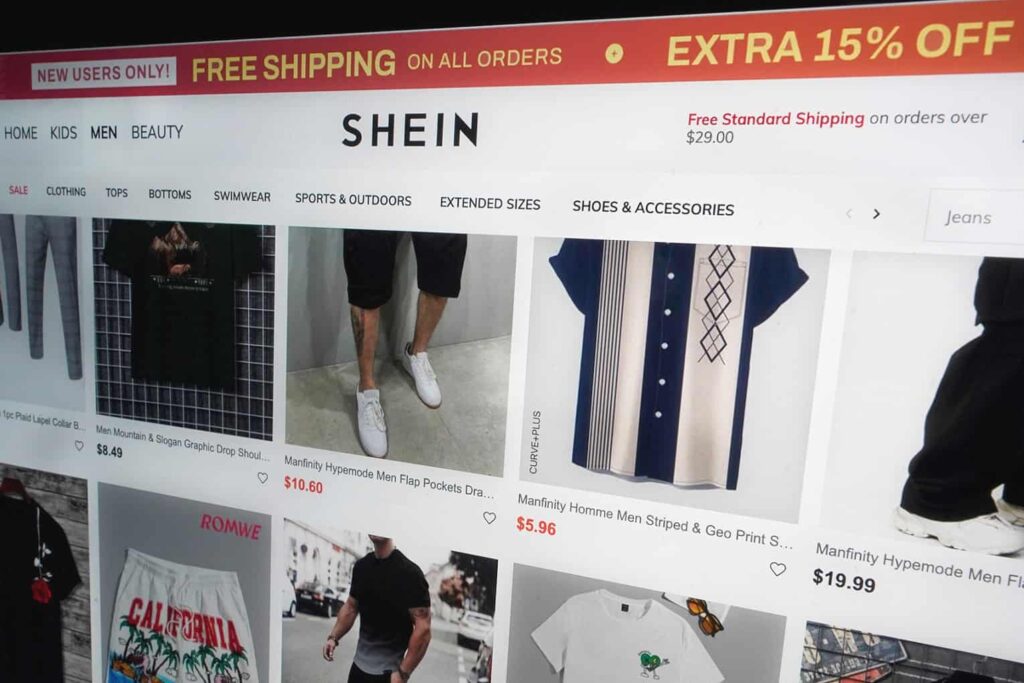
EU Finds That Shein Violated Consumer Legislation!

The European Union is taking measures to ensure a safe and transparent digital environment for online consumers living in Europe and to ensure compliance with relevant laws. In this context, China-based e-commerce platforms were scrutinized. The European Commission launched an investigation into Shein within the scope of a joint action plan initiated by national authorities in Belgium, France, Ireland, and the Netherlands and coordinated through the CPC (Consumer Protection Cooperation) network.

As a result of the investigation, various commercial practices of Shein were found to violate European consumer protection legislation. Official notifications were made to the Chinese e-commerce company. Shein was given one month to respond to complaints and offer corrective measures.

What Is Shein Violating?

The investigation covers various aspects of the online shopping experience on the platform. In this context, misleading discounts not based on previous prices and coercive sales techniques such as artificial countdowns that push users to buy quickly were identified. Additionally, it was determined that incomplete or misleading information was provided regarding cancellation and return rights. Furthermore, deceptive product labels that present mandatory product features as special, misleading sustainability claims, and lack of transparency about contact information were among the violations cited.

The CPC requested Shein to provide clarifications regarding transparency in product classifications, reviews and ratings, and the sharing of contractual responsibilities between Shein and third-party sellers. EU legislation requires that consumers must always know who the seller is and what rights apply.

The CPC’s steps are also connected to the investigation conducted by the European Commission under the Digital Services Act (DSA), which imposes increased obligations on large digital platforms. Shein has been classified as a Very Large Online Platform (VLOP) as of April 26, 2024. Within this framework, it is subject to additional responsibilities in managing systemic risks, especially those related to consumer protection.

“We Will Not Hesitate to Hold E-Commerce Platforms Accountable”

Henna Virkkunen, Vice President of the EU Commission responsible for Technological Sovereignty, made the following statement on the issue: “This investigation demonstrates our determination to provide an effective and coordinated response when online platforms and retailers fail to comply with the rules.”

Commissioner for Democracy, Justice, Rule of Law, and Consumer Protection Michael McGrath stated, “All companies targeting consumers in the EU must comply with our rules. EU consumer protection laws are not optional; they must be enforced in every case. We will not hesitate to hold e-commerce platforms accountable, regardless of where they are headquartered.”

The Shein Investigation Continues

The Commission and national consumer protection authorities launched the investigation in February. Among the violations identified within the scope of the investigation are fake discounts, pressure on consumers, incomplete and misleading information, deceptive product labeling, and hidden contact information related to Shein’s customer service.

If Shein does not provide a satisfactory response to the complaints, the national authorities of the member states may impose sanctions, including economic penalties proportional to the company’s turnover in that country.

The Commission and national authorities are also still examining whether Shein’s algorithm is misleading—particularly whether product rankings, reviews, and ratings are being presented inaccurately to consumers. In addition, Shein’s contractual obligations with third-party sellers are also under scrutiny.

Meanwhile, a Shein spokesperson stated that the company “is working constructively with national consumer authorities and the EU Commission” and is “actively engaged in the process to address any concerns.”


TikTok Shop is Expanding in Europe!

Africa’s Largest Marketplace: Jumia

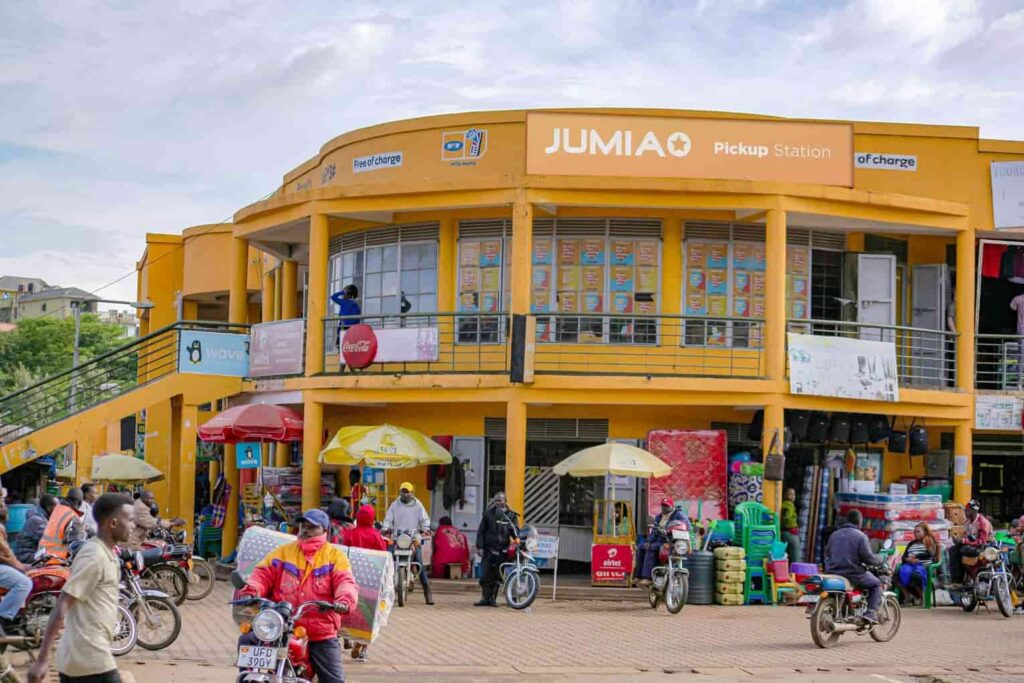
Africa is drawing global attention with its young population, rapidly growing cities, and increasing disposable income. With developing economies and excellent potential for e-commerce, the continent is home to 54 countries, each at different stages of economic growth. Nigeria, the most populous country in Africa, also boasts the continent’s largest economy. Headquartered in Nigeria, Jumia stands as Africa’s largest online marketplace. With monthly traffic ranging between 20 and 25 million visitors, Jumia is the only true pan-African platform on the list, operating across multiple markets.

Jumia Group CEO Francis Dufay spoke exclusively to WORLDEF E-COMMERCE magazine. In this interview, we discussed Jumia’s future goals, its collaboration with Hepsiburada, and the evolution of e-commerce in Africa. Dufay also shared valuable insights on several other key topics. Here is the full interview—enjoy the read!

Jumia was founded in 2012 in Lagos, Nigeria. The company’s mission is to improve the quality of everyday life in Africa by leveraging technology to provide innovative, convenient, and affordable online services. Its vision is to connect African consumers and entrepreneurs, fostering economic growth and expanding access to goods and services. The platform consists of a marketplace that connects sellers with consumers, a logistics service that facilitates package delivery, and a payment service, JumiaPay, which enables secure transactions. Listed on the New York Stock Exchange (NYSE: JMIA) since 2019, Jumia operates in 9 countries across Africa and also has offices in China, Dubai, New York, Germany, and Portugal.

Jumia Had an Annual Active Customers of 5.4 Million

For the full year of 2024, Jumia reported revenue of $167.5 million, down 10% year-over-year, or up 17% in constant currency. GMV of $720.6 million, down 4% year-over-year, or up 28% in constant currency. Operating loss of $66.0 million compared to $73.3 million in 2023, down 10% year-over-year, or down 15% in constant currency. Adjusted EBITDA loss of $51.3 million compared to $58.2 million in 2023, down 12%  year-over-year, or down 21% in constant currency.

Physical goods Orders, excluding South Africa and Tunisia, increased 18% year-over-year, with even greater acceleration in December. The strong growth was driven by robust customer demand, continued product expansion, and compelling value for our offerings. Total physical goods Orders increased 15% year-over-year. In 2024, Jumia had an annual active customers of 5.4 million. The company is attracting what it believes to be a stickier and higher quality customer base as evidenced by a 375 basis point year-over-year improvement in repurchase rates with reference to the third quarter of 2024.

Francis Dufay shared the following regarding the goals for 2025: “As we look ahead to 2025, the company is optimistic about its future. The business is stronger and more efficient than it was just two years ago, and we believe we have a good opportunity ahead of us. Our priorities for the year are to build on this momentum by driving top-line growth and improving operational efficiencies. We plan to double down on expansion outside the main urban centers, expand our product assortment with competitive pricing, and strengthen relationships with international sellers. To improve our path to profitability, we will continue to enforce cost discipline and enhance operational and marketing efficiency.”

What Sets Jumia Apart from Its Competitors

In response to the question, “What differentiates Jumia from competitors like Amazon and Takealot?”, Francis Dufay stated:Jumia is present in 9 markets in Africa. Takealot is only present  in South Africa, and Amazon is present there and in Egypt. In South Africa, Jumia only offered fashion through Zando and our competitors don’t currently operate in the fashion segment or they sold it. Jumia’s unique value proposition lies in its deep understanding of the African market and its ability to tailor services to the continent’s diverse needs. Unlike global competitors, Jumia has built an extensive logistics network capable of reaching rural and remote areas, ensuring reliable delivery even in regions with limited infrastructure.”

Dufay added; “Our payment solution, JumiaPay, addresses the specific financial ecosystem in Africa, promoting cashless transactions in markets where traditional banking services may be limited. Additionally, Jumia’s commitment to supporting local entrepreneurs and businesses fosters economic growth and provides consumers with a wide array of locally sourced products.”

What does Jumia Promise to E-commerce Sellers?

Jumia Group CEO Francis Dufay responded to the question, *“As a global marketplace, what do you promise e-commerce sellers?”* as follows: “Jumia offers e-commerce sellers a robust platform to reach millions of consumers across multiple African countries. We provide end-to-end logistics support, from warehousing to last-mile delivery, ensuring products reach customers efficiently. Our payment infrastructure, JumiaPay, guarantees secure and timely transactions. Furthermore, sellers benefit from our marketing and advertising services, designed to enhance product visibility and drive sales. We are committed to fostering a supportive environment that enables sellers to scale their businesses and thrive in the African e-commerce landscape.”

“Hepsiburada Has Started Listing Turkish Brands on Jumia Egypt”

Last October, Jumia partnered with Hepsiburada, one of Türkiye’s largest marketplaces. Dufay shared the following information on this collaboration: In October 2024, Jumia entered into a strategic partnership with Hepsiburada to enhance product offerings for consumers in Egypt and North Africa. Through this collaboration, Hepsiburada lists its private label products and selected Turkish brands on the Jumia Egypt marketplace. This initiative aims to provide our customers with a wider selection of authentic, high-quality Turkish products. The partnership is currently operational in Egypt, and we are evaluating the potential to expand this collaboration to other African markets where Jumia has a presence.”

“Jumia is Ceasing Operations in South Africa and Tunisia”

Following Jumia’s announcement of its withdrawal from the South African and Tunisian markets, Dufay shared the latest developments: In October 2024, Jumia made the strategic decision to cease operations in South Africa and Tunisia to focus resources on markets with higher growth potential. These two countries collectively accounted for approximately 2% of orders and 3% of GMV in the first nine months of 2024. The exit process involved employee and lease termination costs, asset liquidation, and other associated expenses. This move allows us to streamline operations and concentrate on strengthening our presence in core markets where we see significant opportunities for growth and profitability.”

In response to the question, “What are your plans regarding the strategy of focusing on consolidation in the nine countries where the company operates?” Dufay stated:  “Our current strategy emphasizes deepening our footprint in the existing nine countries by enhancing the customer value proposition, expanding our logistics capabilities, and enriching our product assortment. We are investing in technology and infrastructure to improve operational efficiency and customer experience. By focusing on these markets, we aim to capture the substantial untapped potential and drive sustainable growth. This approach allows us to allocate resources effectively and build stronger relationships with local consumers and sellers.”

The E-commerce Market in Africa Will Exceed $40 Billion by 2025!

The African e-commerce landscape has been experiencing steady growth, driven by increasing internet penetration, mobile connectivity, and a youthful, tech-savvy population. According to data from Statista, the e-commerce market in Africa is expected to generate $40.49 billion in revenue by 2025. With an anticipated annual growth rate (CAGR 2025-2029) of 8.46%, the market is projected to reach a volume of $56.03 billion by 2029. According to data from TechCabal Insights, Africa’s mobile-first approach is expected to account for over 60% of e-commerce transactions by 2025, with mobile phone adoption projected to reach 623 million unique subscribers by the same year.

Dufay also shared his insights on cross-border e-commerce in Africa: Cross-border e-commerce in Africa is gaining momentum, facilitated by regional trade agreements and improvements in logistics infrastructure. Jumia has been instrumental in this growth by enabling international sellers to reach African consumers and vice versa. Our platform offers a diverse range of products from global vendors, providing consumers access to goods that may not be readily available locally. This expansion of cross-border trade contributes to a more dynamic and competitive marketplace, benefiting both consumers and sellers.”

He added that Nigeria, Egypt, and Kenya are among the countries with the greatest potential for e-commerce, thanks to their large populations, increasing internet penetration, and growing middle class.

Challenges of E-commerce in Africa

In response to the question, “As the largest marketplace in Africa, what are the key challenges for e-commerce in the countries you serve?” Francis Dufay stated: “E-commerce in Africa faces several structural challenges, including logistics infrastructure, digital payment adoption, and internet penetration. Many regions still lack reliable transportation networks, making last-mile delivery a complex and costly process.

Additionally, while digital payments are growing, cash remains dominant in many markets, requiring a hybrid approach to payments. Internet penetration and smartphone adoption are increasing, but data costs can still be prohibitive for some consumers. Regulatory complexities and fragmented markets also pose challenges, as each country has its own rules governing e-commerce, imports, and taxation. Despite these hurdles, Jumia continues to innovate by investing in logistics, expanding JumiaPay, and working closely with local governments to create an enabling environment for digital commerce.”

“E-commerce will become an integral part of daily life”

Jumia Group CEO Francis Dufay envisions a future where e-commerce in Africa becomes an integral part of daily life, driven by technological advancements and increased accessibility. He believes that continued investment in infrastructure, fostering local entrepreneurship, and embracing innovation will propel the industry forward, ultimately contributing to economic growth across the continent.

Jumia’s Artificial Intelligence Strategy

So, how is artificial intelligence transforming e-commerce in Africa? What is Jumia’s AI strategy? Here is the assessment of e-commerce professional Francis Dufay: “Artificial intelligence is revolutionizing e-commerce in Africa by enhancing personalized shopping experiences, optimizing supply chains, and improving customer service through chatbots and virtual assistants.

At Jumia, we are integrating AI to analyze consumer behavior, forecast demand, and streamline operations, ensuring we meet the evolving needs of our customers efficiently. We recently adopted Sprinklr to enhance the user experience for customers, sellers, and employees across 9 African countries and 140+ digital channels, including WhatsApp, TikTok, email and live chat. Sprinklr’s customized, AI-powered platform and self-service capabilities offer Jumia a scalable, omnichannel solution to effectively manage support for its diverse user base.

Jumia’s adoption of Sprinklr consolidates user support operations onto a single platform, providing real-time visibility into agent interactions and performance. This empowers managers to understand key topics and themes that drive contact center traffic and to allocate support resources effectively. With customizable reporting and data-driven insights, the team gains a deeper understanding of support interactions, enabling targeted training programs and enhancing overall service quality.”

Highlighting that Jumia provides employment to thousands of people, Dufay said, “Jumia’s team is a diverse and dynamic group of professionals committed to driving the growth of e-commerce across Africa. With operations in nine countries, Jumia employs thousands of people across various departments, including technology, supply chain, commercial, marketing, customer service, and vendor management.

The company is built on a strong culture of innovation, agility, and collaboration, attracting top talents from Africa and beyond. Jumia also invests in young talents through internships, training programs, and initiatives like JForce, which empowers independent sales consultants. Our leadership team brings together expertise in e-commerce, technology, and financial services, ensuring that we continue to shape the future of online retail on the continent.”

Who is Francis Dufay?

Francis Dufay is currently the CEO of Jumia. Prior, he was EVP Africa for the Jumia Group. Before that, he served as CEO of Jumia Ivory Coast from 2014 until 2022. Before joining Jumia, Francis worked in Brussels (Belgium) for McKinsey & Company (2009-2014) where he managed projects in Europe and Sub-Saharan Africa, focused on eCommerce and retail, as well as Public sector & economic development.  Francis holds an MBA in Marketing from Northwestern University (UK) – Kellogg School of Management; a master’s in management from the Community of European Management Schools (CEMS) Masters in Management and an MSc from HEC Paris Business School (France).


US Tariffs: Temu Halts Direct Product Sales from China to the US!

Chinese e-commerce platform Temu has announced that it will halt the direct sale of products imported from China to customers in the United States via its own platform. This move came with the end of the duty-free exemption rule applied to low-value packages in the US. Platforms like Temu had been benefiting from the “de minimis” exemption for direct sales to the US.

The US’s new customs tariffs started on Friday, May 2, 2025. Accordingly, the tax exemption called “de minimis” applied to small packages has ended. This situation forced e-commerce retailers, especially those based in China, to make some decisions. Some e-retailers are halting direct sales to customers in the US. Temu is leading among them. Temu is giving up on imports from China to the US. The platform aims to sell products to American consumers only from local sellers.

In line with a decision recently made by US President Donald Trump, the “de minimis” exemption applied to e-commerce packages under $800 from China and Hong Kong was lifted on May 2. Under “de minimis,” products were mostly subject to tariffs of up to 145%. This move negatively impacted global e-commerce. China responded with retaliation!

Temu: Sales Will Be Made by Local Sellers

Platforms like China-based Temu and Singapore-based Shein had been benefiting from the “de minimis” customs exemption for direct sale and shipment of low-value products to the US. The cross-border e-commerce platform Temu, based in China, announced that it will stop direct sales from China to US consumers. Accordingly, Temu announced that sales will now be carried out by “local sellers” and that orders will be fulfilled from within the country. The Chinese e-commerce platform is actively working to onboard US-based companies onto the platform.

In a statement from Temu, it was said, “All sales are now made by sellers located in the US, and orders are fulfilled domestically. This step aims to help local sellers reach more customers and grow their businesses.” In February, Temu had asked Chinese factories to send their products in bulk to American warehouses.

Shein, on the other hand, has not yet made a statement on the issue. Last month, Shein and Temu announced that due to “recent changes in global trade rules and customs tariffs,” their operating costs had increased, and that they would make “price adjustments” as of April 25.

What Will Happen in E-Commerce from China?

Packages sent from China and Hong Kong to the US valued up to $800 are now either subject to a 120% tax or a fixed fee. This fee initially started at $100 and will rise to $200 in June.

In February, Temu had asked Chinese factories to send their products in bulk to American warehouses. This system is called the “semi-warehouse model,” and Temu says it only manages the online marketplace under this model. However, as stocks in the US run out and need to be replenished from China, if import tariffs remain at 145%, prices may increase over time. Fast fashion giant Shein also raised its prices in the US; in some products, this increase exceeded 300%.

Packages entering the US under the de minimis exemption were inspected in the same way as other products and checked for illegal substances. According to officials, most synthetic drugs are already entering the country through the Mexican border. Some experts believe that ending this exemption will have little effect on solving the problem of illegal drugs and will not provide a solution to the challenges faced by American manufacturers.

What is De Minimis?

De minimis” is a Latin term that can be roughly translated into English as “something insignificant.” In this context, it refers to a trade rule enacted by the US Congress in 1938 to prevent the collection of import taxes on only small amounts.

After this threshold was increased several times in the 21st century, it allowed retailers to send packages valued under $800 to US customers without paying taxes or customs fees. According to the US Customs and Border Protection (CBP), shipments under this exemption accounted for more than 90% of all cargo entering the country.


China’s E-Commerce Air Cargo Flights Are Being Canceled!

Amazon Plans to Show New Tariffs in Prices to Consumers!

It was claimed that Amazon plans to show how much customs duties affect the product cost alongside the final prices of the products sold on its platform. This plan was considered by the Trump camp as “a political provocation.”

White House Press Secretary Karoline Leavitt described Amazon’s plan as “a hostile and political move.” Leavitt asked, “Why didn’t Amazon make this announcement during the Biden era when inflation hit a 40-year high?” On the other hand, it was reported that Donald Trump called Jeff Bezos to express his discomfort with the plan.

Amazon: This was never approved and will not happen!

Amazon, however, stated that there is no such pricing display plan on its main shopping platform. Amazon spokesperson Tim Doyle said, “The team managing our ultra-low-cost Amazon Haul store considered the idea of listing import fees on certain items. This was never approved and will not happen.”

During the Trump administration, a 145% customs tariff was imposed on China. This high rate was of a nature to change the general direction of trade. Additionally, a general 10% tariff was implemented against other countries. Trump said the new tariffs were necessary to balance American competitiveness in the global economy. However, experts stated that this plan would lead to price increases.

About 60% of Amazon’s sales come from small retailers

Amazon is among the major retailers preparing for the impact of the tariffs. Trump’s 145% tariffs on China are expected to harm independent retailers relying on imports. About 60% of Amazon’s sales come from small retailers. It was reported that some sellers backed out of Amazon’s “Prime Day” event this week.


China’s E-Commerce Air Cargo Flights Are Being Canceled!