WORLDEF ISTANBUL 2026 - Early Bird Registration Ends Soon

Register Now

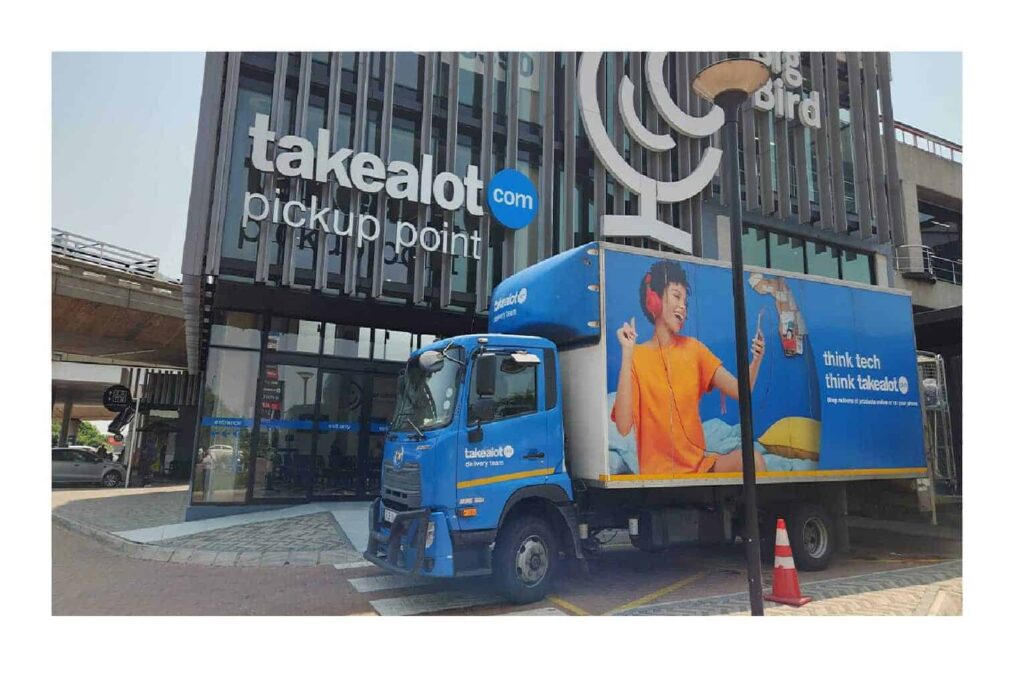
Takealot Expanded Its Instant Delivery Service to Durban

Takealot announced that TakealotNOW has launched in selected neighborhoods of Durban, including Morningside, Berea, Westville, and parts of Durban North. Users in these areas can access a wide range of products, including technology, books, DIY products, beauty items, and household goods, delivered within minutes.

The company stated that this expansion reflects changing expectations around speed and convenience. According to Takealot, the service is positioned for consumers with busy lifestyles who prefer fast delivery over traditional delivery timelines.

Users can access the service by selecting the “Get it Now” option on eligible products in the Takealot app. Orders are fulfilled by logistics partner Mr D, which handles last-mile deliveries. In addition, users can also view the TakealotNOW store via the “Shops” section in the Mr D app.

From Pilot Project to Nationwide Expansion

TakealotNOW was launched as a pilot project in 2023 and scaled rapidly alongside rising demand for instant shopping in South Africa. The service had previously expanded to the greater Cape Town metropolitan area, Johannesburg, and Pretoria; Durban became the latest addition to this expansion chain.

Takealot stated that this expansion is part of a broader strategy to strengthen its position in the globally growing fast commerce segment. Consumers’ increasing preference for faster delivery for both essential goods and high-value products has been among the key factors supporting this strategy.

Takealot Subscription Model and User Benefits

Subscription users also directly benefited from the expansion. Users subscribed to TakealotMORE, priced at 99 Rand per month, receive unlimited free TakealotNOW deliveries, along with exclusive discounts and coupons. The company emphasized that this model offers access to products within minutes while enabling savings on delivery fees.

Data shared by Takealot revealed a diversification in consumer behavior on the platform. Over the past three months, the most popular TakealotNOW products by sales volume consisted mainly of everyday essentials, such as pet food, laundry detergent, health supplements, beauty gift sets, and wireless earbuds.

However, analyses based on gross merchandise value (GMV) showed that users also utilized the instant delivery service for higher-priced products. Smartphones, gaming consoles, tablets, and small home appliances such as digital air fryers stood out among the leading products in this category.

According to the company, this picture demonstrated growing consumer trust in instant delivery for both routine purchases and high-budget items.

As Takealot continues to expand TakealotNOW into new urban centers, it positions the service as a response to the South African e-commerce market, where speed, flexibility, and convenience increasingly influence purchasing decisions.

Walmart Becomes the First Traditional Retailer to Reach a $1 Trillion Market Value

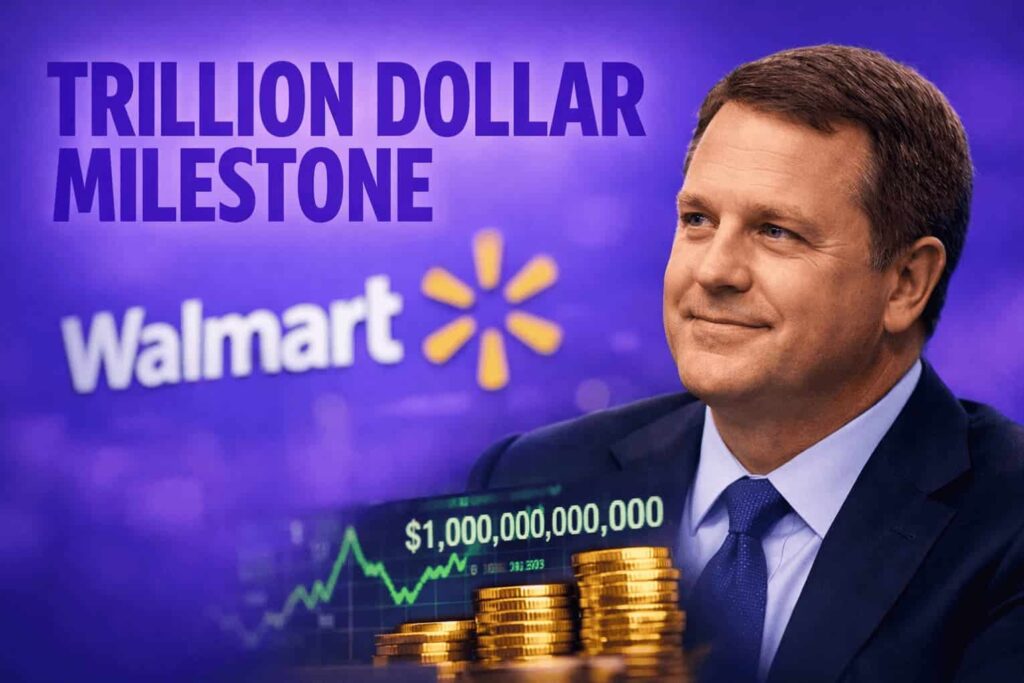
Walmart’s market value exceeded the $1 trillion mark after its stock price rose more than 3% on Tuesday. The recent surge in the stock price, gaining momentum in recent months, was driven by strong demand from price-sensitive consumers in a period of persistent inflation and signs of a cooling labor market.

The shift in consumer behavior, with higher-income consumers turning to lower-priced products, has strengthened Walmart’s core value proposition. Additionally, its fast and reliable home delivery services attracted households from different income groups, reinforcing the company’s position in both physical and digital retail.

Walmart Reports Strong Sales Growth in November

In its most recent financial results published for November, Walmart reported strong sales growth in key categories including food and apparel. Company executives noted that Wal mart’s scale provided protection against economic pressures, which were challenging smaller competitors.

John David Rainey, Walmart’s Chief Financial Officer, highlighted in a statement made at the time that the company’s pricing approach had “better protected it than almost anyone else,” emphasizing resilience in a tough consumer environment.

AI Investments and Digital Transformation Shift Perception

The positive sentiment on Wall Street also reflected Wal mart’s aggressive investments in artificial intelligence and digital capabilities. Investors began to view the company not just as a traditional retailer but as a tech-enhanced player.

Wal mart’s e-commerce sales in the U.S. rose by 28% in the three-month period ending on October 31, driven by growth in online orders and digital advertising. This performance positioned Walmart as a stronger competitor to Amazon. However, Amazon’s market value still remains around $2.6 trillion.

In October, Walmart announced a partnership with OpenAI, enabling customers and Sam’s Club members to use chat-based tools to plan meals, replenish essential items, and discover new products. Company executives positioned AI as a key driver of efficiency and customer engagement moving forward.

Wal mart’s decision late last year to move its shares from the New York Stock Exchange to the tech-heavy Nasdaq also strengthened its goal of being perceived as a digitally focused company. This historic milestone was surpassed in the first week of John Furner’s leadership at the company. Furner, who previously managed Walmart’s U.S. operations, is known as a strong advocate for technology investments.

Walmart Joins an Elite Club

Wal mart became the first traditional retailer to reach a $1 trillion market value. This club remains largely composed of technology giants, although Berkshire Hathaway reached this level in 2024. Pharmaceutical company Eli Lilly briefly surpassed the $1 trillion mark late last year but later fell below this level. For Walmart, this valuation stands out as a significant indicator of how a decades-old retail giant is reshaping itself in a period of changing consumer habits and accelerating technological transformation.

Walmart CEO Doug McMillon to Retire in 2026; New CEO John Furner to Take Over

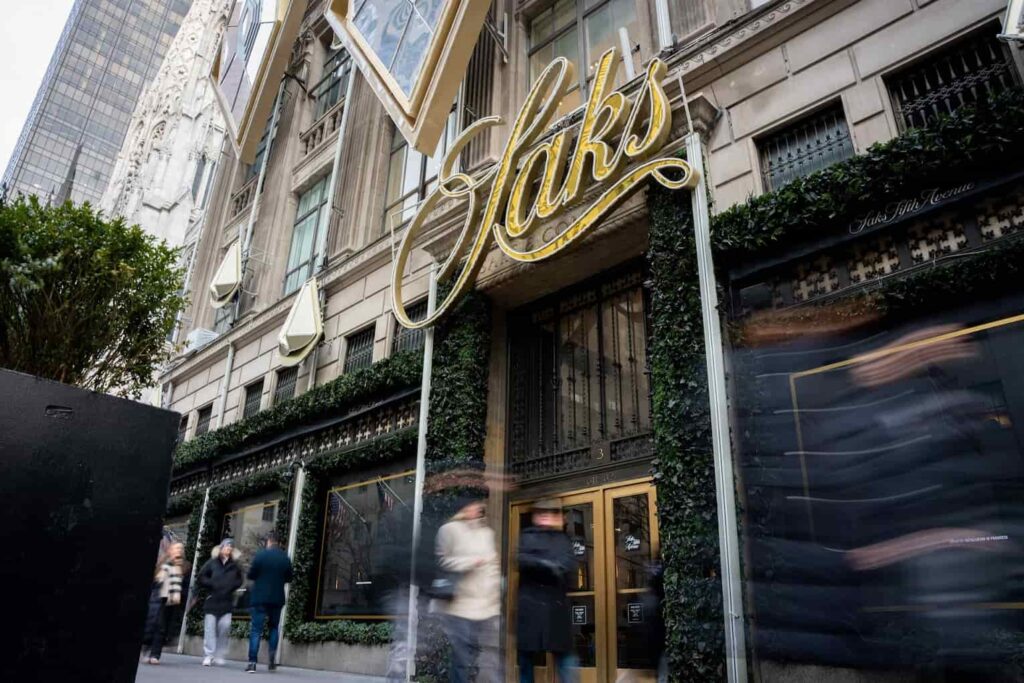
Saks Global Decided to End Its Partnership With Amazon

Saks Global took a step toward closing its luxury store on Amazon, one of the high-profile partnerships aimed at expanding its digital reach.

According to a Reuters report, this decision was taken as part of the comprehensive restructuring process carried out by the US luxury retailer following its Chapter 11 bankruptcy filing at the beginning of January.

While the move was considered a setback for Amazon’s goals of gaining a stronger position in high-end retail, it also brought renewed attention to luxury brands’ concerns about being present on mass-market e-commerce platforms.

Saks Plans to Redirect Traffic to Its Own Platform

According to a source close to the matter who spoke to Reuters, Saks plans to redirect online traffic back to its own website, saks.com, by closing the online store called “Saks on Amazon.” The same source stated that brand participation on the Amazon store remained limited and conveyed that some leading luxury brands expressed concerns that selling on a mass-market-oriented platform could weaken their brand positioning.

While Saks did not make a public statement on the matter, a brief statement from Amazon said that beyond the Saks experience, Amazon’s luxury store continues to offer a broad range of high-end brands and regularly adds new luxury brands.

The partnership between the two companies had already been under pressure after Saks Global filed for bankruptcy on January 14. The company had announced that it was reassessing its operational footprint, but had not made a clear statement on whether it would cancel the Amazon agreement as part of the bankruptcy process. Recent developments, however, revealed a shift in strategic direction.

Bankruptcy Pressure and Withdrawal From Off-Price Sales

The decision to end the Amazon partnership came immediately after other major downsizing steps by Saks. According to a separate Reuters report published a day earlier, the company was preparing to shut down most of its off-price-focused operations. This included the majority of Saks Off 5th stores and the entirety of the Neiman Marcus Last Call brand.

In its bankruptcy filing, Saks stated that the off-price division had become a significant financial burden for the company, noting that Saks Off 5th, including both physical stores and e-commerce operations, was expected to incur a loss of USD 139 million in fiscal year 2025.

Saks Global had been formed about a year earlier through the combination of Saks Fifth Avenue, Bergdorf Goodman, and Neiman Marcus. While attempting to stabilize its financial structure, the company clearly shifted its focus back to full-price luxury sales.

Amazon’s Investment and Legal Objection

Amazon had made an equity investment in Saks Global during the company’s formation in 2024. After the bankruptcy process began, Amazon filed an objection in court, arguing that its investment had become “presumptively worthless.” It also claimed that certain terms of the USD 1.75 billion financing secured by Saks were unfavorable to creditors.

Despite this, Amazon stated that it remains committed to its own luxury retail offerings independent of the Saks store and continues to work with selected brands.

Broader Implications for Luxury Retail

Industry observers noted that Saks’ decision to withdraw from Amazon reflected the structural pressures facing traditional department stores. As consumer traffic increasingly shifts to digital channels, the number of luxury stores is expected to decline, while the resulting vacancies may create new expansion opportunities for off-price and beauty retailers.

For Saks, the move away from Amazon represents a transition to a digital strategy that prioritizes direct customer relationships and brand control. As the company seeks to redefine its position in a rapidly changing retail environment, this step is regarded as a significant strategic shift.

The Biggest Layoff Wave in Recent Years at Amazon: 16,000 People Will Be Affected!

The Biggest Layoff Wave in Recent Years at Amazon: 16,000 People Will Be Affected!

Amazon plans to layoff approximately 16,000 positions globally, primarily within Amazon Web Services (AWS). The plan came to light after an internal email that informed employees in advance about the upcoming layoffs was mistakenly sent. It was stated that this plan is part of a broader restructuring process aimed at reducing bureaucracy and reshaping the corporate workforce.

The internal email in question was mistakenly sent on Tuesday night. The email message, which was understood to be erroneous, caused confusion among teams before Amazon made its official announcement on Wednesday morning. Amazon did not provide a detailed explanation regarding which teams or countries would be affected by the layoffs. However, it was noted that this step is a continuation of a comprehensive corporate downsizing plan that had been previously signaled.

The Mistakenly Sent Email Created Confusion Within AWS

According to information reviewed by Reuters and the BBC, the confusion began when a draft email signed by “Colleen Aubrey” was mistakenly sent to employees. Aubrey’s message, who is the Senior Vice President responsible for Applied Artificial Intelligence Solutions at AWS, had been embedded in a calendar invitation sent to employees. The title of the invitation was “Send Project Dawn email.” This phrase referred to the internal code name used by Amazon for the layoffs.

The email stated that some employees in the United States, Canada, and Costa Rica had been informed that they had been laid off. However, at that time, no official notification had yet been made to the affected employees. Employees who received the message stated that the related meeting planned for Wednesday was canceled shortly afterward and that the uncertainty increased even further.

The message emphasized that the layoffs were part of ongoing efforts to strengthen the company. It also stated that such changes were difficult but necessary for the future success of Amazon and AWS. Amazon did not initially respond to requests for comment regarding the erroneous sending.

Amazon Enters a Broad Restructuring and Strategic Change

Early on Wednesday, Amazon officially announced that it would carry out layoffs of approximately 16,000 people in order to streamline operations and reduce organizational layers. This announcement came after the elimination of approximately 14,000 corporate positions in October. In addition, the company had also reported that it made additional layoffs this week as part of its plan to close Amazon Fresh and Amazon Go branded stores or convert some of them into Whole Foods stores.

Sources close to the matter who spoke to Reuters stated that some roles within AWS, retail operations, Prime Video, and human resources units would be affected. However, the full scope of the cuts was not shared with the public. Although these layoffs constitute a small portion of Amazon’s global workforce of approximately 1.5 million people, they correspond to about 10 percent of corporate employees.

These steps are considered part of the cost-cutting policies carried out under the leadership of Andy Jassy, who took office after founder Jeff Bezos stepped down from the CEO position four years ago. During this period, Amazon introduced a requirement to work from the office five days a week and began implementing stricter controls over corporate spending.

Beth Galetti Addressed Employees Regarding the Layoffs

Beth Galetti, Amazon’s Senior Vice President of People Experience and Technology, confirmed the scope of the layoffs and explained the company’s rationale in a message she shared with employees on Wednesday. Galetti stated that this step is a continuation of the efforts announced in October to reduce layers within the organization, increase ownership, and eliminate bureaucracy.

Galetti said that the changes would affect approximately 16,000 roles across Amazon and stated that they were working to provide support to affected employees. She noted that the majority of U.S.-based employees would be given 90 days to find a new position within the company, while international processes would vary according to local regulations. She added that employees who are unable to find a new role within Amazon or who choose not to pursue this option would be provided with benefits such as severance pay, career transition support, and, where applicable, health insurance.

Galetti also addressed concerns that the company would carry out broad layoffs every few months, stating that this was not Amazon’s plan. However, she emphasized that teams would continue to evaluate their speed and capacity to innovate for customers. Galetti also added that Amazon would continue hiring and investing in strategically important areas.

The Ongoing Transformation Process

Amazon had previously linked the layoffs to the increased use of artificial intelligence and the improvement of operational efficiency in its earlier statements. In Galetti’s blog post published in October, it was also stated that the company was likely to make additional adjustments in line with changing market conditions and technological transformation.

While the mistakenly sent email revealed disruptions in internal communication during a sensitive period, Amazon’s official statement demonstrated that the company continues to reshape its corporate structure in line with its cost control, innovation, and long-term growth objectives.

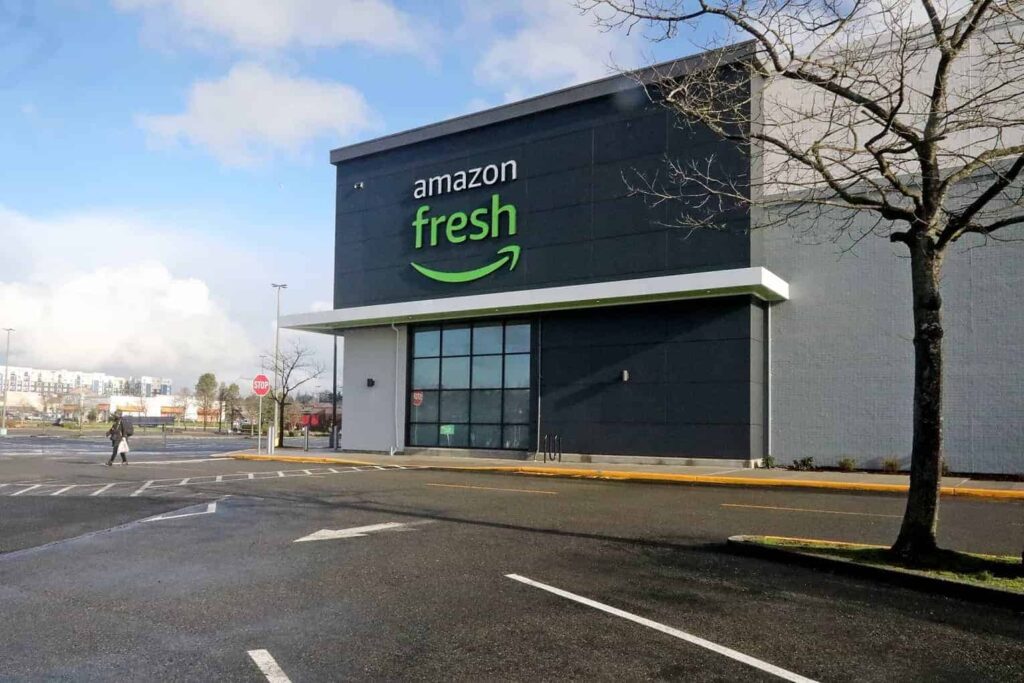
Amazon Decided to Close All Amazon Fresh and Go Stores!

Amazon Decided to Close All Amazon Fresh and Go Stores!

Amazon announced that it would close all Amazon Fresh markets and Amazon Go stores. The company thus took another step back from one of its physical retail models. The decision, covering approximately 70 stores, was taken as the company redirected its physical retail strategy toward the expansion of Whole Foods Market.

Seattle-based e-commerce giant Amazon stated that it had not found a suitable economic model to scale its “Amazon”-branded market concepts. While the company did not share a clear timetable for the closures, it was reported that some stores had already ceased operations.

58 Amazon Fresh and 14 Go Stores Are Closing

Amazon announced that it planned to close approximately 58 Amazon Fresh supermarkets and 14 Amazon Go stores across the United States. The company stated that it had received some positive signals in its Amazon-branded stores but had not been able to offer customers a sufficiently distinctive and strong experience.

Amazon said that some of the closed stores would be converted into Whole Foods Market stores; however, it did not disclose how many locations would fall within this scope. Whole Foods, which Amazon acquired in 2017, stands out as the company’s most successful physical investment in grocery retail.

It Had Announced the Closure of All Amazon Fresh Stores in the UK

Amazon executives have frequently emphasized in their public statements that they are not afraid to try different concepts and take the risk of failure. This decision came after the company’s previous retreats in physical retail. In March 2022, Amazon closed 68 stores belonging to the Amazon Books, Amazon 4-star, and Amazon Pop Up brands in the United States and the United Kingdom. In September of last year, it announced that all Amazon Fresh stores in the United Kingdom would be closed.

More Than 100 Whole Foods Market Stores to Open

Amazon emphasized the performance of Whole Foods Market and announced that it planned to open more than 100 new stores over the next few years. According to information shared by the company, Whole Foods has achieved over 40 percent sales growth since the acquisition and expanded to more than 550 locations. Customer traffic and comparable store sales growth were stated to be above the industry average.

Amazon also announced that it would continue to invest in new physical store concepts. The company confirmed a large-scale 229,000-square-foot store project planned outside Chicago and stated that it was working on a supermarket-like concept that brings together fresh food, household essentials, and general merchandise.

In addition, Amazon plans to expand the small-format Whole Foods Market Daily Shop concept that it launched in 2024. For this format, which currently has five operating stores, the goal is to open five more new stores by the end of the year.

Amazon stated that while closing Amazon Fresh and Go stores, it would continue to test hybrid retail experiences that include Amazon products within Whole Foods stores. The company said that this approach aims to make it easier for customers to access a broad range of grocery products from a single point.

DET and Dubai Chambers partner with Tradeling to accelerate SME digital growth

DET and Dubai Chambers partner with Tradeling to accelerate SME digital growth under Dubai Traders Initiative. Partnership to expand Dubai Traders into B2B and wholesale markets. Initiative enables SMEs to digitise wholesale operations, access institutional buyers, and scale across regional and global markets. Partnership builds on collaborations with noon and Amazon and supports the goals of the Dubai Economic Agenda D33.

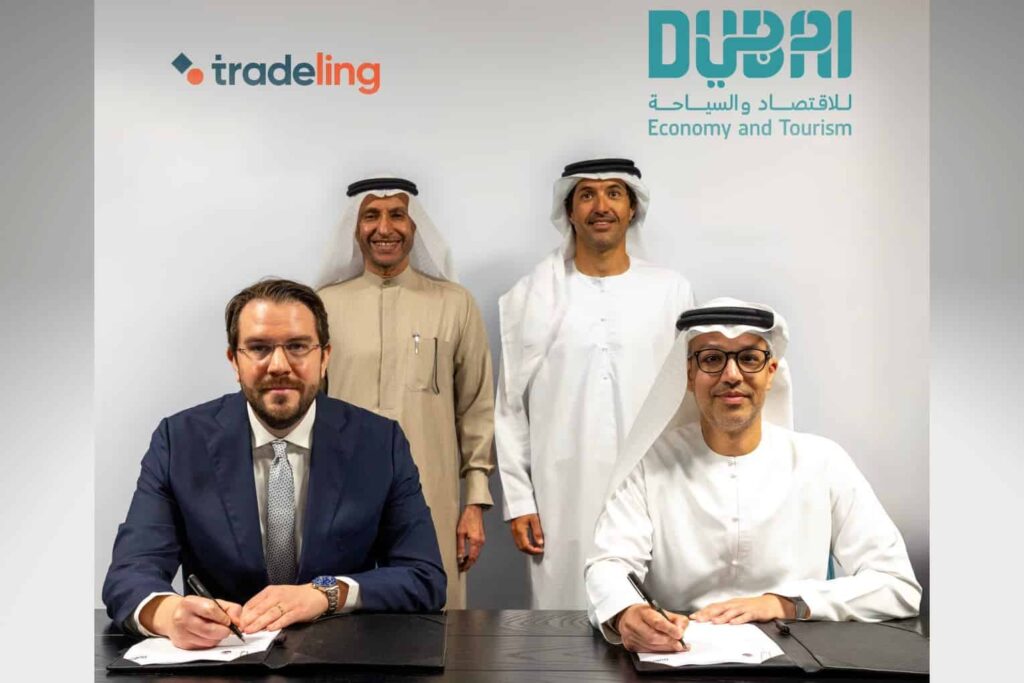
The Dubai Department of Economy and Tourism (DET) and Dubai Chambers have announced a strategic partnership with Tradeling, the MENA region’s largest B2B digital ecosystem, under the Dubai Traders initiative. Tradeling, a Dubai Integrated Economic Zones Authority (DIEZ) entity, will support Dubai-based SMEs in accelerating their transition into digital wholesale and B2B trade.

This Partnership Represents The Next Phase in The Evolution of Dubai Traders

The partnership agreement was signed in the presence of His Excellency Helal Saeed Almarri, Director General of the Dubai Department of Economy and Tourism, and His Excellency Dr. Mohammed Al Zarooni, Executive Chairman of the Dubai Integrated Economic Zones Authority (DIEZ). It was signed by His Excellency Hadi Badri, CEO of the Dubai Economic Development Corporation (DEDC), the economic development arm of DET, and Alastair Croker, CEO of Tradeling.

The partnership marks the next phase of Dubai Traders’ evolution, building on the strong momentum generated through anchor partnerships with leading B2C platforms noon and Amazon. This new partnership expands the initiative’s scope to B2B and wholesale markets, unlocking new growth pathways for traders, manufacturers, distributors, and exporters.

Launched in 2024, Dubai Traders is a cornerstone of the Dubai Economic Agenda D33, which aims to double the size of Dubai’s economy by 2033 and further consolidate its position as a premier global hub for business and innovation. By partnering with Tradeling, Dubai Traders is addressing a critical gap in SME enablement: helping businesses digitise their wholesale operations, access large institutional buyers, and scale efficiently across regional and international markets.

“It Marks A Turning Point in Enabling Smes To Leverage The Benefits Offered By a Digitally Driven Economy”

His Excellency Hadi Badri, CEO of the Dubai Economic Development Corporation (DEDC), the economic development arm of DET, said: “Under the guidance of our visionary leadership, the Dubai Traders initiative reinforces our mission to cultivate the most dynamic, accessible and beneficial environment for SMEs.

This partnership with Tradeling marks an important chapter in empowering SMEs in the city to harness the benefits and seize the opportunities of a digitally driven economy, advances our commitment to the Dubai Economic Agenda D33, and strengthens the city’s role as a leading destination for entrepreneurship and innovation. Through Dubai Traders, we are transforming entrepreneurial ambition into competitive advantage and creating new pathways for businesses to scale regionally and internationally.”

“It Will Provide Businesses With Clearer Visibility into Performance and Buyer Demand”

Saeed Al Gergawi, Vice President of Dubai Chamber of Digital Economy, one of the three chambers operating under the umbrella of Dubai Chambers, said: “With this collaboration, we are strengthening the practical support available to SMEs that want to grow through B2B channels, from digitising processes to building the capabilities needed to operate at scale.

The focus is on making adoption easier and more cost-effective, while giving businesses clearer visibility on performance and buyer demand so they can make faster, better-informed decisions. By expanding the enablement journey beyond consumer e-commerce, Dubai Traders is helping more SMEs compete for larger opportunities and grow sustainably as the digital trade landscape continues to evolve.”

“It Advances Dubai’s Vision of Building a Digitally Enabled Business Environment”

Alastair Croker, CEO of Tradeling, said: “As MENA’s largest B2B digital ecosystem serving thousands of businesses across the region, Tradeling is proud to collaborate with the Dubai Department of Economy and Tourism and Dubai Chambers through the Dubai Traders initiative. We witness first-hand the ambition and resilience of Dubai’s SME community and understand the powerful role that digital infrastructure plays in enabling sustainable growth. By equipping traders with access to the right digital tools and support, this partnership advances Dubai’s vision of building a globally competitive, digitally enabled business environment.”

Participating Businesses Will Gain Access to a Comprehensive Package of Incentives and Enablement Tools

Through the partnership, participating businesses will gain access to a comprehensive suite of incentives and enablement tools designed to reduce friction, accelerate onboarding, and drive sustainable B2B growth. Benefits include reduced Tradeling commissions and fulfilment fees, discounted advertising packages to boost product visibility among buyers, and dedicated onboarding support with personalised account management providing hands-on operational guidance.

Participants will also get access to regular educational webinars and training on B2B best practices, advanced data and analytics tools to support business planning and performance monitoring, enhanced platform-wide visibility through homepage banners and targeted promotional campaigns, and off-platform marketing support including digital campaigns and email marketing to drive buyer traffic.

Emirati sellers will receive additional tailored support, including bespoke content and branding assistance, customised growth roadmaps with expert advisory, prioritised placements on the platform, and exclusive opportunities to activate offline sales channels.

Tradeling Connects More Than 50,000 Business Buyers With 120,000 Sellers

Founded in 2019 and headquartered in Dubai, Tradeling has rapidly grown into MENA’s largest B2B ecosystem. Tradeling’s digital marketplace connects more than 50,000 business buyers with 120,000 sellers across 14 industry categories, offering millions of competitively priced wholesale products online. This marketplace is supported by the wider Tradeling B2B ecosystem, including integrated logistics, secure payment solutions, and a growing network of regional distribution channels.

Tradeling’s affiliation with DIEZ further reinforces its role as a trusted ecosystem partner aligned with Dubai’s digital economy and trade ambitions, with deep institutional credibility and a strong understanding of the region’s SME landscape. By combining Tradeling’s robust B2B infrastructure with DET’s and Dubai Chambers’ extensive SME networks, policy frameworks, and market access capabilities, the partnership creates a powerful end-to-end enablement model, from onboarding and digitisation to demand generation and cross-border expansion.

Dubai Traders Has Onboarded More Than 2,600 New E-Commerce Sellers

Since its launch, Dubai Traders has onboarded more than 2,600 new e-commerce sellers and supported over 410 Emirati-owned businesses, driving measurable impact in SME digital adoption. Through strategic partnerships with leading platforms including noon and Amazon, the initiative has enhanced access to marketplaces, fulfilment services, and advertising tools, cementing Dubai’s reputation as the smartest launch-pad for entrepreneurs eyeing regional and international customers.

The partnership with Tradeling extends this impact into wholesale, procurement, and institutional trade, reinforcing Dubai’s leadership in shaping the future of digital commerce across both B2C and B2B markets.
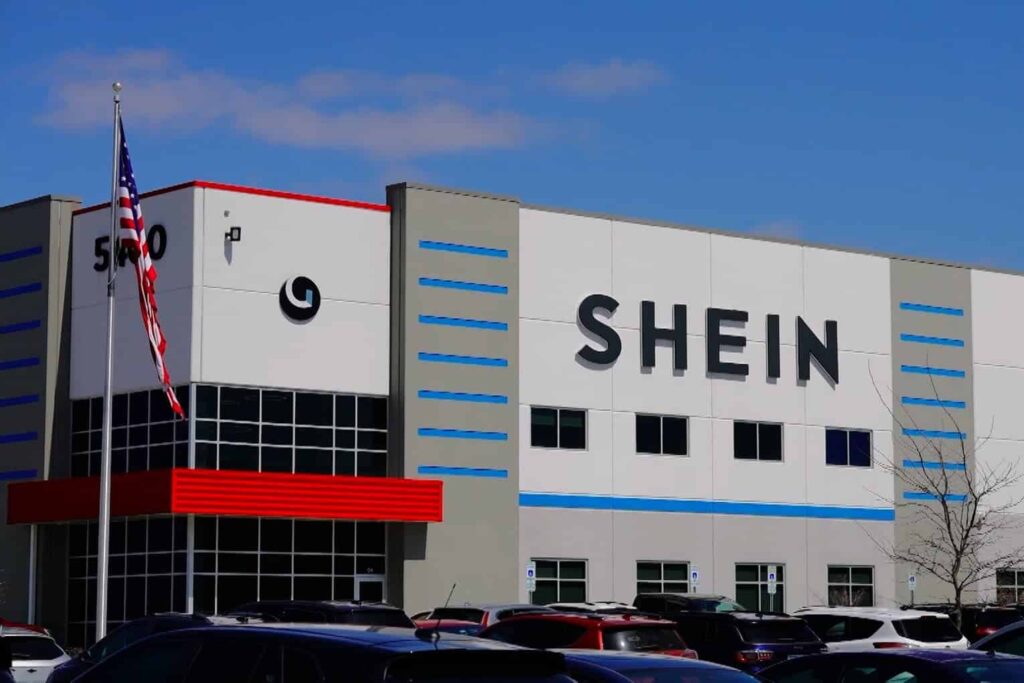
Shein Halted Its Sales in Türkiye!

Shein announced that it has temporarily halted its online sales in Türkiye. The company cited upcoming local regulatory and legislative changes as the reason for this decision. The Turkish Ministry of Trade had announced that, effective as of February 1, 2026, the “simplified customs procedure” applied to products under 30 euros for individual overseas purchases would be abolished. The company stated that, rather than completely withdrawing from the Türkiye market, it is carrying out efforts to overcome the process and resume services.

Shein: We Hope to Resume Our Services in Türkiye in the Near Future

Shein made the following statement on its official website; “Due to recent changes made to local legislation, we regret to inform you that we have had to temporarily suspend our sales in Türkiye. We understand the disappointment this situation may cause you. However, in order to continue offering you the latest fashion and lifestyle trends, we would like you to know that we are working with all our strength to overcome any obstacles that may be encountered. We hope to resume our services in Türkiye in the near future. We extend our endless thanks to you for your continued support. If you have any questions, please contact our customer service team.”

In the statement, while attention was drawn to the efforts being carried out to return to the Türkiye market, no clear date was shared regarding when sales would resume.

With the “30 Euro Law,” All Orders Will Be Subject to Customs Duty

With the regulation known to the Turkish public as the “30 euro law” coming into force, the practice of users paying low customs duty on low-value purchases has been abolished.

According to the regulation, which will be effective as of February 1, overseas orders under 30 euros will be subject to a stricter customs process, the costs of items such as customs brokerage fees and full taxation will increase, and the era of “buying cheap products from abroad” for individual users will come to an end. The decision was taken following the detection of toxic and carcinogenic substances in tests conducted on imported products and complaints of unfair competition from domestic manufacturers.

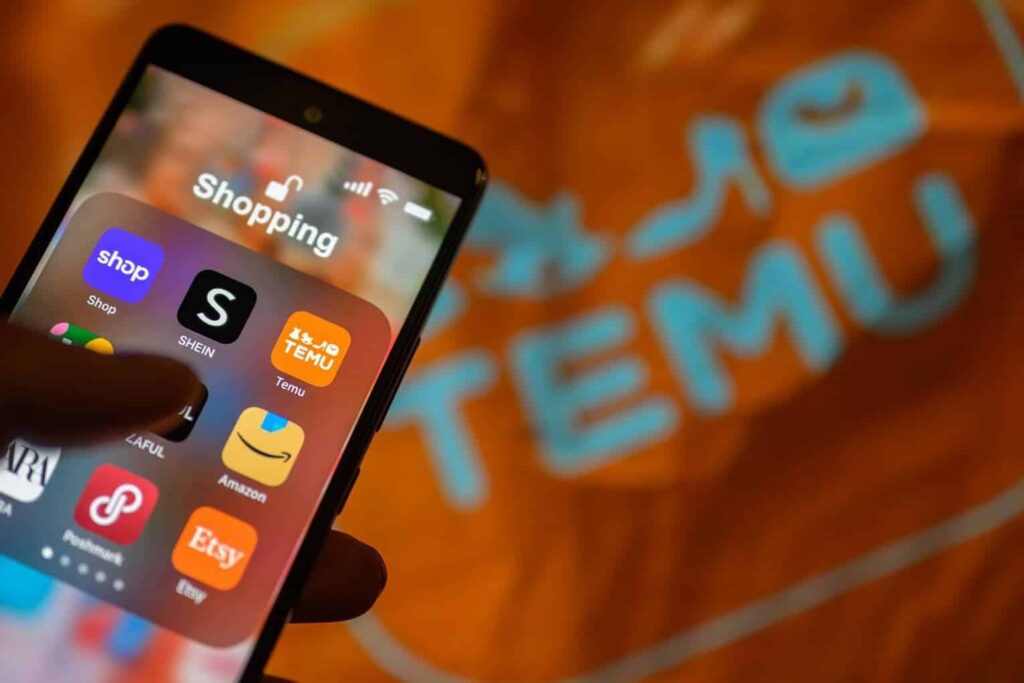
Temu Shut Down Cross-Border Sales to Türkiye

Temu Shut Down Cross-Border Sales to Türkiye

Chinese e-commerce giant Temu shut down the overseas shipping option in Türkiye. Sales are continuing only from the Türkiye warehouse. Last week, a raid was conducted at Temu’s office in Istanbul, and digital data were seized.

The Ministry of Trade of Türkiye had taken the decision to “abolish the customs procedure for products under 30 euros.” The decision will enter into force on February 1, 2026. Following this decision, Chinese e-commerce giant Temu shut down the overseas shipping option in Türkiye.

On Temu, customers in Türkiye were able to order products directly from China. When entering the application, products listed under the “global” category can no longer be seen. Currently, sales are proceeding only from the Türkiye warehouse.

The company did not make a statement on whether this change is temporary or permanent. No timeline was shared regarding when cross-border sales may resume. This step eliminated Temu’s core appeal among price-focused consumers, which had stood out with access to low-priced imported products.

With the “30 Euro Law,” All Orders Will Be Subject to Customs Duties

With the entry into force of the regulation known in the Turkish public as the “30 euro law,” the practice of users paying low customs duties on low-value purchases was abolished. According to the regulation, which will be effective as of February 1, overseas orders under 30 euros will be subject to a stricter customs process, the costs of items such as customs brokerage fees and full taxation will increase, and the period of “buying cheap products from abroad” for individual users will come to an end.

The decision was taken following the detection of toxic and carcinogenic substances in tests conducted on imported products and complaints from domestic producers regarding unfair competition. On the other hand, it is stated that Temu will not completely withdraw from Türkiye; however, it will narrow its operation. This decision was taken following the new customs practice as well as the increasing legal pressures in recent periods.

Developments regarding Temu in Türkiye reflected increasing regulatory scrutiny of Chinese online marketplaces as Türkiye and the European Union tightened rules regarding low-value imports, product safety, and fair competition.

This regulation followed the exclusion of high-risk categories such as toys, shoes, and leather goods from simplified customs procedures in October. Similar concerns also came to the agenda in the European Union, and the EU decided to abolish the customs exemption for shipments under 150 euros in line with pressure from local retailers.

A Similar Practice Was Implemented in Europe as Well

European authorities carried out a similar practice in December at Temu’s European headquarters in Dublin to determine whether it received unfair state support from China. Although the scope of the inspection in Türkiye was not disclosed, it revealed increased oversight at a time when Temu was expanding its local presence.

Temu opened an office in Türkiye in June 2025 following regulations by the Ministry of Trade of Türkiye requiring foreign digital marketplaces to establish a legal entity in Türkiye and appoint a local representative. The company also enabled local sellers to list their products by including Turkish sellers on the platform.

As Temu Grows Rapidly, It Struggles With Regulations in Global Markets

Owned by China-based PDD Holdings, Temu began operations in 2022 and grew rapidly thanks to low-cost products shipped directly to consumers. The company’s growth model is based on offering lower prices compared to local retailers by benefiting from customs exemptions applied to low-value shipments.

As Chinese platforms such as Temu, Shein, and AliExpress increased their market shares, they began to be subject to stricter inspections in many countries regarding product safety, tax practices, and competitive balance. The steps taken in Türkiye overlap with a global reassessment of how cross-border e-commerce should be handled within existing regulatory frameworks.

For Turkish consumers, the suspension of cross-border sales changed shopping habits based on inexpensive imported products. For Temu, however, this decision raised questions regarding its long-term strategy in Türkiye; uncertainty remains as to whether the company will focus on local seller integration or return to its global model.

Raid on Temu’s Türkiye Office; Digital Data Seized!

eBay Banned AI Shopping Agents; Opened the Door to Approved Bots

eBay announced that as of February 2026 it will ban artificial intelligence–powered shopping agents from operating on the platform.

eBay’s decision was taken at a time when, with the rapid spread of AI-based commerce tools in the retail sector, marketplaces are reassessing the impact of automated buyers on human customers and existing business models. This policy change was announced via an email sent to eBay users. The platform had previously taken technical steps aimed at limiting automated access.

New Rules Against Autonomous Shopping Bots

eBay stated that as of 20 February 2026, chatbots, large language model–based agents and other automated systems will be explicitly prohibited from placing bids or completing purchase transactions on the auction platform unless prior permission is obtained. The updated user agreement clearly defined that “automated means” used to access services cannot be used without explicit approval from eBay.

The update also expanded the scope of existing provisions that restrict robots, scrapers and other automated tools from accessing eBay services. In addition, with changes made to the platform’s robots.txt file, it was emphasized that checkout processes are reserved exclusively for human users.

Although the robots.txt protocol cannot technically prevent all bot access, the updated user agreement provided eBay with a legal basis against unauthorized AI activities. The company stated that it took this step in order to protect the integrity of the marketplace and to maintain a fair competitive environment for human buyers.

Pressure From Agentic Commerce Increased

The ban decision came at a time when new shopping models referred to as agentic commerce have begun to be rapidly tested in the technology sector. These models envision consumers delegating product discovery and purchasing decisions to software agents instead of directly visiting websites.

Conversational AI platforms such as ChatGPT have begun to integrate early-stage commerce features that enable direct purchases from certain e-commerce sites. Similarly, Perplexity offers one-click checkout options for paid users, while Google is working on a Universal Commerce Protocol aimed at standardizing how shopping agents interact with retailers.

Amazon is also testing features that allow users to purchase products from external brands directly within its own application. However, it has also been reported that Amazon has taken legal steps to prevent unauthorized AI agents from operating on its own marketplace. This situation points to growing concerns across the industry regarding uncontrolled automation.

eBay Takes a Cautious Approach

While eBay’s updated user agreement introduced a clear ban, it also pointed to a more selective future. By stating that certain AI-based entities may operate on the platform if prior approval is obtained, the company implied that tightly controlled agents could be allowed in the future.

eBay CEO Jamie Iannone had previously indicated that the company could participate in OpenAI’s Instant Checkout program. Iannone also stated that eBay is experimenting with its own agentic shopping experiences.

This dual approach showed that eBay is not completely rejecting AI-powered commerce, but instead wants to strictly control how and when it is deployed. Experts noted that this cautious stance is largely rooted in eBay’s auction-based business model, as automated bidding systems carry the risk of disrupting price dynamics.

Economic and Operational Concerns

One of eBay’s main concerns was economic. The platform charges a variable “final value fee” on sales and earns more revenue from higher-priced transactions. Autonomous agents focused on securing the lowest possible price could win auctions at lower amounts, leading to reduced selling prices and potential revenue loss for eBay.

There are also operational risks. Fully automated agents could generate heavy traffic on servers, straining infrastructure. In addition, since such agents would not respond to cross-selling or promotional efforts aimed at human users, seller engagement and advertising effectiveness could decline.

Trust and safety issues also came to the forefront. For eBay, which continues to combat counterfeit goods and unsafe sales, monitoring autonomous purchasing systems and assigning responsibility could become more complex.

Industry-Wide Debate

The decision became part of a broader debate on how agentic artificial intelligence should be integrated into e-commerce. Proponents foresee a future in which AI agents anticipate consumer needs, evaluate options, negotiate prices and complete transactions independently. Consulting firms such as McKinsey are already highlighting such multi-step, autonomous shopping scenarios.

Critics, however, argue that this approach could reduce direct consumer interaction with websites, weakening brand visibility, product discovery and upselling opportunities. In this case, retailers may be forced to develop new machine-to-machine systems alongside interfaces designed for human users.

A Controlled Path Forward

By banning unauthorized AI shopping agents while not fully closing the door to approved uses, eBay adopted a controlled agentic commerce approach. The company acknowledged that automation could play a role in the future, but made it clear that this should occur under conditions that protect marketplace fairness, revenue balance and user trust.

As AI-powered shopping tools continue to evolve, eBay’s decision stood out as an important example of how large marketplaces are attempting to strike a delicate balance between innovation and control.

eBay Launches SpeedPAK Service to Simplify International Shipping for German Sellers

TikTok Shop Expanded Its Logistics Services in Europe for Asian Sellers

TikTok strengthened its e-commerce position in the region by expanding its logistics and fulfillment services for Asian sellers selling through TikTok Shop across Europe.

This move by TikTok Shop enables sellers outside Europe to transfer their storage, delivery, and return processes to TikTok’s local infrastructure. This step also positioned the platform as a logistics service provider beyond being a marketplace.

TikTok Shop Became the Fastest-Growing E-Commerce Platform of the Year

The expansion took place at a time when TikTok Shop continued its rapid growth on a global scale. According to market research company ECDB, TikTok Shop became the fastest-growing e-commerce platform of the year by surpassing competitors such as Shein, Temu, AliExpress, and eBay in terms of global gross merchandise value (GMV).

The European Fulfillment Network Was Opened to Asian Sellers

Under the Fulfilled by TikTok (FBT) model, Asian sellers gained access to warehouse locations in Germany, France, Italy, and Spain. While sellers shipped their product inventories in bulk to TikTok Shop’s warehouses in Europe, the platform undertook warehousing operations, last-mile delivery, and return processes.

This service had previously been offered to European sellers, was first implemented in the United Kingdom, and was later expanded to continental Europe. In Germany, TikTok launched its fulfillment operations in cooperation with the logistics company Fiege, and similar implementations were put into practice in other major European markets. With the opening of the same infrastructure to Asian sellers, TikTok aimed to shorten cross-border delivery times and improve the customer experience for European consumers.

This step was evaluated as part of TikTok’s parent company ByteDance’s strategy to make commerce, logistics, and content ecosystems more integrated. By going beyond being only a sales channel, TikTok began managing critical stages of the supply chain, from inventory management to after-sales services.

A New Model Bringing Together Localized Fulfillment and Creator-Focused Marketing

The new fulfillment service was not limited solely to logistics. TikTok also put into operation a new system that matched Asian sellers with European content creators and marketing agencies. Through this structure, sellers are able to send product samples to influencers from local European inventory and carry out faster and more coordinated promotional campaigns.

TikTok described this initiative as a step aimed at capturing new growth opportunities in cross-border e-commerce in Europe in 2026. This model, which brought together localized fulfillment and creator-focused marketing, differentiated TikTok from traditional marketplaces that typically manage logistics and marketing separately.

This approach also aligned with TikTok Shop’s expansion process in Europe. Following a cautious start in the United Kingdom, the platform became operational in Spain and Ireland at the end of 2024, and subsequently in Germany, France, and Italy. The increase in seller commissions in some markets indicated that demand for the platform and the scope of services offered had expanded. Poland, the Netherlands, Belgium, and Sweden stood out among the next potential markets.

Logistics Rules Were Tightened in the United States

While TikTok offered more logistics flexibility to Asian sellers in Europe, it took an opposite step in the United States of America. The company informed sellers in the U.S. that it would discontinue the “Seller Shipping” option and that sellers would be required to use TikTok Shop Logistics Services. This change also covered cross-border sellers operating in the U.S. market.

Under the new rules, sellers were required to use Fulfilled by TikTok or other shipping solutions managed by TikTok. Although sellers could continue to ship from their own warehouses, it was stated that this would only be possible through TikTok’s integrated logistics partners or centralized parcel collection system.

Industry observers stated that this regulation effectively restricted dropshipping practices and that TikTok aimed to gain greater control over delivery standards, customer experience, and data visibility.

Possible Implications for Europe

It has not yet become clear whether similar restrictions will be implemented in Europe. However, developments in other markets indicated that TikTok was increasingly moving toward a more centralized and controlled commerce model.

As TikTok Shop’s growth in Europe continued, the opening of Fulfilled by TikTok to Asian sellers was evaluated as an important turning point in cross-border e-commerce. By bringing together content, commerce, logistics, and influencer marketing under a single roof, TikTok strengthened its goal of becoming not only a marketplace but a fully integrated e-commerce platform in the European market.

TikTok Shop Increases Seller Commissions Across Europe