WORLDEF ISTANBUL 2026 - Early Bird Registration Ends Soon

Register Now

Marketplaces Hit €247 Billion

Online marketplaces have solidified their dominance within the global e-commerce sector, generating more than €247 billion in turnover, according to recent industry data reported by Ecommerce News Europe. The findings confirm that marketplace platforms are now the driving force of digital retail, accounting for an ever-growing share of online sales across Europe and beyond.
(ecommercenews.eu)

Marketplaces from global giants such as Amazon, Alibaba, and eBay to regional leaders like Zalando, Cdiscount, and Bol.com have become the central infrastructure of digital commerce. They not only connect millions of sellers and buyers but also power logistics networks, payments, and customer service ecosystems that traditional online retailers struggle to match.

Marketplaces Dominate the E-Commerce Landscape

The €247 billion turnover figure represents both the scale and maturity of marketplace-driven retail. Analysts note that the success of these platforms stems from their ability to combine efficiency, reach, and consumer trust under one digital roof.

In Europe alone, marketplaces account for more than half of all e-commerce transactions. Their appeal lies in offering consumers greater product variety, better price transparency, and trusted fulfillment options, while giving sellers immediate access to vast customer bases.

The trend is even more pronounced globally, with marketplaces capturing an estimated 60 to 70 percent of all cross-border online sales. As traditional retailers grapple with rising marketing costs and supply chain challenges, marketplaces continue to absorb new sellers and categories, expanding from electronics and apparel into sectors like groceries, pharmaceuticals, and home improvement.

Cross-Border Growth and Seller Expansion

A key factor driving this €247 billion turnover is the explosion of cross-border commerce. Platforms like Amazon, AliExpress, and Etsy allow merchants from one country to sell easily to customers across Europe and beyond, bypassing the complexities of local retail regulations.

For small and medium-sized enterprises (SMEs), these platforms provide a ready-made infrastructure complete with logistics, payments, and customer management — allowing them to scale internationally without significant upfront investment.

Ecommerce News reports that marketplaces now handle the majority of international parcel traffic across the continent. Sellers can reach customers in multiple markets using one interface and standardized shipping systems, dramatically lowering operational barriers.

Why Marketplaces Keep Growing

The continued rise of marketplaces is fueled by a combination of technological sophistication and changing consumer expectations.

First, marketplaces benefit from economies of scale. They process millions of transactions per day, allowing them to negotiate favorable rates with logistics providers, optimize warehouse operations, and manage returns efficiently. This efficiency translates into lower costs and faster deliveries for consumers.

Second, marketplaces are trusted environments. Buyers feel more confident purchasing from third-party sellers when the platform provides clear refund policies, dispute resolution systems, and secure payment gateways. For sellers, this trust generates consistent traffic and conversion rates that would be difficult to achieve independently.

Third, the marketplace model allows for exceptional product diversity. A single platform can host tens of millions of listings across categories — from fashion to electronics, home goods to health products creating a one-stop shopping experience unmatched by standalone e-commerce stores.

Finally, advanced digital tools, such as recommendation algorithms, dynamic pricing, and real-time inventory tracking, have enhanced personalization and shopping efficiency. Marketplaces use data-driven insights to predict demand, highlight relevant products, and streamline the customer journey.

Impact on Retailers and Brands

While marketplaces offer opportunities for sellers, they also introduce new challenges. The dominance of platforms such as Amazon and eBay has created a highly competitive environment where pricing pressure is intense and brand differentiation becomes harder.

For small businesses, marketplaces provide essential visibility but at the cost of dependency. Sellers often face high commission fees, algorithm-driven exposure limits, and limited access to customer data. This means that while marketplaces can drive sales volume, they also restrict direct relationships between brands and their customers.

In response, many brands are pursuing hybrid models combining their own direct-to-consumer websites with marketplace listings. This allows them to benefit from the traffic and convenience of marketplaces while maintaining control over brand presentation and customer experience through their independent channels.

The Rise of European Marketplaces

While American and Asian platforms dominate global e-commerce, European marketplaces are gaining momentum. Companies such as Zalando, Allegro, Bol.com, and ManoMano are capturing significant regional market share by catering to local preferences and offering specialized assortments.

These European players are leveraging trust and localization as key differentiators. For instance, they focus on local language support, country-specific payment methods, and regionally tailored logistics solutions. This has helped them compete successfully against global giants in their domestic markets.

Governments across Europe are also showing increased interest in regulating the marketplace sector to ensure fair competition, data transparency, and consumer protection. New EU directives under the Digital Services Act aim to create a more balanced environment between large platforms and smaller sellers.

The Role of Artificial Intelligence and Automation

Technological innovation continues to shape the future of marketplaces. Artificial intelligence (AI) is playing a growing role in optimizing product recommendations, automating listings, and improving supply chain management.

AI-driven personalization has become a key competitive advantage, allowing platforms to match shoppers with relevant products in seconds. Meanwhile, automation tools enable sellers to manage inventory, pricing, and advertising more efficiently.

Marketplaces are also integrating advanced fraud detection and verification systems, ensuring compliance with cross-border trade regulations and improving consumer trust.

In addition, new technologies such as augmented reality (AR) and virtual storefronts are being tested to make online shopping more immersive, particularly in categories like fashion and home décor.

Challenges and Market Outlook

Despite their dominance, marketplaces face challenges in maintaining profitability and trust. Increasing regulation, growing seller competition, and logistical constraints in high-volume markets can pressure margins.

Sustainability is another emerging concern. As the environmental impact of e-commerce logistics comes under scrutiny, marketplaces are investing in greener delivery options and encouraging sellers to adopt sustainable packaging and production methods.

Analysts predict that the global marketplace sector will continue to grow at an annual rate of 10 to 12 percent through 2030, with Europe remaining one of the fastest-expanding regions. The combination of mobile-first shopping, faster cross-border shipping, and digital payments will continue to fuel this momentum.

Conclusion

The €247 billion turnover generated by online marketplaces highlights their central role in shaping the future of global commerce. These platforms have evolved beyond simple digital storefronts into complex ecosystems that enable international trade, empower small businesses, and redefine the consumer experience.

As technology advances and consumer expectations evolve, marketplaces will remain at the heart of e-commerce innovation balancing efficiency, trust, and accessibility. For sellers, success will depend on leveraging the reach of these platforms while maintaining brand identity and adapting to an increasingly competitive digital landscape.
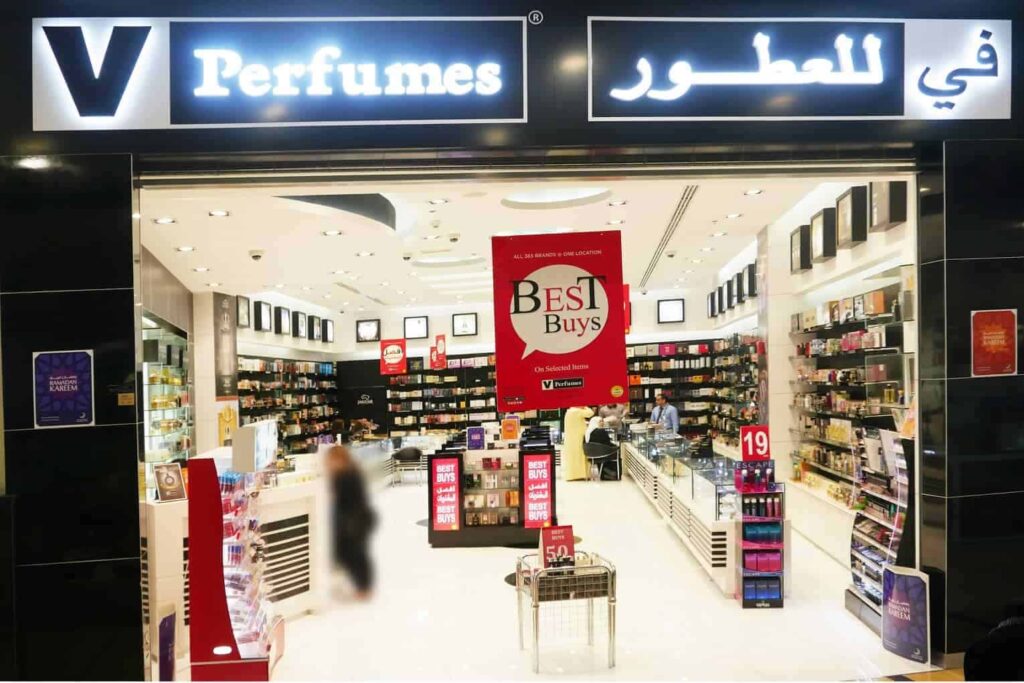

V Perfumes Named Top Online Perfume Retailer of the Year at Big Box Global Retail & E-Commerce Summit

V Perfumes, a leading name in the fragrance industry, has been honored with the Big Box Award for #1 Online Perfume Retailer of the Year at the prestigious Big Box Global Retail & E-Commerce Summit, held at the Millennium Plaza Downtown Hotel. This accolade marks a significant achievement in the company’s journey, which began in 2010 and has since grown to include over 50 stores across the GCC region.

The Big Box Awards, organized by Scribe Minds & Media under the leadership of founders Pradish Gireesan and Jordan Abraham, celebrated innovation and excellence in retail and e-commerce. The summit, renowned for its focus on both traditional and online commerce, provided a platform for global industry leaders to share insights, foster collaborations, and inspire the next wave of retail evolution. The event’s unique format honors businesses that excel in blending the best of both worlds—brick-and-mortar retail and e-commerce.

This year’s event attracted attention from leading retail professionals across the globe, with past awards spanning regions such as Australia, India, Indonesia, and Malaysia. After a successful UAE chapter, the Big Box Awards will extend to the Philippines, Saudi Arabia, and South Africa, continuing its mission to honor outstanding retail achievements.

V Perfumes’ E-Commerce Team Received The Award

At the ceremony, V Perfumes’ e-commerce team was presented with the coveted award by Navin Joshua, Co-Founder & Director of GreenHonchos, a leading D2C enabler. This win follows their 2024 SMB Award in the Retail category and marks a continued commitment to enhancing both in-store and online customer experiences.

“We are deeply honored to receive this recognition,” said Mr. Faizal CP, Co-Founder of V Perfumes. “This award is a testament to our team’s hard work and dedication to improving the e-commerce experience. We are inspired to continue innovating in the digital space, creating value for both our customers and the broader fragrance community.”

V Perfumes began its journey in 2010 and entered the online retail space in 2016. The brand has since grown rapidly, expanding to over 50 physical stores across the UAE, Qatar, Oman, and Saudi Arabia. Their seamless online shopping experience, complemented by diverse product offerings, seasonal promotions, and personalized customer engagement, has made them a leader in the GCC fragrance market.

In addition to their impressive retail footprint, V Perfumes continues to captivate customers through unique online offerings, such as their highly anticipated Autumn Sale, allowing customers to stay ahead of seasonal fragrance trends.

This award reflects V Perfumes’ ongoing success in combining innovation, consumer-centric strategies, and a passion for fragrances, securing its position as a dominant force in the region’s e-commerce landscape.

UAE and Saudi Lead Digital Trends 2025

Highsnobiety Ends E-Commerce Operations to Refocus on Culture and Publishing

Highsnobiety, owned by German fashion e-commerce giant Zalando, has announced that it will shut down its e-commerce division by the end of 2025, marking a strategic pivot back to its publishing and creative agency roots.

The decision is part of a company-wide restructuring plan, which will affect approximately 50 positions across retail and operations. According to a company spokesperson, Highsnobiety is working “closely with all impacted employees” to ensure a smooth transition and offer career support during the process.

Berlin Flagship Store to Become a Cultural Hub

The brand’s flagship store on Unter den Linden Boulevard in Berlin, which opened in 2023, will be transformed into a dynamic space for pop-ups, collaborations, and cultural activations. Instead of functioning as a retail location, the venue will serve as a creative platform for brands and communities to connect through limited events and experimental showcases.

This shift reflects a growing trend among lifestyle media brands—such as Hypebeast and Complex—to blur the lines between content, culture, and experience rather than maintaining traditional retail operations.

Highsnobiety Goes Back to Basics: Storytelling and Impact

Founded in 2005 by David Fischer as a digital magazine exploring streetwear, sneakers, and youth culture, Highsnobiety evolved into a multifaceted business combining editorial media, e-commerce, and a creative agency. Its online shop, launched in 2019, featured curated fashion and lifestyle products, including exclusive collaborations with major brands like Adidas, Stone Island, and Prada.

In a statement, Fischer emphasized that the company’s long-term strength lies in its cultural influence rather than retail execution.

“Highsnobiety has always been about helping our community understand what’s new and next, and helping brands earn credibility with the audiences that matter most,” he said.
“Over the past five years, we’ve proven our ability to create cultural moments that resonate far beyond traditional publishing. As we look ahead, our energy belongs squarely there.”

A Shift in Strategy for Zalando-Owned Media

Since Zalando acquired a majority stake in Highsnobiety in 2022, the publication has played a key role in connecting the e-commerce group with Gen Z and millennial audiences. However, with tightening retail margins and shifting consumer habits, Zalando has increasingly leaned on media-driven storytelling and brand partnerships as key growth areas.

Industry analysts note that Highsnobiety’s move could signal a larger shift in the fashion media landscape, where cultural capital and storytelling have become as valuable as direct retail sales.

With this transition, Highsnobiety is positioning itself as a creative powerhouse—one that shapes trends, drives conversations, and bridges the gap between brands and the culture that defines them.

Zalando Reports Strong Growth in 2024

TikTok Shop Classified as “High-Impact Platform” Under Thailand’s New E-Commerce Regulations

The Electronic Transactions Development Agency (ETDA) has officially designated TikTok Shop as a “high-impact” digital marketplace under Thailand’s Digital Platform Services Act, tightening regulatory oversight on one of the fastest-growing e-commerce players in the country.

The move places TikTok Shop among a group of major platforms — including Shopee, Lazada, Alibaba, Temu, and eBay — required to comply with Section 20 of the law, which mandates stricter business risk assessments, merchant verification, and consumer protection measures.

Expanding Thailand’s List Of Regulated Platforms

According to ETDA Executive Director Chaichana Mitrpant, the inclusion of TikTok Shop follows an earlier July 10 announcement naming 19 platforms subject to the same compliance requirements. Those listed include Shopee, Lazada, Grab, Kaidee.com, LINE Shopping, Taobao, and ONESIAM Application, among others.

“The ETDA ensures a transparent review process, providing each platform with sufficient time to submit data, raise objections, and complete verification,” Mitrpant said. He confirmed that TikTok Shop’s designation will take effect one day after its publication in the Royal Gazette, while LINE MAN Mart is also expected to be added soon.

Under Section 20, platforms identified as “high-impact” must conduct regular risk assessments and adopt robust risk-management frameworks to safeguard users and ensure fair business practices. They are also obliged to verify and register sellers, a measure aimed at tackling counterfeit products, scams, and financial fraud.

TikTok Shop Financial Performance And Market Impact

According to data from Creden.co, TikTok Shop (Thailand) recorded revenue of 12 billion baht (USD 330 million) in 2024, with a net loss of 3.6 billion baht. Despite the losses, analysts note that TikTok Shop’s aggressive pricing, short-video commerce model, and seamless integration with its social media platform have helped it capture a significant share of Thailand’s booming e-commerce market.

Industry experts say the new classification signals a broader regulatory tightening across Southeast Asia. Countries including Indonesia, Malaysia, and Vietnam have already introduced or strengthened laws to monitor cross-border e-commerce and digital marketplaces amid rising consumer protection concerns.

Thailand’s Digital Platform Services Act, which came into force in 2023, empowers the ETDA to categorize platforms based on their economic impact and systemic risk. Those deemed “high-impact” typically have a large user base, handle substantial transaction volumes, or serve as key intermediaries between consumers and sellers.

Balancing Innovation And Regulation

Analysts believe the inclusion of TikTok Shop reflects regulators’ growing awareness of social commerce’s influence on national economies. “TikTok’s dual identity as both a social media app and a marketplace makes it uniquely powerful — and complex to regulate,” said Dr. Siriwan Thammasat, a Bangkok-based digital policy expert. “The ETDA’s move signals Thailand’s intent to balance innovation with accountability.”

With Thailand’s e-commerce sector projected to surpass USD 35 billion by 2025, platforms like TikTok Shop will face greater scrutiny but also opportunities for sustainable growth under clearer regulatory frameworks.

Indonesia Becomes TikTok Shop’s 2nd Biggest Market

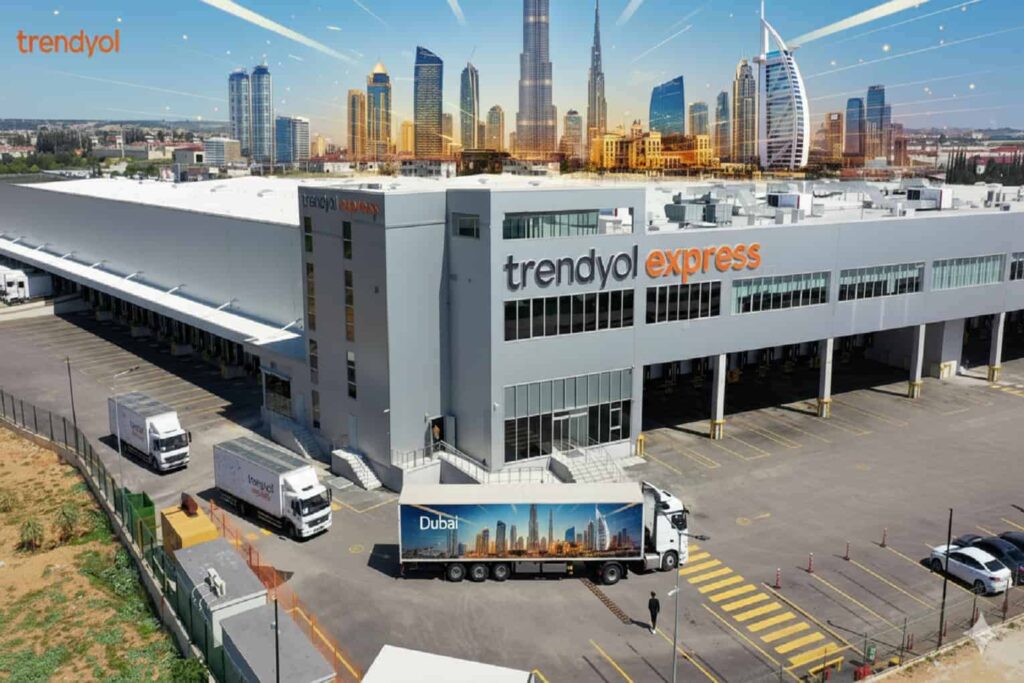
Trendyol Redefines E-Commerce in the Gulf with Localisation, AI, and SME Empowerment

Türkiye-based e-commerce powerhouse Trendyol is fast reshaping the online retail landscape across the Gulf through a strategy built on hyper-localisation, AI-driven innovation, and strong partnerships with local SMEs.

Founded in 2010, Trendyol has grown from a homegrown marketplace into a global decacorn valued at $16.5 billion in 2021. With more than 40 million customers worldwide, the company’s expansion into the GCC region underscores its ambition to become the leading digital commerce platform in the Middle East.

As a sponsor of GITEX Global 2025, Trendyol will showcase its latest AI-powered technologies and e-commerce solutions on October 15, signaling a new era of tech-led retail growth in the region.

Trendyol’s Strategy: Hyper-Localisation and Gulf Growth

President Çağlayan Çetin describes Trendyol’s success in the Gulf as the product of deep localisation and on-the-ground investment. The company has built dedicated offices, regional warehouses, and local teams to ensure faster deliveries and stronger seller support. Gulf Business

Today, Trend yol serves over 3.7 million customers in the Gulf, with Saudi Arabia emerging as its largest international market—accounting for 75% of regional orders. “You cannot operate from a distance,” says Çetin. “Local businesses are at the heart of our strategy.”

More than 5,000 Gulf-based sellers are now active on the platform, and 35% of all products sold in the region come from SMEs and local brands. Strategic collaborations with Zid and Monsha’at in Saudi Arabia are helping thousands of entrepreneurs—from female-led fashion startups to home décor artisans—scale their businesses through Trendyol.

AI and Infrastructure Powering Scale

Trendyol’s 2,000-strong tech team ensures that artificial intelligence drives every part of its ecosystem—from personalised product recommendations and Arabic-language search to real-time analytics for sellers. The Trendyol Assistant, a multilingual AI agent, enhances customer service and loyalty, while AI tools help merchants forecast demand and manage inventory efficiently.

The company’s infrastructure investments are equally ambitious. Trendyol is building a $500 million, 48MW data center in Ankara in partnership with Castle Investments to support its 40-million-plus users. It is also collaborating with ADQ, Ant International, and Baykar to launch a fintech platform offering digital payments and financial services. Further, plans are underway to develop a cloud computing business with support from Alibaba’s AliCloud.

Expanding the Digital Silk Road

Leveraging Türkiye’s strategic location, Trendyol aims to extend operations to Iraq and Syria, introducing a new transit trade route through Iraq to boost logistics efficiency across the GCC. Partnerships with last-mile providers such as Aramex, Starlink, and Saudi Post have already cut delivery times from nine to around four days.

Çetin believes the company’s long-term focus on localisation and technology will define the next phase of e-commerce in the region. “By focusing on customer satisfaction, technological advancement, and sustainable local investment, Trendyol is well positioned to lead the Gulf’s digital transformation,” he says.

Türkiye’s E-commerce Share Hits 20%

Jack Ma Returns to Alibaba

Alibaba co-founder Jack Ma has resumed an active role at the Chinese tech giant after years out of the public eye, marking his most direct involvement since stepping back in 2019.

According to people familiar with the matter, Ma has been increasingly visible at Alibaba’s Hangzhou campus, guiding the company’s strategy in artificial intelligence and spearheading aggressive e-commerce competition against rivals JD.com and Meituan.

Jack Ma Plays A Decisive Role In The $7 Billion Subsidy

Jack Ma reportedly played a decisive role in authorizing up to 50 billion yuan ($7 billion) in subsidies to counter JD.com’s market push. He has also demanded regular updates on Alibaba’s AI progress, even contacting senior managers multiple times a day for briefings.

The billionaire entrepreneur largely disappeared from public view in late 2020, after criticizing China’s financial regulators and just before Ant Group’s record IPO was suspended. His return is widely interpreted as a sign of Beijing easing its stance toward the country’s once high-flying tech sector.

Alibaba, which lost nearly $700 billion in market value during the crackdown years, is seeking to regain momentum through heavy investment in cloud computing and AI. The company has pledged more than 380 billion yuan in AI and infrastructure spending over the next three years.

Ma’s Return Has Boosted Employee Morale

Internally, Ma’s comeback has boosted employee morale, reviving a “Make Alibaba Great Again” sentiment across the company. Still, Beijing is said to be wary of the fierce price wars and heavy subsidies that are now back at the center of Alibaba’s strategy.

While Ma holds no official title, his influence remains strong. For employees, his presence signals that Alibaba is ready to fight once again for market leadership.

Alibaba’s Major E-Commerce Overhaul with AI Focus

Dubai Launches VIP Terminal Boulevard

Dubai’s Mohammed Bin Rashid Aerospace Hub (MBRAH), located in Dubai South, has officially launched the VIP Terminal Boulevard, a premium infrastructure initiative designed to strengthen Dubai’s position in global private aviation and luxury business services. This development caters to growing demand from elite travelers, aviation service providers, and luxury brands seeking to enter or expand in the region. According to Gulf Business, the boulevard is part of MBRAH’s integrated aviation ecosystem and will be delivered in phases starting in 2026. Gulf Business

Strategically situated adjacent to MBRAH’s existing VIP Terminal, the new boulevard is set to span 769 meters in length and cover a total area of 204,000 square meters. It will feature 16 commercial buildings that accommodate a mix of high-end aviation firms, corporate offices, and international luxury retailers. OneArabia reports that the architecture will combine modern design with functional layouts meant to serve both aviation‑related operations and retail experience. https://www.onearabia.me/

Construction has already begun on Aviation One, a six‑storey tower that will act as the flagship building for the boulevard. This structure is intended to showcase MBRAH’s commitment to innovation, delivering advanced amenities and modern design benchmarks for the rest of the project. Development is occurring in phases, with the first units expected to be completed in 2026. Gulf Today confirms that construction is underway and project delivery is phased. Gulf Today

According to MBRAH leadership, the VIP Terminal Boulevard represents a forward‑thinking response to the UAE’s expanding role as a regional and global hub for aviation. Dubai has seen consistent growth in business aviation activity, especially at MBRAH, where business aviation movements have been increasing year over year. Gulf Business notes that the VIP Terminal has recorded sustained growth in business aviation movements, reinforcing the strategic importance of this infrastructure expansion. Gulf Business

Sheikh Ahmed bin Saeed Al Maktoum, Chairman of Dubai Civil Aviation Authority and MBRAH, stated that the boulevard is a significant addition to MBRAH’s world‑class facilities. He emphasized that the new infrastructure will create opportunities for aviation‑related firms and luxury brands to flourish, further enhancing Dubai’s status on the global aviation map. OneArabia quotes him highlighting that the project aligns with Dubai’s vision to attract top‑tier companies. https://www.onearabia.me/

From a technical standpoint, the project’s 16 planned buildings will offer a mix of aviation support offices, VIP lounges, retail showrooms, and business suites. Developers aim for designs that reflect Dubai’s emphasis on smart infrastructure and sustainability, with functional layouts that support both aviation operations and premium customer experience. Gulf Today provides details on the scale (204,000 square meters) and component breakdown of retail and aviation spaces. Gulf Today+1

The boulevard’s close proximity to MBRAH’s VIP Terminal ensures seamless service integration for private jet users, allowing for rapid transfers between flight operations and commercial amenities. The building Aviation One will include features that serve both operational efficiency and luxury experience. https://www.onearabia.me/+1

As part of Dubai’s broader development plan, the VIP Terminal Boulevard aligns with MBRAH’s free‑zone status and Dubai South’s master‑planning goals. The free‑zone benefits include regulatory clarity, ease of business operations, and advantages for international firms setting up operations for luxury retail or aviation services. Gulf Business underlines free‑zone status and connectivity as selling points for investors. Gulf Business

The project also supports job creation and strengthens the value chain in aerospace, service, and luxury sectors. As the project phases roll out, demand for high‑quality aviation services, premium retail, and supportive facilities like lounges, maintenance, and logistics are expected to increase. OneArabia notes the boulevard is intended to attract both aviation companies and luxury brands. https://www.onearabia.me/

Challenges remain: adherence to timelines, ensuring infrastructure and access routes support high traffic, meeting high expectations of service quality, and integrating sustainability features in design and operation. Early construction and planning documents indicate MBRAH is addressing these areas. Gulf Today’s report mentions that delivery will start in 2026 and that MBRAH designed the boulevard as part of its commitment to innovation and excellence. Gulf Today+1

In conclusion, VIP Terminal Boulevard is a key step in MBRAH’s evolution and Dubai’s ambition to become a center for global aviation, private‑jet operations, and luxury commerce. If the project delivers as planned, it will set new benchmarks for integrated aviation service zones and luxury retail districts in the Middle East and beyond.

Veritas Capital Raises $14.4B for Tech Investments

Veritas Capital Fund Management has successfully closed its largest technology-focused fund, Veritas Capital Fund IX, raising a total of $14.4 billion. This exceeds its initial $13 billion target and surpasses the previous fund’s $10.7 billion. The firm focuses on acquiring and investing in companies operating in highly regulated sectors, including defense, healthcare, energy infrastructure, education, and financial services. Fund IX reflects Veritas’s continued commitment to identifying and supporting technology-driven businesses with strong growth potential and strategic importance. (WSJ)

Investor Profile and Global Participation

Veritas Capital Fund IX attracted a broad range of domestic and international investors. Major U.S. public pension funds, including the Arkansas Teacher Retirement System, California Public Employees’ Retirement System, and New York State Common Retirement Fund, were among the largest contributors. Investors from Europe, Asia, and the Middle East also participated, reflecting global confidence in Veritas’s investment strategy.

Veritas itself committed approximately $400 million, representing 2.8 percent of the fund as a general partner. This stake aligns the firm’s interests with its investors and demonstrates confidence in the fund’s potential to deliver strong returns. The diverse investor base underscores Veritas’s reputation as a trusted partner in technology-focused private equity.

Strategic Focus and Investment Approach

Veritas Capital primarily targets companies with valuations exceeding $1 billion, often engaging in complex mergers, acquisitions, and carve-out transactions. The firm is recognized for its carve-out strategy, where it acquires divisions from larger companies and transforms them into independent, high-performing operations. This approach allows Veritas to unlock hidden value and optimize operational efficiency.

To date, Veritas has completed around 40 successful carve-out transactions, positioning the firm as an expert in navigating complex regulatory environments and restructuring processes. The firm’s strategic focus on sectors with high regulatory oversight ensures that its portfolio companies maintain strong compliance while pursuing growth. (WSJ)

Past Successes and Case Studies

Veritas Capital has a proven track record in technology-driven investments. In 2023, the firm sold Guidehouse, a public-sector consulting firm, to Bain Capital for $5.3 billion. The company also sold a stake in Cotiviti, a healthcare technology provider, to KKR & Co., with the transaction valuing the company at $11 billion.

These successes highlight Veritas’s ability to identify and execute profitable transactions while maintaining focus on operational improvements and long-term value creation. By consistently delivering strong returns, the firm reinforces investor confidence and sets the stage for future growth. (WSJ)

Sectoral Priorities of Fund IX

Veritas Capital Fund IX is particularly focused on technology companies operating in sectors that require high levels of regulatory compliance. Key areas of investment include:

  • Defense: Supporting technology solutions that enhance national security and government efficiency.

  • Healthcare: Investing in digital health, software solutions, and services that improve patient outcomes and operational efficiency.

  • Energy Infrastructure: Backing companies that develop innovative solutions for sustainable energy and utility management.

  • Education Technology: Funding platforms that enhance learning outcomes and digital learning experiences.

  • Financial Services: Supporting fintech and technology-enabled financial solutions that transform traditional banking and investment processes.

By concentrating on these sectors, Veritas aims to generate both financial returns and strategic impact, enhancing technology adoption and innovation in critical industries.

Navigating Challenges in a Complex Market

The private equity environment is challenging, particularly for funds focusing on regulated sectors. Veritas Capital has successfully navigated market volatility, regulatory changes, and investor expectations. Its experience in carve-outs, operational restructuring, and complex mergers allows the firm to mitigate risks while maximizing value for investors.

Additionally, portfolio companies often operate in fast-evolving sectors where technology adoption, cybersecurity, and compliance standards are constantly changing. Veritas’s hands-on management approach and industry expertise help portfolio companies adapt, innovate, and thrive under these conditions.

Current Portfolio Overview

Veritas Capital currently manages a portfolio of approximately 18 companies, collectively generating $25 billion in annual revenue and employing over 110,000 people. This portfolio reflects Veritas’s commitment to supporting companies that play a pivotal role in regulated technology sectors.

The portfolio demonstrates a balance of growth, stability, and strategic importance, with companies ranging from defense technology providers to healthcare software innovators. By diversifying across sectors and geographies, Veritas reduces risk while positioning its portfolio for long-term success.

Global Impact and Expansion

Veritas Capital Fund IX underscores the growing role of private equity in shaping global technology sectors. By investing in companies with strategic significance, the firm not only delivers financial returns but also influences technological innovation and industry development worldwide.

International participation in Fund IX indicates that investors see significant potential in regulated technology sectors. As these industries expand and adopt new technologies, Veritas’s strategic investments could have a lasting impact on innovation, operational efficiency, and global competitiveness.

Future Outlook and Opportunities

Looking ahead, Veritas Capital aims to continue leveraging its expertise in technology and regulated sectors to identify high-value investment opportunities. The firm’s strategy combines operational improvement, digital transformation, and regulatory compliance to drive value creation.

As technology becomes increasingly central to defense, healthcare, education, and financial services, Veritas’s investments are well-positioned to capture growth opportunities. The firm’s disciplined approach, combined with strong industry relationships and operational know-how, provides a competitive advantage in a complex market. (WSJ)

Conclusion

The successful closing of Veritas Capital Fund IX demonstrates the firm’s ability to attract global investors and deliver strategic investments in highly regulated technology sectors. By raising $14.4 billion, Veritas not only exceeded expectations but also solidified its reputation as a leader in private equity for technology-driven businesses.

The fund’s investments are expected to support digital transformation, enhance operational efficiency, and drive innovation across critical industries. As Veritas continues to expand its portfolio and influence, Fund IX positions the firm for sustained growth and long-term success in global technology investments.

India Sees Surge in Family Offices

The number of family offices in India has experienced a remarkable increase, growing from just 45 in 2018 to nearly 300 by 2024. This rapid growth reflects the increasing desire among ultra-high-net-worth individuals to manage family wealth more strategically and professionally. Family offices are private wealth management entities dedicated to serving the financial and investment needs of a single family or a small group of wealthy families. Beyond mere financial management, these offices also engage in strategic ventures, philanthropic projects, and long-term investment planning. (Entrepreneur India)

Evolution of Family Offices: From Preservation to Strategy

Historically, family offices primarily focused on preserving family wealth and managing family businesses. Over the years, however, their role has evolved to include professional investment management, risk diversification, and global market participation. Modern family offices prioritize intergenerational wealth transfer, ensuring that financial assets are preserved and grown across multiple generations.

These offices now integrate advanced financial analytics, professional portfolio management, and risk assessment strategies, ensuring that families are equipped to navigate volatile markets and capitalize on new investment opportunities. This professionalization marks a significant shift from traditional approaches to wealth management, highlighting the growing sophistication of India’s ultra-rich.

Case Study: Sharrp Ventures and Strategic Investment

Sharrp Ventures, the investment office of the Harsh Mariwala family, has been operating since 2014. The firm primarily invests in startups and businesses in India, providing them with capital and strategic guidance to support their growth. Sharrp Ventures focuses on companies with strong governance, robust management structures, and high growth potential, particularly in the consumer sector.

This approach demonstrates the evolution of family offices from passive wealth custodians to active investors, fostering entrepreneurship and contributing to India’s economic development. Such strategic involvement also allows families to influence industries they are passionate about, aligning investments with long-term values and objectives. (Entrepreneur India)

Challenges Faced by Family Offices in India

Despite their rapid growth, family offices in India face several challenges. Regulatory changes, fluctuating tax laws, and international compliance requirements can complicate operations. Additionally, intergenerational differences, family disputes, and succession planning issues may affect the effectiveness of family offices.

Many family offices are now adopting structured governance frameworks, hiring professional advisors, and integrating legal and financial compliance tools to overcome these obstacles. By addressing these challenges proactively, family offices can ensure sustainability and continuity over generations.

GIFT City: A Hub for International Finance

The Gujarat International Finance Tec-City is emerging as a significant financial hub for family offices in India. Offering tax incentives, regulatory flexibility, and access to international markets, GIFT City is attracting family offices looking to expand globally.

However, adoption of GIFT City remains limited due to infrastructure constraints and awareness gaps. As more family offices recognize its potential, GIFT City could become a central hub for wealth management and cross-border investment in India, providing an ecosystem for global financial transactions and advisory services.

Technology Integration in Modern Family Offices

Modern family offices are increasingly leveraging technology to optimize operations. Data analytics, artificial intelligence, and advanced portfolio management software allow these offices to make informed investment decisions, monitor risk exposure, and identify emerging market trends.

This technological integration enables family offices to operate more efficiently, enhance transparency, and offer customized solutions to individual family members. Furthermore, digital tools facilitate seamless intergenerational communication, ensuring that investment strategies and family values are consistently upheld.

Corporate Governance and Succession Planning

Strong corporate governance practices are critical to the sustainability of family offices. Implementing clear decision-making processes, accountability frameworks, and succession plans helps prevent conflicts among family members.

Family offices increasingly emphasize governance boards, advisory committees, and formalized investment policies. These measures not only preserve wealth but also support responsible leadership transitions, ensuring that family offices remain effective across generations. Succession planning has become a central aspect of family office strategy, reducing the risk of operational disruption and fostering long-term stability.

Economic and Social Impact

The proliferation of family offices in India has broad economic implications. By investing in startups, SMEs, and emerging industries, these offices stimulate entrepreneurship, innovation, and job creation.

Family offices also play a crucial role in philanthropy, directing resources to social initiatives, education programs, and healthcare projects. This combination of strategic investment and social responsibility helps bridge economic gaps and contributes to India’s broader development agenda. (Entrepreneur India)

Globalization and International Investment Opportunities

As Indian family offices become more sophisticated, they are increasingly exploring international markets. Investing abroad allows families to diversify risk, access new asset classes, and participate in global growth opportunities.

Family offices are also collaborating with global financial institutions and international advisors to ensure regulatory compliance and optimize returns. This trend not only strengthens the families’ portfolios but also enhances India’s presence in global wealth management networks. (Entrepreneur India)

The Future of Family Offices in India

The future of family offices in India looks promising, with continued growth expected in both number and influence. Modernization, technology adoption, governance, and strategic investment planning will define the next era of family offices.

As these offices expand, they are likely to play a significant role in shaping India’s financial landscape, supporting entrepreneurship, driving innovation, and contributing to social development. The increasing professionalization of family offices indicates that India’s wealth management sector is evolving rapidly, aligning with global best practices while addressing domestic economic opportunities.

Conclusion

The rise of family offices in India represents a shift from traditional wealth management to professionalized, strategic, and sustainable financial governance. These offices are redefining how ultra-high-net-worth families manage wealth, plan for succession, and invest in both domestic and international opportunities.

By combining technology, governance, strategic investment, and philanthropy, family offices are not only preserving wealth but also contributing to India’s economic growth and social development. As the sector continues to mature, family offices are poised to become a critical component of India’s financial ecosystem.

PFZW Ends Ties with BlackRock Over Sustainability

PFZW, one of the largest pension funds in the Netherlands, has severed its ties with BlackRock, the world’s largest asset management firm, over differences in sustainability policies. The decision comes as part of the pension fund’s ongoing efforts to align its investment strategy with its environmental, social, and governance (ESG) objectives. PFZW, which manages over $300 billion in assets, will no longer invest in BlackRock’s funds, citing concerns over BlackRock’s handling of climate-related issues and the firm’s approach to sustainable investments.

A Shift in Focus: ESG at the Forefront

The Dutch pension fund’s move highlights a growing trend among institutional investors towards aligning portfolios with sustainability goals. PFZW has long emphasized its commitment to responsible investment practices, particularly in the context of combating climate change. In 2020, the pension fund took significant steps by divesting from companies involved in fossil fuels, and more recently, it has been actively pushing for corporate engagement on climate issues. By severing its connection with BlackRock, PFZW is taking a stand on ensuring that its investments reflect its green and sustainable values.

This decision also mirrors the broader trend in the financial sector where investors are becoming more vocal about demanding that asset managers take concrete actions on climate change. The climate crisis has rapidly become a key issue for many investors, particularly those managing large pension funds, who are under increasing pressure to prioritize long-term environmental sustainability over short-term profits.

Read more on Reuters

Why Did PFZW End its Partnership with BlackRock?

The clash between PFZW and BlackRock centers around the asset manager’s stance on climate change and its engagement with fossil fuel companies. PFZW had become increasingly frustrated with BlackRock’s approach, which it viewed as insufficient in addressing the pressing need for companies to reduce their carbon footprints. Despite public commitments to integrating ESG criteria, PFZW’s decision suggests that the world’s largest asset manager has not done enough to push companies in its portfolio to implement stricter climate policies.

BlackRock has faced significant backlash in recent years for its handling of climate-related issues. While the firm has committed to achieving net-zero emissions by 2050, critics argue that it continues to invest in carbon-heavy sectors, such as fossil fuels. In contrast, PFZW is adopting a more proactive approach by targeting companies that align with its climate goals, reducing exposure to those that do not meet its standards for sustainable investing.

As part of its commitment to sustainability, PFZW aims to ensure that all of its investments are aligned with the Paris Agreement and the target of limiting global warming to 1.5 degrees Celsius. This means taking a more aggressive stance against companies and asset managers who do not meet the criteria set by leading international climate organizations.

Growing Pressure on Asset Managers to Prioritize Sustainability

PFZW’s decision is not an isolated case. Over the past several years, there has been mounting pressure on asset managers to prioritize sustainability, especially as climate-related risks become more pronounced. Investors are increasingly demanding that asset managers not only integrate ESG factors into their portfolios but also actively engage with companies to reduce their carbon footprint and contribute to the global fight against climate change.

In a recent study, Sustainable Investment Forum found that nearly 60% of institutional investors believe that companies should be held accountable for their climate-related actions. As large institutional investors like PFZW take a firmer stance, asset managers are recognizing the need to rethink their approach to sustainable investing. Many firms are now reviewing their ESG strategies and are expected to make more stringent commitments to achieving net-zero emissions.

Despite this, BlackRock remains one of the largest players in sustainable investing, managing over $200 billion in ESG assets. The firm has committed to using its influence to encourage companies to adopt better climate policies, but critics argue that BlackRock’s actions don’t go far enough to combat the urgency of the climate crisis.

The Financial Implications of PFZW’s Decision

The decision to end its relationship with BlackRock will likely have broader financial implications. BlackRock manages a vast range of investment funds, including many that are crucial to PFZW’s portfolio. This severing of ties may lead to a reallocation of investments as PFZW seeks new fund managers who share its commitment to sustainability. While this may cause short-term volatility, the pension fund’s move is a clear signal that it prioritizes long-term climate goals over short-term returns.

Furthermore, the decision to cut ties with BlackRock could put additional pressure on other large asset managers to reassess their sustainability practices. As institutional investors like PFZW lead the charge in pushing for more responsible investing, other firms may follow suit, either through increased engagement with companies on climate issues or by adopting more ambitious net-zero commitments. (Financial Times)

Sustainability Goals and the Future of Investment

PFZW’s actions underline the growing importance of sustainable finance in the global investment landscape. As climate change continues to dominate headlines and government agendas, the demand for responsible investments is set to rise. PFZW’s move may pave the way for other large pension funds and institutional investors to take more direct action on climate-related investments.

In the coming years, we can expect further scrutiny on asset managers’ ESG practices. Investors will continue to demand more transparency around climate commitments and the impact of their investments. For BlackRock, the pressure will continue to mount, forcing the firm to take a harder stance on its commitment to climate action if it hopes to maintain trust with both investors and the broader public.

Conclusion

PFZW’s decision to end its relationship with BlackRock over sustainability concerns marks a significant moment in the evolving landscape of sustainable investing. As institutional investors like PFZW continue to take bold steps towards a more sustainable financial future, asset managers will need to reassess their strategies to ensure they align with global climate goals. The pressure is on for companies and financial institutions to show that they are committed to a green future, or risk losing the trust of investors who are increasingly focused on long-term environmental sustainability.