WORLDEF ISTANBUL 2026 - Early Bird Registration Ends Soon

Register Now

Alibaba Introduces Accio Agent to Transform Global B2B Sourcing

In a pivotal move aimed at redefining digital trade dynamics, Alibaba International has launched Accio Agent, an AI-powered assistant seamlessly integrated into its B2B sourcing platform, Accio. Designed to support small and medium-sized enterprises (SMEs), this innovation aims to streamline global product sourcing by providing end-to-end assistance—from identifying potential suppliers to managing inquiries and after-sales support. Since its debut in late 2024, Accio has already amassed hundreds of thousands of SME users, signaling a new era of intelligent commerce.

Bringing Conversational AI into Every Step of Sourcing

Accio Agent acts like a savvy sourcing specialist that guides entrepreneurs through the often-complex process of global procurement. Users begin with a simple, conversational search—such as “I need sustainable ceramic tableware suppliers”—and Accio responds with tailored suggestions drawn from an enormous backend of over a billion listings and decades of market insight. Unlike static search tools, Accio Agent continues the conversation, prompting users to refine criteria, explore recommendations, and evaluate options with greater precision and clarity.

After narrowing down the selection, Accio Agent doesn’t stop there. It enables users to create and send Requests for Quotations (RFQs) directly to suppliers, then helps compare responses—all within the same interface. This integrated workflow dramatically reduces the friction typically associated with sourcing, transforming what used to be a multi-step, multi-tool process into a fluid, user-friendly experience.

Importantly, Accio Agent is built on advanced technologies, including Alibaba’s open-source Qwen large language model, which is fine-tuned with real-world trading data. It also employs Retrieval-Augmented Generation (RAG), ensuring its responses are backed by verifiable information rather than guesswork. This reliability enables users to proceed with confidence through each phase of sourcing, negotiation, and procurement planning.

The platform has quickly demonstrated value: since launch, Accio has been adopted by a significant SME base across multiple languages, boasting increased supplier conversion rates, high satisfaction scores, and recognition in tech circles. With features such as multilingual real-time translation—critical for overcoming cross-border communication obstacles—Accio Agent positions itself as a one-stop solution for international trade needs.

In effect, Accio Agent is transforming traditional B2B sourcing by embedding AI into every step—from ideation to contract. As global trade becomes increasingly complex, Alibaba’s move offers businesses of all sizes the agility and insight needed to navigate international markets. For SMEs in particular, it could mean the difference between exploration and execution—democratizing access to sourcing opportunities worldwide.

FedEx Strengthens E-Commerce Logistics in the MEISA Region

FedEx has expanded its FedEx® International Connect Plus (FICP) service to enhance e-commerce logistics in the Middle East, Indian Subcontinent, and Africa (MEISA) region. This expansion will enable businesses based in the Philippines to send products to key markets like the United Arab Emirates and Saudi Arabia faster and more reliably.

Affordable Solutions for Small and Medium-Sized Enterprises

FICP is designed as an affordable and reliable solution for low-value, single-piece shipments under 10 kilograms. The service offers benefits like scheduled delivery, customs handling, and advanced tracking features. Additionally, the Picture Proof of Delivery (PPoD) feature allows recipients to verify the delivery of their packages with visual proof.

FedEx Philippines General Manager Maribeth Espinosa stated, “As Filipino businesses seek to expand trade with markets such as the United Arab Emirates and Saudi Arabia, the demand for affordable and reliable shipping solutions has grown.” She added, “With the expansion of FICP into the MEISA region, e-commerce businesses and SMEs will be able to deliver their products more quickly and easily, gaining confidence in succeeding in the global marketplace.”

With the expansion of this service, FedEx aims to make a significant impact on the e-commerce logistics market in the region. Offering affordable shipping options for globally operating businesses is essential, especially in meeting the growing demand for fast deliveries. FedEx is expanding the access of SMEs in the region to international markets by improving efficiency in their logistics services. This strategic step supports FedEx’s growth objectives in the Asian and Middle Eastern e-commerce markets.

This expansion aims to boost the impact of FedEx’s logistics in the MEISA region in parallel with the increasing trade volume between the Philippines and the region.

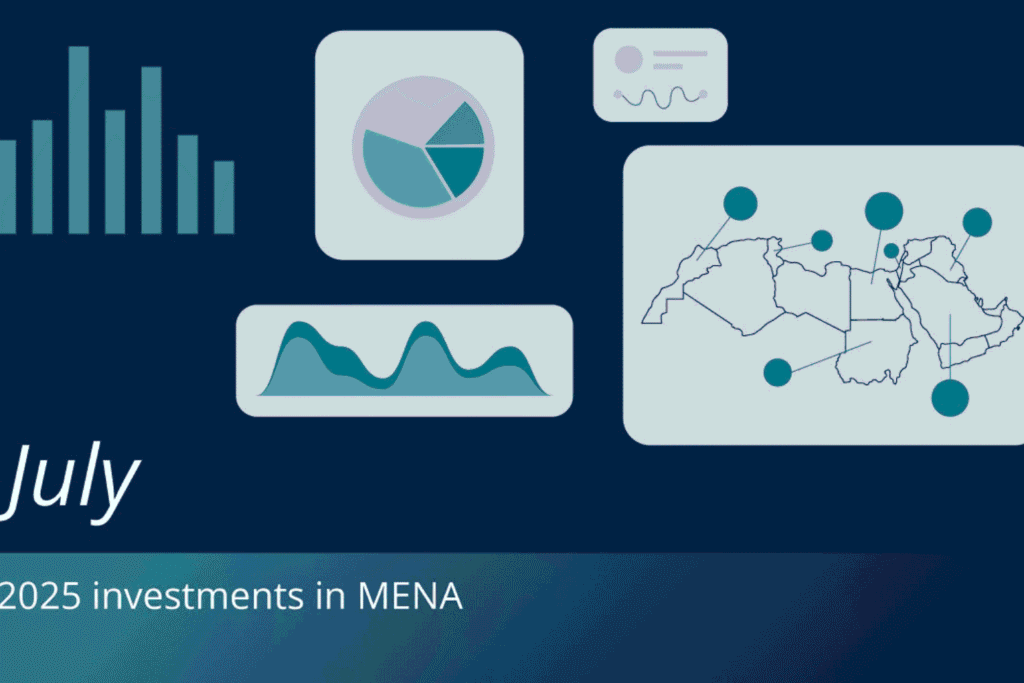
MENA Startup Investments Surpass $783 Million in July 2025

The entrepreneurial ecosystem in the Middle East and North Africa (MENA) region saw significant growth in July 2025. A total of 57 startups raised $783 million, marking a 1,411% increase compared to the previous month, and more than double the total raised in July of the previous year. This sharp rise was driven by two major investment deals.

Sectoral Distribution and Investment Models

In July, the deeptech sector received the largest share of investment, with $250.3 million. The e-commerce sector also made a strong comeback, attracting $250 million, particularly due to Ninja’s record-breaking investment. Software-as-a-Service (SaaS) startups raised $89 million, while the fintech sector secured $61 million, placing it in fourth place. This shift reflects growing interest in intellectual property-focused, innovative, and scalable ventures.

The majority of the investments were in equity, with debt financing accounting for only 2%. Consumer-facing (B2C) startups raised $534 million, led by XPANCEO and Ninja. Meanwhile, B2B (business-to-business) startups received $202.4 million across 32 deals. This data shows an increasing interest from investors in consumer-focused ventures.

Investments for female entrepreneurs remained low, with female-led startups raising $3 million, and mixed-gender founding teams raising $5.8 million. Male-led ventures, on the other hand, received a total of $774.5 million from 43 deals. This indicates the ongoing gender-based investment inequality in the region.

The strong performance in July 2025 demonstrates the maturity of MENA’s innovative entrepreneurial ecosystem and growing investor interest in the region. Record investments in Saudi Arabia and the UAE, along with notable investments in emerging markets like Iraq and Morocco, are diversifying the investment landscape. These developments position MENA as a region with significant growth potential in sectors such as deep technology, artificial intelligence, logistics, energy, and cross-border trade.

Shahbandr and Tamara Partner to Empower Over 18,000 Online Stores with BNPL Solutions

Shahbandr and Tamara’s strategic partnership is set to transform the e-commerce ecosystem in the Middle East and North Africa (MENA) region. This collaboration aims to integrate Tamara’s Buy Now, Pay Later (BNPL) solution with the Shahbandr platform, offering it to over 18,000 online stores. This will enable businesses in the region to provide flexible and transparent payment options to their customers, ultimately driving sales growth.

Boosting Sales with BNPL Solutions

Tamara’s BNPL solution allows customers to make purchases in four equal installments, without interest or hidden fees. This flexibility is particularly beneficial for larger purchases, enhancing customer satisfaction by reducing cart abandonment rates and increasing average order values. Additionally, it simplifies the digital payment process for businesses, improving overall operational efficiency.

By integrating Tamara’s BNPL solution into its platform, Shahbandr enables businesses to offer this payment option with ease. This integration not only diversifies payment methods but also enhances the customer experience and helps businesses increase their sales.

This strategic partnership contributes to the development of the digital payment ecosystem in the region, helping businesses gain a competitive edge. Shahbandr and Tamara’s collaboration is shaping the future of e-commerce in the MENA region.

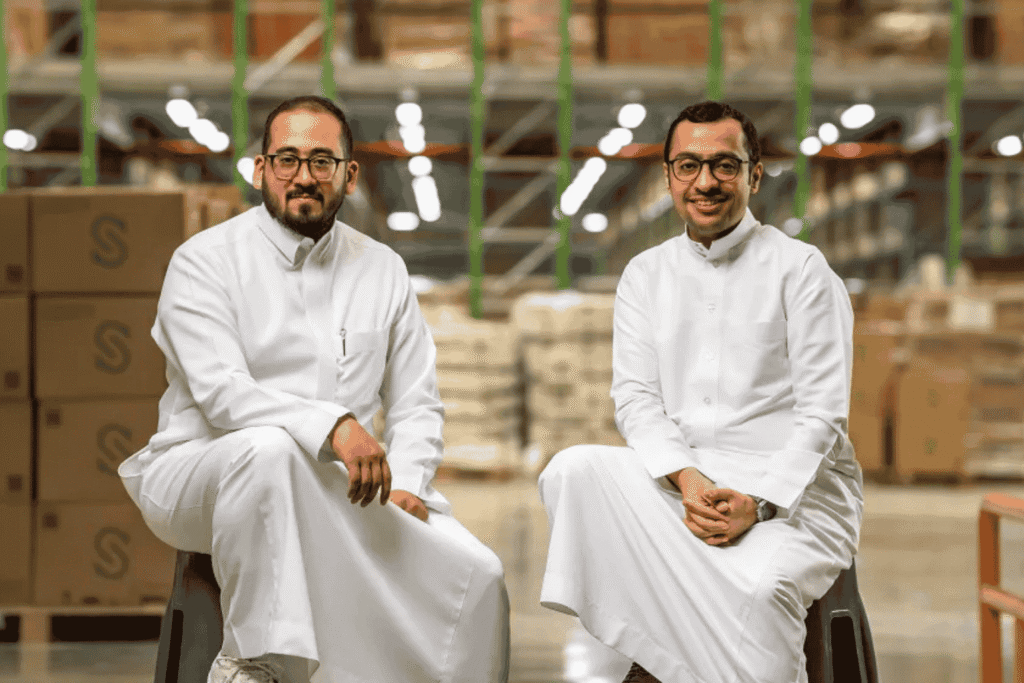
Salasa Raises $30 Million in Series B to Expand AI-Powered Logistics Operations

Riyadh-based e-commerce logistics company Salasa has successfully closed a $30 million Series B funding round, aiming to accelerate both its domestic and international expansion. With this new capital, the company plans to strengthen its distribution network within Saudi Arabia, enhance global reach, and invest heavily in AI-driven planning and inventory optimization tools. The funding round was led by Artal Capital, with participation from SVC, Wa’ed Ventures, 500 Global, Alsulaiman Group, and other strategic investors.

From Last-Mile Delivery to Global Fulfillment: A Tech-Driven Logistics Model

Since its founding in 2017, Salasa has positioned itself as a key fulfillment partner for online retailers in the region, offering services such as warehousing, order processing, last-mile delivery, and cross-border logistics. Today, the company partners with over 1,000 merchants and has fulfilled more than 50 million items. With the new investment, Salasa plans to expand its network of dark stores and introduce bonded zone facilities, allowing international brands to distribute products within Saudi Arabia without having to establish a local legal entity.

Co-founder and CBO Hasan Alhazmi highlighted the company’s intention to leverage AI in planning, stock control, and operational optimization, building predictive, self-learning logistics systems that increase delivery speed and minimize errors. CEO Abdulmajeed Alyemni also noted that the funding will not only boost infrastructure but also support talent acquisition, R&D, and technology development.

With e-commerce rapidly growing in the Gulf region, Salasa is positioning itself as a logistics tech leader, aiming to support regional businesses with fast delivery, reliable stock management, and cost-effective international shipping. Through a combination of AI integration, smart warehousing, and innovative cross-border logistics solutions, Salasa is building a logistics ecosystem tailored to the modern digital economy — both in the Kingdom and across the GCC.

Alibaba Launches Loyalty Drive to Reclaim E-Commerce Leadership

China’s leading tech and e-commerce company Alibaba is launching an innovative cross-service loyalty program in a strategic effort to reclaim its dominance in the country’s highly competitive e-commerce market. The new initiative, centered around its flagship platform Taobao, goes beyond traditional shopping by integrating services like food delivery and travel into a unified user experience.

A Seamless Ecosystem for Every Consumer Need

Alibaba’s new strategy is based on offering users a consolidated experience across different platforms. As part of this plan, the food delivery service Ele.me and travel booking platform Fliggy have been integrated into Alibaba’s core e-commerce unit. This unified ecosystem allows users to benefit from exclusive discounts and privileges across shopping, dining, and travel — all within a single loyalty framework.

The company’s existing loyalty program, 88VIP, will serve as the foundation for this expanded service model. Already boasting millions of members, 88VIP currently offers perks such as free shipping, hassle-free returns, exclusive deals, and dedicated customer support. With the new updates, the membership program is evolving into a comprehensive lifestyle package that encourages deeper user engagement and longer-term loyalty.

With this move, Alibaba aims not only to retain its current user base but also to re-engage younger, digitally savvy consumers who are active across multiple platforms. The broader goal is to transform Alibaba from a traditional e-commerce platform into a holistic digital lifestyle provider — one that meets the daily needs of modern consumers through a single, integrated experience.

Otto Withdraws from the Dutch Market

German-based e-commerce and retail giant Otto has decided to completely withdraw from the Dutch market, where it has operated for nearly half a century. The company has taken this strategic step due to ongoing economic difficulties, low profit margins, and the failure to achieve sustainable growth expectations. As a result of the decision, approximately 70 employees working at the Dutch office will be laid off.

Digital Transformation Was Not Enough

Otto began operations in the Netherlands in 1979. Initially functioning through a traditional catalogue-based sales model, the company adapted over the years by shifting to e-commerce as part of its digital transformation. However, the digital success it achieved in Germany was not replicated in the Netherlands. Even after transitioning to a marketplace model that allowed third-party sellers to offer their products, Otto struggled to perform in the highly competitive Dutch e-commerce market.

The company’s decision to exit this market reflects a broader reassessment of its strategy across European markets. Rising operational costs and changing consumer behavior in the region have made it increasingly difficult for Otto to establish a sustainable future. This move also highlights that e-commerce success depends not only on digital infrastructure but also on tailored strategies that align with local market dynamics.

Otto’s departure from the Netherlands may cause minor shifts in the European e-commerce landscape. The company now aims to concentrate its resources and efforts on markets where it maintains a stronger presence and better long-term prospects.

Esports World Cup Joins Forces with Amazon & AWS to Deliver Groundbreaking Fan Experience

Riyadh, Saudi Arabia — In a bold move set to redefine the esports viewing landscape, the Esports World Cup Foundation (EWCF) has unveiled a new partnership with Amazon and Amazon Web Services (AWS). The collaboration aims to merge competitive gaming, shopping, and entertainment into one seamless experience for global audiences.

Immersive Tech-Powered Fan Engagement

By integrating Amazon’s retail platforms with AWS’s advanced cloud and AI capabilities, fans will enjoy features like automated highlights, player heat maps, win probability insights, and real-time interactive dashboards — all embedded in livestreams and companion apps. This integration is expected to bring the tournament closer to viewers than ever before.

Expansion of Digital Platforms & Content

Building upon their initial 2024 collaboration, EWCF and Amazon are expanding across several channels:

  • Twitch: Live broadcast coverage of matches.
  • Prime Video: Exclusive docuseries and original storytelling.
  • Alexa: Voice-activated real-time match updates.
  • Wondery: Immersive audio narratives.

Esports, Global Reach & Brand Activations

This strategic alliance extends esports content outreach to critical markets including the U.S., Europe, Brazil, Mexico, MENA, Türkiye, India, and Canada. Branded activations and Amazon ads across its platforms will engage fans while offering retail integration through Amazon’s ad tools.

2025 EWC in Full Swing

Returning to Riyadh from July 7 to August 24, 2025, the EWC is delivering esports on a grand scale:

  • Over 2,000 players from 200 clubs across more than 100 countries.
  • 25 tournaments featuring 24 game titles.
  • A record-breaking $70+ million prize pool, the largest in esports history.
  • The event also includes entertainment elements like live music, cosplay, retro arcades, and creator studios, elevating it into a cultural festival.

Tech-Fueled Storytelling

Francois Desir, Senior Manager for Sponsorships at the EWCF, remarked that technology is central to EWC’s growth strategy. The combination of storytelling and real-time engagement via AWS and Amazon promises to deliver unforgettable moments—both at the Amazon Arena in Riyadh and at home. Mike McCabe, EWCF’s COO, added that this partnership brings esports into daily life, making it “always on, accessible, and deeply social.”

This story underscores how the Esports World Cup Foundation is revolutionizing global esports culture through technological innovation and immersive media partnerships.

Swiggy Restructures Board: Noon CEO Faraz Khalid Joins as Independent Director

India-based food delivery giant Swiggy has reshaped its board of directors following its IPO, appointing Faraz Khalid, CEO of Noon, as an independent director. His addition comes after the departure of investor representatives Sumer Juneja from SoftBank and Anand Daniel from Accel.

Faraz Khalid’s Role in Swiggy’s New Vision

Faraz Khalid’s appointment reflects Swiggy’s commitment to a more independent governance structure. Known for building Noon into one of the leading e-commerce platforms in the MENA region and previously co-founding Namshi, Khalid brings deep expertise in quick commerce, fintech, and food delivery—key segments in the evolving digital economy.

Swiggy’s founder and CEO, Sriharsha Majety, emphasized that Khalid’s experience in scaling operations, integrating advanced technology, and designing seamless customer experiences will significantly contribute to the company’s long-term growth strategy. As an independent director, Khalid is expected to play a key role in strengthening Swiggy’s governance and strategic decision-making processes.

The departure of Sumer Juneja and Anand Daniel is seen as part of a typical post-IPO transition, where companies move toward a more independent board composition. These shifts are aligned with global standards of corporate governance, especially for publicly listed entities seeking greater accountability and transparency.

Increasing the proportion of independent directors on Swiggy’s board is likely to support more strategic, shareholder-focused decisions in the long run. This governance evolution marks a new phase for Swiggy—one where sustainable growth, transparency, and leadership continuity are positioned at the core of its public market journey.

Alibaba Challenges Meta with Launch of Quark AI Smart Glasses

Alibaba has introduced its first AI-powered smart glasses, the Quark AI Glasses. This new product marks the company’s strong entry into the wearable technology market, aiming to compete directly with Meta’s Ray-Ban collaboration smart glasses. The Quark AI Glasses operate using Alibaba’s proprietary large language model, Qwen, alongside the Quark AI assistant. Users can make hands-free calls, listen to music, and benefit from advanced features such as real-time translation and meeting transcription.

Technology and Features of Quark AI Glasses

Built on Qualcomm’s Snapdragon AR1 platform, the Quark AI Glasses feature dual operating system support. The combination of Android and a real-time operating system enhances device performance, ensuring smooth and efficient daily use. Additionally, Alibaba has integrated the glasses with its Taobao e-commerce platform, enabling users to compare prices and make payments through Alipay seamlessly. These integrations aim to significantly simplify the shopping experience for users.

Alibaba plans to launch the smart glasses in the Chinese market by the end of 2025. While pricing and detailed technical specifications have yet to be announced, the company appears to be pursuing a strong strategy to compete with rivals like Meta and Xiaomi. Beyond consumer electronics, the product is also expected to provide considerable benefits in business environments, especially for meetings and remote work.

This move highlights Alibaba’s commitment to developing innovative AI and wearable technology solutions. Moreover, it strengthens China’s tech sector competition and supports the company’s goal to become a more influential player in the global market.