WORLDEF ISTANBUL 2026 - Early Bird Registration Ends Soon

Register Now

SPARK Reaches 7,500 Companies as Startup Demand Surges in Sharjah

SPARK in 2026 Reaches 7,500 Companies as Startup Demand Surges in Sharjah

Sharjah’s innovation ecosystem is gaining momentum as the Sharjah Research, Technology and Innovation Park (SPARK) continues to attract startups and technology-driven businesses at scale.

In the early months of 2026 alone, SPARK recorded more than 1,200 licensing transactions, including new company formations and renewals. The steady inflow highlights sustained demand from startups and innovation-focused firms looking to establish and expand operations in the UAE.

The growth builds on a broader expansion of the ecosystem, which now includes more than 7,500 companies ranging from early-stage startups to global technology firms.

Startup Momentum Holds Despite Global Uncertainty

The continued rise in licensing activity comes at a time of global economic and geopolitical uncertainty. Despite these conditions, SPARK is seeing consistent interest from companies investing in long-term growth.

The park’s leadership has emphasized a shift toward scaling innovation into real economic value, with a focus on infrastructure, partnerships and commercialization. The model is designed not only to support early-stage startups but also to help companies grow beyond incubation and enter global markets.

Ecosystem Expansion and Global Positioning

SPARK’s ecosystem has expanded significantly, supported by partnerships with more than 30 local and international entities. These collaborations are helping connect startups with global markets, research institutions and industry networks.

New initiatives are also shaping the next phase of growth. The launch of BASE39, a dedicated hub for creative industries, signals a broader diversification beyond traditional technology sectors. The move aims to support design-led businesses and emerging talent, adding depth to the innovation ecosystem.

At the same time, international outreach remains a key driver. SPARK is actively working with global markets such as China and India to attract companies seeking entry into the UAE and the wider Middle East.

What This Means for the Regional E-Commerce Ecosystem

The rapid growth of SPARK reflects a broader shift in how innovation hubs compete globally. The focus is no longer limited to attracting startups, but on building integrated ecosystems that support scaling, partnerships and market access.

For e-commerce and technology businesses, this signals increasing opportunities in the UAE as a gateway to regional markets. With infrastructure, policy support and international connectivity aligned, Sharjah is strengthening its position as a hub for research, development and commercialisation.

As previously highlighted in WORLDEF’s coverage of global e-commerce expansion, ecosystems that combine innovation with scalability are becoming central to long-term growth strategies.

The pace of activity in early 2026 suggests that Sharjah’s approach is gaining traction. For startups and tech companies, the region is no longer just an entry point — it is becoming a destination for building and scaling global businesses.

Source: Gulf News

Africa Postal Transformation Gains Momentum: 5 Key Insights from the 44th PAPU Council

44th PAPU Council: 4 Strategic Moves Advancing Africa’s Postal Transformation

Africa’s postal sector is undergoing a major transformation as leaders gather in Kampala for the 44th Ordinary Session of the Administrative Council of the Pan-African Postal Union (PAPU). The high-level meeting brings together ministers, regulators, and industry stakeholders to redefine the future of postal services across the continent.

Once seen as a traditional mail delivery system, the postal industry is now evolving into a critical pillar of digital trade, logistics, and economic development. This shift is largely driven by the rapid growth of e-commerce and the increasing need for efficient last-mile delivery solutions.

From Mail to E-Commerce Infrastructure

Globally, the postal and courier sector is valued at over $400 billion, handling billions of items annually. Today, its role extends far beyond letters-serving as a backbone for e-commerce logistics, cross-border trade, and digital services.

In Africa, postal networks process more than one billion items each year, supporting small businesses and enabling access to wider markets. As online shopping grows, these networks are becoming essential in connecting digital transactions with physical delivery.

Driving Financial Inclusion and Accessibility

Postal systems are increasingly being used to expand financial inclusion, particularly in underserved and rural communities. By integrating digital payment solutions, postal infrastructure provides access points for individuals and small businesses to participate in the formal economy.

In countries like Uganda, post offices are being transformed into citizen service centers, offering government services and digital access to populations with limited internet connectivity.

Technology at the Core of Transformation

Emerging technologies are at the center of this transformation. Industry leaders emphasize the adoption of track-and-trace systems, digital addressing, and data-driven logistics to improve efficiency and transparency.

These innovations are helping postal operators meet modern consumer expectations, including real-time tracking, faster delivery, and reliable cross-border logistics.

Supporting Africa’s Trade and Integration

The modernization of postal networks is also aligned with broader continental initiatives such as the African Continental Free Trade Area (AfCFTA). By strengthening logistics and delivery infrastructure, postal services are playing a vital role in boosting regional trade and economic integration.

This positions the postal sector as a strategic enabler of Africa’s digital economy, supporting both local entrepreneurs and international commerce.

A Strategic Asset for the Digital Future

Experts at the PAPU session highlighted that postal networks are no longer just service providers but strategic national assets. They now sit at the intersection of logistics, digital connectivity, and public service delivery.

As discussions continue in Kampala, policymakers are expected to focus on practical strategies to modernize operations, enhance efficiency, and strengthen cross-border logistics systems.

The outcomes of this session are set to shape a more connected, inclusive, and resilient postal ecosystem-one that supports Africa’s rapidly growing digital economy.

Source: Ministry of ICT and National Guidance Uganda

WORLDEF Introduces “E-Com Private Label 100” to Highlight Digital-First Brands

WORLDEF Introduces “E-Com Private Label 100” to Highlight Digital-First BrandsSlug Generator

WORLDEF CEO and Founder Ömer Nart has announced the launch of a new initiative under the WORLDEF Awards: the “E-Com Private Label 100.”

The project aims to spotlight the most impactful digital-native private label brands that are shaping the global e-commerce landscape.

Focusing on the “Hidden Giants” of E-Commerce

Unlike traditional rankings that prioritize large offline retailers, the E-Com Private Label 100 focuses on brands that are built and scaled digitally.

These companies represent a new generation of e-commerce players — growing rapidly through online channels, data-driven strategies, and cross-border operations.

Data-Driven Selection Model

The list will be created using WORLDEF’s proprietary “Power Index” methodology.

As part of the structure:

  • The top three brands will be selected across 33 categories
  • One Rising Star Seller will also be recognized

This model aims to provide a more transparent and performance-based evaluation of digital commerce brands.

Exclusive Gathering in May

The initiative will conclude with the “E-Com Private Label 100 Champions Gathering,” which will take place in early May at the Mandarin Oriental.

The event is expected to bring together leading brands, founders, and key players from the e-commerce ecosystem.

Redefining Recognition in E-Commerce

With this initiative, WORLDEF is shifting the focus of industry recognition toward digital performance, scalability, and innovation, highlighting the brands that are driving the future of commerce.

EU Inc.: 5 Major Changes Set to Boost Startup Scaling in Europe

EU Inc. startup scaling in Europe visual showing digital growth and connected ecosystem

The European Union is preparing a major transformation in its startup ecosystem with the introduction of EU Inc., a new framework designed to make it significantly easier for companies to scale across the region.

For years, European founders have faced a structural disadvantage compared to their counterparts in the United States. While the U.S. operates under a single legal and regulatory system, startups in Europe must navigate 27 different national frameworks, each with its own rules on incorporation, taxation, and compliance.

EU Inc. aims to solve this fragmentation by introducing a unified, optional system that allows startups to operate more seamlessly across the EU single market.

Tackling Europe’s Fragmentation Problem

One of the biggest barriers to startup growth in Europe has been regulatory complexity. Expanding beyond a home country often means rebuilding legal structures, adapting to new compliance systems, and managing multiple jurisdictions at once.

The EU Inc. initiative introduces what policymakers describe as a “28th regime” — an additional, standardized corporate framework that companies can choose instead of relying solely on national systems.

This model is designed to reduce administrative friction and create a more consistent environment for scaling businesses across borders.

Faster and Simpler Company Formation

A key feature of EU Inc. is its digital-first approach to company creation and management. Startups would be able to register and begin operating through a fully online process, significantly reducing both time and costs.

According to recent proposals, businesses could be established in as little as 48 hours, a move aimed at bringing Europe closer to the efficiency of markets like the United States.

The system would also introduce more standardized procedures for areas such as employee stock options and insolvency rules, helping startups attract investment and scale more efficiently.

Closing the Global Competitiveness Gap

Despite strong innovation and early-stage startup activity, Europe continues to lag behind global leaders when it comes to scaling companies.

Data shows that while startup creation rates in Europe are comparable to the U.S., the region produces significantly fewer high-value companies. By early 2025, the EU had around 110 unicorns, compared to hundreds in the United States and China.

This gap is largely driven by structural challenges, including fragmented markets, limited access to late-stage funding, and regulatory complexity. As a result, many European startups choose to relocate or expand abroad to access better growth opportunities.

EU Inc. is designed to reverse this trend by making it easier for companies to remain and scale within Europe.

Supporting Investment and Talent Growth

The EU Inc. initiative is part of a broader strategy to strengthen Europe’s startup ecosystem. Alongside regulatory simplification, policymakers are working to improve access to capital, attract global talent, and enhance infrastructure for innovation.

The EU Startup and Scaleup Strategy focuses on creating a more supportive environment for high-growth companies by improving financing options, enabling faster market expansion, and building stronger innovation networks.

Together, these efforts aim to position Europe as a more competitive destination for startups and scale-ups.

Limitations and Ongoing Challenges

While EU Inc. represents a major step forward, it is not a complete solution. Companies operating under the new framework will still need to comply with national rules related to taxation, labor laws, and other local regulations.

Experts also note that simplifying legal structures alone may not fully address deeper challenges such as operational complexity, leadership, and cross-border team management.

Nevertheless, EU Inc. is widely seen as a critical foundation for improving Europe’s ability to scale innovative businesses.

A Turning Point for Europe’s Startup Ecosystem

The introduction of EU Inc. signals a clear shift in Europe’s approach to entrepreneurship and innovation. By reducing fragmentation and streamlining business operations, the EU is taking a significant step toward building a more integrated and globally competitive startup ecosystem.

If successfully implemented, the initiative could help Europe retain more high-growth companies, attract international investment, and close the gap with global innovation leaders.

Source: European Business Magazine, European Commission, Reuters

Network Growth After Yassir’s Uno Retail Chain Acquisition in 2026

Yassir expanding retail network after acquiring Uno retail chain in Algeria

Network expansion is accelerating in North Africa as Algerian super app Yassir acquires the Uno retail chain to strengthen its hybrid retail and e-commerce strategy. The deal marks an important step in the company’s effort to integrate physical stores, online commerce, payments and logistics into a single consumer ecosystem.

Expanding Yassir’s Physical Retail Network

Retail strategy is becoming increasingly central to the growth plans of Algerian super app Yassir after the company acquired the Uno retail chain from Cevital Group. The move signals a shift toward a hybrid commerce model designed to expand the company’s growing retail footprint while connecting physical stores with digital services such as e-commerce, payments and logistics.

Following the acquisition, the Uno stores are expected to be rebranded as Yassir Market, with the first flagship location planned for the Bab Ezzouar Shopping Center in Algeria. The transformation aims to integrate offline retail operations with the company’s existing online marketplace and delivery platform while strengthening its nationwide store presence.

Industry analysts say this approach reflects a broader global trend in which digital platforms invest in physical retail infrastructure to build stronger commerce infrastructure and improve last-mile logistics.

Hybrid Retail and Digital Commerce Network

Yassir’s strategy focuses on building a connected commerce network where customers can shop both online and in-store while using the same digital infrastructure.

The stores will offer a wide selection of products, including groceries, consumer goods, cosmetics, premium products and quick-service food options. At the same time, the locations are expected to function as fulfillment points supporting the company’s online orders and delivery network.

By combining retail locations with digital commerce services, Yassir aims to create a seamless shopping experience that links in-store purchases with online ordering, payments and delivery across its expanding platform.

Integrated Payments and Loyalty Programs

The expansion will also rely heavily on Yassir’s financial technology infrastructure. Transactions across the retail network are expected to run through Yassir Cash, the company’s payment system supported by thousands of agents across the country.

Customers will also be able to access rewards through the Yassir+ loyalty program, which allows shoppers to collect and redeem points across multiple services within the platform.

This integrated payment and loyalty ecosystem is designed to keep consumers within Yassir’s digital environment while strengthening long-term engagement across the company’s growing service network.

Building a Wider Commerce Infrastructure

Beyond consumer retail, the company is also developing a B2B logistics network that could support wholesale and institutional clients such as businesses, embassies and corporate organizations.

The strategy highlights Yassir’s ambition to evolve from a ride-hailing and delivery platform into a broader commerce infrastructure provider.

The acquisition also comes as the North African retail sector undergoes shifts following the exit of several international players from parts of the regional grocery market. This environment may create new opportunities for local digital platforms to expand their presence and strengthen their regional commerce networks.

If successful, Yassir’s hybrid retail model could reshape how consumers in Algeria interact with both physical stores and digital commerce platforms while reinforcing the country’s evolving retail ecosystem.

Source: Global Cosmetics News

ASEAN Negotiators Move Closer to Landmark Digital Economy Agreement in Manila Talks

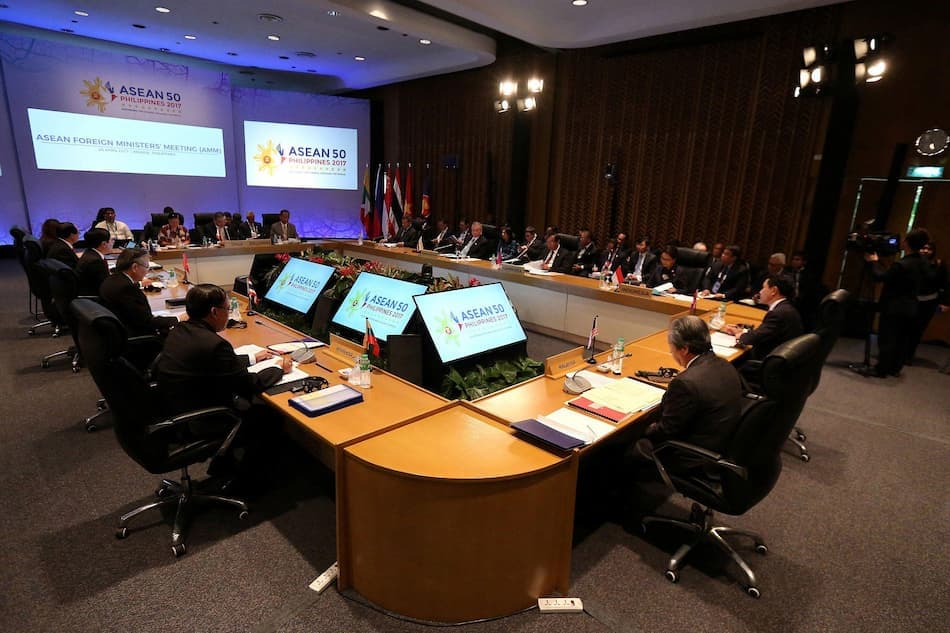
ASEAN officials meeting in Manila to discuss regional digital economy agreement

The ASEAN digital economy framework took another step forward as negotiators convened in Manila to advance a landmark regional agreement.

Officials and technical experts from the Association of Southeast Asian Nations (ASEAN) met in Bonifacio Global City from March 8 to 10 for the 18th meeting of the ASEAN Digital Economy Framework Agreement (DEFA) Negotiating Committee, alongside a second session involving legal experts reviewing the draft provisions of the agreement.

The meeting represents another step toward building a unified regional framework designed to support the growth of digital commerce, cross-border services and technology-driven innovation across Southeast Asia.

Toward a Unified ASEAN Digital Economy

The proposed ASEAN Digital Economy Framework Agreement is intended to establish common rules and standards for digital trade among the bloc’s 10 member states.

Regional policymakers say the agreement could play a critical role in accelerating digital integration, improving interoperability between national systems and reducing regulatory fragmentation that currently complicates cross-border digital transactions.

Southeast Asia has become one of the fastest-growing digital markets in the world. According to regional estimates cited by officials, the ASEAN digital market could reach $2 trillion by 2030, fueled by expanding internet access, mobile adoption and a rapidly growing e-commerce sector.

By introducing shared frameworks for digital payments, electronic documentation, cybersecurity cooperation and consumer protection, the agreement aims to create a more seamless digital marketplace across ASEAN countries.

Boosting Cross-Border E-Commerce

One of the core objectives of the digital economy agreement is to support the continued expansion of cross-border e-commerce throughout the region.

Online commerce has grown rapidly in Southeast Asia over the past decade, with millions of consumers increasingly relying on digital platforms to purchase goods and services from across borders.

Officials involved in the negotiations say the framework could make it easier for companies to operate regionally by simplifying digital trade procedures and promoting compatible regulations between countries.

The agreement is also expected to benefit micro, small and medium-sized enterprises (MSMEs), which form the backbone of many ASEAN economies. By lowering barriers to digital trade, smaller businesses could gain easier access to international markets and new customer bases.

Improved interoperability between digital payment systems and electronic documentation could also help reduce costs and improve transaction efficiency for businesses operating online.

Legal Review and Next Steps

During the Manila meetings, negotiators worked to narrow remaining differences on key provisions while legal experts reviewed sections of the agreement that have already been finalized.

This process, often referred to as “legal scrubbing,” ensures that the text of the agreement is consistent, clear and ready for final approval once negotiations conclude.

The digital trade initiative is among the Philippines’ priority economic projects during its ASEAN leadership agenda in 2026. Regional officials have expressed optimism that negotiations could be completed within the year if discussions continue progressing as expected.

If finalized, the ASEAN Digital Economy Framework Agreement would become one of the most comprehensive regional frameworks dedicated specifically to digital economic cooperation, potentially reshaping how digital trade operates across Southeast Asia.

The agreement is widely seen as a major step toward creating a more connected regional digital market capable of supporting innovation, investment and long-term growth.

Source: Philippine Information Agency (PIA)

EU E-Commerce: 35% of Consumers Face Problems When Shopping Online

Digital e-commerce shopping interface

E-commerce across the European Union continues to expand, but a growing number of consumers are encountering problems while shopping online. According to new data released by Eurostat, more than a third of online shoppers in the European Union reported encountering problems when buying products or services through websites or mobile apps.

The findings highlight ongoing challenges in the digital retail experience even as e-commerce adoption across the region continues to rise.

Online Shopping Issues Affect Over One-Third of EU Consumers

Eurostat’s latest survey on the use of information and communication technologies shows that 35.4% of online shoppers in the EU experienced at least one problem when purchasing online in 2025.

The study analyzed consumer experiences across member states and revealed considerable variation between countries. The highest shares of shoppers reporting issues were recorded in Malta, where 64% of consumers encountered problems while shopping online. The Netherlands followed with 57.9%, while Luxembourg reported 51.4%.

In contrast, several EU countries showed far lower rates of customer difficulties. Portugal recorded the lowest share, with only 4.5% of online buyers reporting problems. Greece and Latvia also saw relatively low levels of consumer complaints at 10.6% and 13.3%, respectively.

The wide differences suggest that infrastructure, logistics performance, platform quality and consumer protection mechanisms may vary significantly across national e-commerce ecosystems.

Delivery Delays Remain the Most Common Complaint

Among the various problems identified in the survey, late delivery was the most frequently reported issue. Nearly one in five EU online shoppers (19.9%) said their orders arrived later than expected.

Logistics delays can occur for several reasons, including cross-border shipping complexities, warehouse processing times and disruptions in supply chains. As e-commerce volumes increase, delivery performance has become one of the most critical factors influencing customer satisfaction.

The second most common issue was related to website usability. Around 11.5% of shoppers reported that websites or apps were difficult to use or did not function properly during the purchasing process.

Meanwhile, 10.4% of consumers reported receiving incorrect or damaged goods or services after completing their orders.

These findings highlight the importance of not only reliable logistics networks but also well-designed digital shopping interfaces.

E-Commerce Continues to Grow Across Europe

Despite these challenges, online shopping remains a dominant retail channel in Europe. Eurostat data shows that 78% of EU internet users purchased goods or services online in 2025, reflecting the continued expansion of digital commerce across the region.

The highest participation rates are typically seen among younger age groups, particularly consumers aged 25–34 and 35–44, who represent the largest share of online buyers in the EU.

Industry analysts note that while consumer adoption is strong, improving the overall reliability of delivery services and platform performance will be key to sustaining growth in Europe’s e-commerce market.

For retailers and marketplaces operating in the region, addressing logistics efficiency, improving user experience and strengthening product quality controls could play a crucial role in reducing customer complaints and building long-term consumer trust.

Source: Eurostat

Coupang Hits Record $36.8B Revenue in 2025, but Q4 Profit Plunges 97% After Data Breach

Coupang Hits Record $36.8B Revenue in 2025

South Korean e-commerce giant Coupang reported record annual revenue for 2025, though its fourth-quarter profitability declined sharply following a personal data breach disclosed in December.

According to a filing submitted to the U.S. Securities and Exchange Commission, Coupang generated 49.1 trillion won ($36.8 billion) in revenue in 2025, marking a 14% increase from 41.3 trillion won ($30.9 billion) a year earlier. On a constant-currency basis, revenue rose 18% year-on-year.

The company also extended its profitability streak, reporting 679 billion won ($509 million) in annual operating profit, up 8% from 602.3 billion won ($451 million) in 2024. Net income for the year reached 303 billion won ($227 million) , more than triple the previous year, while earnings per share stood at $0.11.

The results mark Coupang’s third consecutive year of operating profitability, reflecting continued growth in its core e-commerce operations and expanding digital services.

Fourth-Quarter Profit Plunges After Data Breach

Despite the strong annual performance, Coupang’s profitability weakened significantly in the final quarter of the year.

Revenue for the October–December period reached 12.81 trillion won ($9.61 billion), up 11% compared with the same period in 2024, though down 5% sequentially from the previous quarter.

Operating profit fell sharply to 11.5 billion won ($8.6 million) from 435.3 billion won ($326 million) a year earlier, while the operating margin narrowed to just 0.09%.

The company also recorded a quarterly net loss of 37.7 billion won ($28.3 million).

Coupang said the December data breach involving customer information had a direct impact on revenue growth, active customer numbers, membership activity in its Wow loyalty program, and overall profitability.

However, the company noted that the situation has since stabilized and that recovery began in the first quarter of 2026.

Chairman Apologizes to Customers

During the company’s earnings call, Chairman Kim Beom-seok issued an apology to customers affected by the incident.

“I once again apologize for the concern and inconvenience caused to our customers due to the personal information incident,” he said.

“Our customers are the sole reason for our existence. There is nothing more serious than failing to meet customer expectations at Coupang.”

Core Commerce Continues to Drive Growth

Coupang’s product commerce segment – which includes services such as Rocket Delivery, Rocket Fresh, and the company’s online marketplace , generated 10.74 trillion won ($8.06 billion) in fourth-quarter revenue, representing 8% year-on-year growth.

Meanwhile, the company’s growth initiatives, including the luxury fashion platform Farfetch, its Taiwan operations, Coupang Eats, and Coupang Play, posted revenue of 2.07 trillion won ($1.55 billion) – a 32% increase from the previous year.

However, these newer businesses also recorded an adjusted EBITDA loss of 434.9 billion won ($326 million), more than double the loss reported a year earlier.

Customer Metrics and Cash Flow

Active customers in Coupang’s product commerce segment totaled 24.6 million in the fourth quarter, representing an 8% increase year-on-year, though slightly down by 100,000 customers compared with the previous quarter.

Revenue per active customer increased 3% on a constant-currency basis, reaching $301 (436,400 won).

Cash flow performance, however, softened during the year.

Operating cash flow declined to $1.8 billion, compared with $1.91 billion the previous year. Free cash flow dropped more sharply to $527 million, down from $1.02 billion, reflecting working-capital effects related to the data breach as well as increased capital expenditures.

The company also repurchased 5.9 million shares of Class A common stock during 2025 for a total of $162 million.

Source

© Asia Today. Unauthorized reproduction or redistribution prohibited.

Amazon, Temu and Shein Warn of Delivery Delays in the Middle East as Conflict Disrupts Global Shipping Routes

Amazon, Temu and Shein Warn of Delivery Delays in the Middle East as Conflict Disrupts Global Shipping Routes

Major global e-commerce platforms including Amazon, Temu and Shein are warning customers in the Middle East about longer delivery timelines as escalating geopolitical tensions disrupt key international trade routes.

According to a report by Bloomberg, the ongoing conflict involving Iran, the United States and Israel has begun to impact global logistics networks, slowing both air cargo operations and maritime shipping into the region.

The disruptions are already affecting cross-border e-commerce deliveries, raising concerns among merchants and logistics providers that delays, rising freight costs and inventory shortages could intensify in the coming months.

Delivery Windows Expand Across Major Platforms

Data from logistics tracking platform 17Track indicates that delivery estimates across several international e-commerce platforms have lengthened since the conflict escalated.

Temu currently lists delivery timelines of 6 to 20 days, compared with its previous 7 to 15 day estimate. Fashion retailer Shein has also extended its delivery window to 8 to 10 days, up from the earlier 5 to 8 days range.

On Amazon, some products now display estimated delivery times of 35 to 45 days, while shipments previously arrived in less than 35 days. In many cases, delivery windows have increased by approximately 10 days compared with pre-conflict estimates.

Merchants Pause Shipments Amid Rising Uncertainty

The growing instability has prompted some sellers to reconsider their logistics strategies in the region.

According to Bloomberg, several Chinese merchants selling through Amazon, Shein and Temu have temporarily paused plans to ship new inventory from China to the Middle East until transportation conditions stabilize.

Huang Lun, a Chinese apparel merchant who expanded his operations to the Middle East last year, said geopolitical developments have significantly increased the risks associated with cross-border trade.

“The Middle East market is a write-off this year,” Huang said, citing rising uncertainty driven by shifting tariffs, tightening regulations in Western markets and escalating conflict in the region.

Global Shipping Routes Under Pressure

The situation is also affecting some of the world’s most critical trade corridors. Maritime traffic through the strategic Strait of Hormuz-a key artery for global shipping—has slowed as security concerns mount.

Several major shipping companies have already adjusted their operations.
MSC Mediterranean Shipping Company has halted cargo bookings to and from the Middle East, while A.P. Moller-Maersk and Hapag-Lloyd have suspended crossings through the strait.

Freight forwarders warn that if disruptions persist, shipping costs and delivery times could potentially double, placing additional pressure on cross-border sellers and logistics providers.

Ramadan Shopping Season Faces Supply Pressure

The disruptions are unfolding during Ramadan, one of the busiest retail periods across the Middle East, when consumer spending and online shopping activity typically increase significantly.

The Gulf region has emerged as a key growth market for global e-commerce platforms such as Amazon, Temu and Shein, driven by a young, digitally connected population that relies heavily on imported goods.

However, ongoing disruptions to international shipping routes and logistics networks could result in longer delivery times, higher shipping costs and potential product shortages, placing additional pressure on retailers and consumers during one of the region’s peak shopping seasons.

Source: Bloomberg

Canva to Establish Regional Headquarters in Dubai, Strengthening Support for SMEs

Canva, the global visual communication and design platform, will establish its regional headquarters in Dubai, marking a significant step in the company’s expansion across the Middle East and Africa. The move is supported by the Dubai Chamber of Digital Economy and aligns with the UAE’s national objectives for digital transformation and artificial intelligence.

The agreement was signed during the World Governments Summit 2026 in Dubai, in the presence of Omar Sultan Al Olama, UAE Minister of State for Artificial Intelligence, Digital Economy, and Remote Work Applications, and Chairman of the Dubai Chamber of Digital Economy.

The memorandum of understanding was signed by Saeed Al Gergawi, Vice President of Dubai Chamber of Digital Economy, and Cliff Obrecht, Co-Founder and Chief Operating Officer of Canva.

Under the agreement, the Dubai Chamber of Digital Economy will support the establishment of Canva’s regional headquarters, enabling the company to expand its operations in Dubai and serve businesses and creators across the wider region. The initiative supports Dubai’s strategy to build an integrated digital ecosystem and attract leading global technology companies.

Empowering SMEs Through Digital Design

As part of the collaboration, Canva will provide newly established SMEs operating in Dubai and the UAE with access to dedicated service packages through its digital design and visual communication platform. Scheduled to launch later this year, the packages will offer tools for design, productivity, and content creation, enabling businesses to produce high-quality digital content without the need for specialist design skills.

Commenting on the agreement, Al Olama emphasized Dubai’s commitment to fostering innovation-driven growth:

“Dubai continues to strengthen its position as a global hub for technology and digital innovation, supported by a flexible, business-friendly environment and advanced infrastructure. Our partnership with Canva is designed to enhance SME capabilities and support their growth within Dubai’s advanced digital ecosystem, particularly in creative sectors powered by artificial intelligence.”

Cliff Obrecht highlighted the strategic importance of Dubai for Canva’s regional ambitions:

“Dubai is home to millions of people building and creating at scale. Establishing our regional headquarters here allows us to work more closely with businesses, enterprises, and creators across the region, giving them access to Canva’s tools to bring their ideas to life. We’re excited to be part of what Dubai is building.”

Global Scale, Regional Impact

Founded in 2013, Canva operates in more than 190 countries, serving enterprises, SMEs, consumers, and students worldwide. The company is valued at approximately $42 billion, with over 260 million monthly active users and more than 40 billion designs created on its platform.

In the UAE alone, over 54 million designs were created on Canva in 2025, with nearly one in eight internet users in the country actively using the platform—underscoring Canva’s growing role in the region’s digital economy.

The Dubai Chamber of Digital Economy, one of the three chambers operating under Dubai Chambers, continues to play a central role in expanding the emirate’s digital economy in line with the Dubai Economic Agenda (D33).