WORLDEF Prime Antalya 2026 - Upcoming Event

Register Now

EU may impose new import fee on e-commerce packages

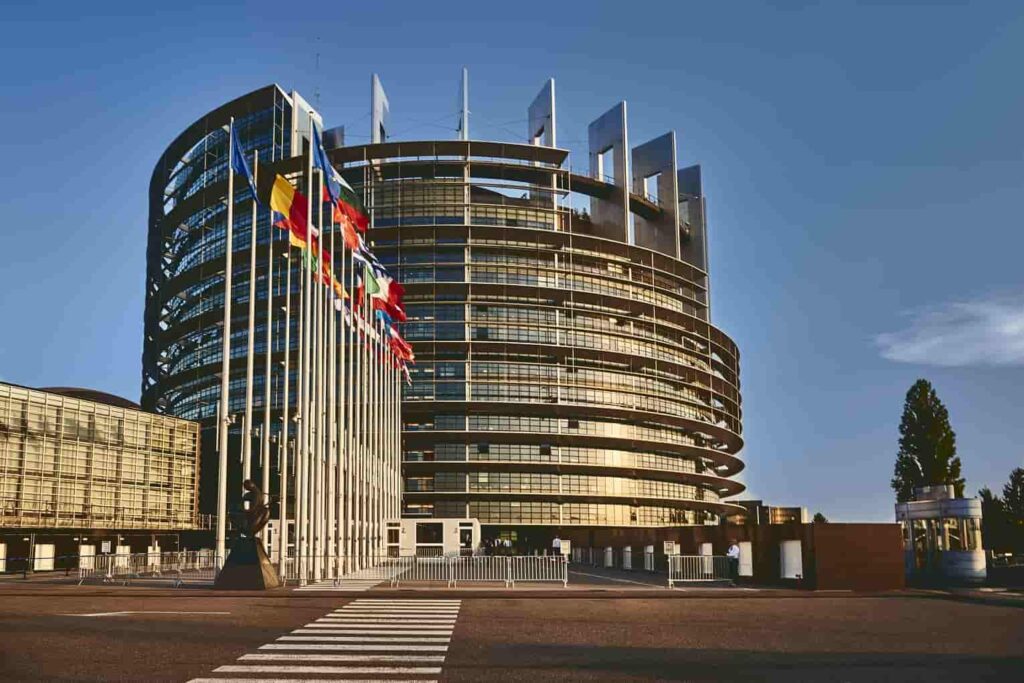
The European Commission continues its efforts to curb the import of harmful products. As part of these efforts, it aims to introduce new fees on e-commerce imports, with a significant portion of these “harmful” products coming from China.

The US Postal Service (USPS) had previously announced that it would suspend packages from China and Hong Kong. The European Commission has now taken similar steps, which could impact low-cost e-commerce platforms like Temu and Shein.

“Number of imported e-commerce packages has reached 12 million per day”

Henna Virkkunen, EU’s Chief of Technology, stated that the number of imported e-commerce parcels had doubled from 2023 to 2024, reaching 12 million per day. She explained, “Many of these products have been found to be unsafe, counterfeit, or even dangerous. This action aims to address growing concerns about the impact of these products on the health and safety of European consumers.”

Virkkunen also added, “It also aims to tackle the significant environmental and climate damage caused by these shipments and the unfair competitive environment created by rogue traders for our SMEs and businesses.”

“90% of packages are coming from China”

The Commission has called on EU lawmakers and member states to review the “inspection fee” for e-commerce parcels. This fee would cover the “necessary costs” of ensuring compliance with EU regulations. According to the Commission, around 90% of the affected packages come from China, many of them sold by the rapidly growing e-commerce platforms Temu and Shein. Both platforms, founded in China, are suspected by Brussels of not doing enough to prevent the sale of products that do not meet European standards.

The new regulations are not only focused on health and safety concerns but also take into account the negative environmental impact of these products. The European Commission highlighted the environmental and climate-related harm caused by the transportation and production of these packages. It also stressed that “rogue” sellers are damaging SMEs in the EU, calling for an elimination of unfair competition.

The Commission is also urging the implementation of a customs reform package aimed at reducing Europe’s dependence on low-value products. This reform would include removing the customs duty exemption for parcels worth less than €150, a measure designed to prevent cheap Chinese products from creating unfair competition in the EU market.

Shein and Temu have not immediately responded to the new regulations, but Shein had previously stated its willingness to cooperate with the EU and national governments to enhance consumer safety.

Investigation into Shein and Temu

Meanwhile, an investigation has already been launched into Temu. The platform, known for selling a wide variety of low-priced products and rapidly expanding in Europe, has faced criticism from consumer protection organizations like BEUC. Some of the products sold on Temu were found to be dangerous, and the platform has been accused of failing to prevent the sale of unsafe items.

Additionally, the Commission has published a new communication calling for stricter enforcement of consumer protection and environmental standards in online commerce, focusing on Chinese marketplaces. It also announced the launch of an investigation into the clothing retailer Shein. The Commission has also issued a “toolbox” to address the challenges posed by online shopping from Chinese websites that fail to meet EU standards in terms of quality, environment, and fair trade practices.

Tap into the potential of Middle Eastern e-commerce

Urvashi Chaudhary | eCommerce and Retail Consultant | Nagarro

Digital commerce is having a major moment in the Middle East. With Dubai as the region’s commercial heartbeat, e-commerce is booming, fuelled by a blend of tech-savvy consumers, a cash-heavy culture, and a big appetite for convenience.

The Middle East e-commerce market is projected to hit $50 billion by 2025 (Source: Gulf Business), driven by a young, mobile-first population and initiatives like Saudi Arabia’s Vision 2030, encouraging digital transformation across industries.  

Let’s examine some of the Middle East e-commerce market trends and how technology is driving these trends! 

  • Cash on delivery (COD) is here to stay:

Customers in the Gulf region continue to swear by CoD orders. This is attributed to concerns about online payment security, challenges with payment gateway compatibility, regional restrictions and the ongoing risk of fraud.

On the flip side, CoD orders require some juggling for brands as they often involve braving returns, cancellations, and managing inventory across a delivery network handling cash. Those sticking with CoD need a logistical backbone that’s fast, flexible and doesn’t eat into profits faster than the checkout lines. So, while COD may not reign as it once did, it still has a devoted fan base that brands must recognize.

  • The need for speed in last-mile delivery:

Much like their peers in Asia-Pacific, the Gulf consumers are also looking for same-day, even same-hour, delivery, especially in busy cities like Dubai.

While this offers abundant convenience to the customers, for brands, it means establishing infrastructure and resources to support faster deliveries and prevent the dreaded cart abandonment resulting from slow delivery options.

  • Social commerce – the new shopping street:

In the Middle East, shopping happens on social media. Nearly 70% of Middle Eastern shoppers use social platforms to discover new brands and products(Source-Wisernotify), and with in-app purchasing gaining popularity, the potential is massive. 

By blending social discovery with seamless in-app purchasing, brands are reaching online audiences. This trend is especially strong among younger consumers, who are increasingly expecting these platforms to double as shopping outlets. 

  • Personalization, because one size doesn’t fit all:

As Gulf consumers embrace online shopping, they expect more than “buy it and leave.” Studies show that personalization can increase conversion rates by up to 20% (Source-Mckinsey), but only if done right. Brands leveraging data analytics to offer tailored recommendations, curated product selections, and personalized offers are more likely to secure customer loyalty. 

Continuous innovation at ease – heard about MACH Architecture?

Keeping up with the evolving eCommerce markets requires brands to adopt emerging technologies and build innovative solutions that deliver seamless customer experiences. 

Partnering with multiple eCommerce brands in the Gulf region and globally, we believe MACH architecture can significantly benefit the brands on this journey. 

MACH stands for Microservices, API-first, Cloud-native, and Headless, which is becoming the go-to for companies needing flexibility and scalability. 

A retailer using MACH architecture can easily integrate an AI recommendation engine, scale its search functionality during holiday sales, and launch a new mobile app—all without disrupting its existing operations. Wondering how?

MACH architecture offers e-commerce players flexibility, scalability, and agility by enabling quick adaptation to market changes and customer demands. Its microservices and cloud-native infrastructure handle traffic spikes efficiently, while headless design delivers personalized, omnichannel experiences. 

API-first integrations reduce development cycles, speeding up time to market, and the MACH’spay-as-you-go model ensures cost efficiency. MACH also future-proofs platforms, allowing seamless integration with emerging technologies like AI and IoT.

By 2026, around 70% of enterprises will have adopted a MACH approach to stay agile (Source-CMS Critic). 

Leading brands are reaping significant benefits from adopting MACH architecture:

  • Faster load times: A 30-50% reduction improves customer retention and conversions.
  • Quicker deployments: 30-40% faster rollouts with microservices and headless design, enabling launches in weeks instead of months.
  • Enhanced scalability: Handles 5-10x more traffic during peak events, ensuring system stability under demand.
  • Cost savings: 20-30% reductions in IT costs through cloud-native solutions.
  • Higher satisfaction: Up to 20% improvement in customer satisfaction scores with smoother, flexible experiences.
  • Better conversions: Businesses see 10-15% higher conversion rates with API-driven personalization and faster performance.

Leveraging MACH for the Middle East e-commerce

The Middle Eastern e-commerce landscape is at an inflexion point, driven by evolving consumer expectations, rapid technological advancements, and the need for seamless, personalized shopping experiences. To thrive in this dynamic market, brands must embrace agility and scalability, making architectures like MACH the cornerstone of their digital strategies.

With its ability to streamline operations, enhance customer experiences, and future-proof businesses, MACH architecture is reshaping how brands navigate challenges like COD, last-mile delivery, and social commerce. By partnering with VTEX, Nagarro is empowering businesses in the Middle East to unlock the full potential of MACH, driving innovation, customer satisfaction, and sustainable growth.

Nagarro is currently helping a leading direct selling company transition to MACH architecture to help them achieve higher customer satisfaction and growth, while optimizing their costs. Beyond, the Middle East, we are enabling multiple leading global brands transform their eCommerce ecosystem through advanced technologies and strategic partnerships. From strategy and implementation to optimization we ensure ensuring your digital commerce platforms are robust, scalable, and tailored to your unique needs

Are you ready to transform your eCommerce ecosystem? Let’s build the future together.

About Nagarro

We are shaping the company of tomorrow!

Nagarro is a global digital engineering and consulting leader with a full-service offering. Harnessing the power of our Fluidic Enterprise vision and thinking breakthroughs framework, we help our clients become human-centric, digital-first organizations, augmenting their ability to be responsive, efficient, intimate, creative, and sustainable. Our client-centric, agile, responsible, intelligent, non-hierarchical, global values come together to form our CARING superpower, which denotes a humanistic, people-first way of thinking with a strong emphasis on ethics.

Caring guides us as a global company. We have a broad and long-standing international customer base, primarily in Europe and North America. This includes many global blue-chip companies, leading independent software vendors (ISVs), other market and industry leaders, and public sector clients. At Nagarro, over 18,300 experts across 37 countries are helping our partners succeed today. For more information, visit www.nagarro.com.
 

Putting the customer at the center in e-commerce!

Diego Santana | CEO of Scale Group and Growth Specialist at E-Commerce Rocket

Listening to customers: Putting the customer at the center helped a footwear e-commerce company increase revenue by 74%

  • Case Study 2024 – The scenario

Since this e-commerce in question was launched, the company has never prioritized customer-centric strategies, known as Customer Centric. This lack of customer focus ended up becoming a problem when they realized that sustainable growth was becoming increasingly difficult.

In this context, I was hired to identify obstacles to the scale of the business. And, well, the first thing I always check is: 

 Are we actually listening to what our customers have to say?

  • The problem

This lack of focus on customers led the company to face challenges in business growth. Instead of understanding and meeting the needs and wants of its customers, the company was making decisions based on other metrics or even assumptions.

This impacts not only on opportunities – of which many were lost – but also on the number of dissatisfied customers and, consequently, difficulties in scaling the business in a healthy way.

  • The solution

Before starting, we think it’s important to look at the types of research that exist and that could be done with the base. That’s when we brought this scenario.

  • Search types
  • Interests (what you like most)
  • Commercial (what makes you buy)
  • Journey (How he makes the purchase decision)
  • Complete (All options above)

We decided to carry out a complete survey, with 2 questions for each of these stages, and we chose the buying public right away to answer, using the questions below. As an incentive, we decided to use the most open e-commerce email to apply this action:

  • The confirmed purchase email
  • This email, on average, has a 98% opening rate.

So we put a paragraph in it saying that if they completed the survey in the next 2 hours, we would send them a free gift in their order.

 Pay attention to this insight!

By default, we already send gifts with every order, but just adding this trigger ensured that a lot of people responded to our initial survey – and that, in turn, got us the most responses.

Who is Diego Santana?

Diego Santana is a specialist in growth for e-commerce and is responsible for the performance of the largest e-commerces in Brazil. Klaidas is an Amazon entrepreneur with more than Diego Santana is a specialist in Scale and Growth for E-Commerce, responsible for working in SaaS, Retail, Education and Service. It is a reference in Brazil when it comes to performance, managing over the last 4 years more than 80 Million Dollars in Paid Media generating a result of 1.5 Billion Dollars in Sales.

Secrets to success in global e-commerce

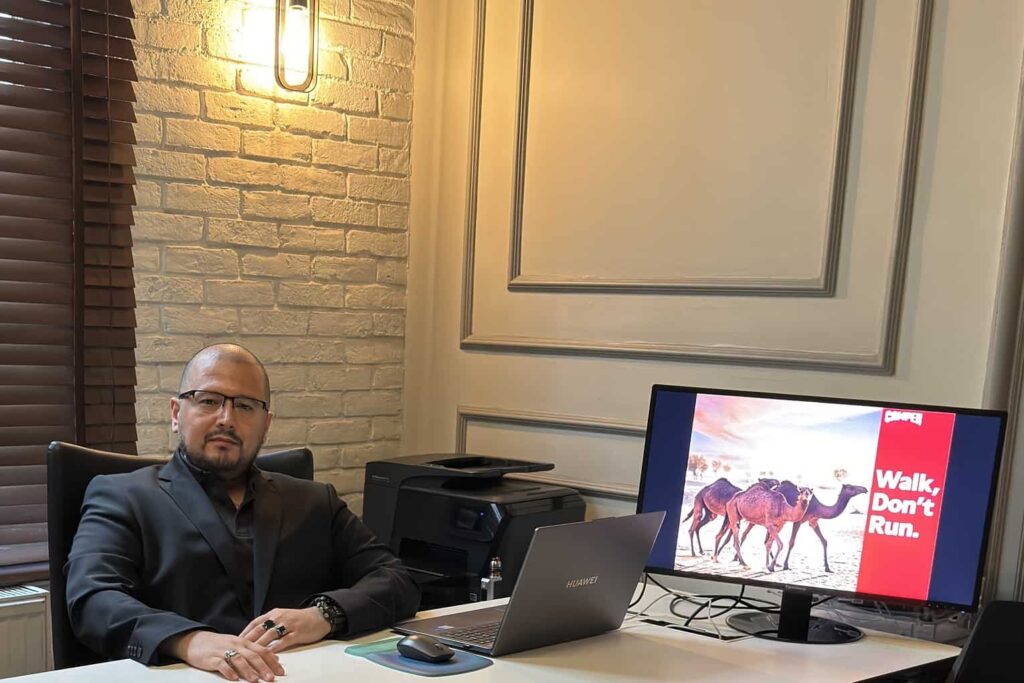
Cüneyt Erpolat | Champs Board Member Responsible for Growth

E-commerce eliminates borders, but not everyone is successful in this area. While global e-commerce offers many opportunities for brands to grow, it also brings significant challenges, such as:

  • Logistics and supply chain management
  • Legal and regulatory compliance
  • Payment processing
  • Cultural differences and localization
  • Customer trust and experience
  • Competition
  • Returns and refunds

These challenges, especially cultural differences and localization, significantly affect legal and regulatory compliance and customer experience. For example; In Germany, most people use debit cards, not credit cards. They prefer not to shop from sites that are not approved by platforms such as ‘Trustpilot’. They also want to receive support in their own language and are extremely sensitive about the use of their own language.

Global e-commerce support with Champs

Champs is a platform that provides global e-commerce support and provides services in more than 13 languages ​​with more than 22,000 independent employees. 38% of employees speak German, 30% English, 14% Dutch, 5% Arabic and 13% other languages. It has clients in countries such as Germany and the Netherlands. By collaborating with multilingual employees, Champs enables businesses to communicate effectively with customers in their own language.

Profile and integration of freelancers

Candidates in the Champs community go through a detailed profiling process. After interviews with suitable candidates, they receive training through the Champs Academy. They then receive training from customers to prepare them for the job. Champs prioritizes languages ​​and analyzes the language needs of target markets.

Champs offers businesses several advantages:

  • Flexibility and diversity: Provides access to talent from all over the world.
  • Cost-effectiveness: Working on a project basis reduces the cost of hiring full-time employees.
  • Speed ​​and efficiency: Freelancers can complete projects faster and more flexibly.

What companies expect from multilingual employees

Companies often demand customer service and experience. Champs meets these demands with its CX products:

  • Customer service: Being able to provide services in different languages ​​increases customer satisfaction.
  • Translation and localization: Accurate translation and localization of product descriptions and marketing materials.
  • Marketing and social media management: Developing effective marketing strategies and managing social media campaigns in different countries.

Sustainability

Champs also makes significant contributions to sustainability. Sustainability is a highly prioritized issue, especially in Europe.

Champs naturally achieves the following with its business model:

  • Environmental sustainability: Working from home reduces carbon footprint, digitalization and paperless processes minimize environmental impact.
  • Economic sustainability: Project-based work reduces fixed costs for companies and provides operational flexibility.
  • Social sustainability: Access to global talent pools promotes diversity and inclusion, and offers employment opportunities.

Conclusion;

Champs helps global e-commerce businesses overcome language and cultural barriers, reduce costs, and gain competitive advantage by offering multilingual talent. These flexible and dynamic solutions are critical for sustainable growth and success.

Alpha Movement: Unleashing the oower of the Gulf e-commerce market

Seif El Hakim | Founder of the Alpha Movement CEO of Alpha Global

As the Gulf region continues its ascent as a global e-commerce hub, the opportunities here are boundless yet nuanced. Over the past few years, I have dedicated my career to shaping strategic ventures in this dynamic environment, leveraging my experiences as a former corporate executive, an ex-CMO at Samsung Electronics, and now as the founder of Alpha Global Enterprise and The Alpha Movement.

The Alpha Movement: Empowering E-Commerce and Business Leaders

The Alpha Movement embodies an ambitious vision: to inspire and elevate entrepreneurs, business leaders, and aspiring professionals through a unique blend of skill mastery, mindset enhancement, and wealth generation. Our flagship initiatives, including The Alpha Mastermind and The Alpha Growth Conference, serve as platforms for learning, growth, and empowerment, all anchored in a thriving community.

At The Alpha Movement, we believe that the intersection of mindset and strategy is the key to success in the Gulf’s fast-evolving e-commerce market. Our approach combines skill mastery, the power of networking, and the latest in digital strategies to support the development of sustainable, scalable businesses.

Strategic Insight into the Gulf Market

In my capacity as a corporate advisor and CEO of Alpha Global Enterprise, we focus on market-specific tactics that cater to the Gulf’s digital-first consumer base. The Gulf e-commerce landscape is unique, requiring a nuanced understanding of local culture, consumer behavior, and logistical challenges.

Through services such as digital marketing, corporate branding, and market-entry strategies, Alpha Global Enterprise has supported countless brands in navigating these complexities. This success is reflected in our partnership with WORLDEF, where we work closely with brands to explore untapped potential within the region.

Embracing Community, Technology, and Future Growth

The Gulf region is not just a market; it’s a movement. Driven by young, digitally savvy consumers, the region presents a fertile ground for innovation, especially with the rise of AI and data-driven strategies. At Alpha Global, we emphasize leveraging technology to personalize customer experiences, optimize operational efficiencies, and achieve brand differentiation.

In line with my commitment to community empowerment, our platforms offer access to live coaching, networking opportunities, and resources aimed at fostering a culture of continuous learning and development. I’m particularly proud of the upcoming Alpha Growth Conference and the new Alpha Mastermind, both of which cater to those eager to build their legacies within the Gulf e-commerce sector.

Conclusion

As the Gulf e-commerce market continues to grow, the need for visionary leadership and adaptive strategies will only intensify. At Alpha Global and through The Alpha Movement, our mission remains to cultivate success by blending innovation, strategy, and community. Together with WORLDEF, I look forward to empowering more leaders and driving sustainable growth across the Gulf’s digital landscape.

The codes of e-commerce in the Gulf

Orçun Çanak | Regional E-Commerce Manager

The development of e-commerce in the MENA region is gaining truly exciting momentum. This region, with its young population and quick adaptation to the digital world, provides an excellent foundation for e-commerce growth.

For instance, in the United Arab Emirates (UAE), particularly in Dubai, the e-commerce sector has experienced tremendous growth over the past few years. A wide range of products, from luxury goods to daily necessities, are purchased online. During the pandemic, consumers shifted to online shopping, a habit that has become permanent.

In Saudi Arabia, the government’s “Vision 2030” plan, which supports the digital economy, has significantly contributed to the rapid growth of e-commerce. In countries with larger populations like Egypt, the widespread use of mobile internet plays a crucial role in advancing e-commerce.

Meanwhile, in North African countries, e-commerce has yet to reach its full potential. However, due to the increasing internet penetration and technological adaptation of the young population, rapid growth is expected in these countries in the coming years.

A key trend in the development of e-commerce in the MENA region is the rising prominence of local brands and products. Consumers are showing great interest not only in global brands but also in products by local designers and manufacturers. This trend brings more unique items reflecting the region’s cultural richness to online platforms.

Moreover, advancements in payment systems also contribute to the growth of e-commerce. In the UAE, for example, digital wallets and mobile payment systems are rapidly becoming widespread. This increases consumer confidence in online shopping and simplifies transactions.

Looking ahead, we anticipate that e-commerce in the MENA region will continue to grow and diversify. The use of technologies such as artificial intelligence and big data analytics will play an essential role in personalizing customer experiences and predicting demand. Additionally, with the growing demand for sustainable and environmentally friendly products, we expect an increase in e-commerce ventures focusing on these areas.

Online Consumer Behavior in the Gulf Region

Online consumer behavior in the Gulf reflects the region’s unique cultural, economic, and social dynamics. Consumers tend to show more interest in luxury and prestigious brands. For example, the sale of luxury watches or handbags on an e-commerce platform in Dubai can significantly outpace that of ordinary products, reflecting high-income levels and status-driven consumption habits.

Mobile shopping is also prevalent in the Gulf, especially in Saudi Arabia and the UAE, where consumers heavily rely on smartphones for shopping. Among younger consumers, digital wallets and mobile payment systems are highly popular. Systems like Apple Pay and Google Pay are widely used in the UAE.

Local clothing and accessories, such as abayas and shawls, hold a significant place in online sales in the Gulf region. Additionally, cosmetic and personal care products are also quite popular.

Challenges of E-Commerce in the Gulf Region

The rapidly growing e-commerce sector in the Gulf comes with its own set of challenges.

  1. Geographical and Climatic Challenges:
    The region’s geography and climate make logistics processes challenging. For instance, delivering goods quickly and reliably in Saudi Arabia’s vast desert areas can be difficult. Prolonged exposure to desert heat can affect product quality, compelling e-commerce companies to develop specialized cooling systems and fast delivery networks.
  2. Regulatory Differences:
    The legal and regulatory discrepancies between countries in the region pose another challenge. Each country has unique customs procedures and tax policies. For example, a business model that operates seamlessly in the UAE might encounter entirely different regulations in another Gulf country, requiring companies to completely overhaul their strategies.
  3. Cultural Sensitivities:
    Cultural differences also play a significant role. During Ramadan, consumer behavior changes dramatically, with a surge in orders placed after midnight, requiring companies to adapt their operations accordingly. Additionally, product packaging and marketing materials must align with local sensitivities. A product that is popular in Western markets might be deemed culturally inappropriate in the Gulf, forcing companies to redesign their inventory.
  4. Digital Payment Adoption:
    Despite the growing prevalence of digital payment systems, cash on delivery remains a preferred payment method in some Gulf countries, complicating e-commerce transactions. Companies need to invest in awareness campaigns to build trust in online payments.

Despite these challenges, the Gulf region offers immense opportunities for e-commerce. A young, tech-savvy population, increasing internet penetration, and governmental support for the digital economy brighten the sector’s future. E-commerce companies are continuously developing innovative solutions to turn challenges into opportunities and leverage the region’s potential.

Tips for E-Commerce Entrepreneurs Focusing on the Gulf

For entrepreneurs planning to enter the e-commerce market in the Gulf, here are some key recommendations:

  • Understand Local Culture and Consumer Behavior:
    The Gulf region is culturally rich and diverse. For instance, during Ramadan, shopping habits change significantly, with a preference for late-night purchases. Additionally, there is strong interest in luxury and prestigious products. Understanding such cultural nuances and adapting your strategy accordingly is crucial.
  • Prioritize Mobile Compatibility:
    Smartphone usage is widespread in the Gulf, particularly among younger demographics who primarily shop via mobile devices. Ensuring your platform is mobile-friendly and offers an excellent user experience is critical.
  • Offer Multilingual Support:
    While Arabic is prevalent, English is also widely used, especially in countries like the UAE. Providing support in both languages can help you reach a broader audience.
  • Integrate Local Payment Methods:
    While credit cards are common, cash on delivery remains popular. Offering this option, along with integrating region-specific digital wallets and payment systems, can enhance customer satisfaction.
  • Establish a Robust Logistics Network:
    Fast and reliable delivery is vital in the Gulf. Given the hot climate, transporting goods like food and cosmetics can be challenging. Partnering with reliable logistics providers or establishing your own distribution network may be necessary.
  • Leverage Social Media and Influencer Marketing:
    Social media usage is widespread in the Gulf. Platforms like Instagram and Snapchat are highly effective for marketing. Collaborating with local influencers can play a significant role in increasing brand awareness.
  • Adhere to Local Regulations:
    Each country has its own e-commerce regulations. For example, Saudi Arabia might require SASO (Saudi Standards, Metrology, and Quality Organization) certification. Understanding and complying with these regulations is essential.
  • Provide Personalized Customer Service:
    Consumers in the Gulf value personalized and prompt customer service. Utilizing channels like live chat or WhatsApp support can be highly effective.
  • Focus on Data Security:
    Awareness of data security and privacy is growing in the region. Implementing strong security measures and transparently communicating them to customers can help build trust.
  • Form Local Partnerships:
    Business culture in the region relies heavily on strong personal relationships. Building local partnerships can ease market entry and provide valuable insights.
  • Be Patient and Think Long-Term:
    Entering the Gulf market and building trust takes time. Adopting a long-term strategy instead of expecting quick results is essential.

Conclusion

E-commerce in the Gulf region offers significant opportunities. However, to succeed, understanding the region’s unique dynamics and tailoring strategies accordingly is vital. Respecting local culture, keeping up with technological advancements, and adopting a customer-centric approach will be key to success. 


GpC: Strong partner of global e-commerce players

Shahid Hussain, Founder and CEO, Green Proposition Consulting (GpC)

The e-commerce sector in the Middle East is estimated to reach a market size of US$50 billion by 2025. The potential growth and opportunity to sell cross-countries suggests that e-commerce can no longer be neglected by companies when seeking to expand to foreign markets.

Local player with global experience

Green Proposition Consulting (GpC) is a local player with global experience. With presence in the United Arab Emirates, China, India and North America, we provide 360° solutions to our clients. We are proud to work with global brands from across sectors like PepsiCo, NADEC, Terra Delyssa, Tramontina and Galvan London to enter and excel in domestic and international markets. 

We assist several governments like Italy, Canada, Brazil, Oman, and others in helping their brands and SMEs make inroads in the region. GpC is involved with United Nations agencies for Digital Empowerment and Digital Literacy to champion the stakeholders with Knowledge Transfer and Capacity Building in the emerging markets for both e-commerce and cross-border e-commerce.

Our customized strategy consulting services include: 

  • Market-entry/ feasibility study
  • Branding & content strategy 
  • Price & promotion strategy
  • Competitor analysis
  • Consumer behavior & trends
  • Sales channel suggestion
  • Assortment selection
  • Social media auditing 
  • Cost analysis elaboration
  • Strategy development

“Formed strong alliances with e-commerce giants”

GpC has forged strong alliances with e-commerce giants like Alibaba and Tencent and has assisted various brands on the Amazon platform. Our success testament is that we make sure that within a week of the launch, the product starts trending in the marketplace.

In the dynamic world of e-commerce, businesses seek a trusted partner to navigate the complexities of global expansion. Green Proposition offers a comprehensive suite of services to help businesses optimize their digital storefront, streamline operations, and elevate customer experience, propelling them to new heights of success. Our team of e-commerce specialists will guide you through the process of market entry, day-to-day operations, content localization, and establishment of your online store in diverse markets.

What sets us apart is that we help domestic and foreign brands with strategy building and run the whole operation on their behalf. It is very economical for brands as they need not build their team to manage the operations.

E-commerce solutions

In the dynamic world of e-commerce, businesses seek a trusted partner to navigate the complexities of global expansion. Green Proposition offers a comprehensive suite of services to help businesses optimize their digital storefront, streamline operations, and elevate customer experience, propelling them to new heights of success. Our team of e-commerce specialists provide day-to-day operations, content localization, and establishment of your online store in diverse markets.

  • Seller center set-up
  • Documentation handling
  • Store registration assistance
  • Brand & product registration support
  • Store design
  • Content planning
  • Brand auditing
  • Product price auditing
  • Competitor analysis
  • Brand & product training

Who is Shahid Hussain?

Shahid Hussain is a serial entrepreneur, investor and a columnist. After working with several multi-billion dollar companies, he founded Green Proposition in 2017 and in a short period helped numerous companies to excel and expand in domestic and International markets. Shahid is a vivid supporter of Digital Transformation and is working with different governments and tech giants to expedite the digital journey of developing nations.

Shahid advises on geoeconomics and global trade and regularly writes for global media houses such as China Global Television Network (CGTN), Korea Times and Modern Diplomacy. Shahid has been invited as speaker at various global forums including the United Nations, Dubai International Finical Center (DIFC), Abu Dhabi National Oil Company (ADNOC) and is the Founding Partner of AI Global Exchange Forum.