
The codes of e-commerce in the Gulf
E-commerce in the Gulf region is thriving, driven by a young, tech-savvy population. Trends like mobile shopping and a preference for luxury goods are prominent. Challenges include logistics, regulations, and cultural sensitivities.
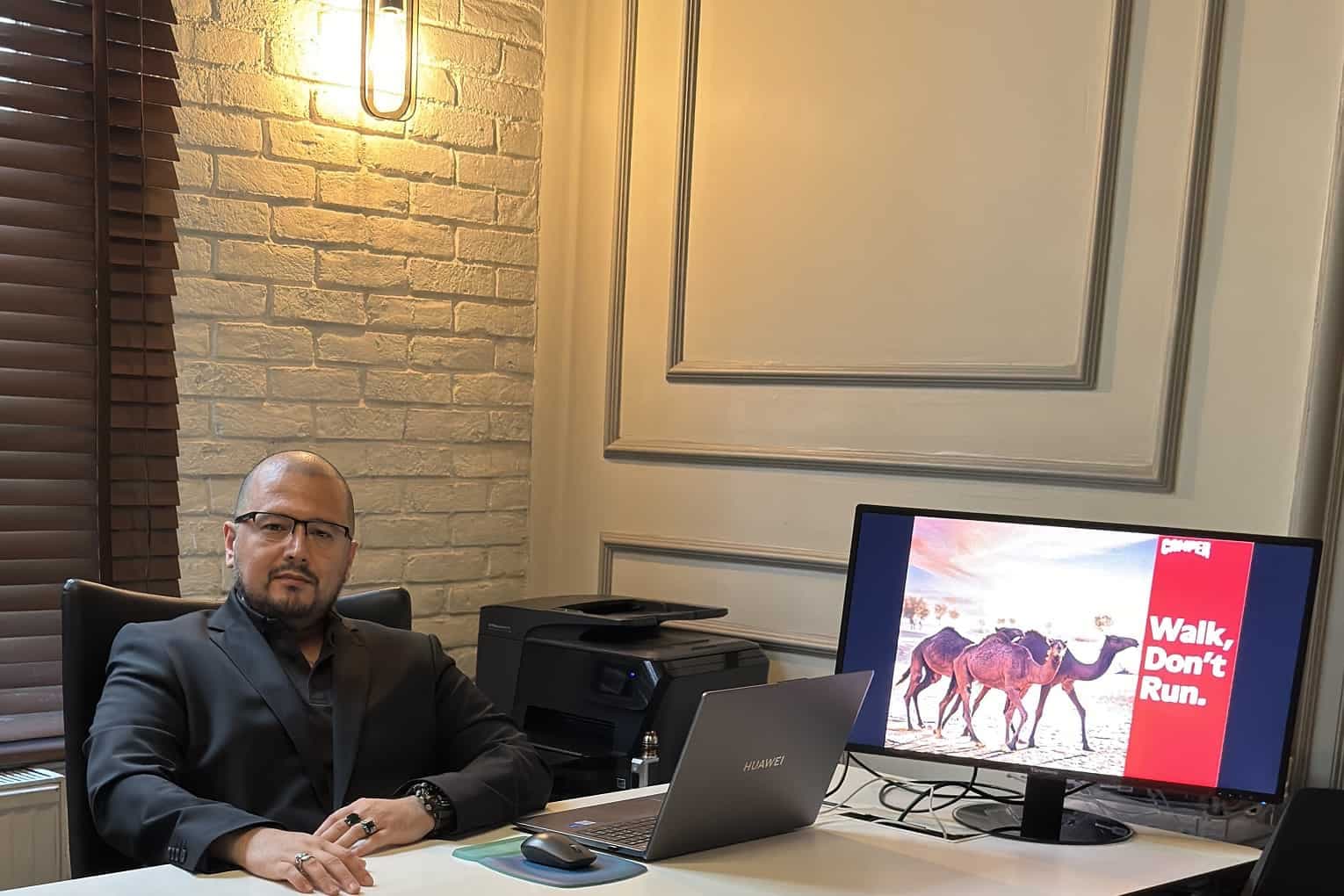
Orçun Çanak | Regional E-Commerce Manager
The development of e-commerce in the MENA region is gaining truly exciting momentum. This region, with its young population and quick adaptation to the digital world, provides an excellent foundation for e-commerce growth.
For instance, in the United Arab Emirates (UAE), particularly in Dubai, the e-commerce sector has experienced tremendous growth over the past few years. A wide range of products, from luxury goods to daily necessities, are purchased online. During the pandemic, consumers shifted to online shopping, a habit that has become permanent.
In Saudi Arabia, the government’s “Vision 2030” plan, which supports the digital economy, has significantly contributed to the rapid growth of e-commerce. In countries with larger populations like Egypt, the widespread use of mobile internet plays a crucial role in advancing e-commerce.
Meanwhile, in North African countries, e-commerce has yet to reach its full potential. However, due to the increasing internet penetration and technological adaptation of the young population, rapid growth is expected in these countries in the coming years.
A key trend in the development of e-commerce in the MENA region is the rising prominence of local brands and products. Consumers are showing great interest not only in global brands but also in products by local designers and manufacturers. This trend brings more unique items reflecting the region’s cultural richness to online platforms.
Moreover, advancements in payment systems also contribute to the growth of e-commerce. In the UAE, for example, digital wallets and mobile payment systems are rapidly becoming widespread. This increases consumer confidence in online shopping and simplifies transactions.
Looking ahead, we anticipate that e-commerce in the MENA region will continue to grow and diversify. The use of technologies such as artificial intelligence and big data analytics will play an essential role in personalizing customer experiences and predicting demand. Additionally, with the growing demand for sustainable and environmentally friendly products, we expect an increase in e-commerce ventures focusing on these areas.
Online Consumer Behavior in the Gulf Region
Online consumer behavior in the Gulf reflects the region’s unique cultural, economic, and social dynamics. Consumers tend to show more interest in luxury and prestigious brands. For example, the sale of luxury watches or handbags on an e-commerce platform in Dubai can significantly outpace that of ordinary products, reflecting high-income levels and status-driven consumption habits.
Mobile shopping is also prevalent in the Gulf, especially in Saudi Arabia and the UAE, where consumers heavily rely on smartphones for shopping. Among younger consumers, digital wallets and mobile payment systems are highly popular. Systems like Apple Pay and Google Pay are widely used in the UAE.
Local clothing and accessories, such as abayas and shawls, hold a significant place in online sales in the Gulf region. Additionally, cosmetic and personal care products are also quite popular.
Challenges of E-Commerce in the Gulf Region
The rapidly growing e-commerce sector in the Gulf comes with its own set of challenges.
- Geographical and Climatic Challenges:
The region’s geography and climate make logistics processes challenging. For instance, delivering goods quickly and reliably in Saudi Arabia’s vast desert areas can be difficult. Prolonged exposure to desert heat can affect product quality, compelling e-commerce companies to develop specialized cooling systems and fast delivery networks. - Regulatory Differences:
The legal and regulatory discrepancies between countries in the region pose another challenge. Each country has unique customs procedures and tax policies. For example, a business model that operates seamlessly in the UAE might encounter entirely different regulations in another Gulf country, requiring companies to completely overhaul their strategies. - Cultural Sensitivities:
Cultural differences also play a significant role. During Ramadan, consumer behavior changes dramatically, with a surge in orders placed after midnight, requiring companies to adapt their operations accordingly. Additionally, product packaging and marketing materials must align with local sensitivities. A product that is popular in Western markets might be deemed culturally inappropriate in the Gulf, forcing companies to redesign their inventory. - Digital Payment Adoption:
Despite the growing prevalence of digital payment systems, cash on delivery remains a preferred payment method in some Gulf countries, complicating e-commerce transactions. Companies need to invest in awareness campaigns to build trust in online payments.
Despite these challenges, the Gulf region offers immense opportunities for e-commerce. A young, tech-savvy population, increasing internet penetration, and governmental support for the digital economy brighten the sector’s future. E-commerce companies are continuously developing innovative solutions to turn challenges into opportunities and leverage the region’s potential.
Tips for E-Commerce Entrepreneurs Focusing on the Gulf
For entrepreneurs planning to enter the e-commerce market in the Gulf, here are some key recommendations:
- Understand Local Culture and Consumer Behavior:
The Gulf region is culturally rich and diverse. For instance, during Ramadan, shopping habits change significantly, with a preference for late-night purchases. Additionally, there is strong interest in luxury and prestigious products. Understanding such cultural nuances and adapting your strategy accordingly is crucial. - Prioritize Mobile Compatibility:
Smartphone usage is widespread in the Gulf, particularly among younger demographics who primarily shop via mobile devices. Ensuring your platform is mobile-friendly and offers an excellent user experience is critical. - Offer Multilingual Support:
While Arabic is prevalent, English is also widely used, especially in countries like the UAE. Providing support in both languages can help you reach a broader audience. - Integrate Local Payment Methods:
While credit cards are common, cash on delivery remains popular. Offering this option, along with integrating region-specific digital wallets and payment systems, can enhance customer satisfaction. - Establish a Robust Logistics Network:
Fast and reliable delivery is vital in the Gulf. Given the hot climate, transporting goods like food and cosmetics can be challenging. Partnering with reliable logistics providers or establishing your own distribution network may be necessary. - Leverage Social Media and Influencer Marketing:
Social media usage is widespread in the Gulf. Platforms like Instagram and Snapchat are highly effective for marketing. Collaborating with local influencers can play a significant role in increasing brand awareness. - Adhere to Local Regulations:
Each country has its own e-commerce regulations. For example, Saudi Arabia might require SASO (Saudi Standards, Metrology, and Quality Organization) certification. Understanding and complying with these regulations is essential. - Provide Personalized Customer Service:
Consumers in the Gulf value personalized and prompt customer service. Utilizing channels like live chat or WhatsApp support can be highly effective. - Focus on Data Security:
Awareness of data security and privacy is growing in the region. Implementing strong security measures and transparently communicating them to customers can help build trust. - Form Local Partnerships:
Business culture in the region relies heavily on strong personal relationships. Building local partnerships can ease market entry and provide valuable insights. - Be Patient and Think Long-Term:
Entering the Gulf market and building trust takes time. Adopting a long-term strategy instead of expecting quick results is essential.
Conclusion
E-commerce in the Gulf region offers significant opportunities. However, to succeed, understanding the region’s unique dynamics and tailoring strategies accordingly is vital. Respecting local culture, keeping up with technological advancements, and adopting a customer-centric approach will be key to success.
Read more on
About the author
WORLDEF Editors
921 stories on WORLDEF since January 2025.
More from WORLDEF Editors →Related
Russian E-Commerce Market Faces Loss of 400 Million Orders and 400 Billion Rubles in Revenue

YouTube and Amazon Form Major E-Commerce Partnership: Videos Turn Into Shopping Channels

IGEXX 2026 to Bring Global E-Commerce Leaders to Istanbul

Dubai Economic Zones Reach 96% Occupancy as Company Numbers and AI Activity Surge

The week in commerce, before your competitors.
1,458 stories since January 2025, distilled into three newsletters. Pick the ones you want.