
Indonesia Plans New E-Commerce Rules After Seller Complaints
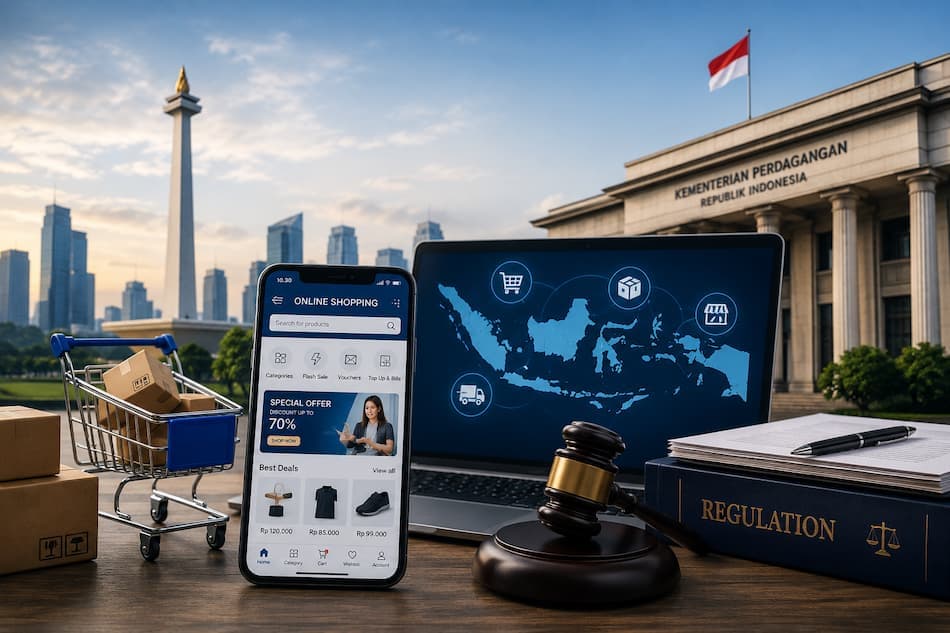
Indonesia is preparing to revise its e-commerce regulations following growing complaints from online sellers about rising platform fees and operational costs. The move reflects the government’s broader effort to create a fairer and more sustainable digital commerce ecosystem while strengthening protections for local businesses and consumers.
What Happened?
Indonesia’s Trade Ministry announced plans to revise Minister of Trade Regulation Number 31 of 2023, which currently governs e-commerce activities in the country. Trade Minister Budi Santoso stated that the revision comes after many sellers, especially small businesses, raised concerns over high administrative and logistics fees charged by online marketplaces.
While the government has not yet shared the full details of the revised regulation, officials confirmed that discussions with industry stakeholders are ongoing and that the new rules will focus on improving fairness across the sector.
Why Is Indonesia Revising the Rules?
Indonesia is one of Southeast Asia’s largest and fastest-growing e-commerce markets. However, increasing competition among platforms has also led to concerns from sellers regarding profitability and sustainability.
According to the Trade Ministry, the revised regulation aims to:
- Protect local products and MSMEs (Micro, Small, and Medium Enterprises)
- Improve consumer protection
- Encourage marketplaces to prioritize domestic products
- Build a healthier and more sustainable e-commerce ecosystem
- Strengthen collaboration between platforms, sellers, and regulators
Government officials emphasized that consultations with businesses and digital economy stakeholders are still continuing before the regulation is finalized.
Indonesia Increases Oversight of Digital Platforms
The planned revision comes as Indonesia continues tightening oversight across its digital economy. Earlier this month, authorities also introduced stricter child protection requirements for e-commerce platforms under new electronic system governance rules.
The measures require platforms to implement age verification systems, parental consent mechanisms for minors, and stronger privacy protections for children’s data.
These developments highlight Indonesia’s growing focus on building a more regulated, locally supportive, and consumer-focused digital marketplace environment.
What This Means for the Industry
If implemented, the revised rules could significantly impact how major e-commerce platforms operate in Indonesia. Marketplaces may face stricter obligations related to fee structures, seller protections, and domestic product prioritization.
The changes could particularly benefit local MSMEs, which play a major role in Indonesia’s economy but often struggle with rising costs on digital platforms.
For international and regional e-commerce companies, the upcoming regulation may also indicate stronger localization requirements and increased government involvement in marketplace operations.
Read more on
About the author
Leila Gadirli Pirgulieva
253 stories on WORLDEF since March 2026.
More from Leila Gadirli Pirgulieva →Related
Indonesia Signals 3 New Controls as E-Commerce Imports Surge Raises Concerns

Türkiye Plans $200B Energy Investment by 2035 to Expand Renewables and Modernize Grid

Latin American E-Commerce Market Projected to Reach $215 Billion in 2026

Kyrgyzstan Partners With Chinese Firm to Build New E-Commerce Platform

The week in commerce, before your competitors.
1,463 stories since January 2025, distilled into three newsletters. Pick the ones you want.