WORLDEF Prime Antalya 2026 - Upcoming Event

Register Now

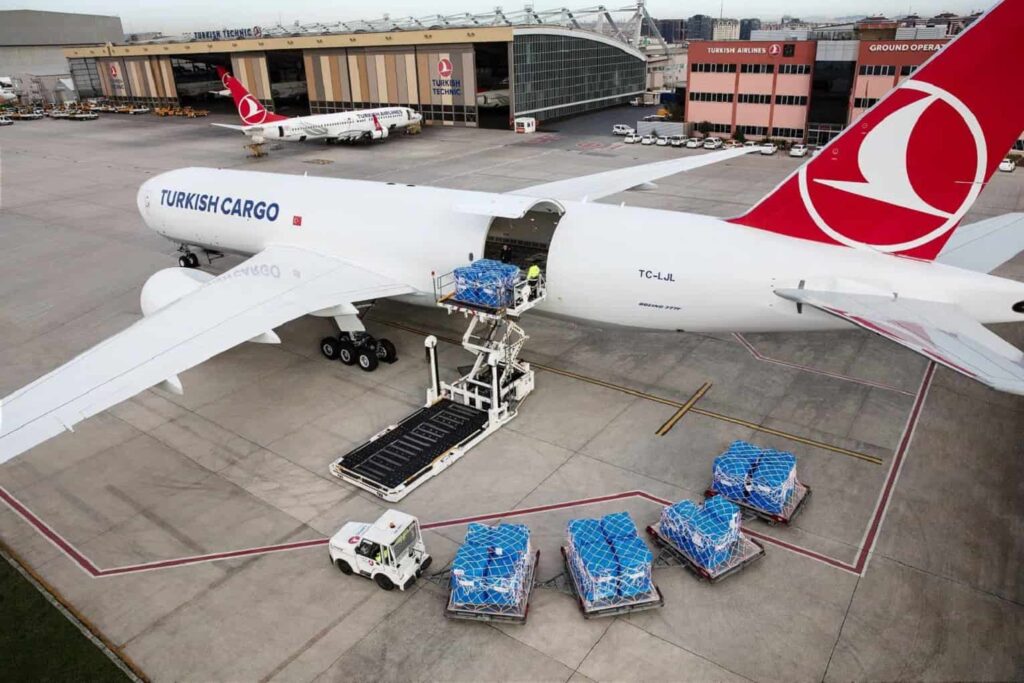
Air Cargo is Growing in Türkiye!

According to the data from the General Directorate of State Airports Authority (DHMİ), domestic air cargo traffic in Türkiye’s airports reached 329,668 tons in the January–May 2025 period, increasing by 1.3 percent year-on-year.

International cargo traffic rose by 6 percent compared to the same period last year, reaching 1,539,714 tons. Thus, total cargo traffic in the first five months increased by 5.1 percent year-on-year to 1,869,382 tons.

“Türkiye is Advancing Toward Becoming a Transit Hub”

Serkan Eren, President of the International Transport and Logistics Service Providers Association, stated that Türkiye has entered a new phase in air cargo transportation driven by e-commerce.

Eren said: “E-commerce has gained significant momentum. Traditional airport-to-airport transportation in air cargo is now being replaced by door-to-door deliveries. This resembles the courier services that companies like DHL and UPS have been offering for years, but it’s transforming into a larger-scale model managed by exporters themselves.”

Highlighting Türkiye’s key role in this transformation, Eren pointed to the facilities that FedEx and Trendyol will establish at Istanbul Airport as concrete examples. “Thanks to strong airlines such as Turkish Airlines, Türkiye is advancing toward becoming a transit hub. E-commerce shipments are creating significant traffic both to our country and to Europe,” he said.

“Türkiye Has Become a Transit Point for Air Cargo Traffic”

Eren emphasized that with the expansion of China-based e-commerce platforms such as Temu into the European market, Türkiye has become one of the transit points in air cargo traffic. “In the past, ordering from China would mean waiting for a month. Now, deliveries are made in 3–5 days. This makes air cargo much more attractive,” he said.

Despite the rapid growth of e-commerce, Eren pointed out the challenges in air cargo capacity: “If you want to buy an aircraft, you need to wait 5–6 years. This puts pressure on the supply-demand balance. Therefore, flexible solutions and air-road combinations are becoming increasingly important,” he added.

First Drone Delivery Trial Conducted in Abu Dhabi

With the support of the Abu Dhabi Investment Office (ADIO), aviation technology company LODD and investment holding firm 7X, which operates in the transport and logistics sectors, carried out the first test flight for autonomous drone deliveries in the emirate. LODD and 7X aim to continue collaborating with regulators and industry stakeholders to develop procedures, ensure legal compliance, and gather operational insights for broader deployment.

During the inaugural test flight in Khalifa City, a drone successfully delivered a simulated package, collected from a local post office, to a designated drop-off point using a crane-like mechanism.

Drone Delivery Project Aims to Develop Smart and Integrated Mobility Solutions

The project, launched as part of the strategy of ADIO’s Smart and Autonomous Systems Council (SASC), aims to foster the development and adoption of smart and integrated mobility solutions in Abu Dhabi. It also forms part of a broader strategy for implementing smart transportation systems through ADIO’s Smart and Autonomous Vehicle Industries (SAVI) cluster.

This pilot project represents the first phase of a wider strategy to roll out drone-based logistics services across Abu Dhabi. Thanks to its progressive regulations and infrastructure readiness, the emirate is emerging as a leader in autonomous air transportation in the region.

“Drones Are Transforming Urban Delivery Networks”

Omran Malek, Head of ADIO’s SAVI Cluster, said: “At ADIO, we take pride in leading the development of advanced logistics technologies that will position Abu Dhabi as a global hub of innovation. This pilot project is a strong example of forward-thinking strategies and local partnerships that deliver long-term economic and infrastructural value.”

LODD CEO Rashid Al Manai stated, “Autonomous drones are transforming urban delivery networks. A single operator managing multiple deliveries simultaneously brings a new level of scalability and agility to the logistics chain. We are proud to collaborate with 7X, ADIO, the GCAA, and the Integrated Transport Centre to develop this technology in the UAE.”

Tariq Al Wahedi, CEO of 7X Group, added, “This milestone reflects our commitment to developing next-generation logistics solutions aligned with the UAE’s smart mobility vision. By integrating autonomous aerial technology into EMX’s national logistics ecosystem, we are enhancing operational reach and speed while building a more flexible and future-ready network.”

New Tax on E-Commerce Sellers in Indonesia

As Southeast Asia‘s largest economy, Indonesia is working on a new regulation aimed at increasing tax collection. The regulation also seeks to level the playing field between physical and online stores.

According to a report by Reuters, under the new regulation, e-commerce platforms will be required to withhold tax from sellers’ sales revenue. The regulation could be announced as early as next month.

0.5% Tax Deduction on E-Commerce Revenues of Indonesian SMEs

Under the new regulation, a 0.5% tax will be deducted from the sales revenue of sellers (SMEs) whose annual turnover ranges from 500 million rupiah to 4.8 billion rupiah. Platforms that delay reporting will face penalties. While SMEs already pay this tax rate directly, the new regulation will transfer this responsibility to the platforms.

Major E-Commerce Marketplaces to Be Affected

The regulation will directly impact e-commerce companies operating in Indonesia. While platforms oppose the proposal, arguing that it may increase administrative costs and drive sellers away, authorities remain firm.

The platforms expected to be most affected include TikTok Shop, Tokopedia, Shopee, Lazada, Blibli, and Bukalapak. The regulation is set to impact millions of e-commerce sellers.

Previous Attempt Withdrawn Amid Backlash

Indonesia previously attempted a similar regulation in 2018, requiring marketplace operators to share seller data and pay taxes on sales revenues. However, the regulation was withdrawn just three months after implementation due to industry backlash. So far, Indonesian public authorities and e-commerce associations have refrained from commenting on the new proposal.

Meanwhile, the country’s e-commerce ecosystem continues to grow steadily. According to a report by Bain & Co., Indonesia’s gross merchandise value (GMV) in e-commerce reached $65 billion in 2024. The market is projected to reach $150 billion by 2030.

E-Commerce in Kazakhstan Grows Sevenfold Over the Last Five Years

Kazakhstan’s Minister of National Economy, Serik Zhumangarin, commented on the state of e-commerce in the country in response to a parliamentary question. Describing the future of e-commerce in Kazakhstan as “promising,” Zhumangarin stated that the e-commerce volume had reached 3.2 trillion tenge (approximately $6.2 billion).

This figure represents 14.1% of the country’s total trade volume. In 2020, e-commerce in Kazakhstan amounted to 476 billion tenge (around $918 million). These figures indicate a sevenfold increase in e-commerce volume over five years.

Deputy Zhaiymbetov noted that due to concerns over online fraud and a general lack of trust, most consumers still prefer physical stores. Despite the convenience and advantages of online shopping, this trend continues, he said.

Kazakhstan Hosts 104 Online Marketplaces

According to Zhumangarin, there are currently 104 online marketplaces operating in Kazakhstan. These include platforms such as Kaspi.kz, Wildberries, Ozon, and Halyk Market.

The minister also highlighted that the growing number of warehouse constructions is a sign of rising interest in e-commerce. Kazpost is building warehouses covering a total area of up to 85,000 square meters in the cities of Almaty and Aktobe, as well as in the Almaty and Turkistan regions.

Wildberries currently operates eight logistics centers with a total area of 44,000 square meters. Additionally, new logistics spaces covering 271,000 square meters are under construction in Almaty and Astana. Ozon, on the other hand, has two distribution centers totaling 42,000 square meters in Almaty and Astana and is building a third 20,000-square-meter facility in Almaty.

Amazon Expands Fast Delivery Network in Rural Areas of the U.S.

The company plans to offer same-day or next-day delivery services to more than 4,000 small cities, towns, and rural regions across the U.S. by the end of the year.

Previously, the company announced that it would spend $4 billion by the end of 2026 to triple its rural delivery network. In a statement made by Amazon, the following was said: “This expansion is not just about speed; it’s about transforming daily life for rural customers who live far from physical stores, have fewer product and brand choices, and limited delivery alternatives when shopping online.”

$233 Million Delivery Investment in India

Meanwhile, Amazon also announced that it will invest in shortening delivery times in India. The company stated that it will invest $233 million to strengthen its operations across the country.

This investment includes the modernization of delivery infrastructure, safety and welfare programs for delivery personnel, and the development of new technologies.
With these investments, Amazon will establish delivery centers closer to customers. It will utilize technologies that enable faster movement of products. These steps will also make the work of sellers, delivery staff, and logistics operators easier.

$54 Billion Investment Plan in the UK

On the other hand, Amazon plans to invest approximately $54 billion in the United Kingdom over the next three years. With this investment, the company will expand its warehouse network and artificial intelligence infrastructure to strengthen its e-commerce and cloud operations. The UK government interpreted this decision as a sign of confidence in its economic policies.

The UK is Amazon’s third-largest market after the U.S. and Germany. It is stated that this expansion in the UK will create thousands of new jobs. The company currently employs 75,000 people in the country. According to these figures, Amazon is among the largest private sector employers in the UK.


Amazon VP Marseglia: E-commerce and Physical Retail Will Coexist

“We Provide Solutions To E-Commerce Companies With Our Technology Consultants”

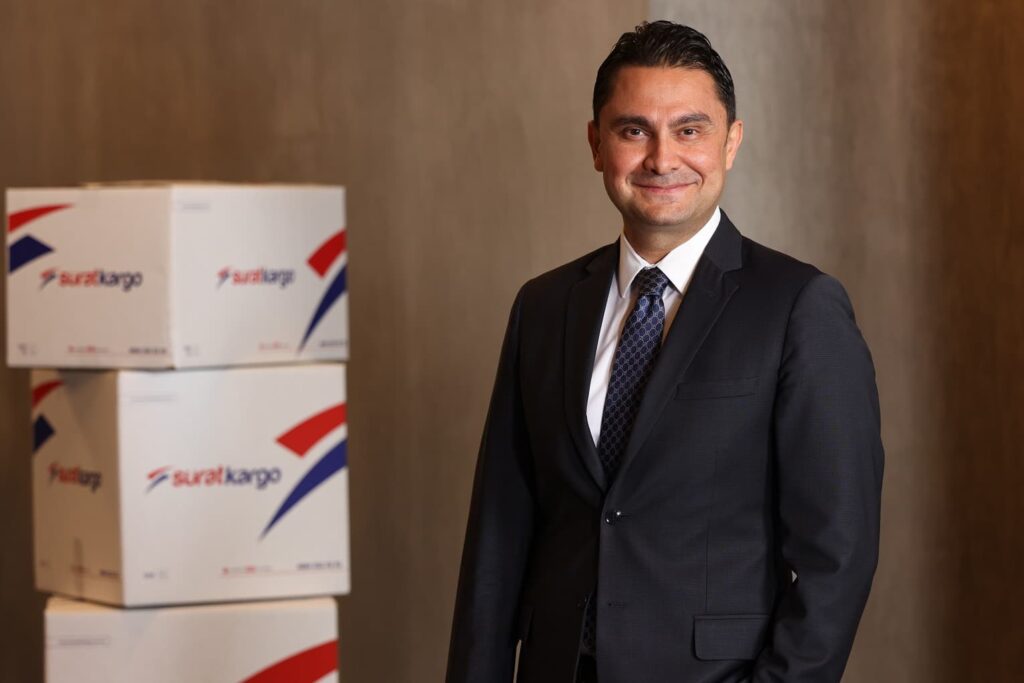
Sürat Kargo‘s General Manager Cem Oğuz, noting the rapid growth of the cargo and transportation sector in Türkiye, particularly with the rise of e-commerce that began during the pandemic, referred to the Turkish Statistical Institute (TÜİK) 2024 report, which shows that the rate of individuals purchasing or ordering goods and services online (e-commerce) rose from 49.5% in 2023 to 51.7% in 2024.

Pointing out that approximately 5 million households in Türkiye receive cargo deliveries daily, Oğuz stated, “The market is expected to grow at a compound annual growth rate (CAGR) of 15% over the next five years. In this context, we are producing special solutions for e-commerce companies, our most important customer group, in collaboration with our professional consultants and partners, offering services both domestically and internationally. From dedicated customer service representatives to technology consultants, we provide support in every area.”

Investments Continue

Sürat Kargo, which increased its volume by 28% and its revenue by 40% in the second half of 2024 compared to the first half, aims to continue this growth into 2025 and maintain its investment efforts. Cem Oğuz provided the following information:

“We continued our investments in automatic parcel sorters and the next-generation software we developed entirely in-house throughout 2024. We will soon see the positive results of these investments. In 2025, we will continue to increase our sorter inventory with the most advanced technology products developed by international firms. We will be the first company in Türkiye to use our new sorters, with the number of sorters rising from 6 to 10. Our goal is to position Sürat Kargo as the brand that uses and leads the industry with the latest technologies.”

Growth in Global Markets

Evaluating the global cargo and transportation sector, Cem Oğuz stated, “E-commerce accounts for more than 80% of our total business volume, and its share in the market is continually increasing. The global logistics and transportation market is expected to grow at an average annual rate of 5.7% until 2030, reaching a volume of approximately $13 trillion by 2030.

While the share of e-commerce in total trade in developed European countries is around 30%, in Türkiye, this figure exceeds 20%. A 1% increase in e-commerce corresponds to about a 10% volume growth in the cargo sector. Accordingly, the sector is expected to grow by an average of 10-11% annually over the next 10 years, reaching a volume of $5.2 billion by the end of the decade.

With technological innovations, sustainable logistics solutions, and our ability to respond quickly to customer needs, we will lead this growth. Türkiye’s geographical location is uniquely positioned for international trade. Moreover, we have a population well-versed in manufacturing and service delivery. By combining these two key factors, we can seize significant international business opportunities. As Sürat Kargo, we will continue to increase our international activities, especially in neighboring geographies, by offering the most suitable solutions to these needs.”

Daily Cargo Delivery Exceeding 400,000

Sürat Kargo’s General Manager Cem Oğuz, noting that they handle an average of 400,000 parcels daily, and up to 750,000 parcels on busy days, stated that the number of employees has increased by about 40% compared to pre-pandemic levels.

He continued, “As in every sector, human resources management is critical in the cargo sector. We create a working environment that maximizes our employees’ potential. We support our employees with in-service training and closely monitor their development through performance evaluation systems. This approach distinguishes our company in the competitive market by ensuring customer satisfaction.”

“We Have Agreements With Traders Across Every Corner Of Türkiye”

Cem Oğuz stated that a few years ago, 80% of the calls to the call center were inquiries such as “Where is my package?” He explained that today, every piece of information is sent to customers in real-time, and cargo tracking can be done via smartphones. “Even if our customer is not at home, they can pick up their package from the trader locations or smart parcel lockers we are partnered with. As Sürat Kargo, we work with partnered traders or automated parcel lockers in every corner of Türkiye.

We call these ‘Süratli Trader Points.’ Our alternative service points are spreading rapidly based on a ‘win-win’ need. This allows the customer to receive their parcel at their convenience, without having to wait for delivery. Regulations in this area have also opened new opportunities; now, these points can be used not only for deliveries but also for sending cargo,” he said.

During the digitalization process, Oğuz added that a link sent to people waiting for their cargo now also includes the courier’s photo and vehicle information, which is crucial for security. “Our couriers take a photo of themselves every morning before setting out and share it on the Sürat Service Platform. Our customers can also track their parcels through this platform.

This is part of our digitization efforts. Also, the requirement for collecting identity numbers and signatures, which was mandatory until recently, has been eliminated. Digitalization and technological advancements are also advancing from a regulatory perspective. Now, instead of collecting signatures as proof of delivery, we resolve this with message confirmations, protecting our customers’ personal information.”

Amazon VP Marseglia: E-commerce and Physical Retail Will Coexist

Predicting a future “where e-commerce and traditional commerce will coexist,” Marseglia stated, “Customers don’t prefer only physical stores or only e-commerce; they use both.”

Marseglia: Online Stores Are a Complementary Service to Traditional Retail

Emphasizing that consumers need both online and physical store options, Marseglia said that the industry should address both sides. She noted that online stores like Amazon offer a perfect way to access special or rare products that physical stores cannot stock due to space limitations. She continued:
“When I started working at Amazon, I was leading the books division. We offered millions of books on our endless shelves, including foreign language books and rare books. A regular bookstore cannot accommodate these products. So this is a complementary service to traditional retail.”

Citing the example of UK-based supermarket chain Morrisons, which offers delivery services via Amazon, Marseglia said, “This model has been successfully run alongside physical stores and their own online delivery services.”

“Customers Are Delaying Purchases”

Marseglia noted that rising living costs have had a significant impact on customers’ spending habits: “What we observe is that people are becoming a bit more conscious in their spending. They focus more on basic needs and act more cautiously when deciding on long-lasting products. For example, they used to replace a washing machine every 10 years; now they are delaying this even further. They are postponing such purchases. Also, they are showing much more interest in promotional campaigns. They wait for these periods to seize opportunities and save money.”

“More Than 127,000 European SMEs Operate on Amazon”

Marseglia stated that more than 127,000 European-based SMEs operate on Amazon and added: “We are not a disruptive force. On the contrary, we are a catalyst for their growth, an ally. Thanks to a company like Amazon, the job of SMEs becomes easier. Because we, for example, allow them to export abroad very easily.” She also noted that Amazon has contributed €41 billion to the European Union economy — a figure equivalent to the entire economy of Latvia or Estonia.

Underlining that the business environment in Europe is more challenging compared to the United States, Marseglia continued: “The U.S. market consists of a single large common market. In Europe, we must do more to make it a single market because it still functions like 27 different markets. As a large and established company, we can handle this. But for small businesses selling on our platform, it is much more difficult. Dealing with complex regulations and legislation is much more burdensome for them.”

Amazon Employs Around 230,000 People Across the Continent

Amazon is the market leader in the largest e-commerce markets in Europe. Last year, its revenue in Germany increased by 8.7%, while its revenue in the United Kingdom grew by 12.7%. An increasing portion of its revenue comes from advertising sales, as the company continues to leverage its wide reach in this way. Last year, Amazon invested €55 billion in the European economy. It employs approximately 230,000 permanent workers across the continent.

Alibaba to Merge Travel and Food Delivery Services with E-Commerce Division

Chinese tech giant Alibaba Group is streamlining its business operations as competition intensifies in the consumer services sector. The announcement regarding the new organizational structure was shared via an internal memo by Alibaba CEO Eddie Wu. According to the statement, the company will integrate its food delivery platform Ele.me and travel booking service Fliggy into its e-commerce division.

Under the new structure, Ele.me and Fliggy will continue to operate independently. However, both platforms will align their business strategies and operations with the e-commerce division. Ele.me CEO Wu Zeming and Fliggy CEO Zhuang Zhuoran will report directly to Jiang Fan, CEO of the e-commerce business group.

Alibaba to Optimize Business Models with a User-Centric Focus

Meanwhile, as Chinese e-commerce giants engage in a price war and aggressively expand into “instant retail”—which prioritizes deliveries within 30 to 60 minutes—Alibaba positions this restructuring as a “strategic upgrade” in its transition from a traditional e-commerce company to a broader, consumer-oriented platform.

“In the coming period, the company will increasingly optimize its business models and organizational structure from the user’s perspective to deliver richer and higher-quality consumer experiences,” the statement read.

Amazon Plans $233 Million Investment in India

Amazon‘s new $233 million investment in India will focus on areas such as infrastructure development, welfare programs, and new technological tools aimed at improving delivery speed, safety, and efficiency. The company stated that the funds would be used for launching and improving sites in its logistics, sorting, and delivery network.

Amazon’s New Investments

Amazon’s new and existing facilities in India will feature energy-efficient systems and inclusive designs. The company also announced plans to update its Driver app and implement new tools to monitor safety procedures and reduce delivery errors.

Currently, all serviceable postal codes in India are covered by Amazon’s network. This investment initiative is expected to double down on efforts to deliver to all postal codes across India, a country with a population of approximately 1.4 billion. The new investment is seen as part of a broader effort to improve logistics and support customers, employees, and seller partners.

In its statement, Amazon said, “This investment will increase processing capacity, improve order fulfillment speed, and enhance efficiency across the company’s operations network.” It added, “This will enable Amazon to serve customers across India faster.”

E-commerce Competition Intensifies in India

Meanwhile, e-commerce competition in India is intensifying. Flipkart, the Walmart-owned e-commerce company based in the U.S., recently stated that it is progressing toward profitability. The company reported that quick commerce, with 15-minute delivery, now accounts for 20% of the e-commerce market. In addition, local conglomerates such as Reliance Industries and Tata Group, along with startups like Meesho, are also investing in e-commerce.

Majority Stake in Ticimax Acquired by team.blue!

team.blue announced that it had added the majority stake in Ticimax to its portfolio through a strategic acquisition. This move has strengthened team.blue’s position in the e-commerce market and enriched its offerings that allow businesses to effectively manage their online presence across multiple channels and geographies. The acquisition will be finalized following approvals from relevant regulatory authorities.

team.blue Strengthens Presence in Türkiye

With this acquisition, team.blue will be able to offer its customers a unique omnichannel experience spanning from physical stores to local and international websites, from social media to call centers, and from mobile apps to marketplaces. With its expanding e-commerce services, businesses will be able to reach wider audiences, increase their sales, and offer a seamless shopping experience to their customers. This move also reinforces team.blue’s presence in Türkiye.

“Ticimax Will Be a Stronger Global Player”

Ticimax Founder and CEO Cenk Çiğdemli commented on the acquisition: “We are thrilled to join forces with team.blue. Supporting SMEs in succeeding in the digital age is our shared vision. Our platform has been developed to help businesses manage their e-commerce operations easily. We believe that with team.blue’s expertise and global network, we will elevate our solutions to new heights around the world. We’re excited to be part of a team dedicated to growing businesses and achieving success in the online world.”

team.blue CEO Claudio Corbetta stated: “We are delighted to welcome Ticimax to the team.blue family. This acquisition represents a significant step in our strategy to enhance our e-commerce capabilities and provide our customers with the most effective and user-friendly SaaS tools they need to thrive in today’s highly competitive market.”

About Ticimax

Founded in 2005 in Istanbul, Ticimax currently serves over 30,000 clients worldwide with a team of more than 230 employees. Offering a comprehensive e-commerce infrastructure that enables the management of products, orders, and customer interactions through a single interface, the platform also features robust modules including a mobile app, warehouse, and order management system—making e-commerce operations easier end-to-end.

Ranked among Türkiye’s top 500 IT companies, Ticimax was established to provide e-commerce and e-export software, custom solutions, and design services. With over two decades of experience and a team of more than 230 experts, the company empowers its clients to enhance their competitive edge in the e-commerce space.

Serving some of Türkiye’s leading e-commerce platforms, Ticimax enables users to sell not only in Türkiye but also in global markets. Continuously improving its infrastructure through R&D centers, the company plays a pioneering role in the industry with successful software updates and award-winning projects. Under the “Ticimax Campus” initiative, it also contributes to the development of the e-commerce and e-export ecosystem through both online and in-person training programs.

About team.blue

team.blue is a leading technology provider offering digital solutions to businesses and entrepreneurs across Europe. It comprises over 60 successful brands operating in Austria, Belgium, Bulgaria, Cyprus, Czechia, Denmark, Finland, France, Germany, Greece, Hungary, Ireland, Italy, the Netherlands, Portugal, Serbia, Slovakia, Spain, Sweden, Switzerland, Türkiye, and the United Kingdom.

With over 3.3 million SME customers, it provides domain registration, web hosting, e-commerce, online compliance, lead generation, and app solutions. With a team of more than 3,300 experts, team.blue’s vision is to simplify online business through innovative online products and services. In Türkiye, the company currently operates through leading brands such as Natro and Turhost, employing more than 120 people in the country.


Türkiye-Based Marketplace n11 Is Being Sold to UAE-Based DMSF