WORLDEF Prime Antalya 2026 - Upcoming Event

Register Now

Rakuten Forms Strategic Partnership with South Australia

Rakuten and South Australia signed a partnership at the World Expo held in Osaka. According to the agreement, more than 400 food and beverage products originating from South Australia will be featured on the online platform. During the World Expo, Rakuten will run a “Taste South Australia” campaign until October.

“We Are Strengthening the Reputation of South Australian Products in Japan”

South Australia’s Minister for Trade and Investment Joe Szakacs, who is in Osaka for the World Expo, made a statement regarding the agreement: “This partnership acts as a bridge for South Australian companies that want to sell their products in Japan through Rakuten. By leveraging platforms like Rakuten, we are not only increasing the sales of South Australian products but also strengthening the overall reputation of South Australia’s products in Japan. This latest campaign is strategically timed to attract the interest of millions of people and to make the most of the World Expo, which will continue until October this year.”

Rakuten Holds a Quarter of Japanese E-Commerce

The South Australian government had previously run campaigns with Rakuten in 2023 and 2024. These campaigns generated approximately $600,000 and $700,000 in revenue, respectively. Following these campaigns, the government stated that the number of sellers offering Southern Bluefin Tuna on Rakuten increased sixfold. In addition, the state government also offers an online showcase called “Buy What You Try,” which enables World Expo participants to purchase the products they experience at the event.

Rakuten hosts more than a quarter of Japanese e-commerce. The company has more than 1.4 billion members worldwide.


Rakuten Develops Autonomous Robot Deliveries

Wildberries to Establish $150 Million Warehouse in Uzbekistan

Robert Mirzoyan, CEO of the merged company Wildberries & Russ, announced the company’s plans regarding Uzbekistan at the IV Tashkent International Investment Forum. According to the statement, the company will construct a warehouse covering 180,000 square meters in the Tashkent region. A land plot has already been designated for this facility.

Sales Volume of Uzbek Sellers on Wildberries Exceeds $1 Billion

Mirzoyan stated that over the past two years, the sales volume of Uzbekistan-based sellers on the Wildberries platform exceeded $1 billion. Shipments of Uzbek textiles to Kyrgyzstan, Belarus, and Kazakhstan via Wildberries doubled last year. Exports of Uzbek textile products to Russia, the company’s largest market, increased by 63%.

“Our goals in Uzbekistan are to build a full-fledged e-commerce infrastructure through logistics and financial technologies, unlock the country’s export potential, and integrate Uzbek products into global trade chains,” Mirzoyan said.

Meanwhile, Wildberries collaborated with Uzbekistan’s National Agency for Prospective Projects to launch a “Green Corridor” for exporters. This initiative aims to facilitate cross-border sales for Uzbek entrepreneurs in the 10 countries where Wildberries currently operates.

Wildberries Supports Entrepreneurs in Uzbekistan

Additionally, Wildberries announced the launch of the “Growth Platform” in Uzbekistan during the Tashkent International Investment Forum. This initiative aims to support and scale up small and medium-sized enterprises. Under the program, entrepreneurs will gain access to Wildberries & Russ’s advanced digital advertising tools, online sales training programs, and the company’s extensive infrastructure to export their products to other markets.

At the initial stage, approximately 100 Uzbek entrepreneurs selected in consultation with Uzbekistan’s Ministry of Investment, Industry, and Trade will take part in the platform. Participants include manufacturers of clothing, home textiles, footwear, bags, cosmetics, cleaning products, and household appliances. The initiative is expected to expand to include more sellers in the future.

Wildberries Processes Over 20 Million Orders Per Day

Wildberries was founded in Russia in 2004. The company operates in Armenia, Belarus, Georgia, Kazakhstan, Kyrgyzstan, Russia, Tajikistan, and Uzbekistan, and also partners with sellers in China and the UAE. To support its customers and sellers, Wildberries provides a state-of-the-art IT infrastructure and a developed logistics network consisting of more than 130 facilities and over 70,000 pick-up points. As of 2025, Wildberries serves more than 79 million customers and processes over 20 million orders daily.

E-Commerce Sales via Mada Cards Rise by 57% in Saudi Arabia

Online transactions through Mada cards in Saudi Arabia surpassed 132 million. Meanwhile, the total value of POS spending in physical stores declined. These figures are based on data published by the Saudi Central Bank (SAMA). According to the data, online transactions made via Mada cards exceeded 132 million in April 2025, representing a year-on-year increase of 40.75 percent.

These figures indicate a significant rise in the number of Saudi consumers shopping through websites and mobile applications. The data includes online purchases made using linked debit cards and digital wallets. However, credit card transactions processed through international networks such as Visa are not included in the statistics.

Mada is known as the “Saudi Payment Network.” As the Kingdom’s national electronic payment system, Mada connects all ATMs and point-of-sale (POS) terminals to a central payment network. The system enables millions of Saudi citizens to make payments directly from their bank accounts when shopping both in physical stores and online. It provides both debit card and prepaid card services.

The Rise of Mada Reflects Growing Trust in E-Commerce

Mada transactions utilize near-field communication (NFC) technology, which enables secure, contactless payments. Consumers can make instant payments simply by tapping their card or smartphone at payment terminals. The Mada system has become a cornerstone of Saudi Arabia’s strategy to transition toward a cashless economy.

The system ensures fast and secure transactions across physical and digital platforms. The rapid adoption of Mada-enabled digital payments reflects increased consumer confidence in online shopping and highlights the success of the country’s efforts to modernize its payments infrastructure.

POS Spending Declines

According to SAMA’s data, the total value of POS transactions at physical retail locations dropped by 1.38 percent year-on-year, reaching SR52.22 billion. Despite this slight decline in sales, the number of POS transactions rose by approximately 11.6 percent during the same period, totaling 891.5 million.

There are now over 2 million POS terminals across the country. This represents a 16.37 percent increase compared to the previous year and aligns with the goal of expanding electronic payment acceptance nationwide.

SAMA data also shows that the food & beverages and dining categories ranked first and second in POS spending for April, each with expenditures of approximately SR7.7 billion. However, the absence of the Ramadan effect in April this year — which fell toward the end of the month last year — may have limited growth in these categories.

Fintech Innovations Supporting Growth

In April, SAMA signed an agreement with Google. According to the agreement, Google Pay will be launched in Saudi Arabia using the Mada payment infrastructure. Expected to go live later in 2025, this integration will allow users to add their Mada-linked debit cards to Google Wallet for both contactless phone payments and online shopping.

These innovations not only enhance user convenience but also contribute to normalizing cashless spending across all age groups, reinforcing the establishment of a digital payment culture.

NedLine Expands Its E-Commerce Logistics Network

Over the past three years, NedLine Logistics has significantly ramped up its investments in e-commerce logistics. The company has built an extensive network across Europe to facilitate B2C customs clearance and last-mile delivery—ensuring seamless cross-border e-commerce services. It also offers competitive transit shipping rates to distant countries, delivering end-to-end global e-commerce solutions. We spoke with Ali Türk, Founder of NedLine Logistics, about the company’s growth journey.

Ali Türk recalls, “We started in 2006 under the name ‘Ata Trans.’ By 2009, we had six vehicles—growing that fleet to 18. In 2014, we founded NedLine Logistics, consolidating transportation and logistics services under one roof. Today, we operate eight branches: six in the Netherlands, one in Belgium, and one in Turkey. Our primary focus now is to optimize e-commerce logistics to meet rising demand.”

“Experts Across Europe”

“Cross-border e-commerce is one of the fastest-growing areas in logistics,” Türk continues. “To simplify international e-commerce operations, we provide integrated B2C customs clearance services. Our automated digital systems accelerate these processes, reducing delays and enabling faster deliveries. We specialize in moving e-commerce packages using simplified customs procedures across various European markets. By closely collaborating with customs authorities and deploying digital systems, we ensure a frictionless cross-border experience for our clients.”

Last-Mile Delivery: A Critical Link

Last-mile delivery plays a key role in customer satisfaction. NedLine Logistics maintains an expansive delivery network throughout Europe to ensure packages reach consumers swiftly and efficiently.

Its offerings include:

  • Express deliveries with same-day and next-day options.
  • Scheduled shipments that offer flexibility for end customers.
  • Regional warehousing with strategically located distribution hubs to reduce transit times and optimize routes.

With advanced tracking technology, customers enjoy real-time order visibility, enhancing transparency and trust throughout the delivery process.

Technology at the Core

To remain competitive in e-commerce logistics, Türk emphasizes the company’s investment in innovation: “Our AI-powered route optimization enhances delivery efficiency, while real-time tracking and automated sorting streamline our operations. Our distribution centers are equipped with advanced warehouse management systems (WMS) to handle high-volume orders accurately and quickly. With full integration to leading e-commerce platforms, we offer online retailers a seamless, end-to-end logistics experience.” NedLine Logistics is also certified by leading organizations including TAPA, PayChecked, and KIWA (NEN4400), ensuring high standards in both security and operational excellence.

Green Logistics and Sustainability Initiatives

As e-commerce scales, so does the demand for sustainable logistics. Türk says, “At NedLine Logistics, we lead with a proactive approach—expanding our fleet of electric and low-emission vehicles for last-mile delivery. We utilize solar panels, smart lighting, and energy-efficient operations. We also offer solutions that help companies offset their emissions. By prioritizing sustainability, we help e-commerce businesses minimize environmental impact without compromising on efficiency.”

Aiming for Market Leadership

Looking ahead, NedLine Logistics is poised for further expansion, aiming to enhance delivery speed and cross-border capabilities. “Our goal is to become Europe’s leading e-commerce logistics provider,” Türk says. “We’re investing in automation, technology, and infrastructure to ensure scalable, efficient solutions for online businesses.” From humble beginnings with a single minivan to a cutting-edge logistics network, NedLine continues to redefine innovation and efficiency in e-commerce logistics.

About Ali Türk, Founder of NedLine Logistics

Ali Türk moved from Sivas, Turkey to the Netherlands at age 17, beginning his logistics career as a driver. His journey has since evolved into a remarkable success story. Today, as the Founder of NedLine Logistics, he leads a robust logistics network dedicated to e-commerce across Europe. What began in 2006 with a single vehicle has grown—by 2025—into a major logistics company employing over 400 people.

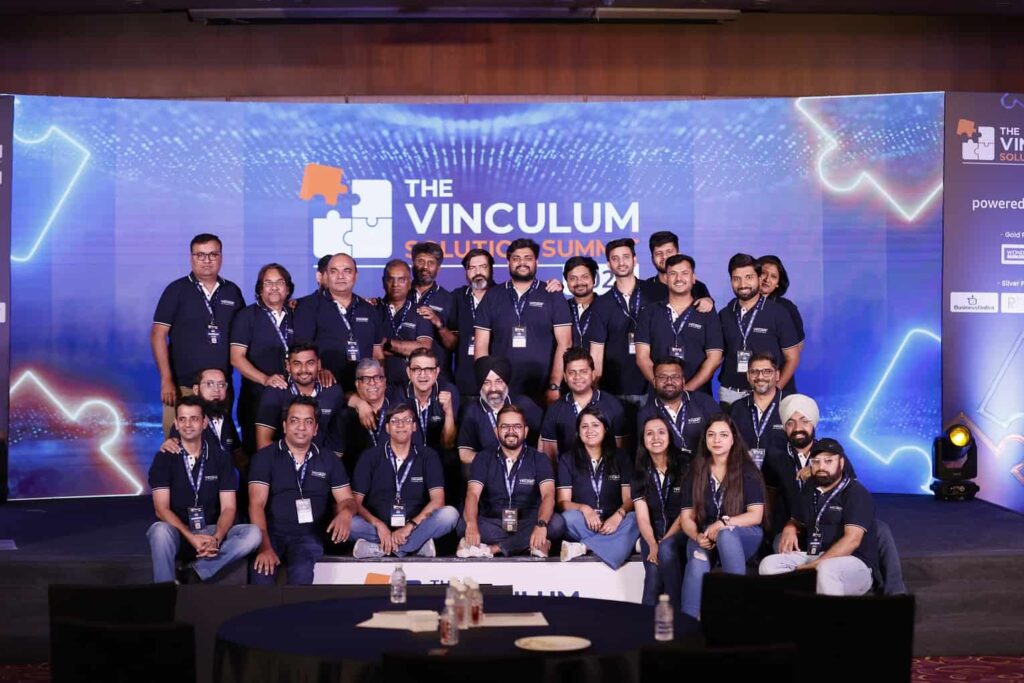
Omnichannel Success in a Multi-Channel World: Vinculum’s Perspective

In today’s digital-first economy, brands and retailers are navigating a complex web of sales channels—marketplaces, webstores, social commerce platforms, and physical outlets. Managing product content, inventory, and orders seamlessly across all these touchpoints is no longer optional; it is business-critical. At Vinculum, we have built our foundation on solving these challenges through our omnichannel SaaS solutions, enabling brands to thrive in a rapidly evolving global e-commerce ecosystem.

Cracking the Omnichannel Code

The explosion of Direct-to-Consumer (D2C) brands, the rise of quick commerce, and escalating consumer expectations for rapid delivery and seamless returns have disrupted traditional retail models. Brands today face omnichannel chaos—fragmented systems, disconnected inventories, inconsistent product content, and limited visibility across fulfillment networks.

Vinculum addresses these challenges with a unified, scalable platform that enables brands to centralize operations across product information management, order orchestration, inventory management, and customer experience.

Product Content Management Without Borders

At the core of omnichannel success lies clean, consistent, and localized product content. Our Vin PIM (Product Information Management) solution is a multilingual, marketplace-ready repository that empowers brands to create, manage, enrich, and syndicate product content across global sales channels with ease.

With Vin PIM, brands can:

  • Manage attributes, descriptions, and images in a single, centralized repository.
  • Publish listings seamlessly across marketplaces, webstores, ERPs, and POS systems.
  • Reduce listing errors, accelerate time-to-market, and ensure compliance with channel standards.

This capability is particularly critical in regions like the Middle East and Southeast Asia, where cross-border commerce is accelerating and multilingual content—from Arabic to Bahasa Indonesia—is essential to market entry and success.

Intelligent Order Orchestration Across Every Channel

Managing orders from multiple channels, while ensuring a consistent customer experience, is one of the biggest industry pain points. Our Vin OMS (Order Management System) consolidates orders across webstores, marketplaces, mobile apps, and physical stores into a single view, empowering brands to orchestrate fulfillment intelligently.

Key benefits of Vin OMS include:

  • Centralized order aggregation across all digital and physical channels.
  • Intelligent fulfillment from warehouses, stores, 3PLs, and franchise networks.
  • Real-time visibility into returns, exchanges, and financial settlements.

Through Endless Aisle capabilities, sales associates can tap into enterprise-wide inventory to fulfill customer orders, even when stock isn’t available in-store, ensuring no sale is lost.

Centralized Inventory Pools: Futureproofing Fulfillment

Today’s shoppers expect speed, flexibility, and precision. Our Vin WMS (Warehouse Management System) empowers brands and marketplaces to automate pick, pack, and ship processes, creating a central pool of inventory accessible across all sales channels—B2B and B2C.

Vin WMS enables brands to:

  • Execute omnichannel fulfillment from warehouses, stores, and dark stores.
  • Gain real-time inventory visibility across all nodes in the supply chain.
  • Reduce operational costs through automation and optimize inventory utilization.

Whether it’s quick commerce players like Swiggy Instamart or luxury retailers like Malabar Gold, brands leverage Vin WMS to meet the demands of modern consumers with agility and efficiency.

Powering Omnichannel with AI

Artificial Intelligence is a cornerstone of Vinculum’s innovation strategy. AI-driven content enrichment, intelligent order routing, demand forecasting, and dynamic inventory reallocation are being seamlessly embedded across our platform.

Our AI initiatives enable brands to:

  • Recommend the optimal fulfillment source based on location, availability, and cost.
  • Optimize delivery promises by predicting fulfillment capabilities in real-time.
  • Improve customer satisfaction, reduce returns, and enhance loyalty through predictive insights.

By leveraging machine learning models and advanced analytics, we’re helping brands transition from reactive operations to proactive, intelligent commerce ecosystems.

Vinculum’s Global Reach and Target Markets

With a presence across 30+ countries, Vinculum is powering omnichannel transformation for some of the world’s leading brands, including Landmark Group, Titan, Skechers, Levis, GMG, Alshamsi Group, Tradeling, and Decathlon.

Our robust multilingual capabilities, cross-border commerce readiness, and deep integrations with leading marketplaces and logistics platforms make us a trusted partner for brands expanding across the GCC, India, and Southeast Asia.

Vision 2025: Where We Are Headed

Looking ahead, Vinculum is committed to strengthening our leadership in omnichannel retail by:

  • Deepening AI-driven automation across product lifecycle, order management, and inventory processes.
  • Expanding ecosystem integrations across ERPs, POS systems, last-mile delivery partners, and logistics networks.
  • Strengthening strategic partnerships with system integrators and consulting firms to scale into new markets.
  • Launching lightweight SaaS versions of our flagship products to empower SMBs and niche D2C brands.

Industry Insights: What the Future Holds

We believe the future of retail will be defined by:

  • Unified inventory pools becoming the standard for efficient omnichannel fulfillment.
  • Direct-to-Consumer (D2C) models growing fastest in emerging economies, where consumers demand brand authenticity and direct engagement.
  • Customer-first strategies replacing channel-first thinking, focusing on delivering consistent, personalized experiences regardless of the sales channel.
  • Multilingual PIM systems becoming indispensable for brands aiming for global scalability and cross-border success.

Recognition and Industry Leadership

Vinculum’s commitment to innovation and excellence has been recognized through numerous industry accolades:

  • AWS Rising Star Award 2025
  • Gartner Magic Quadrant for WMS: 9 years in a row
  • G2 Leader Spring 2025 (Asia, APAC, India)
  • Singapore SME 500 Award 2025

About Venkat Nott

Venkat Nott is the Founder & CEO of Vinculum Group, a global SaaS company pioneering omnichannel retail solutions. With over two decades of experience in technology and retail innovation, he has led Vinculum to become a recognized leader in product information management and order orchestration, supporting customers across GCC, India, and Southeast Asia.


Regulations to be Introduced for Livestream E-Commerce in China

The State Administration for Market Regulation (SAMR) is working on the regulations in cooperation with the Cyberspace Administration of China. The regulation aims to strengthen the supervision and administration of livestream e-commerce, protect the legal rights and interests of consumers and operators, and promote the healthy development of the sector. It announced that the regulations had been drafted.

Identity Verification to Be Mandatory in Livestream E-Commerce

The new regulations make it mandatory for livestream platform operators to enhance identity verification and qualification reviews for livestream room operators, livestream marketing service agencies, and livestream marketing personnel. In addition, livestream marketing personnel are required to provide accurate, truthful, and comprehensive information about the products or services they promote, and they must not mislead consumers.

SAMR stated that livestream e-commerce platform operators must cooperate with relevant authorities to take action against those who violate market supervision or internet-related laws and regulations. It also emphasized the legal responsibilities that may arise from failing to fulfill legal obligations.

The content of the regulations will be improved based on feedback from the public and will be implemented as soon as possible.


Problems of Global E-commerce Discussed in the European Union

Problems of Global E-commerce Discussed in the European Union

The European Union is trying to find solutions to the problems that have emerged with the development of cross-border e-commerce. Products delivered directly to online consumers around the world through e-commerce platforms create a large business area. This situation has raised certain questions in many countries.

Differences in volume, content, and variety of products make it difficult to carry out the physical inspections necessary for the detection of harmful or illegal substances. The absence of a traditional distributor responsible for certifying the compliance of products with European Union regulations on environment, climate, and forced labor has also become a source of concern. For this reason, the European Parliament continues to discuss customs reforms, including the removal of exemptions for products under 150 euros.

In 2023, the European Commission submitted a proposal for the reform of the European Union Customs Code (UCC). The Commission’s proposal also includes the establishment of a new system, especially focused on e-commerce, called “trusted and controlled trade.” It is stated that specific persons will be equipped with functions under the authority of customs; for example, they will be able to open boxes and inspect products. However, it is also warned that while this reform will accelerate the process, it will also bring “increased responsibility.”

E-commerce Platforms Outside the European Union Are Causing Problems

Denmark, Norway, and Sweden want this reform to be implemented as soon as possible. The recent move by the Scandinavian governments draws attention as part of this demand. In a statement by Scandinavian authorities, it was noted that e-commerce platforms outside the EU are causing some problems and difficulties. The statement particularly pointed to the problems experienced with products containing dangerous substances.

On the other hand, the inability to supervise global e-commerce platforms based in the Far East, such as Temu, Shein, and Wish, stands out as a major problem. The fact that there is no business in direct contact with consumers in Europe apart from logistics companies, the lack of compliance responsibility of these platforms, and the inability to supervise them are seen as other concerning issues. Additionally, it is stated that the differences in customs practices within the EU can be easily exploited.

Eid al-Adha in MENA: Mobile Commerce Expected to Surge by 45%

Eid al-Adha is considered one of the most significant shopping periods of the year in the Middle East and North Africa (MENA). Traditional practices such as generosity, gift-giving, and holiday preparations are driving higher e-commerce spending during this time.

According to a study conducted by marketing platform Admitad, which analyzed over 150,000 customer orders during the 2024–2025 Eid al-Adha period, there has been a notable increase in demand for seasonal gifts, along with a rise in emotionally driven shopping behaviors. The analysis indicates a growing interest in high-value products and predicts substantial growth in mobile commerce. These trends are anticipated to continue into 2025, with overall orders in the region expected to rise by 10% and mobile sales surpassing 45%.

E-Commerce Orders Set to Rise 10% in the Region

A new report on Eid al-Adha 2025 forecasts a 10% increase in e-commerce orders across the region, with GMV expected to grow by 14% to 15%. Contributing to this growth are rising household incomes and a greater inclination toward digital shopping. Mobile commerce, in particular, is identified as the primary driver. In the UAE, 47% of online orders were placed via mobile devices, while in Saudi Arabia the figure exceeded 50%. Mobile shopping across MENA rose from 38% last year to 41.5% this year, highlighting a clear shift toward mobile-first consumer behavior.

Online Orders Rose 5% During Eid al-Adha 2024

During the five-day Eid holiday in 2024, online orders in the MENA region increased by 5% compared to non-holiday periods, while GMV rose by 14%. The average order value (AOV) climbed from $37 to $40, marking an 8% increase and suggesting a preference for higher-ticket items. Saudi Arabia, the UAE, Kuwait, Qatar, and Jordan emerged as the strongest performing markets. The average order value reached $62 in Saudi Arabia and $61 in the UAE.

Gift Trends Reflect Cultural Nuances in MENA

Consumer gift choices across the MENA region highlight diverse cultural preferences and country-specific buying habits. In Saudi Arabia, electronics topped the list, comprising 25.2% of all orders. Household goods followed at 15.5%, with fashion items accounting for 14.6%. Automotive products, including spare parts and motorcycle gear, were notably popular, making up 12.2% of orders. In the UAE, household goods led at 23.4%, followed by electronics at 21.7%, accessories such as handbags and jewelry at 18.6%, and fashion items at 17.5%.

Online Gift Market Projected to Hit $6.38 Billion by 2030

The increase in order volume, sales, and average transaction value during Eid al-Adha illustrates a broader shift from traditional retail to fast, tech-driven online shopping. In this evolving e-commerce ecosystem, super apps and online marketplaces are racing to meet the growing expectations of digital consumers.

Fueled by deep-rooted gift-giving traditions, a multicultural population, and rising income levels, GCC (Gulf Cooperation Council) countries are positioned as the fastest-growing online gifting market—expected to surge from $1.8 billion in value today to $6.38 billion by 2030.


Dubai’s E-Commerce Market to Reach $13.8 Billion by 2029

New U.S. Tariffs and the “E-Commerce Wars”

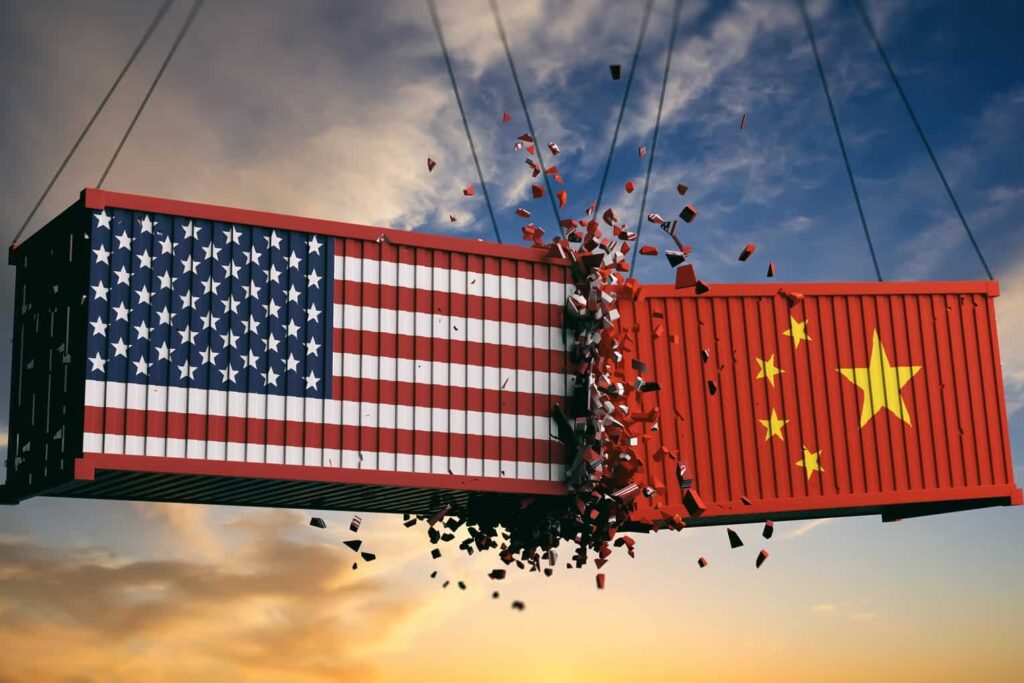
This year has already been recorded as a critical turning point that reshaped the course of global e-commerce. Neither economists nor e-commerce professionals have witnessed a period quite like this before. With U.S. President Donald Trump returning to the White House for a second time, aggressive tariff policies that shook the global trade system have mobilized many actors — not only China but also players from Amazon to Shein, from local meat vendors in Canada to customs authorities in Europe. In this new era, “Made in China” has become more than just a label; it’s now a component of new cost structures.

Trump’s Tariffs: Building a New Trade Wall

As soon as he took office, U.S. President Donald Trump launched a new wave of tariffs on thousands of products imported from China. While we may not know the exact figures yet, tax rates on some products are said to have reached up to 145%, and overall increases reportedly exceed 200%. Furthermore, as of May 2, the tax exemption for goods under $800 — the de minimis rule that long served as a shield for Chinese platforms — was revoked. This move directly targeted the competitive edge of Chinese giants like Shein, Temu, and AliExpress.

The impact of these regulations wasn’t limited to digital retail. For example, DHL was temporarily forced to halt deliveries of international packages. In fact, the removal of this exemption was quickly tested after Trump took office. In February, Trump imposed restrictions on parcels arriving from China and Hong Kong, but the decision was reversed the next day. The U.S. Postal Service (USPS) had a reason: the new tax system had not yet been established, and the infrastructure was not ready. Though this decision was suspended within 24 hours due to pressure, it alone revealed how fragile the international e-commerce chain is.

Alarm Bells and Countermeasures on the Amazon Front

The effects of these developments are multi-layered for e-commerce giant Amazon. Around 60% of the products listed on Amazon’s global marketplace come from independent sellers. A large portion of these products are directly or indirectly connected to China. And let’s not forget Amazon’s Haul project — which also draws its strength from China!

Even though Amazon CEO Andy Jassy may not fully grasp the consequences yet, he stated in an interview with CNBC: “If your margin isn’t above 50%, it’s hard to tolerate these costs. These increases will directly reflect on prices.” And that’s exactly what happened! Some sellers canceled pre-orders and entered negotiations with new suppliers. Amazon itself halted some import orders. It’s clear that both Temu and Amazon have made strong preparations after the initial wave. During this time, consumers also began stockpiling products to avoid potential price hikes.

Price Increases Now Inevitable for Temu and Shein!

Temu and Shein were among the platforms most affected by Trump’s tariffs. By the end of April, both platforms warned users of impending price hikes. The cost of bringing low-cost goods into the U.S. is rapidly rising. This is driving Chinese companies to seek alternative production centers. However, a paradox emerges here: according to some sources, the Chinese government has warned companies like Shein not to diversify their supply chains. So, while Trump is exerting pressure from the U.S., Beijing doesn’t want to lose control internally. This tension has paralyzed the global strategies of Chinese companies.

Europe Must Choose: The U.S. or China?

As mentioned at the beginning, this transformation is not limited to the U.S. The European Commission has also taken steps to prevent the duty-free entry of low-value packages from China. Currently, goods under €150 can enter Europe tax-free. However, the Commission predicts that removing this exemption could generate over €1 billion in annual revenue. Of the 4.6 billion small parcels arriving in Europe in 2024, 91% originated from China. France alone received 1.5 billion parcels, 800 million of which benefited from the current exemption. Local brands within Europe are also pressuring their governments and the EU on this issue. As a result, Europe’s instinct to protect its supply chains is growing stronger by the day.

What Comes Next?

Actors in global e-commerce are now focusing less on low-cost production and more on minimizing geopolitical risks. This puts concepts like “supply chain diversification, regional production shifts, repositioning logistics hubs, and restructuring tax planning” at the forefront. For platforms focused on the U.S. and EU markets, the “produce locally, sell locally” model is becoming popular once again. Platforms like Walmart are launching new campaigns with this in mind.

Winners of the New Era Will Be Those Who Localize

Although Trump’s tariffs may create short-term chaos, they seem poised to establish a new balance point in e-commerce in the long term. High tariff walls are forcing not only Chinese companies but global players as well to rethink their operations. Those who quickly adapt and strengthen localization strategies will emerge as winners. Those who rely solely on price advantages, however, will lose. E-commerce is no longer just a game of “speed and price,” but also a test of strategy and resilience.


Tariffs, Temu, and Türkiye: E-Commerce’s New Power Play

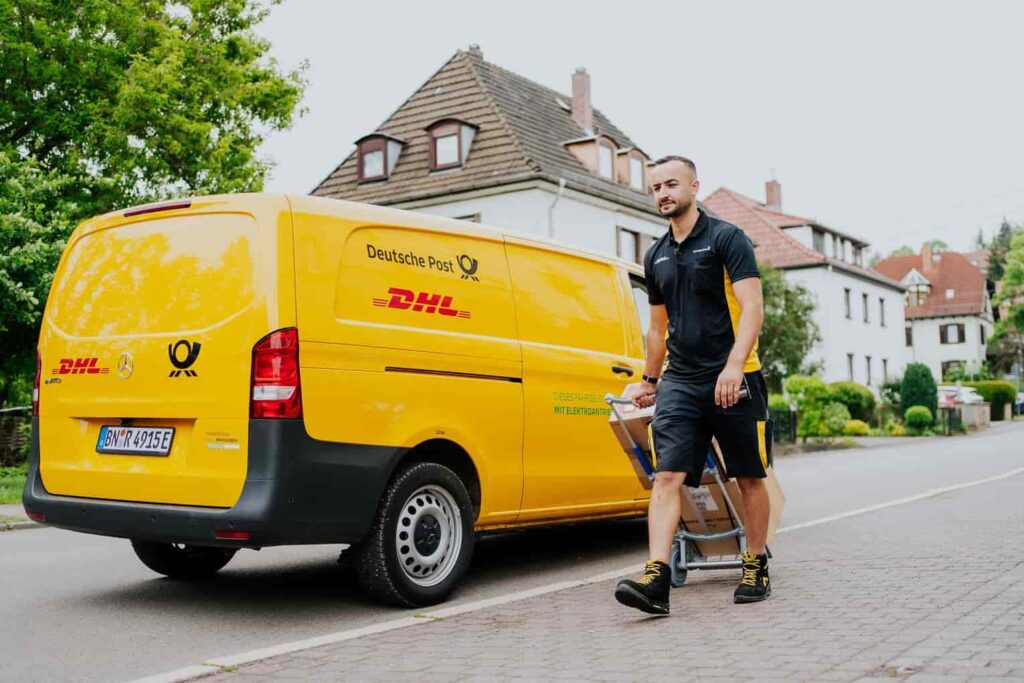
DHL to Introduce Monthly Fee for E-Commerce Sellers

In an announcement made in recent months, DHL had previously declared that it would implement a high surcharge during the busy period of November and December. The new fee to be applied in July was announced this week. E-commerce sellers using the DHL Business Customer Portal have been informed about the new pricing. The company noted that this new fee is linked to its annual price increase policy.

DHL’s Fixed Fees Range from 8 to 120 Euros

According to the information provided, a fixed monthly fee will be applied to e-commerce sellers starting from July 1. A monthly fixed fee will be charged for the “DHL Parcel” and “DHL Returns” services. However, the DHL Small Parcel service will not be affected by the new pricing. The new fee will be applied regardless of the number of shipments made per month. E-commerce sellers shipping with the company report that the fixed fees range from 8 to 120 euros.

“As Shipping Volume Increases, the Average Cost Per Package Decreases”

Meanwhile, DHL recently adjusted its shipping prices. A spokesperson from DHL said, “These amounts are tiered according to the rates individually agreed upon with our customers.” The spokesperson added: “A higher monthly fixed fee comes with a lower price per shipment. Thanks to the newly introduced monthly fixed fee, the average cost per package automatically decreases as shipping volume increases for our customers. This means that every additional shipment made with DHL contributes to growth.”


Name Change at MNG Kargo: Now DHL eCommerce!