WORLDEF Istanbul 2026 - Upcoming Event

Register Now

CEVA Logistics Opens New E-Commerce Warehouse in Dubai

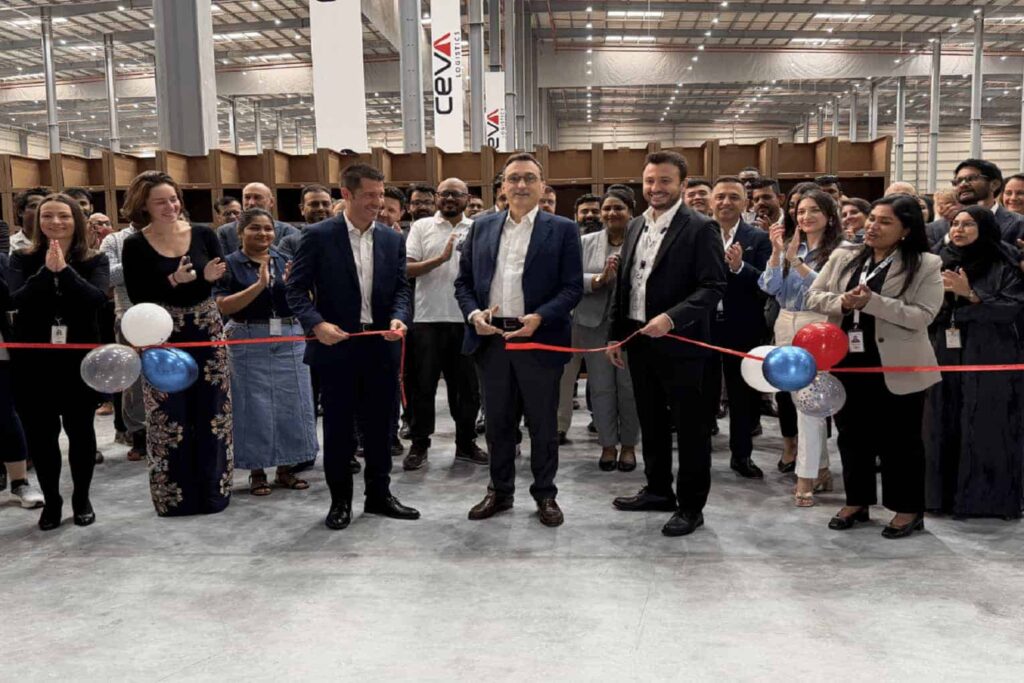
CEVA Logistics has opened a new e-commerce warehouse in Dubai, expanding its contract logistics capacity to meet the growing demand in the UAE and the GCC region. The new facility is designed to provide fast and scalable services to both regional and international online retailers.

Located in a strategic position within Dubai’s established logistics ecosystem, the warehouse offers direct access to major transport corridors, ports, and airports. This location is critical for faster order processing and reduced delivery times, helping companies in one of the Middle East’s most active e-commerce markets maintain efficient supply chains. The facility is designed to support both B2C and B2B e-commerce flows, serving customers across the GCC region.

The new warehouse also enables CEVA to offer omnichannel distribution services, returns management, and value-added services tailored to the needs of e-commerce businesses. This move reinforces CEVA’s commitment to expanding its presence in the region and providing comprehensive logistics solutions to online retailers.

CEVA’s E-Commerce Warehouse Meets Speed and Scalability Needs

The Dubai e-commerce warehouse is equipped with modern racking, picking, and packing systems capable of handling high SKU volumes and fluctuating demand peaks. Through the digital integration of its warehouse management systems, CEVA offers real-time inventory tracking, order status visibility, and performance analytics. These tools help online retailers ensure accuracy and inventory visibility in competitive markets while enabling them to scale volumes quickly.

The warehouse layout is designed to ensure rapid throughput while supporting fast scalability during demand peaks, without compromising service quality. By combining advanced technology with a robust regional transport network, CEVA aims to provide end-to-end e-commerce logistics solutions, including inbound handling, storage, fulfilment, and last-mile delivery coordination.

Supporting E-Commerce Growth in the UAE

Dubai continues to attract both regional and global e-commerce players, driven by strong consumer demand, advanced digital infrastructure, and government support for logistics and trade. CEVA’s new warehouse directly responds to customers’ need for local fulfilment that supports next-day and same-day delivery models.

This move is part of CEVA’s broader strategy to expand its contract logistics capacity in high-growth markets, aligning storage capabilities with the evolving needs of customer supply chains. As e-commerce continues to grow in the Middle East, third-party logistics providers play an increasingly important role, with brands seeking local expertise to handle fulfilment.

CEVA also emphasized that the Dubai facility is scalable, allowing capacity and workforce levels to be adjusted as e-commerce volumes continue to grow in the region. This flexibility will enable CEVA to meet customer demands and maintain high service levels.

With the new warehouse, CEVA Logistics continues to support the growth of e-commerce in the UAE and the GCC region by providing innovative and sustainable logistics solutions to online retailers.

E-commerce Startup Stord Acquires AI-Powered Fulfillment Platform Shipwire

eBay Launches SpeedPAK Service to Simplify International Shipping for German Sellers

eBay has introduced the SpeedPAK service in order to simplify international shipping processes for German sellers. This service offers shipments with customs clearance completed and ensures that import duties are paid in advance. Thus, international shipping processes become more practical, especially for German sellers engaged in cross-border sales.

The US-based popular online marketplace eBay entered a growth trajectory in Germany in 2024 following a decline experienced in 2022. The company increased its revenues by 1 million dollars, reaching a total of 972 million dollars. This positive growth came after various policy changes, such as improvements for commerce sellers and the introduction of the new Top-Service label. This label helps sellers stand out on the platform by providing shoppers with insights into timely shipping and high service levels.

The launch of eBay’s SpeedPAK service represents another important development, particularly for sellers engaged in cross-border sales. Developed through a collaboration with the logistics provider Orange Connex, SpeedPAK manages all customs documentation, thereby reducing the administrative burden for sellers. Considering the changes in customs regulations across Europe, this innovation is expected to be highly beneficial for many sellers.

“With SpeedPAK, We Strengthen Trust Between Buyers and Sellers”

Andreas Häntsch, Senior Director of Seller Engagement at eBay Germany, emphasized that the introduction of SpeedPAK in Germany is an important step toward facilitating German sellers’ access to global markets. Häntsch said, “We know that international shipping processes can be complex. With SpeedPAK, we not only offer competitive prices and simplified processes, but also strengthen trust between buyers and sellers.”

The new service also provides greater transparency for buyers. All costs, including shipping, customs duties, and taxes, are displayed at checkout, eliminating hidden fees. While this transparency benefits buyers, it also offers greater protection for sellers. “Item not received” complaints will no longer be included in service metrics, defects related to undelivered items will be removed. In addition, late shipments will not be counted as “late delivery,” and negative or neutral feedback related to shipping will be automatically removed.

The Service Is Now Available to Sellers

German sellers can select SpeedPAK as a shipping option when listing their products on eBay and can purchase the relevant shipping labels through the platform. Sellers who sign up by the end of March can benefit from a 10 percent discount on SpeedPAK labels. With SpeedPAK, eBay aims to make cross-border e-commerce more efficient, providing a faster and easier shipping process for sellers while making the buyer experience more transparent and reliable.

eBay Launches the Livestream Shopping Era in Germany

Temu Matches Amazon in Cross-Border E-Commerce Sales!

The Chinese e-commerce platform Temu has become a significant competitor in global online shopping, now matching Amazon in cross-border e-commerce sales. According to the 2025 Cross-Border E-Commerce Shopper Survey by the International Post Corporation (IPC), nearly a quarter (24%) of consumers made their most recent purchase from Temu, placing it on equal footing with Amazon.

The IPC survey covered 30,970 shoppers across 37 different countries. The survey highlights the rapid growth of Temu, which was launched in the United States in September 2022. In just three years, Temu’s share of cross-border e-commerce sales skyrocketed from 1% to 24%. In comparison, Amazon’s share remained steady at 24%, with both platforms together accounting for nearly half of all cross-border sales globally.

Temu’s rapid rise, according to the survey data from September 2025, is remarkable considering the platform didn’t exist before 2021. This growth is supported by Temu’s aggressive international expansion, including the opening of its European headquarters in Dublin in 2023.

Mixed Trends in Shein and AliExpress in Cross-Border E-Commerce

While Temu’s growth has been rapid, other platforms have shown less noticeable changes. Shein, the third-largest player in cross-border sales, maintained a 9% share. AliExpress saw a decline from 9% to 8%. eBay holds a 5% market share, while Zalando, the first European-based platform, holds 3%, ranking fifth.

However, signs of slowing growth have appeared in Temu’s European expansion. In the first half of last year, the number of users increased by only 12.5%, reaching 115.7 million. To overcome this, Temu plans to accelerate growth by shipping products primarily from local warehouses and partnering with European sellers.

China’s Dominance in Global E-Commerce

The IPC report also emphasizes China’s dominance in cross-border shopping. In 26 out of 30 European countries, China is the most popular destination for cross-border shopping. Only Luxembourg and Austria prefer Germany over China for cross-border shopping, while Ireland and Iceland most frequently shop across borders in the United Kingdom. With its rapid growth and expansion into international markets, Temu continues to challenge established competitors like Amazon, gaining a significant share in the cross-border e-commerce space.

Temu Expands Operations in the UAE

Amazon Ads and Creators HQ Launched the “Amazon Creators Foundry”

Creators HQ, the MENA region’s first dedicated content creators hub, launched the Amazon Creators Foundry program in collaboration with Amazon Ads. The program aims to enable content creators to transform their ideas into real products that can be offered for sale on Amazon.ae and to reach global markets.

The announcement of the program was made within the scope of the fourth 1 Billion Followers Summit, attended by thousands of content creators and industry leaders. The new initiative aims to provide content creators with practical tools and mentorship to build sustainable business models. It also aims to further strengthen the United Arab Emirates’ rising position in the field of digital entrepreneurship.

Amazon Creators Foundry Aims to Transform Content Creators into Entrepreneurs

Amazon Creators Foundry was introduced as a structured program providing end-to-end support for content creators to transform their creativity into commercial value. The initiative, developed through a collaboration between Creators HQ and Amazon Ads, was designed to cover the process from product ideation to global sales.

It was planned that content creators participating in the program would be provided with training and mentorship in key areas such as product development, brand building, digital marketing, and customer acquisition. Participants also gained the opportunity to establish their own dedicated storefronts on Amazon.ae and offer their products directly to consumers.

Within the scope of the Amazon Creators Foundry program, eligible content creators were provided with Amazon Ads advertising credits. This support aimed to increase brand visibility and enable more effective reach to target audiences. In addition, access to Amazon’s global selling programs was provided, paving the way for products to reach millions of customers worldwide.

The Launch Was Announced at a Global Summit

The collaboration was announced at the fourth edition of the 1 Billion Followers Summit, described by organizers as the world’s largest event focused on the content creation economy. More than 15,000 content creators and over 500 speakers attended the summit; it was stated that the participants’ combined follower base reached 3.5 billion people.

The event served as an important platform for discussions on content creators’ revenue models, technology, and their roles in digital commerce. The launch of Amazon Creators Foundry was positioned as a concrete response to the need for content creators to build structures that enable long-term income generation, rather than solely producing content.

Organizers stated that the program aims to bridge the gap between creativity and commerce and to provide content creators with a clear roadmap for product development and scaling.

New Opportunities in Commerce and Entertainment

The Amazon Creators Foundry program went beyond traditional product sales by introducing participants to gaming- and entertainment-focused commerce opportunities. It aimed to enable content creators to expand their brands into different sectors and to explore new revenue models connected to their audiences.

Through structured guidance and operational support, the initiative aimed to reduce the barriers content creators face when transforming their ideas into tangible products. The program focused on building sustainable, revenue-generating business models rather than short-term promotional campaigns.

Program managers stated that the combination of mentorship, advertising support, and global market access would help content creators scale their brands more efficiently while preserving their creative control.

The UAE’s Position in the Creator Economy Is Strengthening

The launch of Amazon Creators Foundry was evaluated as part of the goal of positioning the United Arab Emirates as a global hub for the creator economy. It was stated that such initiatives, which provide digital entrepreneurs with infrastructure, education, and access to international markets, align with the country’s vision of attracting talent and encouraging innovation.

Industry observers drew attention to the fact that collaborations between creator-focused hubs and global technology companies demonstrate the increasing convergence of content, commerce, and entrepreneurship. Amazon Creators Foundry stood out as an example supporting content creators’ transition from audience building to product ownership and global distribution.

With its official launch, Amazon Creators Foundry added a new layer to the regional content creators ecosystem, offering a new pathway aimed at transforming creative ideas into scalable businesses and delivering unique products to regional and global markets.

Tajer Launched Its E-Commerce Platform in Qatar

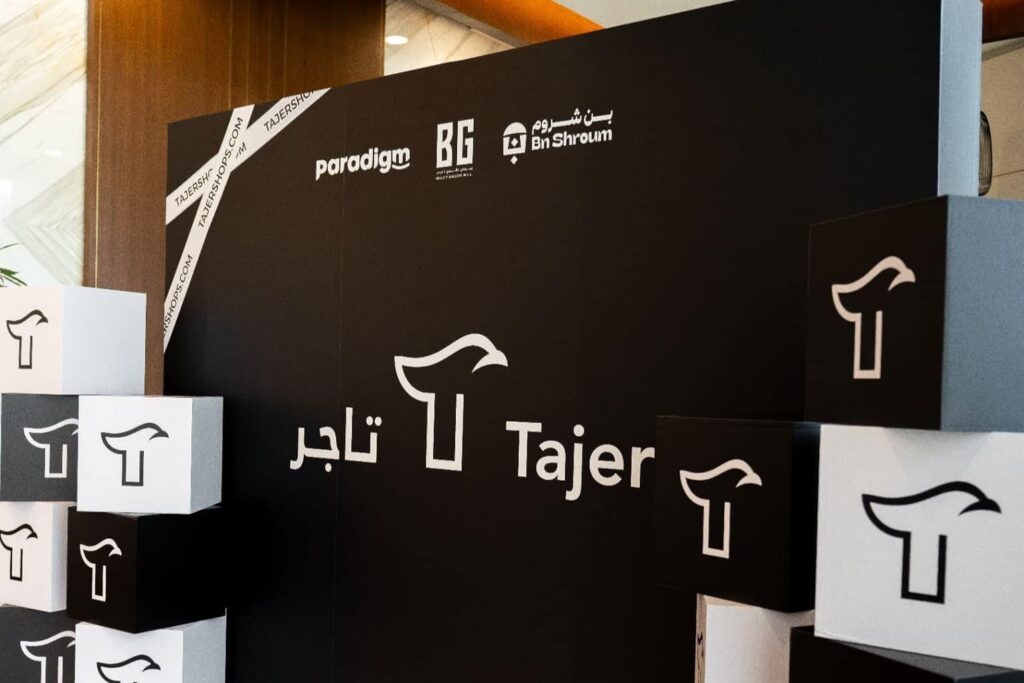
Tajer officially put its e-commerce platform into use in Qatar, introducing a new digital shopping destination aimed at bringing curation-focused regional and international brands together with consumers.

While positioning itself as a trust-based alternative in an increasingly crowded e-commerce ecosystem, Tajer aims to simplify product discovery and support both local and global brands. The platform was introduced as “a shopping platform that places curation-focused discovery at its center instead of mass product variety.” Company officials stated that the platform was designed to offer selected products supported by clear brand stories and reliable delivery in an environment where product abundance has turned into complexity for consumers.

Tajer brought together Qatari brands as well as leading companies from the MENA region and selected international brands entering the region. As of the launch, consumers are able to purchase products belonging to brands from Qatar, Egypt, Turkey, Jordan, and the United Arab Emirates. The company announced that new regional and global markets, including Brazil, will also be gradually added to the platform.

According to the company, every product featured on Tajer Shops was deliberately selected by considering quality, authenticity, and relevance criteria, and while variety was ensured, no compromise was made on standards.

Tajer Is Growing in MENA

One of the core elements of Tajer’s strategy has been to support MENA-based and local brands by providing them with a space through which they can reach new audiences. The company stated that this approach aims to bring together regional creativity and global quality standards within the same ecosystem.

Wissam Abuorf, Regional Head of Operations at Tajer, said that the platform was launched in response to changing consumer expectations. Stating that consumers now place greater importance on trust and meaningful curation in the face of excessive choice, Abuorf said that Tajer aims to provide access to brands that reflect customers’ lifestyles, tastes, and values. He also emphasized that the platform aims to support both emerging talents and well-established businesses.

Abuorf stated that curation will continue to remain a priority during the expansion process, noting that Tajer focuses on offering what truly matters to consumers rather than “selling everything.”

Tajer Offered More Than 6,000 Products on the Platform

As of the launch, Tajer offered more than 6,000 products to customers on the platform. The company reported that new regional and global business partners continue to join the platform regularly and that the product range is supported by long-term brand collaborations. On the platform, a wide range of categories is available, including women’s, men’s, and children’s fashion, seasonal collections such as winterwear and loungewear, home and lifestyle products, accessories, and everyday necessities. Tajer stated that it designed its digital experience to make discovery easy, reliable, and rewarding for modern consumers.

On the logistics side, Ta jer announced that it offers delivery to more than 90 countries. This structure enables local and regional brands to expand into global markets, while also allowing consumers in Qatar to shop cross-border through a single platform.

With its official launch, Tajer entered Qatar’s growing e-commerce sector with a model focused on curation, regional brand support, and global access. Company officials stated that the platform reflects Qatar’s local identity while also adopting an approach open to international trade, and that it will continue to expand its partnerships and product variety.

Amazon Is Establishing Its First Same-Day Delivery Facility in Memphis

Amazon announced plans to establish its first same-day delivery facility in Memphis by taking a step that will significantly expand its logistics network in West Tennessee. The project, confirmed by local authorities and the Greater Memphis Chamber of Commerce, aims to increase last-mile delivery capacity and create new employment opportunities in the region.

The same-day delivery facility planned to be located in Southeast Memphis is expected to begin operations toward the end of 2027. The project is expected to further strengthen the city’s position as one of the major logistics centers in the southern United States.

The Same-Day Delivery Station Will Be 350 Thousand Square Meters

According to a statement made by the Greater Memphis Chamber of Commerce, Amazon plans to develop an approximately 350 thousand square meter same-day delivery station at 4131 Clarke Road in Southeast Memphis. Once the facility becomes fully operational, it is expected that approximately 100 employees will be employed, in addition to independent delivery partners operating in the region.

Chamber officials stated that the facility will focus on local package processing and last-mile logistics activities; thus, Amazon will be able to deliver orders to customers within hours through same-day delivery instead of days. Same-day delivery facilities generally function as final sorting and dispatch points and enable products to reach nearby customers more quickly.

It was stated that this facility to be established in Memphis will be the first of its kind in the city. Amazon officials reported that additional information regarding the project will be shared as the launch date approaches, depending on progress in the construction and planning process.

Amazon’s Investments in Tennessee

The Memphis project is considered part of Amazon’s broader investment strategy across Tennessee. The company announced that it has created more than 28 thousand full-time and part-time jobs across the state since 2010. In the same period, it was reported that Amazon invested over 29 billion dollars in Tennessee through infrastructure investments, employee wages, and expenditures with small and medium-sized businesses.

It is stated that these investments also support indirect employment in sectors such as construction, transportation, professional services, and logistics. State and local authorities frequently emphasize that Amazon’s presence makes significant contributions to economic growth and supply chain development.

Although the Memphis facility is not expected to become operational before the end of 2027, officials state that this announcement once again demonstrates the city’s attractiveness for major logistics and technology companies. With a strong transportation infrastructure supported by air, rail, river, and road connections, Memphis has long stood out as a strategic distribution center for national and global trade.

Amazon did not disclose the total investment amount of the Memphis project or details regarding possible future expansions planned in the region. However, company officials stated that the same-day delivery station will play a key role in meeting the growing demand for fast delivery as e-commerce continues to expand across the United States.

“10-Minute Fast Delivery” Promises End in India!

India and Germany Collaborate on Cross-Border E-Commerce

India and Germany have signed an important bilateral agreement to strengthen cross-border e-commerce cooperation through postal, express, and logistics services.

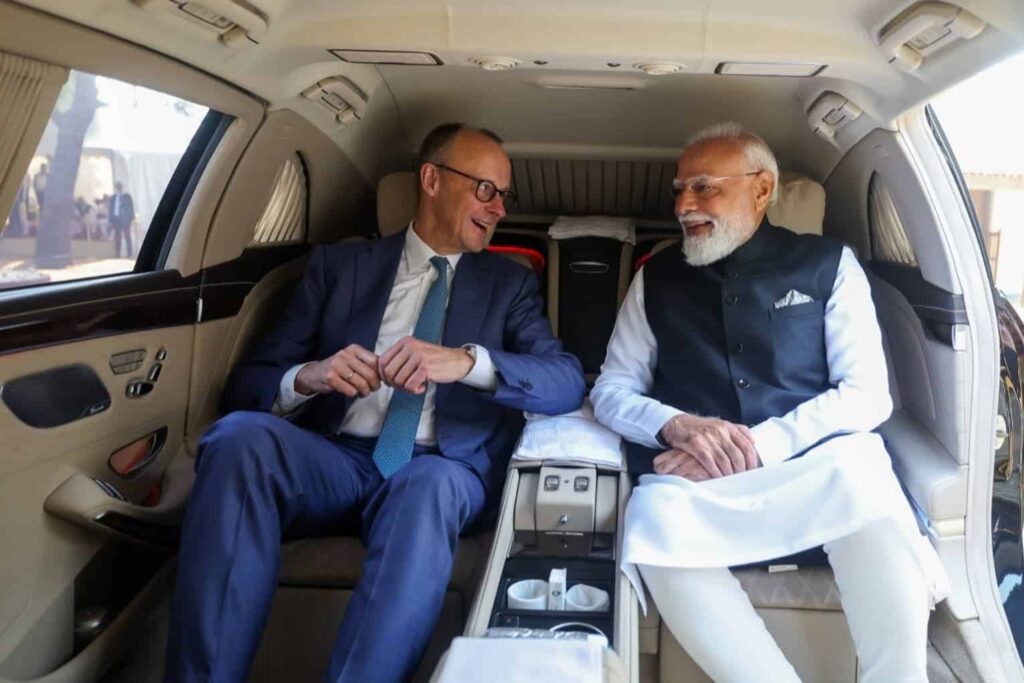
The strategic agreement between India and Germany was signed on January 12, 2026, during German Chancellor Friedrich Merz’s visit to India. This agreement focuses on increasing cross-border e-commerce and time-definite international deliveries. The partnership is expected to contribute to economic growth by enhancing service quality, export volumes, and India’s participation in global value chains.

The bilateral agreement highlights the collaboration between India Post and Deutsche Post-DHL Group. It also aims to launch joint premium international express products. This initiative will leverage India Post’s extensive last-mile network and Deutsche Post-DHL’s global reach, significantly improving transit times, reliability, and end-to-end visibility for international shipments originating from India.

A Strategic Partnership in Logistics and Cross-Border E-Commerce

The partnership will support cross-border e-commerce, enhance international delivery capabilities, and work on bilateral rates for letters and parcels. By improving access to global markets, the agreement is expected to strengthen India’s logistics ecosystem and increase its competitiveness in the international arena.

India’s Ministry of Communications stated that the agreement will also include the exchange of best practices in areas such as digitalization, operational efficiency, sustainability, and green logistics. This will help both countries align their logistics services with global trends in sustainability and innovation.

With this partnership, India aims to become a stronger player in global logistics and cross-border e-commerce, while Germany’s global logistics expertise will play a critical role in enhancing India’s international delivery capabilities. The long-term effects of this agreement are expected to be transformative, leading to deeper collaborations across various sectors.

“10-Minute Fast Delivery” Promises End in India!

“10-Minute Fast Delivery” Promises End in India!

The Indian government has taken action to regulate the country’s rapidly growing fast-delivery (q-commerce) sector. The government has ordered the removal of advertisements promising “10-minute deliveries.” This decision has dealt a significant blow to the sector, which has transformed urban shopping in India and attracted significant interest from investors.

The decision came after a meeting between the Ministry of Labour and Employment and senior executives from leading platforms such as Blinkit, Zepto, and Swiggy. The ministry emphasized that promises of fast delivery times were putting workers’ safety at risk and requested the companies to abandon their speed-focused marketing strategies.

Concerns Over Worker Safety and Workload

Ministry officials warned that the fast delivery targets could lead delivery personnel to violate traffic rules and speed through city traffic. After the meeting, led by Labour Minister Mansukh Mandaviya, the platforms pledged to stop making delivery promises of up to 10 minutes in their advertisements and social media content.

The fast-commerce model relies on “dark stores,” dense networks of strategically located warehouses, and large delivery teams. While this system offers a convenient solution for consumers, worker rights advocates have pointed out that it puts employees under increased pressure, which could lead to accidents.

Companies Update Their Marketing Messages

Following the government’s intervention, Blinkit removed the “10-minute delivery” claim from its app and marketing materials, shifting its focus to a broader product range and doorstep delivery promise. The company changed its previous slogan and retracted its 10-minute fast delivery claim. Other platforms also committed to taking similar actions after the discussions with the government. However, there has been no public statement about whether Zepto and Swiggy have updated their marketing content immediately.

Sector’s Size and Growth

The sector’s size is noteworthy, with India’s fast-commerce market estimated to be valued at around $11.5 billion. Swiggy strengthened growth expectations in the industry by raising $1.11 billion from institutional investors in December 2024.

Transition from Fast Delivery to Sustainability

Industry observers note that the government’s intervention is expected to shift the focus from speed-driven marketing to sustainability, compliance, and worker protection measures. Although the fast-commerce sector is likely to remain a key player in India’s urban retail market, companies will now need to balance fast delivery times with worker safety.

With the government’s intervention, the sector is expected to adopt a more safety-focused approach, and worker rights will take precedence over speed-based marketing. These steps are seen as a significant turning point for the future of fast-commerce in India.

Amazon Launches 30-Minute “Ultra-Fast Delivery” Pilot Program in the United States

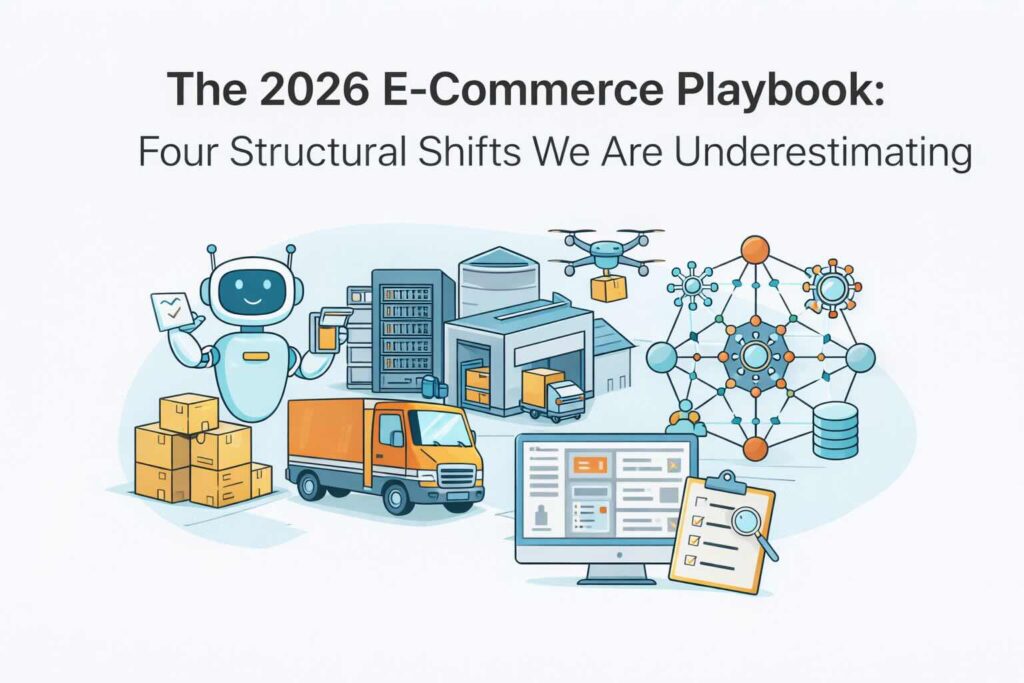
The 2026 E-Commerce Playbook: Four Structural Shifts We Are Underestimating

The 2026 E-Commerce Playbook

Each year, e-commerce enters the new calendar with a familiar ritual: predictions, trend lists, and bold claims about the “next big thing.” In recent years, that conversation has been almost entirely absorbed by artificial intelligence. Chatbots, personalization engines, and generative content tools dominate conference stages and LinkedIn feeds alike.

Yet, from where I stand, observing the industry across regions, platforms, and supply chains, the most consequential transformation of e-commerce is not taking place on the screen. It is happening behind it.

In 2026, e-commerce will no longer be defined by how effectively brands attract demand, but by how well they can absorb, process, and deliver that demand without breaking their operational backbone.

Most global outlooks now converge on one reality; nearly all established brands expect continued growth in cross-border and platform-based order volume. Demand, in other words, is not the problem. The real question is whether existing operational models are structurally capable of carrying that demand profitably and sustainably.

The following four shifts are not speculative. They are already unfolding. What is surprising is how many businesses are still unprepared for them.

From Storefront Excellence to Operational Credibility

For more than a decade, e-commerce success was measured primarily at the front end. Traffic acquisition, conversion optimization, and brand storytelling defined competitive advantage. In 2026, this logic no longer holds.

The decisive battlefield has moved from the digital storefront to the warehouse, the routing system, the compliance workflow, and the data layer connecting them all. The 2026 E-Commerce Playbook

What we increasingly observe is a widening imbalance. Many brands have rapidly adopted artificial intelligence in marketing and customer engagement, yet far fewer have applied the same intelligence to logistics planning, inventory orchestration, or cross-border execution. The result is an ecosystem that generates demand faster than it can fulfill it efficiently.

In this environment, fulfillment is no longer a back-office function. It actively shapes demand. Delivery speed, reliability, and post-purchase experience now influence platform visibility, marketplace algorithms, customer trust, and repeat purchase behaviour. Operational readiness has become a growth multiplier or a growth ceiling.

Entering new markets is no longer the hard part. Delivering consistently within them is.

Asian Platforms Are Rewriting Global Expectations

Platforms originating from Asia are not merely expanding geographically. They are exporting an entirely different logic of commerce.

TikTok Shop, Shein, and Temu operate on a fundamentally different premise from traditional search-driven marketplaces. Demand is no longer initiated by deliberate intent. It is algorithmically constructed through content, discovery, and impulse. The purchase often precedes conscious recognition of need.

This shift matters because consumer expectations do not reset between platforms. Speed, price transparency, and frictionless fulfillment become baseline assumptions everywhere else. The 2026 E-Commerce Playbook

What we are witnessing is not platform competition, but psychological conditioning at scale. As consumers become accustomed to instant gratification and seamless delivery loops, tolerance for operational friction disappears. This places extraordinary pressure on brands whose supply chains were designed for slower, more predictable demand curves.

The long-term consequence is clear. The more commerce becomes algorithm-driven, the less forgiving it becomes of operational weakness.

The Customer Is No Longer Human Only

One of the most under-discussed transformations in commerce is the rise of machine decision-makers. Algorithmic agents that browse, compare, and select products on behalf of users are no longer theoretical. They are already shaping visibility and conversion across platforms.

This introduces a profound shift in how products must be presented to the market. The 2026 E-Commerce Playbook

A human customer can be influenced by emotion, storytelling, and aspiration. An algorithm cannot. It evaluates structure, completeness, consistency, and risk. In this emerging environment, product data is no longer a support function. It is the primary interface between brand and buyer.

If product attributes are incomplete, inconsistent, or poorly structured, algorithms simply bypass them. Visibility is not lost gradually. It disappears entirely.

Brands are therefore transitioning from persuasion-based marketing to machine readability. The question is no longer how compelling your product page looks, but whether it can be fully understood, classified, and trusted by non-human decision systems.

Returns Are No Longer a Failure Signal

Returns have historically been treated as a necessary cost of doing business online. In the emerging commerce model, this perspective is increasingly outdated.

In an environment shaped by impulse purchasing and algorithmic discovery, a clear and frictionless return process becomes a trust mechanism. It lowers psychological barriers to purchase. But more importantly, returns generate one of the most valuable data streams a brand can access. The 2026 E-Commerce Playbook

Every return is a documented mismatch between expectation and reality. Whether the cause is sizing, imagery, description, or usage context, it reveals precisely where the sales narrative failed.

Brands that systematically analyse return reasons are not merely reducing costs. They are refining product design, improving content accuracy, and increasing conversion at the source. Returns, when treated correctly, are not a loss. They are operational feedback loops with measurable return on investment.

The 2026 E-Commerce Playbook: A Final Question for 2026

The unifying theme across all these shifts is structural maturity.

The future of e-commerce is not defined by louder marketing, faster content, or newer tools. It is defined by quieter capabilities: logistics discipline, data integrity, operational resilience, and system-level thinking.

Global demand will continue to grow. That is not in doubt. What remains uncertain is which organizations have built foundations strong enough to carry that growth without turning it into operational risk.

As we move toward 2026, every brand should ask itself one honest question:

Is our operational infrastructure designed to amplify growth, or is it the very thing that will eventually constrain it?

I believe this is the conversation that matters most.

Burak Yalım – Editor in Chief

The 2026 E-Commerce Playbook – The 2026 E-Commerce Playbook – The 2026 E-Commerce Playbook 
Temu Expands Operations in the UAE

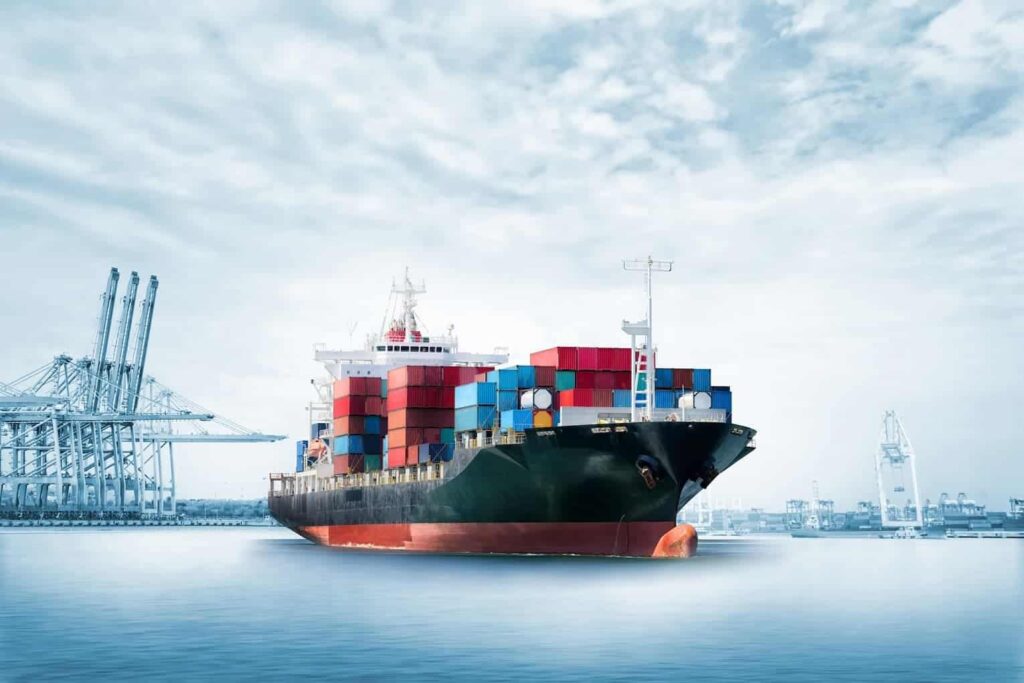
Global e-commerce platform Temu, backed by Chinese group PDD Holdings, has expanded its operations in the United Arab Emirates (UAE) to enhance delivery speeds and broaden its product range. This move is part of the company’s efforts to better respond to the growing demand in the region.

Temu, which launched in the UAE in September 2023, quickly gained popularity thanks to its wide product selection and competitive pricing. The new local seller program allows UAE-registered businesses with locally stocked inventory to sell directly on the Temu platform. This initiative helps ensure faster delivery times while offering UAE-based businesses a valuable new distribution channel to expand their customer base.

Temu’s Local Seller Program has been successfully implemented in over 30 markets, including the United States, the United Kingdom, Germany, France, and Japan, and is now being rolled out in the UAE. This marks an important step in Temu’s strategy, as the company aims to support small and medium-sized enterprises (SMEs) while enhancing its service capabilities in international markets.

A Temu spokesperson said, “With our local-to-local initiative, we aim to create new growth opportunities for UAE businesses, while providing consumers with a wider selection of affordable, quality products and faster delivery.” This local-to-local model further strengthens Temu’s commitment to improving its market offerings and fostering closer ties with local businesses.

Temu Strengthens Its Position in the UAE

Since its launch in September 2023, Te mu has gained significant momentum in the UAE, quickly establishing itself in the competitive local e-commerce market. According to SimilarWeb, Te mu became the most used shopping app on the Android platform in the UAE as of January 1, 2026. Expanding into the local seller market will further bolster the company’s position and help it compete with both established players and new entrants, all of whom are striving to capture market share through faster logistics and localized offerings.

This move reflects the substantial investments e-commerce platforms are making in logistics infrastructure and localized strategies to meet the evolving needs of consumers in the region. As Te mu continues to improve its service offerings and expand its local seller network, it aims to solidify its position in the increasingly competitive UAE e-commerce market.

Temu Opens Platform for Swiss Companies