WORLDEF Istanbul 2026 - Upcoming Event

Register Now

Raid on Temu’s Türkiye Office; Digital Data Seized!

A raid was conducted by the Competition Authority at the Türkiye office of Chinese online retail company Temu. During the search, computers and other technological devices were seized.

A Temu spokesperson said that Competition Authority officials carried out a raid at the company’s office. The spokesperson, stating “We will fully cooperate with the Turkish authorities,” said that laptop and desktop computers were seized.

The Türkiye operation came after a raid was conducted at Temu’s European Headquarters in Dublin due to European Union regulators’ concerns regarding possible unfair subsidies by the Chinese state.

Competition Authority: It Should Not Be Interpreted as a Direct Transition to an Investigation Phase

The Turkish Competition Authority made the following statement regarding the matter: “The current inspection reflected to the public is being conducted within our standard procedures, and the initiation of this process should not be interpreted as a direct transition to an investigation phase. In order to protect the confidentiality and impartiality of the inspection process and to prevent any loss of rights, detailed explanations cannot be provided at this stage. Up-to-date information regarding the course of the process will be shared with the public in the coming period in line with our principle of transparency.”

Temu Representatives Had Been Summoned to the Ministry

In May 2025, Temu’s representatives were summoned to the Ministry of Trade to be reminded of their legal obligations, and authorities took action for the opening of a representation office in Türkiye. At the meeting, the Ministry reminded Temu that it could not offer products to the market without having information on an economic operator established in Türkiye under the regulation. For the protection of consumers, unsafe and non-compliant products were required to be removed from the platform within 24 hours following the request of the competent authority.

Temu representatives later announced that they had taken action to open a representation office in Türkiye. Authorities stated that they would take the necessary steps to assume responsibility for products that would enter the Turkish market.

Getnet Announced Its Agentic Commerce Strategy

Global payments fintech Getnet shared its agentic commerce strategy with the public at a time when artificial intelligence was expected to influence a significant portion of global e-commerce transactions by the end of the decade. The company stated that autonomous artificial intelligence agents would take an active role in purchasing and payment decisions and that this would require fundamental changes in payment infrastructures.

According to Deloitte-based market estimates cited by Getnet, which operates under UK-based Santander, up to 30 percent of global e-commerce transaction volume would be directed by agentic artificial intelligence by 2030. It was stated that this ratio corresponded to approximately 17.5 trillion US dollars in gross merchandise value. This transformation meant a transition from transactions initiated by humans to systems managed end to end by autonomous software agents.

Preparing Payment Infrastructure for Agent Commerce-Focused Transactions

Getnet emphasized that agentic commerce would have direct effects on the payments sector and that infrastructures needed to become capable of securely processing transactions initiated by artificial intelligence agents rather than individual users. The company’s strategy was based on adapting its existing global acquiring platform to these new requirements.

At the center of this approach was the unified API solution Single Entry Point (SEP), which enabled integration across multiple countries and supported built-in security and regulatory compliance. While Getnet stated that SEP already supported agent-initiated transactions, it announced that it was developing new capabilities specifically for agentic commerce on top of this.

Within this scope, it was stated that work was being carried out on mechanisms for the identification and validation of artificial intelligence agents, standardized APIs for capturing agent-originated payments, and interoperability solutions with industry protocols. Getnet conveyed that these steps aimed to ensure trust, traceability, and control in the agentic commerce ecosystem.

Transition to Agentic Commerce for Merchants

Getnet positioned itself as a strategic business partner rather than an experimental technology provider for merchants preparing for agentic commerce. The company stated that its platform was designed to support both large-scale companies with advanced digital infrastructures and SMEs seeking ready-to-use solutions.

It was stated that by offering standard tools and APIs, the goal was to enable merchants to participate in the agentic commerce ecosystem without the need for complex internal technology projects. According to Getnet, this approach offered a structure that could increase adoption speed as artificial intelligence agents began to take on product discovery, negotiation, and payment processes.

Getnet Global CEO Juan Franco described agentic commerce as “a turning point in terms of digital transactions.” Franco said that artificial intelligence had moved beyond observing the customer journey and had begun to direct this journey through autonomous agents; and that product discovery, deal-making, and payment transactions were carried out on behalf of customers. Franco stated that Getnet’s vision was to transform its merchant acquisition, risk management, and data capabilities into an open and intelligent platform, enabling merchants to manage artificial intelligence agents as easily as they manage human customers today.

Getnet Ranked Among the World’s Top 10 Merchant Acquirers

Getnet emphasized that it supported its focus on agentic commerce with its scale and position in the global payments sector. According to The Nilson Report, the company ranked among the world’s top 10 merchant acquirers and positioned itself as the number one acquirer in Latin America in terms of transaction volume.

Getnet attributed this position to the trust of millions of merchants, its payment and financing solutions for SMEs, and its infrastructure that brought large-scale companies together with multiple payment methods on a single and secure platform. Operating across Latin America and the Iberian Peninsula, the company stated that it offered a structure strengthened by Santander’s scale, technology, and expertise.

At a time when agentic artificial intelligence continued to assume a more central role in commerce, Getnet positioned its strategy as a long-term investment aimed at adapting payment infrastructure to a future in which autonomous systems were decisive in global trade.

Agu.ng Strengthened Its E-Commerce Platform

Agu.ng expanded its physical presence and strengthened its digital commerce capabilities as part of a broader growth strategy focused on scalability, technology, and customer experience.

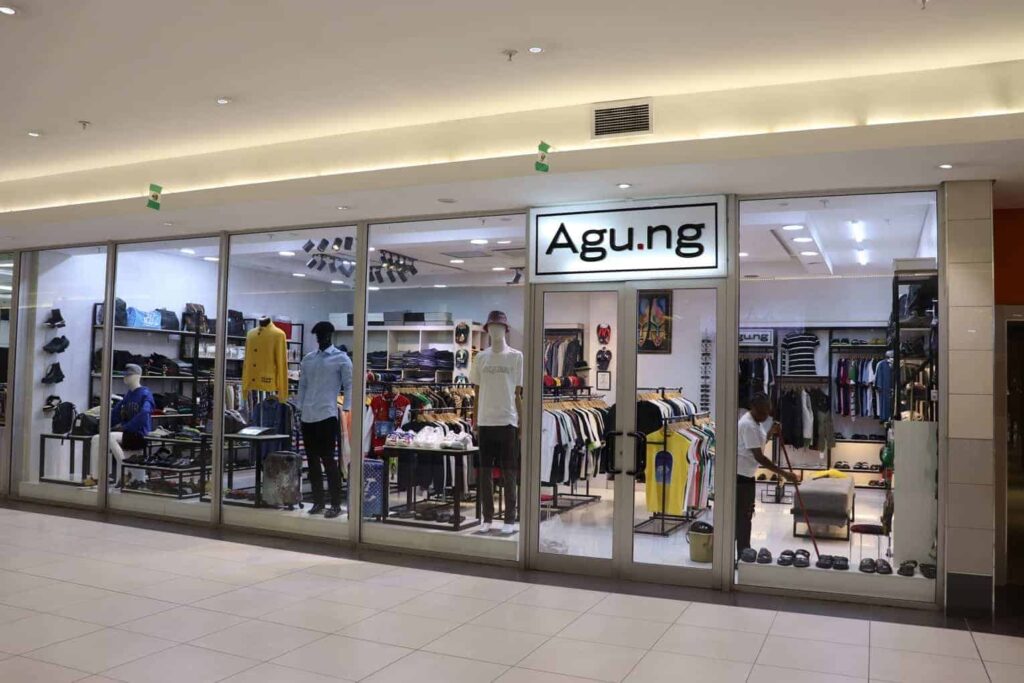
Nigerian fashion retailer Agu.ng, while carrying out new store openings, also improved its e-commerce platform. In addition, it expanded its product range beyond the men’s collections it initially focused on. These developments supported Agu.ng’s goal of becoming one of Nigeria’s fastest-growing premium fashion retailers, while revealing an approach that combined physical growth with digital investments to reach customers nationwide.

While operating with more than eight physical stores across Nigeria, Agu_ng recently increased its presence at key commercial locations by opening two new stores. The new stores began operating at Landmark Boulevard in the Victoria Island area of Lagos and at Ikenga Mall in Awka, Anambra State.

Investment in a Stronger E-Commerce Platform

In parallel with store expansion, Agu .ng made significant investments in its e-commerce platform in order to increase accessibility and convenience for customers nationwide. The updated digital platform focused on intuitive navigation, secure payment processes, and reliable delivery services across Nigeria.

The company stated that the improved platform was designed to offer customers a seamless shopping experience and to enable users to easily browse collections and shop securely. This digital investment was evaluated as a step aligned with the increasing omnichannel shopping expectations in Nigeria’s retail sector.

Ag u.ng aimed to create a compatible and consistent service standard aligned with its physical store network by strengthening its online infrastructure.

Agu.ng’s Scalable Retail Model in a Growing Market

By bringing together physical store growth, digital platform investment, and expansion of its product range, Agu .ng aimed to create a scalable fashion retail model in Nigeria. The company’s approach reflected the tendency of successful brands in the local market to reach different consumer segments through multi-channel strategies and technology investments.

Agu .ng stated that aligning its retail operations with digital innovation and conscious brand development was at the center of its long-term plans. While the company did not share details regarding new store openings or international expansion plans, it stated that investments in retail infrastructure and customer experience would continue to be a priority.

IyeOgé: Africa’s First AI‑Powered Luxury Fashion Platform Launches This September

CargoCrew Entered the Middle East Market; Established a Regional Headquarters in Dubai

CargoCrew officially entered the Middle East market by establishing its regional headquarters in Dubai. With this step, CargoCrew reached an important milestone in the company’s international growth strategy. The global air cargo and logistics provider aimed, with this move, to serve cargo segments with high growth potential in the region. The company stated that the Dubai headquarters would support scalable regional operations and integrated cargo solutions. It also emphasized that this location was aligned with increasing trade volumes in the Middle East, rising e-commerce activities, and strong intercontinental connectivity.

Dubai Was Selected as a Regional Logistics Hub

CargoCrew’s decision to position its Middle East regional headquarters in Dubai was based on the city’s advanced aviation and logistics infrastructure as well as its business-friendly regulatory environment. The United Arab Emirates continued to strengthen its position as a global logistics hub thanks to investments in air cargo capacity, free zones, and multimodal transportation networks connecting Europe, Asia, and Africa.

With its organization in Dubai, CargoCrew aimed to coordinate intercontinental cargo flows and to manage airline representation and cargo management activities from a centralized structure. The company considered this location a strategic platform to provide services to regional and international customers with flexible and technology-driven logistics solutions.

CargoCrew Group Founder and Chairman of the Board Hakan Ikizoglu described the launch as a decisive step in the company’s growth strategy. Ikizoglu stated, “CargoCrew’s commencement of operations in the UAE became a defining milestone for our group. Dubai offered a powerful platform to bring continents, airlines, and customers together through smarter cargo solutions. Our focus was flexibility, visibility, and long-term partnership.”

CargoCrew Focused on Cargo Segments With High Growth Potential

CargoCrew began its UAE operations in 2025. From its Dubai headquarters, it coordinated airline representation, commercial cargo management, capacity optimization, digital cargo solutions, and end-to-end integrated logistics services.

The company announced that it prioritized segments with high growth potential such as e-commerce, pharmaceuticals, perishables, general cargo, project cargo, and express logistics. It was stated that demand in these areas increased due to changing consumer behavior, diversification of supply chains, and the growing need for time-sensitive and temperature-controlled transportation.

CargoCrew stated that its activities in the region were carried out in close cooperation with shippers and freight forwarders, and that tailored solutions were offered for different cargo profiles. The company emphasized that operational flexibility and real-time visibility were of critical importance in meeting customer expectations across different sectors.

End-to-End Logistics Solutions in Regional Operations Will Be Strengthened

Operations in the UAE were supported by CargoCrew’s expanding airline network, its established presence in Europe, and strategic partnerships in Asia and Africa. The company stated that this network structure ensured seamless connectivity and optimized capacity across key trade lanes.

In addition to air cargo services, CargoCrew also invested in warehousing, fulfillment, and last-mile delivery partnerships in order to strengthen its end-to-end logistics solutions. It was stated that these investments aimed to serve customers seeking solutions that were not limited only to airport-to-airport transportation but covered the entire logistics chain.

The company stated that the Dubai headquarters assumed a central role in coordinating these services and was positioned as a control point managing cooperation between regional operations and business partners.

A Digital Cargo Platform Will Be Launched Within the Next Two Years

CargoCrew also shared its growth roadmap for the Middle East for the next 12 to 24 months. Accordingly, the company planned to expand its airline portfolio, grow its regional team, and launch digital cargo platforms aimed at increasing efficiency and transparency.

In addition, it was stated that investments in logistics infrastructure and strategic partnerships in the UAE would continue, and that Dubai would remain at the center of the regional strategy. While positioning the Middle East as a key growth market within its global expansion plans, CargoCrew evaluated its regional headquarters in Dubai as the cornerstone of long-term development in surrounding markets.

At a time when trade volumes and demand for specialized cargo solutions continued to increase, CargoCrew described the launch of its Middle East operations as a strategic step to capitalize on emerging opportunities and as an important move that strengthened its global logistics network.

The World Customs Organization Approved Dubai Customs’ Cross-Border E-Commerce Platform as a “Global Model”

Robertet Launched Its B2B E-Commerce Platform in North America

Robertet launched a new B2B e-commerce platform in the United States of America and Canada. The company thus expanded its digital sales channels aimed at professional customers.

The platform called “e-Robertet” enables qualified users to browse the natural ingredients portfolio online, request samples, and make purchases. This launch, which represented an important step in the company’s commercial strategy in North America, reflected its effort to modernize sales channels. Continuing to focus on natural, traceable raw materials, the company confirmed that e-Robertet was active in both markets and had started accepting registrations.

The e-Robertet platform was designed for professional users seeking direct and flexible access to Robertet’s ingredients portfolio. Users are able to view and purchase a wide range of products, including essential oils, absolutes, botanical extracts, CO₂ extracts, and specialty natural ingredients.

Robertet stated that the platform expanded digital access to products distributed through traditional and relationship-based sales models. With online browsing, sampling, and purchasing opportunities, the company aimed to accelerate procurement processes and maintain technical and commercial support.

Robertet Also Aimed to Reach Large Commercial Customers

Founded in 1850 in the city of Grasse in France, Robertet supplies natural raw materials for the fragrance, flavor, and health and beauty sectors. The company emphasized that the North American launch was an extension of its existing digital sales model and that it reached a broader customer base in the region.

The expansion in North America aimed to reach large commercial customers as well as independent formulators, laboratories, aromatherapists, and emerging brands. According to Robertet, the platform was customized for professionals who required smaller quantities, fast access, and transparent purchasing processes.

The company announced that e-Rober tet was designed specifically for the United States of America and Canadian markets and included features such as online ordering, transparent pricing, and real-time inventory visibility. In addition, the platform also supported smaller packaging options suitable for research and development activities and small-scale production.

Logistics, Support, and Supply Chain Integration

Robertet stated that all orders placed through e-Rober tet were supported by a North America-based shipping infrastructure and that this shortened delivery times and facilitated logistics processes. Dedicated support services were also provided to professional users to assist with product selection, ordering, and technical matters.

The company positioned the platform as an extension of its vertically integrated business model, which encompassed the cultivation, sourcing, extraction, and production of natural ingredients. While emphasizing the importance it placed on traceability and sustainability throughout the supply chain, Robertet described this approach as “seed to scent.”

By integrating e-commerce capabilities with the existing infrastructure, Rober tet aimed to balance digital convenience with quality control and transparency. The company stated that while the platform supported its responsible sourcing commitment, it also adapted to changing purchasing habits in the ingredients market.

Amazon Now Expands in Europe; Launched in London!

Amazon has taken a significant step in Europe by launching its Amazon Now service in London. This new service offers users in the city the ability to receive everyday essentials, groceries, and personal care products within 30 minutes.

The launch of Amazon Now in London centers around the opening of the United Kingdom’s first fast delivery hub, ‘QLD1.’ Located in the Southwark area, a business and creative hub on the south bank of the Thames, this facility is poised to become a key site for fast deliveries. This move is an important part of Amazon’s fast delivery efforts in Europe, following similar models in regions like India and the UAE.

Elisa Michelin Salomon, EU Quick Commerce Program Lead at Amazon, stated, “We carried out this project by working with 57 different Amazon teams. Now, the foundations have been laid for our next steps in the United Kingdom and the EU.” The company’s entry into the fast commerce space strengthens its growth targets in the online retail market across Europe.

Amazon Now and the Establishment of the Last-Mile Delivery Model

Amazon’s quick commerce initiative aims to meet the growing demand for fast access to everyday products. Salomon highlighted that developing a new last-mile delivery model is one of the core focuses of the Amazon Now service. She emphasized the significant responsibility of building a new network from scratch and shaping the operations.

Unlike its predecessor, Amazon Prime Now, Amazon Now is fully integrated into Amazon’s main platform. This move aims to simplify the user experience and make operations more efficient.

Amazon’s Expansion Plans in Europe

The rapid launch of Amazon Now in London signals the company’s goal to expand its fast delivery services across Europe. Fast delivery is becoming increasingly important in the competitive e-commerce market. To achieve this, Amazon plans to establish a network of smaller distribution hubs in densely populated urban areas.

As the market leader in e-commerce in the United Kingdom, Amazon is expected to reach 36.7 billion euros in revenue in 2024, an increase of 12.7%. A significant portion of this growth is attributed to Amazon’s ability to deliver over one billion products per day. The success of the Amazon Now service could further increase these numbers and strengthen the company’s presence in Europe.

In a time when quick commerce is rapidly rising globally, Amazon’s initiative in London demonstrates that the company is prepared to capture a larger share of the fast delivery market in the coming years.

Amazon Launches 30-Minute “Ultra-Fast Delivery” Pilot Program in the United States

MENA Startup Investments Broke a Record with $7.5 Billion in 2025

Across the Middle East and North Africa (MENA), startup investments reached an all-time high in 2025, recording the strongest year to date for the region’s entrepreneurial ecosystem.

According to Wamda’s annual investment report, 647 startups raised a total of $7.5 billion throughout the year; this figure indicated a 225 percent year-on-year increase in total startup investment value. While debt financing constituted a significant portion of the capital raised, the data showed that investor confidence was not limited solely to leveraged transactions. When debt financing was excluded from both years, equity investments increased by 77 percent year on year. This demonstrated that the rise in 2025 reflected broader investor participation.

The Second Half of the Year Determined Startup Investment Volume

Investment activity accelerated markedly in the second half of the year and reshaped the overall picture. Between July and December, 310 startups raised $5.7 billion, while in the first half of the year 335 startups raised a total of $2 billion.

The third quarter proved decisive, with $4.5 billion invested across 180 deals. This increase stemmed from large-scale investments involving companies such as XPANCEO, Ninja, Tabby, Lendo, Property Finder, and Tamara. Tamara’s $2.4 billion transaction stood out as the largest deal of the year and significantly influenced annual totals.

Despite the concentration of capital in a limited number of large transactions, the fact that overall deal activity remained robust showed that investor interest continued beyond headline-making investments.

Saudi Arabia and the UAE Maintained Regional Leadership

Geographically, startup investments were concentrated in the region’s most developed startup markets. Saudi Arabia became the most funded country by raising $5 billion across 211 deals. The United Arab Emirates ranked second, attracting $2 billion in investment across 218 startups and maintaining its appeal to international investors with strong deal volume.

Egypt ranked third, raising $263 million across 89 deals. Although the total investment amount declined compared with the previous year, the increase in deal count indicated that early-stage activity continued in a more cautious investment environment. These three markets continued to account for the majority of total investments in the region, remaining the key centers shaping the direction of the MENA startup ecosystem.

Early-Stage Startups Stood Out in Deal Volume

Despite the prominence of large late-stage investments, early-stage startups accounted for the majority of deal activity in 2025. A total of $1.3 billion was invested across 486 early-stage deals, demonstrating that the region has a strong startup pipeline.

In contrast, late-stage startups raised $1 billion across only 44 deals. The data showed that while investment in scaled companies continued, investors became more selective at the growth stage.

Fintech Maintained Its Leadership

In sectoral distribution, fintech maintained its leadership by attracting $4.4 billion in investment, accounting for 58 percent of total funding. The proptech sector raised $1 billion, while e-commerce startups collected $372.5 million. Investor preference continued to shift toward enterprise-focused business models. B2B startups raised $2.8 billion, surpassing consumer-focused startups. This trend reflected the importance placed on scalable and revenue-driven models in a more disciplined investment environment.

Exits Gained Momentum

Exit activity also gained momentum in 2025. A total of 66 acquisitions took place, representing a 54 percent year-on-year increase. The majority of exits were concentrated in fintech, SaaS, and e-commerce sectors, with the United Arab Emirates, Egypt, and Saudi Arabia standing out as the most active markets. The rising number of acquisitions indicated that the ecosystem had matured and that major players had begun pursuing strategic growth.

Overall, 2025 became a turning point for the MENA startup ecosystem. Record investment levels, strong early-stage activity, and rising exit momentum demonstrated that the region had entered a phase of scaling and selective consolidation, laying the foundations for a more mature and disciplined growth cycle in the years ahead.

Dubai to Host the Second Edition of WORLDEF in February!

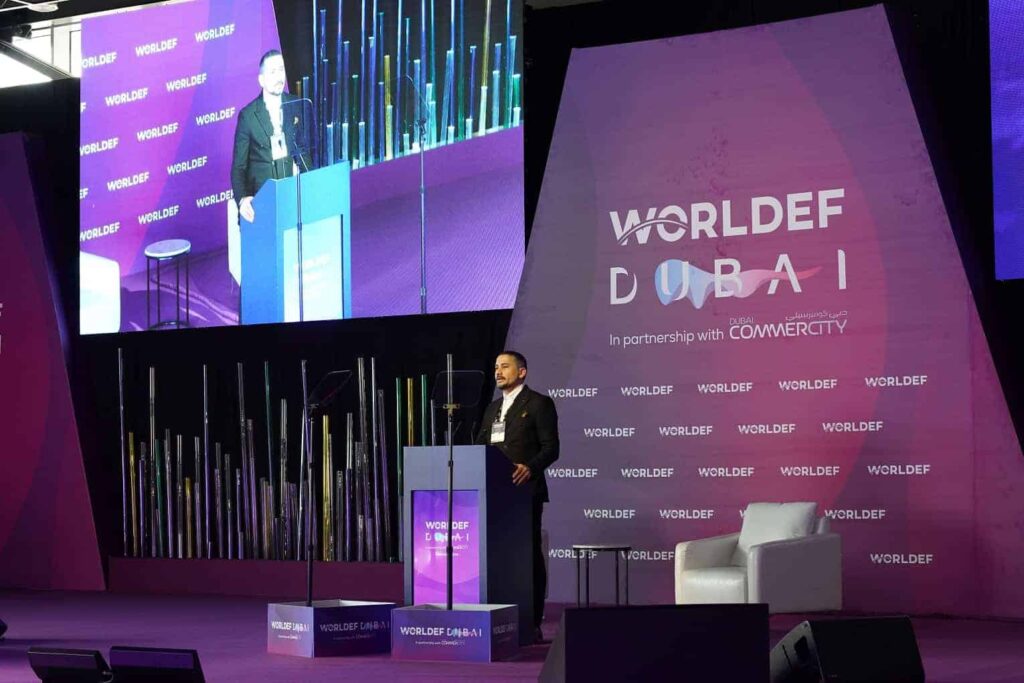
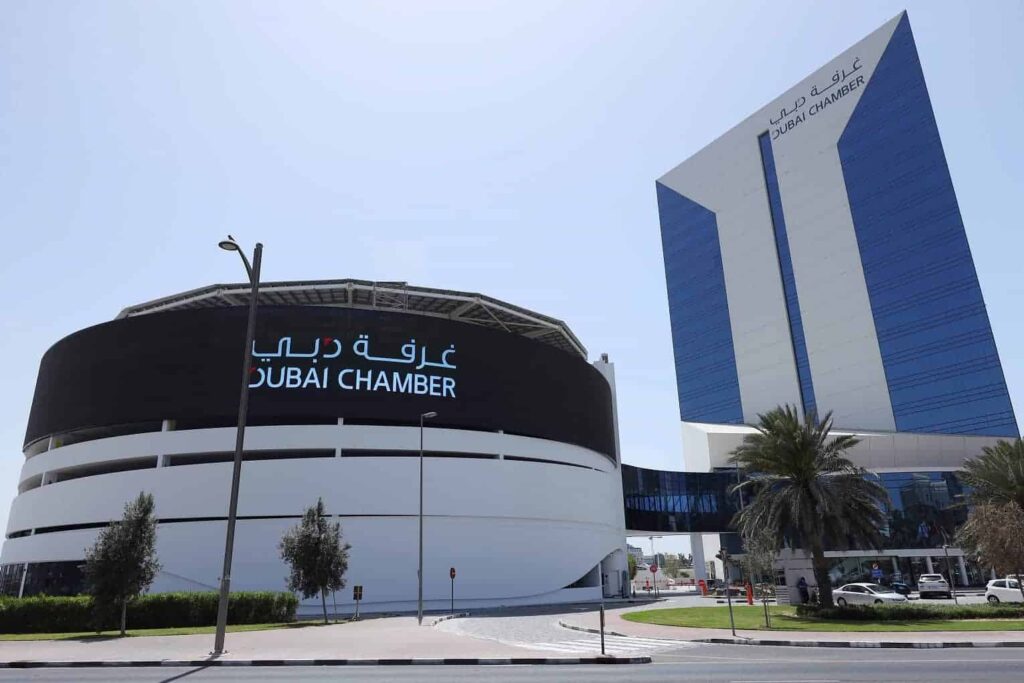
WORLDEF DUBAI 2026 will be held under the patronage of His Highness Sheikh Ahmed bin Saeed Al Maktoum, Chairman of the Dubai Integrated Economic Zones Authority (DIEZ), from February 12–14. WORLDEF DUBAI, organized in cooperation with WORLDEF and Dubai CommerCity, the region’s first free zone dedicated to the digital commerce sector, aims to advance the digital commerce sector and cross-border e-commerce. Dubai CommerCity is a joint venture between DIEZ and Wasl Properties.

WORLDEF DUBAI 2026, organized by WORLDEF and Dubai CommerCity, aims to help companies, entrepreneurs, and investors in the fields of cross-border e-commerce and digital commerce, as well as support government entities and digital solution providers in growing internationally. The event aims to create business opportunities, enhance cooperation and partnerships, exchange expertise, and explore the latest trends in the digital commerce sector, thereby expanding the boundaries of global trade and supporting the growth of a sustainable digital economy.

Amna Lootah: The Forum Acts as a Strategic Catalyst to Open New Horizons for Companies

Her Excellency Amna Lootah, Director General of Dubai CommerCity and Dubai Airport Freezone (DAFZ), said: “Hosting the WORLDEF DUBAI 2026 forum reflects Dubai CommerCity’s commitment to supporting the global digital commerce ecosystem and strengthening Dubai’s position as a global leader in trade and digital commerce. The expected increase in the number of participants and countries symbolizes the scale of international confidence in Dubai’s investment environment and advanced infrastructure.”

Lootah added, “The forum serves as a strategic catalyst for strengthening international partnerships and opening new horizons for companies. It also supports the goals of sustainable economic growth, in line with the emirate’s vision for the future, and contributes to enabling companies to expand globally and benefit from the growing opportunities within the digital commerce ecosystem.”

Omar Nart: We Are Proud to Organize This Event in Cooperation with Dubai CommerCity

WORLDEF CEO Omar Nart said: “The forum, in its first edition, succeeded in exceeding expectations in terms of turnout and interactive sessions, and we are confident in the success of its second edition with a focus on presenting a comprehensive agenda that meets the aspirations of digital commerce companies at the local, regional, and global levels, in addition to specialists in digital and cross-border commerce, digital transformation, and other related fields. We are proud to organize this event in cooperation with Dubai CommerCity, which plays a pivotal role in developing the digital commerce sector at the regional level.”

WORLDEF DUBAI Reinforces Dubai’s Critical Role in Leading the Transformation in Digital Commerce

This global forum’s focus on driving digital commerce aligns with the Dubai Economic Agenda D33; this agenda focuses on enhancing the emirate’s competitiveness, consolidating its position as a global hub for smart trade, and supporting the business ecosystem and cross-border trade, thereby contributing to driving the growth of the digital economy and shaping its future regionally and globally.

The forum is being held for the second time in Dubai after the extraordinary success of the previous edition hosted by the emirate at the end of 2024, which attracted more than 5,000 participants from over 40 countries. This year’s edition is expected to witness a qualitative expansion in terms of scale and international scope. The event will feature 200 speakers, leading institutions, companies, and entities specializing in the digital commerce sector, over 10,000 visitors from more than 80 countries, 150+ exhibitors, and 120 retail brands.

The forum will address key pillars focusing on the future of digital commerce and cross-border e-commerce by highlighting the role of artificial intelligence, advanced digital technologies, payment solutions, fintech, and logistics in supporting the sector’s growth and enhancing its efficiency.

Targeting markets across the Middle East, Africa, Europe, the United Kingdom, India, and Central Asia, the forum will showcase practical models and case studies that highlight opportunities for expansion in global markets and will discuss prospects for investment and innovation, thereby enabling companies to keep pace with rapid transformations in the digital commerce ecosystem regionally and globally.

Hosting WORLDEF DUBAI 2026 reaffirms Dubai’s pivotal role in leading the transformation in digital commerce, providing global platforms that bring together markets and expertise, and contributing to building the future of e-commerce on the foundations of innovation, sustainability, and inclusive growth.

REGISTER NOW!

WORLDEF DUBAI 2026 to Host the Startup Competition: Zero-to-One
WORLDEF DUBAI 2026 to Host the Startup Competition: Zero-to-One

Oraseya Capital is organizing a startup competition at WORLDEF DUBAI 2026. As part of the event, the “Zero-to-One Startup Competition” will take place on the second day of DUNE Venture Days, which is specifically designed for the venture capital world, free of charge, and by invitation only. The competition aims to support and highlight the most promising early-stage ventures.