WORLDEF Istanbul 2026 - Upcoming Event

Register Now

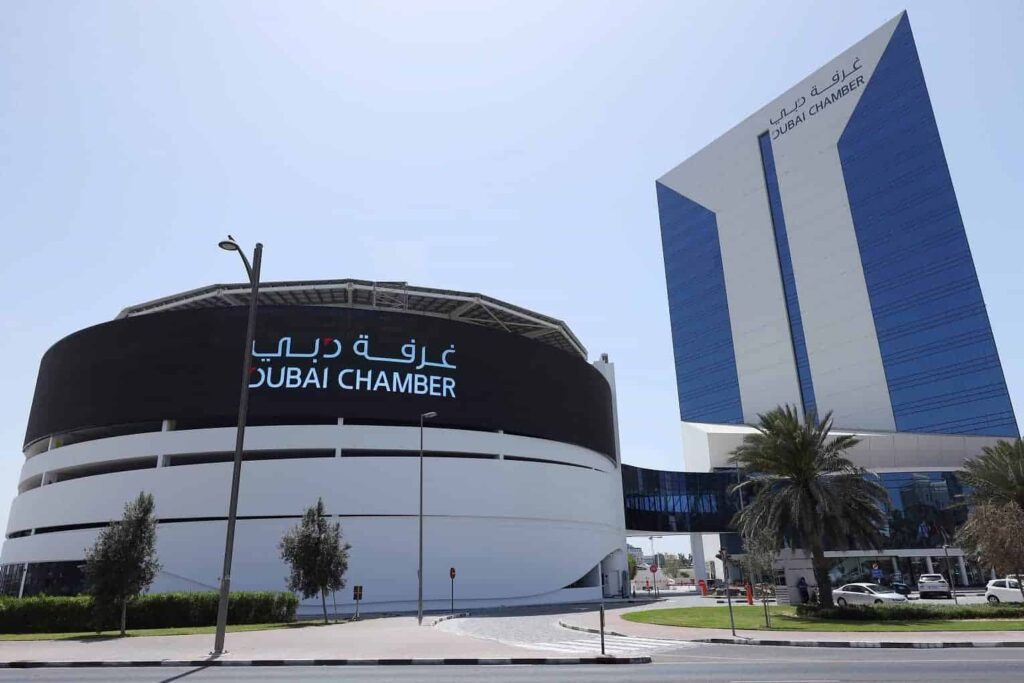
DET and Dubai Chambers partner with Tradeling to accelerate SME digital growth

DET and Dubai Chambers partner with Tradeling to accelerate SME digital growth under Dubai Traders Initiative. Partnership to expand Dubai Traders into B2B and wholesale markets. Initiative enables SMEs to digitise wholesale operations, access institutional buyers, and scale across regional and global markets. Partnership builds on collaborations with noon and Amazon and supports the goals of the Dubai Economic Agenda D33.

The Dubai Department of Economy and Tourism (DET) and Dubai Chambers have announced a strategic partnership with Tradeling, the MENA region’s largest B2B digital ecosystem, under the Dubai Traders initiative. Tradeling, a Dubai Integrated Economic Zones Authority (DIEZ) entity, will support Dubai-based SMEs in accelerating their transition into digital wholesale and B2B trade.

This Partnership Represents The Next Phase in The Evolution of Dubai Traders

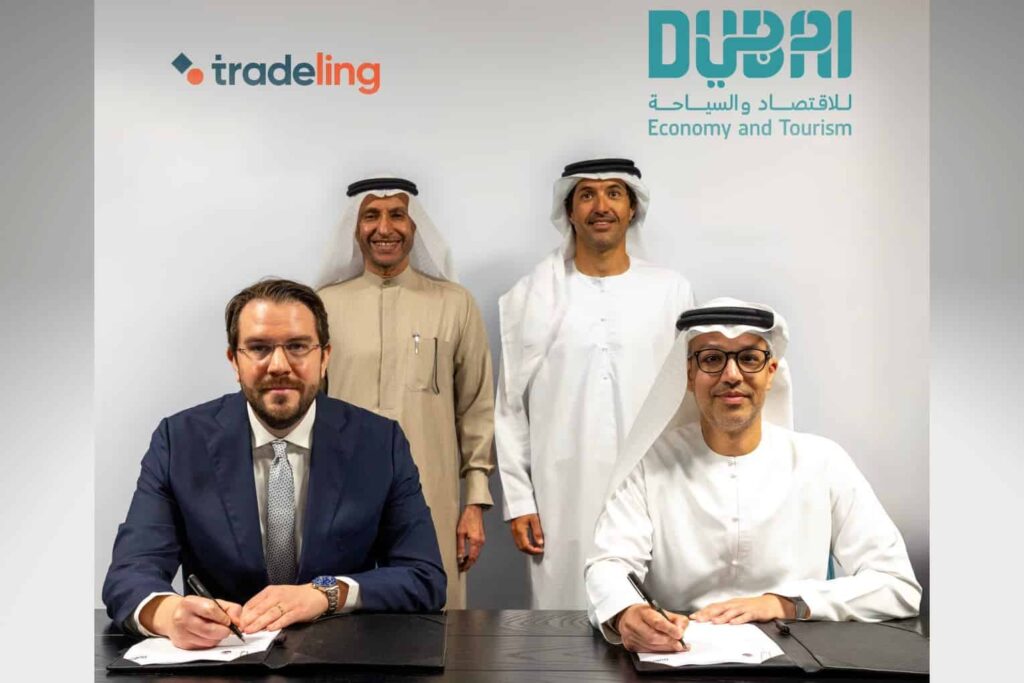
The partnership agreement was signed in the presence of His Excellency Helal Saeed Almarri, Director General of the Dubai Department of Economy and Tourism, and His Excellency Dr. Mohammed Al Zarooni, Executive Chairman of the Dubai Integrated Economic Zones Authority (DIEZ). It was signed by His Excellency Hadi Badri, CEO of the Dubai Economic Development Corporation (DEDC), the economic development arm of DET, and Alastair Croker, CEO of Tradeling.

The partnership marks the next phase of Dubai Traders’ evolution, building on the strong momentum generated through anchor partnerships with leading B2C platforms noon and Amazon. This new partnership expands the initiative’s scope to B2B and wholesale markets, unlocking new growth pathways for traders, manufacturers, distributors, and exporters.

Launched in 2024, Dubai Traders is a cornerstone of the Dubai Economic Agenda D33, which aims to double the size of Dubai’s economy by 2033 and further consolidate its position as a premier global hub for business and innovation. By partnering with Tradeling, Dubai Traders is addressing a critical gap in SME enablement: helping businesses digitise their wholesale operations, access large institutional buyers, and scale efficiently across regional and international markets.

“It Marks A Turning Point in Enabling Smes To Leverage The Benefits Offered By a Digitally Driven Economy”

His Excellency Hadi Badri, CEO of the Dubai Economic Development Corporation (DEDC), the economic development arm of DET, said: “Under the guidance of our visionary leadership, the Dubai Traders initiative reinforces our mission to cultivate the most dynamic, accessible and beneficial environment for SMEs.

This partnership with Tradeling marks an important chapter in empowering SMEs in the city to harness the benefits and seize the opportunities of a digitally driven economy, advances our commitment to the Dubai Economic Agenda D33, and strengthens the city’s role as a leading destination for entrepreneurship and innovation. Through Dubai Traders, we are transforming entrepreneurial ambition into competitive advantage and creating new pathways for businesses to scale regionally and internationally.”

“It Will Provide Businesses With Clearer Visibility into Performance and Buyer Demand”

Saeed Al Gergawi, Vice President of Dubai Chamber of Digital Economy, one of the three chambers operating under the umbrella of Dubai Chambers, said: “With this collaboration, we are strengthening the practical support available to SMEs that want to grow through B2B channels, from digitising processes to building the capabilities needed to operate at scale.

The focus is on making adoption easier and more cost-effective, while giving businesses clearer visibility on performance and buyer demand so they can make faster, better-informed decisions. By expanding the enablement journey beyond consumer e-commerce, Dubai Traders is helping more SMEs compete for larger opportunities and grow sustainably as the digital trade landscape continues to evolve.”

“It Advances Dubai’s Vision of Building a Digitally Enabled Business Environment”

Alastair Croker, CEO of Tradeling, said: “As MENA’s largest B2B digital ecosystem serving thousands of businesses across the region, Tradeling is proud to collaborate with the Dubai Department of Economy and Tourism and Dubai Chambers through the Dubai Traders initiative. We witness first-hand the ambition and resilience of Dubai’s SME community and understand the powerful role that digital infrastructure plays in enabling sustainable growth. By equipping traders with access to the right digital tools and support, this partnership advances Dubai’s vision of building a globally competitive, digitally enabled business environment.”

Participating Businesses Will Gain Access to a Comprehensive Package of Incentives and Enablement Tools

Through the partnership, participating businesses will gain access to a comprehensive suite of incentives and enablement tools designed to reduce friction, accelerate onboarding, and drive sustainable B2B growth. Benefits include reduced Tradeling commissions and fulfilment fees, discounted advertising packages to boost product visibility among buyers, and dedicated onboarding support with personalised account management providing hands-on operational guidance.

Participants will also get access to regular educational webinars and training on B2B best practices, advanced data and analytics tools to support business planning and performance monitoring, enhanced platform-wide visibility through homepage banners and targeted promotional campaigns, and off-platform marketing support including digital campaigns and email marketing to drive buyer traffic.

Emirati sellers will receive additional tailored support, including bespoke content and branding assistance, customised growth roadmaps with expert advisory, prioritised placements on the platform, and exclusive opportunities to activate offline sales channels.

Tradeling Connects More Than 50,000 Business Buyers With 120,000 Sellers

Founded in 2019 and headquartered in Dubai, Tradeling has rapidly grown into MENA’s largest B2B ecosystem. Tradeling’s digital marketplace connects more than 50,000 business buyers with 120,000 sellers across 14 industry categories, offering millions of competitively priced wholesale products online. This marketplace is supported by the wider Tradeling B2B ecosystem, including integrated logistics, secure payment solutions, and a growing network of regional distribution channels.

Tradeling’s affiliation with DIEZ further reinforces its role as a trusted ecosystem partner aligned with Dubai’s digital economy and trade ambitions, with deep institutional credibility and a strong understanding of the region’s SME landscape. By combining Tradeling’s robust B2B infrastructure with DET’s and Dubai Chambers’ extensive SME networks, policy frameworks, and market access capabilities, the partnership creates a powerful end-to-end enablement model, from onboarding and digitisation to demand generation and cross-border expansion.

Dubai Traders Has Onboarded More Than 2,600 New E-Commerce Sellers

Since its launch, Dubai Traders has onboarded more than 2,600 new e-commerce sellers and supported over 410 Emirati-owned businesses, driving measurable impact in SME digital adoption. Through strategic partnerships with leading platforms including noon and Amazon, the initiative has enhanced access to marketplaces, fulfilment services, and advertising tools, cementing Dubai’s reputation as the smartest launch-pad for entrepreneurs eyeing regional and international customers.

The partnership with Tradeling extends this impact into wholesale, procurement, and institutional trade, reinforcing Dubai’s leadership in shaping the future of digital commerce across both B2C and B2B markets.

Shein Halted Its Sales in Türkiye!

Shein announced that it has temporarily halted its online sales in Türkiye. The company cited upcoming local regulatory and legislative changes as the reason for this decision. The Turkish Ministry of Trade had announced that, effective as of February 1, 2026, the “simplified customs procedure” applied to products under 30 euros for individual overseas purchases would be abolished. The company stated that, rather than completely withdrawing from the Türkiye market, it is carrying out efforts to overcome the process and resume services.

Shein: We Hope to Resume Our Services in Türkiye in the Near Future

Shein made the following statement on its official website; “Due to recent changes made to local legislation, we regret to inform you that we have had to temporarily suspend our sales in Türkiye. We understand the disappointment this situation may cause you. However, in order to continue offering you the latest fashion and lifestyle trends, we would like you to know that we are working with all our strength to overcome any obstacles that may be encountered. We hope to resume our services in Türkiye in the near future. We extend our endless thanks to you for your continued support. If you have any questions, please contact our customer service team.”

In the statement, while attention was drawn to the efforts being carried out to return to the Türkiye market, no clear date was shared regarding when sales would resume.

With the “30 Euro Law,” All Orders Will Be Subject to Customs Duty

With the regulation known to the Turkish public as the “30 euro law” coming into force, the practice of users paying low customs duty on low-value purchases has been abolished.

According to the regulation, which will be effective as of February 1, overseas orders under 30 euros will be subject to a stricter customs process, the costs of items such as customs brokerage fees and full taxation will increase, and the era of “buying cheap products from abroad” for individual users will come to an end. The decision was taken following the detection of toxic and carcinogenic substances in tests conducted on imported products and complaints of unfair competition from domestic manufacturers.

Temu Shut Down Cross-Border Sales to Türkiye

Temu Shut Down Cross-Border Sales to Türkiye

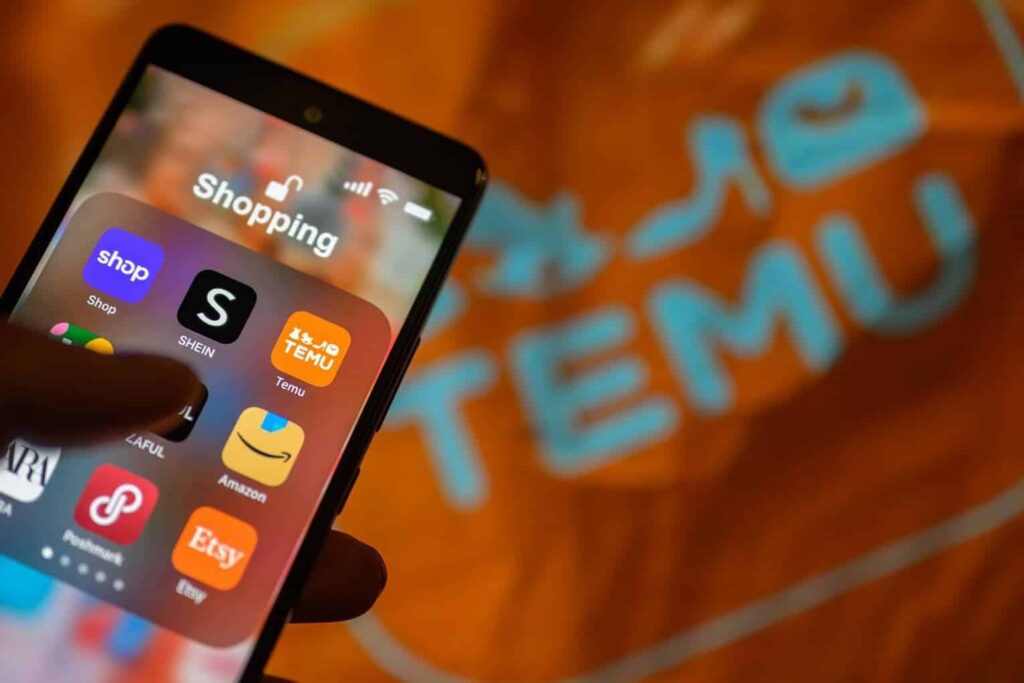
Chinese e-commerce giant Temu shut down the overseas shipping option in Türkiye. Sales are continuing only from the Türkiye warehouse. Last week, a raid was conducted at Temu’s office in Istanbul, and digital data were seized.

The Ministry of Trade of Türkiye had taken the decision to “abolish the customs procedure for products under 30 euros.” The decision will enter into force on February 1, 2026. Following this decision, Chinese e-commerce giant Temu shut down the overseas shipping option in Türkiye.

On Temu, customers in Türkiye were able to order products directly from China. When entering the application, products listed under the “global” category can no longer be seen. Currently, sales are proceeding only from the Türkiye warehouse.

The company did not make a statement on whether this change is temporary or permanent. No timeline was shared regarding when cross-border sales may resume. This step eliminated Temu’s core appeal among price-focused consumers, which had stood out with access to low-priced imported products.

With the “30 Euro Law,” All Orders Will Be Subject to Customs Duties

With the entry into force of the regulation known in the Turkish public as the “30 euro law,” the practice of users paying low customs duties on low-value purchases was abolished. According to the regulation, which will be effective as of February 1, overseas orders under 30 euros will be subject to a stricter customs process, the costs of items such as customs brokerage fees and full taxation will increase, and the period of “buying cheap products from abroad” for individual users will come to an end.

The decision was taken following the detection of toxic and carcinogenic substances in tests conducted on imported products and complaints from domestic producers regarding unfair competition. On the other hand, it is stated that Temu will not completely withdraw from Türkiye; however, it will narrow its operation. This decision was taken following the new customs practice as well as the increasing legal pressures in recent periods.

Developments regarding Temu in Türkiye reflected increasing regulatory scrutiny of Chinese online marketplaces as Türkiye and the European Union tightened rules regarding low-value imports, product safety, and fair competition.

This regulation followed the exclusion of high-risk categories such as toys, shoes, and leather goods from simplified customs procedures in October. Similar concerns also came to the agenda in the European Union, and the EU decided to abolish the customs exemption for shipments under 150 euros in line with pressure from local retailers.

A Similar Practice Was Implemented in Europe as Well

European authorities carried out a similar practice in December at Temu’s European headquarters in Dublin to determine whether it received unfair state support from China. Although the scope of the inspection in Türkiye was not disclosed, it revealed increased oversight at a time when Temu was expanding its local presence.

Temu opened an office in Türkiye in June 2025 following regulations by the Ministry of Trade of Türkiye requiring foreign digital marketplaces to establish a legal entity in Türkiye and appoint a local representative. The company also enabled local sellers to list their products by including Turkish sellers on the platform.

As Temu Grows Rapidly, It Struggles With Regulations in Global Markets

Owned by China-based PDD Holdings, Temu began operations in 2022 and grew rapidly thanks to low-cost products shipped directly to consumers. The company’s growth model is based on offering lower prices compared to local retailers by benefiting from customs exemptions applied to low-value shipments.

As Chinese platforms such as Temu, Shein, and AliExpress increased their market shares, they began to be subject to stricter inspections in many countries regarding product safety, tax practices, and competitive balance. The steps taken in Türkiye overlap with a global reassessment of how cross-border e-commerce should be handled within existing regulatory frameworks.

For Turkish consumers, the suspension of cross-border sales changed shopping habits based on inexpensive imported products. For Temu, however, this decision raised questions regarding its long-term strategy in Türkiye; uncertainty remains as to whether the company will focus on local seller integration or return to its global model.

Raid on Temu’s Türkiye Office; Digital Data Seized!

Dubai Chamber of Digital Economy Supported 1,690 Digital Startups in 2025

Dubai Chamber of Digital Economy announced that it supported the establishment and growth of 1,690 digital startups in 2025, corresponding to an increase of 39.7 percent compared to the previous year. The results revealed that Dubai accelerated its momentum as a global digital startup hub, particularly in areas such as artificial intelligence, fintech, and platform-based business models.

Dubai Chamber of Digital Economy stated that this growth was a reflection of ongoing efforts to strengthen an innovative business environment supported by advanced infrastructure, agile regulations, and access to international markets. While global companies constituted the majority of the supported firms, this situation demonstrated that Dubai’s attractiveness increased for entrepreneurs seeking to scale at regional and international levels.

Artificial Intelligence, Fintech, and Global Companies Drove Growth

According to Dubai Chamber of Digital Economy, approximately 15 percent of the startups supported in 2025 consisted of artificial intelligence-focused companies, while fintech firms accounted for 12 percent. Companies operating in mobility technologies, software-as-a-service (SaaS), and e-commerce covered approximately 20 percent of the total.

The chamber reported that 75 percent of all companies supported in 2025 were global firms. This picture revealed that Dubai became a preferred entry point for international digital companies targeting Middle East, Africa, and South Asia markets.

Dubai Founders HQ Strengthened the Startup Ecosystem

One of the significant developments of 2025 was the launch of Dubai Founders HQ in October. The initiative was launched by Sheikh Hamdan bin Mohammed bin Rashid Al Maktoum, Crown Prince of Dubai, Deputy Prime Minister and Minister of Defence, and Chairman of the Executive Council of Dubai.

Developed jointly by the Dubai Department of Economy and Tourism and Dubai Chamber of Digital Economy, Dubai Founders HQ was designed as a “phygital” platform that brings together a physical campus and a comprehensive digital ecosystem. The initiative aimed to encourage collaboration, innovation, and scalable growth by bringing together founders, investors, companies, and ecosystem stakeholders.

Omar Sultan Al Olama, Chairman of Dubai Chamber of Digital Economy and Minister of State for Artificial Intelligence, Digital Economy, and Remote Work Applications, stated that the chamber was committed to accelerating Dubai’s transition to a fully integrated digital economy. Al Olama expressed that the strategy focused on providing infrastructure, regulation, and global market access that would enable digital companies to scale from Dubai.

Establishment and Scaling Support Through Integrated Services

The chamber provided corporate services and business matchmaking support together with trusted business partners through the Business in Dubai platform. The platform enabled companies to connect with investors, business partners, and customers to help them launch or expand their operations in Dubai.

In 2025, 48 percent of the supported companies benefited from business set-up services and access to accelerators and incubator programmes, while 31 percent benefited from broader business support services offered through the platform.

Dubai Chamber of Digital Economy’s Talent and Application Development Programmes

In April 2025, Sheikh Hamdan honoured the winners of the Create Apps Championship organised by Dubai Chamber of Digital Economy. The competition, which is part of the Create Apps in Dubai initiative launched in 2023, received more than 5,800 applications in its first two editions and supported the development of more than 55 smart applications.

While the third edition was announced in November, a new Participant Support Programme was also announced to help high-potential teams complete the development process. It was stated that the third edition aimed to support the launch of 50 new applications and would offer funding packages exceeding AED 2.5 million, along with training and mentoring opportunities.

Global Outreach and Thought Leadership

In October 2025, the 10th edition of the Expand North Star event, organised by Dubai World Trade Centre and hosted by Dubai Chamber of Digital Economy, was held at Dubai Harbour. The event brought together more than 2,000 startups and 1,200 investors managing assets exceeding $1.1 trillion.

Throughout the year, the chamber organised 36 sector-focused events and conducted international roadshows in 17 countries, including Australia, Canada, France, Germany, Singapore, the United Kingdom, the United States, and South Korea. These activities reached more than 2,500 digital startups and ecosystem stakeholders.

In parallel, eight reports were published in 2025, including The Entrepreneur’s AI Playbook. The reports aimed to support startups in being established and scaled more efficiently by using artificial intelligence tools.

Dubai Founders HQ to Empower Startups and SMEs in the Region

eBay Banned AI Shopping Agents; Opened the Door to Approved Bots

eBay announced that as of February 2026 it will ban artificial intelligence–powered shopping agents from operating on the platform.

eBay’s decision was taken at a time when, with the rapid spread of AI-based commerce tools in the retail sector, marketplaces are reassessing the impact of automated buyers on human customers and existing business models. This policy change was announced via an email sent to eBay users. The platform had previously taken technical steps aimed at limiting automated access.

New Rules Against Autonomous Shopping Bots

eBay stated that as of 20 February 2026, chatbots, large language model–based agents and other automated systems will be explicitly prohibited from placing bids or completing purchase transactions on the auction platform unless prior permission is obtained. The updated user agreement clearly defined that “automated means” used to access services cannot be used without explicit approval from eBay.

The update also expanded the scope of existing provisions that restrict robots, scrapers and other automated tools from accessing eBay services. In addition, with changes made to the platform’s robots.txt file, it was emphasized that checkout processes are reserved exclusively for human users.

Although the robots.txt protocol cannot technically prevent all bot access, the updated user agreement provided eBay with a legal basis against unauthorized AI activities. The company stated that it took this step in order to protect the integrity of the marketplace and to maintain a fair competitive environment for human buyers.

Pressure From Agentic Commerce Increased

The ban decision came at a time when new shopping models referred to as agentic commerce have begun to be rapidly tested in the technology sector. These models envision consumers delegating product discovery and purchasing decisions to software agents instead of directly visiting websites.

Conversational AI platforms such as ChatGPT have begun to integrate early-stage commerce features that enable direct purchases from certain e-commerce sites. Similarly, Perplexity offers one-click checkout options for paid users, while Google is working on a Universal Commerce Protocol aimed at standardizing how shopping agents interact with retailers.

Amazon is also testing features that allow users to purchase products from external brands directly within its own application. However, it has also been reported that Amazon has taken legal steps to prevent unauthorized AI agents from operating on its own marketplace. This situation points to growing concerns across the industry regarding uncontrolled automation.

eBay Takes a Cautious Approach

While eBay’s updated user agreement introduced a clear ban, it also pointed to a more selective future. By stating that certain AI-based entities may operate on the platform if prior approval is obtained, the company implied that tightly controlled agents could be allowed in the future.

eBay CEO Jamie Iannone had previously indicated that the company could participate in OpenAI’s Instant Checkout program. Iannone also stated that eBay is experimenting with its own agentic shopping experiences.

This dual approach showed that eBay is not completely rejecting AI-powered commerce, but instead wants to strictly control how and when it is deployed. Experts noted that this cautious stance is largely rooted in eBay’s auction-based business model, as automated bidding systems carry the risk of disrupting price dynamics.

Economic and Operational Concerns

One of eBay’s main concerns was economic. The platform charges a variable “final value fee” on sales and earns more revenue from higher-priced transactions. Autonomous agents focused on securing the lowest possible price could win auctions at lower amounts, leading to reduced selling prices and potential revenue loss for eBay.

There are also operational risks. Fully automated agents could generate heavy traffic on servers, straining infrastructure. In addition, since such agents would not respond to cross-selling or promotional efforts aimed at human users, seller engagement and advertising effectiveness could decline.

Trust and safety issues also came to the forefront. For eBay, which continues to combat counterfeit goods and unsafe sales, monitoring autonomous purchasing systems and assigning responsibility could become more complex.

Industry-Wide Debate

The decision became part of a broader debate on how agentic artificial intelligence should be integrated into e-commerce. Proponents foresee a future in which AI agents anticipate consumer needs, evaluate options, negotiate prices and complete transactions independently. Consulting firms such as McKinsey are already highlighting such multi-step, autonomous shopping scenarios.

Critics, however, argue that this approach could reduce direct consumer interaction with websites, weakening brand visibility, product discovery and upselling opportunities. In this case, retailers may be forced to develop new machine-to-machine systems alongside interfaces designed for human users.

A Controlled Path Forward

By banning unauthorized AI shopping agents while not fully closing the door to approved uses, eBay adopted a controlled agentic commerce approach. The company acknowledged that automation could play a role in the future, but made it clear that this should occur under conditions that protect marketplace fairness, revenue balance and user trust.

As AI-powered shopping tools continue to evolve, eBay’s decision stood out as an important example of how large marketplaces are attempting to strike a delicate balance between innovation and control.

eBay Launches SpeedPAK Service to Simplify International Shipping for German Sellers

A Large Portion of E-Commerce Brands Are Deploying AI-Powered Shopping Agents

According to research conducted by Pattern Group, AI-powered search and shopping agents are rapidly reshaping the e-commerce economy. Pattern Group research revealed that AI-focused product discovery and purchasing tools are changing consumer behavior and leading brands to reassess their customer acquisition, marketing, and operational approaches.

According to the study based on a survey conducted with 1,000 senior business leaders operating in the United States, the United Kingdom, Germany, and the United Arab Emirates, the use of AI-powered shopping agents has moved beyond the testing phase and reached an active implementation level in many organizations.

Customer Acquisition Costs Are Decreasing, Adoption Is Increasing

Pattern Group’s research showed that 76 percent of e-commerce organizations have reduced customer acquisition costs as consumers increasingly turn to AI-powered tools in product discovery and purchasing processes. One third of the companies participating in the survey stated that they have already integrated AI-powered shopping agents into their operations.

Pattern Chief Technology Officer Ryan Byrd said that AI agents are no longer an interface of the future but have become a new operational layer of commerce. Byrd stated that brands that treat agentic AI merely as a marketing channel face the risk of falling behind.

According to the research, AI-powered systems bring forward brands that are based on clean data infrastructure, real-time operations, and tangible customer value.

Confidence in AI-Powered Sales Growth Is Increasing

As consumers increasingly use AI tools such as ChatGPT and Gemini in their purchasing decisions, confidence in the commercial impact of artificial intelligence is also increasing. Eighty-seven percent of survey respondents stated that they expect AI-powered search and shopping tools to drive direct sales growth over the next 12 months.

This expectation was associated with consumers turning to conversational AI and intelligent search systems to compare products, evaluate value, and make purchasing decisions. For brands, this transformation reduces dependence on paid advertising channels while increasing the importance of structured product data and AI compatibility.

AI Investments Are Accelerating

Alongside increasing adoption, investments in artificial intelligence in the e-commerce sector have also gained momentum. According to the research, companies invested an average of 291,626 US dollars in AI last year. This amount is expected to increase by 11 percent to 323,886 US dollars in 2026 as brands prioritize AI-powered customer service, personalized advertising, and intelligent product discovery.

The study revealed that AI spending is increasingly being seen as a core operational investment rather than an optional innovation budget. Companies are focusing on integrating AI into daily workflows such as inventory optimization, customer engagement, and sales processes.

The Rise of Agentic Commerce

The research also revealed the rapid rise of a commerce model defined as agentic commerce, which is based on autonomous or semi-autonomous AI agents acting on behalf of consumers. According to the findings, 57 percent of e-commerce businesses are exploring AI agent use cases, while 33 percent are actively preparing for deployment.

Differences by sector drew attention. The fashion sector took a leading position in adoption and readiness levels. Forty-six percent of fashion brands stated that they are prepared for AI agents to become a primary channel in customer discovery and purchasing processes. In the beauty sector, 59 percent of brands are exploring AI agents, while only 27 percent stated that they are fully ready.

These differences showed that interest in agentic commerce is widespread, but the level of operational readiness varies by sector.

Strategic Implications for E-Commerce Brands

Pattern Group’s research revealed that AI-powered shopping agents have become a structural element of e-commerce rather than a short-term trend. With the acceleration of adoption, brands are facing increasing pressure to ensure product data accuracy, system interoperability, and consumer trust in transactions carried out through artificial intelligence.

The research showed that companies that invest early in agentic AI and ensure operational integration are highly likely to achieve cost advantages and competitive superiority as AI-powered commerce continues to grow on a global scale.

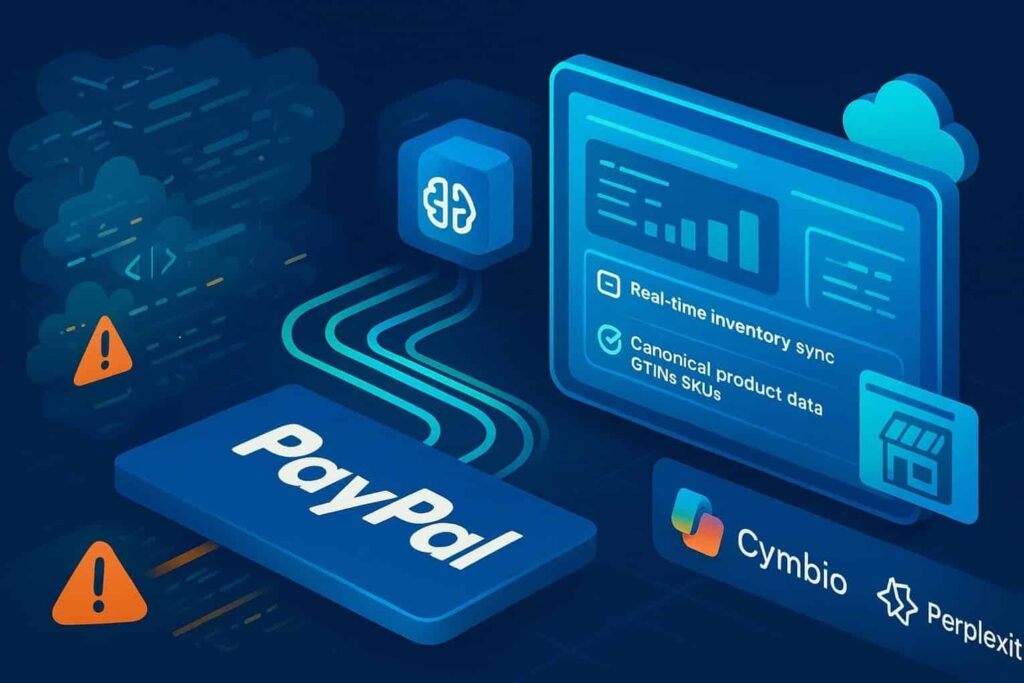
PayPal Is Acquiring Cymbio to Expand Its Agentic Commerce Capabilities

PayPal announced that it has agreed to acquire the multi-channel commerce orchestration platform Cymbio in a move aimed at accelerating its agentic commerce strategy.

PayPal’s decision to acquire Cymbio was built on the existing partnership between the two companies. This step aims to enable merchants to sell more effectively across artificial intelligence–powered shopping environments and traditional e-commerce channels. The transaction is expected to be completed in the first half of 2026, subject to customary closing conditions. Financial details of the deal were not disclosed.

Agentic Commerce Is Being Strengthened

PayPal stated that this acquisition would increase its capacity to support the agentic commerce model, in which artificial intelligence–powered interfaces play an active role in product discovery, purchasing, and payment processes. Cymbio’s technology enables brands to distribute and manage their product catalogs across multiple digital touchpoints, including emerging AI-based shopping surfaces.

Michelle Gill, Executive Vice President and General Manager of Small Business and Financial Services at PayPal, said that PayPal is positioned as a key commerce partner for merchants looking to sell on leading artificial intelligence platforms. Gill stated that bringing Cymbio’s technology and team into PayPal would accelerate the scaling of agentic commerce services to a broader merchant base.

PayPal’s agentic commerce services and payment solutions are currently available for merchants selling through Microsoft Copilot and Perplexity. The company confirmed that these capabilities would soon be expanded to OpenAI’s ChatGPT and Google’s Gemini platform as well.

The Role of Cymbio Within PayPal

Following the acquisition, Cymbio’s team and technology are expected to support Store Sync, one of PayPal’s core agentic commerce services. Store Sync ensures that merchants’ product data is discoverable across artificial intelligence–powered shopping channels while also maintaining operational continuity.

Through Store Sync, merchants are able to route orders directly to their existing fulfillment, inventory, and order management systems. PayPal emphasized that merchants will continue to remain the merchant of record, retain ownership of customer relationships, and maintain control over their brands.

Brands such as Abercrombie & Fitch, Fabletics, Ashley Furniture, Newegg, and Adorama were actively using Store Sync integrations on Microsoft Copilot and Perplexity at the time of the announcement.

Expanding Multi-Channel Access for Merchants

Founded in 2015 and headquartered in Tel Aviv, Cymbio offers a platform specialized in multi-channel commerce orchestration. The platform automates complex processes such as product data management, inventory synchronization, order routing, and billing across marketplaces, retailers, social commerce platforms, and artificial intelligence–powered shopping experiences.

PayPal stated that Cymbio’s more than a decade of experience in brand integration and marketplace connectivity would strengthen its own commerce ecosystem. By reducing operational friction and providing merchants with a unified view of sales channels, this integrated structure aims to help brands expand their reach, increase efficiency, and adapt to changing consumer shopping behaviors.

This acquisition also aligns with PayPal’s strategy to assume a central role in the next-generation commerce model, in which artificial intelligence agents are becoming increasingly influential in consumers’ product discovery and purchasing decisions.

Strategic Context and Market Position

PayPal emphasized that agentic commerce represents a significant transformation in digital retail as artificial intelligence platforms become more central to consumer decision-making processes. With the integration of Cymbio’s orchestration technology, PayPal aims to enable merchants to participate in these new sales channels without compromising control over fulfillment, brand presentation, or customer data.

The company stated that, thanks to its global scale operating in approximately 200 markets, it is able to provide merchants with consistent payment, checkout, and commerce services as new sales surfaces emerge. The acquisition was positioned as a step toward making artificial intelligence–powered commerce more accessible and operationally viable for businesses of different sizes.

The parties announced that the transaction is expected to be finalized in the first half of 2026 following the completion of regulatory approvals and other standard closing conditions. Until completion, PayPal and Cymbio are planned to continue operating under their existing partnership structure.

Once the acquisition is completed, PayPal is expected to further deepen its agentic commerce infrastructure and strengthen its role in supporting merchants as artificial intelligence–powered platforms become an increasingly important channel in global online shopping.

PayPal to Embed Digital Wallet in ChatGPT via OpenAI Partnership

Brunello Cucinelli Introduced Its New AI-Powered E-Commerce Platform

Brunello Cucinelli introduced its new artificial intelligence–powered e-commerce platform. The new platform of the Italian luxury fashion brand Brunello Cucinelli was launched simultaneously in Italy, the United States of America, and the United Kingdom. It is planned to be rolled out to other markets in the coming months.
The launch came immediately after the company announced record financial results for the 2025 fiscal year and revealed the brand’s approach to aligning technological innovation with sustainable commercial growth.

Artificial Intelligence at the Center of the New Digital Experience

The new e-commerce platform called “Callimacus” was designed to offer an artificial intelligence–based, personalized, and adaptive digital shopping experience. Unlike traditional e-commerce sites based on static pages and predetermined navigation paths, the platform was structured as a dynamic system capable of responding to user behavior in real time.

According to the company’s statement, Callimacus shapes the digital journey by analyzing the intent of each visitor. It also enables customers to discover collections through individually tailored experiences. This approach aims to carry the Brunello Cucinelli boutique atmosphere, where discovery, inspiration, and guidance are at the forefront, into the digital environment.

The platform was developed by Solomei AI, a small research center established by the brand to explore the creative, scientific, and technological applications of artificial intelligence. This initiative was evaluated as part of a broader vision aimed at integrating advanced technology in harmony with the brand’s aesthetic and philosophical identity.

“An Initiative Worked on for Several Years”

Brunello Cucinelli, the founder and executive chairman of the brand, stated that the project was an initiative that had been worked on for several years. Cucinelli described the platform as a synthesis that brought together technological innovation with the brand’s understanding of hospitality and human-centered values.

Cucinelli emphasized that they believed a “human” approach should be preserved in the use of artificial intelligence. He stated that their aim was not merely automation, but rather to create experiences that go beyond task-oriented operations by incorporating human intelligence into the functioning of digital environments.

Also expressing that they viewed artificial intelligence as a tool that supports and enhances human intuition, Cucinelli noted that the platform was designed in a way that encourages exploration, imagination, and free choice.

Digitally Inspired by the Boutique Experience

While users navigate the Callimacus platform, they are able to discover new collections, receive suggestions, and access sources of inspiration, just as in a physical Brunello Cucinelli store. The artificial intelligence–powered system continuously analyzes user preferences, making the experience more fluid and interactive.

Thanks to the absence of rigid navigation structures, each customer’s digital journey can differ. The company stated that this approach aimed to increase user engagement and establish a stronger connection between the brand and online visitors.

Brunello Cucinelli Demonstrated Strong Financial Performance

The introduction of the new platform came after Brunello Cucinelli announced that it closed the 2025 fiscal year with record revenue. The company increased its turnover by 11.5 percent to 1.41 billion euros and exceeded the targets set at the beginning of the year.

These results showed that strong demand for the brand’s luxury apparel and accessories continued in major international markets. Management stated that the performance demonstrated the resilience of the company’s business model, which maintains a balance between controlled growth, craftsmanship, and exclusivity.

Gradual Global Rollout Plan

While the platform was initially launched in Italy, the United States, and the United Kingdom, it is planned to be opened to other markets in the coming months. It was stated that the gradual rollout would ensure consistency in the user experience while allowing adaptation to different regional needs.

The implementation of Callimacus was positioned as an important part of Brunello Cucinelli’s strategy to strengthen its direct-to-consumer digital channel. This approach, which combines artificial intelligence with human creativity and intuition, made the brand one of the examples in the luxury fashion sector that approaches digitalization from a different perspective.

At a time when luxury brands are accelerating their digital investments, Brunello Cucinelli’s initiative demonstrated that technology and tradition can be brought together without compromising brand identity.

Unicommerce Partnered With Naqel Express to Strengthen E-Commerce Logistics Across Saudi Arabia and the GCC

Unicommerce partnered with Naqel Express in order to expand logistics and fulfillment capabilities for e-commerce brands operating in Saudi Arabia and the wider Gulf Cooperation Council (GCC) region.

India-based Unicommerce and Saudi Arabia–based Naqel signed a strategic partnership. Within the scope of the partnership, Unicommerce’s e-commerce enablement platform will be integrated with Naqel’s nationwide delivery network. Thus, it is aimed to make order fulfillment, last-mile delivery, and cross-border shipping processes more efficient.

In Saudi Arabia, the digital ecosystem and cross-border e-commerce are gradually growing. The country is also positioning itself as an important growth market for regional and international e-commerce together with investments in logistics infrastructure. The Unicommerce–Naqel partnership is seen as a strategic step in such a period.

Integrated Logistics Through a Unified Platform

Within the scope of the partnership, e-commerce brands using the Unicommerce platform will be able to integrate directly with Naqel Express’s logistics network. Through this integration, businesses will have the opportunity to manage order management, warehousing, last-mile delivery, and cross-border shipping processes through Unicommerce’s unified control panel.

According to the companies, this structure will make fulfillment processes more streamlined by reducing operational complexity and increasing visibility across the supply chain. Brands will be able to access regional delivery networks covering the United Arab Emirates, Bahrain, Oman, Kuwait, Qatar, Jordan, and Lebanon, in addition to delivery capacity within Saudi Arabia.

Companies Will Benefit From Saudi Arabia’s Logistics Infrastructure

Naqel Express operates under Saudi Post Logistics (SPL), which is the national postal operator of the Kingdom of Saudi Arabia. Naqel, one of the country’s largest logistics and express delivery companies, has an extensive national network for high-volume shipments and time-sensitive deliveries.

Thanks to the partnership with Unicommerce, Naqel integrated its logistics services into the technology layer of e-commerce operations, enabling sellers to establish a direct connection with their order management processes.

Naqel Express UAE Country Manager Maxim Vyalyy stated that the partnership brought together the strengths of both companies. Vyalyy said, “By combining Unicommerce’s technology with Naqel’s logistics expertise, we aimed to provide consumers with a better shopping experience both in Saudi Arabia and in international markets.”

Uniceommerce Offers Localized Capabilities for GCC Markets

Unicommerce provides services to customers across Saudi Arabia and the United Arab Emirates while offering localized integrations specific to GCC markets. These capabilities include features such as Arabic-language invoicing and shipping label creation, as well as integrations with regional logistics and ecosystem partners.

By positioning its platform as a central operating system for e-commerce brands, the company enables inventory, order, and shipping processes to be managed from a single point across different sales channels and countries. The partnership with Naqel expanded logistics options, especially for brands targeting Saudi Arabia as a priority market or expansion point.

Unicommerce Managing Director and CEO Kapil Makhija evaluated the partnership as an important step in the company’s regional growth strategy. Makhija stated that this partnership strengthened Unicommerce’s role as a provider of technology and logistics infrastructure for e-commerce brands across the Middle East.

TikTok Shop Expanded Its Logistics Services in Europe for Asian Sellers

TikTok strengthened its e-commerce position in the region by expanding its logistics and fulfillment services for Asian sellers selling through TikTok Shop across Europe.

This move by TikTok Shop enables sellers outside Europe to transfer their storage, delivery, and return processes to TikTok’s local infrastructure. This step also positioned the platform as a logistics service provider beyond being a marketplace.

TikTok Shop Became the Fastest-Growing E-Commerce Platform of the Year

The expansion took place at a time when TikTok Shop continued its rapid growth on a global scale. According to market research company ECDB, TikTok Shop became the fastest-growing e-commerce platform of the year by surpassing competitors such as Shein, Temu, AliExpress, and eBay in terms of global gross merchandise value (GMV).

The European Fulfillment Network Was Opened to Asian Sellers

Under the Fulfilled by TikTok (FBT) model, Asian sellers gained access to warehouse locations in Germany, France, Italy, and Spain. While sellers shipped their product inventories in bulk to TikTok Shop’s warehouses in Europe, the platform undertook warehousing operations, last-mile delivery, and return processes.

This service had previously been offered to European sellers, was first implemented in the United Kingdom, and was later expanded to continental Europe. In Germany, TikTok launched its fulfillment operations in cooperation with the logistics company Fiege, and similar implementations were put into practice in other major European markets. With the opening of the same infrastructure to Asian sellers, TikTok aimed to shorten cross-border delivery times and improve the customer experience for European consumers.

This step was evaluated as part of TikTok’s parent company ByteDance’s strategy to make commerce, logistics, and content ecosystems more integrated. By going beyond being only a sales channel, TikTok began managing critical stages of the supply chain, from inventory management to after-sales services.

A New Model Bringing Together Localized Fulfillment and Creator-Focused Marketing

The new fulfillment service was not limited solely to logistics. TikTok also put into operation a new system that matched Asian sellers with European content creators and marketing agencies. Through this structure, sellers are able to send product samples to influencers from local European inventory and carry out faster and more coordinated promotional campaigns.

TikTok described this initiative as a step aimed at capturing new growth opportunities in cross-border e-commerce in Europe in 2026. This model, which brought together localized fulfillment and creator-focused marketing, differentiated TikTok from traditional marketplaces that typically manage logistics and marketing separately.

This approach also aligned with TikTok Shop’s expansion process in Europe. Following a cautious start in the United Kingdom, the platform became operational in Spain and Ireland at the end of 2024, and subsequently in Germany, France, and Italy. The increase in seller commissions in some markets indicated that demand for the platform and the scope of services offered had expanded. Poland, the Netherlands, Belgium, and Sweden stood out among the next potential markets.

Logistics Rules Were Tightened in the United States

While TikTok offered more logistics flexibility to Asian sellers in Europe, it took an opposite step in the United States of America. The company informed sellers in the U.S. that it would discontinue the “Seller Shipping” option and that sellers would be required to use TikTok Shop Logistics Services. This change also covered cross-border sellers operating in the U.S. market.

Under the new rules, sellers were required to use Fulfilled by TikTok or other shipping solutions managed by TikTok. Although sellers could continue to ship from their own warehouses, it was stated that this would only be possible through TikTok’s integrated logistics partners or centralized parcel collection system.

Industry observers stated that this regulation effectively restricted dropshipping practices and that TikTok aimed to gain greater control over delivery standards, customer experience, and data visibility.

Possible Implications for Europe

It has not yet become clear whether similar restrictions will be implemented in Europe. However, developments in other markets indicated that TikTok was increasingly moving toward a more centralized and controlled commerce model.

As TikTok Shop’s growth in Europe continued, the opening of Fulfilled by TikTok to Asian sellers was evaluated as an important turning point in cross-border e-commerce. By bringing together content, commerce, logistics, and influencer marketing under a single roof, TikTok strengthened its goal of becoming not only a marketplace but a fully integrated e-commerce platform in the European market.

TikTok Shop Increases Seller Commissions Across Europe