WORLDEF Prime Antalya 2026 - Upcoming Event

Register Now

Flipkart Acquires Minivet AI to Strengthen E-Commerce Capabilities

One of India’s largest e-commerce platforms, Flipkart, has announced the acquisition of a majority stake in Minivet AI, an AI and machine learning solutions provider. Founded in 2024, the Bengaluru-based startup specializes in transforming static product catalogs into video content, achieving this transformation at a much lower cost than traditional production methods. This move is seen as part of Flipkart’s broader strategy to expand its generative AI (GenAI) capabilities and improve the e-commerce experience.

Aiming for Enriched Shopping Experiences with Minivet AI

While the financial details of the deal have not been disclosed, this acquisition is considered an important step toward Flipkart’s goal of establishing long-term technological advantages in AI-powered shopping experiences. By incorporating Minivet AI’s technology, Flipkart aims to accelerate the shift towards video-based, conversation-driven, and visually enriched shopping experiences.

Minivet AI’s platform will enable Flipkart to transform its product catalogs into dynamic video content. This innovation will provide a more interactive and dynamic shopping experience, increasing customer engagement and boosting conversions. The startup also offers AI solutions such as semantic search and conversational interfaces, making it a comprehensive GenAI partner for online retail platforms.

“Minivet AI Solutions Will Improve Customer Engagement and Conversions”

Flipkart’s Senior Vice President, Ravi Iyer, emphasized the importance of this acquisition, stating, “Acquiring Minivet AI allows us to bring in specialized capabilities and proprietary technologies critical for visual and video-focused commerce.” He also noted that the integration of Minivet AI solutions would improve customer engagement and conversions over time.

Minivet A I’s founder, Aditya Rachakonda, expressed his excitement about the partnership, stating that the acquisition would help scale GenAI solutions. Rachakonda said, “We are excited to be part of Flipkart’s vision of transforming the online shopping experience.”

As the e-commerce sector increasingly shifts towards AI-powered discovery and visual content, Flipkart’s acquisition of Minivet AI comes at a time when brands are striving to stand out in a saturated market. This partnership will make shopping on Flipkart more intuitive and immersive, laying the foundation for a more personalized and visually appealing user experience.


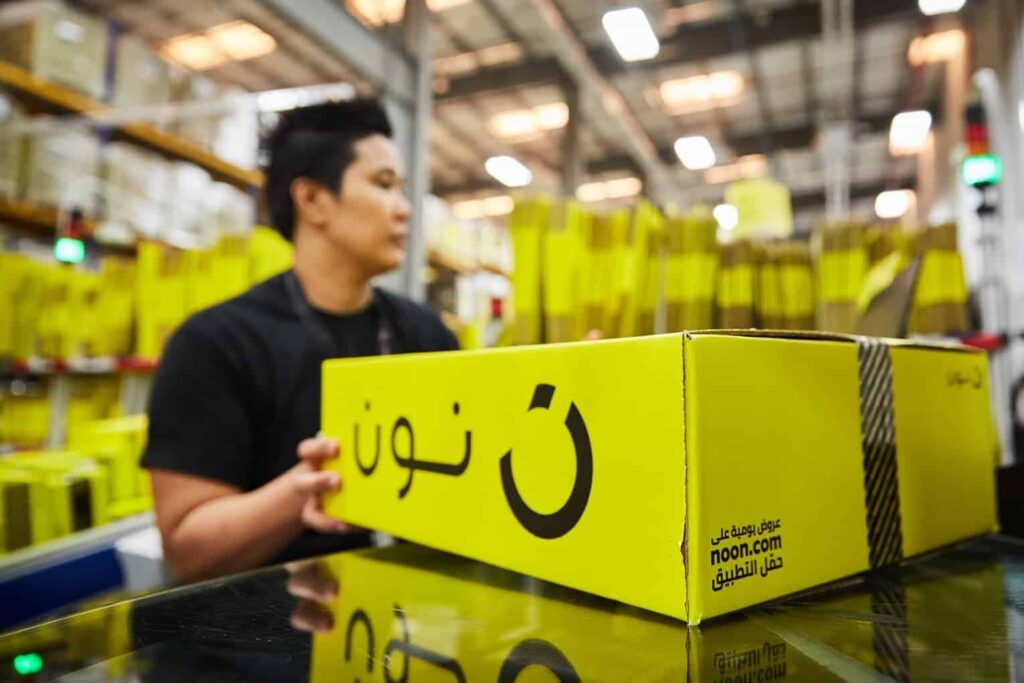
RattanIndia Accelerates E-Commerce Growth in the Gulf Region with noon Partnership

The launch of Cocoblu Global Retail combines noon’s powerful marketplace infrastructure with Cocoblu’s established sourcing capabilities in a hybrid model. This collaboration allows Cocoblu Global Retail to leverage noon’s platform, which reaches millions of consumers across the region, to accelerate its growth.

The partnership is designed to use noon’s technological and logistical infrastructure to provide fast delivery and seamless transaction processes. Through this strategic cooperation, Cocoblu Global Retail will offer a wide product range including home décor, toys, sports equipment, and electronics, aiming to meet the needs of consumers in the region.

RattanIndia’s Launch in the UAE as a Major Milestone

Initially, Cocoblu Global Retail will offer products in key categories such as home and lifestyle items, toys, sports and fitness equipment, and electronics. The company plans to expand its product range based on market demand and consumer preferences. This approach aims to create opportunities for both local and international brands.

RattanIndia Enterprises views the launch of Cocoblu Global Retail in the UAE as a major step in its technology-driven growth strategy. The e-commerce market in the Gulf region is expected to surpass $50 billion in the next few years, and Cocoblu aims to take advantage of this booming market to expand its reach on a global scale.

Meeting the Evolving Needs of Gulf Consumers

The partnership also benefits from existing free trade agreements between India and the UAE, which facilitate cross-border trade and expedite market access for Indian brands. This development is an important step in RattanIndia Enterprises’ vision of strengthening trade and commercial ties between India and the Gulf region.

Anjali Rattan, Chairperson of RattanIndia Enterprises Ltd., commented, “The Gulf region represents one of the world’s most dynamic and rapidly growing digital retail markets. This expansion builds on Cocoblu’s successful operations in India and creates an opportunity to introduce high-quality Indian brands to international markets.”

RattanIndia’s vision extends beyond product offerings. The launch of Cocoblu Global Retail demonstrates the company’s commitment to innovation, retail excellence, and supply chain agility. Raman Kumar, CEO of core e-commerce at noon, emphasized the strategic value of the collaboration, stating, “Cocoblu Global Retail joining our platform reinforces noon’s commitment to growing a vibrant, future-ready retail ecosystem.”

With technological capabilities, strategic market insights, and access to a broad customer base, Cocoblu Global Retail aims to meet the changing needs of Gulf consumers. The company continues to create opportunities for brand expansion and market development in the region.

Through this partnership, RattanIndia Enterprises and Cocoblu Global Retail are poised to leverage the e-commerce boom in the Gulf region, further solidifying their position in the global retail market.

Saudi Arabia to Enforce National Address Requirement for Parcel Deliveries Starting January 2026

The Transport General Authority (TGA) of Saudi Arabia will make it mandatory for all parcel deliveries to include a national address starting from January 2026, in a bid to improve logistics and delivery services. This new regulation aims to enhance delivery accuracy and efficiency, benefiting both individuals and businesses.

From January 1, 2026, all parcel shipments within Saudi Arabia will not be accepted by delivery companies unless they include a valid national address. This new regulation is designed to streamline logistics operations across the Kingdom and improve service quality.

The TGA emphasized that both individuals and businesses must register their national addresses before the policy takes effect. The national address will be a key component of the new delivery system, ensuring that shipments reach their correct destinations.

TGA’s Goal: Efficient Parcel Deliveries

The TGA stated that this move aligns with the broader goals of the National Transport and Logistics Strategy. By improving location accuracy, the new regulation is expected to enhance logistics efficiency, support e-commerce growth, improve government services, and enable public entities to provide better services to beneficiaries.

Individuals can register their national address through platforms such as Absher, Tawakkalna, Sehhaty, and SPL. The TGA aims to ensure that all parcels are delivered accurately and efficiently, further boosting Saudi Arabia’s growing logistics and e-commerce sectors.

TikTok Restructures E-Commerce and Data Teams

TikTok, following a strong Black Friday performance, has restructured its global e-commerce product and data science teams to improve collaboration in areas like artificial intelligence (AI) and increase operational efficiency. This change was made after significant developments during the holiday shopping season and was confirmed by an internal memo seen by Business Insider.

The restructuring, carried out in the first week of December, is part of a larger initiative to enhance TikTok’s operational efficiency. ByteDance’s e-commerce head Bob Kang stated that the changes would help create better alignment across the company’s various regions and functions, with a particular focus on AI integration and optimizing internal processes.

Zhou Sheng Steps Down

As a result of the restructuring, Zhou Sheng, who had led TikTok’s global e-commerce product and design team, stepped down. Zhou played a significant role in the development of TikTok’s e-commerce product, greatly contributing to the platform’s global expansion. The company acknowledged Zhou’s contributions to the e-commerce ecosystem but confirmed his departure from the leadership role.

Following the restructuring, regional e-commerce product and user growth managers will report to Chen Songlin, a senior ByteDance executive. Chen, who previously worked on Tik Tok’s Chinese counterpart Douyin, is expected to facilitate smoother and more efficient decision-making and communication among teams.

Strategic Timing for Global E-Commerce Expansion

These changes come at a critical time as TikTok strives to become a major player in the global e-commerce market. The platform has shown rapid growth in user engagement and online shopping during the holiday season, continuing to expand its e-commerce features. Tik Tok aims to leverage the growing trend of social commerce, with features like live-stream shopping and product discovery tools. E-commerce integration is seen as a key pillar of Tik Tok’s future growth strategy.

TikTok Increases Collaborations with Brands and Influencers

Tik Tok’s restructuring aligns with broader trends in the tech and e-commerce industries, where companies are focusing on AI and operational improvements to stay competitive. As the holiday season continues, the platform is expected to use its expanded e-commerce capabilities to capture more market share in the online retail space.

TikTok’s focus on e-commerce is also evident in its increasing collaborations with brands and influencers. These partnerships allow creators to sell products directly through the platform. The restructuring could streamline TikTok’s e-commerce efforts, making it a more efficient and powerful competitor in the e-commerce market.

As the holiday shopping frenzy continues, TikTok’s efforts to strengthen its e-commerce infrastructure could play a pivotal role in shaping the platform’s future in the online retail market.

TikTok Shop Increases Seller Commissions Across Europe

Amazon in Talks for $10 Billion Investment and Chip Deal with OpenAI

Amazon is in discussions with OpenAI, the technology company behind ChatGPT, for a $10 billion investment. This deal could involve the use of Amazon’s Trainium chips by OpenAI, potentially raising OpenAI’s valuation to over $500 billion. The talks are still in the early stages, and terms may change.

Amazon’s proposed investment in OpenAI stands as a significant part of the retailer’s efforts to increase its influence in the artificial intelligence sector. According to sources like Bloomberg and The Information, the deal could include OpenAI adopting Amazon’s Trainium chips for its AI models. These chips are a key component of Amazon’s push into AI and are compatible with its AWS (Amazon Web Services) cloud division. While cloud computing forms the backbone of Amazon’s business model, the company’s dominance in this area has been threatened by competitors such as Nvidia.

If the deal goes through, OpenAI’s market valuation could exceed $500 billion, making it one of the world’s most valuable startups. Amazon’s involvement in this deal could help Open AI meet the increasing demand for data center capacity. OpenAI requires large amounts of computational power to run its AI systems.

Amazon’s Investment in AI

The Trainium chip plays a critical role in Amazon’s strategy to compete with Nvidia. While Nvidia’s graphics processing units (GPUs) are the market leader in chips required for powerful AI models, Amazon aims to offer a more cost-effective solution. Trainium chips promise to perform AI computations more efficiently and at a lower cost than Nvidia’s products.

As Amazon aggressively ramps up its investments in AI and cloud computing, competitors like Meta and Google are also seeking alternative chips and solutions. By investing in Open AI and offering its chips, Amazon hopes to further solidify its dominance in the AI space and attract developers seeking more affordable AI solutions.

OpenAI’s Investment Search and Strategic Moves

The discussions with Amazon began after Open AI’s internal restructuring. This restructuring included a significant investment from Microsoft, which now owns a 27% stake in OpenAI. However, OpenAI has sought additional funding to cover its growing artificial intelligence research and development costs. The company has committed to spending a total of $1.4 trillion on computational infrastructure over the next eight years, a figure far exceeding its annual revenue of $13 billion.

In addition to the potential investment from Amazon, Open AI has signed a seven-year, $38 billion cloud services agreement with AWS. OpenAI’s spending commitments are part of its efforts to scale its AI capabilities in order to compete with rivals such as Google. Amazon’s potential investment highlights the high stakes in the race for dominance in the rapidly evolving artificial intelligence field.

Amazon to Invest $50 Billion to Expand AI and Supercomputer Infrastructure for U.S. Government Agencies

Kaspi.kz Completes 4.17 Billion Lira Capital Increase in Hepsiburada

Kaspi.kz‘s strategic investment in Hepsiburada reached a significant milestone after the company’s $1.1 billion investment earlier in the year. The 4.17 billion lira capital increase further solidifies Kaspi’s presence in Türkiye and underscores its long-term commitment to the Turkish digital ecosystem.

The capital increase was approved at an Extraordinary General Assembly (EGM) meeting held on November 17, 2025. This new funding will support Hepsiburada’s growth strategies and will be used to enhance the digital tools and services available to the thousands of small and medium-sized businesses (SMBs) and retailers operating on the platform.

“Our Goal Is to Help Sellers Scale Their Operations Safely”

Mikheil Lomtadze, Founder and CEO of Kaspi.kz and Chairman of Hepsiburada’s Board, stated that the investment was not only a sign of their confidence in Hepsiburada, but also a strong partnership founded on a shared mission to improve people’s daily lives through simple and innovative digital products.

Lomtadze said, “With this investment, our goal is to provide the necessary digital infrastructure to help SMBs in Türkiye innovate, grow, and become more competitive in the global market. We aim to make it easier for our sellers to access the best e-commerce, fintech, and cashless payment solutions, enabling them to scale their operations safely.”

Kaspi.kz’s Expertise in User-Focused Digital Services

Kaspi.kz’s expertise in user-focused digital services, combined with Hepsiburada’s strong commercial infrastructure, is set to make a significant contribution to Türkiye’s digital transformation. Lomtadze reiterated his belief that the partnership will play a key role in advancing Türkiye’s digital economy.

“Digiital services and e-commerce success are directly tied to the success of local businesses. We are providing all the necessary digital infrastructure for them to succeed on the global stage,” he added.

Kaspi.kz’s ongoing investments will continue to support the development of innovative digital solutions on the Hepsiburada platform and contribute to the growth of Türkiye’s digital ecosystem.

E-Commerce in Kazakhstan Grows Sevenfold Over the Last Five Years

Noon Secures $500 Million Investment Ahead of Potential IPO

Saudi Arabia’s sovereign wealth fund, the Public Investment Fund (PIF), and Noon’s founder and Chairman, Mohamed Alabbar, participated in Noon’s latest funding round. Alabbar is also the Chairman of Dubai-based real estate developer Emaar Properties.

According to sources familiar with the matter, the funding was secured from Noon’s existing investors, although the valuation details of the funding round were not disclosed. A PIF spokesperson declined to comment, and Noon and Alabbar did not respond to media inquiries. Noon was founded in 2016 with the support of PIF and an investor group led by Alabbar. It is reported that PIF holds approximately 50% of the company’s shares, with the remainder owned by private investors.

A Total of $2.7 Billion Raised Since Inception

Noon entered the market shortly after Amazon acquired Dubai-based Souq.com for $580 million. Since then, the company has aimed to be a regional alternative to global e-commerce giants. Over time, Noon has expanded its services beyond basic e-commerce to include fast delivery, food, and daily essentials. According to Mohamed Alabbar’s previous statements to the Financial Times, Noon has raised a total of $2.7 billion since its inception. The company’s latest valuation stands at approximately $10 billion.

Noon’s new investment round comes at a time when competition in the Gulf region’s digital commerce ecosystem is intensifying rapidly. Global and regional players are increasing their investments in e-commerce, online groceries, food delivery, and quick commerce to gain market share.

Price Competition is Increasing in the Market

As Amazon expands its operations in market and essential goods in the region, China-based Meituan has introduced food delivery and dark store models in the Middle East. Meanwhile, Saudi Arabia-based quick commerce startup Ninja has entered an aggressive growth phase following a $250 million investment earlier this year. These developments are driving up price competition in the market, forcing companies to allocate more resources toward logistics infrastructure, technology investments, and customer acquisition costs.

Noon’s IPO Could Be One of the Largest Technology IPOs from the Middle East

The $500 million investment is seen as a significant step in strengthening Noon’s financial structure ahead of a potential IPO. Alabbar had previously mentioned that the company was aiming for an IPO within the next two years. However, no official statement has been made yet regarding the timing of the IPO or which stock exchange it will be listed on.

If realized, No on’s IPO could become one of the largest technology IPOs to come out of the Middle East. This also aligns with the Gulf countries’ goals of deepening their capital markets and achieving technology-driven economic diversification, particularly in Saudi Arabia and the UAE.

With headquarters in Saudi Arabia and the UAE, No on operates as a multi-channel digital platform covering online marketplace, food delivery, and online grocery services. The company is positioned in the region’s rapidly growing digital retail market, continuing operations in Saudi Arabia, the UAE, and Egypt. Mohamed Alabbar, the founder and Chairman of No on, is also the Chairman of Emaar Properties, a Dubai-based real estate developer.

Yango and Noon Launch Autonomous Delivery Service in Dubai

Shopify Introduced the Winter ’26 Edition Featuring More Than 150 AI-Powered Tools for Merchants

Shopify announced the Winter ’26 Edition, a major platform update that includes more than 150 new features aimed at transforming the way online merchants build, manage, and grow their businesses. At the center of the release are advanced artificial intelligence tools designed to streamline operations, enhance creativity, and open new commerce channels.

Also referred to by Shopify as the “Renaissance Edition,” the Winter ’26 Edition offers a wide range of updates that deeply integrate artificial intelligence into the merchant experience. At the heart of the release is an enhanced version of Shopify’s built-in AI assistant, Sidekick. Sidekick has now been redesigned not merely as a reactive helper, but as a proactive business partner.

Tools Are Offered That Automatically Build Workflows Without Requiring Coding

Among Sidekick’s advanced capabilities are anticipating merchant needs, generating code on demand, and enabling the editing of storefront themes using natural language. In addition, features such as Sidekick Pulse, which provides personalized and actionable recommendations based on store data, and tools that automatically create workflows such as tagging high-spending customers without requiring any coding, are also offered.

Other artificial intelligence developments include SimGym, a simulation tool that models customer behavior using aggregated shopping data and allows merchants to test store changes before going live, as well as Rollouts, which enables A/B testing and staged releases directly through the Shopify admin panel.

Shopify Agentic Storefronts Integrates Products Into AI Tools

One of the standout innovations in the Winter ’26 Edition is Shopify Agentic Storefronts. This feature allows merchants to integrate their product catalogs, through a single setup in the Shopify dashboard, into AI-powered chat platforms such as ChatGPT, Microsoft Copilot, and Perplexity. In this way, products can be discovered and purchased directly within AI conversations; thus, sales opportunities beyond traditional storefronts are created, while merchants retain control over their brand identity, checkout experience, and customer relationships.

According to Shopify, merchants themselves decide where and how their products appear within conversations, and data obtained from these AI interactions is reintegrated into the admin panel for attribution and insights. This agent-based commerce model represents a significant transformation toward making artificial intelligence a native part of the shopping experience.

Winter ’26 Edition Also Includes Improvements Focused on E-Commerce Operations

Beyond artificial intelligence features, the Winter ’26 Edition also includes various improvements across core areas of e-commerce operations. Merchants can now access localized payment setups for different markets, expanded checkout and customer account customizations, and a significant increase in product variant limits, a long-standing request for stores with complex product catalogs.

Additional improvements also cover marketing and analytics areas, such as dynamic product recommendations in email campaigns, advanced SMS marketing tools, and expanded international payment support covering the United Kingdom and certain regions of Europe. These updates aim to help merchants engage more effectively with customers in different markets and optimize their performance.

Implications for Merchants and Developers

The Winter ’26 Edition not only enhances tools for everyday merchants, but also moves the platform toward an AI-native environment that can reduce reliance on third-party applications and external code. Developers benefit from AI support for end-to-end workflow automation, universally searchable commerce data, and the ability to build and deploy applications that integrate seamlessly with Shopify’s extensive ecosystem.

This update reveals Shopify’s strategy of positioning itself at the forefront of AI-driven commerce. By offering stronger capabilities for innovation and competition to both small and large-scale businesses, Shopify promotes a future in which automation and human creativity work together by integrating artificial intelligence into every area of the platform, from storefront design and customer engagement to analytics and operational simulations.

Shopify Pushes the Boundaries With the Winter ’26 Edition

With the Winter ’26 Edition becoming available, Shopify is pushing the boundaries of what merchants can achieve with integrated artificial intelligence. While the comprehensive package of new tools and enhancements aims to empower businesses with advanced automation, richer customer insights, and expanded sales channels, it represents a significant evolution in the world of e-commerce.

Shopify Unveils AI-Powered Universal Cart for Agentic E-Commerce

Shein Opens a Large Logistics Center in Poland

Fast fashion and e-commerce giant Shein announced that it has put into operation a large-scale logistics center near the city of Wrocław in Poland. While the new facility is positioned as the company’s main operational hub in Europe, it also reflects the tendency of Chinese e-commerce platforms to shift their logistics activities to Europe in order to adapt to changing trade conditions.

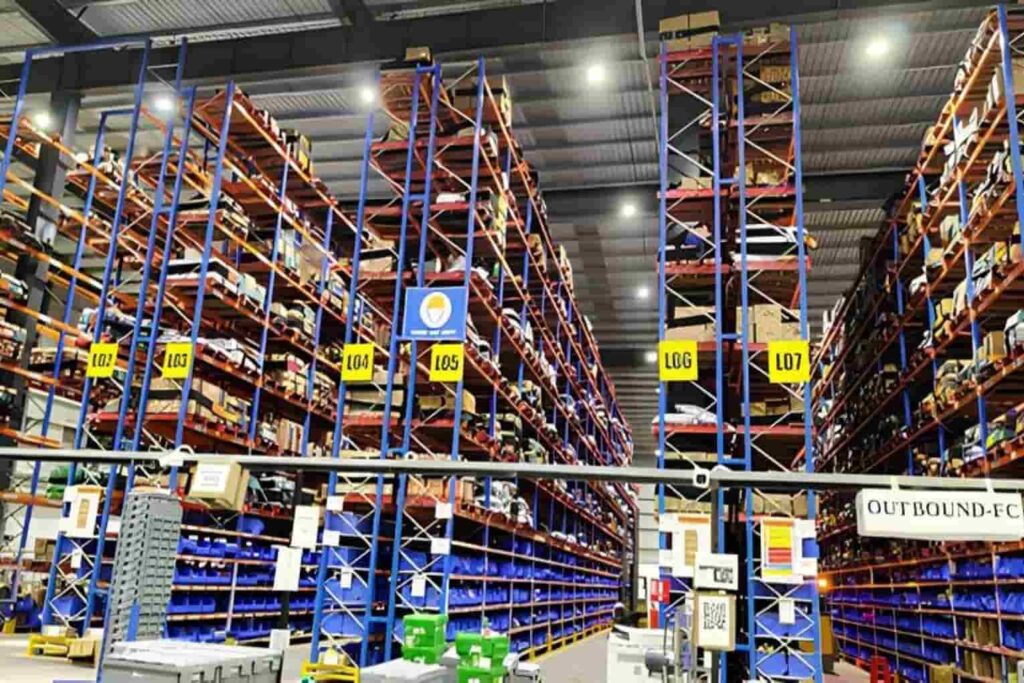
According to a statement made by Shein, the new logistics center will cover an area of approximately 740,000 square meters once it reaches full capacity. Equipped with robotic systems and automated sorting lines, the facility aims to enable faster processing and dispatch of high-volume orders across Europe.

It Will Become Shein’s Main Logistics Hub in Europe

The company stated that the center is planned to operate at full capacity by the end of this year. At this stage, it is expected to create approximately 5,000 new jobs, including logistics, warehouse operations, technology, and support services. This facility in Poland will operate as Shein’s main logistics hub in Europe. At the same time, brands and sellers in Poland and other European countries will also be able to use this center to offer their products for sale across Europe via the Shein platform.

Working With More Than 170 SMEs in Poland

Shein emphasized that it is carrying out extensive cooperation with local business partners within the project. The company announced that it is working with more than 170 small and medium-sized enterprises in Poland, primarily in transportation and packaging services.

It was stated that these collaborations aim to integrate the new logistics center into the regional supply chain and support the local economy. Shein has recently placed greater emphasis on partnering with local service providers in its investments outside Asia. While the company did not disclose the total investment amount made for the facility in Poland, it described this move as a long-term strategic investment aimed at the European market.

Chinese Companies Rented 200,000 Square Meters of Warehouse Space in the UK

Shein’s move is considered part of a broader trend in which Chinese e-commerce companies are opening warehouses and distribution centers across Europe. Earlier this year, it was reported that Chinese companies rented approximately 200,000 square meters of warehouse space in the United Kingdom alone.

For cross-border e-commerce platforms, establishing storage and distribution infrastructure within Europe has two main advantages. The first is that delivery times are significantly shortened thanks to products being shipped from Europe instead of Asia. The second is preparation for regulations aimed at abolishing certain customs duty exemptions applicable to low-value shipments. Storing products within the European Union reduces customs processes and increases delivery reliability. Rival platform Temu also announced last month that it was expanding its European delivery network through new partnerships.

“The New Logistics Center Strengthened the Company’s Commitment to the Region”

Leonard Lin, President of Shein Europe, Middle East and Africa, stated that the new logistics center strengthened the company’s long-term commitment to the region. Lin noted that thanks to this investment, faster and more reliable delivery services will be provided to customers in Europe. Lin also emphasized that the center offers significant opportunities for European sellers and that local brands will be able to reach customers across the continent more easily by using Shein’s infrastructure.

France to Open and Inspect Every Parcel from Shein as Crackdown on Chinese E-Commerce Escalates

Jack Ma Appeared in Rwanda!

Jack Ma attended the Africa’s Business Heroes (ABH) awards ceremony held in Kigali, the capital of Rwanda, on Saturday, December 13. ABH stands out as one of the flagship initiatives focused on entrepreneurship that Ma launched in the late 2010s through the Jack Ma Foundation. The program has become one of the continent’s most prestigious business competitions by supporting entrepreneurs in Africa with financing, mentorship, and visibility.

Kagame Met With Jack Ma and Jerry Yang!

Rwandan President Paul Kagame met with Jack Ma and Yahoo co-founder Jerry Yang in Kigali on Saturday afternoon. According to Kagame, the visit took place within the scope of the Africa’s Business Heroes program, which is supported by Alibaba and aims to promote innovation and private sector development across Africa.

During the Kigali visit, Jack Ma, together with Jerry Yang, was received by President Kagame. This meeting revealed the high-level importance that the Africa’s Business Heroes initiative carries from both political and business perspectives. Rwanda has positioned itself in recent years as one of the centers of technology, entrepreneurship, and innovation in Africa; it attracts the attention of global investors by hosting regional and international business forums.

Although the detailed agenda of the meeting was not shared with the public, Kagame stated that the discussions were shaped around entrepreneurship and the ABH program. The initiative aims to identify scalable African startups and founders that produce solutions to local and regional challenges, and to provide them with financial awards and long-term support.

The Jack Ma Foundation had previously emphasized that Africa’s young population and rapidly growing digital economy have made entrepreneurship the main driving force of inclusive growth.

Ma Prefers to Stay Away From the Public Eye!

This visit attracted attention due to Ma’s very limited public appearances in recent years. Previously frequently seen at global business and policy events, Ma stepped down from his roles at Alibaba and Ant Group following increasing regulatory scrutiny of China’s technology sector and has largely stayed out of the spotlight.

Jack Ma was once one of the most recognizable faces of China’s technology sector and stood out as an advocate of entrepreneurship, globalization, and small businesses. During his active roles at Alibaba, he frequently visited Africa, supporting various initiatives in e-commerce, digital payments, and youth entrepreneurship.

However, after Chinese authorities launched a comprehensive regulatory campaign targeting large technology companies after 2020, Ma’s public profile changed significantly. After leaving his corporate roles at Alibaba, Ma sharply reduced his public visibility, which led to global speculation about his position and future activities.

In recent years, although Ma has occasionally appeared at academic institutions and philanthropic events, public engagements such as the Kigali visit remain rare and are closely watched.

Africa’s Business Heroes Initiative

Africa’s Business Heroes was established by the Jack Ma Foundation to support entrepreneurs across Africa at all sectoral and country levels. Each year, finalists compete for grant funding and gain the opportunity to receive mentorship from global business leaders. The program has become an important platform that highlights local innovation by being held in different African cities.

According to the organizers, the initiative reflects a long-term commitment to Africa focused on building sustainable entrepreneurial ecosystems, rather than a short-term investment strategy.

NovFeed Founder Diana Orembe Won a $300,000 Prize

The Africa’s Business Heroes Summit and Grand Finale concluded with great success in Kigali. NovFeed founder Diana Orembe became the winner of the grand prize worth USD 300,000. The event brought together entrepreneurs, investors, and ecosystem leaders from across Africa.

Alibaba Group and Alibaba Philanthropy founder Jack Ma and Yahoo co-founder Jerry Yang also attended the awards ceremony. The two-day Summit and Grand Finale provided an important platform for dialogue, learning, and collaboration, while once again demonstrating Rwanda’s commitment to supporting entrepreneurship and innovation across the continent.

Jack Ma Returns to Alibaba