WORLDEF Prime Antalya 2026 - Upcoming Event

Register Now

Dubai CommerCity to Establish New E-Commerce Fulfilment Center in 2026 Amid Rising Demand

Dubai CommerCity, the UAE’s leading free zone for e-commerce and digital commerce, is planning to establish a new e-commerce fulfilment center in 2026 to meet the increasing demand for logistics and smart infrastructure. This move follows the free zone’s report of an extraordinary 98% occupancy rate in its business areas, with demand primarily coming from the artificial intelligence (AI), technology, and e-commerce sectors.

Abdulrahman Shahin, Vice President of Property Management and Supply Chain at Dubai CommerCity, revealed in an interview with Emirates News Agency (WAM) during the Dubai Business Forum in New York that six new buildings are currently under construction to accommodate the rapidly growing demand. The Logistics District has reached full occupancy, with companies operating in sectors such as fashion, electronics, and last-mile delivery completely filling the available spaces.

Shahin pointed out that the recent growth of Dubai CommerCity is a clear indication of the free zone’s emergence as a key hub for the digital economy, in alignment with Dubai’s Digital Economy Strategy, which aims to double the sector’s contribution to the emirate’s GDP by 2032.

E-Commerce Fulfilment Center to Launch in Q3 2026

Dubai CommerCity plans to launch the new e-commerce fulfilment center in the third quarter of 2026 to enhance its logistics capacities. This investment aligns with the UAE’s e-commerce strategy, which aims to meet the growing demand from digital commerce companies. The strategy seeks to attract investments, streamline business establishment procedures, and increase the sector’s contribution to GDP.

Shahin also highlighted Dubai CommerCity’s investments in digital technologies, particularly the use of automated robotic systems to accelerate order fulfilment. He explained that this digital transformation has led to a 158% increase in processed orders within one year, significantly shortening processing and delivery times.

Sustainability and Smart Infrastructure Projects

Shahin observed a clear shift in investment trends toward sustainability and smart technologies. Dubai CommerCity has taken significant steps to incorporate environmentally friendly practices into its infrastructure. The free zone uses treated water in its air conditioning systems, operates electric vehicle charging stations that can fully charge a vehicle in just 32 minutes, and has installed solar panels and energy-efficient systems across all facilities.

These sustainable initiatives reflect Dubai CommerCity’s commitment to green operations and make it an attractive location for companies focused on clean technologies, environmentally friendly e-commerce, and sustainable business practices.

Dubai CommerCity’s Role in Digital Innovation

Shahin also noted that investments in sectors such as artificial intelligence, the Internet of Things (IoT), and machine learning are increasing. The free zone plays a significant role in fostering and accelerating startups through various incubators and incentive programs. This strengthens Dubai’s position as a global hub for digital innovation.

With its robust infrastructure, wide consumer access, and support for technology-driven businesses, Dubai CommerCity is making significant strides in establishing Dubai as a global digital commerce and innovation center. Additionally, the expanding logistics infrastructure of Dubai CommerCity contributes to the Dubai Cross-Border Trade Strategy.

Through its investments in the rapidly evolving fields of digital commerce and sustainability, Dubai CommerCity is steadily advancing toward becoming a key player in global trade.


Hepsiburada Breaks Record in 11.11 Campaign: 22 Products Sold Per Second

Hepsiburada, which has achieved a significant success in Türkiye’s e-commerce sector, sold 22 products per second on November 11, 2025, during its 11.11 campaign. This marks a substantial increase in customer engagement, with platform visits rising by 10% compared to last year.

Hepsiburada reported that the number of orders during the campaign increased by approximately 20%, and 100,000 new users downloaded the Hepsiburada mobile app. The company’s ability to reach such high interest shows the ongoing growth of e-commerce in Türkiye, especially during major shopping events like 11.11.

Mobile Phones Became the Most Viewed Product Category

During the campaign, the most popular products included children’s books, liquid laundry detergents, sports nutrition, cleaning supplies, and personal care products. However, mobile phones became the most viewed product category. Categories such as smartphones, tablets, computers, and home appliances showed rapid growth, while products like pressure cookers and air purifiers were also in high demand.

In the electronics and mobile categories, the most preferred products were smartphones, robot vacuums, and cordless vacuums. Additionally, e-commerce was chosen for gold purchases. In the clothing category, socks and tracksuit sets stood out, while in the sports category, electric scooters, treadmills, and thermoses were popular. In the home and living category, sleep sets and pillows were in demand, while in cosmetics, skincare sets, lip products, and foundations were the most preferred.

Mobile App Takes the Lead in Sales

88% of purchases during the 11.11 campaign were made through the Hepsiburada mobile app, highlighting the growing importance of mobile commerce. Female users were more focused on clothing, essentials, and cosmetics, while male users concentrated on small home appliances, essentials, and health and beauty categories.

Top Shopping Cities: Istanbul, Ankara, Izmir

In addition to major cities like Istanbul, Ankara, and Izmir, Bursa, Kocaeli, and Antalya also showed high shopping rates. In the Mediterranean and Aegean regions, the most purchases were made in the mobile phone category, while the Eastern Anatolia, Southeastern Anatolia, Central Anatolia, Black Sea, and Marmara regions showed more interest in small home appliances.

Hepsiburada Premium Members Played a Significant Role

Hepsiburada Premium members played a crucial role in the success of the campaign, accounting for 70% of all orders. Premium users also made 1.2 times more purchases than regular users, demonstrating the effectiveness of membership-based shopping advantages.

Special Car Sale: Kia Picanto Offered at a Special Price

Going beyond traditional categories, Hepsiburada offered the Kia Picanto for sale at a special price during the 11.11 event. The Kia Picanto, released at 10:00 AM on November 11, was met with significant demand from the start of the campaign. The cars sold out the same day, with the highest demand coming from the three major cities and surrounding areas.

Hepsiburada Continues Campaigns After the Success of 11.11

Following the success of the 11.11 campaign, Hepsiburada is continuing its campaigns throughout November. The company will offer special shopping opportunities in fashion, technology, home & living, supermarket, and personal care categories during E-Commerce Week. In the last week of November, the “Efsane Cuma” (Black Friday) period will start, where users can expect attractive offers across a wide range of products.

Walmart CEO Doug McMillon to Retire in 2026; New CEO John Furner to Take Over

Walmart has announced that Doug McMillon, its long-serving CEO, will retire in January 2026 after nearly 12 years at the helm. McMillon, 59, will pass on the role to John Furner, the current CEO of Walmart’s U.S. division. Furner, 51, has been with Walmart for over 30 years and will begin his tenure as CEO on February 1, 2026.

Furner started as an hourly employee at Walmart and quickly rose to become one of the company’s top executives. Since 2019, Furner has led Walmart’s U.S. division, overseeing nearly 4,600 stores, the company’s largest segment. Walmart’s Chairman Greg Penner stated that Furner is the right leader to guide the company into the next phase of growth and transformation.

“John’s deep understanding of every aspect of our business, from store operations to global strategy, and his experience in leading diverse teams, makes him the ideal leader for Walmart,” Penner said.

Walmart Took Significant Steps in E-Commerce Under Doug McMillon’s Leadership

Doug McMillon’s tenure as CEO coincided with significant changes in the retail world. Walmart made substantial strides in e-commerce under his leadership. Navigating through challenges such as global supply chain disruptions, tariff changes, and the COVID-19 pandemic, Doug McMillon also made significant progress in digital commerce. During McMillon’s leadership, Walmart’s stock increased by approximately 300%, showcasing his successful leadership of the company.

“Serving as Walmart’s CEO has been a great honor, and I am grateful to the Board and the Walton family for the opportunity,” Doug McMillon said. “I have worked with John for over 20 years, and I’m confident he will successfully guide the company through the AI-driven transformation ahead.”

John Furner Achieved Many Successes at Walmart

Furner’s appointment comes at a time when the retail industry is undergoing major shifts driven by technology and changing consumer habits. Analysts predict that under Furner’s leadership, Walmart will continue to leverage advancements in artificial intelligence, automation, and data analytics to enhance both in-store and online shopping experiences. As part of this transformation, Walmart is expected to strengthen its role in the growing online grocery retail market, which faces increasing pressure from competitors like Amazon, Target, and others.

In addition to his career at Walmart, Furner has contributed to various philanthropic efforts, including education and workforce development. He is also a strong advocate for sustainability, pushing Walmart to adopt more environmentally friendly practices across its operations, from supply chain logistics to store operations.

Walmart’s announcement comes at a time when many executives are transitioning in response to the new challenges in the global economy. For McMillon, this decision marks the end of an era, while for Furner, it signifies the beginning of an exciting new chapter in leading the world’s largest retailer.

Given McMillon’s legacy of growth and innovation, all eyes are now on Furner. How Walmart will continue to lead in a rapidly changing retail environment, with AI and digital commerce playing an increasingly central role in the company’s strategy, remains a topic of great interest.

Walmart Heirs’ Family Office Commits $100 Million for Debt Swaps

EU to Eliminate €150 Customs Exemption in E-Commerce

The European Union is moving to close a significant loophole in its customs policy by eliminating the €150 ($174) customs exemption on online shopping imports, with the new rule set to take effect by 2026. The European Council announced on Thursday that all goods entering the EU will be subject to customs duties, regardless of their value. This change aims to level the playing field for European businesses, particularly in sectors like retail, which have been undercut by cheap imports.

We Ensure Customs Duties Are Paid from the First Euro

Danish Minister for Economic Affairs Stephanie Lose praised the agreement, emphasizing the need to create a fairer environment for European businesses. “We ensure that duties are paid from the first euro, creating a level playing field for European businesses and limiting the influx of low-cost goods,” Lose said.

This move follows a growing concern over the influx of low-cost Chinese goods into the European market, particularly via e-commerce platforms like Shein, Temu, and AliExpress. In fact, the European Commission reported that in 2024, 91% of e-commerce shipments valued below €150 came from China, a trend that has raised significant concerns regarding competition and market fairness.

The new regulation, which will align the EU’s customs rules with value-added tax (VAT) regulations, is expected to curb the number of undervalued parcels entering the EU. Currently, up to 65% of small parcels entering the EU are reported to be undervalued to avoid customs duties. This has not only posed a challenge for European retailers but has also led to environmental concerns due to the practice of splitting shipments into multiple small parcels to bypass duties.

Customs Exemption Was Set to End in 2028; New Plan for 2026!

European Commissioner for Trade Maros Sefcovic had previously proposed to speed up the removal of the “de minimis” customs exemption, initially scheduled for 2028. Under the new plan, a simplified temporary customs fee would be introduced as early as 2026, two years earlier than initially planned. This change is expected to have a significant impact on Chinese online giants like Shein and Temu, which send products directly from Chinese factories to European customers at rock-bottom prices due to the customs exemption.

In support of this expedited action, European finance ministers have agreed to bring the new duties into effect as soon as 2026. The move has been widely welcomed across Europe. Retail associations in Germany and Sweden have expressed approval, noting that the removal of the exemption is a necessary step to ensure fair competition. Luca Sburlati, chairman of Italy’s fashion lobby Confindustria Moda, stressed that taxing parcels under €150 is “essential for the survival of our textile and clothing sector.”

4.6 Billion Packages Entered Last Year

The EU’s response is also driven by a sharp rise in the number of low-value parcels entering the bloc. Last year, the volume doubled to 4.6 billion parcels, with over 90% of them originating from China. The EU is under increasing pressure from domestic industries to act faster and curb this trend.

This urgency is compounded by moves in individual EU countries, such as Romania and Italy, to introduce national handling fees on low-value packages. Romania has proposed a 25 lei ($5.73) fee, while Italy is working on implementing a tax to protect its fashion industry. However, some retailers have warned that a patchwork of national fees could undermine the EU’s single market.

As EU lawmakers push for quick implementation, the new customs rules aim to reshape the landscape for e-commerce imports, ensuring that European businesses are better protected and that environmental concerns are addressed. While individual EU member states debate the introduction of additional fees, the overarching shift toward eliminating the €150 customs exemption marks a major step in creating a more balanced and competitive market for e-commerce in Europe.

De Minimis Ends: New Tariffs in U.S. Trade

Petal Group Raises $18M to Expand in UAE and Ireland

The floral-gifting and e-commerce platform Petal Group has announced a significant equity investment of US $18 million by UAE-based Quintas Capital, designed to accelerate its operations across the UAE and Ireland. The deal marks the first Managed Equity investment by Quintas Capital and highlights the growing strength of the Ireland-Middle East investment corridor. Wamda+1

Founded by entrepreneur Garreth Knowd, Petal Group operates a group of leading online flower brands — including Flowers.ie, FlowersDirect.ie, BloomMagic.ie, and Flowers.ae — combining premium floral design, same-day delivery services and a proprietary technology-enabled fulfilment platform. Wamda+1

Kevin MacSweeny, Head of Managed Equity at Quintas Capital, described the investment as “a landmark first investment” and praised Petal Group as “a high-growth, scalable and technology-led business with significant international reach.” Wamda+1

Investment Highlights & Strategic Rationale

Funding Metrics & Structure

The injection of US $18 million by Quintas Capital into Petal Group is significant for several reasons:

  • It represents Quintas Capital’s first deal under its Managed Equity strategy, signalling the firm’s escalation into direct growth-capital investments. Wamda+1

  • The investment enables Petal Group to accelerate its expansion plans across two distinct but complementary geographies: the UAE, as a hub for Middle East growth, and Ireland, as a mature e-commerce market.

  • The funding will be used for strategic acquisitions, international market entry, and scaling of Petal’s technology platform and fulfilment operations. Wamda+1

Market Opportunity

Petal Group’s dual-market focus positions it well to capitalise on global shifts:

  • The UAE is a high-growth e-commerce and consumer market in the Gulf Cooperation Council (GCC) region, offering high mobility, disposable income and rapid digital-commerce adoption.

  • Ireland provides a base in the European Union with established logistics, robust digital infrastructure and access to EU-wide markets.

  • The combination creates an Ireland-Middle East investment corridor, referenced by Quintas Capital in its investor commentary. Wamda+1

Business Model & Competitive Edge

Petal Group differentiates itself through:

  • A collection of premium flower-delivery brands targeted at high-value gifting occasions.

  • Same-day delivery capability across its markets, enhancing customer service and convenience. Wamda+1

  • A proprietary fulfilment and customer-experience technology platform — enabling scale and operational efficiency.

  • Strong brand recognition in its home markets (Ireland and UAE), which provides a solid foundation for international growth.

Kevin MacSweeny’s commentary emphasised that Petal Group is not just a regional player but “technology-led” and “international in reach” — marking an evolution in how gifting-commerce businesses operate globally. fwdstart.me

What This Means for the UAE & Ireland

For the UAE

  • The investment underscores the UAE’s increasing role as both a capital provider and growth platform for consumer-commerce businesses. Petal Group’s UAE operations (including Flowers.ae) benefit from the region’s rapid digital adoption and high-value consumer market.

  • Quintas Capital’s base in the UAE highlights how local investment platforms are seeking cross-border opportunities and leveraging the Gulf’s connectivity. Wamda+1

  • For Petal Group, the UAE provides a gateway into the broader Middle East and North Africa (MENA) region, which remains under-served in premium online gifting commerce.

For Ireland

  • Ireland remains a fertile ground for scale-ups, digital-commerce innovation and export-oriented growth. Petal Group’s roots in Irish brands like Flowers.ie and FlowersDirect.ie give it familiarity with EU regulatory, logistics and market conditions.

  • The investment by Quintas Capital into an Irish-based business validates Ireland’s continued attractiveness for growth fintech and e-commerce investment.

  • The model of merging Ireland’s digital-commerce strengths with Gulf expansion ambition sets a template that could inspire other cross-regional deals.

Broader Implications for E-Commerce & Investor Trends

1. Growth Capital in Niche E-Commerce Segments

The floral-gifting segment, often overlooked in broader e-commerce coverage, is showing signs of consolidation and scale. Petal Group’s investment reflects investor willingness to back niche e-commerce platforms that combine brand strength, fulfilment efficiency and cross-region growth.

2. Cross-Border Investment Flows

Quintas Capital’s move illustrates how Middle East-based investors are crossing into Europe (Ireland) and collaborating with digital-commerce ventures that aim for global reach. This trend extends beyond traditional energy or infrastructure deals towards consumer-tech, digital-commerce and fulfilment-led businesses.

3. Platform-Enabled Fulfilment & Tech Integration

Petal Group emphasises same-day delivery and tech-enabled fulfilment operations — critical differentiators in mature e-commerce markets. Investors are favouring companies that don’t just list products but build logistic and tech capabilities.

4. Scaling Through M&A & Market Entry

Rather than only organic growth, the funding is earmarked for acquisitions and new-market entries. This suggests Petal Group plans to replicate its model — curated, premium gifting brands + fulfilment + technology — into new geographies. Wamda+1

Challenges & Key Execution Considerations

While the opportunity is clear, there are execution risks and operational hurdles:

  • Logistics and locality: Operating across the UAE and Ireland means navigating different regulatory environments, shipping/last-mile delivery challenges, and cultural expectations in gifting.

  • Supply-chain resiliency: Premium floral delivery is perishable and time-sensitive — scaling across geographies intensifies these pressures.

  • Brand adaptation: Moving into new markets may require localisation of messaging, branding, payment methods and fulfilment expectations.

  • Investor expectations and governance: As a first Managed Equity deal for Quintas Capital, both sides will be keen to deliver strong growth metrics and governance clarity.

  • Integration risk: If Petal Group pursues acquisitions, integration of new brands and markets must preserve service levels, brand reputation and operational efficiency.

What to Watch Going Forward

  • Announcements of target markets: Petal Group’s next horizon may include new markets beyond Ireland and UAE — perhaps other GCC countries, Europe or even Southeast Asia.

  • Acquisition activity: Given the stated focus on acquisitions, look for Petal to announce brand buys or strategic partnerships in 2026.

  • Operational metrics: Metrics such as same-day delivery speed, average order value, repeat purchase rate and cross-border fulfilment cost will become key performance indicators.

  • Expansion of investor base: As the Managed Equity model scales, Quintas Capital may bring on additional investors or follow-on rounds for Petal Group.

  • Platform enhancements: Technology upgrades (mobile apps, fulfilment automation, AI-driven personalisation) will likely feature in Petal’s growth roadmap.

Conclusion

The US $18 million equity investment by Quintas Capital into Petal Group marks a substantive milestone for both the companies involved and the wider e-commerce ecosystem in the UAE-Ireland corridor. Petal Group’s blend of premium gifting brands, same-day fulfilment, technology-enabled operations and cross-region ambition makes it a compelling growth story. The deal underscores how consumer-commerce, cross-border investment and fulfilment-driven scale are shaping the next wave of e-commerce expansion.

As reported by Wamda, this deal not only accelerates Petal Group’s expansion but also signals a broader trend of Middle East-based investors backing scale-oriented, tech-driven European commerce businesses. Wamda+1 If Petal’s execution meets the ambition, the business could become a blueprint for how niche e-commerce platforms expand globally with capital, technology and fulfilment at their core.

Allegro to Support Sellers with €350M Financing

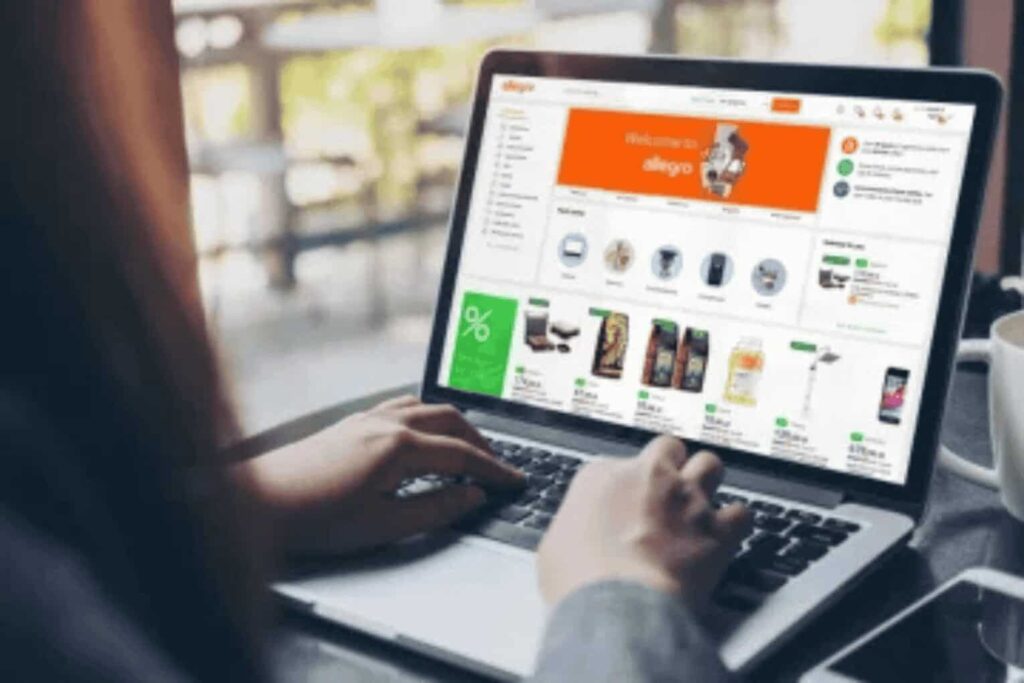
Leading Polish online marketplace Allegro (launch date: 1999) has announced a strategic financing initiative designed to support its seller base. The company, in partnership with Polish bank PKO Bank Polski, will provide up to €350 million in financing to around 20,000 sellers over the next three years. The move was detailed in a release covered by E-commerce News Europe on November 13 2025. Ecommerce News

Allegro’s financing programme, branded as Allegro Kapitał, will open before the end of this year and will include two key service components: business loans to sellers on the platform and a cashback-oriented payment method. According to the announcement, sellers will be able to apply for loans of up to €71,000 (~300,000 PLN) in the first phase, rising to up to €118,000 (~500,000 PLN) in 2026. Ecommerce News

Why This Financing Programme Matters

Marketplace platforms increasingly recognise that seller support is a critical component of platform health: helping sellers grow means stronger assortment, better prices, and enhanced buyer experience. Allegro’s initiative is especially significant for several reasons:

  • Scale: A budget of €350 million across 20,000 sellers translates into an average financing† of approximately €17,500 per seller — a meaningful injection for mid-to-small size merchants. Ecommerce News

  • Speed & transparency: The announcement emphasises that seller credit decisions will be based on their performance data on the Allegro marketplace — not on extensive paperwork. The margin is set at about 6 percent, and according to PKO BP the decision can be made in three minutes with funds disbursed within 24 hours. Ecommerce News

  • Timing & strategy: By launching this service before year-end, Allegro signals a push to strengthen its seller ecosystem ahead of upcoming peak seasons (holiday period) and increasing competition from cross-border players.

  • Competitive differentiation: Many marketplaces provide logistics or advertising support; direct financing is less common. Allegro’s initiative gives it a distinctive feature in the increasingly crowded European marketplace space.

As Allegro’s CEO **Marcin Kuśmierz put it in the announcement:

“We simplify access to attractive financing like no other. Our sellers gain access to real capital for the development of their businesses, enabling them to respond in real time to dynamically changing market needs.” Ecommerce News

How the Programme Will Work

According to the E-commerce News article, here’s how the financing scheme will be structured:

  • The programme is operated by Allegro Kapitał, a joint brand under Allegro and PKO Bank Polski.

  • Eligible sellers on the Allegro marketplace can apply for business loans based on their performance metrics.

  • For the immediate launch, loans of up to €71,000 (~300,000 PLN) will be available; in 2026, the ceiling will increase to €118,000 (~500,000 PLN). Ecommerce News

  • A target of 20,000 entrepreneurs over three years is set; the overall financing commitment: €350 million (≈ 1.5 billion PLN). Ecommerce News

  • Sellers are not required to provide extensive documentation or guarantees beyond their platform track record. Decision time: 3 minutes; funds disbursed in 24 hours. Margin: approximately 6 percent. Ecommerce News

  • A complementary payment method with cashback is also being introduced ahead of the end of the year, designed to drive buyer loyalty and seller volumes. Ecommerce News

With this structure, Allegro aims to give its sellers better access to working capital, enabling them to invest in inventory ahead of peak periods, scale operations, dive into new product categories, or improve service levels.

Strategic Implications for Allegro

For Allegro, the financing initiative is a strategic pivot that reinforces its platform play in several ways:

Strengthening the Ecosystem

By offering financing to sellers, Allegro becomes more than a sales venue — it positions itself as a growth partner for merchants. This deepens seller loyalty, lowers seller churn and potentially raises overall marketplace performance.

Mitigating Competitive Pressure

With major global players increasing their focus on Central and Eastern Europe, Allegro’s move helps it maintain a competitive edge. By enhancing its seller proposition now, it builds barriers to entry for new competitors.

Leveraging Data-Driven Finance

The programme’s underwriting model — using seller performance data rather than traditional credit criteria — aligns with the emerging “embedded finance” trend in e-commerce. Allegro is leveraging its own platform data (sales history, ratings, fulfilment performance) to streamline the process.

Fiscal & Risk Considerations

While the margin (6 percent) is modest, the rapid decision time and low documentation burden imply risk. Allegro and PKO will need controls to manage defaults. That said, the decision to tie financing to platform performance may reduce certain risks.

Marketplace Growth Engine

By enabling sellers to invest in growth (inventory, marketing, new SKUs), the financing can lead to more listings, higher fulfilment volumes, and ultimately better customer experience. That creates a virtuous circle: better seller performance → better buyer experience → stronger marketplace brand → more sellers.

What This Means for Sellers & Buyers

Sellers:

  • Easier access to funds: Sellers who may have previously struggled to secure working capital or bank loans can now tap into financing based on their Allegro track record.

  • Growth enablement: With loans available quickly, sellers can stock up for high-demand seasons, expand product range, or invest in upgrading operations.

  • Competitive edge: Being on Allegro with financial backing may give top-performing sellers a chance to scale more rapidly than peers on other platforms.

Buyers:

  • Expanded selection: With sellers better capitalised, buyers may see greater product variety on the Allegro platform — particularly from emerging merchants.

  • Potential supply-chain improvements: Financed sellers may invest in stronger logistics, faster shipping, better service, which benefits buyers.

  • Cashback payment method: The rollout of a new payment/funding product with cashback may improve user experience and loyalty.

Broader Market Context

The financing move by Allegro comes at a time when European marketplace competition is intensifying, and sellers are seeking support beyond just listing services. Embedded finance — offering credit, payments, and insurance through e-commerce platforms — is increasingly viewed as an additional value layer.

Poland, in particular, remains a key battleground for both local and global platforms, thanks to its large digitally savvy population and rising e-commerce maturity. Allegro has long dominated Polish online marketplace share, but newer entrants and cross-border platforms are aggressively targeting the region. This financing initiative might therefore help protect and extend Allegro’s leadership.

The European e-commerce market is also characterised by significant growth in Eastern Europe, making seller-focused growth levers increasingly important. Platforms that help sellers succeed often reap the benefit of stronger platform-wide growth and retention.

Challenges and Considerations

While the programme is ambitious, several risks or operational challenges should be noted:

  • Credit risk: Even if underwriting is data-driven, borrower default remains a possibility — especially if market conditions worsen for sellers (e.g., supply chain disruptions, inflation).

  • Metrics & governance: The financing model depends on accurate performance data. Allegro must ensure transparency and fairness so that all sellers have an equal chance.

  • Scalability: Processing 20,000 loans over three years in a fast, low-touch way will require significant operational capacity and robust risk infrastructure.

  • Regulatory scrutiny: As embedded finance expands, regulatory oversight (consumer protection, lending laws) may increase in Poland and the EU.

  • Seller exposure: Some sellers may borrow just ahead of peak season and be over-leveraged if demand fails to materialise — Allegro may need to monitor default rates and potential reputational risk.

Conclusion

Allegro’s announcement of a €350 million financing programme for sellers over the next three years (in partnership with PKO Bank Polski) signals a significant shift in the marketplace model: platforms are becoming full-service growth partners, not just transactional venues. The initiative — outlined in the E-commerce News Europe report — offers sellers faster access to capital, simpler processes and better alignment with platform performance metrics, while helping Allegro build a stronger ecosystem and defend market position in Poland and beyond. Ecommerce News

For sellers, the opportunities are appealing: rapid access to funds, growth enablement and improved competitive positioning. For buyers, the likely outcome is better selection, improved service and enhanced platform experience. And for Allegro, this strategy could deepen its marketplace moat and position it for the next phase of European expansion.

If the execution lives up to the ambition, Allegro’s financing model might become a template for other marketplaces in Europe and globally — where platform-enabled financing becomes a core service rather than a fringe offering.

Wildberries Enters Africa with Ethiopian Expansion

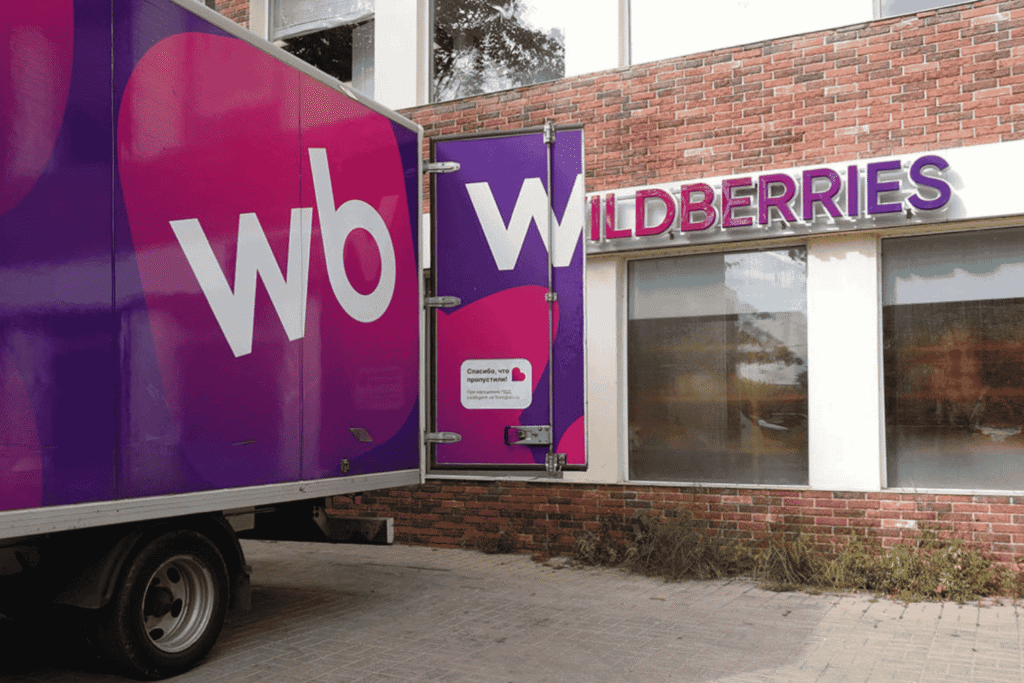
Russian e-commerce giant Wildberries is making a major strategic move into Africa by signing a memorandum of understanding with Ethiopia’s largest state-owned investment firm, paving the way for local production, digital economy cooperation and the company’s first African market entry. The development was first reported by The Moscow Times on November 13, 2025 (https://www.themoscowtimes.com/2025/11/13/wildberries-targets-first-african-market-with-ethiopian-expansion-a91115).

In the deal, Wildberries-Russ Group (RVB) was represented by CEO Robert Mirzoyan, and Ethiopia’s investment holding company by CEO Brook Taye, as they committed to collaboration in localizing Wildberries’ products in Ethiopia and supporting the country’s digital economy initiatives (source: The Moscow Times).

Why Africa? Why Ethiopia?

Wildberries operatives view Africa as the next frontier for fast-moving consumer goods and e-commerce. The company, which already operates in Russia, Armenia, Belarus, Georgia, Kazakhstan, Kyrgyzstan, Tajikistan, Uzbekistan and China, is seeking growth outside its traditional Eurasian base (source: The Moscow Times).

The selection of Ethiopia for Wildberries’ first African foray is significant for several reasons:

  • Ethiopia is one of Africa’s largest and fastest-growing economies, with a young, digitally savvy population and rising middle class eager for global-style shopping.

  • The partnership offers Wildberries the opportunity to tap into local production and regional distribution. According to the MoU, the two firms will work together not just on e-commerce, but also investment and technology projects supporting Ethiopia’s digital economy (source: The Moscow Times).

  • By entering Africa early, Wildberries hopes to build a competitive advantage ahead of other e-commerce challengers looking to the continent.

What the Agreement Covers

While the exact financial and operational terms of the agreement remain undisclosed, The Moscow Times reports that the MoU includes:

  • Localization of Wildberries-Russ Group products in Ethiopia, enabling regional manufacturing or assembly and access to local supply chains.

  • Investment and technology initiatives designed to boost Ethiopia’s digital economy, implying that Wildberries may participate in broader infrastructure or platform development.

  • Strategic positioning by Wildberries-Russ Group to diversify beyond its existing markets and enter emerging geographies such as Africa, the Middle East and South Asia (source: The Moscow Times).

This milestone signals a shift in the company’s growth strategy: moving from a regional powerhouse to a global player by targeting underserved and high-growth regions.

Potential Impact on Ethiopian Retail and Economy

For Ethiopia, the arrival of Wildberries marks a potential boost to both the retail sector and the digital economy. The collaboration could lead to:

  • Increased foreign direct investment in local manufacturing, logistics and e-commerce infrastructure.

  • Job creation across supply-chain, production and digital platform operations.

  • Knowledge transfer in digital commerce, payment/fintech and platform logistics.

For the Ethiopian consumer, the entry of a major global-style e-commerce platform means more variety, improved access to global brands, and better digital shopping experiences in a growing economy.

Why This Matters in the E-Commerce Landscape

Wildberries’ expansion into Africa follows a global trend: e-commerce firms are increasingly targeting high-growth emerging markets where mobile penetration is strong and the competition is still relatively light. Africa is rapidly becoming a key battleground in global digital retail.

By initiating operations in Ethiopia, Wildberries is staking a claim in what could become a major growth region for online shopping. The Moscow Times notes that the move is part of a broader strategy to tap markets beyond Russia and Eurasia — into Africa, the Middle East and South Asia (source: The Moscow Times).

Such expansions are notable because they reflect a shift in global commerce: companies are no longer only focusing on Western or Asia-Pacific markets, but are racing into markets previously considered peripheral.

Challenges Ahead

Of course, the journey will not be without hurdles. Some of the key challenges Wildberries must navigate include:

  • Logistics and infrastructure: Ethiopia’s transport, warehousing and last-mile delivery landscape will need to scale to meet the demands of a global e-commerce platform.

  • Customs and regulatory environment: Import-export rules, foreign investment frameworks and digital commerce regulation will vary and may require adaptation.

  • Building brand trust and consumer habits: While mobile e-commerce is growing in Africa, trust in global platforms, payment security, and consumer behaviour still need cultivation.

  • Localization and supply-chain adaptation: Moving from a Eurasian model to Africa means adapting to new product preferences, sizing, cultural nuances and operational norms.

The Moscow Times article implicitly acknowledges these realities by noting that Wildberries’ past growth has been anchored in familiar markets and that the jump into Africa is ambitious.

A Strategic Pivot for Wildberries

This partnership could mark a strategic pivot for Wildberries. Up until now, the company’s growth has been heavily focused on Russia and neighbouring markets. As The Moscow Times points out (source link above), the signing of this MoU with Ethiopia’s investment firm comes after Wildberries’ merger with advertising firm Russ Group, a deal that some analysts describe as part of Russia’s wartime redistribution of assets.

With the Africa push, Wildberries may be signaling a broader ambition to become a global e-commerce competitor rather than remain region-centric. The company’s move into Ethiopia as its first African market may be just the beginning of a larger Africa strategy.

Implications for Africa’s Digital Commerce Sector

From the African perspective, Wildberries’ arrival is another indicator of how the continent’s digital commerce sector is maturing and attracting serious global investment.

  • Global companies entering Africa validate the region’s potential and encourage further foreign investment.

  • Local entrepreneurs, suppliers and logistics players may benefit from partnerships, improved supply chains and knowledge transfer.

  • Consumers — particularly urban, middle-class and mobile-enabled segments — gain access to more global brands and platform dynamics.

Given that Africa’s e-commerce landscape has long been underserved, the entry of a major player like Wildberries may accelerate competition and innovation.

Conclusion: Taking the First Step into Africa’s Future

The MoU between Wildberries and Ethiopia’s investment firm marks a significant step forward in Africa’s digital commerce trajectory. According to the coverage in The Moscow Times (https://www.themoscowtimes.com/2025/11/13/wildberries-targets-first-african-market-with-ethiopian-expansion-a91115), the agreement puts Wildberries on the map beyond its traditional territory and highlights Africa as a serious growth region for global e-commerce.

While the road ahead will require adaptation, investment and localisation, one thing is clear: Wildberries has taken its first concrete step into Africa — and that step could have ripple effects across the continent’s retail, tech and economic ecosystems.

Dubai CommerCity Partners with VTEX to Accelerate Digital Commerce Innovation Across the UAE and GCC

Dubai CommerCity (DCC), the region’s first free zone dedicated to digital commerce, and a joint venture between the Dubai Integrated Economic Zones Authority (DIEZ) and Wasl Properties, has announced a strategic partnership with VTEX (NYSE: VTEX), the only enterprise digital commerce platform in the world to be named a Customer’s Choice® in the Gartner® Voice of the Customer for two consecutive years, to accelerate the growth of digital commerce across the UAE and the wider GCC by empowering brands, retailers, and startups with advanced commerce technologies, AI-driven solutions, and seamless access to regional and global markets.

The agreement was signed by Amna Lootah, Director General of Dubai CommerCity, and Santiago Naranjo, Chief Revenue Officer at VTEX, with senior officials from both organizations in attendance.

The partnership comes at a pivotal time for the UAE’s digital economy, which reached AED 32.3 billion (US$8.8 billion) in 2024, and is projected to exceed AED 50.6 billion (US$13.8 billion) by 2029. The UAE’s Digital Economy Strategy aims to double the sector’s contribution to GDP, reinforcing Dubai’s position as a global leader in innovation and technology.

VTEX Launches Regional Hub Powering Commerce

As part of the agreement, VTEX also celebrated the launch of its first Middle East regional hub within Dubai CommerCity, leveraging the free zone’s purpose-built, world-class infrastructure to drive operational excellence, accelerate speed-to-market, and enable digital transformation for businesses of all sizes.

Through its new base in DCC, VTEX will extend its enterprise-grade commerce platform to innovative high-potential brands within the free zone, and other UAE innovation initiatives, under special partnership terms that promote adoption and scalability. The approach aligns with global best practices that facilitate preferential access to technology ecosystems, driving rapid digital transformation and sustainable growth.

“Our Goal is to Ensure That Brands and Retailers Succeed in a Rapidly Evolving Digital Environment.”

Commenting on the partnership, Amna Lootah, said: “Our partnership with VTEX reflects Dubai CommerCity’s ongoing commitment to enabling business growth and supporting the ambitions of Dubai’s Economic Agenda (D33). Our aim is to empower brands and retailers to thrive in a rapidly evolving digital landscape by integrating VTEX’s proven platform into our ecosystem.”

“This partnership aligns with the UAE’s strategic vision for economic diversification and digital transformation, reinforcing Dubai CommerCity’s position as a driving force for innovation and sustainable growth in the e-commerce sector. Dubai CommerCity continues to empower businesses and establish itself as a next-generation free zone, dedicated to advancing operational excellence and digital leadership through a progressive, agile ecosystem, in line with the vision of His Highness Sheikh Mohammed bin Rashid Al Maktoum, Vice President and Prime Minister of the UAE and Ruler of Dubai, “The Emirates: The Startup Capital of the World,” she added.

Santiago Naranjo, Chief Revenue Officer at VTEX Commerce, said: “VTEX has over 2,400 enterprise customers in over 43 countries around the world, and our new regional hub at Dubai CommerCity is a milestone, serving as a gateway to the future of commerce in the Middle East. This hub positions VTEX at the center of the region’s commerce innovation landscape, allowing VTEX to scale the most promising brands in the Middle East with enterprise-grade technology, AI-driven intelligence, and deep global expertise. In today’s competitive market, At VTEX Commerce we enable brands to operate smarter, scale faster, and unlock new opportunities across the GCC and beyond from day one.”

VTEX & Dubai CommerCity: Accelerating Growth with Enterprise Commerce Excellence

Through this partnership, VTEX brings its global ecosystem with 25 years of top-tier commerce expertise and enterprise solutions to provide direct benefits:”:

  • Empowering Emirati Innovators: The launch of a regional programme to empower Emirati SMEs and entrepreneurs aligns with “The Emirates: The Startup Capital of the World initiative.” The programme aims to foster entrepreneurship, drive innovation-led growth, and strengthen the competitiveness of Emirati-led businesses across regional and global markets.
  • VTEX’s Global Expertise in Digital Commerce: Building on decades of delivering advanced digital commerce programmes worldwide, VTEX brings its sophisticated, enterprise-grade methodology to the Middle East. The programme equips participants with deep, practical knowledge across the full commerce ecosystem, including e-commerce solution architecture, omnichannel operations, composable storefronts, and marketplace strategy. Through immersive masterclasses, interactive webinars, and certified courses, participants gain hands-on experience with cutting-edge tools and practices that enable smarter, more agile businesses, accelerate revenue growth, scale operations effectively, and deliver measurable contributions to the country’s GDP.
  • Data-Driven Growth with InsightsIQ: Dubai CommerCity supports the initiative through its Commerce Intelligence Platform, InsightsIQ, which is fully integrated with VTEX’s global digital commerce platform. The VTEX award-winning adaptable architecture delivers real-time, AI-driven analytics, enabling innovative brands to make data-informed decisions, optimize operations, and unlock new growth opportunities. Together, VTEX and Dubai CommerCity reinforce their commitment to empowering SMEs and enterprises through innovative, scalable, and measurable solutions.

The programme is tailored to reflect the UAE’s commitment to fostering entrepreneurship, supporting innovation-driven growth, and empowering startups and SMEs through masterclasses, webinars, and certified courses on digital commerce, omnichannel operations, and supply chain management, aimed at enhancing digital readiness and competitiveness across regional and global markets.

Dubai CommerCity: The ideal hub for digital commerce businesses

Stitches Africa Launches Fashion App to Globalize African Design

African fashion is stepping into a new digital era. Stitches Africa, an emerging pan-African e-commerce platform, has officially launched its dedicated mobile fashion app, designed to connect African designers, tailors and customers across the world. The app, which made its debut in Lagos, marks a defining moment in the region’s rapidly expanding creative economy.
(thenationonlineng.net)

According to Stitches Africa’s co-founder and Managing Director Franklin Peters, the company’s mission is to “bridge the gap between Africa’s fashion talents and the global market.” Speaking at the launch event, Peters said the platform empowers African designers to reach international consumers while maintaining cultural authenticity and production quality.

“This platform represents a revolution for African creativity. Our technology enables people anywhere in the world to experience authentic African fashion, designed and tailored on the continent,” Peters noted.

A Mobile-First Platform Empowering African Creators

The Stitches Africa app aims to serve as a digital marketplace where designers, tailors and small fashion businesses can showcase their products globally. It combines traditional craftsmanship with cutting-edge retail technology — offering features such as AI-based body scanning for size accuracy, seamless cross-border payments, and logistics support for international deliveries.
(thenationonlineng.net)

The platform allows customers to browse ready-to-wear collections or commission fully custom outfits. By integrating automated body-measurement tools, Stitches Africa reduces one of the biggest barriers to online apparel shopping: fit uncertainty. Users can scan their body through their smartphone camera to generate precise digital measurements, which are automatically transmitted to the selected tailor or designer.

Designers, in turn, can accept orders, adjust patterns, and update customers on progress — all within the app. This digital-first workflow helps transform the traditional tailoring ecosystem, bringing informal or small-scale artisans into global e-commerce.

Financing and Expansion Plans

To support the rollout, Stitches Africa also announced a US$50 million merchant financing programme aimed at empowering African fashion entrepreneurs. The fund will provide low-interest loans and working-capital support for registered merchants on the platform, allowing them to scale production capacity, enhance product quality, and streamline delivery networks.

Franklin Peters explained that logistics and supply-chain financing remain critical pain points for African SMEs, and the initiative is meant to address those challenges. “Access to finance and reliable delivery systems are the foundation of global competitiveness. This fund ensures our sellers can operate sustainably and meet international demand,” he said.
(thenationonlineng.net)

Africa’s Digital Fashion Boom

Stitches Africa’s entry into the mobile app space reflects a broader shift in Africa’s fashion and retail landscape. The continent’s apparel and textile industry is projected to exceed US$15 billion by 2030, with online retail accounting for a growing share. The digital-fashion market is being driven by smartphone penetration, growing diaspora interest, and global demand for Afro-inspired designs.

Analysts note that Stitches Africa’s model—uniting thousands of independent tailors and designers under a single tech platform—could unlock a previously untapped segment of the creative economy. By providing access to international markets, digital tools, and transparent transactions, it allows Africa’s artisans to compete on a global scale without relocating production abroad.

In a region where many fashion creators operate informally, the company’s digital infrastructure brings structure, visibility, and financial inclusion.

Technology at the Core

Beyond its marketplace functionality, Stitches Africa integrates multiple technologies that streamline customer experience and operations:

  • AI Body Scanning: Enables precise, digital body measurements for remote tailoring.

  • Automated Order Tracking: Provides real-time updates from production to delivery.

  • Secure Payments: Supports global methods including PayPal, Visa, MasterCard, and crypto gateways.

  • Merchant Dashboard: Offers sales analytics, marketing insights, and customer-feedback tracking for designers.

This emphasis on AI and automation aligns with Africa’s broader digital transformation agenda, where e-commerce, fintech, and logistics sectors are rapidly converging. The company plans to partner with regional courier services to ensure timely deliveries to both domestic and international customers.

Global and Cultural Significance

The platform’s long-term vision extends beyond commerce. Stitches Africa aims to preserve and globalize Africa’s textile heritage, empowering designers who specialise in Ankara, Kente, Aso Oke, and other traditional fabrics. The app promotes ethical sourcing, local craftsmanship, and sustainable production — echoing the global movement toward responsible fashion.

By connecting diaspora communities with homegrown brands, it also strengthens cultural identity. “Our mission is not just about selling clothes — it’s about storytelling through fabric,” Peters added. “Each design carries a piece of Africa’s cultural DNA.”

Industry observers believe the initiative could serve as a model for other emerging markets, showcasing how fashion, technology and cultural heritage can intersect to generate both economic and social value.

Challenges Ahead

Despite optimism, challenges remain:

  • Infrastructure gaps such as high shipping costs, customs delays and limited access to digital payments in some markets.

  • User acquisition in a competitive fashion-tech ecosystem where giants like Jumia Fashion and Shein have significant brand recognition.

  • Scaling production quality while maintaining artisanal integrity as volumes grow.

Experts suggest that continuous investment in technology, logistics, and talent development will be vital for Stitches Africa’s sustainability.

Conclusion

The launch of the Stitches Africa app signals a new era for the continent’s fashion industry — one that blends digital innovation with cultural expression. By empowering local creators and connecting them with global audiences, the platform stands at the intersection of e-commerce, technology and identity.

If successful, Stitches Africa could redefine what “Made in Africa” means in the digital economy — transforming traditional craftsmanship into scalable, tech-enabled creativity for a global audience.

Australian e-commerce tech startup Keeyu raises US$2.3 million in pre-seed round

Keeyu, an Australian e-commerce technology startup, has secured a pre-seed funding round of US$2.3 million, led by venture capital firm Rampersand, with participation from Archangel Ventures, Startmate, Empress Capital, Exhort Ventures, Sydney Angels and Southern Angels. Business News Australia+1 The capital injection comes as the company prepares for the public launch of its proactive AI-agent platform designed for online retail operations. Business News Australia

Launched in July 2024 and founded by co-founders Jevon Le Roux, Tahir Rauf and Tracy Godtschalk — each bringing backgrounds in retail and tech including roles at P.E Nation, Sportscraft, SurfStitch and Mastercard — Keeyu already lists 15 retailers across 25 brands as early adopters. These include Decjuba, Rebel Sport NZ, Camilla, EHP Labs, Clutch Glue and Budgy Smuggler. Business News Australia

What Keeyu Does

Keeyu’s platform monitors the full e-commerce order lifecycle — from payment and fulfilment through delivery and returns — to detect issues in real time. The aim: prevent operational problems before they escalate into customer complaints. Startup Daily+1 The startup reports that its users have seen up to a 90 % reduction in “Where Is My Order?” (WISMO) tickets, a 50 % reduction in manual workload for customer-experience and operations teams, and a 9 % uplift in customer retention during peak trading periods. Business News Australia

Why This Matters

The funding and traction underline growing investor interest in e-commerce operations tech — especially solutions focused on post-checkout workflows that affect customer satisfaction, repeat purchases and brand reputation. With major holiday seasons such as Black Friday and Christmas looming, retailers face heightened operational stress; Keeyu positions itself to help mitigate that. Business News Australia

For Australia and the broader region, the raise reflects the expanding landscape of tech-enabled retail infrastructure startups supporting online commerce growth. It highlights a shift from front-end e-commerce innovation toward back-office and fulfilment-chain intelligence.

The Investment & Next Steps

  • Funding amount: US$2.3 million pre-seed round. Business News Australia

  • Lead investor: Rampersand. Support from Archangel, Startmate, Empress Capital, Exhort Ventures, Sydney Angels, Southern Angels and several angels including Jason Wyatt, Alexey Mitko, Paul Greenberg and Luigi Iacullo. Business News Australia+1

  • Use of funds: Accelerate growth of the AI-agent platform, expand merchant onboarding, support operations during peak e-commerce trading periods. Startup Daily

Challenges & Considerations

While the opportunity is clear, execution risks include:

  • Scaling merchants across geographies and verticals while maintaining real-time operational effectiveness.

  • Achieving differential value over existing process-automation tools and legacy retail systems.

  • Ensuring integrations with payment, fulfilment and returns systems remain robust, especially during peak volumes.

  • Delivering measurable ROI for clients to justify investment in the platform compared to traditional operations teams.

Outlook & What to Watch

Key metrics to monitor:

  • Rate of retailer/brand adoption beyond the initial 25 brands.

  • Metrics such as reduction in typical operational tickets (WISMO), manual-workload reductions and customer-retention improvements for users of the platform.

  • Expansion of Keeyu’s solution scope — for example into new geographies, verticals (beyond fashion/retail) and deeper analytics modules.

  • Follow-on funding rounds or strategic partnerships that could scale the platform internationally.

Conclusion

Keeyu’s US$2.3 million raise represents a promising step for a startup targeting a critical yet often underserved part of the e-commerce value chain: after-purchase operations. By enabling retailers to shift from reactive service models to proactive operational awareness, Keeyu may carve a meaningful niche in a high-stakes, high-volume business environment. Its future success will depend on scaling effectively, demonstrating measurable value and supporting retailers across growth-intensive trading periods.