WORLDEF Prime Antalya 2026 - Upcoming Event

Register Now

TikTok Revolutionises Shopping Journey in MENA

A new study released by TikTok reveals a paradigm shift in how consumers in the Middle East and North Africa (MENA) discover and purchase products. According to the findings, 77 percent of respondents reported discovering new products on TikTok, and 69 percent said they are more receptive to advertising on TikTok than on other platforms.

The research, published by Arab News, highlights that the upcoming fourth quarter traditionally a peak shopping season has transformed from short bursts of activity into sustained engagement. Data shows that 34 percent of purchases happen in October, 39 percent in November and 27 percent in December among surveyed users.

Discovery over Traditional Advertising

TikTok’s value in the region appears to lie less in its role as a direct marketplace and more in its ability to drive product discovery and influence. The platform’s short-form videos, creator-led content and algorithmic feed place new products in front of users during everyday scrolling turning discovery into a seamless part of the shopping journey.

According to Aref Yehia, head of business partnerships for retail and e-commerce at TikTok MENA, “TikTok drives impact at every stage of the shopping journey, starting with discovery and continuing through purchase and post-purchase advocacy.”

The Impact on Brands and Retailers

For brands operating in MENA, these findings suggest a fundamental recalibration of marketing strategy. Rather than relying solely on traditional display advertising or large-scale promotions during major sales events, brands need to think in terms of content creation, influencer partnerships and humanised messaging. TikTok’s advantage lies in its dynamic engagement model—users are open to seeing ads and reacting to them in-the-moment.

Brands will likely need to create campaigns optimised for discovery rather than conversion alone—short, visually compelling videos that prompt users to explore rather than click through. The regional data implies that campaigns with viral potential may outperform legacy methods of driving traffic.

Evolution of Shopping Behaviour in MENA

The MENA region’s online consumer behaviour appears to be shifting toward more fluid and continuous shopping patterns. While global trends often reflect sharp spikes during events like Singles’ Day or Black Friday, this study shows MENA consumers spreading their purchases across the quarter. Nearly two-thirds (66 percent) of respondents said they shop outside major retail-event windows. Arab News PK+1

This diffusion of purchasing behaviour presents both opportunity and challenge for retailers. On one hand, demand is less event-driven and more consistent; on the other hand, maintaining engagement and conversion becomes a matter of constant presence rather than episodic campaigns.

Emerging Opportunities for Platforms and Ecosystems

TikTok’s growing role in the shopping journey opens the door to several strategic opportunities:

  • Creator-led commerce: Brands can partner with influencers to embed product experiences into the feed, enhancing authenticity and relevance.

  • In-app shopping flows: With commerce features built into TikTok, brands may bypass traditional browsers and marketplaces altogether.

  • Data-driven content strategy: Understanding what content drives discovery and recommendation can yield better-targeted campaigns and higher conversion rates over time.

In MENA, where mobile adoption and social engagement are high, TikTok’s model is particularly powerful, allowing brands to meet consumers where they spend time, rather than redirecting them to another channel.

Challenges and Strategic Considerations

While the emergence of TikTok as a discovery channel presents new possibilities, brands must still navigate traditional challenges. Product fulfilment, logistics, payment infrastructure and consumer trust remain central to converting discovery into purchase. A brand that goes viral but fails to deliver a quality experience risks reputational damage.

Moreover, content that converts in one market may not translate in another due to cultural nuances. Brands in MENA must account for language, local relevance and regional regulations when crafting TikTok campaigns. The study’s insights emphasise that openness to ads does not guarantee conversion unless the experience aligns with local expectations.

Outlook for 2026 and Beyond

As MENA’s digital commerce ecosystem evolves, discovery-led shopping is likely to become a dominant trend. Brands that build content-rich, mobile-first strategies and align their fulfilment infrastructure accordingly will gain advantage. The temporary spikes of event-based retail may give way to continuous engagement models underpinned by platforms like TikTok.

Retailers and marketplaces may need to adapt their value-proposition: presence on TikTok feeds might become as essential as presence in search engines. Meanwhile, logistics providers and payment platforms will need to keep pace with increased mobile-driven demand and shorter conversion cycles.

Conclusion

The Arab News-published study underscores a significant pivot in the MENA shopping journey: one where discovery, mobile engagement and creator-driven content lead consumer behaviour. TikTok is no longer just an entertainment platform—it is shaping how products are found, considered and purchased across the region. For brands and retailers operating in MENA, this shift demands rapid adaptation to a channel where attention is earned, not bought.

Amazon Develops Smart Glasses for Delivery Drivers

Amazon is developing smart-glasses technology to enable its delivery associates to work hands-free, enhance safety, and streamline the last-mile experience, according to a news release published on its corporate website. About Amazon

Hands-Free Delivery Innovation

The wearable system is designed specifically for delivery associates (DAs) employed by Delivery Service Partners (DSPs). By integrating advanced computer-vision processing, artificial-intelligence (AI)-powered sensing, and a heads-up display, the smart glasses allow drivers to receive turn-by-turn navigation, package barcode scanning, hazard detection and proof-of-delivery capture all without needing to look down at a phone.

According to the announcement, hundreds of DAs participated in the development process, providing feedback on ergonomics, display clarity and all-day wear-comfort. One DA described the experience: “I felt safer the whole time because the glasses have the info right in my field of view.”

Technology at Work

The glasses are activated when a delivery driver parks the van and begins the “last-hundred-yards” portion of the route. At that moment, the system identifies the vehicle location, selects relevant packages from the van, and guides the driver via walking navigation to the correct doorstep. If the environment is complex for example, an apartment block or low-light conditions the glasses detect hazards and adjust accordingly.

From inside the vehicle, the system uses cameras and sensors to assist with package selection: driver simply glances at the display to identify the correct box, then walks the shortest route. The glasses are controlled via a small device mounted on the driver’s vest, and include features such as swappable batteries for full-day operation, prescription-lens compatibility and a dedicated emergency button.

Strategic Importance and Operational Impact

For Amazon, this innovation forms part of a broader investment in its DSP ecosystem. Since its launch in 2018, the programme has absorbed more than USD 16.7 billion in support for delivery associates, infrastructure and technology. The smart-glasses initiative is positioned as a way to improve safety, reduce delivery errors, shorten delivery times and free driver focus from screen-based navigation.

The move also signals Amazon’s ambition to further automate and digitize the last-mile process, a key cost centre in e-commerce operations. By reducing reliance on handheld devices and enabling hands-free operation, the company aims to make delivery workflows more efficient, less error-prone and easier to scale. Analysts suggest that wearable technology could reduce the time drivers spend handling the device and orienting themselves, thereby increasing productivity and lowering labour costs.

Broader Industry Implications

Wearable delivery devices are still relatively rare in the logistics industry, but Amazon’s announcement may accelerate adoption across the sector. As e-commerce volumes continue to rise globally, and delivery density becomes increasingly important in urban and suburban areas, technologies that improve efficiency and visibility will become competitive differentiators.

Other carriers, logistics firms and technology providers may now advance similar hardware-and-software solutions including augmented reality (AR) glasses, smart headsets and integrated wearable consoles — to support high-velocity fulfilment and delivery networks. The integration of AI with optics and sensors, as demonstrated by Amazon, points toward a future where humans and machines collaborate seamlessly in last-mile environments.

Challenges Ahead

Despite the promise, there are several operational and feasibility challenges. Deploying wearables at scale in the field requires robust device management, driver training, and integration with existing delivery workflows. The glasses must perform reliably in varied weather and lighting conditions, support different eyewear prescriptions, and maintain data security and privacy.

Amazon’s press release acknowledges ongoing development work: future versions of the glasses may include defect detection (such as wrong-package placement), pet-and-person-detection in delivery zones, and even ambient-light adjustment. About Amazon Additionally, wearable devices raise questions around durability, cost-effectiveness, battery life, maintenance and return-on-investment — particularly in large-scale delivery fleets.

Outlook

Amazon expects the smart-glasses system to roll out gradually across its delivery partner network as the technology matures. The pilot phase is already underway, and full deployment will likely require continued hardware refinement and software iteration.

For the delivery ecosystem, this innovation may mark the beginning of a shift away from handheld phones and tablets toward truly wearable, hands-free systems. Over time, the efficiency gains — and customer-service improvements achieved by reduced friction in the delivery process could become critical advantages for logistics firms operating in dense and competitive regions.

Conclusion

Amazon’s development of smart glasses for delivery drivers reflects a deeper commitment to technological innovation in e-commerce fulfilment. By embracing wearable AI and computer-vision systems, the company aims to make delivery safer, more intuitive and more efficient delivering value not just to customers but also to the people who power the logistics network.

Whether this wearable approach becomes standard across the industry remains to be seen, but Amazon’s move positions it at the forefront of next-generation last-mile delivery innovation.

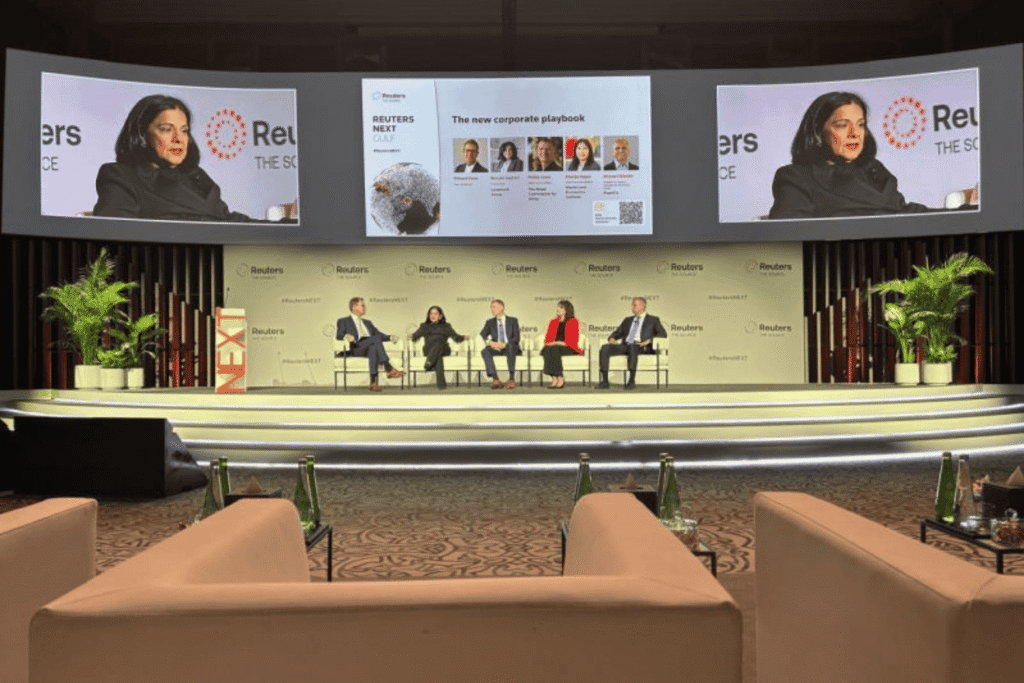
Landmark Group Chairwoman Highlights Retail Transformation at Reuters NEXT Gulf 2025

Renuka Jagtiani, Chairwoman of Landmark Group, underscored the company’s digital transformation and consumer-centric strategy during her appearance at the Reuters NEXT Gulf 2025 summit. Speaking on a panel titled “The New Corporate Playbook: Adapting to Shifting Consumer Behaviour,” Jagtiani joined industry leaders Ahmed El Sheikh, President & General Manager for MENAPAK Foods at PepsiCo; Khatija Paruk Haque, Chief Economist EEMEA at Mastercard Economics Institute; and Phillip J. Jones, Chief Tourism Officer of The Royal Commission for AlUla.

The discussion explored how businesses across the Middle East are recalibrating strategies to meet evolving consumer expectations in an increasingly digital and experience-driven economy. Jagtiani’s remarks highlighted Landmark’s journey from a regional retail chain to a fully integrated omnichannel powerhouse serving millions of customers across 11 countries.

Omnichannel Transformation and Digital Ecosystem

Renuka Jagtiani noted that Landmark Group has evolved from a traditional brick-and-mortar retailer into a dynamic omnichannel ecosystem. “Today, 20 percent of our business comes from online channels,” she said, emphasizing how digital adoption has become a key growth engine for the Group.

The company’s omnichannel model integrates physical stores with e-commerce platforms, mobile apps, loyalty programs, and real-time customer insights. This integration enables shoppers to browse, purchase, and return products seamlessly across physical and digital touchpoints. With its extensive network, Landmark now serves more than 100 million customers annually.

The Group’s brands including Centrepoint, Home Centre, Max Fashion, Babyshop, and Lifestyle leverage shared logistics and data infrastructure to maintain consistency in experience and service across markets.

Technology-Driven Efficiency

Jagtiani also highlighted how advanced technologies such as artificial intelligence, robotic automation, and blockchain are driving operational efficiency and transparency throughout Landmark’s value chain.

“Our logistics and supply-chain backbone is one of the largest in the region,” she said. “We’ve built a system where AI and automation work together to improve forecasting, inventory management, and last-mile delivery.”

Landmark Group’s supply-chain digitization extends across regional distribution centers, enabling faster replenishment and end-to-end visibility. Blockchain applications help track the movement of goods while ensuring compliance and sustainability.

In addition, RFID-enabled stores and self-checkout technologies are redefining the in-store experience, allowing customers to make purchases with minimal friction. These innovations, combined with automated furniture delivery now exceeding 4,500 orders daily have significantly improved service speed and accuracy.

Data, Loyalty, and Consumer Insight

Jagtiani described customer data as one of Landmark’s most valuable assets. The company’s loyalty platforms, Shukran and Landmark Rewards, serve over 85 percent of the Group’s customer base. Through these programs, shoppers enjoy personalized recommendations, exclusive rewards, and gamified experiences tailored to their preferences and purchase history.

She noted that the integration of data analytics with customer relationship management (CRM) enables Landmark Group to understand customer journeys in real time. “We have transitioned from transactional retail to relational retail,” Jagtiani explained. “Our platforms empower us to predict what our customers want before they ask for it.”

The Group’s investment in data infrastructure has allowed it to maintain consistent engagement across 11 markets, adapting offers and communications to cultural and economic differences while maintaining the same brand promise.

Regional Leadership in Logistics and Scale

Landmark Group’s vast logistics network underpins its regional leadership in omnichannel retail. The company operates advanced fulfillment centres and warehouses strategically located across the Gulf, the Levant, and North Africa. This infrastructure supports both e-commerce orders and in-store stock replenishment, ensuring high service levels.

Jagtiani emphasized that the Group’s regional scale serving 100 million plus customers enables it to negotiate favorable supplier terms, reduce costs, and invest in technology. “We see logistics not just as a cost centre but as a growth engine,” she said. “Our ability to deliver quickly and efficiently gives us a competitive advantage.”

The Broader Panel Discussion

The Reuters NEXT Gulf 2025 session gathered corporate leaders from multiple industries to discuss how regional companies can remain agile amid global economic volatility and evolving consumer expectations.

Ahmed El Sheikh of PepsiCo MENAPAK emphasized the importance of sustainability and portfolio diversification as consumer preferences shift toward health-focused products. Khatija Paruk Haque of Mastercard Economics Institute provided macroeconomic context, noting that the Middle East’s consumer spending growth remains resilient despite global headwinds. Phillip J. Jones from AlUla Tourism highlighted the link between experiential travel and consumer trust in brand authenticity.

Together, the panelists outlined a “new corporate playbook” based on adaptability, digital acceleration, and purpose-driven leadership.

Innovation, Resilience, and Customer-Centricity

For Jagtiani, innovation and customer-centricity remain at the heart of Landmark Group’s success. She described how the company’s digital tools empower frontline employees to personalize interactions, respond faster to customer feedback, and maintain service excellence across channels.

“Innovation is not just about technology; it’s about mindset,” she remarked. “Our teams are encouraged to experiment, fail fast and learn faster. This culture of agility keeps us relevant to today’s customer.”

The Chairwoman added that Landmark’s focus on data-driven decision making has helped the company navigate challenges ranging from supply-chain disruptions to shifting consumer behaviour during the pandemic. The company’s commitment to continuous innovation, she said, ensures its brands remain integral to the everyday lives of its customers.

A Vision for the Future of Retail

Looking ahead, Jagtiani outlined three core priorities for Landmark Group’s future: enhancing digital capabilities, accelerating sustainability initiatives and strengthening regional collaboration.

The Group plans to expand AI-driven personalization, deepen blockchain integration for supply-chain traceability and introduce new self-service formats across key markets. It also aims to embed environmental and social goals into its growth strategy, focusing on energy-efficient logistics, sustainable packaging and community engagement programs.

“The future belongs to organizations that balance purpose and profit,” Jagtiani said. “At Landmark, our mission is to improve everyday living for our customers while creating shared value for society.”

Outlook for Regional Retail Ecosystem

The Middle East’s retail sector is entering a new phase of digital maturity. Driven by a young, mobile-savvy population and supportive government policy, regional players are increasingly integrating technology and customer data into operations. Landmark Group’s transformation serves as a case study in how legacy brands can adapt without losing their core identity.

Industry analysts say Landmark’s leadership in omnichannel logistics and AI-driven efficiency sets a benchmark for others in the region. Its combination of scale, local knowledge and technology adoption positions it well for continued growth as consumer behaviour in the GCC and beyond evolves toward personalization and convenience.

Conclusion

Renuka Jagtiani’s remarks at Reuters NEXT Gulf 2025 reaffirmed Landmark Group’s status as one of the region’s most innovative and customer-centric retail conglomerates. By investing in technology, data and logistics while preserving a human-focused approach to retail, the company continues to set new standards for omnichannel excellence.

As the panel concluded, Jagtiani summed up the essence of the discussion: “The future of business is about connection connecting channels, technologies and, above all, people. At Landmark, that connection is our purpose.”

ENOC and Amazon Collaborate for Retail Innovation in UAE

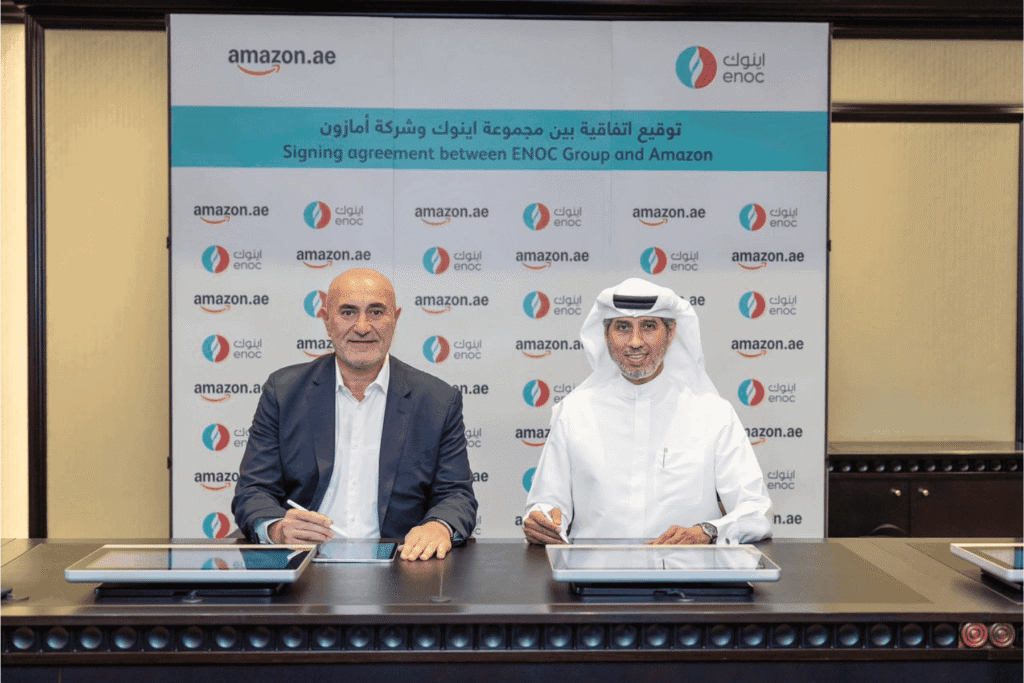
Emirates National Oil Company (ENOC) Group and Amazon UAE have announced a strategic collaboration designed to transform the retail experience across the United Arab Emirates through advanced technology and improved delivery infrastructure. The partnership was formalised via a memorandum of understanding (MoU) signed on 23 October 2025 in Dubai.

Under the agreement, ENOC’s extensive network of convenience stores and fuel-service stations will serve as quick-fulfilment hubs for Amazon’s growing e-commerce operations in the UAE. Amazon plans to repurpose select ENOC sites located in urban neighbourhoods to bring “everyday essentials and high-demand products” closer to customers, with the aim of reducing delivery distances and easing traffic congestion.

In parallel, ENOC’s “ZOOM” convenience-store concept is set to explore Amazon’s “Just Walk Out” technology a cashier-free shopping experience that allows customers to make purchases without stopping at checkout counters. The two companies also plan to make ENOC’s product portfolio available directly on the Amazon.ae marketplace for the first time. Entrepreneur

A Shift Toward Hyper-Local Fulfilment

Retail analysts note that the ENOC–Amazon tie-up epitomises a broader trend in the Gulf region: global digital commerce leaders partnering with local bricks-and-mortar networks to accelerate fulfilment efficiency and improve customer experience. By converting ENOC’s locations into micro-fulfilment centres, Amazon can reduce last-mile delivery times, a key differentiator in a market where convenience and speed are increasingly important.

The strategic move aligns with the UAE government’s digital-commerce and urban-mobility policies, which emphasise reducing vehicle traffic, enhancing local services and supporting sustainable urban infrastructure. Amazon’s delivery optimisation through ENOC sites is expected to support this agenda.

Implications for Retail and Logistics

For Amazon UAE, the collaboration strengthens its logistics footprint without major new construction by leveraging an existing national network. This provides an opportunity to scale rapidly, tapping into ENOC’s neighbourhood service-stations and petrol-station convenience stores. For ENOC, the partnership represents a step beyond traditional fuel-retail operations into e-commerce and digital fulfilment, enhancing its non-fuel retail channel.

Together, the companies may implement tiered fulfilment options, including ultra-fast delivery zones, click-and-collect at service stations and joint promotions. Over time, the collaboration could evolve into seamless omnichannel models where fuel, convenience-store purchases and online retail merge into a unified customer experience.

Consumer Experience and Technology Integration

Customers can expect new features such as faster delivery of small goods and groceries, enhanced product availability via Amazon.ae and friction-free in-store experiences at ENOC ZOOM locations. The introduction of Just Walk Out technology means users may soon shop at select ENOC-Amazon locations without queueing scanning in on arrival and simply walking out after collecting items. The system automatically charges the customer’s Amazon wallet or linked payment method.

From a technology standpoint, the initiative will require integration of Amazon’s real-time inventory and fulfilment systems with ENOC’s network, as well as deployment of sensors and cameras for cashier-less operation. The use of neighbourhood fulfilment hubs also demands sophisticated routing algorithms and dynamic stock placement to optimise delivery metrics.

Strategic and Sustainable Outcomes

The collaboration is strategically timed as the UAE intensifies efforts to bolster its digital economy and position itself as a regional hub for trade and logistics. By enhancing last-mile delivery efficiency and repurposing existing urban assets, the partnership aligns with sustainability objectives such as reducing vehicle miles travelled and utilising existing infrastructure-footprint more effectively.

As Hussain Sultan Lootah, Acting CEO of ENOC Group, stated: “This collaboration with Amazon allows us to bring world-class technology to our customers in the UAE. It not only enhances convenience and efficiency but reshapes the way customers shop while solidifying our role in shaping the future of UAE’s retail industry.”

Ronaldo Mouchawar, Vice President of Amazon Middle East, Africa and Turkey, added: “We are proud to join forces with ENOC, a household name and pioneer in the UAE. This collaboration reflects our shared vision to make digital retail innovation even more convenient… while supporting the UAE’s digital transformation and sustainable urban-development goals.”

Challenges and Considerations

While the initiative is promising, implementing neighbourhood-fulfilment networks and cashier-less convenience stores carries operational challenges. Converting petrol-station-centred sites into retail fulfilment hubs requires infrastructure upgrades, inventory management enhancements and customer-service training. Balancing fuel-retail operations with fast-moving consumer-goods fulfilment will require careful planning.

The integration of Amazon’s global data systems with ENOC’s national network also has cybersecurity, privacy and logistics-control implications. Ensuring that fulfilment nodes operate reliably across hundreds of sites and that delivery commitments are met in crowded urban locations will be critical to maintaining customer trust.

Outlook

The ENOC-Amazon partnership could serve as a blueprint for how energy and retail service players pivot toward digital commerce in the Gulf region. As urban density grows and delivery expectations increase, micro-fulfilment hubs embedded in community locations could become standard. The pilot phase in the UAE may lead to replication in other Gulf states where both companies operate.

For consumers, the outcome may be faster deliveries, more product choice and a smoother in-store digital experience. For the broader retail sector, the shift reinforces the necessity of omnichannel and fulfilment innovation even in traditionally offline segments.

Conclusion

The strategic collaboration between ENOC Group and Amazon UAE marks a significant milestone in the evolution of retail and logistics in the UAE. By merging ENOC’s widespread network with Amazon’s digital retail and fulfilment technologies, the partnership aims to deliver faster and more convenient shopping experiences while supporting the country’s sustainable urban-development objectives. How swiftly and effectively both companies execute joint initiatives will determine their success in reshaping the UAE retail landscape.

Shopee and Lazada Remain Thailand’s Top E-Commerce Brands

According to new data from YouGov, Thailand’s e-commerce landscape remains firmly dominated by Shopee and Lazada, as 66 % of Thai consumers say they would recommend Shopee to friends and family, followed by 52 % for Lazada. The findings suggest that, despite the arrival of new competitors like TikTok Shop, the two established‐platforms continue to hold strong consumer trust and advocacy in Southeast Asia’s digital economy.

The YouGov data draws from the BrandIndex and Profiles tools, which track consumer perceptions of brands through regular online survey responses in Thailand. For the period covering August 2024 to October 2025, the BrandIndex score for Shopee stood at 60 points up four points year-on-year while Lazada registered 45 points, showing a six-point decline in the same period. TikTok Shop entered the rankings for the first time with a score of 43. YouGov

Dominance of Localized Experience

The strong performance of Shopee and Lazada can be attributed to their deep localization strategies in Thailand. Shopee, owned by Singapore-based Sea Group, has emphasized mobile-first shopping, local language support, and community campaigns that resonate with Thai consumers. Lazada, backed by China’s Alibaba Group, leverages robust logistics and a broad brand portfolio tailored to the Thai market.

YouGov’s findings show that Thai consumers prioritise three key attributes when recommending an e-commerce platform: perceived value, service reliability and brand reputation. Shopee scored highest on value and recommendation, while Lazada maintained a slight edge in logistics performance and trust. The gap between first and second remains significant in a competitive market.

New Entrants Shake the Landscape

Although Shopee and Lazada remain at the top, the YouGov data also highlights the emergence of new players disrupting the Thai online market. TikTok Shop, having entered Thailand in 2022, now holds a 47 % recommendation rate, marking a notable rise for a newcomer.

The increase of TikTok Shop signals the growing influence of social-commerce experiences combining short-video content, influencer marketing and in-app purchasing. While TikTok Shop’s brand health score still trails the market leaders, its rapid entry into consumer consciousness poses a longer-term challenge to established platforms.

Market Growth and Consumer Behaviour

YouGov’s report coincides with broader market trends: Thailand’s e-commerce sector grew by approximately 14 % in 2024, reaching 1.1 trillion baht, up from 980 billion baht in 2023. Projections suggest the market could grow further to 1.6 trillion baht by 2027.

Mobile shopping remains central to this growth. With smartphone penetration already high in Thailand and digital payments becoming more accessible, e-commerce platforms are adapting with mobile-optimized apps, live-streaming integrations and localized fulfilment networks. Shopee and Lazada have both invested heavily in user-experience improvements, flash-sale events and seller-training programmes.

Implications for Brands and Retailers

For global and regional brands, the YouGov findings reinforce the importance of platform selection and consumer perception in Thailand. With 66 % of consumers willing to recommend Shopee, brand exposure and user-experience become critical differentiators. Similarly, Lazada’s strong logistics reputation continues to appeal to consumers seeking reliability.

New entrants such as TikTok Shop must build not only reach but also brand advocacy to compete over the longer term. According to YouGov’s methodology, recommendation metrics correlate with repeat purchases and long-term loyalty. A high “recommend” score therefore signals not only current preference, but future retention potential.

Challenges Ahead

Despite strong rankings, Shopee and Lazada face challenges. Lazada’s six-point drop in BrandIndex indicates pressure from newer rivals and possibly shifting consumer expectations. Shopee must guard against over-reliance on discounts and flash-sales, which may erode margins and long-term customer loyalty.

Emerging platforms must navigate fulfillment inefficiencies, customer-service gaps and local regulatory environments. TikTok Shop, for example, may struggle to match the logistical infrastructure of the incumbents, yet its strength lies in immersive content and social engagement. For all platforms, the ability to integrate multi-channel shopping experiences and handle returns, payments and fulfillment in the Thai context will remain a key battleground.

The Road Ahead

Thailand’s e-commerce market is poised for further evolution. As consumer behaviour shifts toward mobile, social and content-driven commerce, platforms that invest in experience, trust and speed will maintain their advantage. Shopee and Lazada appear well-positioned for now, but the growing importance of influencer-led commerce and live-shopping events means that the competitive landscape could change significantly over the next 12 to 24 months.

For retailers and brands operating in or entering the Thai market, aligning with the right platform increasingly means aligning with local consumer sentiment, logistical reliability and mobile-first design. The YouGov data shows that brand perception in the platform category remains a key differentiator.

Conclusion

The YouGov ranking confirms that Shopee and Lazada continue to lead Thailand’s e-commerce sector in terms of consumer recommendation and brand advocacy. Their strong performance underscores the value of localized strategies, reliable service and consumer trust in a fast-growing digital market. At the same time, the emergence of TikTok Shop and other newer platforms signals that the next wave of competition will be defined not just by price and logistics, but by mobile-first engagement, content-driven shopping and ecosystem innovation.

DHL Invests €300 Million to Expand in Sub-Saharan Africa

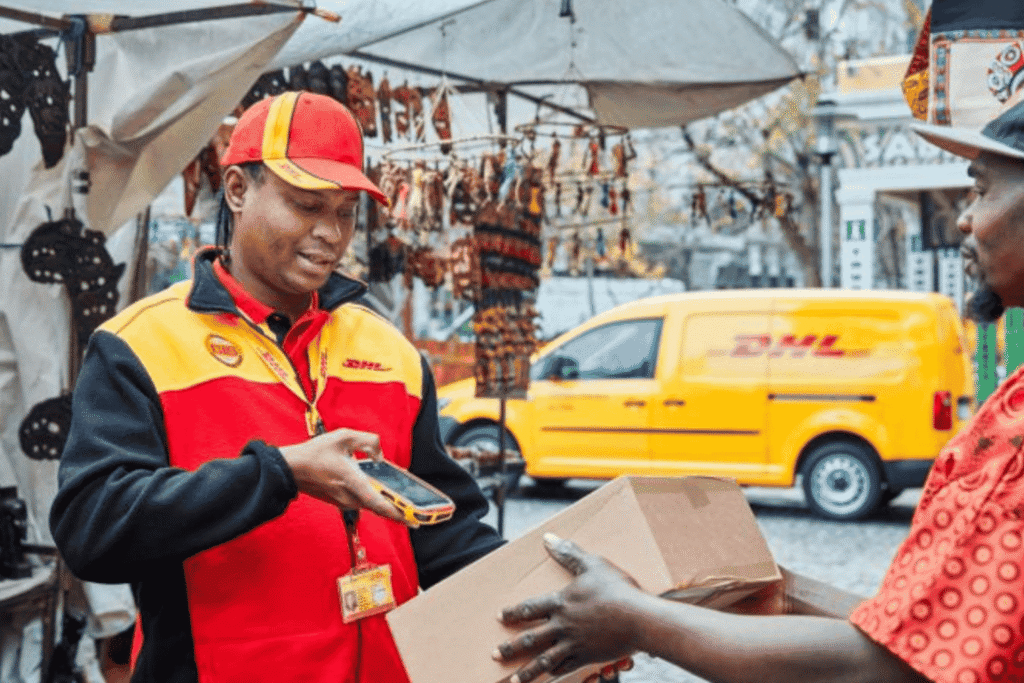
DHL Group has committed more than €300 million to a multi-year investment programme aimed at expanding its operations across Sub-Saharan Africa. The announcement underscores the logistics giant’s strategic focus on capitalising on the region’s growing trade activity, e-commerce expansion and evolving supply-chain infrastructure.

According to the company’s October 15, 2025 press release, the funds will be distributed across its three main divisions: DHL Express, DHL Global Forwarding and DHL Supply Chain. The investment will support upgrades in gateways, aviation capacity, cold-chain infrastructure and regional fulfilment networks, especially in emerging second-tier cities.

Strategic Rationale

DHL says the investment is a response to what it describes as “a pivotal moment in Africa’s trade journey”. The company highlights recent data showing Sub-Saharan Africa recorded a 10 percent year-on-year increase in trade value during the first half of 2025, the highest of any global region. Logistics Update Africa

The firm argues that the region offers both rising demand for logistics services and strategic opportunity, driven by increased connectivity via the African Continental Free Trade Area (AfCFTA) and growing e-commerce. By strengthening local infrastructure and supply-chain capabilities, DHL aims to enable African exporters and firms to compete in global markets more effectively. DHL Group+1

Investment Focus Areas

DHL’s investments will target several key sectors and operational capabilities:

  • Upgrading existing express gateways and increasing aviation linker capacity to support Africa–Europe and Africa–Asia trade corridors.Expanding cold-chain and perishables logistics to support agriculture, horticulture and life-sciences exports.

  • Enhancing fulfilment and warehousing capacity in countries such as South Africa, Nigeria and Ethiopia; with particular emphasis on second-tier cities where logistics gaps remain.  Group

  • Deploying digital tools for inventory visibility, routing optimisation and customs automation to improve reliability and reduce transit times.

  • Integrating sustainability measures including alternative fuels, renewable-energy powered facilities and emissions-reduction programmes.

Impact on the African Logistics Landscape

By allocating this level of capital to Sub-Saharan Africa, DHL signals growing operational commitment rather than a peripheral presence. The move is expected to have several ripple-effects within the regional logistics ecosystem:

  • Improved infrastructure may facilitate faster delivery times, better trade access for SMEs and increased participation of African firms in global value chains.

  • The investment may attract competitor activity and raise the bar for service levels across the industry, especially in e-commerce and perishables logistics, sectors where reliability often limits growth.

  • Governments and regional bodies might view increased private-sector investment as an endorsement of policy frameworks addressing trade-facilitation, customs reform and free-trade integration.

  • The stronger presence of a global logistics player may influence job creation, local supplier development and logistics-industry maturity in emerging markets.

Challenges and Considerations

While the investment is significant, several risks and execution challenges remain:

  • Infrastructure development in Africa faces structural hurdles such as funding gaps, inconsistent regulation and fragmented local markets. DHL must navigate these while scaling across multiple jurisdictions.

  • Achieving profitability in logistics expansion often depends on operational efficiency and scale. The increased investment implies that DHL expects sufficiently deep demand and stable growth; any slowdown could impact financial returns.

  • External shocks—such as global supply-chain disruptions, currency volatility or regional security instability could affect the effectiveness of network expansion in new cities.

  • Sustainability goals such as alternative-fuel deployment and digital customs integration require time, coordination with local authorities, and upfront cost. Balancing long-term investment with near-term results will be critical.

Outlook

With this investment plan, DHL positions itself to capitalise on Africa’s anticipated growth in trade, logistics demand and digital commerce. Business analysts suggest that logistics infrastructure will increasingly become a bottleneck for African exporters unless matched by strategic investment. By committing significant funds now, DHL aims to be ahead of that bottleneck.

The next two to three years will be pivotal. Key milestones will include delivery-time improvements; expansion of warehousing networks; growth in cold-chain throughput; and greater visibility of logistics-service performance across the continent. If executed successfully, the investment could reshape logistics service expectations in Africa and help local firms integrate more fluidly into global trade networks.

Conclusion

DHL’s announcement of a €300 million plus investment in Sub-Saharan Africa underscores the company’s long-term strategic bet on the region’s trade and logistics potential. By focusing on infrastructure upgrades, technology adoption and sectoral growth in e-commerce, perishables and healthcare logistics, the firm aims to both enable regional businesses and secure its position as a leading global integrator. As Africa’s trade volumes rise and logistics demands become more complex, such investment may prove decisive in defining the next era of supply-chain connectivity.

Temu Faces Government Oversight in South Africa

The South African government has announced new scrutiny of the Chinese online marketplace Temu, as concerns grow over its claims of operating local fulfilment infrastructure and its impact on domestic retail. The announcement was made by Park Tau, Minister of Trade, Industry and Competition, in response to parliamentary questions regarding Temu’s market conduct in South Africa. IOL+1

Minister Tau said his department has noted media reports that Temu recently launched what it describes as a “local warehouse” in South Africa. The facility is marketed as enabling faster delivery times in some cases under two days which has attracted attention from regulators and local stakeholders. He added that the country’s National Consumer Commission (NCC) will monitor the development and assess whether Temu’s operations comply with the Consumer Protection Act (Act 68 of 2008) and other relevant fair trading laws.

While the NCC has not yet received formal complaints specifically against Temu, the minister acknowledged that concerns raised in other jurisdictions including product quality, safety, and misleading marketing practices warrant closer examination. The NCC’s upcoming 2025/26 scoping of the e-commerce sector will evaluate these risks and determine whether further investigation is required.

Impact on Domestic Retail and Employment

The government’s focus on Temu comes amid mounting evidence of competitive pressure on South Africa’s local manufacturing and retail sectors. A report by the Localisation Support Fund estimated that Chinese platforms Temu and Shein achieved around R7.3 billion in sales in 2024, accounting for approximately 3.6 % of the total clothing retail market and 37 % of sectoral e-commerce sales. The same study estimated that up to 8,000 employment opportunities were either lost or never realised in local manufacturing and retail because of offshore e-commerce competition.

Minister Tau emphasised that developing a level playing field is a key goal: “Our e-commerce regulatory framework must safeguard domestic production without stifling innovation,” he said. The NCC’s planned review will seek to identify areas where offshore platforms may be undermining local competition, either through pricing practices, undisclosed import arrangements or misleading “local warehouse” claims.

Regulatory Response and Oversight

In his parliamentary address, Minister Tau outlined several regulatory avenues under review. First, the department is preparing to update the Consumer Protection Act and the Competition Act to better reflect digital-commerce realities, including cross-border imports, digital marketplaces and local fulfilment claims.

Second, the NCC will map the country’s e-commerce landscape during the 2025/26 financial year. The mapping will focus on the extent of local fulfilment, advertising claims, return policies, and payment protection for consumers. If sufficient evidence emerges, the NCC may launch formal investigations into offending platforms. “While no formal complaints have been received yet against Temu, the scoping process could lead to investigations where reasonable suspicion exists,” noted the minister.

The Temu Proposition and Local Claims

Temu entered the South African market in 2024, offering deeply discounted merchandise via mobile app and cross-border logistics. In mid-2025, the company introduced a labelled “local warehouse” feature that promised faster deliveries. However, the minister’s department clarifies that the facility is not Temu-owned but operated via third-party logistics providers. This distinction matters to regulators, who view transparency of local claims as a key compliance issue. BRICS Competition+1

Analysts in South Africa note that while Temu’s pricing model appeals to cost-conscious shoppers, the long-term sustainability of job creation and local value-chains remains open to question. The government’s concern is not only consumer protection but also the impact of “ultra-low-cost import models” on local industry.

Challenges Ahead for Regulation and Business

Regulating cross-border e-commerce platforms presents several challenges. Identifying effective local fulfilment, tracing true import value, and enforcing marketing standards across jurisdictions are complex tasks. The planned update of the Consumer Protection Act and Competition Act will require collaboration between customs, consumer affairs and trade ministries.

For Temu, the heightened regulatory risk adds another dimension to an already competitive market. Local retailers and platforms have raised concerns about price undercutting, labour displacement and unfair competition. If investigations proceed, Temu may face penalties, reputational damage or operational restrictions in South Africa.

Outlook for South Africa’s E-Commerce Sector

The government’s move signals a broader shift in how South Africa views e-commerce: not only as a growth engine but also as a regulatory challenge. As local digital adoption rises, South African policymakers are increasingly emphasising market fairness, local value-creation and consumer protection.

Platforms such as Temu, Shein and others will likely face closer scrutiny, especially concerning their claims of local fulfilment, price transparency and employment impact. In response, local platforms may gain regulatory advantage, while international newcomers will need to demonstrate adherence to South African laws and standards.

Conclusion

The announcement by Minister Park Tau marks a turning point in South Africa’s approach to offshore e-commerce platforms. While Temu continues to expand, the government is laying the groundwork for tighter oversight of online marketplaces, with the twin aim of safeguarding consumers and protecting domestic industry.

How Temu and similar platforms respond to this regulatory signal may determine their long-term viability in South Africa’s evolving digital economy. As the scope of oversight expands, the balance between global e-commerce growth and local competitive fairness will shape the future of the country’s retail landscape.

Walmart App to Launch in South Africa

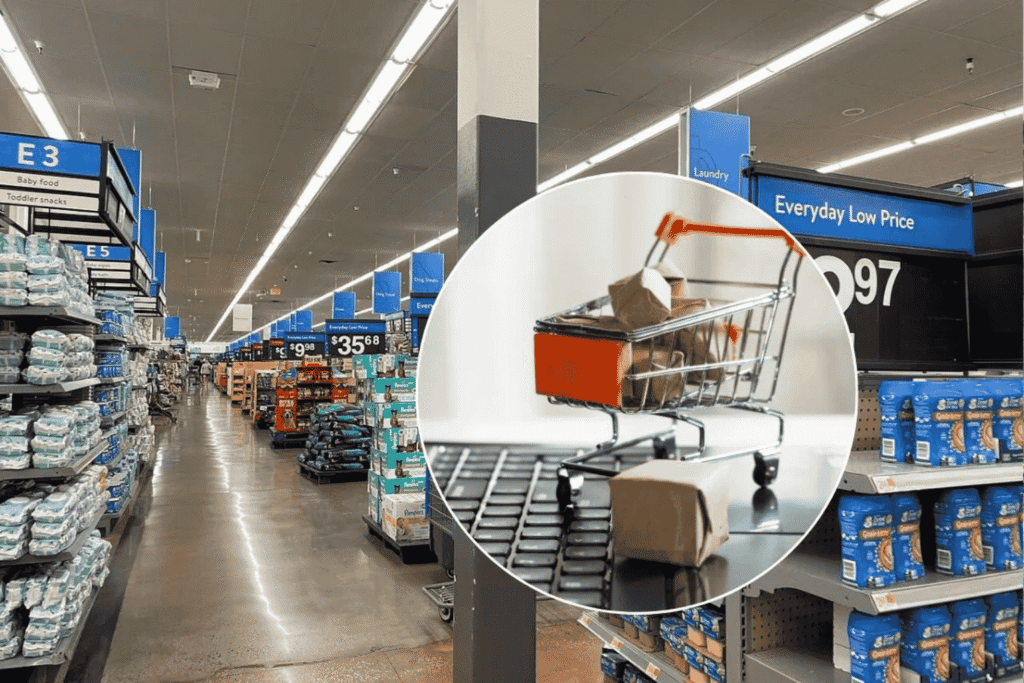
Global retail giant Walmart is set to enter South Africa’s e-commerce market at scale, with plans to launch a dedicated mobile shopping app in partnership with its local subsidiary Massmart. The forthcoming service will allow South African consumers to shop online for groceries, liquor, and a curated selection of general merchandise, marking Walmart’s most significant digital initiative in the country to date. The South African+1

Massmart confirmed that the Walmart-branded app will deliver an omnichannel experience, enabling customers to browse, purchase and receive orders from Walmart’s first branded stores in South Africa. Integration of Walmart’s global technological capabilities with Massmart’s locally developed pick, pack and delivery systems is central to the strategy.

Strategic Shift for Walmart in South Africa

The launch of the e-shopping app comes as Walmart moves beyond its traditional role in South Africa through Massmart’s established brands such as Makro, Game and Builders Warehouse. While Massmart has operated under Walmart’s majority ownership since 2011, this initiative represents Walmart’s direct digital retail offering in the market.

According to MyBroadband, the new Walmart app is being positioned not merely as a rebranding of existing operations but as a distinct digital platform intended to replicate the advanced tech-driven experience found in Walmart’s home market. Features such as an uncluttered interface, integrated global logistics frameworks and high-speed fulfilment are slated to underpin the service.

What Consumers Can Expect

The app’s functionality will include access to groceries, liquor and general merchandise via a streamlined mobile interface. While exact delivery times and pricing models have yet to be finalised, Massmart has indicated a mix of delivery vehicles including motorcycles and larger vans will be used to optimise urban fulfilment. In the United States, Walmart’s “Express” service has enabled deliveries in as little as five minutes post-payment; the South African app will adapt those capabilities to local conditions.

One notable feature is the inclusion of driver-friendly amenities such as rest areas where delivery riders can recharge phones and take breaks to support the logistics workforce and ensure reliable service. This attention to operational detail reflects the application of global models to local infrastructure. MyBroadband

Market Context and Competitive Landscape

South Africa’s online retail sector is growing rapidly, backed by increasing internet penetration, mobile adoption and consumer preference for convenience. With incumbent platforms such as Takealot, as well as the recent launch of Amazon in the market, competition is intensifying. Analysts view Walmart’s move via its app as a major challenge to existing players and possibly a disruptor in pricing, fulfillment speed and omnichannel reach. Reuters

Walmart’s “Every Day Low Prices” (EDLP) strategy is expected to underpin the app’s value proposition in South Africa. Massmart indicated that this pricing model will be central to its offering, aiming to deliver consistent affordability to cost-conscious shoppers.

Implementation and Roll-Out Plans

The first Walmart-branded store in South Africa is expected to open at Fourways Mall later this year, with the mobile app launch closely aligned with the physical store roll-out. Massmart has described this as part of the same experience online ordering, delivery, and ultimately in-store pickup or fulfilment services.

While exact launch dates and delivery coverage areas remain unconfirmed, industry watchers regard South Africa as a key growth target for Walmart’s international digital ambitions. The company’s careful integration of global and local systems aims to position it for long-term market penetration rather than a short-term entry.

Operational Challenges and Considerations

Despite the promising outlook, successfully executing a full-scale mobile‐first retail platform in South Africa faces challenges. Logistics infrastructure must support urban and township delivery, consumer trust must be built for a new brand offering, and pricing expectations must balance affordability and profitability. As one local forum user noted:

“If the online experience is anything like Makro’s, we’ll see where the challenge lies.”

Moreover, the decision to integrate motorcycles alongside vans for fulfilment suggests that urban delivery congestion and infrastructure are key considerations. Building driver rest-zones and ensuring efficient routing are part of Walmart’s localisation strategy.

Impact on South African Retail Ecosystem

For South African consumers, the arrival of Walmart’s app signals a potential shift in pricing and delivery dynamics. Established retailers may face increased pressure to improve their digital offerings, showrooms and last-mile operations. For local suppliers, the app and related store network may open new channels, particularly if Walmart follows through on its commitment to partner with South African entrepreneurs and source locally.

The move also reflects broader global retail trends where e-commerce and omnichannel platforms are increasingly merging physical presence with digital infrastructure. Walmart’s technology-enabled approach in South Africa could serve as a model for other markets in Africa, where the integration of mobile apps, logistics networks and retail real estate is still developing.

Looking Ahead

In the medium term, success will depend on Walmart’s ability to deliver a competitive digital shopping experience that resonates with South African consumers. Key metrics will include app adoption, delivery performance, pricing perception, and the ability to scale genre-specific product assortments (groceries, liquor, general merchandise).

If Walmart can replicate its U.S. e-commerce model in South Africa, the implications are significant: faster deliveries, heavier reliance on mobile-first shopping, and intensified competition on value. The timing and speed of rollout will be critical as rival platforms continue to evolve their own offerings.

Conclusion

Walmart’s push into South Africa through its mobile app and branded stores signals a bold commitment to digital retail in an increasingly competitive market. By blending global technology with local fulfilment strategies, the company aims to redefine how South Africans shop online  and how quickly they receive goods.

With affordability, convenience and local partner integration at its core, the upcoming launch could transform the country’s online retail landscape. For consumers, suppliers and competitors alike, the countdown to Walmart’s app release marks a key moment in South Africa’s e-commerce evolution.

IMF Forecasts Moderate Growth Across MENAP Region in 2025

The International Monetary Fund (IMF) has released its 2025 growth forecast for the Middle East, North Africa, Afghanistan, and Pakistan (MENAP) region, projecting moderate but uneven economic expansion across member countries. The new figures highlight diverging trends among oil exporters, reform-oriented economies, and conflict-affected states, reflecting a complex landscape shaped by fluctuating energy prices, geopolitical tensions, and domestic reform agendas.

According to the IMF, the overall regional outlook shows cautious optimism, with several economies expected to rebound from subdued growth in 2024. The United Arab Emirates, Morocco, and Saudi Arabia are among the top performers, while nations such as Yemen and Iraq face continued structural and political headwinds that constrain output.

(IMF.org)

Mixed Performance Across MENAP Economies

The IMF’s updated World Economic Outlook projects growth rates for 2025 as follows:

  • Algeria: 3.4%

  • Egypt: 4.3%

  • Iran: 0.6%

  • Iraq: 0.5%

  • Jordan: 2.7%

  • Kuwait: 2.6%

  • Morocco: 4.4%

  • Pakistan: 2.7%

  • Qatar: 2.9%

  • Saudi Arabia: 4.0%

  • Somalia: 3.0%

  • Sudan: 3.2%

  • United Arab Emirates: 4.8%

  • Yemen: -1.5%

The figures indicate that while the region’s average growth remains positive, the disparity between energy-rich economies and those grappling with inflation or political instability continues to widen.

Gulf Economies Lead Regional Recovery

The IMF report underscores that the Gulf Cooperation Council (GCC) economies will remain the primary growth engines of MENAP in 2025. The United Arab Emirates, projected to grow by 4.8%, is expected to lead the region thanks to ongoing diversification initiatives, robust non-oil activity, and strong tourism and real estate performance.

Saudi Arabia follows closely with an estimated 4.0% expansion, reflecting a gradual recovery in oil production and sustained non-oil growth under Vision 2030 reforms. The IMF notes that Riyadh’s continued investment in infrastructure, digital transformation, and logistics hubs is underpinning a more balanced economic structure.

Qatar, with a 2.9% forecast, is also set to maintain steady growth supported by the expansion of its liquefied natural gas (LNG) sector and strong fiscal buffers. Kuwait (2.6%) and Oman (not listed in this dataset but expected around the same range) are likewise benefiting from fiscal prudence and moderate oil prices that remain above pre-pandemic averages.

North African Outlook: Morocco and Egypt Shine

In North Africa, Morocco and Egypt are projected to outperform their regional peers. Morocco’s economy is expected to grow by 4.4% in 2025, driven by a strong agricultural season, recovering exports, and increased foreign investment in renewable energy and automotive manufacturing. The IMF credits Rabat’s structural reforms and diversified economy as key factors contributing to its resilience.

Egypt’s growth projection of 4.3% reflects gradual stabilization following a challenging year marked by currency depreciation and inflationary pressure. The IMF anticipates that reforms in fiscal policy, improved foreign exchange flexibility, and support from international partners will restore confidence in Egypt’s economy.

Algeria, another major North African economy, is forecast to grow by 3.4% slightly below Morocco but still robust. The expansion is supported by hydrocarbon exports and state-led infrastructure investments. However, the IMF warns that overreliance on energy revenues and limited private sector diversification could pose medium-term risks.

South and East of the Region: Uneven Recovery

Pakistan is expected to post modest growth of 2.7% in 2025, as macroeconomic stabilization measures begin to take effect following years of fiscal imbalances and currency pressures. The IMF emphasizes the importance of structural reforms and energy sector modernization to sustain growth momentum.

Jordan, with a forecast of 2.7%, remains on a steady but fragile recovery path. The IMF report points to continued dependence on remittances and external aid, while also highlighting improvements in tourism and foreign investment.

Sudan and Somalia, both facing internal instability, are expected to register growth rates of 3.2% and 3.0% respectively. These figures reflect limited recovery from conflict and drought conditions but remain below the regional average.

Yemen, however, remains the region’s weakest performer with a projected contraction of 1.5%, largely due to protracted conflict and a collapsing infrastructure base that continues to constrain economic activity.

Iran and Iraq Struggle Amid External Pressures

Iran’s growth forecast of just 0.6% reflects persistent sanctions, low investment inflows, and weak consumer confidence. The IMF also notes that inflationary pressures and currency depreciation are undermining household purchasing power. Without significant reforms or easing of external constraints, Tehran’s growth potential will likely remain limited.

Iraq, projected at 0.5%, continues to face difficulties balancing its oil-dependent economy with ongoing political uncertainty and public sector challenges. Oil output constraints, coupled with limited private sector diversification, are expected to cap economic gains in the short term.

Structural and Policy Factors

Across the MENAP region, the IMF underscores the importance of economic diversification and fiscal sustainability. Oil-exporting countries are being urged to channel energy revenues into productive investments such as technology, manufacturing, and green energy to mitigate the long-term risks of fluctuating oil prices.

Meanwhile, non-oil economies like Egypt, Jordan, and Pakistan are advised to focus on fiscal consolidation, monetary stability, and private-sector development to build resilience against external shocks. The report also highlights that inflation remains a concern in several countries, particularly those dependent on food and fuel imports.

Global Context

The IMF’s projections are released at a time of global economic uncertainty marked by slower trade, tightening financial conditions, and geopolitical volatility. For MENAP countries, these headwinds are compounded by regional challenges such as water scarcity, youth unemployment, and uneven access to capital.

Nonetheless, the IMF remains cautiously optimistic that structural reform momentum in countries like Saudi Arabia, the UAE, and Morocco will sustain medium-term growth. Continued foreign investment, especially in renewable energy and digital transformation, is seen as key to regional stability.

Conclusion

The 2025 IMF forecast for the MENAP region paints a picture of cautious recovery one marked by stark differences between countries moving toward modernization and those still grappling with instability. While the Gulf states continue to lead with strong fiscal buffers and reform-driven growth, nations such as Yemen, Iraq, and Iran face significant economic headwinds.

Ultimately, the IMF emphasizes that sustained growth in MENAP will depend on three factors: political stability, economic diversification, and effective policy execution. As the global economy adapts to post-pandemic realities and energy transitions, the region’s ability to innovate and integrate will determine its long-term trajectory.

Google Plans Major Investment in THG Ingenuity

Google LLC, a subsidiary of Alphabet Inc., is planning a multimillion-pound investment in THG Ingenuity, the e-commerce technology division of UK-based The Hut Group (THG). The move, first reported by Sky News and later confirmed by Reuters, marks one of Google’s most notable forays into the e-commerce infrastructure and logistics space to date.
(reuters.com)

According to the report, Google’s investment will come in the form of a convertible instrument that could later be converted into equity, valuing THG Ingenuity at approximately £750 million (around USD 1 billion). While the specific size of the investment remains undisclosed, the valuation reflects Google’s growing interest in next-generation digital commerce and fulfilment technologies.

A Strategic Move into E-Commerce Infrastructure

The planned investment highlights Google’s expanding focus on the infrastructure behind online retail — a shift that could reshape its role in the global e-commerce ecosystem. Historically, Google has dominated online advertising, cloud computing, and data analytics. With THG Ingenuity, the company is now targeting the operational backbone of e-commerce — encompassing technology platforms, data-driven logistics, and direct-to-consumer fulfilment systems.

THG Ingenuity provides an end-to-end e-commerce solution, offering technology, web hosting, digital marketing, payment systems, and order fulfilment. Its platform powers thousands of global brands, enabling businesses to sell directly to consumers without building internal logistics or IT infrastructure. Google’s financial backing is expected to accelerate THG Ingenuity’s growth and strengthen its global competitiveness against major players such as Shopify, Amazon Web Services, and Adobe Commerce.

For Google, the deal represents a strategic opportunity to integrate its own cloud and AI capabilities into THG’s platform — expanding its ecosystem beyond advertising into commerce enablement. Analysts suggest that combining Google Cloud with Ingenuity’s retail data infrastructure could create a new model for digitally integrated retail.

THG’s Transformation Journey

The investment also comes at a pivotal time for THG, which has been restructuring its business to focus on its three main divisions — Beauty, Nutrition, and Ingenuity. Once considered one of the UK’s fastest-growing digital retailers, THG’s share price has struggled in recent years amid intense competition and investor pressure.

In response, the company spun off Ingenuity as a standalone technology and logistics unit to attract new partnerships and investors. The Google transaction — if finalized — would provide the validation and capital that THG needs to strengthen Ingenuity’s international reach.

THG Ingenuity already manages logistics and fulfilment across 200 destinations worldwide, with warehousing and data centers in Europe, the Middle East, and North America. The partnership with Google could help expand that footprint even further.

Synergy Between Data, Cloud, and Commerce

The Google–THG partnership is expected to align around three core synergies: data analytics, cloud services, and AI-driven automation.

First, Google Cloud’s data processing capabilities could enable THG to optimize inventory, forecast demand, and personalize customer experiences. Retailers using Ingenuity would gain access to enhanced analytics and machine learning tools — something Google has been perfecting through its advertising and search products.

Second, by embedding Google’s cloud architecture into THG’s e-commerce systems, both companies could strengthen data security and improve scalability. This integration could make Ingenuity more attractive to large-scale enterprise clients seeking flexible, high-performance infrastructure.

Third, the collaboration is expected to drive innovation in logistics automation. AI-powered routing, order tracking, and warehouse management could reduce costs and improve delivery times — a crucial advantage in an increasingly competitive fulfilment market.

Regulatory and Market Considerations

While the potential benefits are clear, industry experts note that the partnership could attract regulatory scrutiny. Google’s expansion into fulfilment and e-commerce infrastructure may raise antitrust questions, given its dominant position in online advertising and cloud services. European regulators have already taken a close look at vertical integration in tech ecosystems, and any equity stake could prompt further examination.

Still, analysts view the partnership as mutually beneficial. For Google, the investment opens a new frontier in its long-term digital commerce strategy. For THG, it signals credibility and investor confidence after several challenging quarters on the London Stock Exchange.

Market observers also note that the move could inspire similar collaborations between technology and e-commerce infrastructure companies, as the global market increasingly values integration between cloud computing, analytics, and retail technology.

Global E-Commerce Context

The deal reflects broader trends in the e-commerce sector, where the emphasis is shifting from front-end marketplaces to back-end infrastructure. As brands prioritize control over their data and customer relationships, demand is rising for third-party technology providers that offer scalable solutions.

THG Ingenuity operates in precisely this niche — powering “white label” e-commerce platforms for brands that want to operate independently of Amazon or other marketplaces. With Google’s support, the company could leverage cloud-based tools to enter new verticals such as AI-powered product recommendations, omnichannel analytics, and sustainability tracking for logistics.

Globally, e-commerce infrastructure investment is expected to exceed USD 200 billion by 2030, with AI and automation contributing significantly to operational efficiency. Google’s move to invest in Ingenuity could thus position it as a direct player in this growing segment, competing indirectly with Amazon’s logistics services and Shopify’s commerce solutions.

Strategic Relevance for the UK Tech Ecosystem

For the UK, the deal would represent a rare major technology investment at a time when local tech startups face declining venture funding. Analysts say that Google’s involvement could bring renewed attention to the UK’s digital economy and encourage similar global partnerships.

THG’s headquarters in Manchester and its extensive operational network across the North of England have long been cited as examples of regional tech success. The investment could further boost the UK’s ambition to establish itself as a leading hub for e-commerce technology innovation.

Future Outlook

While the investment is still subject to final negotiation and regulatory approvals, both sides appear aligned on the long-term strategic value. Insiders suggest that the partnership could evolve into deeper collaboration, potentially leading to joint innovation labs or integrated product offerings combining Google Cloud, AI, and Ingenuity’s commerce stack.

If the deal proceeds, THG Ingenuity could see rapid scaling of its platform capabilities, while Google would gain a foothold in an area critical to the future of online retail: data-driven fulfilment infrastructure.

Analysts expect further announcements on deal completion and partnership rollout within the next few months.

Conclusion

Google’s planned investment in THG Ingenuity marks a major turning point for both companies — and a broader signal of how global tech giants are redefining the future of e-commerce. As retail becomes increasingly technology-driven, the lines between search, cloud, and logistics continue to blur.

For Google, the deal could extend its influence deeper into the commerce value chain. For THG, it could restore momentum and unlock global expansion. If executed successfully, this partnership could set a precedent for collaboration between Silicon Valley and the UK’s tech sector, blending innovation, data intelligence, and operational scale.