WORLDEF Prime Antalya 2026 - Upcoming Event

Register Now

GCC 60-Minute Delivery

The race to deliver products within an hour is heating up across the Gulf Cooperation Council (GCC), redefining the region’s logistics and retail industries. As consumer expectations evolve and e-commerce penetration deepens, companies in the United Arab Emirates, Saudi Arabia, and neighboring Gulf states are embracing “quick commerce” — an emerging business model centered on ultra-fast fulfillment.
(transportandlogisticsme.com)

According to Transport & Logistics Middle East, 60-minute delivery has become the new competitive frontier in the region’s logistics ecosystem. What started as a premium option for groceries and food has evolved into a mainstream expectation across multiple categories, including pharmaceuticals, electronics, beauty products, and personal care.

The Quick Commerce Revolution

The GCC’s logistics market, long known for its efficiency, is undergoing a fundamental transformation. The rise of 60-minute delivery reflects a convergence of technological innovation, changing consumer habits, and strategic investment. Urban consumers, empowered by smartphones and digital payment systems, now demand immediate gratification and convenience.

Research cited by Transport & Logistics Middle East estimates that the GCC’s quick-commerce market defined by 10 to 60-minute delivery windows could reach USD 521 million by the end of 2025. By 2030, the sector is projected to grow to nearly USD 900 million, representing a compound annual growth rate exceeding 11 percent.

This surge is driven primarily by the UAE and Saudi Arabia, where high population density, strong digital infrastructure, and government-backed innovation programs are enabling logistics companies to reimagine last-mile delivery.

Technology and Infrastructure Enablers

To make 60-minute delivery possible, logistics providers are adopting decentralized fulfillment strategies. The rise of “micro-fulfillment centers” — compact storage hubs located close to consumers — allows companies to minimize travel distances and fulfill orders within tight timeframes.

Known as “dark stores,” these small warehouses are strategically distributed across urban centers. Stocking fewer but faster-moving products, they rely on real-time inventory visibility, predictive analytics, and route optimization algorithms to meet delivery promises.

Artificial intelligence plays a central role in orchestrating these rapid deliveries. AI-powered demand forecasting allows logistics operators to anticipate which products are likely to sell in specific neighborhoods. Combined with data from customer behavior, traffic patterns, and weather forecasts, this technology enables smarter routing and faster dispatch.

Electric vehicles and two-wheeler delivery fleets are also being deployed to improve speed and reduce environmental impact. In some Gulf cities, e-bikes and scooters are becoming the preferred mode for short-distance deliveries due to their agility and efficiency in congested areas.

The Business Case for Speed

For retailers, offering delivery in 60 minutes or less is increasingly a competitive necessity rather than a luxury. Consumers associate faster delivery with brand reliability and superior service. According to industry analysts, reducing delivery time by even 30 minutes can significantly increase conversion rates and repeat orders.

However, the economics of quick commerce remain challenging. Maintaining multiple micro-fulfillment centers raises operational costs, and ensuring consistent on-time delivery requires tight coordination between suppliers, couriers, and digital platforms.

Experts suggest that achieving profitability in this model requires scale, automation, and efficient resource utilization. Companies must strike a balance between customer satisfaction and unit economics — a challenge that many startups globally have struggled to master.

In the GCC, however, the region’s compact urban geography and high consumer spending power create favorable conditions. As a result, several players — from regional startups to global logistics giants — are doubling down on one-hour delivery capabilities.

Emerging Competition and Consolidation

The 60-minute delivery model is no longer limited to niche players. Large e-commerce platforms, supermarkets, and delivery aggregators are investing heavily in technology and partnerships to claim market share. In the UAE, companies like Talabat, InstaShop, and Careem have already rolled out quick-delivery options across major cities.

Similarly, Saudi Arabia’s growing digital economy has seen local platforms expand aggressively into ultra-fast delivery. Logistics providers are competing to control urban distribution networks and secure long-term partnerships with retailers.

This intense competition is leading to consolidation. Analysts predict that within three years, the majority of quick-commerce traffic in the GCC will be controlled by a few dominant players who can achieve scale through mergers, acquisitions, or partnerships with global logistics networks.

Urban Planning and Sustainability Challenges

While ultra-fast delivery satisfies consumer demand, it poses logistical and environmental challenges for cities. The proliferation of delivery bikes and small vans increases congestion and emissions, especially during peak hours.

To mitigate this, Gulf governments are investing in smart infrastructure to accommodate new delivery models. Some municipalities are designating micro-hub zones, optimizing traffic flow, and experimenting with electric vehicle incentives.

Dubai’s Roads and Transport Authority (RTA), for instance, has launched pilot projects to test autonomous delivery pods and smart loading bays to streamline urban logistics. These innovations aim to balance convenience with sustainability, ensuring that speed does not come at the expense of environmental goals.

Operational Complexities and Risk

Delivering within 60 minutes requires a flawless orchestration of systems and human resources. From inventory management to courier assignment, every second counts. Even minor disruptions — such as traffic delays, misplaced orders, or stock errors — can jeopardize customer trust.

To address this, logistics providers are integrating advanced control towers powered by real-time analytics. These digital command centers monitor deliveries, track rider performance, and predict delays before they occur.

The key challenge remains scalability. As companies expand geographically, maintaining the same speed and reliability across multiple cities becomes exponentially more difficult. Experts believe that AI-driven automation, IoT-based tracking, and cloud logistics platforms will play an increasingly critical role in sustaining the 60-minute promise.

Future Outlook

The 60-minute delivery race in the GCC is more than a logistics trend — it represents a fundamental shift in how consumers and businesses interact. The line between retail and logistics is blurring as fulfillment becomes a central part of brand strategy.

By 2030, experts predict that quick commerce will be a standard feature of urban life in the Gulf. Retailers that integrate technology, sustainability, and customer-centric operations will be best positioned to thrive.

The broader implication for the region is strategic: the Gulf is evolving from a consumer market to a global innovation hub for logistics technology. By pioneering ultra-fast delivery models, the GCC is setting new benchmarks for service efficiency that could influence logistics strategies worldwide.

Conclusion

The GCC’s logistics landscape is entering a new era defined by immediacy, data, and urban intelligence. Sixty-minute delivery is no longer a differentiator it is the new baseline for competition.

As logistics firms, retailers, and governments collaborate to make this model viable and sustainable, the Gulf stands on the verge of a transformation that blends speed with sophistication. The outcome will not only reshape consumer expectations but also redefine how cities, businesses, and supply chains function in the digital economy.

Inma Emirates Launch

Sheikh Ahmed Dalmook Al Maktoum, a member of Dubai’s ruling family, has established Inma Emirates Holdings — a new private investment and development company designed to expand his portfolio of impact-driven and sustainable projects across the Middle East, Africa, and beyond. The new entity will focus on long-term value creation through strategic investments in infrastructure, technology, and real estate.
(zawya.com)

According to the announcement, the name Inma derives from the Arabic root “N-M-A,” meaning “growth” — a reflection of the company’s philosophy of sustainable progress and positive social impact. Inma Emirates Holdings will serve as a consolidation platform for Sheikh Ahmed’s diverse portfolio of ventures and investments, transforming previously independent initiatives into an integrated, institutional structure that aligns business objectives with national development goals.

Vision for Sustainable Investment

The creation of Inma Emirates Holdings represents Sheikh Ahmed’s broader vision of bridging private enterprise with government-aligned development agendas. The company’s mission is to identify and deliver projects that combine commercial returns with measurable social and environmental outcomes.

The holding’s operations will focus on three pillars — infrastructure, technology, and real estate — sectors that the leadership sees as essential to achieving sustainable growth. Under this strategy, Inma Emirates Holdings will pursue public-private partnerships, long-term concessions, and equity participation models that balance profitability with purpose.

In a statement, Sheikh Ahmed highlighted that the company was established to institutionalize family-office investments and scale them through international partnerships. “Our objective is to catalyze progress through innovation, collaboration, and impact,” he said. “Inma Emirates Holdings embodies Dubai’s spirit of ambition and its commitment to building a sustainable future that benefits communities globally.”

Focus Areas and Current Portfolio

Inma’s investment strategy will initially target projects with tangible long-term impact, particularly those aligned with the UN Sustainable Development Goals. Early examples of Sheikh Ahmed’s current portfolio include a 50-year concession agreement for operations at Karachi Port Trust in Pakistan, developed in partnership with Abu Dhabi Ports; a 36.6 MW power project in Equatorial Guinea; and investment in Talent Plus, a UAE-based digital economy enterprise supporting regional innovation.

These initiatives exemplify Inma Emirates Holdings’ approach: investing in ventures that generate economic returns while delivering real developmental benefits such as employment creation, infrastructure resilience, and digital inclusion.

The company also plans to explore clean-energy projects, smart-city initiatives, and digital infrastructure developments across Africa and South Asia, positioning itself as a cross-regional catalyst for sustainable economic transformation.

Institutional Framework and Governance

Inma Emirates Holdings is structured with a clear governance model emphasizing accountability, transparency, and long-term strategic alignment. Investment committees will oversee project evaluation based on predefined performance indicators such as operational efficiency, social value creation, and environmental impact.

Each project will be assessed not only for financial viability but also for its contribution to broader societal goals — including education, sustainability, and community development. The holding intends to measure results through Key Performance Indicators (KPIs) such as job creation, income generation, emissions reduction, and quality-of-life improvements.

By combining disciplined financial management with purpose-driven investment criteria, Inma Emirates Holdings seeks to redefine what responsible capital can achieve in emerging and frontier markets.

Strategic Role in Dubai’s Development Vision

The establishment of Inma Emirates Holdings reflects Dubai’s commitment to supporting enterprises that align private wealth with public progress. As Sheikh Ahmed’s flagship investment platform, Inma complements the UAE’s broader economic diversification efforts under Vision 2031 — the national agenda aimed at fostering sustainability, innovation, and global competitiveness.

Industry observers note that the timing of Inma’s launch coincides with an increasing regional focus on impact investment and ESG-aligned capital deployment. Gulf investors are channeling greater resources into sustainable infrastructure, renewable energy, and technology ecosystems that enhance long-term resilience and attract international collaboration.

By combining business and government cooperation within a unified structure, Inma Emirates Holdings positions itself as both a regional and international player in the expanding field of sustainable finance.

Core Values and Philosophy

Inma Emirates Holdings is built on four guiding principles: foresight, collaboration, responsibility, and adaptability. These values will shape the company’s investment selection process and operational culture, ensuring that growth is balanced with ethical stewardship.

The holding emphasizes inclusivity, aiming to empower local communities wherever it operates. Sheikh Ahmed’s statement stressed that “sustainability must not only be an economic objective but a social duty.” The company’s governance framework ensures that environmental and community considerations are embedded in every investment decision.

Regional and Global Partnerships

Inma Emirates Holdings intends to build strategic alliances with international investors, financial institutions, and development organizations. Through partnerships with global entities, the company aims to mobilize capital for projects that deliver shared value — enhancing infrastructure resilience, enabling digital transformation, and fostering knowledge transfer.

The company’s geographic focus extends from the Gulf region to emerging markets in Africa and South Asia, where infrastructure gaps and technology adoption challenges present high-impact opportunities. These partnerships are expected to play a crucial role in delivering scalable solutions to critical issues like energy access, logistics efficiency, and urban development.

A Model for Impact Capital

By launching Inma Emirates Holdings, Sheikh Ahmed joins a growing cohort of Gulf business leaders who are institutionalizing their investment portfolios around the principles of sustainability and measurable impact. The holding’s hybrid model — combining public-sector collaboration with private agility — could serve as a regional benchmark for “impact capitalism,” where financial success and societal progress reinforce each other.

Analysts suggest that this new structure will not only enhance operational efficiency but also attract institutional investors seeking stable, ESG-compliant projects in emerging markets.

Future Outlook

Inma Emirates Holdings plans to announce a series of new projects in 2026, with a focus on renewable energy, logistics, digital identity infrastructure, and education-technology platforms. As the company scales its operations, it is expected to leverage Dubai’s strategic position as a global hub for finance, trade, and innovation.

Experts believe that Inma’s establishment will further strengthen Dubai’s influence in the global impact investment ecosystem. The emirate’s policy environment, combined with Sheikh Ahmed’s experience in cross-border projects, provides a strong foundation for long-term expansion.

Conclusion

The creation of Inma Emirates Holdings marks a major step in aligning Dubai’s private investment initiatives with its national sustainability vision. Sheikh Ahmed Dalmook Al Maktoum’s decision to consolidate his portfolio under this new entity reflects both strategic foresight and a commitment to purposeful capital deployment.

As impact investment continues to reshape global finance, Inma Emirates Holdings stands out as a symbol of the UAE’s ambition to lead the next era of responsible growth — combining profitability with progress and innovation with integrity.

AI Cybersecurity Market

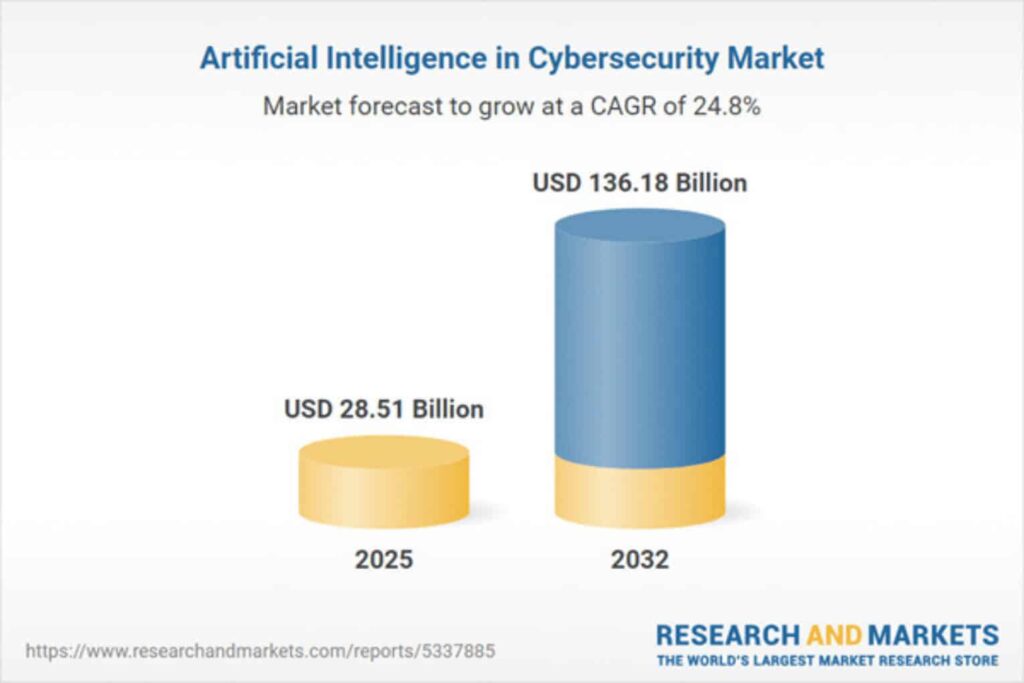
The global market for artificial intelligence in cybersecurity has reached USD 28.51 billion in 2025, marking a year-over-year growth of more than USD 5.4 billion compared to 2024, according to the latest market report published via GlobeNewswire. The findings indicate that the increasing sophistication of cyberattacks, the rapid pace of digital transformation, and the growing reliance on data-driven security are reshaping how organizations defend their systems in an increasingly complex digital world.
(globenewswire.com)

According to the report, the global AI cybersecurity market is projected to grow at a compound annual growth rate (CAGR) of nearly 24.8 percent, reaching USD 136.18 billion by 2032. The data underscores the pivotal role AI plays in strengthening cyber defense systems across industries, as the global digital ecosystem continues to expand.

Drivers of Market Growth

The report identifies several key forces driving the expansion of the AI in cybersecurity market. First, the rising frequency, scale, and complexity of cyber threats have made traditional security measures inadequate. Organizations are shifting toward proactive defense mechanisms that use machine learning and predictive analytics to detect anomalies in real time.

Second, as digital transformation accelerates, more companies are moving their operations, data, and customer engagement to cloud-based systems. This migration has significantly increased the attack surface for hackers, necessitating AI-driven solutions capable of securing vast and distributed networks.

Third, the integration of AI into cybersecurity enables automation in threat detection and incident response. The technology can process massive volumes of data, identify irregular patterns, and even neutralize potential breaches before human teams can intervene.

These capabilities have made AI indispensable to industries like banking, healthcare, energy, telecommunications, and e-commerce sectors where the cost of data breaches is exceptionally high.

The Evolution of Cyber Defense

Cybersecurity frameworks are undergoing a paradigm shift from static, rule-based systems to adaptive, autonomous networks powered by artificial intelligence. Machine learning models now underpin most modern intrusion detection and prevention systems, allowing for constant improvement through exposure to new data.

The report notes that companies are increasingly adopting zero-trust architectures — security frameworks that treat every access request as untrusted until verified. AI technologies such as behavioral analytics, identity verification, and natural language processing are key enablers of these systems, making authentication and risk evaluation faster and more accurate.

Another major trend is the convergence of AI with other emerging technologies like robotics process automation (RPA) and blockchain. This convergence helps organizations not only detect cyber risks but also enhance transparency, traceability, and compliance across digital infrastructures.

Market Segmentation and Regional Insights

The report breaks down the AI in cybersecurity market into several major categories. These include offering type (software, hardware, and services), technology (machine learning, natural language processing, neural networks, computer vision), and deployment mode (on-premise and cloud).

From a regional perspective, North America continues to dominate the global market, driven by strong enterprise adoption and regulatory requirements. Europe follows closely, with growing investments in AI-based compliance and data protection systems. Meanwhile, the Asia-Pacific and Middle East regions are showing rapid acceleration as governments invest heavily in digital infrastructure and national cybersecurity frameworks.

In the Middle East and Africa (MEA), rising investments in smart cities, fintech, and cloud computing have amplified the demand for AI-powered cybersecurity. As digital adoption widens, local enterprises are turning to predictive models and automation to manage threats that traditional IT teams can no longer handle manually.

Key Sectors Adopting AI Security

Among vertical industries, the banking, financial services, and insurance (BFSI) sector remains the largest adopter of AI in cybersecurity. Financial institutions are increasingly relying on algorithms to monitor fraud, detect abnormal account behavior, and mitigate identity theft.

Healthcare is another major segment, where AI tools are being used to protect sensitive patient data and comply with global privacy standards. In manufacturing and energy, predictive cybersecurity systems help monitor industrial control systems and detect tampering or malware before it disrupts operations.

The retail and e-commerce industries are also emerging as high-growth areas, with AI-powered fraud detection systems and consumer data protection now seen as essential for maintaining brand trust and regulatory compliance.

Challenges and Ethical Concerns

Despite its rapid expansion, the AI in cybersecurity industry faces challenges around governance, interpretability, and ethics. Many organizations struggle to ensure that automated systems make explainable and unbiased decisions. Over-reliance on automation can also lead to blind spots particularly if models are trained on incomplete or outdated data.

Data privacy is another key concern. As AI systems analyze massive datasets, including user behavior and private communications, companies must ensure compliance with global privacy laws such as GDPR and CCPA. Transparency and accountability are increasingly being demanded not only by regulators but also by customers and stakeholders.

Furthermore, cybersecurity teams must balance automation with human oversight. While AI can handle detection and analysis, strategic response and policy enforcement still require expert judgment.

Strategic Outlook and Future Trends

The report projects that over the next seven years, AI will evolve from a defensive tool into an integrated component of corporate decision-making. By 2032, nearly all large enterprises are expected to employ some form of autonomous cybersecurity system capable of real-time learning and self-correction.

Generative AI, in particular, is predicted to play an important role in vulnerability detection and risk modeling. By simulating potential attack scenarios, generative systems can help companies prepare for emerging threats before they occur. Reinforcement learning a subfield of AI that uses feedback loops to improve decision-making is also expected to enhance adaptive defense mechanisms.

The report also points to increased collaboration between governments and private companies. As cyber warfare and state-sponsored attacks grow more common, international cooperation on AI-driven cybersecurity standards will become essential.

Economic and Strategic Importance

Beyond protecting data, AI in cybersecurity is now seen as a driver of economic stability. As global economies digitize, trust in digital infrastructure is a prerequisite for investment and innovation. Companies that fail to secure their systems risk not only financial losses but also reputational damage and regulatory penalties.

According to the GlobeNewswire report, organizations that invest early in AI-driven cybersecurity can expect long-term cost savings due to reduced downtime, faster response times, and minimized human error. The report also highlights that AI enables more efficient allocation of cybersecurity budgets, allowing teams to focus on higher-level strategic risks.

Conclusion

The 2025 GlobeNewswire report makes it clear that artificial intelligence is no longer a supplemental technology in cybersecurity it is now the backbone of modern digital defense. With revenues surpassing USD 28.5 billion this year and projected to grow nearly fivefold by 2032, the AI cybersecurity market is one of the fastest-growing sectors of the digital economy.

As global threats intensify and digital transformation continues, the integration of AI-driven cybersecurity solutions will define the resilience of businesses and governments alike. Those that combine innovation with transparency and responsible governance are likely to lead the next era of digital trust.

UAE E-commerce Boom

The UAE is witnessing one of the fastest digital commerce transformations in the region, driven by a surge in online transactions, evolving consumer preferences, and an unprecedented adoption of digital payment systems. According to the UAE Central Bank, total retail transactions processed through the UAE Funds Transfer System (UAEFTS) reached 109.7 million in 2024, valued at AED 7.4 trillion (about USD 2 trillion). This marked a 22.57 percent rise in transaction volume and a 20.63 percent increase in value compared to 2023.
(khaleejtimes.com)

These figures underline the UAE’s accelerating shift toward a fully digital economy one that is redefining how businesses operate, how consumers shop, and how industries innovate. Analysts forecast that digital payment transaction values will continue to grow at a compound annual rate of 14.4 percent through 2030, with the number of e-commerce users expected to reach 10.6 million by the end of the decade.

The Changing Face of Consumer Behaviour

The rise in e-commerce activity has fundamentally changed the retail landscape in the UAE. Consumers, especially Millennials and Gen Z, now prefer the convenience, transparency, and flexibility of online shopping. This has forced even traditional brick-and-mortar players to rethink their business strategies, shifting resources toward digital platforms and omnichannel models.

One example is Dubai-based Blue Ocean Global Group, which has transitioned from a conventional retail distributor into a technology-enabled e-commerce powerhouse. Representing more than 25 global brands and managing over 550 SKUs, the company reports annual online sales growth exceeding 40 percent.

Blue Ocean’s chairman, Shahzad Ahmed, said this transformation was not merely a business decision but a necessity for survival. “The future of retail is digital. E-commerce distribution is structured, efficient, and more transparent,” he explained. “Our customers expect real-time information, faster deliveries, and seamless experiences and that’s only possible through automation and digital integration.”

From Retailer to Digital Operator

Across the UAE, similar stories are unfolding. Businesses are investing heavily in logistics automation, data analytics, and cloud infrastructure to meet consumer expectations. Warehouses are being reconfigured for high-speed fulfillment, while AI-driven tools manage stock replenishment, order routing, and last-mile delivery.

Blue Ocean’s CEO, Rohit Savara, noted that the Fourth Industrial Revolution characterized by robotics, machine learning, and automation is no longer optional for businesses aiming to compete. “Artificial Intelligence, Robotics, and Machine Learning are reshaping how we think, plan, and deliver,” Savara said. “Companies that fail to adapt will quickly become obsolete in this new economy.”

Economic Impact and Sector Growth

The e-commerce sector’s growth is creating ripple effects across the UAE’s economy. From logistics and warehousing to fintech and digital marketing, multiple industries are benefiting from the boom in online transactions. The UAE’s sophisticated payment infrastructure, coupled with high internet penetration and a young, tech-savvy population, has made it one of the most promising e-commerce markets globally.

Experts estimate that digital payments in the UAE already exceed USD 60 billion annually a figure expected to double within five years. This expansion aligns with the government’s digital transformation agenda, which aims to position the UAE as a global leader in fintech and smart commerce by 2031.

The private sector, in turn, is leveraging this momentum. Retailers, manufacturers, and logistics companies are increasingly investing in technology partnerships, AI solutions, and regional e-commerce platforms. Small and medium-sized enterprises (SMEs) are also entering the digital ecosystem, using e-commerce as a cost-effective way to reach wider audiences.

A Shift Toward Omnichannel Integration

One of the defining trends in the UAE’s evolving retail market is the blending of physical and digital experiences. Major brands are adopting omnichannel strategies that allow customers to shop seamlessly across online platforms, mobile apps, and in-store environments.

Retailers are also integrating advanced analytics to understand consumer behaviour and predict purchasing patterns. This data-driven approach enables more accurate inventory planning and targeted marketing campaigns, improving both customer satisfaction and profitability.

Additionally, many companies are adopting cloud-based ERP systems that unify payment, fulfillment, and logistics operations. Such integrations ensure consistency across every touchpoint — from order placement to doorstep delivery.

Opportunities and Challenges Ahead

While the e-commerce boom has opened vast opportunities, it has also introduced new challenges. Logistics costs remain high in some parts of the region, particularly for last-mile delivery in remote or high-traffic areas. The industry must also grapple with cybersecurity threats, data privacy compliance, and the complexity of serving multilingual and multicultural audiences.

Moreover, the growing competition among retailers has led to thinner margins, forcing businesses to innovate not only in marketing but also in operational efficiency. Analysts note that companies that successfully integrate AI, predictive analytics, and automation into their workflows will have a competitive advantage.

Despite these hurdles, the overall outlook remains overwhelmingly positive. Market research shows that UAE consumers are among the most digitally active in the world, with over 95 percent of the population using smartphones and more than 85 percent engaging in some form of online shopping every month.

Driving Innovation Through Technology

Digital transformation is also reshaping corporate culture. Companies once reliant on traditional distribution models are now experimenting with direct-to-consumer strategies, subscription services, and marketplace integrations. Technology firms, fintech providers, and logistics startups are increasingly partnering to build scalable solutions that can handle the UAE’s growing e-commerce traffic.

At the same time, digital transformation has democratized entrepreneurship. The ease of setting up online stores has allowed independent brands and home-based businesses to enter the market. Many of these micro-retailers are now using social commerce platforms like Instagram Shops and TikTok Shop to reach local consumers without physical storefronts.

Government Support and National Vision

The UAE government has played a key role in facilitating this transition. Initiatives such as the National Digital Economy Strategy and Dubai’s D33 Economic Agenda aim to double the contribution of digital commerce to the national GDP. Public-sector agencies have also been active in strengthening cybersecurity infrastructure and promoting e-payment systems that ensure consumer trust.

Furthermore, free zones like Dubai CommerCity and Abu Dhabi’s KIZAD are offering incentives for e-commerce logistics and warehousing, attracting regional headquarters of global players. These developments reinforce the UAE’s role as a digital trade hub for the Middle East and North Africa.

The Future of UAE E-commerce

Looking ahead, experts agree that the UAE’s e-commerce trajectory will continue to accelerate. As businesses embrace automation and data-driven operations, customer experience will become the key differentiator.

Analysts expect further consolidation in the market, with major players acquiring smaller platforms to expand vertically into logistics, payments, and AI-powered marketing. Meanwhile, consumer demand for faster delivery and sustainable packaging is likely to influence future retail strategies.

For entrepreneurs and investors alike, the UAE’s e-commerce ecosystem offers an increasingly fertile ground for innovation, supported by a robust infrastructure and a forward-looking regulatory environment.

Conclusion

The UAE’s e-commerce boom is more than a retail trend — it is the foundation of a broader economic transformation. With record-high digital transactions and a wave of business modernization, the nation is setting a benchmark for digital economies worldwide.

From global brands to local startups, every player in the market is now part of an ecosystem defined by innovation, connectivity, and constant adaptation. As digital commerce continues to reshape the business landscape, the UAE stands at the forefront of a new era in global retail.

Moonshot AI $10M

Moonshot AI, a US-based startup focused on automating e-commerce website optimization, has raised $10 million in a seed funding round led by Mighty Capital, with participation from Oceans Ventures and Uncorrelated Ventures. The funding will help the company expand its AI-powered automation platform designed to make online stores “self-optimizing” through continuous learning and autonomous updates.
(techinasia.com)

The company’s vision is to replace traditional, human-driven website management with an AI system that can automatically adapt design, content, and checkout processes based on real-time consumer behavior. Moonshot AI describes its technology as a way to create “living websites” that constantly evolve to deliver better performance, higher conversions, and improved customer experiences.

Automating the E-commerce Experience

Moonshot AI’s product focuses on solving a long-standing problem in e-commerce: the slow and expensive process of website optimization. Most online stores rely on manual A/B testing and periodic updates by developers or marketing teams. This results in limited testing cycles and often delays data-driven improvements.

The startup’s platform uses machine learning algorithms that continuously analyze user journeys, click data, and purchase trends. It then autonomously adjusts page layouts, image placements, and content variations — effectively redesigning the website in real time to boost engagement and sales.

According to the company, merchants using Moonshot AI can see conversion rates increase by 15–25 percent and average order values rise by up to 10 percent. The system’s biggest advantage, however, lies in speed. What once took weeks of human testing can now be accomplished in a matter of hours through autonomous iteration.

A Market Ripe for Automation

E-commerce platforms are under growing pressure to deliver personalized experiences at scale while maintaining profitability. Rising customer acquisition costs, competition, and marketing saturation have made optimization a critical area of investment.

Moonshot AI enters a market already crowded with analytics tools and personalization engines, but its full automation model sets it apart. Instead of providing insights or dashboards, the system takes action itself continuously running micro-experiments and applying successful results instantly.

This “hands-off optimization” approach aligns with a broader industry trend toward autonomous commerce, where artificial intelligence handles everything from pricing and inventory to digital merchandising.

Investors say Moonshot AI’s focus on this niche gives it a strong first-mover advantage. Mighty Capital, which led the funding round, called the company “a defining force in the next generation of e-commerce automation.”

Scaling Up and Going Global

With its new $10 million funding, Moonshot AI plans to expand its engineering and research teams, strengthen its AI infrastructure, and build deeper integrations with major e-commerce platforms. The company is developing plug-ins for Shopify, Magento, WooCommerce, and BigCommerce to allow seamless adoption by retailers of all sizes.

CEO and co-founder Alex Winters said the funding will also be used to establish an enterprise sales team and expand internationally. “We want to bring autonomous optimization to every online merchant,” he said. “Our goal is to make AI not just a feature but the foundation of digital commerce.”

The company plans to begin its global expansion in 2026, focusing on Europe and Southeast Asia. These markets, Winters explained, offer strong e-commerce growth combined with a shortage of affordable optimization tools, making them ideal for adoption.

How the Technology Works

At its core, Moonshot AI’s technology combines deep reinforcement learning and real-time behavioral analytics. It uses anonymized user data to predict which page designs, product arrangements, and call-to-action formats are most likely to convert specific audiences.

Each website powered by Moonshot AI operates as a unique “ecosystem” that learns from its visitors. The platform continuously runs thousands of micro-tests simultaneously, evaluating every visual and structural change through live data. The best-performing variants are retained automatically, while weaker ones are discarded.

This means that every store using Moonshot AI becomes a self-learning digital environment evolving with customer trends, seasonal changes, and regional preferences.

The Broader Context of AI in Retail

The rise of automation in e-commerce reflects a larger technological transformation sweeping across the retail industry. From inventory prediction to chatbot-based customer support, AI tools are rapidly becoming standard in digital operations.

Moonshot AI’s approach pushes this further by integrating AI directly into the visual and interactive layer of commerce the website itself. This allows companies to operate more efficiently, reducing reliance on developers, designers, and marketing analysts.

However, industry analysts warn that such systems must balance automation with brand identity. If websites evolve purely based on algorithmic efficiency, design diversity and creativity could diminish.

Addressing Challenges and Risks

Like all AI-driven technologies, Moonshot AI faces challenges related to transparency, data privacy, and model control. Retailers are often cautious about giving algorithms the power to alter live customer experiences.

The company says it has built strong safeguards into its platform, allowing clients to set creative boundaries and brand guidelines. These act as constraints, ensuring that automated changes remain aligned with each retailer’s visual language.

In terms of privacy, Moonshot AI stresses that it complies with GDPR and CCPA standards. All user data used for optimization is anonymized and aggregated, preventing the system from storing personally identifiable information.

Growing Demand from Online Retailers

As more retailers adopt digital-first strategies, the demand for efficiency tools has surged. Manual optimization processes can no longer keep up with the pace of online shopping behavior, which shifts daily across devices, demographics, and geographies.

Moonshot AI’s early customer base includes a mix of fashion, electronics, and lifestyle brands that operate mid-sized online stores with at least 100,000 monthly visitors. The company’s initial results reportedly show consistent performance improvements, though full-scale case studies are still underway.

Industry observers believe the startup’s success could pave the way for a new category of “autonomous marketing infrastructure,” blending data science and creative optimization into a single automated process.

The Future of “Self-Running” Websites

Moonshot AI’s long-term vision is to create a future where websites run themselves adapting, testing, and improving without constant human oversight. The founders compare it to the shift from manual driving to autonomous vehicles: humans still define the goals, but AI handles the mechanics.

If the technology scales successfully, it could transform not only e-commerce but also other sectors like media, hospitality, and travel, where user experience directly affects conversion.

Conclusion

Moonshot AI’s $10 million seed funding signals a growing investor belief that the future of e-commerce will be autonomous, data-driven, and adaptive. By focusing on website automation rather than just analytics, the company is positioning itself at the forefront of a major shift in how online stores operate.

The challenge now lies in proving that machines can truly master the art of digital retail balancing speed and intelligence with brand identity and customer trust.

Yaga €4M Raise

Estonian second-hand fashion marketplace Yaga has raised €4 million in new funding to accelerate its expansion across emerging markets, including Africa and the Middle East. The investment round, announced this week, was led by Specialist VC and joined by H&M Group, Trind Ventures, Startup Wise Guys and several angel investors.
(en.ain.ua)

The fresh capital marks a major milestone for the company, founded in 2019 by Aune Aunapuu, as it seeks to bring affordable, sustainable fashion to millions of consumers worldwide. The funding will be used to scale Yaga’s operations in existing markets such as South Africa and Estonia, as well as to expand into new territories in the Middle East and North Africa.

A Marketplace for the Circular Economy

Yaga operates an online resale platform where users can buy and sell second-hand clothing and accessories in a secure, community-driven environment. The platform’s mission is to make sustainable fashion accessible, affordable, and profitable for everyday consumers.

The company’s business model taps into two growing global trends: the rise of the circular economy and the growing appetite for affordable fashion in emerging markets. With second-hand clothing expected to account for 20% of the global fashion industry by 2030, platforms like Yaga are increasingly seen as the future of responsible retail.

Founder and CEO Aune Aunapuu said that the company’s expansion is driven by a simple idea: “Sustainability should not be a luxury. We want to make pre-loved fashion a mainstream choice for millions of people.”

Rapid Growth in Africa

Yaga has seen particularly strong growth in South Africa, which has become one of its largest and most active markets. The platform now serves over one million users globally and records more than 100,000 monthly transactions. In South Africa alone, Yaga’s user base has grown tenfold in the past two years, driven by rising demand for affordable fashion options and growing environmental awareness among younger consumers.

The success in South Africa has provided a template for Yaga’s expansion into other regions with similar consumer dynamics. The company is now eyeing markets like Kenya, Nigeria, and several Gulf states, where second-hand fashion remains an untapped opportunity.

According to Aunapuu, emerging markets offer the right combination of digital readiness, fashion-conscious consumers, and unmet demand for affordable quality clothing. “People everywhere love fashion — but in many regions, new retail prices are simply out of reach for average consumers,” she said. “We give them a way to shop smarter and more sustainably.”

Investor Confidence and Strategic Partnerships

The funding round attracted attention from global investors keen to back sustainable business models. Specialist VC, which led the round, has previously supported fast-growing Baltic startups in fintech and e-commerce.

Trind Ventures and Startup Wise Guys also joined the round, along with H&M Group — one of the world’s leading fashion retailers. H&M’s involvement is particularly notable, reflecting its broader interest in circular economy initiatives and resale platforms.

In a statement, H&M’s New Growth & Ventures managing director said Yaga’s model aligns with the company’s vision for a more sustainable fashion ecosystem. “Yaga’s focus on emerging markets and its commitment to affordability perfectly complement our own sustainability goals,” the statement read.

The partnership may also open future collaboration opportunities between Yaga and H&M, including supply chain integration, co-branding, or logistics partnerships in developing markets.

Expanding the Platform

With the new funding, Yaga plans to invest in product development, logistics optimization, and platform technology. The company is working on improving its mobile experience and integrating AI-based tools to enhance listing quality, pricing recommendations, and buyer-seller matching.

Yaga’s escrow-based payment system ensures secure transactions by holding funds until the buyer confirms delivery, helping to build trust in regions where online resale remains new to many consumers.

The platform also offers integrated shipping options through local partners, allowing sellers to print labels and dispatch packages easily. These innovations have helped Yaga establish credibility and convenience, two major hurdles for peer-to-peer resale platforms in developing markets.

Sustainability as Core Strategy

Beyond profitability, Yaga’s mission is deeply rooted in environmental sustainability. The fashion industry is one of the world’s largest polluters, contributing an estimated 10% of global carbon emissions. By encouraging reuse and extending the life of garments, Yaga positions itself as part of the solution.

The company reports that over 5 million items have been resold through its platform, preventing an estimated 2,000 tons of textile waste from reaching landfills. In addition, the company promotes awareness campaigns about mindful consumption and collaborates with influencers to destigmatize buying second-hand clothing.

As consumers increasingly view sustainability as part of lifestyle identity, Yaga believes that conscious consumption will become the new standard.

Competing in the Global Resale Market

While competitors such as Vinted, Depop, and ThredUp dominate Western markets, Yaga differentiates itself by targeting regions often overlooked by larger players. The company’s localized strategy and affordability-first approach have proven successful in attracting users who may be entering e-commerce for the first time.

Yaga’s growth model also focuses on high community engagement. The platform includes social features that allow users to follow sellers, rate transactions, and interact around listings. This fosters trust and repeat activity, making Yaga more than just a resale site — it’s a digital community for sustainable fashion enthusiasts.

Challenges Ahead

Despite its success, Yaga faces the same challenges as other resale platforms: balancing scalability with moderation, ensuring quality control, and maintaining user trust. Logistics can also be complex in emerging markets, where postal systems vary in efficiency.

The company is addressing these issues by forming partnerships with local delivery providers and exploring last-mile innovations, including pickup points and drop-off lockers. Additionally, Yaga plans to invest in AI-driven moderation to detect fraudulent listings and counterfeit items before they reach buyers.

Another challenge lies in education. Many potential users in new markets are unfamiliar with resale culture, so Yaga must invest in marketing and community engagement to normalize second-hand shopping as a fashionable, responsible choice.

The Road Ahead

With this new investment, Yaga aims to become a global player in second-hand fashion while maintaining its focus on emerging economies. The company plans to double its headcount, expand operations into at least five new countries by 2026, and strengthen its partnerships with sustainability-focused investors.

According to Aunapuu, Yaga’s long-term vision is to empower millions of people to view fashion as circular, not disposable. “We believe sustainability and growth can coexist,” she said. “Our mission is to make resale accessible to everyone, everywhere.”

As global interest in sustainable consumption continues to rise, Yaga’s expansion could reshape the fashion resale market beyond Europe — positioning emerging markets as the next frontier for circular fashion innovation.

Alibaba Picks Durban for Africa Expansion

Chinese e-commerce giant Alibaba has officially chosen Durban, South Africa, as the base for its African operations, solidifying the coastal city’s position as a future hub for digital trade and logistics across the continent. The decision marks a milestone for both Alibaba and South Africa, with expectations that the partnership will accelerate regional e-commerce growth, boost digital skills, and create new opportunities for small and medium-sized enterprises (SMEs).
(timeslive.co.za)

The announcement followed a series of high-level meetings between Durban’s mayor, Cyril Xaba, and senior Alibaba executives at the company’s headquarters in Hangzhou, China. According to the eThekwini Municipality, the discussions centred on the city’s strategic location, logistics infrastructure, and readiness to support large-scale digital commerce initiatives.

Durban’s Strategic Advantage

Durban’s appeal to Alibaba lies in its unique combination of logistics infrastructure, geographical positioning, and government support. The city hosts Africa’s busiest port and benefits from proximity to King Shaka International Airport, creating a natural base for a multimodal logistics network that can support rapid order fulfillment and international shipping.

Municipal officials highlighted that Durban’s combination of port, road, and air connectivity offers Alibaba an ideal platform to reach major African markets efficiently. As a result, the new base will serve not only South Africa but also several key regional corridors extending into East, West, and Southern Africa.

The mayor emphasized that Durban’s infrastructure, digital readiness, and trade potential made it “the most logical choice” for Alibaba’s African entry point. The agreement also forms part of the city’s ongoing internationalization strategy, which aims to build economic partnerships with Asian and European cities to expand trade opportunities.

A Boost for South Africa’s Digital Economy

Alibaba’s decision is expected to stimulate the broader South African economy by expanding access to global e-commerce platforms. Through this partnership, small businesses and local entrepreneurs will gain new export opportunities via Alibaba’s digital marketplace, allowing South African goods and services to reach millions of consumers worldwide.

The eThekwini Municipality said the collaboration will include programs for digital training, technology transfer, and skills development. These efforts are intended to empower SMEs and support the government’s broader objective of developing a digital economy capable of competing on a global scale.

Local business associations have welcomed the move, describing it as “transformational.” They note that the presence of a global tech company like Alibaba can create new employment opportunities not just in retail and logistics but also in tech support, data analytics, and digital marketing.

A Strategic Milestone for Alibaba

For Alibaba Group, establishing an African base represents a long-term commitment to the continent’s fast-growing consumer markets. Africa’s e-commerce industry is projected to surpass $75 billion by 2030, with mobile-first consumers driving digital adoption.

By selecting Durban, Alibaba is signaling its confidence in South Africa’s business environment and infrastructure. The company plans to use its Durban base to strengthen partnerships with African suppliers, streamline supply chains, and introduce cloud-based solutions and fintech services through its affiliated platforms.

A spokesperson for Alibaba’s international division told local media that Durban’s logistics ecosystem aligns perfectly with the company’s global strategy of building localized hubs that connect regional sellers to global buyers. “Durban offers the scale, infrastructure, and human capital we need to grow sustainably in Africa,” the spokesperson said.

Building a Continental Gateway

Durban’s transformation into an e-commerce logistics hub could have far-reaching effects on Africa’s digital trade landscape. The city already serves as one of the continent’s major shipping and manufacturing centers, and Alibaba’s investment will likely amplify its role as a trade corridor linking Asia and Africa.

According to the TimesLIVE report, Alibaba’s team assessed multiple African cities before finalizing Durban. The selection was influenced not only by infrastructure but also by policy stability, customs efficiency, and the municipality’s proactive engagement. Durban’s long-standing sister-city agreements with several Chinese cities, including Guangzhou, Xi’an, and Xiamen, also helped foster trust and collaboration.

The partnership is expected to introduce Alibaba’s eWTP (Electronic World Trade Platform) framework to Africa for the first time. This initiative, backed by the Chinese government, aims to simplify cross-border e-commerce, facilitate digital payments, and encourage small business participation in global trade.

Opportunities for Local Entrepreneurs

For South African SMEs, the Durban hub could be a game changer. By integrating into Alibaba’s platform, local producers and traders can showcase their products to millions of consumers across Asia, Europe, and the Middle East. This includes categories such as fashion, beauty, crafts, and food products that already have export potential.

The municipality confirmed that Alibaba will collaborate with local business chambers to organize training sessions on digital marketing, e-commerce logistics, and online customer service. Entrepreneurs will also receive support in adopting secure digital payment systems and compliance tools for international trade.

Business experts predict that these programs will not only improve competitiveness but also reduce barriers that have historically limited African exporters’ access to global markets.

Strengthening South Africa–China Relations

The move is also viewed as a significant diplomatic success for South Africa. The partnership reinforces the economic ties between the two nations and aligns with the goals of the BRICS framework, which seeks to enhance trade cooperation among emerging economies.

Durban’s selection highlights South Africa’s potential to become a digital trade leader on the continent. Analysts note that the partnership could encourage other Chinese tech firms to explore investment opportunities in South Africa’s technology, logistics, and e-commerce sectors.

Moreover, Alibaba’s presence could catalyze related infrastructure investments, including data centers, warehousing facilities, and fintech platforms — all essential components for a thriving digital economy.

Challenges and Future Outlook

While the announcement has been widely celebrated, experts caution that execution will determine the long-term success of the partnership. Developing reliable logistics corridors, addressing customs delays, and ensuring equitable digital access remain key challenges.

To fully realize the potential of Alibaba’s presence, South Africa will need to enhance its logistics technology infrastructure, streamline import-export regulations, and continue improving internet accessibility across rural areas.

Nevertheless, the early signs are promising. The municipality has pledged full support for the project, promising to fast-track permits and infrastructure upgrades around the designated business zone where Alibaba’s operations will be based.

Conclusion

Alibaba’s decision to base its African operations in Durban represents a major milestone for both the city and the continent’s e-commerce ecosystem. The move promises to transform Durban into a gateway for digital trade between Africa and Asia, creating opportunities for entrepreneurs, workers, and investors alike.

For Alibaba, Durban provides the strategic logistics, infrastructure, and partnerships needed to unlock Africa’s vast market potential. For South Africa, it is a step toward a more connected, inclusive, and technology-driven economy.

As the partnership develops, the success of this initiative could redefine the continent’s role in global trade and position Durban as one of the world’s emerging digital commerce capitals.

Qatar DHL Hub

DHL Global Forwarding, the freight division of Deutsche Post DHL Group, has officially opened a new regional logistics facility in Qatar’s Ras Bufontas Free Zone. The launch marks a major milestone for both DHL and the Qatar Free Zones Authority (QFZ), as the Gulf nation continues to position itself as a strategic hub for multimodal logistics across the Middle East, Africa, and Asia.
(logisticsmiddleeast.com)

The 1,200-square-metre facility is located just minutes from Hamad International Airport and offers integrated services including air and ocean freight, warehousing, customs clearance, and last-mile distribution. It is part of DHL’s regional expansion strategy aimed at enhancing speed, efficiency, and capacity for customers operating across the GCC, particularly in high-growth industries such as e-commerce, healthcare, manufacturing, and energy.

A Strategic Expansion

According to the Qatar Free Zones Authority, DHL’s decision to establish operations in Ras Bufontas underscores Qatar’s growing appeal as a logistics gateway for global trade. The zone offers direct connectivity to Hamad International Airport and close proximity to Hamad Port two of the country’s most important logistics assets.

Mohammed bin Hamad bin Faisal Al-Thani, CEO of QFZ, said during the inauguration that the facility reflects Qatar’s strategic shift from being a transit point to becoming a fully integrated logistics hub. “This partnership highlights Qatar’s growing importance as a regional logistics leader,” he said. “The presence of global operators such as DHL enhances our ability to provide agile, efficient, and world-class supply-chain services to international markets.”

Location and Infrastructure Advantages

Ras Bufontas Free Zone is strategically situated next to Hamad International Airport and has been designed to accommodate logistics, technology, and light industrial tenants. Companies operating in the zone benefit from 100 percent foreign ownership, tax exemptions, and streamlined customs procedures.

For DHL, this location offers immediate access to key trade routes between Asia, Africa, and Europe. The company can now consolidate shipments, manage air-sea multimodal transfers, and serve clients across the Gulf region more efficiently. The site is expected to become a central node in DHL’s Gulf network, linking its existing operations in Dubai, Bahrain, and Saudi Arabia.

Strengthening Regional Supply Chains

The new facility comes at a time when global supply chains are being reconfigured to emphasize resilience, speed, and regional diversification. By establishing its regional hub in Qatar, DHL aims to capitalize on the country’s advanced transport infrastructure and pro-business environment.

Samer Kaissi, CEO of DHL Global Forwarding for the Gulf Cluster, said the company’s investment demonstrates long-term confidence in Qatar’s logistics potential. “Our goal is to bring the world closer to Qatar,” he explained. “With this facility, we can enhance our air freight and multimodal capabilities, offering faster and more flexible solutions for our customers across the Middle East and Africa.”

Kaissi added that the Ras Bufontas site will also serve as a model for sustainable operations, incorporating energy-efficient technologies and digital tools for shipment tracking and optimization.

Catalyst for Qatar’s Vision 2030

The opening of the DHL facility aligns with Qatar’s National Vision 2030, which prioritizes economic diversification and innovation-driven growth. The Free Zones Authority plays a key role in this vision by creating specialized industrial ecosystems that attract international investment and high-value industries.

By hosting companies like DHL, the free zones not only stimulate trade but also create employment opportunities for skilled workers in logistics, engineering, and supply chain management. Local experts believe that partnerships with global players can accelerate Qatar’s transition into a knowledge-based economy with strong logistics capabilities.

QFZ officials have indicated that more global logistics firms are in discussions to establish regional operations in the zones, signaling continued investor interest in Qatar’s infrastructure and regulatory advantages.

Features and Services

The new DHL site is designed to handle high-volume, high-velocity cargo. It includes temperature-controlled storage, customs inspection areas, and dedicated zones for pharmaceutical and high-value shipments. The facility will also serve as a consolidation point for air and sea freight, streamlining operations for clients with complex supply-chain needs.

According to Logistics Middle East, DHL plans to use the Qatar hub to serve several industries, including healthcare, aviation, and e-commerce sectors where rapid growth has increased demand for specialized logistics. The company’s digital platforms, such as MyDHLi, will be fully integrated with the Ras Bufontas operations to allow real-time visibility of shipments and advanced analytics for clients.

Regional and Global Impact

Analysts say the DHL-QFZ partnership reflects a broader trend in the Gulf logistics sector, where governments are leveraging free zones and infrastructure investment to attract multinational companies. For Qatar, the move supports its ambition to become a logistics bridge between East and West, complementing its existing strengths in aviation and maritime transport.

The Gulf region has seen a surge in foreign investment in logistics, with DHL, UPS, and FedEx all expanding their regional presence. Qatar’s focus on sustainable logistics, combined with its world-class airport and port infrastructure, makes it a natural competitor to traditional hubs such as Dubai and Bahrain.

Sustainability and Innovation

DHL has emphasized sustainability as a key pillar of its global strategy. The Ras Bufontas facility will utilize solar-powered systems, energy-efficient lighting, and digital process automation to reduce emissions. The company also plans to introduce electric delivery vehicles and sustainable aviation fuel solutions in coordination with local partners over the coming years.

These efforts align with Qatar’s national environmental goals and with DHL’s global target of achieving carbon-neutral operations by 2050. By adopting green technologies early, the company aims to demonstrate how large-scale logistics operations can coexist with environmental stewardship.

Future Prospects

Qatar Free Zones Authority has confirmed that the partnership with DHL is only the beginning of a broader plan to attract logistics, e-commerce, and tech companies. The authority envisions the Ras Bufontas and Umm Alhoul zones as complementary hubs one focused on air freight, the other on maritime logistics creating a fully integrated multimodal ecosystem.

For DHL, the success of this operation will depend on regional demand growth, efficient regulatory coordination, and sustained collaboration with QFZ. Early indicators suggest that Qatar’s strategic location and world-class infrastructure give it a strong advantage as regional trade continues to expand.

Conclusion

The opening of DHL’s regional logistics facility in Qatar’s Ras Bufontas Free Zone represents a milestone for both the company and the country. It strengthens Qatar’s credentials as a global logistics hub and reinforces DHL’s leadership in the region’s fast-evolving supply-chain landscape.

As global trade patterns shift and demand for resilient logistics solutions rises, partnerships like this one highlight how strategic investment and innovation can redefine connectivity across the Middle East and beyond.

UAE Launches SAVA

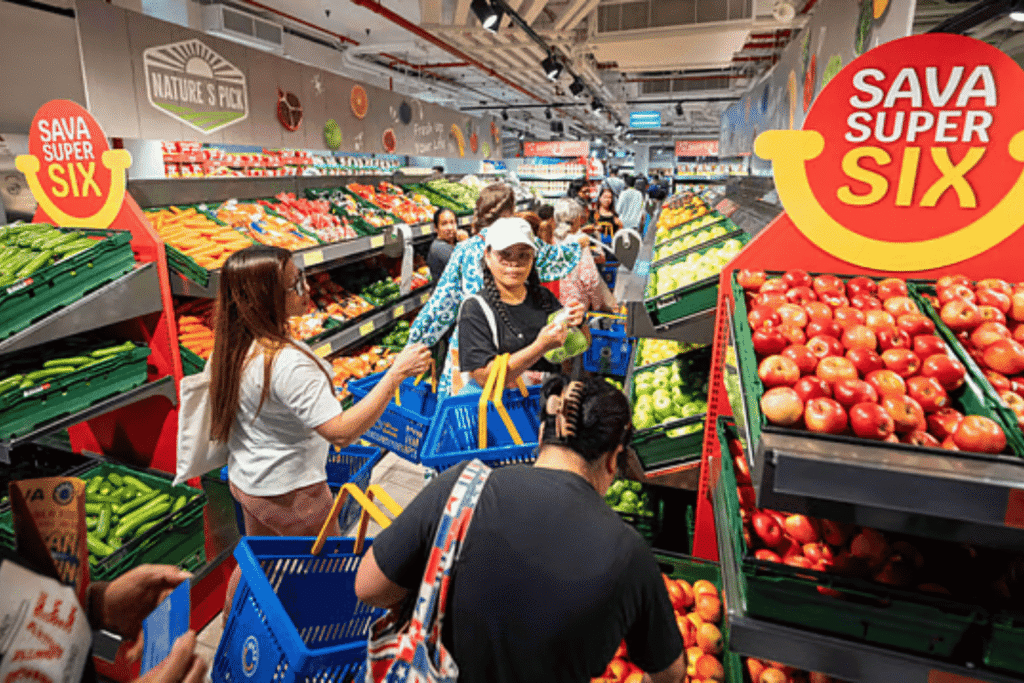
Majid Al Futtaim Group has launched SAVA, the United Arab Emirates’ first homegrown modern discount retail brand, marking a new chapter in the country’s evolving consumer market. Designed to offer everyday essentials at affordable prices while maintaining quality and convenience, SAVA introduces a locally inspired approach to value-driven shopping in a market long dominated by premium and mid-range retail formats.
(gulfnews.com)

The launch comes as part of Majid Al Futtaim’s broader strategy to diversify its retail portfolio and respond to growing consumer demand for cost-efficient options amid changing economic conditions. The group, which operates Carrefour and several shopping mall chains across the region, is now expanding into the discount segment for the first time, aiming to set a new standard for affordability and accessibility in the UAE.

A New Chapter in Emirati Retail

The first two SAVA stores opened simultaneously in Deira and Jumeirah Beach Residence (JBR), two of Dubai’s busiest districts. According to the company, additional outlets are already planned in other emirates, with a total of ten stores expected by the end of 2025. Each store features a streamlined layout and a curated range of products focused on everyday essentials such as groceries, home care items, and personal goods.

Majid Al Futtaim’s vision for SAVA centers on accessibility, simplicity, and value. The company describes the concept as “a new way to shop Emirati,” reflecting both local ownership and a strong connection to the UAE’s consumer identity. SAVA’s launch aligns with the country’s broader economic diversification strategy and efforts to support Emirati-led business models that combine innovation with national branding.

A Value-Centric Concept

SAVA positions itself as a modern discount retailer that focuses on offering low prices through operational efficiency rather than cutting quality. The stores operate with minimal overheads compact layouts, direct supplier partnerships, and fast restocking systems allowing them to maintain affordability while ensuring product freshness and availability.

According to Gulf News, each SAVA outlet carries approximately 1,600 core products and 160 promotional items that rotate weekly. The brand’s product portfolio spans local and international goods, with a focus on items used daily by families. This includes packaged food, fresh produce, cleaning products, and basic home essentials.

By adopting this value-centric approach, Majid Al Futtaim aims to bridge the gap between hypermarkets and convenience stores, offering an efficient hybrid that satisfies consumers’ need for both affordability and quality.

Meeting New Consumer Realities

The UAE’s retail sector has undergone rapid transformation in recent years. Rising living costs, inflationary pressures, and evolving consumer expectations have led many shoppers to become more price-conscious. Families, particularly in the middle-income bracket, are seeking value without compromising on trust and reliability.

SAVA’s timing reflects this market shift. As residents look for ways to manage expenses while maintaining lifestyle quality, discount retailers are gaining traction worldwide. Majid Al Futtaim’s entry into this segment signals an acknowledgment of that trend and a desire to lead it within the Gulf region.

Industry analysts note that the UAE’s retail market, long defined by luxury and premium experiences, is now diversifying to include multiple pricing tiers. SAVA’s launch demonstrates how established players can adapt to these evolving dynamics while leveraging local ownership and cultural identity.

The Strategic Importance for Majid Al Futtaim

For Majid Al Futtaim, SAVA is not just another retail brand — it represents a structural expansion into a new market segment. The company already dominates the supermarket and hypermarket sectors through Carrefour, but SAVA allows it to capture a different demographic: everyday consumers looking for reliable, affordable, and local alternatives.

The company’s leadership views the new venture as a complement to its existing businesses. By positioning SAVA as a lean, community-oriented chain, Majid Al Futtaim can maintain brand diversity and resilience across economic cycles. In periods of tighter household budgets, discount chains like SAVA could become central to maintaining overall retail performance.

The Store Experience

Each SAVA store has been designed with simplicity and efficiency in mind. The interiors are bright and functional, prioritizing easy navigation and quick shopping. The emphasis is on clear labeling, prominent pricing, and rapid checkout—key factors for value-focused consumers.

Unlike traditional supermarkets that often rely on elaborate merchandising or imported specialty products, SAVA’s appeal lies in everyday practicality. The stores feature recognizable essentials and encourage fast turnaround, making them suitable for daily and weekly household shopping.

The retailer’s operations are supported by Majid Al Futtaim’s advanced logistics and supply chain network, allowing for consistent restocking and regional sourcing. This integration helps keep prices stable while ensuring the quality assurance that UAE consumers expect.

Economic and Cultural Significance

The introduction of SAVA is particularly notable as it is fully Emirati in identity and management. It represents the UAE’s growing focus on supporting local brands that can compete with global players on both price and service quality. The initiative also aligns with the country’s push to encourage national entrepreneurship in key sectors like retail and logistics.

From an economic perspective, SAVA’s arrival could influence the pricing dynamics across the grocery and household goods sectors. Competing retailers may respond with their own value-based campaigns, potentially benefitting consumers through broader affordability.

Culturally, SAVA’s branding emphasizes simplicity, community, and local pride. The name itself reflects the idea of saving and value — themes that resonate strongly with families seeking financial prudence amid changing economic conditions.

Expansion and Future Outlook

Majid Al Futtaim has ambitious plans for SAVA’s growth. The company has announced that new stores will open across all seven emirates within the next two years, with high-traffic urban centers prioritized during the rollout phase. The long-term goal is to establish SAVA as the leading value retailer in the UAE and potentially extend the brand to other GCC markets.

Retail experts predict that if SAVA maintains its current pace, it could capture a substantial portion of the UAE’s mid-tier grocery market within five years. However, sustaining competitive pricing will require tight operational discipline and strong supplier partnerships.

In parallel, Majid Al Futtaim continues to explore sustainability initiatives across its retail operations. SAVA stores are expected to adopt eco-friendly practices, including energy-efficient lighting, recyclable packaging, and reduced food waste programs, aligning with the group’s broader environmental goals.

Challenges and Opportunities

While the discount retail concept has proven successful in other markets, SAVA faces unique challenges in adapting it to the UAE’s retail ecosystem. Rent costs, supply chain logistics, and consumer expectations for premium service all add complexity. Additionally, the brand must establish strong differentiation from hypermarket formats operated by the same parent company.

Nonetheless, the opportunities are substantial. A growing middle class, increased demand for value-based shopping, and a supportive national policy environment all provide fertile ground for expansion. If executed effectively, SAVA could become the blueprint for homegrown discount retailing in the region.

Conclusion

The launch of SAVA marks a milestone in the evolution of the UAE’s retail sector. As the nation’s first Emirati discount retail chain, it blends local ownership, modern efficiency, and a clear value proposition. For consumers, it offers a new way to shop smartly without sacrificing quality; for Majid Al Futtaim, it opens a powerful new front in an already diverse retail empire.

As SAVA’s rollout accelerates, the brand is poised to redefine how affordability and innovation coexist in one of the world’s most dynamic retail markets.

Amazon 15-Min Delivery

Amazon has unveiled its fastest delivery service to date in the United Arab Emirates, introducing a new initiative called Amazon Now that promises to deliver essential products in as little as 15 minutes. The launch marks a significant milestone in Amazon’s regional expansion strategy, further cementing the company’s footprint in the Middle East and setting a new benchmark for ultra-fast e-commerce fulfillment.
(techinasia.com)

According to Amazon’s statement cited by Tech in Asia, the service is designed to meet growing consumer demand for near-instant delivery in urban areas like Dubai and Abu Dhabi, where digital adoption and smartphone penetration are among the highest in the region. The company’s plan leverages a network of micro-fulfillment centers strategically positioned across densely populated districts, enabling fast order processing and localized dispatching.

A New Era of Speed

Amazon Now aims to redefine consumer expectations for convenience in e-commerce. Deliveries can be completed in as little as 15 minutes for select products, and early users have reported delivery times dropping to just six minutes in some cases. This achievement underscores the logistical precision of Amazon’s regional infrastructure, which has been steadily expanding since the company’s acquisition of Souq.com in 2017.

Initially available to Amazon Prime members in select neighborhoods such as Dubai Marina, Business Bay, Jumeirah Beach Residence (JBR), and parts of Abu Dhabi, the service provides 24/7 access to thousands of essential products. Customers can order everything from fresh groceries and cleaning supplies to electronics, personal care items, and snacks — all delivered directly from local warehouses within minutes.

The company said the service will gradually expand to additional Emirates and districts, with more fulfillment hubs scheduled to open before the end of 2025.

Micro-Fulfillment Innovation

At the core of the 15-minute delivery model lies a network of micro-fulfillment centers — compact, highly automated warehouses that store fast-moving inventory close to customers. Unlike traditional distribution centers that serve wide geographic areas, these hubs are designed to fulfill smaller, high-frequency orders with extreme efficiency.

Each micro-fulfillment node uses advanced robotics, predictive algorithms, and route-optimization software to minimize handling and transportation time. Orders are processed within seconds of being placed, with dispatch riders or local delivery partners immediately notified for pickup.

By integrating these centers into existing urban infrastructure, Amazon reduces travel distance, fuel consumption, and carbon footprint — aligning with its broader sustainability goals under the Climate Pledge initiative.

Competitive Landscape

Amazon’s move into ultra-fast delivery puts it in direct competition with regional quick-commerce players such as Careem Express, Deliveroo Hop, and Talabat Mart, which already offer sub-30-minute grocery and essentials delivery in parts of the UAE. However, Amazon’s extensive logistics capabilities, deep inventory, and technology-driven operations give it a unique competitive advantage.

Analysts say the company’s ability to operate at scale and absorb delivery costs could pressure smaller startups that depend heavily on venture capital funding. While many quick-commerce companies in the region have struggled to maintain profitability due to high delivery expenses, Amazon’s established fulfillment ecosystem allows it to offer comparable speed with lower marginal costs.

The introduction of Amazon Now signals a strategic shift in how e-commerce giants compete: speed and reliability are becoming as important as price and product selection.

Customer-Centric Approach

Amazon executives say the launch of Amazon Now reflects the company’s customer-first philosophy, which prioritizes convenience and trust. Ronaldo Mouchawar, Vice President of Amazon Middle East and North Africa, said the new service “responds directly to the pace and lifestyle of UAE consumers, who expect technology to save them time every day.”

He added that the initiative embodies Amazon’s long-term commitment to innovation and operational excellence in the region. “Every idea we develop begins with the customer and works backward from their needs,” he said, noting that Amazon Now was designed to make daily shopping “as effortless as tapping a button.”

Economic and Urban Impact

The introduction of 15-minute delivery could have far-reaching effects on urban logistics and retail dynamics in the UAE. With more consumers choosing instant convenience over traditional store visits, brick-and-mortar retailers may face renewed pressure to adopt hybrid online models or partner with major e-commerce platforms.

Urban planners also note that the proliferation of micro-fulfillment centers could influence traffic flow and last-mile delivery zoning in high-density areas. As delivery fleets grow, city authorities may need to regulate parking, loading zones, and emissions compliance for two-wheeler and electric delivery vehicles.

Economically, the expansion of ultra-fast delivery services could generate new employment opportunities in logistics and operations, even as automation increases. Local couriers, dispatchers, and small transport partners stand to benefit from Amazon’s demand for flexible delivery networks.

Technology and Operations

The success of Amazon Now relies on a combination of technology layers working seamlessly together. Machine learning models forecast product demand at a neighborhood level, while route optimization algorithms determine the most efficient dispatch paths for drivers.

Amazon’s warehouse management systems use real-time inventory data to ensure that only in-stock items appear available to nearby customers. This minimizes cancellations and maintains delivery precision.

Industry observers highlight that such systems represent a new evolution in e-commerce logistics — where predictive analytics and automation drive nearly every decision, from stock replenishment to traffic-aware routing.

Challenges Ahead

Despite the excitement surrounding the launch, Amazon faces significant challenges in scaling 15-minute delivery sustainably. The cost per delivery remains a major obstacle in quick-commerce models. Fuel prices, labor costs, and the expense of maintaining dense urban warehouses all contribute to narrow profit margins.

Moreover, consumer expectations for instant delivery can strain operational efficiency during peak hours. To maintain performance, Amazon will need to continuously refine its automation processes, expand its electric vehicle fleet, and invest in predictive systems that prevent stockouts.

Environmental advocates have also raised concerns about the sustainability of ultra-fast delivery. While Amazon’s micro-fulfillment centers reduce long-distance transportation, the increase in frequent, small-order deliveries could raise the carbon footprint if not carefully managed. The company says it will mitigate this by expanding electric delivery vehicles and renewable energy use in its regional network.

Market Outlook

E-commerce analysts view the UAE as an ideal testing ground for ultra-fast delivery because of its compact urban geography, strong digital infrastructure, and affluent, tech-savvy population. If Amazon Now succeeds, it could serve as a model for rollout in other Gulf Cooperation Council (GCC) markets such as Saudi Arabia and Qatar.

The UAE’s e-commerce market continues to expand at double-digit growth rates, driven by consumer trust in online transactions and rapid digital payment adoption. Ultra-fast delivery could become the next phase of competitive differentiation, forcing both local and global players to innovate.

Conclusion

With the launch of Amazon Now, the e-commerce giant has set a new standard for convenience in the UAE, bringing the country closer to the future of on-demand retail. By combining cutting-edge logistics technology with customer-focused innovation, Amazon aims to make instant delivery not just a premium feature but a daily reality.

While challenges around cost, sustainability, and scalability remain, the move underscores Amazon’s long-term ambition to dominate the Middle East’s digital commerce landscape. If successful, Amazon Now could redefine how consumers across the region experience shopping — from days, to hours, to just minutes.